
Wrasse Wonders: Exploring the Astonishing Diversity of Labridae

Welcome to Aquarium Mastery!
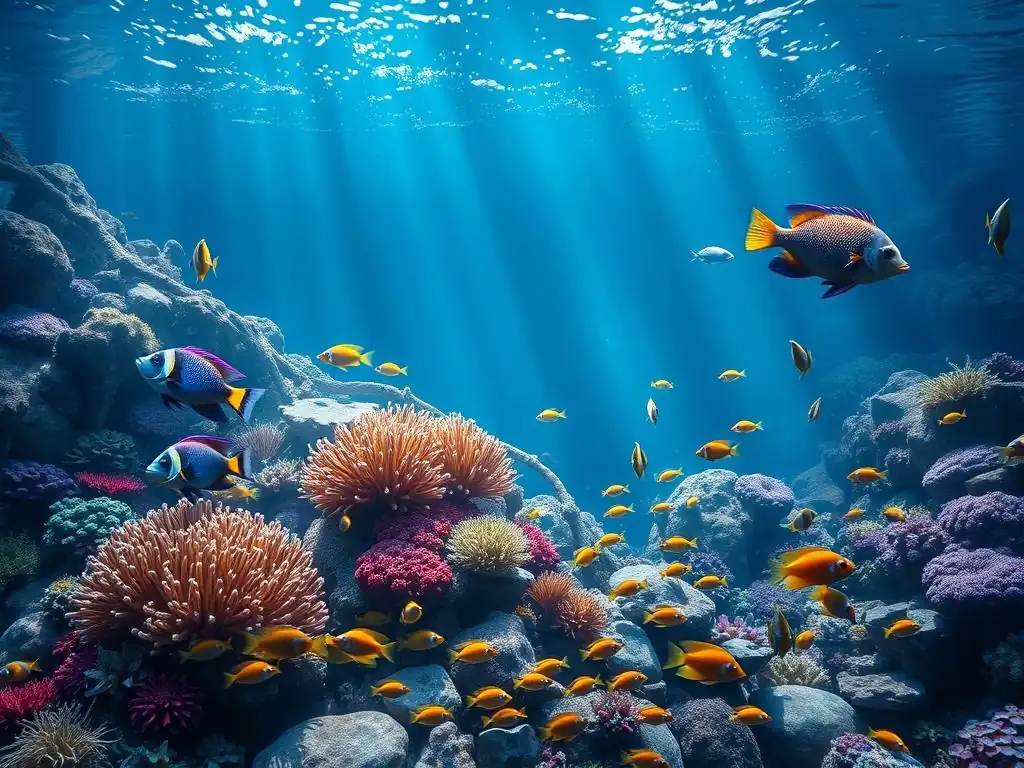
Dive into the vibrant world of saltwater aquariums, but first, have you ever wondered about the dazzling personalities and unique needs of Wrasses? Wrasse Wonders: Exploring the Astonishing Diversity of Labridae unveils the secrets to keeping these captivating fish thriving. Before you get lost in the wrasse world, are you also curious about other vibrant species? Our detailed guidance extends beyond wrasses, from choosing the right fish to mastering water chemistry. Speaking of vibrant inhabitants, are you aware of the special care that Labradors fish requires? Let's explore the captivating wonders that await!
- Understanding the Labridae Family: An Introduction to Wrasses
- Labridae Fish Care Tips: Essential Guidelines for a Healthy Aquarium
-
Exploring Wrasse Diversity: Species Profiles and Unique Characteristics
- The Radiant Rainbow Wrasse (Cirrhilabrus): A Colorful Addition
- The Cleaner Wrasse (Labroides dimidiatus): A Symbiotic Relationship
- The Dragon Wrasse (Novaculichthys taeniourus): Juvenile vs. Adult Behavior
- The Leopard Wrasse (Macropharyngodon): Acclimation and Feeding Challenges
- Other Popular Wrasse Species for Saltwater Aquariums
- Wrasse Behavior in the Aquarium: Understanding Social Dynamics
- Reef Compatibility: Choosing the Right Wrasse for Your Reef Tank
- Common Wrasse Health Issues and Treatments
- Advanced Wrasse Care: Breeding and Specialized Needs
- The Future of Wrasse Keeping: Conservation and Sustainable Practices
-
Frequently Asked Questions
- What are some key considerations when choosing Wrasse species for a community aquarium?
- What are the ideal water parameters for maintaining a healthy Wrasse aquarium?
- What type of food do Wrasse fish typically eat in an aquarium setting?
- How can I prevent common diseases that affect Wrasse fish in aquariums?
- What are some signs that a Wrasse fish is stressed or unhealthy in an aquarium?
- Final Reflection: Appreciating the Ocean's Palette
- Dive Deeper: Unlock the Secrets of Wrasse!
Understanding the Labridae Family: An Introduction to Wrasses
What are Wrasses? Defining the Labridae Family
Wrasses belong to the vast and diverse Labridae family, a group of marine ray-finned fish predominantly found in tropical and subtropical waters worldwide, with an exceptional presence on coral reefs. Characterized by their often elongated bodies, prominent lips, and vibrant, often iridescent coloration, wrasses exhibit an incredible range of sizes, from a mere few centimeters for species like the Six-Line Wrasse ( Pseudocheilinus hexataenia) to over two meters for the colossal Humphead Wrasse ( Cheilinus undulatus), making them one of the most visually striking families in the ocean.
Ecologically, wrasses are highly active, diurnal predators, primarily feeding on small crustaceans, mollusks, and other invertebrates. Many species are also renowned for their unique symbiotic relationships, such as the cleaner wrasses, which remove parasites from other fish. Their distinctive swimming style, relying heavily on pectoral fin propulsion, allows for precise maneuvering around complex reef structures. A fascinating biological trait common among many wrasse species is protogynous hermaphroditism, where individuals begin life as females and can later transition into males, often displaying dramatic color and behavioral changes.
Wrasse Classification: A Look at Different Genera and Species
The Labridae family is one of the largest marine fish families, encompassing over 500 species distributed across more than 60 genera. This extensive classification highlights the immense diversity within the group, with species adapted to a wide array of marine habitats, from shallow lagoons and surge zones to deeper reef slopes and rubble beds. Prominent genera frequently encountered in the aquarium trade include Cirrhilabrus (Fairy and Flasher Wrasses), Halichoeres (Hogfish and Coris Wrasses), Macropharyngodon (Leopard Wrasses), Thalassoma (Surge Wrasses), and Labroides (Cleaner Wrasses).
Each genus, and indeed many individual species, possesses unique characteristics and behaviors that differentiate them. For instance, Cirrhilabrus species are celebrated for their dazzling, almost neon colors and generally peaceful disposition, making them ideal reef inhabitants. In contrast, Novaculichthys taeniourus, the Dragon Wrasse, is known for its remarkable camouflage as a juvenile and its powerful rock-moving abilities as an adult. This extensive classification underscores why Labridae fish care tips must often be species-specific, as a blanket approach rarely suffices for such a varied group.
Why Wrasses are Popular Among Saltwater Aquarium Enthusiasts
Wrasses are highly prized by saltwater aquarium enthusiasts for a multitude of reasons, primarily their unparalleled visual appeal. Their spectrum of vibrant colors, intricate patterns, and active swimming behaviors add dynamic beauty and constant interest to any marine display. Many species exhibit fascinating behaviors, such as burrowing into the sand for sleep or protection, changing sex, and some even engaging in cleaning symbiosis, providing endless opportunities for observation.
Beyond their aesthetic and behavioral allure, many wrasse species are relatively hardy once properly acclimated to an aquarium environment, making them suitable for experienced aquarists. Their diverse sizes and temperaments mean there's a wrasse species for nearly every tank size and community setup, from the small, peaceful Fairy Wrasses that thrive in 30-gallon nano reefs to the larger, more robust species requiring tanks upwards of 100 gallons. The availability of comprehensive Labridae fish care tips further empowers hobbyists to successfully maintain these captivating fish.
Labridae Fish Care Tips: Essential Guidelines for a Healthy Aquarium
Water Parameters for Wrasse Success: Achieving Optimal Conditions
Maintaining stable and optimal water parameters is paramount for the health and longevity of wrasses in a home aquarium. The ideal salinity range for most wrasse species is between 1.023 and 1.026 specific gravity (SG), or 32-35 parts per thousand (ppt). Temperature should be consistently maintained between 74-82°F (23-28°C), while the pH should remain within the slightly alkaline range of 8.1-8.4. Crucially, ammonia and nitrite levels must always be undetectable (0 ppm), and nitrates should be kept below 10-20 ppm through regular maintenance.
Consistent monitoring of these parameters through weekly or bi-weekly water testing is highly recommended. Regular partial water changes, typically 10-20% bi-weekly, are essential to replenish trace elements and reduce nutrient buildup. Wrasses, being active swimmers, also benefit from moderate to high water flow, which mimics their natural reef environment and ensures good oxygenation. Adequate flow can be achieved with powerheads or wavemakers. Adhering to these specific Labridae fish care tips regarding water quality is the foundation for a thriving wrasse aquarium.
Wrasse Nutrition: Feeding Habits and Diet Recommendations
Wrasses are primarily carnivorous, and their natural diet consists of a wide array of small invertebrates such as copepods, amphipods, worms, and small crustaceans. To replicate this in captivity, a varied and high-quality diet is crucial for their long-term health and vibrant coloration. Primary food sources should include high-quality frozen foods like mysis shrimp, enriched brine shrimp, finely chopped krill, clam, squid, and various marine preparations. Live foods, such as copepods, can be particularly beneficial for enticing new or finicky eaters.
Feeding frequency should typically be small amounts offered 2-3 times per day. This approach ensures they receive sufficient nutrition without overfeeding, which can lead to water quality degradation. While frozen foods should form the bulk of their diet, supplementing with high-quality marine pellets or flakes specifically formulated for carnivorous fish can also be beneficial. Always ensure the food particles are appropriately sized for the wrasse's mouth to prevent choking or difficulty in consumption. These dietary Labridae fish care tips are vital for their robust health.
Tank Size and Aquascaping: Creating a Suitable Wrasse Habitat
The appropriate tank size for a wrasse varies significantly depending on the species. Smaller species like Fairy Wrasses ( Cirrhilabrus spp.) can thrive in tanks as compact as 30 gallons, while more active or larger species, such as the Yellow Coris Wrasse ( Halichoeres chrysus) or Leopard Wrasse ( Macropharyngodon meleagris), generally require 75 gallons or more. For exceptionally large species like the Humphead Wrasse ( Cheilinus undulatus), tanks exceeding 1000 gallons are necessary, making them unsuitable for most home aquariums. Always research the adult size and activity level of your chosen species.
Aquascaping should prioritize both hiding spots and a suitable substrate. Plenty of live rock or inert rockwork should be arranged to create numerous caves and crevices where wrasses can retreat for security or establish territories. Critically, a deep sand bed is essential for many wrasse species that burrow for sleep or protection.
This sand bed should be fine-grained aragonite sand, at least 2-4 inches deep for smaller species, and potentially 6-8 inches or more for larger burrowers like the Dragon Wrasse ( Novaculichthys taeniourus). Furthermore, wrasses are notorious jumpers, so a tightly fitting lid or screen top is an absolute necessity to prevent escapes. These foundational Labridae fish care tips help create a secure and thriving environment.
Exploring Wrasse Diversity: Species Profiles and Unique Characteristics
The Radiant Rainbow Wrasse (Cirrhilabrus): A Colorful Addition
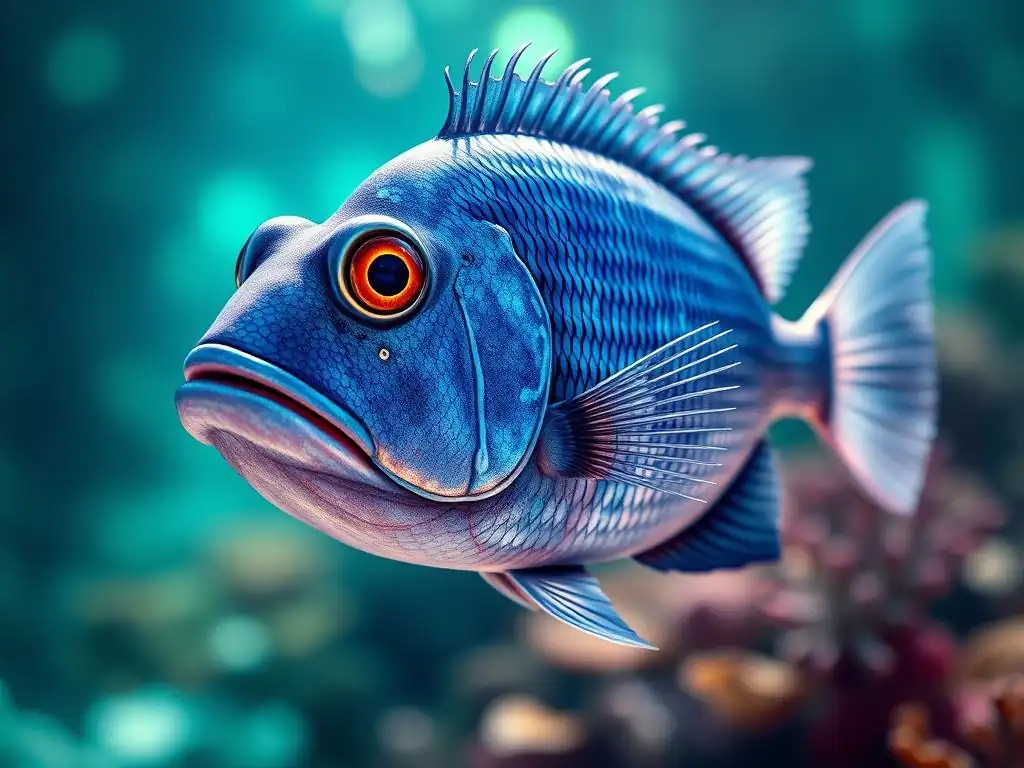
Cirrhilabrus species, commonly known as Fairy Wrasses or Flasher Wrasses, are arguably the most sought-after group within the Labridae family, celebrated for their breathtaking, iridescent colors and generally peaceful nature. Species such as the Exquisite Wrasse ( Cirrhilabrus exquisitus) or the Ruby Wrasse ( Cirrhilabrus rubrisquamis) display an astonishing array of blues, reds, yellows, and greens, which become even more vibrant during male courtship displays, where they "flash" their fins. These active, inquisitive fish typically remain relatively small, reaching adult sizes of 3-5 inches (7-13 cm).
Their non-aggressive temperament and lack of coral predation make them excellent candidates for most reef aquariums, where they add constant movement and dazzling color without disturbing corals or invertebrates. While generally hardy once acclimated, they benefit from a mature aquarium with stable water parameters and frequent, small feedings of high-quality frozen foods to maintain their brilliant hues and energy levels. Their stunning appearance and manageable size make them a top choice for aquarists seeking vibrant Labridae fish care tips for reef environments.
The Cleaner Wrasse (Labroides dimidiatus): A Symbiotic Relationship
The Common Cleaner Wrasse ( Labroides dimidiatus) is perhaps one of the most iconic wrasses due to its unique and fascinating symbiotic relationship with other marine fish. These wrasses establish "cleaning stations" on the reef, where larger fish, including predators, present themselves to have parasites, dead skin, and mucus removed by the cleaner wrasse. This mutualistic interaction benefits both parties: the cleaner wrasse gains a food source, and the host fish is relieved of irritating or harmful external organisms. They typically grow to about 4 inches (10 cm).
Despite their captivating behavior, Cleaner Wrasses are notoriously challenging to keep long-term in home aquariums. Their specialized diet, consisting almost exclusively of parasites and external mucus, means they often starve without a constant supply of "client" fish. In a typical home aquarium, they quickly deplete the available parasites and refuse prepared foods, leading to emaciation and eventual demise within weeks or months.
For this reason, it is generally advised against keeping them in most private setups unless in very large, well-established public aquariums with a high density of potential hosts. This highlights a specific and often overlooked challenge in Labridae fish care tips.
The Dragon Wrasse (Novaculichthys taeniourus): Juvenile vs. Adult Behavior
The Dragon Wrasse ( Novaculichthys taeniourus), also known as the Rockmover Wrasse, is a truly unique member of the Labridae family, particularly distinguished by its dramatic transformation from juvenile to adult. Juveniles exhibit an extraordinary camouflage strategy, mimicking floating debris such as algae clumps, swaying with the current to avoid predators. They are typically reddish-brown with white spots and can grow up to 10 inches (25 cm) in length. This mimicry is a remarkable example of natural adaptation.
As they mature, Dragon Wrasses lose their "debris" mimicry and transform into robust, powerful fish known for their propensity to rearrange aquascaping by moving rocks and sand. This behavior, while fascinating, requires a significantly large tank (100+ gallons recommended) with a very deep sand bed (at least 6 inches) for burrowing, as they spend much of their time sifting through the substrate. Their powerful digging habits make them generally unsuitable for delicate reef tanks where rock stability and coral placement are critical. This species presents unique Labridae fish care tips regarding habitat and aquascaping.
The Leopard Wrasse (Macropharyngodon): Acclimation and Feeding Challenges
Macropharyngodon species, commonly referred to as Leopard Wrasses (e.g., Macropharyngodon meleagris), are stunningly beautiful fish adorned with intricate spotted patterns that resemble leopard print. These wrasses typically grow to about 5-6 inches (13-15 cm) and are highly prized for their aesthetic appeal. However, they are notoriously delicate during the acclimation process and are particularly prone to starvation if their specific dietary needs are not met, making them a challenge for all but the most experienced aquarists.
Leopard Wrasses are micropredators, constantly sifting through the sand in their natural habitat to find tiny invertebrates like copepods and amphipods. Therefore, a mature, well-established aquarium with a thriving population of live microfauna in the sand bed is crucial for their long-term survival. Target feeding small, frequent meals of live or frozen copepods, mysis shrimp, or enriched brine shrimp is often necessary to ensure they receive adequate nutrition. Their specific dietary requirements make them a prime example of advanced Labridae fish care tips where environmental maturity plays a significant role.
Other Popular Wrasse Species for Saltwater Aquariums
Beyond the commonly discussed species, several other wrasses are popular choices for saltwater aquariums, each with its own unique characteristics and care requirements. The Six-Line Wrasse ( Pseudocheilinus hexataenia) is a small, active, and often iridescent wrasse known for its potential to control nuisance pests like flatworms and pyramid snails. While generally peaceful, a single male can sometimes be aggressive towards similar-sized or shaped tank mates.
Another popular choice is the Yellow Coris Wrasse ( Halichoeres chrysus), a hardy and vibrant yellow fish that also contributes to pest control, growing to about 5 inches. For those seeking larger, more robust species, the Hogfish Wrasse ( Bodianus spp.) offers impressive size and coloration, though many are predatory and require substantial tanks. The Bird Wrasse ( Gomphosus varius), with its unique elongated snout, is an active swimmer that needs ample space. Each of these species offers distinct challenges and rewards, further emphasizing the diverse Labridae fish care tips required for this fascinating family.
Wrasse Temperament: Compatibility with Other Tank Inhabitants
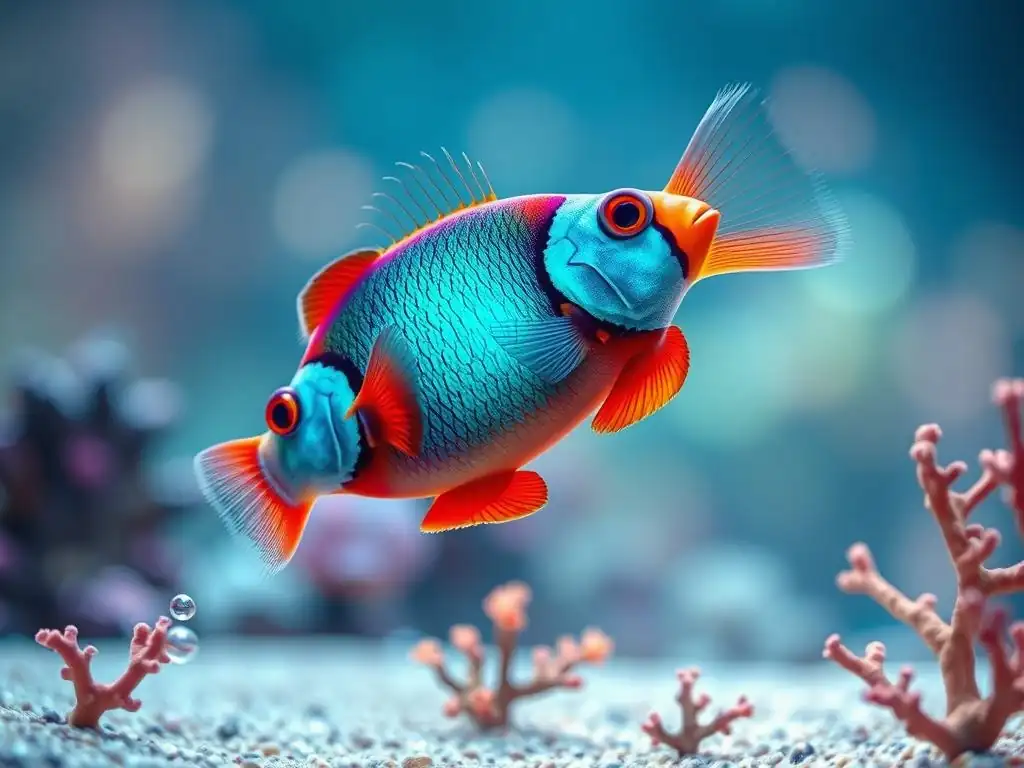
The temperament of wrasses varies widely across the Labridae family, ranging from the extremely peaceful to the moderately aggressive or predatory. Many smaller species, such as the Fairy Wrasses ( Cirrhilabrus spp.) and Flasher Wrasses ( Paracheilinus spp. ), are generally peaceful and make excellent community fish for most reef or fish-only aquariums. They typically coexist well with other non-aggressive fish of similar size.
However, it is crucial to research the specific species' adult temperament before introduction. Larger wrasses, including some Hogfish ( Bodianus spp.) and the Harlequin Tuskfish ( Choerodon fasciatus), can be aggressive towards smaller fish or predatory towards ornamental invertebrates like shrimp and crabs.
Some male wrasses, particularly within the Cirrhilabrus genus, can also exhibit territorial aggression towards conspecifics or fish of similar shape and color. Introducing them simultaneously or keeping only one male per tank for certain species is often recommended to minimize conflict. Understanding these social dynamics is vital for effective Labridae fish care tips when planning a community tank.
Wrasse Burrowing Habits: Providing a Suitable Substrate
A defining behavioral trait for many wrasse species, especially those from genera like Halichoeres, Macropharyngodon, and Novaculichthys, is their innate habit of burying themselves in the sand. This behavior serves multiple purposes: it provides a secure refuge from perceived threats, a comfortable spot for sleeping at night, and a place to hide when startled. For these species, a fine-grained sand bed is not merely an aesthetic choice but an essential component of their habitat.
To accommodate this crucial behavior, the aquarium should be equipped with a soft, fine-grained sand substrate that is at least 2-4 inches deep for smaller wrasses. Larger burrowing species, such as the Dragon Wrasse or certain Hogfish, may require a sand bed of 6-8 inches or more. The sand should be free of sharp edges that could injure the fish's delicate skin during burrowing.
Furthermore, ensure that all rockwork is stable and rests directly on the bottom of the tank, rather than on the sand, to prevent collapses if the wrasse digs beneath it. Providing this safe, deep substrate is a fundamental Labridae fish care tip for the well-being of burrowing species.
Wrasse Sleeping Patterns: Observing Nocturnal Behavior
Most wrasses are diurnal, meaning they are active throughout the day, foraging, swimming, and interacting with their environment. However, their nocturnal behavior is quite distinctive and often surprises new aquarists. As night falls, many wrasse species, particularly those that burrow, will completely disappear into the sand bed. They may do this quite rapidly, diving headfirst into the substrate and becoming entirely submerged until morning.
It is important for aquarists to be aware of this natural sleeping pattern and not to panic if a wrasse is not visible after the lights go out. Some wrasses, particularly those that do not burrow, may instead wedge themselves into crevices or small caves within the live rockwork to rest. Disturbing them during this time should be avoided. Recognizing and respecting these unique sleeping behaviors is an important aspect of comprehensive Labridae fish care tips, ensuring the fish feel secure and stress-free in their environment.
Reef Compatibility: Choosing the Right Wrasse for Your Reef Tank
Reef-Safe Wrasses: Species that Won't Harm Corals or Invertebrates
Many wrasse species are considered excellent additions to reef aquariums due to their non-aggressive nature towards corals and ornamental invertebrates. Generally, the majority of Cirrhilabrus (Fairy and Flasher Wrasses) and Paracheilinus (Flasher Wrasses) species are highly regarded as reef-safe. These vibrant wrasses primarily feed on small invertebrates and copepods, leaving corals, clams, and other sessile invertebrates untouched. Their active swimming and stunning coloration make them a captivating focal point in any reef display.
Beyond their aesthetic appeal, many reef-safe wrasses can also be beneficial inhabitants, actively grazing on nuisance pests that can plague reef tanks. For example, some Halichoeres species, like the Yellow Coris Wrasse ( Halichoeres chrysus) or Melanurus Wrasse ( Halichoeres melanurus), are known to consume small flatworms and pyramid snails, which are common pests of corals and clams. Their industrious foraging habits contribute to a healthier reef ecosystem without posing a threat to the corals themselves. Selecting these species is a key Labridae fish care tip for reef enthusiasts.
Wrasses to Avoid in Reef Tanks: Potential Coral Predators
While many wrasses are suitable for reef environments, certain species should be strictly avoided in tanks containing corals or delicate invertebrates due to their predatory nature or disruptive habits. Larger, more robust wrasses like the Humphead Wrasse ( Cheilinus undulatus) and the Harlequin Tuskfish ( Choerodon fasciatus) are known to consume a wide range of prey, including corals, large invertebrates such as crabs and snails, and even smaller fish. Their powerful jaws are designed for crushing hard-shelled organisms.
Other species, while not direct coral predators, can cause significant disruption. The Dragon Wrasse ( Novaculichthys taeniourus), for instance, is a powerful excavator that can extensively rearrange rockwork and sand, potentially toppling or burying corals and undermining aquascaping. Similarly, some Hogfish species ( Bodianus spp.) will readily prey on ornamental shrimp, crabs, and snails, making them unsuitable companions for a diverse invertebrate clean-up crew. Understanding these distinctions is crucial for effective Labridae fish care tips when planning a reef tank.
Maintaining a Balanced Reef Ecosystem with Wrasses
Successfully integrating wrasses into a reef ecosystem requires careful consideration of their adult size, feeding habits, and potential interactions with existing inhabitants. For instance, while a small Cirrhilabrus wrasse will typically integrate seamlessly, a larger Halichoeres species might compete for food or territory with other bottom-dwelling fish or invertebrates if the tank is not adequately sized or provisioned. Proper research into the specific needs and temperament of the chosen wrasse is paramount.
Providing ample hiding spots within the live rock structure and ensuring a sufficiently deep sand bed for burrowing species helps minimize stress and aggression among tank inhabitants. Regular monitoring for any signs of aggression towards corals or other fish, or changes in the wrasse's behavior, allows for early intervention. A varied and appropriate diet for both the wrasses and other tank inhabitants helps maintain a harmonious and balanced environment. This holistic approach to Labridae fish care tips ensures the well-being of the entire reef community.
Common Wrasse Health Issues and Treatments
Identifying Wrasse Diseases: Recognizing Symptoms and Early Detection
Wrasses are generally robust fish, but like all aquarium inhabitants, they can be susceptible to diseases, often triggered by stress, poor water quality, or improper acclimation. Recognizing the early symptoms of illness is crucial for prompt treatment and better outcomes. Common signs of disease in wrasses include lethargy, loss of appetite, clamped fins, rapid or labored breathing, visible white spots (indicative of marine ich or Cryptocaryon irritans), cloudy eyes, fin erosion, or unusual changes in coloration.
Pay close attention to changes in their typical behavior. For example, a wrasse that normally burrows at night but remains exposed, or one that refuses to emerge from the sand for an unusually long period, might be unwell. Similarly, a decrease in activity level or a change in swimming patterns can signal a problem. Observing your wrasses daily for these subtle cues is a primary Labridae fish care tip for maintaining a healthy aquarium and preventing widespread disease.
Treating Parasitic Infections in Wrasses: Effective Medications and Quarantine
Marine ich ( Cryptocaryon irritans) and marine velvet ( Amyloodinium ocellatum) are among the most common parasitic infections affecting saltwater fish, including wrasses. Effective treatment often involves transferring the infected fish to a separate quarantine tank, as many medications can harm corals or beneficial bacteria in the main display tank. Copper-based medications, such as Copper Power or Seachem Cupramine, are highly effective against both ich and velvet when administered precisely according to manufacturer instructions, typically for a duration of 14-21 days.
Another effective, albeit stressful, treatment for marine ich is hyposalinity, which involves gradually reducing the salinity of the quarantine tank water to 1.008-1.010 specific gravity for several weeks. For external flukes, praziquantel-based medications are generally used. Crucially, always quarantine new fish for at least 3-4 weeks in a separate tank before introducing them to the main display. This proactive measure allows for observation, deworming, and treatment of potential diseases, preventing their introduction into the established aquarium. This preventative Labridae fish care tip is critical for biosecurity.
Preventing Wrasse Illnesses: Maintaining Optimal Water Quality
Prevention is always the most effective strategy for ensuring the long-term health of wrasses. The single most critical factor in preventing illnesses is maintaining stable and pristine water parameters. This involves performing regular partial water changes, typically 10-15% bi-weekly, to dilute pollutants and replenish essential trace elements. Robust filtration, including mechanical filtration (filter socks, sponges), biological filtration (live rock, bio-media), and chemical filtration (activated carbon, GFO), is essential.
A well-maintained protein skimmer is also vital for removing organic waste before it breaks down into nitrates. Beyond water quality, providing a high-quality, varied diet boosts the wrasse's immune system. Minimizing stress by ensuring appropriate tank mates, adequate hiding spots, and a deep sand bed for burrowing species also plays a significant role. Avoiding sudden fluctuations in temperature or salinity during water changes or top-offs further reduces stress-induced illnesses. These comprehensive preventative Labridae fish care tips are foundational for a thriving and disease-free wrasse population.
Advanced Wrasse Care: Breeding and Specialized Needs
Breeding Wrasses in Captivity: Challenges and Potential
Breeding wrasses in captivity presents significant challenges for the average home aquarist, though some success has been achieved, particularly with smaller, more adaptable species like certain Flasher Wrasses ( Paracheilinus spp.). Most wrasses are pelagic spawners, meaning they release their eggs and sperm into the water column, where fertilization occurs. The resulting eggs are typically buoyant and drift as planktonic larvae, often for extended periods.
The primary hurdles in captive wrasse breeding include conditioning broodstock to spawn consistently, managing the spawning event itself, and, most critically, raising the extremely tiny and delicate larvae. Wrasse larvae often require specific, live microscopic foods (such as rotifers and copepods) at precise developmental stages, along with exceptionally pristine water conditions and specialized larval rearing tanks. While public aquariums and specialized aquaculture facilities have made progress, successful breeding in a typical home setting remains an advanced endeavor. This area represents a frontier in Labridae fish care tips.
Specialized Wrasse Care: Catering to Unique Species Requirements
While general Labridae fish care tips apply to many species, some wrasses have highly specialized needs that require particular attention. For instance, the Leopard Wrasse ( Macropharyngodon) is a micropredator that constantly sifts through sand for tiny invertebrates. This means they require an exceptionally mature aquarium with a rich, thriving population of copepods and other microfauna in the substrate to graze on throughout the day. Without this constant food source, they are prone to starvation.
Another example is the Cleaner Wrasse ( Labroides dimidiatus), whose diet consists almost entirely of parasites removed from other fish. This specialized feeding habit makes them unsuitable for most home aquariums unless there is a very large, diverse population of host fish to provide a continuous food supply. Similarly, the powerful digging habits of the Dragon Wrasse ( Novaculichthys taeniourus) necessitate an exceptionally deep sand bed and stable, well-secured rockwork to prevent damage to the aquascape. Understanding and catering to these unique requirements is paramount for advanced Labridae fish care tips.
Addressing Initial Acclimation Stress in Newly Introduced Wrasses
Wrasses, particularly those collected from the wild, can be highly sensitive to the stress of shipping and acclimation to a new environment. Proper acclimation is crucial for their survival and long-term health. Drip acclimation, slowly adding tank water to the wrasse's transport bag over an hour or more, is highly recommended to gradually equalize temperature and water parameters, minimizing shock. Providing a dark, quiet environment initially after introduction can also help reduce stress.
It is common for newly introduced wrasses to remain hidden or buried in the sand for several days, or even up to a week, as they adjust to their new surroundings. This is normal behavior and should not be a cause for immediate concern, provided water parameters are stable. Offering enticing live or high-quality frozen foods can help encourage them to emerge and begin feeding.
A proper quarantine period of 3-4 weeks in a separate tank is paramount, allowing the wrasse to settle, recover from shipping stress, and be observed or treated for any potential illnesses before joining the main display. This proactive Labridae fish care tip significantly improves the success rate of introducing new specimens.
The Future of Wrasse Keeping: Conservation and Sustainable Practices
Responsible Wrasse Sourcing: Choosing Ethically Obtained Specimens
The increasing demand for marine aquarium fish, including many wrasse species, can place significant pressure on wild populations and their delicate coral reef habitats. As responsible aquarists, it is imperative to prioritize ethically sourced specimens. This means seeking out fish collected through sustainable and non-destructive methods, such as hand-net collection, which minimizes damage to the reef and reduces bycatch, as opposed to harmful practices like cyanide fishing.
Ideally, aquarists should choose aquacultured (captive-bred) wrasse specimens whenever they become available. While captive breeding for many wrasse species is still in its nascent stages, supporting suppliers who invest in and offer these specimens helps reduce reliance on wild-caught fish. Furthermore, avoiding the purchase of species known to be extremely difficult to keep or those with very low survival rates post-collection helps discourage unsustainable harvesting practices. Making informed choices about sourcing is a key aspect of ethical Labridae fish care tips.
Supporting Wrasse Conservation Efforts: Protecting Their Natural Habitats
Many wrasse species are intrinsically linked to coral reefs, which are among the most biodiverse but also most threatened ecosystems on the planet. Factors such as climate change, ocean acidification, pollution, and destructive fishing practices pose severe risks to these vital habitats. Aquarists, with their deep appreciation for marine life, are uniquely positioned to contribute to conservation efforts beyond their home aquariums.
Supporting reputable conservation organizations dedicated to coral reef protection and restoration is a direct way to make an impact. This can involve financial contributions, volunteering, or participating in educational initiatives. Additionally, reducing one's personal carbon footprint, advocating for sustainable seafood choices, and participating in local conservation activities like beach cleanups can collectively contribute to the health and resilience of marine ecosystems where wrasses naturally thrive. This broader perspective is crucial for comprehensive Labridae fish care tips.
The Role of Aquarists in Promoting Sustainable Wrasse Trade
Aquarists play a pivotal role in shaping the future of the marine aquarium trade and promoting more sustainable practices for wrasses. By actively choosing captive-bred fish, sharing knowledge on successful Labridae fish care tips, and advocating for responsible and transparent trade practices, the hobbyist community can significantly reduce the pressure on wild wrasse populations. Supporting research and development into wrasse aquaculture can accelerate the availability of more captive-bred options, creating a more sustainable supply chain.
Engaging with conservation groups, participating in citizen science projects that monitor reef health, and educating fellow enthusiasts about the importance of sustainable sourcing and responsible husbandry are all ways aquarists can contribute. The collective actions and informed decisions of the aquarium community have the power to drive positive change, ensuring that the astonishing diversity and beauty of wrasses can be enjoyed by future generations, both in their natural habitats and in well-maintained home aquariums.
Frequently Asked Questions
What are some key considerations when choosing Wrasse species for a community aquarium?
When selecting Wrasses, consider their adult size and temperament. Some species can be aggressive towards smaller fish or other Wrasses. Researching their specific needs is crucial for a peaceful tank.
What are the ideal water parameters for maintaining a healthy Wrasse aquarium?
Maintaining stable water parameters is vital. Aim for a consistent salinity level, appropriate temperature range, and low levels of nitrates and phosphates. Regular water changes are also essential.
What type of food do Wrasse fish typically eat in an aquarium setting?
Most Wrasses are carnivorous and require a varied diet. Offer a mix of high-quality frozen foods, live foods, and flake or pellet food designed for marine fish. Ensure food size is appropriate.
How can I prevent common diseases that affect Wrasse fish in aquariums?
Preventative measures are key. Maintain excellent water quality, quarantine new arrivals, and observe fish regularly for signs of illness. Provide a stress-free environment to boost their immune system.
What are some signs that a Wrasse fish is stressed or unhealthy in an aquarium?
Signs of stress include loss of appetite, erratic swimming, hiding excessively, and changes in coloration. Addressing the underlying cause, such as poor water quality or aggression, is crucial for recovery.
Okay, I understand. Given your article "Wrasse Wonders: Exploring the Astonishing Diversity of Labridae," and your goal to rank for "Labradors fish care tips" (which seems like a typo, and I'll assume you meant "Labridae fish care tips" or something similar related to Wrasse care), here's a final reflection designed to resonate with readers and encourage further engagement, while subtly reinforcing the article's core message:
Final Reflection: Appreciating the Ocean's Palette
The journey through the vibrant world of wrasses, as we've explored, reveals a breathtaking spectrum of life, far beyond what many might imagine. This exploration underscores the critical need for responsible aquarium keeping and a deeper understanding of the delicate ecosystems that support these magnificent creatures. The beauty we admire in our tanks comes with a responsibility to ensure their well-being and the conservation of their natural habitats.
The sheer diversity of the Labridae family, from their dazzling colors to their fascinating behaviors, has undoubtedly influenced the way we perceive marine life. This journey into their world has personally deepened my appreciation for the interconnectedness of all living things and the importance of informed decision-making when bringing a piece of the ocean into our homes. In the end, we will conserve only what we love; we will love only what we understand; and we will understand only what we are taught.
- Baba Dioum's words resonate deeply, reminding us that education and understanding are the cornerstones of conservation.
Now, as you consider the information shared in this article, I invite you to reflect on your own role in preserving the wonders of the ocean. Whether you're a seasoned aquarist or simply an admirer of marine life, consider how you can contribute to the responsible care and conservation of these incredible fish. Let's strive to be informed stewards of the ocean, ensuring that future generations can marvel at the "Wrasse Wonders" that grace our planet.
Dive Deeper: Unlock the Secrets of Wrasse!
Thank you for exploring the fascinating world of wrasse with us! We hope you've gained a new appreciation for the diversity and beauty of these reef inhabitants. Now, it's time to put that knowledge into action and connect with the wrasse in new and exciting ways.
- Take the Plunge: Start researching which wrasse species are best suited for your aquarium size and experience level. This is the most crucial step in ensuring the well-being of any wrasse you might consider adding to your aquarium.
- Share the Wonder: Post your favorite wrasse fact or photo on social media, tagging us @AquariumMastery to spread the love for these amazing fish.
- Challenge the Conventional: Research a lesser-known wrasse species and share your findings in the comments below. What unusual behaviors or adaptations did you discover?