
Line Breeding for Temperament: Creating Calmer Swordtail Strains

Welcome to Aquarium Mastery!
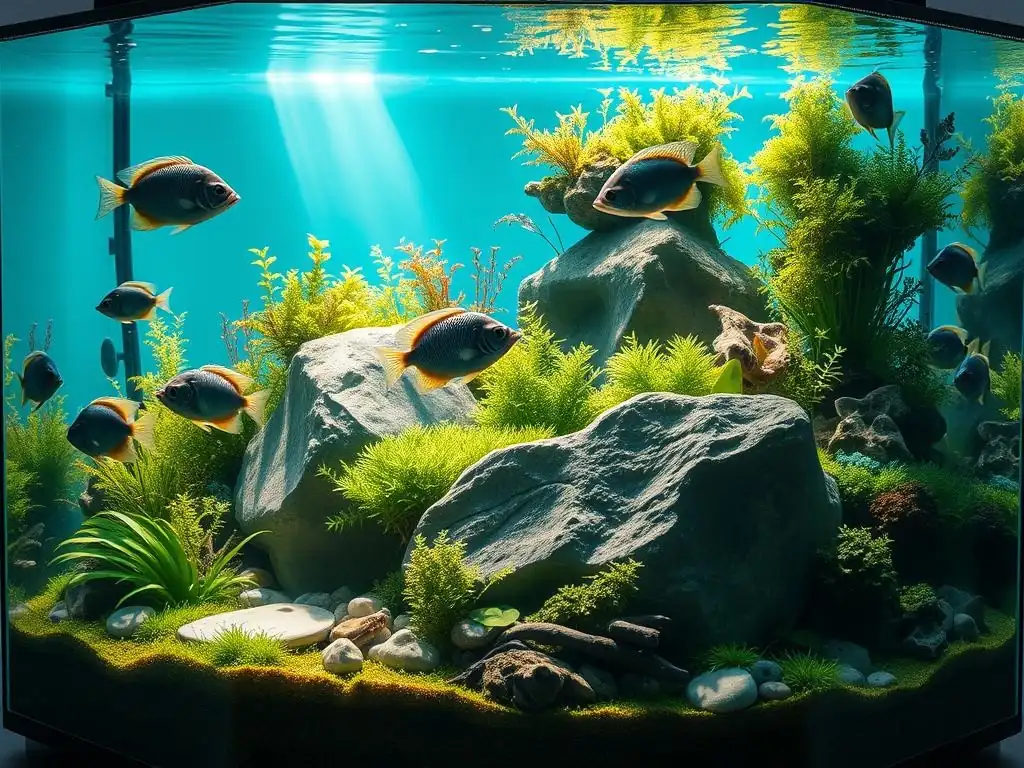
Dive into the captivating world of aquariums with us! Ever wondered if you could actually influence the temperament of your fish through selective breeding? Our deep dive into Swordtail breeding calmer temperament traits starts here! Discover how line breeding can unlock the secrets to creating more peaceful and harmonious freshwater environments. Curious to learn more? Let's begin!
- Understanding Swordtail Temperament and Its Importance in Community Tanks
- Line Breeding Basics for Swordtails: A Step-by-Step Guide
- Implementing Line Breeding to Improve Swordtail Behavior
- Identifying and Culling Aggressive Swordtails: Refining Your Line
- Optimizing Swordtail Care for Enhanced Temperament
- Nutritional Considerations for Swordtail Temperament
- Advanced Line Breeding Techniques for Swordtail Temperament
- Documenting and Sharing Your Results: Contributing to Swordtail Breeding Knowledge
- Troubleshooting Common Issues in Swordtail Line Breeding for Temperament
- Achieving a Less Aggressive Swordtail Strain: Long-Term Goals and Maintenance
-
Frequently Asked Questions
- How does line breeding help create swordtails with a calmer temperament?
- What are the key traits to look for when selecting swordtails for breeding towards a calmer temperament?
- What are the potential downsides of line breeding swordtails?
- How long does it typically take to see a significant improvement in the temperament of swordtails through line breeding?
- What other factors, besides genetics, can influence the temperament of swordtails in an aquarium?
- Final Reflection: Cultivating Serenity in the Aquarium
- Unleash the Potential of Your Swordtails!
Understanding Swordtail Temperament and Its Importance in Community Tanks
Why Temperament Matters in Swordtail Care and Community Tanks
Swordtails (Xiphophorus hellerii) are popular livebearers known for their vibrant colors and distinctive caudal fin extension. While generally considered peaceful, individual swordtail specimens, particularly males, can exhibit territorial aggression, leading to fin nipping, chasing, and stress among tank mates.
In a community aquarium setting, such aggressive behavior not only harms the targeted fish, potentially leading to injury, disease, or even death, but also creates a persistently stressful environment for the entire tank ecosystem. A calm and harmonious tank is paramount for the long-term health and well-being of all inhabitants, making the pursuit of calmer swordtail strains a valuable goal for aquarists.
The presence of aggressive swordtails can significantly diminish the enjoyment of the hobby for aquarists. Owners often face the dilemma of isolating aggressive individuals or witnessing constant skirmishes, which can impact water quality due to stressed fish being more susceptible to illness. By actively engaging in Swordtail breeding calmer temperament traits, breeders can contribute to the availability of more docile fish in the hobby, thereby reducing common behavioral issues. This proactive approach ensures that swordtails can thrive alongside other peaceful species like mollies, platies, or tetras, creating a balanced and visually appealing aquatic display without constant conflict.
Identifying Aggressive Behavior in Swordtails
Recognizing aggressive behavior in swordtails is crucial for effective line breeding. Common signs include persistent chasing, fin nipping (especially targeting flowing fins of angelfish or guppies), body ramming, and territorial guarding of specific areas or food sources. Male swordtails, particularly when multiple males are present in a tank without sufficient females or space, are more prone to displaying these behaviors. Observing fish during feeding times can often highlight competitive or aggressive tendencies, as dominant individuals may hog food or chase away others.
Beyond overt aggression, subtler signs of stress in tank mates, such as clamped fins, hiding constantly, or refusal to eat, can indicate that a swordtail is acting as a bully. It's important to differentiate playful chasing or courtship from genuine aggression. A good rule of thumb is to observe whether the pursued fish appears stressed or injured. Consistent, relentless pursuit or visible damage to fins are clear indicators of problematic aggression. Documenting these observations, including the specific individuals involved and the frequency of incidents, provides critical data for selecting breeding stock aimed at Swordtail breeding calmer temperament traits.
Genetic Influence on Temperament: Is It Inherited?
Yes, temperament in fish, including swordtails, has a significant genetic component. While environmental factors like tank size, stocking density, and diet play a role, an individual fish's predisposition to aggression or docility is often inherited from its parents. Studies in various fish species have shown that certain behavioral traits, including aggression levels, can be passed down through generations. This genetic basis is precisely what makes line breeding for specific behavioral traits, such as a calmer disposition, a viable and effective strategy.
Breeders have long observed that offspring from calm, non-aggressive parents tend to exhibit similar docile temperaments, whereas fry from aggressive parents are more likely to display undesirable behaviors. This heritability allows aquarists to selectively breed swordtails, systematically choosing individuals that demonstrate the desired calmer temperament traits for subsequent generations. Over several generations, consistent selection can lead to a noticeable reduction in aggression within a specific swordtail line, creating a stable strain known for its peaceful nature. This process, while requiring patience and meticulous record-keeping, offers a powerful tool for shaping the behavioral characteristics of aquarium fish.
Line Breeding Basics for Swordtails: A Step-by-Step Guide
Selecting Swordtail Breeding Stock for Calmer Temperament Traits
The foundation of successful line breeding for temperament lies in the careful selection of your initial breeding stock. Begin by observing a group of adult swordtails, ideally at least 10-12 individuals, over several weeks in a well-established community tank. Pay close attention to their interactions with tank mates and each other. Identify individuals that consistently display calm, non-aggressive behavior, rarely chasing or nipping other fish. Look for swordtails that appear relaxed, readily accept food, and integrate well into the social structure of the tank.
Once identified, select a pair or trio (one male, two females) that exemplify the desired calmer temperament traits. It is crucial to choose individuals from different sources if possible, to maximize genetic diversity in your foundation stock, unless you are specifically working with a known, existing calm line. Avoid selecting any fish that show even occasional signs of aggression, as these undesirable genes can easily be passed on. Focus not only on their behavior but also their overall health, color, and fin integrity, ensuring you start with robust, healthy breeders.
Setting Up Separate Breeding Tanks for Controlled Lineage
To effectively control lineage and observe temperament changes, setting up dedicated breeding tanks is essential. A 10-gallon (approximately 38-liter) tank is typically sufficient for a single swordtail breeding pair or trio. These tanks should be sparsely decorated to allow for clear observation of behavior, though some floating plants or a breeding mop can provide cover for fry. Maintain optimal water parameters: a pH between 7.0-8.0, temperature around 75-80°F (24-27°C), and moderate hardness (10-25 dGH).
The primary purpose of these separate tanks is to isolate the selected breeding pair/trio and ensure that all offspring (F1 generation) are undeniably from the chosen parents. This eliminates any doubt about parentage, which is critical for accurate pedigree tracking in Swordtail breeding calmer temperament traits. It also allows for careful observation of the parents' behavior in a less stressful environment, confirming their docility. Once fry are born, they should be moved to a grow-out tank or the parents removed to prevent predation and facilitate their growth and individual observation.
Recording and Tracking Swordtail Pedigrees: The Importance of Detailed Records
Meticulous record-keeping is the backbone of any successful line breeding program. For each breeding pair, assign a unique identifier (e.g., "Pair A-01"). Record the date of spawning, the number of fry produced, and any specific observations about the parents' behavior during the breeding period. As the fry grow, it's vital to track their development and, most importantly, their temperament. This can involve daily observations, noting any instances of chasing, nipping, or overall stress levels within the group.
For each subsequent generation (F1, F2, F3, etc. ), create new records, linking them back to their parent generation. A simple spreadsheet or a dedicated notebook can serve this purpose. Key data points to record include: parent IDs, birth date, number of offspring, observed temperament scores (e.g., a scale of 1-5 for aggression), and which individuals are selected for the next breeding generation. This detailed pedigree tracking allows breeders to identify successful crosses that produce the desired calmer temperament traits and to trace the lineage of specific behavioral improvements or regressions over time.
Implementing Line Breeding to Improve Swordtail Behavior
First Generation (F1) Breeding: Establishing the Foundation
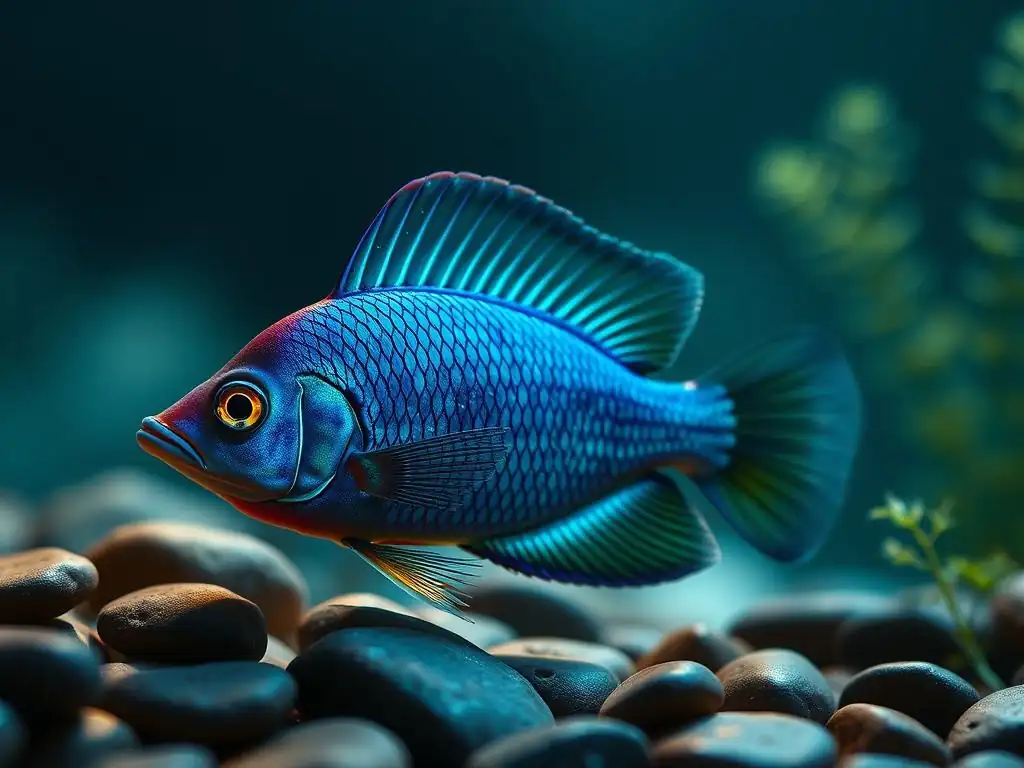
After selecting your initial calm swordtail breeders and setting them up in a dedicated tank, the next step is to allow them to breed and produce the First Generation (F1). Swordtails are prolific livebearers, and a healthy pair can produce 20-100 fry every 4-6 weeks. Once the fry are born, it's advisable to separate them from the parents to prevent predation and allow them to grow out in a separate grow-out tank. This tank should be spacious enough to accommodate the growing numbers and allow for individual observation.
During the grow-out phase, provide optimal conditions: stable water parameters, frequent small water changes, and a varied diet to ensure robust growth. Crucially, as the F1 swordtails mature (typically around 2-3 months), begin observing their temperament. While the parents were selected for calmness, there will still be a range of temperaments within the F1 generation due to genetic variability. Your goal is to identify the most docile individuals from this group, as these will form the foundation for your next breeding cycle aimed at strengthening Swordtail breeding calmer temperament traits.
Selecting the Calmer F1 Swordtails for the Next Generation (F2)
From the F1 generation, carefully select the individuals that exhibit the most desirable calmer temperament traits. This is the most critical step in refining your line. Observe the F1 juveniles and sub-adults closely in their grow-out tank. Look for fish that are consistently peaceful, do not engage in fin nipping or aggressive chasing, and show no signs of excessive territoriality. It is often beneficial to observe them in a group setting, mimicking a community tank, to see how they interact with their siblings.
Select the top 10-20% of the F1 generation that display the desired calm behavior. If you are aiming for specific color or fin traits in addition to temperament, consider those as secondary criteria. From this selected pool, choose new breeding pairs or trios for the F2 generation. Ideally, select unrelated F1 individuals if your initial stock allowed for it, or choose individuals with the least genetic overlap if working with a smaller founder population. This rigorous selection process, repeated over generations, is how you systematically improve Swordtail breeding calmer temperament traits in your line.
Inbreeding vs. Outcrossing: Balancing Temperament with Genetic Diversity [Explain when to outcross]
Line breeding inherently involves a degree of inbreeding to fix desired traits, but excessive inbreeding can lead to "inbreeding depression," characterized by reduced vigor, smaller size, deformities, weakened immune systems, and decreased fertility. Therefore, balancing inbreeding with occasional outcrossing is crucial.
- Inbreeding: This involves breeding closely related individuals (e.g., parent-offspring, sibling-sibling) to concentrate specific genes, such as those for a calmer temperament. It is effective for quickly fixing desired traits within a line. However, it also concentrates undesirable recessive genes, which can manifest as health issues. Use inbreeding for 2-3 generations to establish the desired calmer temperament traits firmly.
- Outcrossing: This involves introducing new genetic material by breeding your line-bred swordtails with an unrelated swordtail of known good health and, ideally, a calm disposition. Outcrossing is performed when you observe signs of inbreeding depression (e.g., reduced fertility, increased deformities like bent spines, or a general decline in health/vigor) or when the desired temperament trait seems to plateau or regress. A strategic outcross can reintroduce genetic diversity, improve overall health and vigor, and potentially introduce new beneficial genes while maintaining the hard-earned temperament improvements. After an outcross, careful selection must resume to ensure the desired calm temperament traits are not diluted. A common strategy is to outcross every 3-5 generations or as needed.
Identifying and Culling Aggressive Swordtails: Refining Your Line
Recognizing Signs of Aggression in Juvenile and Adult Swordtails
Identifying aggression in swordtails requires diligent observation, especially as they mature. In juvenile swordtails, aggression might manifest as competitive feeding behavior, chasing smaller siblings, or early signs of territoriality. While some playful chasing is normal, persistent harassment, nipping at fins, or isolating weaker individuals are red flags. As swordtails reach adulthood, these behaviors can escalate. Male swordtails, in particular, may become more dominant, constantly chasing females, challenging other males, or even harassing smaller, less assertive tank mates.
Beyond physical actions, look for stress indicators in the targeted fish: clamped fins, faded colors, rapid breathing, hiding, or darting movements. The aggressor itself might show signs of dominance, such as expanded fins, vibrant coloration when challenging others, or occupying prime tank real estate. Consistent observation of these behavioral patterns, noting their frequency and intensity, is critical for effectively refining your line for Swordtail breeding calmer temperament traits. Any swordtail consistently displaying these undesirable aggressive tendencies should be considered for removal from the breeding program.
Ethical Culling Practices: Ensuring Humane Treatment
Culling, the process of removing individuals from a breeding line, is a necessary but often difficult aspect of line breeding for specific traits. When culling aggressive swordtails, it is paramount to ensure humane treatment. The goal is to prevent the propagation of undesirable genes and maintain the integrity of your breeding program aimed at calmer temperament traits. However, this must be done with compassion and without causing undue suffering.
Several humane methods for culling small fish exist. The most widely accepted and humane methods include rapid chilling followed by decapitation, or the use of an anesthetic overdose (such as clove oil) to induce unconsciousness before euthanasia. Flushing live fish down a toilet or simply abandoning them is neither ethical nor humane.
For hobbyists who find culling difficult, aggressive fish can sometimes be rehomed to a dedicated species-only tank where their aggression poses less threat, or returned to a local fish store with full disclosure of their temperament, though this may not always be an option. The primary objective is to remove the aggressive genetics from your breeding pool.
Maintaining Genetic Diversity While Selecting for Temperament
While rigorous selection for calmer temperament traits is essential, it's equally important to prevent excessive inbreeding that can lead to genetic bottlenecks and inbreeding depression. As you cull aggressive individuals, you are narrowing the gene pool. To counteract this, consider several strategies:
- Maintain multiple lines: Instead of one single breeding group, run two or three parallel lines, each originating from different calm F1 parents. This provides distinct genetic pools that can be crossed periodically.
- Strategic outcrossing: As discussed, periodically introduce an unrelated, healthy, and calm swordtail into your line. This infusion of new genetics can re-invigorate the line and reduce the risk of genetic issues without sacrificing the desired temperament traits. After an outcross, resume careful selection.
- Avoid bottlenecking: Do not reduce your breeding population to just a single pair if possible. Always aim to select a broader base of the calmest individuals for the next generation to retain more genetic variation. For example, if you have 50 F1 fry, select the 10 calmest individuals, rather than just the top 2. This approach helps ensure the long-term health and vitality of your Swordtail breeding calmer temperament traits program.
Optimizing Swordtail Care for Enhanced Temperament
Tank Size and Stocking Density: Minimizing Stress
Appropriate tank size and stocking density are fundamental in managing swordtail temperament, even for line-bred individuals. While line breeding aims to reduce inherent aggression, environmental stressors can still trigger undesirable behaviors. A minimum of a 20-gallon (approx. 75-liter) tank is recommended for a small group of swordtails, with larger tanks (30-40 gallons or more) being ideal for multiple males or a community setup. Overcrowding is a primary cause of stress and aggression in fish. When swordtails lack sufficient space, they become territorial and more prone to chasing and fin nipping.
A general rule of thumb for stocking density is 1 inch of adult fish per gallon of water, though for active fish like swordtails, more space is always better. For swordtails, aim for a ratio of at least two or three females per male to diffuse male aggression and prevent a single female from being constantly harassed.
For instance, in a 30-gallon tank, a group of one male and three females, along with a few other peaceful community fish, would be a reasonable stocking. Proper tank size and balanced stocking significantly reduce stress, allowing the inherent calmer temperament traits of your line-bred swordtails to truly shine.
Aquarium Decor and Hiding Places: Providing Security for Swordtails
The physical layout of the aquarium plays a crucial role in mitigating aggression and providing security for swordtails. A well-decorated tank with ample hiding places can help diffuse territorial disputes and provide refuge for subordinate or stressed fish. Live plants, such as Java Fern, Anubias, or sword plants, create natural visual barriers and shaded areas. Driftwood, rocks, and artificial caves also serve as excellent hiding spots. These elements break up sightlines, preventing a dominant swordtail from constantly seeing and harassing other fish.
When arranging decor, aim for a varied landscape with distinct territories and open swimming areas. For example, create dense plant thickets at one end of the tank, a driftwood cave in the middle, and an open swimming space at the front. This allows swordtails to establish their own perceived territories without constant conflict and provides safe zones for females to escape persistent male attention. A secure environment, rich in hiding places, contributes significantly to the overall well-being and peaceful demeanor of your swordtails, complementing your efforts in Swordtail breeding calmer temperament traits.
Water Quality Parameters: Maintaining a Stable Environment
Stable and optimal water quality is paramount for the health and temperament of swordtails. Poor water conditions are a major source of stress, which can exacerbate aggressive tendencies, even in fish bred for calmness. Swordtails thrive in clean, well-oxygenated water with a pH between 7.0 and 8.0, and a temperature range of 75-80°F (24-27°C). Moderate hardness (10-25 dGH) is also preferred. Regular water changes (25-30% weekly) are essential to remove nitrates and replenish essential minerals.
Consistent monitoring of water parameters using a reliable test kit is highly recommended. Elevated ammonia, nitrite, or nitrate levels can lead to chronic stress, weakened immune systems, and increased susceptibility to disease, all of which can contribute to irritable or aggressive behavior. A robust filtration system (mechanical, chemical, and biological) is also crucial for maintaining pristine water conditions. By providing a consistently clean and stable aquatic environment, you minimize environmental stressors, allowing your line-bred swordtails to display their inherent calmer temperament traits and thrive.
Nutritional Considerations for Swordtail Temperament
Balanced Diet for Reduced Aggression
A balanced and nutritious diet is fundamental for the overall health and temperament of swordtails. A diet lacking essential nutrients can lead to deficiencies, weakened immune systems, and increased stress, which in turn can contribute to irritable or aggressive behavior. Swordtails are omnivores, requiring a mix of plant and animal matter. High-quality flake or pellet foods formulated for livebearers should form the staple of their diet. These typically contain a good balance of protein, fats, vitamins, and minerals.
Supplementing the staple diet with vegetable matter is crucial. This can include blanched spinach, spirulina flakes, or specialized veggie-based pellets. Protein sources, such as brine shrimp, bloodworms, or daphnia (either live, frozen, or freeze-dried), should be offered a few times a week. A varied diet ensures that swordtails receive all necessary nutrients, promoting optimal health and reducing the likelihood of stress-induced aggression. This holistic approach supports the Swordtail breeding calmer temperament traits efforts by ensuring the fish are healthy and well-nourished.
Live Foods and Their Impact on Swordtail Behavior
Live foods can have a significant positive impact on swordtail behavior and overall vitality. While not always practical for daily feeding, offering live foods such as brine shrimp, daphnia, or small mosquito larvae once or twice a week provides a natural hunting stimulus that can reduce boredom and channel natural predatory instincts in a non-destructive way. This engagement can lead to more active, vibrant, and potentially calmer fish, as their natural behaviors are satisfied.
Additionally, live foods are often rich in nutrients that may be less bioavailable in processed foods, contributing to superior health and coloration. For instance, daphnia are excellent for digestive health, and brine shrimp are rich in protein. However, always source live foods from reputable suppliers to avoid introducing diseases or parasites into your aquarium. The act of chasing and consuming live prey can also provide mental stimulation, which can contribute to a more contented and less restless swordtail, further supporting the development of calmer temperament traits.
Avoiding Overfeeding: Preventing Water Quality Issues
While a balanced diet is important, overfeeding is detrimental to both water quality and fish health, indirectly impacting temperament. Excess food decays, leading to a rapid increase in ammonia and nitrite levels, and eventually nitrates. Poor water quality is a significant stressor for fish, making them more susceptible to disease and potentially increasing aggression. Overfed fish can also suffer from digestive issues, leading to lethargy and discomfort, which can manifest as irritability.
Feed swordtails small amounts multiple times a day (2-3 times) rather than one large meal. Only offer what they can consume within 2-3 minutes. Observe your fish during feeding; if food remains after this time, you are feeding too much. Remove any uneaten food promptly to prevent decomposition. By preventing overfeeding, you maintain pristine water conditions, reduce stress on your fish, and support their overall well-being, which in turn reinforces the calmer temperament traits you are striving to achieve through your line breeding efforts.
Advanced Line Breeding Techniques for Swordtail Temperament
Introducing New Genetic Material: Outcrossing Strategies
As a line breeding program progresses, the gene pool can become narrow, increasing the risk of inbreeding depression and potentially plateauing the improvement of calmer temperament traits. To counteract this, strategic outcrossing is essential. This involves introducing a healthy, unrelated swordtail with desirable characteristics (e.g., strong vigor, good size, and ideally, a calm disposition) into your established line. The goal is to infuse new genetic diversity without diluting the temperament improvements you've already achieved.
A common outcrossing strategy involves breeding a male from your established calm line with an unrelated, calm female, or vice-versa. The offspring from this cross (F1 outcross generation) will carry a mix of genes from both parents. These F1 outcross individuals are then carefully observed, and the ones displaying the desired calmer temperament traits are selectively bred back into your main line.
This "backcrossing" helps to re-establish the core traits of your line while benefiting from the increased genetic diversity and vigor introduced by the outcross. This process typically occurs every 3-5 generations, or when signs of inbreeding depression become apparent.
Maintaining Multiple Lines: Preventing Genetic Bottlenecks
To further safeguard against genetic bottlenecks and inbreeding depression, advanced breeders often maintain multiple, distinct lines of swordtails. Instead of relying on a single breeding pair or trio to propagate your entire stock, you might establish two or three parallel lines, each originating from different initial calm parents or distinct F1 individuals. For example, you could have "Line A" and "Line B" running concurrently. This approach significantly broadens your overall gene pool.
Maintaining multiple lines provides a crucial safety net. If one line experiences an unexpected genetic issue (e.g., a recessive deformity surfaces) or a decline in vigor, you have other healthy, genetically distinct lines to draw from. Periodically, you can cross individuals between these different lines (e.g., a male from Line A with a female from Line B) to refresh the gene pool and introduce beneficial genetic combinations, all while continuing to select rigorously for Swordtail breeding calmer temperament traits. This strategy requires more tank space and detailed record-keeping but offers greater long-term stability and resilience for your breeding program.
Collaborating with Other Breeders: Sharing Resources and Knowledge
Collaboration with other dedicated swordtail breeders can be an invaluable advanced technique for enhancing your line breeding efforts. Networking with fellow aquarists who are also focused on Swordtail breeding calmer temperament traits allows for the exchange of genetic material (i.e., trading fish) and, crucially, knowledge. If you've been working on a specific calm strain, another breeder might have a different, unrelated calm line that could serve as an excellent outcross candidate, preventing the need to source new fish from potentially unknown genetic backgrounds.
Beyond genetic exchange, sharing experiences and data can provide insights into successful breeding strategies, troubleshooting common issues, and identifying new approaches to temperament selection. For example, discussing observations on juvenile aggression patterns or the efficacy of different tank setups can refine your own methods. Online forums, local fish clubs, or even direct contact through social media platforms can facilitate these collaborations, creating a community-driven effort to improve the overall quality and temperament of swordtails in the hobby.
Documenting and Sharing Your Results: Contributing to Swordtail Breeding Knowledge
Keeping Detailed Records of Temperament Changes Across Generations
Thorough documentation is not just for your personal breeding program; it's a vital contribution to the broader aquarist community. For each generation of swordtails, maintain meticulous records of the observed temperament changes. This should go beyond simply noting "calm" or "aggressive." Develop a more nuanced scoring system, perhaps on a scale of 1 to 5 (1 being extremely docile, 5 being highly aggressive), and apply it consistently to individuals as they mature. Record the percentage of offspring that fall into each temperament category.
Include notes on specific behaviors observed, such as frequency of chasing, fin nipping incidents, or interactions with different tank mates. Document any environmental factors that might have influenced behavior (e.g., tank size changes, new tank mates). Over multiple generations, these detailed records will provide compelling evidence of your success in Swordtail breeding calmer temperament traits, demonstrating the heritability of the trait and the effectiveness of your selection process. This data is invaluable for both your own future breeding decisions and for others seeking to replicate or build upon your work.
Sharing your documented breeding data with the wider hobbyist community is a powerful way to contribute to collective knowledge and accelerate progress in Swordtail breeding calmer temperament traits. This can be done through various platforms:
- Online Forums and Social Media Groups: Post detailed updates, including your methods, observations, and data tables. Engage in discussions, answer questions, and provide advice based on your experiences.
- Local Aquarium Clubs: Present your findings at club meetings. This allows for direct interaction, sharing of live specimens (if appropriate), and building a local network of like-minded breeders.
- Personal Blogs or Websites: Create a dedicated section to document your line breeding journey, making your data easily accessible to a broader audience.
By openly sharing your successes and challenges, you not only inspire others but also provide concrete, real-world examples of how targeted line breeding can shape fish behavior. This transparency fosters a collaborative environment where best practices for breeding calmer swordtails can be established and disseminated.
The Future of Swordtail Temperament Breeding: Goals and Challenges
The future of Swordtail breeding calmer temperament traits holds exciting possibilities, yet also presents notable challenges. The primary goal is to establish stable, widely available swordtail strains that are consistently docile and well-suited for diverse community aquariums. This involves not only reducing aggression but also maintaining the vibrant colors and finnage that make swordtails so appealing. Future efforts might focus on identifying specific genetic markers associated with temperament, potentially leading to more precise and efficient breeding programs.
However, several challenges persist. Maintaining genetic diversity while continually selecting for calmness requires careful management to avoid inbreeding depression and the emergence of undesirable recessive traits. The time and dedication required for multi-generational breeding can be significant, limiting widespread participation. Furthermore, educating the broader hobbyist community about the importance and methods of temperament-focused breeding is crucial to ensure demand for these specialized strains. Overcoming these challenges will require continued dedication from breeders, collaborative efforts, and a commitment to ethical practices to truly advance the availability of peaceful swordtail varieties.
Troubleshooting Common Issues in Swordtail Line Breeding for Temperament
Dealing with Unexpected Aggression in Line-Bred Swordtails
Even with careful selection, unexpected aggression can occasionally surface in line-bred swordtails. This can be disheartening but is a common troubleshooting issue. First, re-evaluate environmental factors: Is the tank size adequate? Is it overcrowded? Are there enough hiding places? Stress from poor living conditions can override genetic predispositions to calmness. Ensure water parameters are stable and optimal. Sometimes, a change in tank mates or the introduction of a new, dominant fish can trigger aggression in previously docile individuals.
If environmental factors are ruled out, the aggression might indicate that the genetic predisposition for calmer temperament traits is not yet fully fixed in your line, or a recessive aggressive gene has surfaced. Isolate the aggressive individual immediately to prevent harm to others and remove it from the breeding program. Do not breed from this fish. Review your selection criteria for the previous generation; perhaps a subtly aggressive individual was overlooked. Consider an outcross in a future generation to reintroduce genetic diversity and potentially dilute any lingering aggressive genes, followed by rigorous re-selection for calmness.
Addressing Genetic Issues: Deformities or Health Problems
Genetic issues such as deformities (e.g., bent spines, gill deformities) or chronic health problems (e.g., weakened immune systems, reduced fertility) are clear signs of inbreeding depression and a major troubleshooting concern in line breeding. These issues typically arise after several generations of close inbreeding without sufficient outcrossing. They indicate that harmful recessive genes have become homozygous and are expressing themselves.
When such problems appear, immediate action is required. First, humanely cull any affected individuals to prevent their genes from propagating. Second, and most importantly, an immediate outcross is necessary. Select a healthy, unrelated swordtail (ideally from a different, robust line) to introduce fresh genetic material into your breeding program.
Breed this outcross individual with one of your healthiest, most docile swordtails. The F1 offspring from this cross will have increased genetic diversity and vigor. From this F1 generation, carefully select the healthiest individuals that also display calmer temperament traits for your next breeding cycle. This strategic outcross is vital for restoring the health and vitality of your line.
Preventing Inbreeding Depression: Maintaining a Healthy Gene Pool
Preventing inbreeding depression is a continuous goal in line breeding for Swordtail breeding calmer temperament traits. It's easier to prevent than to fix. The key is proactive management of your gene pool.
- Start with a diverse foundation: If possible, begin your line with calm swordtails from multiple, unrelated sources.
- Strategic outcrossing: Plan for periodic outcrosses every 3-5 generations, or sooner if you notice any signs of reduced vigor, smaller size, or minor deformities. Do not wait for severe issues to appear. The outcross fish should be healthy and ideally, also possess a calm temperament.
- Maintain multiple lines: As discussed, running two or three parallel lines allows for inter-line crosses, which act as a form of "mild" outcrossing, refreshing the gene pool without introducing entirely new genetics from outside your established stock.
- Larger breeding groups: Avoid breeding from just a single pair repeatedly. Select a slightly larger pool of the calmest individuals for each generation to retain more genetic variation within your line. For instance, instead of just one pair, select two or three pairs from the F1 generation that represent the ideal temperament.
By actively managing genetic diversity, you ensure the long-term health, vigor, and success of your line-bred swordtails, allowing them to consistently display their desired calm temperament.
Achieving a Less Aggressive Swordtail Strain: Long-Term Goals and Maintenance
Maintaining Consistent Temperament Over Multiple Generations
The ultimate long-term goal of line breeding is to establish a swordtail strain that consistently exhibits calmer temperament traits across multiple generations, not just in the initial few. This requires ongoing vigilance and adherence to your breeding plan. Once you've achieved a noticeable improvement in temperament (perhaps after 5-7 generations), the selection process doesn't stop. You must continue to identify and select the calmest individuals for each subsequent breeding cycle. This reinforces the desired genes and prevents regression.
Regular observation of your swordtails in a community setting is crucial, even after the line is considered stable. Environmental stressors or subtle genetic shifts can still influence behavior. Maintain detailed records, perhaps conducting periodic "temperament checks" on a representative sample of each new generation. By consistently applying selective pressure and monitoring for any backsliding, you can ensure that your swordtail strain remains true to its reputation for peacefulness, a testament to dedicated Swordtail breeding calmer temperament traits.
Adapting Your Breeding Strategy to Changing Tank Conditions
As an aquarist, your tank conditions and goals might evolve over time, and your breeding strategy for swordtail temperament should be flexible enough to adapt. For example, if you decide to introduce different species of tank mates with specific needs (e.g., long-finned fish that are prone to nipping), you might need to intensify your selection for even more docile swordtails, or those that show no interest in fin-nipping whatsoever. Conversely, if you move to larger tanks with ample space, some minor territoriality might become less of an issue.
Consider how your breeding environment might change. If you transition from smaller breeding tanks to larger grow-out systems, observe how temperament manifests in these new settings. The goal is to produce swordtails that are calm and adaptable across a range of common aquarium setups. Periodically reviewing your selection criteria and adjusting them based on new observations or evolving needs ensures that your Swordtail breeding calmer temperament traits program remains relevant and effective in producing truly harmonious fish for various aquatic environments.
Enjoying the Rewards of a Peaceful and Harmonious Swordtail Aquarium
The culmination of dedicated line breeding for temperament is the profound enjoyment of a peaceful and harmonious swordtail aquarium. Witnessing your line-bred swordtails thrive, interact calmly with their tank mates, and display their natural beauty without the stress of constant aggression is incredibly rewarding. No longer will you worry about fin damage, bullied fish, or a perpetually stressed environment. Instead, you'll have a vibrant, dynamic, and serene aquatic display.
This achievement goes beyond personal satisfaction. By successfully engaging in Swordtail breeding calmer temperament traits, you contribute valuable knowledge and potentially a new, more desirable strain to the broader aquarium hobby. Your efforts demonstrate that with patience, meticulous record-keeping, and ethical practices, it's possible to shape the behavioral characteristics of ornamental fish, making them better suited for shared living spaces and enhancing the overall experience for aquarists worldwide. The peaceful swimming and vibrant presence of your calm swordtails will be a constant source of joy and pride.
Frequently Asked Questions
How does line breeding help create swordtails with a calmer temperament?
Line breeding allows you to selectively breed individuals displaying the desired calm temperament. This concentrates the genes responsible for this trait in subsequent generations, making it more prevalent. Over time, you can establish a line with noticeably calmer swordtails.
What are the key traits to look for when selecting swordtails for breeding towards a calmer temperament?
Observe your swordtails carefully. Select individuals that exhibit less aggression, reduced fin nipping, and overall peaceful behavior. Avoid fish that are constantly chasing or bullying other tank mates.
What are the potential downsides of line breeding swordtails?
Line breeding can lead to inbreeding depression, which can result in reduced genetic diversity and increased susceptibility to diseases. Careful record-keeping and the occasional introduction of unrelated individuals can mitigate this risk.
How long does it typically take to see a significant improvement in the temperament of swordtails through line breeding?
It can take several generations to see a noticeable difference. Plan for at least 3-4 generations of selective breeding before observing a consistently calmer temperament across the majority of your swordtail offspring.
What other factors, besides genetics, can influence the temperament of swordtails in an aquarium?
Tank size, stocking density, water quality, and the presence of hiding places all play a significant role. Ensure your tank is appropriately sized and maintained to provide a stress-free environment for your swordtails.
Final Reflection: Cultivating Serenity in the Aquarium
The journey of selectively breeding for calmer temperament in swordtails, as explored in this article, highlights the profound impact of mindful intervention in shaping even the smallest ecosystems. The ability to influence behavior through careful line breeding underscores the powerful connection between genetics and environment, a principle that resonates far beyond the confines of the aquarium and into our understanding of all living beings.
This exploration into swordtail temperament reminds us that even seemingly insignificant creatures possess complex personalities and that our actions, however small, can have significant consequences. The dedication to fostering tranquility within a closed environment reflects a broader desire for harmony and balance in our own lives and communities. As the renowned ethologist Konrad Lorenz once said: The great master of life, nature, knows no rules; her only criterion is the result.
This quote reminds us that the success of our breeding efforts, and indeed any endeavor, lies in the tangible outcome of our actions and the positive impact we create.
Now, consider the lessons learned from cultivating calmer swordtail strains. How can we apply this same patience, observation, and dedication to fostering a more peaceful environment in our own lives and the world around us? Let us all strive to be mindful breeders of our own realities, carefully selecting the traits we wish to nurture and creating a future where serenity and understanding flourish.
Unleash the Potential of Your Swordtails!
Thanks for diving into the world of line breeding and discovering how to cultivate calmer swordtails. We hope you found the information insightful and are ready to take your breeding to the next level. Now, let’s turn those ideas into action!
Here's what you can do next:
- Start your own line breeding project focusing on temperament. Choose your calmest individuals and begin selectively breeding.
- Document your progress! Keep detailed records of each generation's temperament to track your success.
- Share your experiences! Connect with other breeders in online forums to exchange tips, tricks, and even trade particularly mellow swordtails.
What specific trait, besides temperament, are you most excited to improve in your swordtail line?