
Why Aren't My Livebearers Breeding? Troubleshooting Common Issues

Welcome to Aquarium Mastery!
Ever wondered why your livebearers aren't producing those adorable fry you've been dreaming of? You're not alone! Dive in to our latest article, "Why Aren't My Livebearers Breeding? Troubleshooting Common Issues," where we unravel the mysteries of livebearer breeding problems solution. Discover the hidden factors affecting their reproductive success and learn practical steps to create the perfect breeding environment. Curious to know what's holding them back? Let's explore!
- Understanding Livebearer Breeding Basics for Aquarium Success
-
Common Livebearer Breeding Problems and Solutions
- Problem 1: Stress Inhibiting Livebearer Reproduction
- Problem 2: Incompatible or Insufficient Male-to-Female Ratio Affecting Breeding
- Problem 3: Poor Water Quality Preventing Livebearer Breeding
- Problem 4: Nutritional Deficiencies Impacting Livebearer Fertility
- Problem 5: Disease or Parasites Affecting Livebearer Reproductive Health
- Problem 6: Age and Genetic Factors Limiting Breeding Success
- Advanced Livebearer Breeding Techniques
- Troubleshooting Livebearer Breeding: A Quick Checklist
- Conclusion: Achieving Success in Livebearer Breeding
-
Frequently Asked Questions
- Why aren't my livebearers breeding even though I have males and females?
- What water parameters are crucial for successful livebearer breeding?
- My livebearers are breeding, but the fry keep disappearing. What's happening?
- How can I tell if my female livebearer is pregnant (gravid)?
- What can I do to improve the survival rate of my livebearer fry?
- Final Reflection: Nurturing Life and Overcoming Obstacles
- Unlock Your Livebearer's Breeding Potential!
Understanding Livebearer Breeding Basics for Aquarium Success
What are Livebearers and How Do They Reproduce?
Livebearers, a popular group of freshwater aquarium fish, include well-known species such as Guppies, Mollies, Platies, and Swordtails. Unlike most fish that lay eggs, livebearers exhibit ovoviviparity, meaning the eggs develop and hatch inside the mother's body, and she gives birth to fully formed, free-swimming fry. This unique reproductive strategy makes them particularly fascinating for aquarists, as the breeding process is often visible and the resulting fry are relatively easy to care for compared to egg-laying species.
The gestation period for livebearers typically ranges from 21 to 45 days, depending on the species, water temperature, and individual fish. For instance, Guppies often have a gestation period of around 21-30 days, while Mollies might take closer to 40-45 days. A single female can produce a brood ranging from a handful of fry to over a hundred, especially in larger, mature females. Understanding this fundamental aspect of their biology is the first step in addressing any livebearer breeding problems, solution-oriented approaches starting with their natural process.
Ideal Conditions for Livebearer Reproduction in Your Aquarium
Creating an optimal environment is paramount for encouraging livebearer reproduction. These fish thrive in stable, well-maintained aquariums that mimic their natural habitats. Key parameters include water temperature, which ideally should be between 72-82°F (22-28°C), providing a comfortable range for metabolism and reproductive cycles. While livebearers are adaptable, a consistent pH between 7.0 and 8.0 and a moderate to hard water hardness (10-25 dGH) are generally preferred, as these conditions support their overall health and fertility.
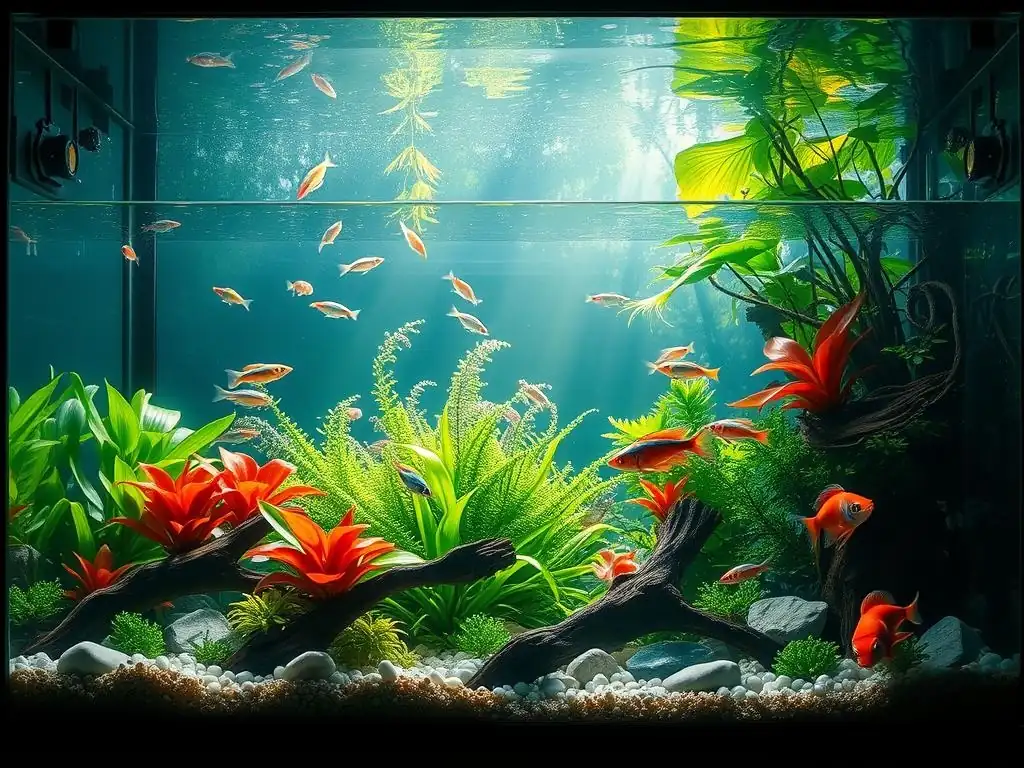
Beyond water chemistry, tank setup plays a crucial role. A spacious aquarium allows for adequate swimming room and helps dissipate aggression, particularly from males pursuing females. For a small group of guppies, a 10-gallon tank might suffice, but larger species like mollies or swordtails require at least 20-30 gallons. Abundant live plants, such as Java Moss, Water Wisteria, or Hornwort, not only provide essential hiding spots for pregnant females and newborn fry but also contribute to water quality and a sense of security, which is vital for successful livebearer breeding.
Common Livebearer Breeding Problems and Solutions
Problem 1: Stress Inhibiting Livebearer Reproduction
Stress is a significant deterrent to successful livebearer breeding. When fish are stressed, their immune systems weaken, and their bodies prioritize survival over reproduction. Common stressors include poor water quality, overcrowding, aggressive tank mates, inadequate diet, and frequent disturbances. A stressed female may reabsorb her eggs, abort the pregnancy, or simply fail to become gravid in the first place. Recognizing and mitigating these stressors is a crucial livebearer breeding problems solution.
Chronic stress can lead to a decline in overall health, making fish more susceptible to disease and significantly reducing their fertility. Fish that are constantly on edge or hiding will not engage in natural courtship behaviors. Even subtle changes in the environment, such as fluctuating temperatures or sudden loud noises, can impact their reproductive drive. Therefore, maintaining a serene and stable environment is foundational to encouraging robust livebearer breeding.
Solution: Reducing Stress in Your Livebearer Tank
Reducing stress involves a holistic approach to aquarium management, focusing on stability and security for your livebearers.
Ensuring Proper Water Parameters for Livebearers
Consistent and appropriate water parameters are fundamental to reducing stress and promoting livebearer breeding. For most livebearers, maintaining a stable temperature between 75-78°F (24-26°C) is ideal, as fluctuations can be highly stressful. While a pH range of 7.0-8.0 is acceptable, stability is more critical than hitting an exact number; rapid pH shifts can be detrimental. Similarly, moderate to hard water (10-25 dGH) is preferred, as soft, acidic water can lead to osmotic stress for these species.
Regular monitoring with reliable test kits (e.g., for pH, ammonia, nitrite, and nitrate) helps ensure these parameters remain within optimal ranges. Any significant deviation should be addressed promptly and gradually, as sudden changes in water chemistry can cause more stress than the undesirable parameter itself. Consistent water quality is perhaps the most fundamental livebearer breeding problems solution, directly impacting their well-being and reproductive success.
Providing Adequate Hiding Places and Tank Enrichment
A sense of security is vital for livebearers, especially pregnant females and fry. Providing ample hiding places reduces stress by allowing fish to retreat from perceived threats or aggressive tank mates. Dense live plants like Anacharis, Guppy Grass, Java Moss, or Water Sprite are excellent choices, offering both cover and a natural environment. Artificial decorations, caves, and driftwood can also serve this purpose effectively.
Furthermore, a well-structured tank with varied decor provides enrichment, reducing boredom and promoting natural behaviors. For instance, a tank with varied heights and textures allows fish to establish territories or simply explore, which contributes to their overall vitality. This enrichment helps mitigate potential livebearer breeding problems by fostering a comfortable and stimulating environment where fish feel safe enough to reproduce.
Minimizing Aggression From Tank Mates
Aggression, whether from within the livebearer group or from incompatible tank mates, can severely inhibit breeding. Overly aggressive males constantly harassing females can lead to chronic stress, exhaustion, and even injury, making successful reproduction unlikely. Similarly, if tank mates are fin nippers or predators, livebearers will be constantly on guard, diverting energy from reproductive processes.
To minimize aggression, ensure you maintain an appropriate male-to-female ratio (typically 1 male to 2-3 females) to disperse male attention. Choose tank mates carefully; peaceful, similarly sized community fish that do not compete for food or territory are ideal. Avoid housing livebearers with known fin-nippers like certain barbs or overly territorial cichlids. Proper stocking levels are also crucial; overcrowding exacerbates aggression and stress, making it a key livebearer breeding problems solution to consider.
Problem 2: Incompatible or Insufficient Male-to-Female Ratio Affecting Breeding
An imbalanced male-to-female ratio is a common reason for livebearer breeding problems. If there are too many males relative to females, the females can become overly stressed and exhausted from constant male pursuit. This continuous harassment can lead to injury, illness, and a complete cessation of breeding activity. Males will relentlessly chase females, preventing them from feeding adequately or finding respite, which severely impacts their reproductive health.
Conversely, an insufficient number of males might also limit breeding opportunities, though this is less common given the prolific nature of livebearer males. More often, it's the overabundance of males that causes issues. Without a proper balance, the natural breeding dynamic is disrupted, and even if successful mating occurs, the stress on the female can lead to reabsorbed fry or stillbirths. Addressing this ratio is a straightforward livebearer breeding problems solution.
Solution: Optimizing the Male-to-Female Ratio
Optimizing the male-to-female ratio is critical for encouraging consistent and healthy livebearer breeding.
Determining the Ideal Ratio for Different Livebearer Species (Guppies, Mollies, Platies, Swordtails)
For most livebearer species, including Guppies, Mollies, and Platies, a male-to-female ratio of 1 male to 2-3 females is highly recommended. This ratio helps to disperse the males' attention, preventing any single female from being overly harassed and stressed. For instance, in a 10-gallon tank with guppies, a group of one male and three females would be ideal. Swordtails, known for their more aggressive male behavior, might even benefit from a ratio of 1 male to 3-4 females to further reduce stress on individual females.
Maintaining this balanced ratio ensures that females have adequate periods of rest between breeding attempts and can allocate their energy more effectively towards producing healthy broods. It also promotes a more natural and less stressful environment, directly contributing to a successful livebearer breeding problems solution. Regularly observing your fish's behavior will help you fine-tune this ratio for your specific setup.
Introducing New Females to Stimulate Breeding
Sometimes, introducing new, healthy females into an existing livebearer group can stimulate breeding activity, especially if the current females are older or have become less productive. New genetics can invigorate the breeding process and potentially lead to larger, more vigorous broods. This can be particularly effective if the existing population has been breeding intensely for a long time, leading to some degree of inbreeding depression.
When introducing new fish, it is crucial to quarantine them in a separate tank for at least 2-4 weeks. This prevents the introduction of diseases or parasites into your main aquarium, which could otherwise sabotage all your breeding efforts. After the quarantine period, gradually acclimate the new females to the main tank's water parameters before introducing them. This strategic introduction can be a simple yet effective livebearer breeding problems solution.
Problem 3: Poor Water Quality Preventing Livebearer Breeding
Poor water quality is arguably the most common and detrimental factor inhibiting livebearer breeding. High levels of ammonia, nitrite, and nitrate, along with unstable pH or temperature, directly stress fish, weaken their immune systems, and can lead to organ damage. Fish living in poor water conditions will be lethargic, prone to disease, and certainly not in a state to reproduce effectively. Even if mating occurs, the stress can lead to reabsorbed pregnancies, stillbirths, or deformities in the fry.
Accumulation of organic waste, uneaten food, and fish waste rapidly deteriorates water quality, creating a toxic environment. While livebearers are relatively hardy, prolonged exposure to suboptimal conditions will inevitably shut down their reproductive systems. Addressing water quality issues is not just a livebearer breeding problems solution but a fundamental requirement for the overall health and longevity of your fish.
Solution: Improving and Maintaining Water Quality
Achieving and maintaining pristine water quality is non-negotiable for successful livebearer breeding.
Regular Water Changes for Healthy Livebearers
Regular partial water changes are the cornerstone of good aquarium husbandry and an essential livebearer breeding problems solution. For livebearers, a weekly or bi-weekly water change of 25-30% of the tank volume is generally recommended. This practice effectively removes accumulated nitrates, phosphates, and other dissolved organic compounds that filtration alone cannot eliminate. Always use dechlorinated water that is as close as possible to the tank's temperature to avoid shocking the fish.
Consistent water changes help to stabilize water parameters, reduce the concentration of pollutants, and replenish essential trace elements. For instance, reducing nitrates from 40 ppm to below 20 ppm through water changes significantly lowers stress on fish and promotes a healthier environment for reproduction. This simple routine is often the missing piece when trying to encourage livebearer breeding.
Proper Filtration and Cycling of Your Aquarium
An appropriately sized and well-maintained filtration system is crucial for breaking down fish waste and uneaten food, preventing the buildup of harmful ammonia and nitrite. Biological filtration, provided by beneficial bacteria colonizing filter media, converts toxic ammonia to nitrite, and then nitrite to less toxic nitrate. Ensuring your aquarium is fully cycled before introducing fish, and maintaining that cycle, is paramount.
For livebearers, especially in a breeding setup, consider a filter that provides ample mechanical, chemical, and biological filtration. Sponge filters are excellent for breeding tanks as they provide gentle flow and a large surface area for beneficial bacteria, without posing a risk to tiny fry. Over-filtration can be beneficial, ensuring that any spikes in bioload from growing fry are handled efficiently. A robust filtration system is a key livebearer breeding problems solution.
Monitoring and Adjusting Water Chemistry (pH, Ammonia, Nitrite, Nitrate)
Regularly monitoring key water parameters with a reliable test kit is non-negotiable. Ammonia and nitrite levels should always be at 0 ppm, as even small amounts are highly toxic and will prevent breeding. Nitrate levels should ideally be kept below 20 ppm, though livebearers can tolerate slightly higher levels, lower is always better for breeding. The pH should be stable within the 7.0-8.0 range.
If parameters are out of whack, address the root cause (e.g., overfeeding, overstocking, insufficient water changes). Adjustments to pH or hardness should be made gradually over several days to avoid shocking the fish; stability is more important than a precise number. For example, if your pH is consistently 6.8, slowly raising it to 7.2 over a week is better than a sudden jump. Consistent monitoring allows for proactive intervention, serving as a critical livebearer breeding problems solution.
Problem 4: Nutritional Deficiencies Impacting Livebearer Fertility
A diet lacking in variety and essential nutrients can severely impact the reproductive health and fertility of livebearers. Just like any living creature, fish require a balanced diet rich in proteins, fats, vitamins, and minerals to support all bodily functions, including reproduction. A fish fed only a single type of low-quality flake food will likely suffer from deficiencies that manifest as reduced vitality, poor color, and, most notably, an inability or unwillingness to breed.
Nutritional deficiencies can lead to poor egg and sperm quality, reduced brood sizes, reabsorbed pregnancies, and even deformities in fry. For instance, a lack of certain vitamins (like Vitamin E) or essential fatty acids can directly impair reproductive organ function. Therefore, optimizing your livebearer's diet is a direct and impactful livebearer breeding problems solution.
Solution: Optimizing Your Livebearer's Diet for Breeding
Optimizing your livebearer's diet involves providing a balanced, varied, and high-quality food source.
Feeding a Varied and Nutritious Diet
The foundation of a good diet for breeding livebearers should be a high-quality flake or pellet food specifically formulated for tropical fish, which provides a balanced base of protein and essential nutrients. However, relying solely on one type of food is insufficient for optimal breeding. Supplement this staple with a variety of other foods to ensure a full spectrum of nutrients.
For example, incorporate spirulina flakes or pellets for their high vegetable content and immune-boosting properties. Look for foods with a protein content of 35-45% for adult livebearers, as protein is vital for egg and sperm development. Feeding small amounts 2-3 times a day is better than one large meal, as it mimics their natural foraging behavior and reduces waste. A diverse diet is a key livebearer breeding problems solution.
Supplementing with Live or Frozen Foods to Boost Fertility
To significantly boost fertility and encourage breeding, supplement your livebearers' diet with live or frozen foods. These options are typically richer in protein, beneficial fats, and natural enzymes that are often lacking in processed foods. Examples include brine shrimp (both adult and nauplii), daphnia, bloodworms, blackworms, and tubifex worms.
Feeding live or frozen foods 2-3 times a week can trigger spawning behaviors and improve the overall health and vigor of your breeding stock. For instance, daphnia are excellent for providing roughage and are a natural food source. Brine shrimp are packed with protein and highly palatable. This addition to their diet is a powerful livebearer breeding problems solution, providing the necessary energy and nutrients for successful reproduction.
Avoiding Overfeeding and Maintaining Water Quality
While a nutritious diet is crucial, overfeeding can quickly negate its benefits by deteriorating water quality. Uneaten food decays, releasing ammonia and nitrites, which are highly toxic to fish and directly inhibit breeding. Overfeeding also contributes to excessive nitrate buildup, which, while less acutely toxic, adds chronic stress.
Always feed only what your fish can consume within 2-3 minutes. If there's food left after this time, you're feeding too much. Remove any uneaten food promptly to prevent decomposition. Maintaining optimal water quality through proper feeding habits and regular maintenance ensures that the benefits of a good diet are not undermined by a polluted environment. This is an often-overlooked but vital livebearer breeding problems solution.
Problem 5: Disease or Parasites Affecting Livebearer Reproductive Health
Disease and parasitic infestations are significant impediments to livebearer breeding. A sick fish, whether suffering from a bacterial infection, fungal growth, or external parasites like Ich (white spot disease), will channel all its energy into fighting the illness, leaving no resources for reproduction. Even if a fish appears to be breeding, underlying health issues can lead to weak fry, reabsorbed pregnancies, or reduced brood sizes.
Common livebearer ailments include Ich, fin rot, columnaris (mouth rot), and internal parasites. These conditions can cause lethargy, loss of appetite, clamped fins, and abnormal swimming, all of which directly impact a fish's ability to mate and carry a pregnancy to term. Preventing and promptly treating illnesses is a critical livebearer breeding problems solution.
Solution: Identifying and Treating Illnesses
Proactive identification and timely treatment of illnesses are essential for maintaining a healthy breeding colony.
Recognizing Signs of Disease in Livebearers
Vigilant observation of your livebearers is key to early disease detection. Look for changes in behavior, such as lethargy, hiding more than usual, or gasping at the surface. Physical symptoms include clamped fins, frayed or ragged fins, white spots (indicative of Ich), cotton-like growths (fungus), red streaks, bloated appearance, or rapid breathing. Loss of appetite or unusual swimming patterns (e.g., shimmying, erratic movements) are also red flags.
For example, a female guppy that typically shows signs of pregnancy but suddenly appears deflated or stops eating might be suffering from an internal issue. Early recognition allows for prompt intervention, preventing the spread of disease and increasing the chances of successful treatment. This attentive observation is a vital step in addressing any livebearer breeding problems solution.
Quarantine and Treatment Protocols
A dedicated quarantine tank is an invaluable tool for any serious aquarist, especially those focused on breeding. All new fish should be quarantined for at least 2-4 weeks before being introduced to the main display or breeding tank. This prevents the introduction of pathogens that could decimate your existing stock. If a fish in your main tank shows signs of illness, immediately move it to the quarantine tank for treatment.
Treatments should be specific to the identified illness. For instance, Ich is often treated with elevated temperatures and specific medications like malachite green or formalin, while bacterial infections might require antibiotics. Always follow medication instructions carefully and complete the full course of treatment, even if symptoms disappear. Proper quarantine and targeted treatment are crucial livebearer breeding problems solution strategies.
Preventing Disease Through Good Aquarium Management
Prevention is always better than cure when it comes to fish health and breeding. The best way to prevent disease is to maintain optimal water quality through regular water changes, proper filtration, and avoiding overfeeding. A stable, stress-free environment, as discussed earlier, also significantly boosts the fish's immune system, making them less susceptible to illness.
Additionally, avoid overcrowding your tank, as high stocking densities lead to increased stress and faster disease transmission. Always use separate equipment (nets, buckets) for quarantine tanks versus main tanks, or thoroughly sterilize equipment between uses. Introducing new plants should also be done with caution, as they can carry pests or pathogens. Adhering to these practices is a long-term livebearer breeding problems solution.
Problem 6: Age and Genetic Factors Limiting Breeding Success
Even with perfect water conditions and diet, livebearers may not breed successfully due to age or genetic factors. Fish, like all living organisms, have a natural lifespan, and their reproductive capacity declines as they age. Very old fish may cease breeding entirely or produce smaller, less viable broods. Similarly, continuous inbreeding within a small population can lead to genetic issues that reduce fertility and overall vigor.
Inbreeding depression can manifest as reduced brood size, increased deformities, higher mortality rates among fry, and a general weakening of the fish's immune system. If your livebearers have been bred from the same small group for many generations, you may start to observe these issues, even if individual fish appear healthy. Recognizing these inherent limitations is key to finding a comprehensive livebearer breeding problems solution.
Solution: Recognizing Age-Related Reproductive Decline
Understanding the natural lifecycle of your livebearers is crucial for managing breeding expectations.
Understanding the Breeding Lifespan of Different Livebearer Species
The peak breeding age for most livebearers is typically between 6 months and 1.5 years. For example, Guppies can start breeding as early as 3 months old, reach their most prolific period between 6 and 18 months, and can continue to breed up to 2 years of age, though fertility and brood size will gradually decline. Mollies, Platies, and Swordtails follow similar patterns, often remaining productive for 1 to 2 years.
Beyond this peak, older females may become less fertile, produce fewer fry, or experience more difficult pregnancies. Males may also show reduced vigor. If your fish are consistently not breeding despite optimal conditions, consider their age. Replacing older breeding stock with younger, healthier individuals can be a simple and effective livebearer breeding problems solution.
Considering Genetic Diversity and Inbreeding
Inbreeding, the repeated mating of closely related individuals, can severely impact the long-term health and reproductive success of your livebearer colony. While it can be used for selective breeding to fix desirable traits, it also concentrates undesirable recessive genes, leading to inbreeding depression. This manifests as reduced fertility, smaller and weaker fry, increased susceptibility to disease, and a general decline in vitality.
To combat inbreeding depression and maintain genetic diversity, it's advisable to introduce new, unrelated breeding stock periodically (e.g., every 6-12 months) from different sources. For instance, if you've been breeding a specific line of guppies for a year, acquiring a new male and a few females from a different breeder can significantly improve the vigor and reproductive output of your next generations. This forward-thinking approach is a sustainable livebearer breeding problems solution.
Advanced Livebearer Breeding Techniques
Setting Up a Dedicated Breeding Tank
For serious livebearer breeding, a dedicated breeding tank offers significant advantages. It allows for precise control over water parameters, temperature, and feeding specifically tailored to the needs of breeding adults and delicate fry. A separate tank (e.g., a 5-10 gallon for guppies or platies, 20 gallons for mollies or swordtails) minimizes stress on pregnant females by removing them from the main community tank, where they might be harassed by males or other tank mates.
A breeding tank should be sparsely decorated to make it easier to monitor the female and remove her after birth, but it must include ample hiding spots for fry, such as dense clumps of Java Moss or a breeding mop. A gentle sponge filter is ideal, as it provides biological filtration without strong currents that could harm fry. This controlled environment greatly increases the chances of successful livebearer breeding and fry survival.
Protecting Fry from Predation
One of the biggest challenges in livebearer breeding is protecting the vulnerable fry from predation, as adult fish (including the parents) will readily eat their offspring. In a community tank, very few fry typically survive without intervention. Several methods can be employed to protect them.
One common approach is to use a breeding box or net, where the pregnant female is placed just before giving birth, and the fry drop through a grate into a separate compartment, safe from the mother. However, these can be stressful for the female if used long-term.
A more natural method involves heavily planting the tank with dense, fine-leaved plants like Guppy Grass, Java Moss, or Hornwort, which provide abundant hiding spots for the fry. The most effective method for high survival rates is to move the pregnant female to a dedicated breeding tank and then remove her once she has given birth, allowing the fry to grow out in safety.
Selective Breeding for Desired Traits
Selective breeding is an advanced technique used by aquarists to enhance specific traits within a livebearer line, such as vibrant colors, elaborate finnage, larger size, or even disease resistance. This process involves carefully choosing parent fish that exhibit the desired characteristics and breeding them together, then selecting the best offspring from each generation to continue the line.
This requires multiple tanks to separate different breeding lines and grow out fry, as well as meticulous record-keeping of parentage and offspring traits. While it can be a rewarding endeavor, it also carries the risk of inbreeding depression if not managed carefully, necessitating the periodic introduction of unrelated stock to maintain genetic vigor. Selective breeding turns livebearer breeding from a casual hobby into a dedicated pursuit of genetic improvement.
Troubleshooting Livebearer Breeding: A Quick Checklist
When faced with livebearer breeding problems, a systematic approach to troubleshooting can help pinpoint the issue. Use this quick checklist to evaluate your aquarium setup and fish health:
Water Quality Checks
- Ammonia: Is it 0 ppm?
- Nitrite: Is it 0 ppm?
- Nitrate: Is it below 20 ppm?
- pH: Is it stable within the 7.0-8.0 range?
- Temperature: Is it consistently between 72-82°F (22-28°C)?
- Water Changes: Are regular 25-30% partial water changes being performed weekly or bi-weekly?
Tank Mate Compatibility
- Are there aggressive tank mates or too many males harassing females?
- Is the male-to-female ratio appropriate (e.g., 1 male to 2-3 females)?
- Is the tank overcrowded?
Dietary Evaluation
- Are livebearers receiving a varied diet of high-quality flakes/pellets, supplemented with live or frozen foods (e.g., brine shrimp, daphnia) 2-3 times a week?
- Are you avoiding overfeeding, and is all food consumed within a few minutes?
Observation of Livebearer Behavior
- Are fish showing signs of stress (clamped fins, hiding, rapid breathing)?
- Are there any signs of disease or parasites (spots, growths, abnormal swimming)?
- Are females showing signs of gravidity (gravid spot, squared-off belly) but not delivering?
- Are males actively pursuing females, or is there a lack of courtship behavior?
Conclusion: Achieving Success in Livebearer Breeding
Achieving consistent success in livebearer breeding is a rewarding aspect of aquarium keeping, but it often requires a keen eye for detail and a commitment to providing optimal conditions. The journey to a thriving livebearer colony involves understanding their basic needs, proactively addressing potential stressors, and meticulously maintaining their environment. By systematically troubleshooting common livebearer breeding problems, solution-oriented aquarists can transform a stagnant tank into a bustling nursery.
The key takeaways revolve around stable, pristine water quality, a balanced and varied diet, an appropriate male-to-female ratio, and a stress-free environment free from aggression and disease. Patience and consistent observation are your most valuable tools. Whether you're a beginner or an experienced aquarist, mastering these elements will ensure your livebearers not only survive but truly thrive and reproduce prolifically, bringing endless joy and fascinating insights into the aquatic world.
Frequently Asked Questions
Why aren't my livebearers breeding even though I have males and females?
The most common reason is poor water quality. Livebearers need stable and clean water conditions to successfully breed. Also, stress from other fish or a lack of hiding places can inhibit breeding.
What water parameters are crucial for successful livebearer breeding?
Maintaining a stable pH between 7.0 and 8.0, a temperature between 72°F and 82°F, and low levels of ammonia and nitrite are essential. Regular water changes are key to achieving this.
My livebearers are breeding, but the fry keep disappearing. What's happening?
The adult fish are likely eating the fry. Provide plenty of hiding places for the fry, such as dense plants or a breeding box, to increase their survival rate.
How can I tell if my female livebearer is pregnant (gravid)?
Look for a darkened "gravid spot" near her anal fin, which becomes more prominent as she gets closer to giving birth. Her abdomen will also become noticeably larger and more rounded.
What can I do to improve the survival rate of my livebearer fry?
Feed the fry specialized fry food or finely crushed flake food multiple times a day. Maintain excellent water quality and provide plenty of hiding places to minimize stress and predation.
Final Reflection: Nurturing Life and Overcoming Obstacles
The journey of breeding livebearers, as we've explored, is a microcosm of life itself, filled with potential, challenges, and the constant need for adaptation. Understanding the intricacies of their environment and needs is not just about successfully raising fish; it's about fostering a deeper appreciation for the delicate balance of nature and the responsibility we hold as caretakers. The solutions we've discussed are not mere fixes, but pathways to creating thriving ecosystems within our own homes.
The persistent pursuit of understanding and resolving livebearer breeding problems reflects a broader human desire to nurture and cultivate life. This dedication, this willingness to troubleshoot and learn, speaks volumes about our capacity for empathy and our connection to the natural world. The best way to predict the future is to create it.
- Peter Drucker. This quote resonates deeply, reminding us that our active participation in creating optimal conditions for these creatures directly shapes their future, and, in a small way, our own.
As you reflect on the challenges and triumphs of livebearer breeding, consider how these lessons can be applied to other areas of your life. Are there environments you can improve, obstacles you can overcome, or nurturing practices you can adopt? Let the dedication you've shown to these small creatures inspire you to cultivate growth and well-being in all aspects of your world. Embrace the continuous learning process, and remember that even the smallest act of care can have a profound impact.
Unlock Your Livebearer's Breeding Potential!
Thanks for diving into the world of livebearer breeding! We hope this article shed light on some common roadblocks and gave you a clearer path to success. Now, let's put that knowledge into action and create a thriving aquarium community.
Here are a few next steps you can take:
- Immediately adjust your aquarium parameters: Based on what you’ve learned, identify and correct any immediate issues with water quality, temperature, or tank mates that could be hindering breeding. Don't delay – a healthy environment is key.
- Observe and share: Take a closer look at your livebearers' behavior over the next few days. Document any changes in their activity, eating habits, or social interactions. Then, share your observations in an online forum or with other aquarium enthusiasts – collaborative troubleshooting can often reveal hidden insights.
- Consider a 'maternity tank' redesign: Experiment with different types of plants or hiding places in your breeding tank. Sometimes, a simple rearrangement can make all the difference in making your females feel secure and ready to give birth.
What's the one thing you're going to change in your aquarium setup today to encourage breeding in your livebearers?