
Phantom Fights: Understanding the Sparring Behavior of Male Black Phantom Tetras

Welcome to Aquarium Mastery!
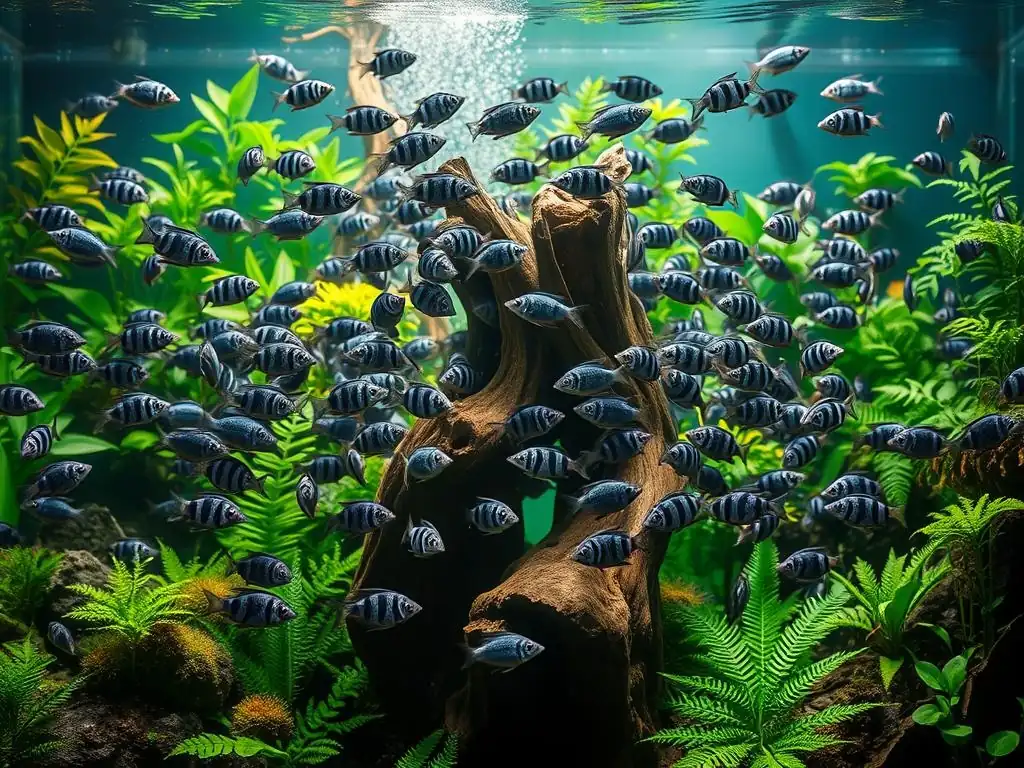
Ever wondered why your Black Phantom Tetras seem to be engaged in constant, elegant dances of dominance? Phantom Fights: Understanding the Sparring Behavior of Male Black Phantom Tetras delves into the fascinating (and sometimes frustrating) world of these captivating fish. Discover the subtle nuances of their interactions and learn essential Black phantom tetra aggression tips to ensure a peaceful and thriving aquarium. Let's explore the secrets behind their behavior and unlock the key to a harmonious community tank!
- Introduction to Black Phantom Tetra Sparring: A Common Behavior
- Identifying Black Phantom Tetra Aggression vs. Playful Sparring
- Factors Influencing Black Phantom Tetra Aggression Levels
- Black Phantom Tetra Aggression Tips: Strategies for Minimizing Conflicts
- Managing Black Phantom Tetra Aggression Through Schooling
- Black Phantom Tetra Sparring During Breeding Season
- Long-Term Strategies for Preventing Black Phantom Tetra Aggression
- Conclusion: Promoting a Peaceful Aquarium Environment for Black Phantom Tetras
-
Frequently Asked Questions
- How can I tell if my Black Phantom Tetras are fighting or just sparring?
- What are some key indicators of aggressive behavior in Black Phantom Tetras beyond typical sparring?
- What is the ideal Black Phantom Tetra group size to minimize aggression?
- What aquarium conditions can contribute to increased aggression in Black Phantom Tetras?
- What are some practical steps I can take to reduce aggression between my Black Phantom Tetras?
- Final Reflection: Decoding the Dance of Dominance
- Unleash Your Inner Aquarist!
Introduction to Black Phantom Tetra Sparring: A Common Behavior
Black Phantom Tetras, scientifically known as Hyphessobrycon megalopterus, are captivating freshwater fish renowned for their striking appearance and generally peaceful demeanor. These schooling fish originate from the Amazon River basin in South America, inhabiting slow-moving waters in countries like Bolivia, Brazil, and Paraguay. Within their natural habitat and in the home aquarium, Black Phantom Tetras exhibit a complex social structure, particularly among males. While often considered community-friendly, their interactions are far from static, involving intricate displays of dominance and communication.
This social hierarchy is crucial to their well-being. A healthy school of Black Phantom Tetras, typically comprising 6 to 10 individuals, will establish a pecking order, with males often engaging in ritualistic sparring. This behavior, characterized by fin flaring and brief chases, is a natural part of their social dynamics and is usually harmless. It's a way for males to assert their position within the group without causing significant injury, contributing to the overall stability of the school.
Why Do Male Black Phantom Tetras Spar? Establishing Dominance
The primary reason male Black Phantom Tetras engage in sparring, often referred to as "phantom fights," is to establish and maintain a dominance hierarchy within their school. This behavior is a form of ritualized aggression, where males display their strength and vitality to one another, often without direct physical contact or injury. They may spread their fins, darken their coloration, and push against each other head-to-head or side-to-side in a display of strength.
This assertion of dominance serves several purposes. It can be related to competition for resources, such as prime feeding spots or preferred resting areas within the aquarium. More significantly, it plays a role in reproductive success, as dominant males may gain preferential access to females. These brief, intense skirmishes help to solidify the social order, reducing overall stress within the school by clearly defining roles and minimizing more severe Black phantom tetra aggression.
Identifying Black Phantom Tetra Aggression vs. Playful Sparring
Differentiating Between Normal Sparring and Harmful Aggression
Distinguishing between normal, healthy sparring and detrimental Black phantom tetra aggression is crucial for maintaining a peaceful aquarium. Normal sparring in Black Phantom Tetras is typically brief, lasting only a few seconds, and rarely results in physical harm. During these displays, males might flare their fins dramatically, intensify their dark coloration, and engage in a quick "dance" or head-to-head push. The fish usually disengage quickly and return to schooling without visible signs of stress or injury, such as torn fins or scales.
Conversely, harmful aggression is characterized by prolonged chasing, constant harassment of a specific individual, or visible physical damage. If you observe one fish relentlessly pursuing another for minutes at a time, or if fins appear nipped, frayed, or torn, these are clear indicators that the behavior has crossed the line from playful sparring to harmful aggression. Stressed individuals may also exhibit faded colors, clamped fins, or spend excessive time hiding, indicating they are being targeted.
Signs of Excessive Aggression in Black Phantom Tetras: Fin Nipping and Chasing
Excessive Black phantom tetra aggression manifests in several observable signs that indicate a problem within the tank. The most common and concerning sign is fin nipping, particularly targeting the delicate caudal (tail) and anal fins. While Black Phantoms are not notorious fin-nippers towards other species, within their own school, persistent nipping can leave fins ragged and prone to infection. For example, if a dominant male consistently nips the fins of a submissive male, the victim's tail fin might show noticeable tears or a frayed appearance within a few days.
Another key indicator is relentless chasing. If one Black Phantom Tetra is constantly hounded by another, unable to rest or feed peacefully, it signals a high level of stress. This can lead to the targeted fish becoming withdrawn, refusing to eat, and exhibiting dull coloration. Prolonged stress weakens the fish's immune system, making it highly susceptible to common aquarium diseases such as Ich (white spot disease) or fin rot. Observing such consistent bullying for more than a minute at a time, or repeatedly throughout the day, warrants immediate intervention to mitigate Black phantom tetra aggression.
Factors Influencing Black Phantom Tetra Aggression Levels
Tank Size and Overcrowding: Impact on Black Phantom Tetra Behavior
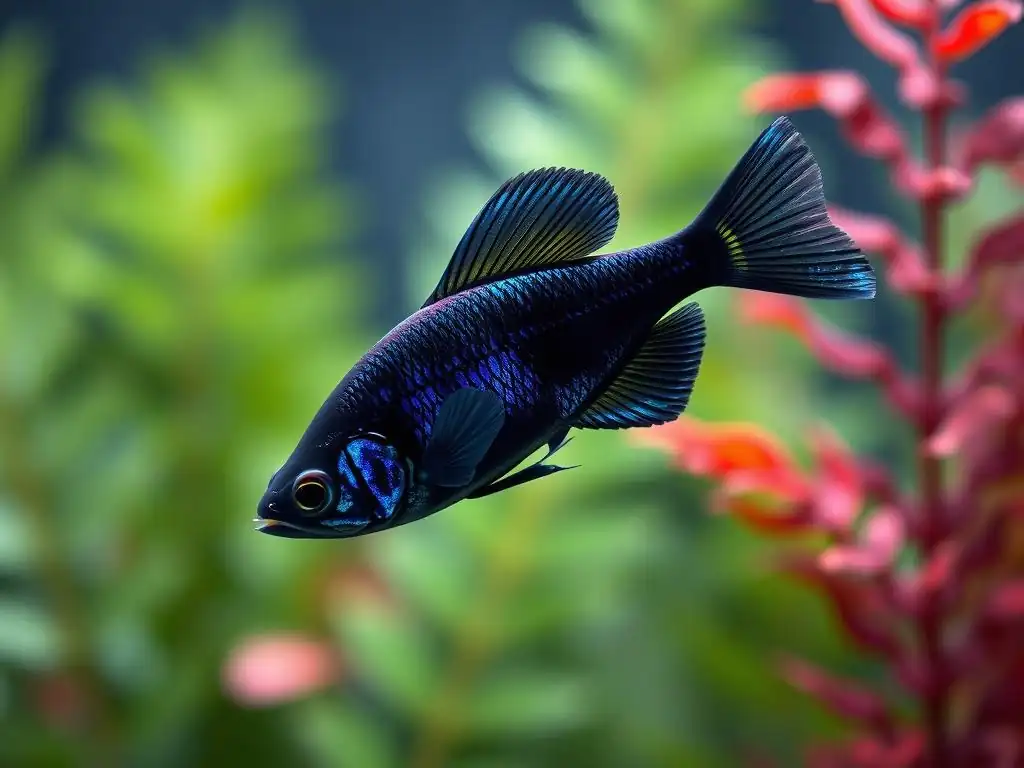
Tank size is perhaps the most significant factor influencing Black phantom tetra aggression. While a minimum of 10-15 gallons is often cited for a small school of Black Phantom Tetras, this is often insufficient for their long-term well-being and can directly contribute to increased stress and aggression. In a cramped environment, fish have limited space to establish territories or escape dominant individuals, leading to heightened competition for resources and constant tension.
For a healthy and peaceful school of 6-8 Black Phantom Tetras, a tank of 20 gallons or larger is highly recommended. For larger schools of 10-12 individuals, a 30-gallon or even 40-gallon breeder tank provides ample swimming space and allows for the diffusion of natural sparring behavior. When space is restricted, the natural inclination of males to spar for dominance can quickly escalate into harmful Black phantom tetra aggression because submissive fish have nowhere to retreat, leading to continuous harassment and stress.
The Role of Tank Mates in Black Phantom Tetra Sparring
The choice of tank mates plays a critical role in either exacerbating or mitigating Black phantom tetra aggression. Black Phantom Tetras are generally peaceful community fish, but they can become stressed or act out if housed with unsuitable companions.
Very large, boisterous, or aggressive fish (such as certain cichlids or larger barbs) can intimidate Black Phantoms, causing them to become withdrawn or, conversely, to display increased internal aggression due to stress. For instance, pairing them with Tiger Barbs, known fin-nippers, can lead to chronic stress and a higher likelihood of the tetras themselves becoming more aggressive within their own school.
Conversely, extremely docile or slow-moving fish might become targets if the Black Phantoms feel cramped or stressed, though this is less common with this species. The best tank mates are other small, peaceful, schooling fish that prefer similar water parameters, such as Neon Tetras, Cardinal Tetras, Rummy Nose Tetras, Harlequin Rasboras, Corydoras catfish, and Otocinclus catfish. These species generally coexist harmoniously, reducing external stressors that could contribute to Black phantom tetra aggression.
Water Quality and its Influence on Black Phantom Tetra Aggression
Suboptimal water quality is a major stressor for all aquarium fish, and Black Phantom Tetras are no exception. Poor water parameters directly contribute to a fish's overall health and temperament, making them more susceptible to disease and more prone to displaying Black phantom tetra aggression. High levels of ammonia, nitrite, or nitrate, as well as fluctuating pH or temperature, can severely compromise their immune system and induce chronic stress. For example, ammonia levels above 0.25 ppm can cause gill damage and lethargy within hours, leading to agitated behavior.
Black Phantom Tetras thrive in soft to medium-hard water with a pH between 6.0 and 7.5 and a consistent temperature range of 72-79°F (22-26°C). Deviations from these ideal conditions, particularly prolonged exposure to high nitrates (above 20 ppm) or unstable pH, will make the fish feel unwell and irritable. A healthy, stress-free fish is less likely to engage in excessive Black phantom tetra aggression, making consistent and stable water quality a fundamental aspect of their care.
Black Phantom Tetra Aggression Tips: Strategies for Minimizing Conflicts
Increasing Tank Space and Providing Hiding Places
One of the most effective Black phantom tetra aggression tips is to ensure adequate tank space and provide an abundance of hiding places. For a school of 6 to 8 Black Phantom Tetras, a 20-gallon long aquarium is a good starting point, offering more horizontal swimming room than a standard 10-gallon. If you plan to keep a larger school (10+ individuals), a 30-gallon or even 40-gallon tank is highly recommended to diffuse potential conflicts.
Beyond sheer volume, the physical layout of the tank is paramount. Dense planting, particularly with tall, leafy plants like Amazon Swords, Java Fern, or Anubias, creates visual barriers and break up lines of sight. Driftwood, rocks, and caves also serve as excellent hiding spots. These elements allow submissive or less dominant fish to retreat and escape the attention of more assertive males, significantly reducing stress levels and preventing normal sparring from escalating into harmful Black phantom tetra aggression. A well-scaped tank with ample cover mimics their natural habitat and promotes a sense of security.
Maintaining Optimal Water Parameters for Peaceful Tetras
Consistent and optimal water parameters are fundamental for preventing Black phantom tetra aggression. These fish thrive in soft to moderately hard water with a pH range of 6.0-7.5 and a stable temperature between 72-79°F (22-26°C). Regular water testing, ideally weekly, using a reliable liquid test kit (e.g., for ammonia, nitrite, nitrate, and pH) is essential to monitor these conditions. For instance, maintaining nitrate levels below 20 ppm through consistent water changes dramatically reduces overall fish stress.
Performing weekly partial water changes of 25-30% is a key Black phantom tetra aggression tip. This practice removes accumulated nitrates and replenishes essential minerals, contributing to a stable and healthy environment. Sudden fluctuations in temperature or pH can be highly stressful and trigger aggressive behaviors, so using a reliable heater and avoiding drastic changes during water changes are crucial. A clean, stable environment directly translates to healthier, calmer fish less prone to conflict.
Choosing Compatible Tank Mates for Black Phantom Tetras
Selecting appropriate tank mates is another vital Black phantom tetra aggression tip to ensure a peaceful community aquarium. Black Phantom Tetras are generally peaceful, but they can be stressed by overly boisterous, large, or aggressive fish. Avoid fin-nipping species like Tiger Barbs or highly territorial cichlids unless the tank is exceptionally large and designed for such pairings. The stress induced by incompatible tank mates can lead to increased internal Black phantom tetra aggression as they take out their frustrations on each other.
Ideal tank mates are other small, peaceful, schooling fish that share similar water parameter requirements. Excellent choices include other small tetra species such as Neon Tetras, Cardinal Tetras, Rummy Nose Tetras, or Glowlight Tetras. Bottom dwellers like Corydoras catfish and Otocinclus catfish are also highly compatible, as they occupy different parts of the water column and are generally non-aggressive. Rasboras and peaceful dwarf cichlids like German Blue Rams (in appropriately sized tanks) can also coexist peacefully, contributing to a harmonious environment and mitigating Black phantom tetra aggression.
Managing Black Phantom Tetra Aggression Through Schooling
Importance of School Size in Reducing Aggression
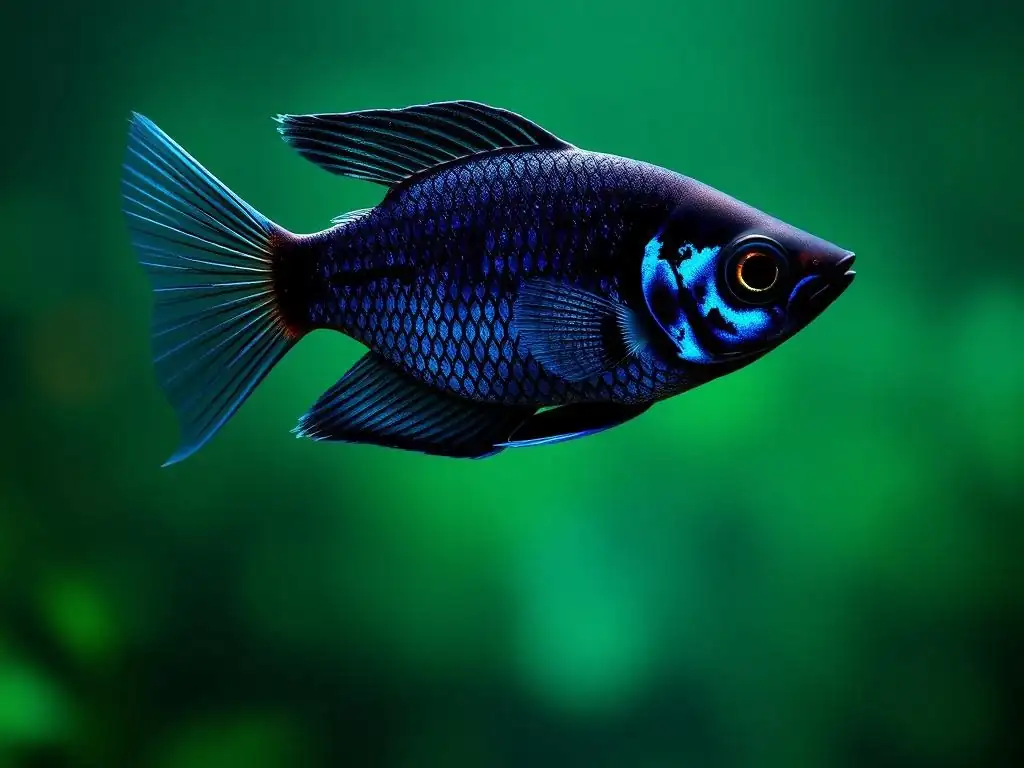
One of the most critical Black phantom tetra aggression tips is to always keep these fish in appropriately sized schools. Black Phantom Tetras are true schooling fish, and their social dynamics are heavily dependent on being part of a larger group. A minimum of six individuals is often cited, but a school of eight to ten or even more is highly recommended for optimal behavior and reduced aggression. In smaller groups (fewer than six), the natural sparring behavior among males can quickly escalate into bullying, as there are fewer individuals to diffuse the aggression.
When kept in a sufficiently large school, Black phantom tetra aggression is significantly minimized. The "safety in numbers" principle applies here: any mild aggression or dominance display is spread out among many individuals rather than being concentrated on one or two weaker fish. This diffusion of attention reduces stress on any single fish and allows for a more natural expression of their social hierarchy without leading to injury or chronic stress. A larger school promotes a sense of security and allows their natural schooling behaviors to flourish, leading to a calmer and more cohesive group.
Observing School Dynamics and Identifying Problem Individuals
Regular observation of your Black Phantom Tetra school dynamics is an essential Black phantom tetra aggression tip. By spending a few minutes each day watching their interactions, you can quickly identify if normal sparring is escalating into problematic aggression. Look for specific individuals who consistently act as bullies, relentlessly chasing or nipping at others, or conversely, fish who are constantly hiding, showing clamped fins, or exhibiting faded colors due to stress.
Sometimes, despite optimal conditions, a single male might be overly aggressive and disrupt the entire school's peace. In such rare cases, if all other strategies (more space, more hiding places, larger school size) fail to curb Black phantom tetra aggression, removing and rehoming the problematic individual might be necessary for the well-being of the rest of the school. Similarly, identifying and removing chronically stressed or bullied fish can prevent further decline in their health and reduce the overall tension in the tank.
Black Phantom Tetra Sparring During Breeding Season
Recognizing Breeding Behavior in Black Phantom Tetras
During breeding season, the behavior of male Black Phantom Tetras can intensify, leading to an increase in their sparring displays. This is a natural part of their reproductive cycle and should not be confused with harmful, chronic Black phantom tetra aggression. Males will become noticeably more vibrant in color, often displaying their darkest hues, and their fins will be fully flared. They engage in elaborate "dances" around females, attempting to entice them to spawn.
Females, when ready to breed, will appear noticeably plumper due to carrying eggs. The males' sparring during this period is primarily directed at establishing dominance and securing mating opportunities, rather than causing injury. These ritualized displays are typically brief and are a sign of healthy, reproductive behavior. While the frequency of sparring might increase, it generally remains non-injurious, provided the tank conditions are otherwise optimal.
Creating a Suitable Breeding Environment to Reduce Stress
If you intend to breed Black Phantom Tetras, setting up a dedicated breeding tank can significantly reduce stress and prevent any breeding-related Black phantom tetra aggression from impacting the main display tank. A small, separate tank, typically 5-10 gallons, is ideal for a single breeding pair or trio. This isolation allows the fish to focus on spawning without the distractions or competition from the main school.
The breeding tank should have soft, acidic water (pH 5.5-6.5) and contain fine-leaved plants like Java Moss or spawning mops, where the fish can deposit their eggs. The absence of other fish means the male's breeding displays are directed solely at the female, minimizing any potential for stress-induced aggression. Once spawning is complete, it is crucial to remove the adult fish promptly, as they will readily consume their own eggs. This controlled environment ensures a higher survival rate for the fry and a less stressful experience for the breeding adults.
Long-Term Strategies for Preventing Black Phantom Tetra Aggression
Regular Tank Maintenance and Water Changes
Consistent and meticulous tank maintenance is a cornerstone for preventing long-term Black phantom tetra aggression. Regular partial water changes are paramount; a weekly change of 25-30% is highly recommended to keep nitrate levels low (ideally below 20 ppm) and to replenish essential minerals. For example, in a 20-gallon tank, this equates to changing 5-6 gallons of water weekly. Neglecting water changes allows toxins to accumulate, leading to chronic stress and irritability in fish.
Beyond water changes, regular gravel vacuuming to remove uneaten food and fish waste is crucial, as is periodic cleaning of filter media to maintain efficient filtration. A clean, stable, and healthy aquatic environment directly contributes to the overall well-being and calm temperament of Black Phantom Tetras, significantly reducing the likelihood of stress-induced Black phantom tetra aggression. These routine tasks prevent the buildup of stressors that can trigger aggressive behaviors.
Providing a Varied Diet to Maintain Health and Reduce Stress
A well-balanced and varied diet is another essential long-term Black phantom tetra aggression tip. Malnourished or underfed fish are more susceptible to stress and can become more aggressive, especially during feeding times. Black Phantom Tetras are omnivores and thrive on a diverse diet that mimics their natural food sources. Offer high-quality flake food or micro-pellets as a staple, but supplement regularly with live or frozen foods.
Examples of excellent supplementary foods include brine shrimp, daphnia, and bloodworms. Feeding small amounts multiple times a day (e.g., two to three small feedings) rather than one large meal can also help reduce competition and food-related Black phantom tetra aggression. A varied diet ensures they receive all necessary nutrients, boosts their immune system, and contributes to their overall vitality, making them more resilient to stress and less prone to conflict.
Monitoring Black Phantom Tetra Behavior for Early Signs of Aggression
Continuous observation of your Black Phantom Tetras' behavior is a proactive and effective Black phantom tetra aggression tip. Daily monitoring allows you to catch subtle changes in their demeanor before minor issues escalate into serious problems. Look for any fish that consistently exhibits clamped fins, faded coloration, rapid breathing, or unusual hiding behavior, as these can be early indicators of stress or being targeted by a dominant individual.
Conversely, pay attention to individuals who are consistently chasing or nipping at others. Early detection provides an opportunity for prompt intervention. This might involve adjusting tank parameters, adding more plants or decor to create additional hiding spots, or re-evaluating tank mates. Addressing these issues early can prevent chronic stress, injury, and the widespread Black phantom tetra aggression that can disrupt the entire aquarium community.
Conclusion: Promoting a Peaceful Aquarium Environment for Black Phantom Tetras
Key Takeaways for Managing Black Phantom Tetra Sparring Behavior
Managing Black Phantom Tetra sparring behavior effectively hinges on understanding their natural social dynamics and providing an optimal environment. The key takeaways for promoting a peaceful aquarium environment for these captivating fish include: ensuring they are kept in a sufficiently large school of at least 8-10 individuals to diffuse aggression; providing ample tank space, ideally 20 gallons or more for a standard school, with abundant hiding places and visual barriers; and maintaining pristine and stable water parameters through regular testing and consistent partial water changes.
Furthermore, choosing compatible, peaceful tank mates and offering a varied, high-quality diet are crucial Black phantom tetra aggression tips. While male Black Phantom Tetras will naturally engage in ritualistic sparring to establish dominance, persistent fin nipping or relentless chasing are signs that intervention is required. By implementing these strategies, aquarists can significantly reduce stress, minimize harmful Black phantom tetra aggression, and foster a thriving, harmonious community.
Further Resources for Black Phantom Tetra Care and Aggression Prevention
For those seeking more in-depth knowledge on Black Phantom Tetra care, including detailed species profiles, advanced breeding techniques, and comprehensive troubleshooting guides for aquarium health, a wealth of information is available. These resources can provide further Black phantom tetra aggression tips, insights into their specific water chemistry needs, and advice on creating the ideal biotope for these fascinating fish, ensuring their long-term well-being and a peaceful aquatic experience.
Frequently Asked Questions
How can I tell if my Black Phantom Tetras are fighting or just sparring?
Sparring involves displays of fin nipping and chasing without serious injury. Fighting, on the other hand, leads to physical damage like torn fins or scales and persistent hiding. Sparring is normal, fighting is not.
What are some key indicators of aggressive behavior in Black Phantom Tetras beyond typical sparring?
Excessive bullying, persistent harassment of a single fish, and preventing others from accessing food are all signs of aggression. This indicates a need for intervention.
What is the ideal Black Phantom Tetra group size to minimize aggression?
A group of at least six or more is recommended. Larger groups allow aggression to be distributed more evenly, reducing the risk of a single fish being targeted.
What aquarium conditions can contribute to increased aggression in Black Phantom Tetras?
Poor water quality, overcrowding, and a lack of hiding places can all increase stress and aggression. Maintain a clean and spacious environment to keep them happy.
What are some practical steps I can take to reduce aggression between my Black Phantom Tetras?
Increase the number of plants and decorations to break up sightlines. Ensure there's adequate space for all fish and consistently maintain water quality with regular changes.
Final Reflection: Decoding the Dance of Dominance
The insights gleaned from observing the sparring behavior of male Black Phantom Tetras are more than just aquarium observations; they offer a microcosm of the complex interplay between aggression and social structure found throughout the animal kingdom. Understanding these subtle displays of dominance, as detailed in this article, allows us to not only better care for these fascinating fish but also to appreciate the nuanced communication strategies that underpin social hierarchies in nature.
The study of Black Phantom Tetra aggression, and the tips provided for mitigating its negative impacts, underscore the importance of responsible pet ownership and the ethical considerations that come with keeping any animal in captivity. We are not merely observers, but active participants in their well-being. The greatness of a nation and its moral progress can be judged by the way its animals are treated.
- Mahatma Gandhi. This quote resonates deeply when considering the responsibility we bear towards the creatures we bring into our homes.
Now, armed with a deeper understanding of Black Phantom Tetra aggression and practical tips for managing it, I encourage you to reflect on your own interactions with the natural world. Consider how you can apply these principles of observation, empathy, and responsible action to improve the lives of the animals in your care, and to foster a greater appreciation for the intricate beauty of the ecosystems around us.
Unleash Your Inner Aquarist!
Thank you for diving into the fascinating world of Black Phantom Tetra sparring! We hope this exploration has shed light on the nuances of their behavior and enriched your understanding of these captivating fish. Ready to take your aquarium hobby to the next level?
Here's how you can deepen your connection:
- Implement a 'Tetra-Terrace': Enrich your tank by carefully observing the territories established by your male Black Phantom Tetras and rearranging decor every few weeks to introduce new spatial dynamics. This can transform their interactions and provide valuable insights into their social structure.
- Share your observations! Start a thread on an aquarium forum dedicated to Black Phantom Tetras. Describe their sparring behaviors, tank setup, and any unique strategies you've discovered to minimize aggression.
- Go beyond the Black Phantom: Research other tetra species known for interesting social behaviors, such as the Emperor Tetra or the Buenos Aires Tetra, to expand your understanding of fish dynamics.
What's the most surprising territorial behavior you've witnessed in your aquarium? Share your stories!