
Salt Baths for Bettas: When and How to Use Them Effectively


Welcome to Aquarium Mastery!
Curious about using salt baths to help your Betta thrive? You've come to the right place. Unlock the secrets to effective Betta salt bath treatments and discover when and how this simple remedy can make a world of difference for your finned friend. Dive in and learn how to keep your Betta happy and healthy!
- Understanding Salt Bath Treatment for Bettas
- When to Use a Salt Bath for Your Betta Fish
- Preparing a Safe and Effective Salt Bath for Bettas
- Step-by-Step Guide: Giving Your Betta a Salt Bath
- Salt Bath Dosage and Duration for Betta Fish
- Post-Salt Bath Care for Your Betta
- Preventing Betta Diseases: A Proactive Approach
- Common Mistakes to Avoid When Giving Bettas Salt Baths
- Conclusion: Mastering Salt Baths for Healthy Bettas
- Frequently Asked Questions
- Final Reflection: The Healing Power of Salt for Bettas
- Unveil the Healing Power of Salt for Your Betta!
Understanding Salt Bath Treatment for Bettas
What is a Salt Bath for Betta Fish?
A salt bath for Betta fish is a short-term, controlled exposure to water with a higher concentration of dissolved salt than their typical freshwater environment. This therapeutic method primarily utilizes aquarium salt, which is pure sodium chloride without any additives like iodine or anti-caking agents found in common table salt. The purpose is to leverage the osmotic properties of salt to help the fish combat various ailments, rather than creating a permanent brackish water setup.
This temporary increase in salinity is designed to be a stressor for external parasites and bacteria, while simultaneously aiding the Betta's own physiological processes. Unlike a permanent brackish tank, a salt bath is a targeted, time-limited intervention, often lasting from a few minutes to up to an hour, depending on the specific condition being treated and the Betta's tolerance. The precise concentration and duration are critical for the effectiveness and safety of this Bettas salt bath treatment.
Why Use a Salt Bath for Bettas? Benefits Explained
The primary benefits of a salt bath for Bettas stem from its impact on the fish's osmoregulation and its antimicrobial properties. When a Betta is in a freshwater environment, its body is constantly working to prevent water from entering its cells due to osmosis, and to retain essential salts. This process puts a strain on its kidneys and gills. A salt bath reduces this osmotic pressure, allowing the Betta to conserve energy, which can then be redirected towards healing and fighting off infections. This lessens the burden on their internal systems, akin to a human resting during illness.
Furthermore, the elevated salinity acts as an irritant and dehydrating agent for many external parasites, such as Ich (Ichthyophthirius multifiliis) and certain protozoa, by disrupting their osmotic balance. It also possesses mild antiseptic qualities that can inhibit the growth of external bacteria and fungi, providing a cleaner environment for wounds to heal and reducing the risk of secondary infections. The salt can also stimulate the Betta's natural slime coat production, which serves as a protective barrier against pathogens. This multi-faceted approach makes Bettas salt bath treatment a valuable tool in an aquarist's health arsenal.
When to Use a Salt Bath for Your Betta Fish
Recognizing Symptoms: Identifying When Your Betta Needs a Salt Bath
Recognizing the early signs of distress or illness in your Betta is crucial for timely intervention with a Bettas salt bath treatment. Common symptoms that might indicate a need for a salt bath include clamped fins, where the fins are held close to the body instead of being spread out. Lethargy, characterized by reduced activity and spending excessive time at the bottom or surface of the tank, is another key indicator. You might also observe a loss of appetite, where your Betta refuses to eat its usual food.
Physical changes are also significant. Look for ragged, frayed, or disappearing fins, which often point to fin rot. Small, white, sugar-grain-like spots on the body and fins are classic signs of Ich. Fuzzy white or grayish growths on the body or mouth could indicate Columnaris or fungal infections. Difficulty swimming, such as listing to one side or struggling to maintain buoyancy, can also be a symptom of underlying issues. Observing these changes promptly allows for the most effective application of a Bettas salt bath treatment.
Specific Conditions That Benefit from Betta Salt Baths
While not a universal cure, salt baths can be highly effective for specific external ailments. It's important to accurately identify the condition to ensure the Bettas salt bath treatment is appropriate and beneficial.
Treating Fin Rot in Bettas with Salt Baths
Fin rot is a common bacterial infection that causes the fins of Betta fish to appear ragged, torn, or even completely disappear. It often results from poor water quality or injury. A Bettas salt bath treatment for fin rot works by acting as a mild antiseptic, inhibiting the growth of the bacteria responsible for the decay, and reducing the likelihood of secondary infections. The salt also helps to reduce stress on the fish, allowing its immune system to focus on healing.
For fin rot, a typical concentration for a short-term bath might be 1 to 3 teaspoons of aquarium salt per gallon of water, administered for 15 to 30 minutes, once or twice daily. For instance, in a 1-gallon hospital container, dissolving 2 teaspoons (approximately 10 grams) of salt would create a beneficial environment for healing. While salt baths can significantly aid in recovery, severe cases may still require a course of antibiotics in addition to the salt treatment for complete remission.
Using Salt Baths for Betta Ich Treatment
Ich, or White Spot Disease, is a highly contagious parasitic infection caused by Ichthyophthirius multifiliis. It manifests as small, white spots resembling grains of salt or sugar on the fish's body and fins. Salt baths are particularly useful for Ich treatment because salt disrupts the osmotic balance of the Ich parasite, especially during its free-swimming "tomite" stage, preventing it from attaching to the fish.
For a short, high-concentration dip for Ich, some aquarists use 2 to 3 tablespoons of aquarium salt per gallon for 5 to 8 minutes, carefully monitoring the fish. However, for a more prolonged salt bath in a hospital tank, a lower concentration of 1 to 2 teaspoons per gallon over several days (with daily water changes and re-dosing) is often recommended to target the parasite's life cycle.
For example, in a 2-gallon hospital tank, adding 2-4 teaspoons of salt (approx. 10-20 grams) and maintaining that salinity can help eradicate the parasite over a 3-7 day period, effectively enhancing the Bettas salt bath treatment.
Salt Baths for Betta Fish Columnaris Infections
Columnaris, caused by the bacterium Flavobacterium columnare, is a highly aggressive infection often mistaken for a fungal infection due to its fuzzy, cotton-like appearance on the mouth, fins, or body. It can rapidly progress and lead to severe tissue damage. While antibiotics are typically the primary treatment for Columnaris, a Bettas salt bath treatment can serve as a supportive measure due to its mild antibacterial properties and its ability to reduce osmotic stress on the fish.
The salt can help to inhibit the growth of the Columnaris bacteria on the external surfaces of the fish, potentially slowing the progression of the disease and preventing secondary infections. A bath concentration similar to that for fin rot, perhaps 1-3 teaspoons per gallon for 15-30 minutes, can be used. It's crucial to understand that salt baths alone are rarely sufficient to cure advanced Columnaris and should be combined with appropriate medication prescribed by an aquatic veterinarian or recommended by an experienced fish health expert.
Treating Betta Fish Wounds with Salt Baths
Minor wounds on Betta fish, such as fin tears from nipping or sharp decor, or small body scrapes, are common occurrences. These injuries, while not immediately life-threatening, can easily become infected by opportunistic bacteria or fungi present in the aquarium water. A Bettas salt bath treatment can be highly beneficial in these situations by acting as a mild antiseptic and promoting the healing process.
The salt helps to clean the wound site, reducing the bacterial load and preventing secondary infections that could lead to more serious conditions like fin rot or systemic infections. It also stimulates the production of the Betta's natural slime coat, which is the fish's first line of defense against pathogens and aids in tissue regeneration. For minor wounds, a concentration of 1-2 teaspoons of aquarium salt per gallon for 10-20 minutes, once or twice daily, can significantly aid in recovery and prevent complications.
When NOT to Use a Salt Bath for Your Betta
While beneficial for specific conditions, a Bettas salt bath treatment is not always appropriate and can even be harmful. It should not be used for internal bacterial or parasitic infections, as salt primarily affects external pathogens. Conditions like dropsy (often a symptom of internal organ failure) or swim bladder disorders (unless caused by external bacterial infection) will not benefit from salt and can be exacerbated by the added stress.
Furthermore, if your Betta is already severely weakened, extremely stressed, or showing signs of kidney issues, a salt bath can cause more harm than good by placing additional strain on its system. Always address the root cause of the problem first; for instance, if poor water quality is causing illness, perform water changes and improve husbandry before resorting to salt baths. Never use a salt bath as a preventative measure for healthy fish, as continuous exposure to elevated salinity can be detrimental to their long-term health and osmoregulation.
Preparing a Safe and Effective Salt Bath for Bettas
Choosing the Right Salt: Aquarium Salt vs. Table Salt
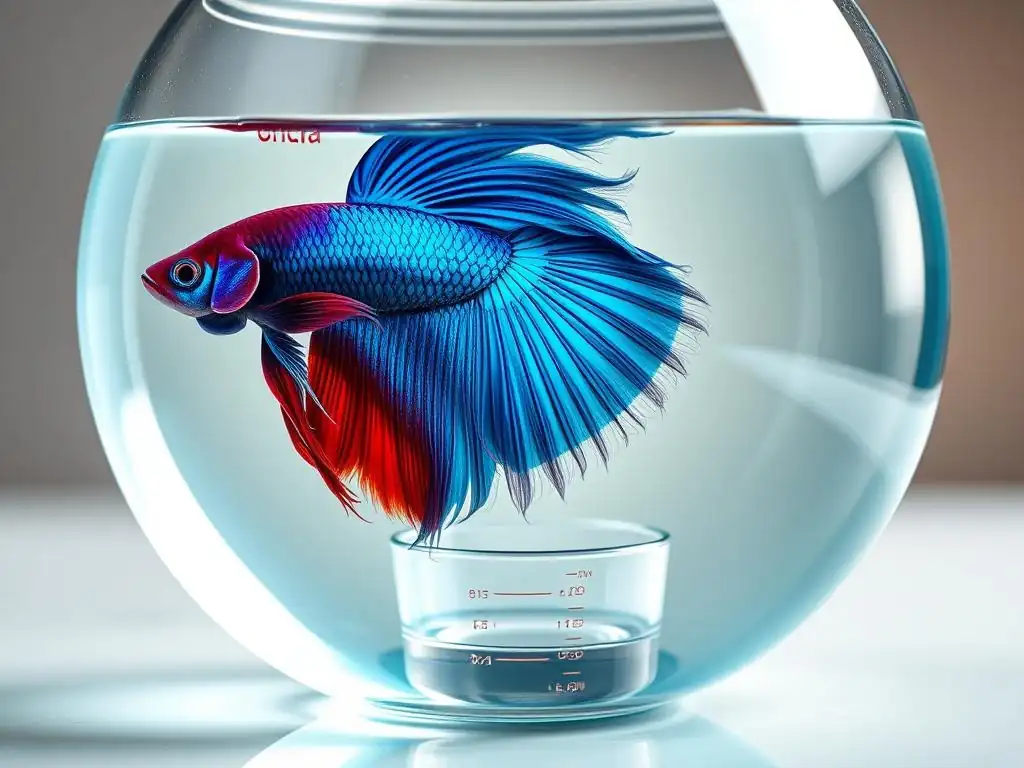
The choice of salt is paramount for a safe and effective Bettas salt bath treatment. You must use 100% pure aquarium salt, which is sodium chloride (NaCl) with no additives. Brands like API Aquarium Salt or Fritz PRO Aquarium Salt are widely available and suitable. Aquarium salt is specifically formulated for aquatic use and dissolves cleanly without introducing harmful chemicals.
Conversely, never use common table salt, which often contains anti-caking agents (like sodium ferrocyanide or calcium silicate) and iodine. These additives can be toxic to fish, causing organ damage or severe irritation to their gills and skin. Similarly, Epsom salt (magnesium sulfate) is used for different purposes, primarily to relieve constipation or reduce swelling due to fluid retention, and is not suitable for a general salt bath intended for external infections or osmotic stress relief. Using the correct type of salt is the first critical step in any successful Bettas salt bath treatment.
Calculating the Correct Salt Concentration for Betta Fish
Accurate calculation of salt concentration is crucial to ensure the Bettas salt bath treatment is therapeutic and not harmful. The concentration is typically expressed in teaspoons per gallon (tsp/gal) or grams per liter (g/L). A standard measuring teaspoon holds approximately 5 grams of salt. A U.S. gallon is approximately 3.785 liters.
To achieve a concentration of 1 teaspoon per gallon, you would add roughly 5 grams of salt to 3.785 liters of water, resulting in a concentration of about 1.32 g/L. For a more concentrated bath of, say, 3 teaspoons per gallon, you would add about 15 grams of salt to 3.785 liters, yielding approximately 3.96 g/L. Always use a dedicated, clean measuring spoon for consistency.
For example, if preparing a 1-gallon bath for mild fin rot, accurately measure 1-2 teaspoons of aquarium salt. It's better to slightly under-dose than to overdose, as too much salt can rapidly dehydrate your Betta and cause severe osmotic shock.
Setting Up the Salt Bath Container
The container for your Bettas salt bath treatment must be meticulously clean and non-porous. A new, dedicated 1-2 gallon plastic container, a clean glass bowl, or a small quarantine tank are ideal choices. Never use any container that has previously held soaps, detergents, or other cleaning chemicals, as residues can be highly toxic to fish.
Before adding your Betta, fill the container with water from your Betta's main tank, or use fresh, dechlorinated water that has been temperature-matched to the main tank (ideally 78-80°F or 25.5-26.5°C). This temperature matching is vital to prevent thermal shock. Completely dissolve the pre-measured aquarium salt in a small amount of warm water from the container first, then slowly add this concentrated solution to the main bath water, stirring gently until fully dispersed. Ensure the salt is completely dissolved to avoid direct contact of undissolved salt crystals with your Betta, which can cause chemical burns.
Step-by-Step Guide: Giving Your Betta a Salt Bath
Step 1: Acclimating Your Betta to the Salt Bath
Proper acclimation is crucial to minimize stress when moving your Betta into a salt bath. First, ensure the salt bath water is precisely the same temperature as your Betta's main tank water. Use a reliable thermometer to verify. Rapid temperature changes can cause severe shock and further weaken your fish.
Gently net your Betta from its main tank. Avoid excessive chasing or rough handling. Carefully transfer the Betta into the prepared salt bath container. For very sensitive or severely weakened fish, you might consider a drip acclimation method: slowly adding the salt bath water into a smaller container holding your Betta with its original tank water over 15-20 minutes, then transferring the fish. However, for short-term dips, a direct, gentle transfer is often sufficient if temperature matching is perfect.
Step 2: Monitoring Your Betta During the Salt Bath
Constant and vigilant monitoring of your Betta during the salt bath is paramount. Do not leave your fish unattended. Observe its behavior closely for any signs of distress. Normal behavior might include calm swimming, exploring the new container, or resting briefly.
However, watch for rapid gill movement (indicating difficulty breathing), erratic darting, attempting to jump out of the water, lying on its side, or showing signs of extreme lethargy. If your Betta exhibits any of these severe stress reactions, immediately proceed to remove it from the salt bath, regardless of the planned duration. The goal of a Bettas salt bath treatment is to aid healing, not to cause further harm. Note the time the Betta entered the bath to accurately track the duration.
Step 3: Removing Your Betta from the Salt Bath
Once the recommended duration for the Bettas salt bath treatment has elapsed, or if your Betta shows significant signs of distress, it's time to gently remove it. Have a clean, soft-mesh net ready. Carefully scoop your Betta from the salt bath container. Avoid prolonged exposure to the air, as this can be very stressful and damaging to its gills.
The process should be swift and gentle to minimize any additional stress. Ensure that the main tank, where the Betta will be returned, has optimal water parameters and is ready for its reintroduction. This smooth transition is key to a successful recovery process after the therapeutic bath.
Step 4: Returning Your Betta to Its Main Tank
After the salt bath, returning your Betta to its main tank requires careful consideration to avoid further stress or shock. For short dips (e.g., 5-30 minutes), direct transfer back to the main tank is generally acceptable, provided the main tank's water parameters (temperature, pH, ammonia, nitrite, nitrate) are pristine and stable. The small amount of salt carried over with the fish will not significantly alter the main tank's salinity.
However, if the salt bath was a longer-term treatment in a separate hospital tank (e.g., several days at a lower concentration), it's advisable to gradually re-acclimate your Betta to the main tank's freshwater conditions. This can be done by slowly replacing the hospital tank water with main tank water over a few hours, or by using a drip acclimation method when transferring the fish back to its permanent home. This gradual transition helps prevent osmotic shock and ensures a smoother recovery after the Bettas salt bath treatment.
Salt Bath Dosage and Duration for Betta Fish

Recommended Salt Bath Duration for Different Conditions
The duration of a Bettas salt bath treatment varies significantly depending on the condition being addressed and the concentration of the salt. For general stress relief or very mild issues, a concentration of 1-2 teaspoons of aquarium salt per gallon, for 10-15 minutes, is often sufficient. This short exposure helps reduce osmotic pressure without over-stressing the fish.
For more pronounced external bacterial infections like fin rot or minor wounds, a slightly higher concentration of 1-3 teaspoons per gallon can be used, with the bath lasting between 15-30 minutes. In cases of severe Ich, a more concentrated salt solution of 2-3 tablespoons per gallon might be used as a very short dip, lasting only 5-8 minutes, with extreme vigilance. It is crucial to always prioritize the Betta's immediate reaction; if signs of severe distress appear, end the bath immediately, regardless of the planned duration.
Frequency of Salt Baths for Bettas
The frequency of Bettas salt bath treatment depends on the severity of the condition and the Betta's response to the initial baths. For acute, severe issues requiring a high-concentration, short-duration dip (e.g., for aggressive Ich), a bath might be administered once every 12 to 24 hours. This allows the fish time to recover between treatments while still addressing the rapidly progressing ailment.
For milder conditions like early fin rot or minor wounds, where a lower concentration and slightly longer bath duration are used, daily baths are often sufficient. It is generally recommended to limit the total number of salt baths to a maximum of 3-5 consecutive days. Prolonged daily exposure can begin to stress the Betta's osmoregulatory system. Always provide a recovery period between baths, ensuring the Betta is returned to a pristine main tank environment.
Adjusting Treatment Based on Betta's Response
The success of any Bettas salt bath treatment hinges on your ability to observe and adapt. If your Betta shows significant improvement after one or two baths—for example, fins appear less clamped, or white spots begin to recede—you might reduce the frequency or duration of subsequent baths, or even discontinue them if the fish seems fully recovered.
Conversely, if the Betta's condition worsens, or if it shows no signs of improvement after a few treatments, it's a clear signal that the salt bath alone is not sufficient, or that the diagnosis might be incorrect. In such cases, discontinue the salt baths and explore other treatment options, such as specific medications, or consult an aquatic veterinarian. Never force a Betta to endure a salt bath if it is clearly distressed or deteriorating.
Post-Salt Bath Care for Your Betta
Observing Your Betta After the Salt Bath
After a Bettas salt bath treatment, diligent observation of your fish is crucial for assessing its recovery and overall well-being. Once returned to its main tank, monitor your Betta for several hours, and then regularly over the next few days. Look for signs of improvement in its initial symptoms, such as fins becoming less clamped, reduced lethargy, or the healing of wounds.
Equally important is to watch for any new or worsening signs of stress, such as continued rapid gill movement, hiding excessively, refusing food, or any unusual swimming patterns. These could indicate that the bath was too stressful, or that the underlying condition requires further intervention. Documenting these observations can help in deciding on subsequent steps for the Bettas salt bath treatment plan.
Maintaining Optimal Water Conditions in the Main Tank
While a Bettas salt bath treatment addresses specific external issues, the single most important factor for long-term health and recovery is maintaining pristine water conditions in the main tank. Poor water quality is a primary cause of stress and disease in Betta fish, often negating any benefits gained from a salt bath.
Regular partial water changes are essential; for a typical 5-gallon Betta tank, a 25-50% weekly water change is recommended. Use a gravel vacuum to remove uneaten food and waste from the substrate. Test your water parameters regularly using a reliable liquid test kit (e.g., API Freshwater Master Test Kit). Ammonia and nitrite should always be 0 ppm, and nitrates should be kept below 20 ppm. Maintain a stable water temperature between 78-80°F (25.5-26.5°C) and a pH of 6.5-7.5. Consistent optimal water quality is the foundation for your Betta's health and resilience.
When to Use Medication After a Salt Bath
A Bettas salt bath treatment is often a valuable first-line defense or supportive therapy, but it is not a standalone cure for all ailments. If, after a few days of consistent salt baths, your Betta's condition does not improve, or if it actively worsens, it's time to consider more targeted medication. For instance, severe bacterial infections like advanced Columnaris or systemic infections will likely require a course of antibiotics. Persistent parasitic infestations like stubborn Ich might need specific anti-parasitic treatments.
It's crucial to research the medication thoroughly and ensure it is safe for Bettas and compatible with any residual salt in the water (though main tank water should be salt-free). Never combine salt baths with all medications without confirming compatibility, as some combinations can be harmful. Consulting an experienced aquarist or an aquatic veterinarian can provide invaluable guidance on the appropriate medication and treatment protocol if salt baths prove insufficient.
Preventing Betta Diseases: A Proactive Approach
Maintaining a Clean and Healthy Betta Tank Environment
The cornerstone of preventing Betta diseases and minimizing the need for interventions like a Bettas salt bath treatment is a consistently clean and healthy tank environment. Bettas are sensitive to poor water quality. Regular partial water changes, typically 25% to 50% weekly for a 5-gallon tank, are crucial for removing accumulated nitrates, phosphates, and organic waste.
Beyond water changes, ensure proper filtration for your tank size, but avoid filters with excessively strong currents that can stress Bettas. Clean filter media by rinsing it in old tank water during water changes, never in tap water, to preserve beneficial bacteria. Avoid overfeeding, as uneaten food quickly decays and fouls the water. A well-maintained tank with stable parameters minimizes stress on your Betta's immune system, making it more resilient to pathogens.
Proper Betta Fish Nutrition for Disease Resistance
A balanced and high-quality diet is fundamental to building a strong immune system in your Betta, significantly reducing its susceptibility to diseases that might otherwise necessitate a Bettas salt bath treatment. Bettas are carnivores and require protein-rich foods. Opt for high-quality Betta-specific pellets or flakes from reputable brands, such as Hikari Betta Bio-Gold or New Life Spectrum Betta Formula, as their primary diet.
Supplement their diet with a variety of frozen or freeze-dried foods several times a week, such as bloodworms, brine shrimp, and daphnia. These provide essential nutrients and mimic their natural diet. Feed small amounts 1-2 times daily, only what your Betta can consume within 2-3 minutes, to prevent overfeeding and subsequent water pollution. A well-nourished Betta is better equipped to fight off infections naturally.
Regular Observation for Early Disease Detection
Daily, routine observation of your Betta fish is a simple yet incredibly effective proactive measure against disease. By spending just a few minutes each day watching your Betta, you can spot subtle changes in behavior or appearance that might indicate the onset of illness, allowing for early intervention before conditions escalate to the point of needing a Bettas salt bath treatment.
Look for changes in swimming patterns (e.g., erratic movements, listing), alterations in fin or body color, clamped or frayed fins, unusual spots or growths, reduced appetite, or labored breathing. Notice if your Betta is hiding more than usual, rubbing against decor, or showing a lack of interaction. Early detection significantly increases the success rate of any treatment, as diseases are often easier to cure in their initial stages.
Common Mistakes to Avoid When Giving Bettas Salt Baths
Using the Wrong Type of Salt
One of the most critical mistakes, and potentially fatal, is using the incorrect type of salt for a Bettas salt bath treatment. As previously emphasized, only 100% pure aquarium salt (sodium chloride) should ever be used. Common table salt, sea salt, or Epsom salt are entirely unsuitable. Table salt often contains iodine and anti-caking agents like sodium ferrocyanide, which are toxic to fish and can cause severe gill damage or even death.
Sea salt may contain other minerals that are not beneficial for freshwater fish. Epsom salt, while useful for constipation or dropsy, is magnesium sulfate and works differently than sodium chloride, making it ineffective for the intended purposes of a general salt bath. Always double-check the label to ensure you have pure aquarium salt.
Overdosing on Salt
Precise measurement of salt concentration is paramount. Overdosing on salt, even with the correct type, can be extremely detrimental to your Betta. Too high a concentration can rapidly dehydrate the fish due to extreme osmotic pressure differences, leading to severe organ damage, kidney failure, or immediate osmotic shock. This can manifest as rapid gill movement, erratic swimming, loss of balance, or the Betta lying on its side.
For instance, using 5 teaspoons of salt in a 1-gallon bath, when only 1-2 teaspoons are recommended, could be fatal. Always use a dedicated measuring spoon and strictly adhere to the recommended dosages based on the specific condition and the volume of water. It is always safer to use a slightly lower concentration than to risk an overdose.
Prolonged Exposure to Salt
A Bettas salt bath treatment is, by definition, a short-term therapeutic intervention, not a permanent change to the tank's salinity. One common mistake is leaving a Betta in a high-concentration salt bath for too long. While some lower concentrations of salt can be used in a hospital tank for a few days, a concentrated bath (e.g., 2-3 teaspoons per gallon) should generally not exceed 30 minutes.
Prolonged exposure to elevated salinity can severely stress the Betta's osmoregulatory system, leading to long-term kidney damage, chronic stress, and potentially death. Never use a salt bath solution as the permanent water in your Betta's main tank. Always ensure your Betta is returned to pristine, salt-free freshwater after the recommended bath duration.
Ignoring Your Betta's Reaction
The most crucial mistake to avoid during a Bettas salt bath treatment is ignoring your fish's signals. Every Betta is an individual, and their tolerance to salt can vary. While general guidelines exist, your Betta's real-time reaction is the ultimate determinant of the bath's safety and effectiveness.
If at any point during the salt bath your Betta shows severe signs of distress—such as extreme lethargy, rapid and labored breathing, trying to jump out, losing balance, or lying on its side—you must immediately remove it from the salt water. Continuing the bath in such circumstances will only cause further harm and could lead to irreversible damage or death. Prioritize your Betta's well-being over completing a predetermined duration.
Conclusion: Mastering Salt Baths for Healthy Bettas
The Importance of Responsible Betta Fish Care
Mastering the use of Bettas salt bath treatment is a valuable skill for any Betta enthusiast, offering a targeted and often effective means of addressing specific external ailments. However, it is crucial to recognize that salt baths are a tool within a broader framework of responsible Betta fish care, not a standalone solution for all health issues. Their effectiveness is maximized when used judiciously, based on accurate symptom identification, precise dosage, and vigilant observation.
The ultimate goal should always be prevention through excellent husbandry: maintaining pristine water quality, providing a balanced and nutritious diet, and ensuring a stress-free environment. Regular observation allows for early detection, which, combined with the informed application of therapies like the Bettas salt bath treatment, significantly enhances your Betta's chances of recovery. Responsible care means understanding when and how to use these interventions effectively, while always prioritizing your Betta's long-term health and well-being.
Frequently Asked Questions
What is a salt bath for a Betta fish, and why would I use it?
A salt bath is a short-term treatment using a higher concentration of salt than a Betta's normal environment. It's used to treat certain external parasites and fungal infections, helping to dislodge them from the fish.
How does a salt bath help a sick Betta?
The salt in the bath creates an osmotic imbalance, drawing water out of the parasite or fungus, which weakens or kills it. It also stimulates the Betta's slime coat production, aiding in healing.
What kind of salt should I use for a Betta's salt bath?
You should only use aquarium salt specifically designed for aquariums, or pure, non-iodized sea salt. Avoid table salt, as it contains additives that can be harmful to your Betta.
How long should a Betta stay in a salt bath?
Generally, a salt bath for a Betta should last no longer than 10-15 minutes. Closely monitor the Betta for any signs of distress and remove it immediately if needed.
How often can I give my Betta a salt bath?
Salt baths should only be administered when necessary and not as a regular preventative measure. Typically, a treatment course involves one bath per day for a few days, depending on the severity of the condition.
Final Reflection: The Healing Power of Salt for Bettas
The information presented throughout this article underscores the critical role of responsible and informed fishkeeping, particularly when it comes to treating our Betta companions. Understanding when and how to administer a salt bath is not merely a matter of following instructions; it's about recognizing the delicate balance of their aquatic environment and acting with precision to restore their health. This knowledge empowers us to be proactive guardians, capable of addressing common ailments and ensuring the well-being of these captivating creatures.
This exploration into Betta salt bath treatments has highlighted the enduring connection between responsible pet ownership and the health of our aquatic friends. It's a reminder that even seemingly simple remedies require careful consideration and a deep understanding of the animal's needs. The greatness of a nation and its moral progress can be judged by the way its animals are treated.
- Mahatma Gandhi. This quote, though broader in scope, resonates deeply with the responsibility we bear towards our Betta fish, urging us to approach their care with empathy and informed action.
Now, armed with this knowledge, I encourage you to reflect on your own fishkeeping practices. Consider how you can apply these principles of responsible treatment and preventative care to ensure the long-term health and happiness of your Betta. Let this article serve as a catalyst for continuous learning and a commitment to providing the best possible life for these beautiful and deserving creatures.
Unveil the Healing Power of Salt for Your Betta!
Thank you for diving into the world of betta health and salt baths! We hope you've gained valuable insights into using this natural remedy effectively. Now, let's put that knowledge into action and help your finned friend thrive.
Here are a few ways you can continue your journey:
- Prioritize your betta's well-being by safely administering a salt bath using the guidelines outlined in the article. Observe closely for improvements!
- Explore other natural remedies for common betta ailments. Knowledge is power when it comes to aquarium care!
- Share this article with fellow betta enthusiasts and discuss your experiences in the comments below. Let's learn together!
What specific signs of improvement did you observe after your betta's first salt bath? Share your insights!