
Natural Pest Control: Using Fish and Inverts to Manage Unwanted Aquarium Guests

Welcome to Aquarium Mastery!
Got unwanted guests crashing your aquarium party? You're not alone! Dive into our expert guide on Fish Pest Control Methods and discover how nature itself can help you maintain a thriving, balanced ecosystem. Curious about using algae-eating fish and invertebrates to combat those pesky invaders? Keep reading to unlock the secrets to a pest-free paradise!
- Understanding Aquarium Pests and Their Impact
- Fish Pest Control Methods: A Natural Approach
- Invertebrates for Pest Control
- Creating a Pest-Resistant Aquarium Environment
- Troubleshooting Common Pest Problems with Natural Solutions
- Combining Fish and Invertebrates for Comprehensive Pest Management
- Conclusion: The Benefits of Natural Pest Control Methods
-
Frequently Asked Questions
- How can I use fish for natural pest control in my aquarium?
- What types of invertebrates are effective for pest control in freshwater aquariums?
- Are there any risks associated with using natural pest control methods?
- How do I choose the right fish for pest control for my specific aquarium type?
- What are some alternative natural pest control options if fish or invertebrates aren't suitable?
- Final Reflection: Harmony in the Aquarium Ecosystem
- Unleash the Power of Nature: Take Control of Your Aquarium!
Understanding Aquarium Pests and Their Impact
Identifying Common Aquarium Pests
Aquarium pests are typically unwanted organisms that find their way into an aquarium, often hitchhiking on new plants, fish, or decor. In freshwater setups, common culprits include various species of nuisance snails such as bladder snails ( Physa acuta), ramshorn snails ( Planorbella spp.), and pond snails ( Lymnaea stagnalis), which can reproduce rapidly. Other freshwater pests include planaria (flatworms with triangular heads), hydra (small, stinging polyps resembling miniature anemones), and various forms of stubborn algae like hair algae, black beard algae (BBA), and green spot algae.
For saltwater aquariums, the list of potential pests expands to include highly invasive organisms like Aiptasia anemones ( Aiptasia pallida), which can sting and kill corals, and various types of flatworms (e.g., Red Planaria Convolutriloba retrogemma). Each pest has distinct characteristics; for instance, bladder snails can lay hundreds of eggs in a single clutch, allowing their population to explode from just a few individuals to hundreds within weeks. Aiptasia anemones, often introduced on live rock, can grow up to 4 inches tall and spread quickly via budding or fragmentation if not addressed promptly.
The Negative Effects of Pests on Your Aquarium Ecosystem
The presence of aquarium pests can have a detrimental impact on the overall health and aesthetics of your aquatic environment. Pests often compete with desirable inhabitants for essential resources such as food, light, and space. For example, a severe infestation of hair algae can smother slower-growing aquatic plants, depriving them of light and nutrients, which can lead to their death. Similarly, a dense population of pest snails consumes available food, potentially leaving less for your fish and desirable invertebrates.
Beyond resource competition, pests can negatively affect water quality. Large numbers of decaying pest organisms, or even their waste products, contribute to the bioload, increasing levels of nitrates and phosphates. For instance, an unchecked snail population in a 50-gallon tank can elevate nitrate levels by 5-10 ppm per week, necessitating more frequent water changes to maintain optimal parameters. In saltwater tanks, Aiptasia anemones can sting and stress corals, leading to tissue recession and even coral death, potentially resulting in significant financial losses for reef keepers.
Fish Pest Control Methods: A Natural Approach
Introducing Predator Fish for Pest Management
One of the most effective and natural fish pest control methods involves introducing specific fish species known to prey on common aquarium pests. This biological approach leverages the natural feeding behaviors of certain fish to keep unwanted populations in check without the use of harsh chemicals, which can be detrimental to the overall ecosystem. The success of this method largely depends on selecting the right predator for the specific pest and ensuring compatibility with your existing aquarium inhabitants.
This strategy forms a cornerstone of integrated pest management in aquariums, offering a sustainable way to maintain balance. For instance, a well-chosen predator fish can significantly reduce or even eradicate populations of nuisance snails or hydra. However, it's crucial to research the specific needs and behaviors of these predator fish, as their effectiveness can vary, and some may have specific tank size requirements or dietary needs that must be met even after the pests are gone.
Selecting the Right Predator Fish for Specific Pests
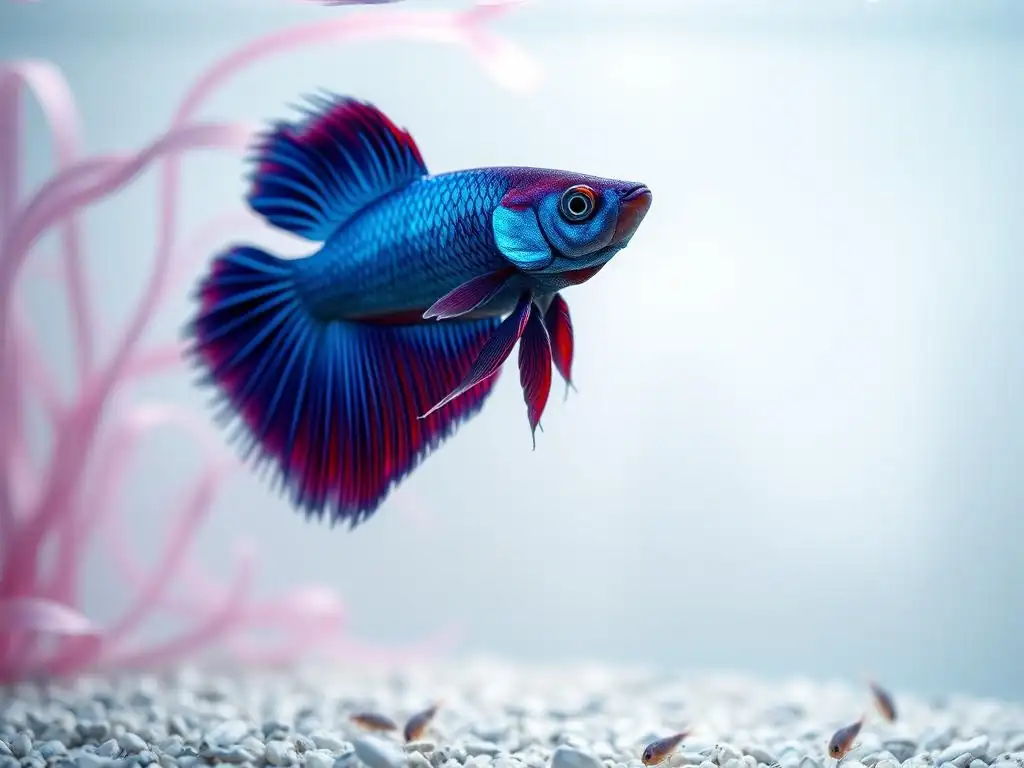
When implementing fish pest control methods, choosing the correct species is paramount. For snail infestations, Clown Loaches ( Chromobotia macracanthus) are renowned for their voracious appetite for pest snails. A small group of 3-5 young Clown Loaches can effectively clear a moderate snail problem in a 55-gallon tank within a few weeks, though they require large tanks (75+ gallons) as adults, growing up to 12 inches. For hydra, a Dwarf Gourami ( Trichogaster lalius) or a Betta fish ( Betta splendens) can often consume these small polyps.
Algae control is another area where predator fish excel. Siamese Algae Eaters ( Crossocheilus oblongus) are highly effective against stubborn hair algae and even black beard algae, reaching lengths of 6 inches and requiring tanks of 30 gallons or more.
Otocinclus catfish ( Otocinclus affinis) are excellent for consuming diatoms and soft green algae from plant leaves and glass; a group of 5-7 Otos can keep a 20-gallon planted tank pristine. For saltwater aquariums, the Copperband Butterflyfish ( Chelmon rostratus) is often introduced for its known appetite for Aiptasia anemones, although their success can be variable and they can be challenging to keep long-term.
Compatibility Considerations
Before introducing any predator fish as part of your fish pest control methods, careful consideration of their compatibility with your existing tank inhabitants and overall aquarium environment is crucial. Aggressive predators might harass or injure peaceful community fish, while very large species could outgrow smaller tanks rapidly, leading to stress and poor health. For example, while Clown Loaches are excellent snail eaters, their potential size and schooling nature mean they are unsuitable for tanks smaller than 75 gallons, and they can be sensitive to water quality fluctuations.
Furthermore, consider the long-term dietary needs of the predator fish. Once the pest population is under control, these fish will still require appropriate nutrition. A Copperband Butterflyfish, for instance, might turn to nipping at desirable corals if its primary food source (Aiptasia) is depleted and it's not adequately supplemented with other foods. Always research the specific temperament, adult size, and dietary requirements of any fish considered for pest control to ensure a harmonious and healthy aquarium ecosystem.
Using Fish to Control Algae Blooms Naturally
Algae blooms are a common nuisance in aquariums, often signaling an imbalance in nutrients or lighting. Employing specific fish pest control methods that involve algae-eating fish is an effective and natural way to manage these outbreaks. These fish actively graze on various types of algae, helping to maintain a cleaner and healthier environment while reducing the reliance on chemical treatments.
The key to successful algae control with fish lies in understanding which species target specific types of algae and providing them with the right conditions to thrive. This approach not only helps in managing current algae problems but also contributes to long-term prevention by establishing a natural cleaning crew.
Algae-Eating Fish Species
Several fish species are highly valued for their algae-eating capabilities. Otocinclus catfish ( Otocinclus affinis) are small, peaceful fish excellent for consuming diatoms and soft green algae from plant leaves and glass surfaces. A group of 5-7 Otos can effectively manage algae in a 20-gallon planted tank. Siamese Algae Eaters (SAE, Crossocheilus oblongus) are renowned for tackling more stubborn algae, including hair algae, thread algae, and even the notorious black beard algae (BBA); they can grow up to 6 inches and thrive in tanks of 30 gallons or larger.
Bristlenose Plecos ( Ancistrus spp.) are another popular choice, remaining relatively small (4-5 inches) and excelling at cleaning diatoms and green spot algae from hard surfaces like rocks and driftwood. Some livebearers, particularly Mollies ( Poecilia sp.), are also known to graze on soft green algae, especially when young. It is important to note that while Chinese Algae Eaters ( Gyrinocheilus aymonieri) are often marketed for algae control, they can become aggressive and less efficient algae eaters as they mature, preferring protein-rich foods.
Maintaining Optimal Conditions for Algae-Eating Fish
For algae-eating fish to be effective as part of your fish pest control methods, it is essential to provide them with optimal living conditions and ensure a consistent food source. Initially, their primary diet will be the algae present in the tank.
However, once the algae population decreases, it is crucial to supplement their diet with appropriate foods like algae wafers, blanched vegetables (e.g., zucchini, cucumber, spinach), or spirulina flakes to prevent starvation. For instance, if an Otocinclus population depletes available algae, supplementing their diet with blanched zucchini slices or algae wafers 2-3 times a week is vital to maintain their health.
Adequate tank size and appropriate water parameters are also critical for the longevity and effectiveness of these fish. Ensure the tank meets their size requirements, provides sufficient hiding spots, and maintains stable water chemistry suitable for their species. Overstocking should be avoided, as it can lead to increased bioload and stress, diminishing their ability to perform their algae-eating duties efficiently. A healthy and well-fed algae-eating crew is a productive one.
Invertebrates for Pest Control
Snails as Algae Control Agents
While some snails are considered pests, many species of snails are invaluable members of an aquarium cleanup crew, actively consuming algae and detritus. Their role in maintaining a clean and balanced aquarium is significant, making them a key component of natural pest control strategies. Selecting the right snail species is important, as their feeding preferences and reproductive rates vary.
Snail Species and Their Algae-Eating Preferences
Among the most effective beneficial snails are Nerite Snails ( Neritina spp.). These snails are excellent at consuming a wide range of algae, including tough green spot algae and diatoms, from glass, rocks, and driftwood. A notable advantage of Nerite Snails is that they do not reproduce in freshwater, preventing overpopulation; a single Nerite snail can keep the glass of a 5-gallon tank remarkably clean.
Mystery Snails ( Pomacea bridgesii) are another popular choice, consuming softer algae and detritus, though they can grow quite large and have a higher bioload. Their egg clutches are laid above the waterline and are easy to remove if population control is desired.
Some varieties of Ramshorn Snails ( Planorbella spp.), particularly the red or blue ones, can also be beneficial, grazing on soft algae and detritus. However, their rapid reproduction rate in the presence of excess food means their population needs careful monitoring to prevent them from becoming a nuisance themselves. Understanding the specific dietary preferences of each snail species allows aquarists to build an efficient and targeted algae-eating crew for their tanks.
Managing Snail Populations
Even beneficial snails can become problematic if their populations explode, primarily due to overfeeding. The most effective way to manage snail populations, whether they are intentionally introduced or accidentally present, is to control the amount of food available. Feeding fish only what they can consume in 2-3 minutes, once or twice a day, significantly reduces the excess food that snails rely on for rapid reproduction. For instance, a pea-sized portion of fish food fed daily to a 20-gallon tank can prevent overpopulation of even fast-breeding snails like Ramshorns.
If snail populations still become too large, manual removal is a simple and effective method; you can easily pick them off the glass or use a lettuce leaf as a trap overnight. In some cases, introducing a snail-eating fish, such as a Clown Loach (as discussed under fish pest control methods), can be a viable option, but this should be considered carefully given the loach's size and tank requirements. Maintaining a clean substrate through regular vacuuming also removes uneaten food and detritus, further limiting resources for snail proliferation.
Shrimp for Detritus and Pest Removal
Shrimp are highly efficient scavengers and detritivores, making them excellent additions to any aquarium's cleaning crew. They play a vital role in consuming uneaten food, biofilm, and various types of algae, contributing significantly to tank hygiene and pest control.
Amano Shrimp
Amano Shrimp ( Caridina multidentata) are arguably the most effective algae-eating shrimp available to freshwater aquarists. They are particularly renowned for their voracious appetite for hair algae and brush algae, which many other algae eaters ignore. Growing up to 2 inches, they are hardy and active scavengers.
Unlike many other freshwater shrimp, Amano Shrimp do not breed in freshwater aquariums, which means their population will not explode, making them a safe choice for long-term algae control without the risk of overpopulation. A group of 5-10 Amano Shrimp can significantly reduce a moderate hair algae outbreak in a 30-gallon planted tank within 2-3 weeks, and they are also excellent at cleaning up leftover fish food.
Cherry Shrimp
Cherry Shrimp ( Neocaridina davidi) are popular for their vibrant colors and their diligent scavenging habits. While not as focused on algae as Amano Shrimp, they are excellent at consuming detritus, biofilm, and soft green algae. Cherry Shrimp readily reproduce in freshwater, creating a self-sustaining cleaning crew that continuously works to keep the tank clean.
A colony of 20-30 Cherry Shrimp in a 10-gallon tank can efficiently clean up uneaten food and minor algae, contributing to overall tank health and providing a continuous source of beneficial microfauna. They are also peaceful and suitable for nano tanks and community setups with small, non-aggressive fish.
Other Beneficial Invertebrates
Beyond snails and shrimp, other invertebrates offer specialized pest control and cleaning services, particularly in saltwater environments. These creatures fill specific ecological niches, contributing to a balanced and healthy aquarium ecosystem.
Nassarius Snails for Detritus Control
Nassarius Snails ( Nassarius vibex, Nassarius distortus) are small, highly efficient detritivores primarily used in saltwater aquariums. These snails spend most of their time burrowed in the sand, emerging quickly when food is detected. They are invaluable for consuming uneaten food, decaying organic matter, and detritus that settles on or within the sand bed.
Their burrowing behavior also helps to aerate the substrate, preventing the formation of anaerobic pockets, which can release harmful gases. A small group of 5-10 Nassarius snails in a 20-gallon marine nano tank can keep the sand bed remarkably clean and stirred, reducing the accumulation of nutrient-rich waste.
Brittle Starfish for Scavenging
Brittle Starfish ( Ophiarachna incrassata, Ophiothrix fragilis) are excellent scavengers in saltwater aquariums, particularly reef tanks. With their long, thin arms, they can reach into crevices and under rocks to consume uneaten food and detritus that might otherwise accumulate and degrade water quality. Most brittle starfish species are peaceful and reef-safe, posing no threat to corals or fish.
A Green Brittle Starfish, for example, can grow quite large (up to a 10-inch arm span) and efficiently clean a 75-gallon reef tank, reaching areas that other clean-up crew members cannot. Their nocturnal habits mean they often work unseen, ensuring the tank remains tidy around the clock.
Creating a Pest-Resistant Aquarium Environment
Preventing pests from entering and thriving in your aquarium is far more effective than trying to eradicate them once established. A proactive approach involves meticulous practices that minimize the opportunities for pest introduction and create an environment inhospitable to their proliferation.
Proper Quarantine Procedures
Implementing proper quarantine procedures is the single most critical step in preventing the introduction of unwanted pests and diseases into your main display tank. Many common pests, from snail eggs to Aiptasia anemones, hitchhike on new aquatic life or decorations.
Preventing Pest Introduction Through Inspection
Thoroughly inspecting all new plants, fish, and invertebrates before adding them to your main tank is essential. For plants, carefully examine leaves and stems for tiny snail eggs (often clear or white gelatinous blobs) or small hydra polyps.
Dipping new plants in a mild solution, such as a 1:19 bleach to water solution for 2-3 minutes or a 1:10 hydrogen peroxide to water solution for 5 minutes, can effectively kill snails, their eggs, and other microscopic pests without harming the plant. Even a single pea-sized Ramshorn snail egg clutch, often overlooked on a new plant leaf, can hatch dozens of snails, leading to a population boom in weeks.
New fish and invertebrates should also be scrutinized for any visible parasites or unusual growths. Live rock and corals for saltwater tanks are notorious for carrying hitchhikers like Aiptasia or flatworms; a thorough freshwater dip (for corals) or visual inspection is recommended.
The Benefits of a Quarantine Tank
A dedicated quarantine tank is an invaluable tool for preventing pest and disease outbreaks. This is typically a smaller, bare-bones tank (e.g., 10-20 gallons) equipped with a heater, filter, and minimal decor. New fish should be housed in the quarantine tank for a period of 2-4 weeks. This allows time for potential diseases, such as Ich ( Ichthyophthirius multifiliis), or external parasites to manifest and be treated without risking the established inhabitants of your main display tank.
Similarly, new invertebrates and corals can be quarantined to observe for pest issues like Aiptasia or predatory flatworms. The quarantine tank isolates any potential problems, providing a controlled environment for observation and treatment, thereby safeguarding your main aquarium's health and stability.
Maintaining Optimal Water Parameters
Stable and optimal water parameters are fundamental for a healthy aquarium ecosystem. When water quality is poor or inconsistent, fish and plants become stressed, making them more susceptible to disease and less able to compete with opportunistic pests like algae.
Water Chemistry and Pest Prevention
Consistent water chemistry, including pH, temperature, and hardness levels, is crucial. Regular testing for key parameters such as ammonia, nitrite, and nitrate helps identify potential issues before they escalate. High levels of nutrients, particularly nitrates and phosphates, are primary drivers for nuisance algae growth. For example, maintaining nitrate levels below 10 ppm in a freshwater planted tank often significantly reduces the proliferation of various algae types, including hair algae and green water. In reef tanks, keeping phosphates below 0.03 ppm is vital to prevent unsightly algae and cyano bacteria blooms.
Phosphates, often introduced through tap water, uneaten food, or decaying matter, directly fuel algae growth. Using RO/DI water for top-offs and water changes, along with appropriate filtration media like GFO (Granular Ferric Oxide), can help keep these levels in check, thereby starving out algae.
Regular Water Changes
Regular water changes are one of the most effective ways to remove accumulated nutrients (nitrates, phosphates) and dissolved organic compounds that fuel pest growth. They also replenish essential trace elements beneficial for plants and corals. For most freshwater tanks, a 25-30% water change weekly is a good starting point. This frequency can reduce nitrate levels by 25-30% with each change, directly inhibiting algae proliferation and making the environment less hospitable for pest snails.
In saltwater aquariums, weekly or bi-weekly water changes of 10-20% are common, helping to maintain stable alkalinity, calcium, and magnesium levels while removing excess nutrients. Consistent water changes are a simple yet powerful tool in your arsenal against unwanted guests, complementing fish pest control methods by addressing the underlying conditions that allow pests to thrive.
Avoiding Overfeeding
Overfeeding is one of the most common mistakes aquarists make, and it is a leading cause of many pest problems, including algae blooms and rapid snail proliferation. Excess food directly translates to excess nutrients in the water column.
The Impact of Excess Nutrients
Uneaten food quickly decomposes, releasing ammonia, which then converts to nitrite and finally nitrate through the nitrogen cycle. These elevated nitrogen compounds, along with phosphates present in fish food, act as fertilizers for algae and provide a readily available food source for pest snails and other detritivores.
A tank that is consistently overfed will almost inevitably experience persistent algae issues and booming pest snail populations. For example, feeding fish only what they can consume in 2-3 minutes, twice a day, can reduce uneaten food by up to 50% compared to haphazard feeding, thereby starving out pest snail populations and significantly reducing the nutrient load.
Beyond fueling pests, high nutrient levels can also stress fish, suppress their immune systems, and lead to poor water quality, making the entire ecosystem more vulnerable.
Feeding Strategies
To avoid overfeeding, adopt mindful feeding strategies. Feed small amounts multiple times a day rather than one large meal, as fish can only consume so much at once. Observe your fish to ensure all food is consumed within 2-3 minutes. If food remains floating or sinking to the substrate, you are feeding too much. Using a feeding dish or a feeding ring can help contain flakes and pellets, preventing them from scattering and settling in hard-to-reach areas.
For a community tank with various fish sizes, feeding a small pinch of flake food in the morning for surface feeders and a few sinking pellets in the evening for bottom dwellers ensures all fish get enough without creating excess waste. Supplementing with frozen or live foods occasionally should also be done sparingly to avoid nutrient spikes. By controlling the food input, you directly control the nutrient output, making your aquarium less appealing to unwanted pests.
Troubleshooting Common Pest Problems with Natural Solutions
Despite best prevention efforts, pests can sometimes emerge. Employing targeted natural solutions, often involving specific fish pest control methods or invertebrates, can effectively manage these outbreaks without resorting to harsh chemicals.
Dealing with Planaria
Planaria are small, flatworms, typically white or brown, characterized by their distinctive triangular heads and two eyespots. They are often seen gliding on the tank glass or substrate. While generally harmless to adult fish, they can prey on snail and shrimp eggs, and occasionally small fry.
The primary natural solution for Planaria involves drastically reducing their food source. This means significantly cutting back on feeding, perhaps feeding only every other day for one week, to starve them out. Thoroughly vacuuming the substrate to remove any uneaten food or decaying organic matter is also crucial. Some fish, such as Dwarf Gouramis or Betta fish, may show an interest in preying on Planaria, though their effectiveness can vary. Increasing water changes to reduce excess nutrients also helps make the environment less hospitable for these worms.
Controlling Hydras
Hydras are fascinating but unwelcome freshwater polyps, typically white or green, resembling tiny anemones with stinging tentacles. They attach to surfaces like glass, plants, or decor. While they primarily feed on microscopic organisms, their stinging cells can irritate or even kill small fish fry and shrimp.
Similar to Planaria, reducing feeding is a key step in controlling Hydras, as they thrive on excess nutrients and small food particles. Introducing certain fish can also be an effective fish pest control method for Hydras. A single Betta fish introduced into a 10-gallon tank with a Hydra infestation can often clear the problem within a few days by actively preying on the polyps. Dwarf Gouramis and some species of mollies are also known to consume Hydras. Increasing aeration and water flow can sometimes dislodge them, but biological control is often the most reliable natural method.
Managing Aiptasia Anemones
Aiptasia anemones are notoriously invasive saltwater pests, appearing as small, translucent, brown or clear anemones with long tentacles. They reproduce rapidly and can sting corals, causing tissue recession and even death, making them a significant threat in reef aquariums.
The most popular natural solutions for Aiptasia involve specialized invertebrates and fish. Peppermint Shrimp ( Lysmata wurdemanni) are widely known for their appetite for Aiptasia. Introducing 2-3 Peppermint Shrimp into a 40-gallon marine tank with a mild Aiptasia problem can often lead to a significant reduction or complete eradication of the anemones within a month, as these shrimp actively seek them out.
Another highly specialized predator is the Berghia nudibranch ( Berghia verrucicornis), which exclusively feeds on Aiptasia. However, Berghia nudibranchs are expensive, often difficult to acquire, and require a continuous supply of Aiptasia to survive, meaning they will starve once the Aiptasia are gone. As mentioned under fish pest control methods, the Copperband Butterflyfish can also be effective, but its success is variable, and it requires careful consideration of tank size and compatibility.
Combining Fish and Invertebrates for Comprehensive Pest Management
The most robust and sustainable approach to natural pest control in aquariums involves a synergistic combination of beneficial fish and invertebrates. Relying on a single species for all pest issues is rarely effective, as different organisms target different types of pests and niches within the aquarium.
Creating a Symbiotic Ecosystem
By integrating various fish pest control methods with invertebrate solutions, aquarists can create a highly efficient, self-regulating cleaning crew. For instance, in a freshwater planted tank, you might combine Otocinclus catfish for soft green algae on plant leaves, Bristlenose Plecos for diatoms on hard surfaces, and Amano shrimp for stubborn hair algae. Adding a few Nerite snails can further enhance glass cleaning and target specific algae types. This multi-pronged strategy ensures that various types of algae and detritus are continually managed across all surfaces and areas of the tank.
In a reef aquarium, a diverse clean-up crew might include Nassarius snails for sand bed detritus, turbo snails for rock and glass algae, hermit crabs for scavenging, and Peppermint Shrimp for Aiptasia control. This creates a symbiotic ecosystem where each member contributes to overall tank health, reducing the need for manual intervention and chemical treatments. The more diverse your cleaning crew, the more resilient your aquarium will be against various pest incursions.
Monitoring and Adjusting Your Approach
Effective natural pest management is an ongoing process that requires regular observation and a willingness to adjust your approach. Continuously monitor your aquarium for any signs of pest resurgence or new outbreaks. If a particular pest population begins to increase despite your current clean-up crew, it may indicate a need to re-evaluate your feeding habits, water parameters, or consider adding more targeted natural predators.
Patience is key; biological pest control often takes time to show significant results, unlike chemical treatments. For example, if a sudden increase in pest snails is noted despite a Clown Loach present, re-evaluating feeding habits or considering adding another snail predator might be necessary, provided tank conditions allow. By closely observing your tank's inhabitants and environment, you can make informed decisions to maintain a balanced and pest-resistant aquarium.
Conclusion: The Benefits of Natural Pest Control Methods
Embracing natural fish pest control methods and utilizing beneficial invertebrates offers a multitude of advantages over chemical interventions. This approach fosters a more stable and resilient aquarium ecosystem, promoting the long-term health of your fish, plants, and corals. By introducing natural predators and diligent scavengers, aquarists can effectively manage common pests like nuisance snails, various algae types, planaria, hydra, and Aiptasia anemones without introducing potentially harmful chemicals.
The benefits extend beyond mere pest eradication; natural solutions contribute to improved water quality by reducing excess nutrients, enhance the aesthetic appeal of the tank, and minimize stress on aquarium inhabitants. This holistic strategy encourages a balanced environment where life thrives naturally, reflecting the intricate beauty of aquatic ecosystems. Ultimately, integrating these natural pest control methods is a sustainable and rewarding path for any dedicated aquarist.
Frequently Asked Questions
How can I use fish for natural pest control in my aquarium?
Certain fish species naturally prey on common aquarium pests. Introducing these predatory fish can help control populations without resorting to harsh chemicals. Look for species known to eat snails, hydra, or other unwanted organisms.
What types of invertebrates are effective for pest control in freshwater aquariums?
Many invertebrates, such as assassin snails and certain shrimp species, are excellent for controlling pest populations. They target specific pests like snails or planaria, contributing to a balanced ecosystem.
Are there any risks associated with using natural pest control methods?
Yes, there are potential risks. The introduced species may not solely target the pests, potentially impacting desirable inhabitants. Thorough research is essential to ensure compatibility and avoid unintended consequences.
How do I choose the right fish for pest control for my specific aquarium type?
Consider the size of your aquarium, the existing fish community, and the specific pests you need to control. Research the dietary needs and temperament of any potential pest-controlling fish before introducing them.
What are some alternative natural pest control options if fish or invertebrates aren't suitable?
Manual removal, such as physically removing snails or using traps, can be effective. Also, closely monitoring water parameters and preventing overfeeding can limit pest populations by reducing their food source and breeding opportunities.
Final Reflection: Harmony in the Aquarium Ecosystem
The principles of natural pest control within the aquarium, as explored in this article, resonate far beyond the glass walls of our tanks. Understanding how to establish a balanced ecosystem, where predators and prey coexist, is increasingly vital in a world grappling with the unintended consequences of chemical interventions. The delicate dance of life within our aquariums serves as a microcosm of the larger environmental challenges we face, highlighting the importance of sustainable and holistic approaches to problem-solving.
This journey into the world of fish pest control methods has not only provided practical solutions for aquarium enthusiasts but has also deepened our appreciation for the interconnectedness of all living things. The reliance on natural predators and scavengers underscores the power of observation and patience in managing unwanted guests. In nature, nothing exists alone.
- Rachel Carson. This quote perfectly encapsulates the core message: solutions often lie not in eradication, but in fostering a thriving, self-regulating ecosystem.
Now, consider how you can apply these principles of balance and natural control to other areas of your life. Are there areas where you can reduce your reliance on harsh chemicals or interventions? Can you foster a more harmonious environment, whether in your garden, your home, or even your relationships, by encouraging natural checks and balances? Embrace the wisdom of the aquarium and cultivate a world where solutions arise from understanding and respecting the delicate web of life.
Unleash the Power of Nature: Take Control of Your Aquarium!
Thank you for diving into the world of natural pest control for your aquarium! We hope you've gained valuable insights into creating a balanced and thriving ecosystem. Now, it's time to put that knowledge into action!
Here are a few things you can do right now:
- Begin identifying potential pests in your aquarium and researching their natural predators. Don't wait for an infestation – be proactive!
- Explore local aquarium clubs or online forums to discover what fish and invertebrates others in your area have successfully used for pest control. Shared experience is invaluable!
- Consider setting up a small quarantine tank to observe any new fish or invertebrates before introducing them to your main aquarium, ensuring they are healthy and pest-free.
What's the first step you'll take to implement natural pest control in your aquarium today, and what challenges do you anticipate?