
Soft Coral Suppers: Gentle Yet Powerful Premium Nutrition for Your Softies – Reviews & Tips

Welcome to Aquarium Mastery!
Ever wondered how to keep your soft corals vibrantly healthy and thriving? Soft coral nutrition can be a delicate dance, but fear not! Dive into our latest guide, "Soft Coral Suppers: Gentle Yet Powerful Premium Nutrition for Your Softies," where we unlock the secrets to feeding your soft corals the right way. Get ready to discover premium nutrition tips, insightful reviews, and practical advice that will transform your softies into the dazzling stars of your aquarium. Ready to learn more?
- Understanding Soft Coral Nutrition: A Guide to Feeding Your Softies
- Best Soft Coral Foods: Top Picks for Vibrant Softies
- Soft Coral Feeding Tips & Techniques: Maximizing Nutrient Uptake
- Troubleshooting Soft Coral Nutrition: Addressing Common Issues
- Complementary Products for Soft Coral Health: Enhancing Nutrition
- Conclusion: The Key to Thriving Soft Corals is Optimal Nutrition
- Frequently Asked Questions
- Final Reflection: Nurturing the Delicate Reef
- Nourish Your Soft Corals: Unlock Vibrant Growth!
Understanding Soft Coral Nutrition: A Guide to Feeding Your Softies
Why Soft Coral Nutrition Matters: Beyond Photosynthesis
While many soft corals, like their stony counterparts, host symbiotic zooxanthellae algae that perform photosynthesis, relying solely on light for their energy needs is often insufficient for optimal growth and vibrant coloration. These internal powerhouses can provide a significant portion, sometimes up to 70-80%, of a coral's energy requirements, yet the remaining 20-30% or more must come from external feeding. This external soft coral nutrition is crucial for acquiring essential amino acids, fatty acids, trace elements, and other complex organic compounds that are not readily synthesized or obtained purely from light.
Beyond mere survival, external soft coral feeding directly impacts polyp extension, tissue repair, reproductive success, and overall resilience to environmental stressors. A well-fed soft coral will exhibit more robust growth rates—with some species like Sarcophyton (Leather Corals) showing noticeable growth in just weeks under optimal conditions—and display richer, more intense colors compared to nutrient-deprived specimens. Therefore, understanding and implementing effective soft coral nutrition tips are paramount for fostering a truly thriving soft coral reef.
The Nutritional Needs of Soft Corals: What Do They Eat?
Soft corals are diverse in their feeding strategies, but most are opportunistic filter feeders, capturing microscopic particles from the water column. Their primary diet typically consists of a combination of phytoplankton, zooplankton, and dissolved organic matter (DOM), alongside particulate organic matter (POM). Phytoplankton, microscopic marine algae, provide essential fatty acids and carbohydrates, with particle sizes generally ranging from 1 to 20 microns, easily consumed by many soft coral polyps.
Zooplankton, such as copepods, rotifers, and brine shrimp nauplii, offer a richer source of protein and lipids. These organisms typically range from 50 to 500 microns, making them suitable for larger polyp soft corals or those with more developed feeding tentacles. Additionally, soft corals can absorb dissolved organic compounds directly from the water, highlighting the importance of maintaining a nutrient-rich yet clean water column. Effective soft coral nutrition tips involve providing a varied diet that caters to these diverse particle size preferences and nutrient requirements.
Essential Elements for Soft Coral Growth: A Nutrient Breakdown
For robust soft coral health and accelerated growth, a balanced array of essential elements is critical, extending beyond the commonly discussed alkalinity, calcium, and magnesium. While soft corals do not build hard aragonite skeletons like stony corals, they still require these elements for various biological processes and the formation of their proteinaceous or spicular internal structures. Alkalinity, ideally maintained between 7-12 dKH, is crucial for metabolic processes and pH stability. Calcium, generally kept between 400-450 ppm, and magnesium, around 1250-1350 ppm, play roles in enzymatic functions and overall cellular health.
Beyond these major elements, trace elements are indispensable for comprehensive soft coral nutrition. Iodine, for instance, is vital for the growth and overall health of many soft corals, contributing to their vibrant coloration. Strontium aids in the formation of spicules in some soft corals, providing structural support. Potassium is essential for various cellular functions and nutrient transport. Providing a balanced supplement regimen alongside targeted soft coral food ensures that these vital elements are readily available, supporting everything from polyp extension to tissue integrity and long-term soft coral health.
Best Soft Coral Foods: Top Picks for Vibrant Softies
Review: Reef Roids – A Classic Soft Coral Food
Reef Roids: Key Features and Benefits for Soft Corals
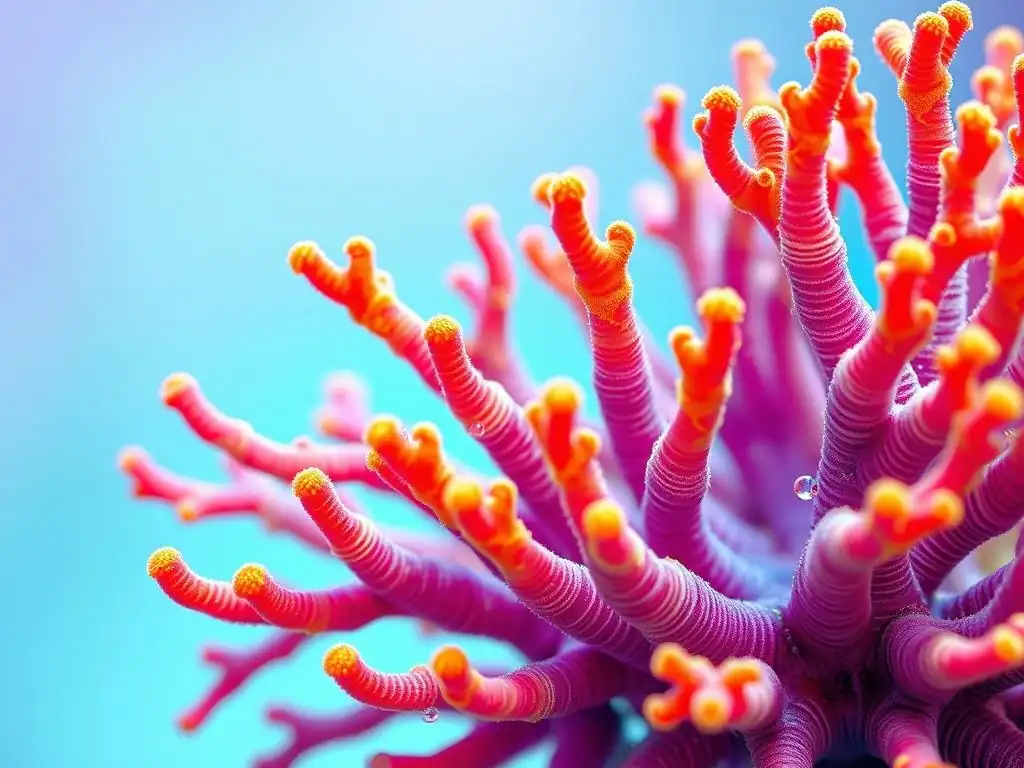
Reef Roids has established itself as a staple in the reefing community for soft coral feeding due to its highly effective formulation. Composed primarily of marine zooplankton, fish eggs, and other marine proteins, this powdered soft coral food boasts a particle size ranging from 150-250 microns, making it ideal for a wide array of filter-feeding soft corals, including zoanthids, palythoa, gorgonians, and many leather corals. Its concentrated nature means a small amount goes a long way, delivering a powerful punch of protein and fatty acids directly to the corals.
The primary benefits of consistent Reef Roids soft coral nutrition include significantly enhanced polyp extension, which is often visible within minutes of feeding, and noticeably accelerated growth rates. Many aquarists report a visible increase in the size and vigor of their soft corals after just a few weeks of regular use. Furthermore, the rich nutritional profile contributes to more vibrant and natural coloration, as corals are able to synthesize necessary pigments more efficiently when adequately fed.
Reef Roids: How to Use for Optimal Soft Coral Feeding
For optimal soft coral feeding with Reef Roids, proper preparation and application are key to maximizing nutrient uptake and minimizing waste. A common recommendation is to mix approximately 1 teaspoon of Reef Roids per 100 gallons of tank water. This powder should be thoroughly mixed with a small amount of tank water (e.g., 1/4 to 1/2 cup) in a separate container until a consistent slurry is formed. It is advisable to turn off powerheads and protein skimmers for 15-30 minutes during feeding to prevent the food from being immediately removed from the water column.
The prepared slurry can then be slowly broadcast fed into the tank or, for more targeted soft coral nutrition, directly squirted near individual coral colonies using a pipette or turkey baster. Feeding every other day or 2-3 times per week is generally sufficient for most soft coral setups, though heavily stocked tanks might benefit from daily, smaller feedings. Observing your corals' response will help fine-tune the frequency and amount, ensuring effective soft coral nutrition without overfeeding.
Reef Roids: Potential Drawbacks and Considerations
While highly effective, there are a few potential drawbacks and considerations when incorporating Reef Roids into your soft coral nutrition tips. Its rich protein content can lead to nutrient spikes (elevated nitrates and phosphates) if overfed, which can in turn fuel undesirable algae blooms. Aquarists must exercise caution with dosing, especially in smaller or less established tanks, to maintain stable water parameters.
Another consideration is that the fine particulate nature of Reef Roids can cause protein skimmers to overflow significantly after feeding. Turning off the skimmer during and immediately after feeding is crucial. Furthermore, the product can temporarily cloud the water, although this typically clears within an hour or two as the food is consumed or filtered out. Regular water changes and vigilant monitoring of water parameters are essential to mitigate these potential issues and ensure a healthy environment for your soft corals.
Review: PolypLab Reef-Rresh – Targeted Soft Coral Nutrition
PolypLab Reef-Rresh: Targeted Nutrients for Soft Coral Health
PolypLab Reef-Rresh is a specialized liquid soft coral food designed to deliver a targeted blend of nutrients directly to your soft corals, promoting their health and vitality. Unlike some broader spectrum foods, Reef-Rresh focuses on providing essential amino acids, fatty acids, and vitamins in a highly bioavailable form. This precise formulation is particularly beneficial for enhancing the natural coloration of soft corals, as the specific nutrients support the production of their vibrant pigments.
The liquid nature of Reef-Rresh allows for easy absorption by soft coral polyps, even those with very fine feeding mechanisms. It is formulated to be a clean soft coral food, designed to minimize impact on water quality when used as directed, making it a favorite among aquarists who prioritize low-nutrient systems. Regular use contributes to improved polyp extension, stronger tissue integrity, and overall robust soft coral health, making it an excellent component of a comprehensive soft coral nutrition strategy.
PolypLab Reef-Rresh: Application Tips for Effective Feeding
Applying PolypLab Reef-Rresh for effective soft coral feeding is straightforward due to its liquid consistency. The typical dosing recommendation is 1-2 drops per 25 gallons of aquarium water daily, although this can be adjusted based on the density of your soft coral population and their observed response. For best results, it is advisable to turn off your skimmer and return pumps for about 10-15 minutes during dosing to allow the corals ample time to absorb the nutrients before they are removed by filtration.
Reef-Rresh can be broadcast fed by simply adding the drops directly to a high-flow area of the tank, allowing the current to distribute the soft coral food evenly. For more targeted soft coral nutrition for specific colonies, the drops can be gently squirted near the coral using a pipette. Consistent daily or every-other-day application ensures a steady supply of vital nutrients, leading to noticeable improvements in soft coral health and appearance over time.
PolypLab Reef-Rresh: Is it Right for Your Soft Coral Tank?
PolypLab Reef-Rresh is an excellent choice for aquarists seeking a precise and clean soft coral nutrition supplement, especially if your primary goal is to enhance the color and vitality of your soft corals without significantly impacting water parameters. It is particularly well-suited for tanks with a diverse array of soft corals, including those that might be more sensitive to particulate foods or prone to nutrient imbalances. If you already have a comprehensive feeding regimen for other tank inhabitants, Reef-Rresh can serve as a targeted booster for your softies.
However, if your soft corals require a substantial amount of particulate matter or if you are looking for a primary, all-encompassing soft coral food, you might consider complementing Reef-Rresh with a more substantial particulate offering. Its concentrated nature means it is not designed to be a bulk food source but rather a highly effective nutritional enhancer. For aquarists aiming to fine-tune their soft coral health and bring out their best colors, incorporating Reef-Rresh into their soft coral nutrition tips is a highly recommended approach.
Review: Fauna Marin Ultra Min S – A Comprehensive Soft Coral Food
Fauna Marin Ultra Min S: A Complete Nutritional Profile for Softies
Fauna Marin Ultra Min S stands out as a highly comprehensive soft coral food, providing a broad spectrum of nutrients essential for the sustained health and vibrant growth of soft corals. This advanced formula combines vital amino acids, trace elements, vitamins, and organic compounds, all meticulously balanced to meet the complex dietary needs of various soft coral species. It is specifically designed to enhance polyp expansion, improve tissue density, and promote more intense coloration, reflecting its role in holistic soft coral nutrition.
The German-engineered formulation ensures high bioavailability, meaning the nutrients are readily absorbed by the corals, minimizing waste and maximizing efficacy. Ultra Min S supports the overall metabolic processes of soft corals, contributing to their resilience against stress and disease. Its multi-faceted approach makes it an excellent foundational supplement for any soft coral-dominated reef tank, providing a complete nutritional profile that goes beyond basic feeding requirements.
Fauna Marin Ultra Min S: Dosing Recommendations for Different Soft Coral Types
For optimal soft coral nutrition with Fauna Marin Ultra Min S, precise and consistent dosing is recommended. A general guideline is to dose 1 ml per 100 liters (approximately 26 gallons) of aquarium water daily. However, for tanks with a very high density of soft corals or for specific fast-growing species like Xenia or Anthelia, the dosage can be slightly increased, provided water parameters remain stable. Conversely, for newly established tanks or those with a lower bioload, a reduced frequency (e.g., every other day) might be more appropriate.
It is crucial to monitor your soft corals' response and water parameters (especially nitrates and phosphates) to fine-tune the dosage. Dosing can be done directly into a high-flow area of the sump or display tank. For best absorption and to prevent immediate skimmer removal, it's advisable to briefly turn off protein skimmers for 10-15 minutes after dosing. Consistent application of these soft coral nutrition tips will lead to noticeable improvements in coral vitality and growth.
Fauna Marin Ultra Min S: Maximizing Soft Coral Growth and Color
To truly maximize soft coral growth and color with Fauna Marin Ultra Min S, integrating it into a holistic soft coral nutrition strategy is key. Its comprehensive formula provides the building blocks necessary for cellular repair and proliferation, directly translating into faster tissue growth. Many aquarists report significant increases in the size of their soft coral colonies and frags within weeks of consistent use, often observing more robust and fleshy polyps.
The blend of specific amino acids and trace elements within Ultra Min S also plays a pivotal role in enhancing the natural pigmentation of soft corals. Corals are better equipped to express their genetic potential for vibrant hues when they receive a complete spectrum of nutrients. For instance, soft corals like Discosoma (Mushroom Corals) or Rhodactis (Hairy Mushrooms) can exhibit more intense greens, blues, and reds. Combining Ultra Min S with stable water parameters and appropriate lighting further amplifies these benefits, leading to a truly visually stunning and healthy soft coral reef.
Review: Benepets Reef Food - A Versatile Option for Soft Corals
Benepets Reef Food: Key Features and Benefits
Benepets Reef Food offers a versatile and highly beneficial soft coral food option, distinguished by its unique blend that includes aquatic proteins, beneficial bacteria, and probiotics. This comprehensive formulation is designed not only to provide direct nutrition to corals but also to support the overall gut health of tank inhabitants and contribute to a healthier microbiome within the aquarium itself. Its multi-faceted approach makes it suitable for a wide range of corals, including a variety of soft corals, and even many fish species.
The inclusion of probiotics in Benepets Reef Food is a significant advantage, as it can aid in the digestion and absorption of nutrients by corals, leading to improved vitality and growth. This soft coral food encourages strong polyp extension and enhances natural coloration by ensuring corals receive a diverse profile of essential amino acids and fatty acids. Its fine particulate nature ensures that it is readily consumed by most filter-feeding soft corals.
Benepets Reef Food: Application Tips and Considerations
For effective soft coral feeding with Benepets Reef Food, typical application involves mixing the powdered food with a small amount of tank water to create a slurry. A common dosing guideline is 1/4 teaspoon per 50 gallons of aquarium water, although this can be adjusted based on the bioload and specific feeding needs of your soft corals. It's recommended to turn off pumps and skimmers for approximately 15-30 minutes during feeding to allow the soft coral food to remain in the water column and be consumed.
The slurry can be broadcast throughout the tank for general soft coral nutrition or target-fed to individual colonies using a pipette. Feeding 2-3 times per week is usually sufficient for most soft coral setups. When considering Benepets Reef Food, it's important to note its potential to cloud the water temporarily due to its fine particle size and the concentration of beneficial bacteria. However, this typically clears quickly as the food is consumed and the bacteria are dispersed. Regular observation of your tank's response will help optimize feeding frequency and amount.
Benepets Reef Food: A Balanced Choice for Mixed Reef Tanks?
Benepets Reef Food is indeed a well-balanced choice for mixed reef tanks, where both soft corals and other coral types (LPS, SPS) coexist. Its versatile nutritional profile, combined with the benefits of probiotics, makes it appealing across different coral species. While highly effective for soft corals, its composition also provides valuable nutrients that can support the growth and health of LPS and even some SPS corals, making it a convenient "all-in-one" option for aquarists who prefer a single, comprehensive food source.
The probiotic component helps maintain a cleaner tank by aiding in the breakdown of organic waste, which can indirectly benefit all tank inhabitants by reducing nutrient buildup. For a mixed reef, this means less stress on filtration systems and a more stable environment. However, for tanks heavily dominated by specific coral types with unique, very high demands (e.g., extremely fast-growing SPS), it might still be beneficial to supplement with highly specialized foods tailored to those specific needs. Nevertheless, for a general mixed soft coral reef, Benepets Reef Food offers a robust and balanced soft coral nutrition strategy.
Soft Coral Feeding Tips & Techniques: Maximizing Nutrient Uptake
Target Feeding Soft Corals: Precision Nutrition for Optimal Growth
Target feeding is a highly effective soft coral feeding technique that delivers nutrients directly to specific coral colonies or polyps, minimizing waste and maximizing uptake. This method is particularly beneficial for larger-polyped soft corals, such as many species of Sarcophyton (Leather Corals), Alcyonium (Finger Leather Corals), or even specific zoanthid colonies that you wish to boost. By using a pipette, turkey baster, or specialized coral feeder, you can gently squirt prepared soft coral food directly onto or very near the coral's polyps.
The precision of target feeding ensures that the chosen coral receives a concentrated dose of nutrients, leading to more pronounced growth and coloration in that specific specimen. It also helps to prevent the food from being consumed by fish or lost to filtration before the corals can ingest it, making it an efficient soft coral nutrition strategy. During target feeding, it's often helpful to temporarily turn off strong water flow in the immediate area to prevent the food from being dispersed too quickly, allowing the coral ample time to extend its polyps and capture the particles.
Broadcast Feeding Soft Corals: Even Distribution for a Thriving Reef
Broadcast feeding is a widely used soft coral feeding technique that involves dispersing the prepared soft coral food throughout the water column, allowing all filter feeders in the aquarium to benefit. This method mimics natural feeding conditions where microscopic food particles are suspended in ocean currents, making it ideal for tanks with numerous small-polyped soft corals, such as Xenia, Anthelia, or large colonies of various gorgonians. It ensures that every soft coral, regardless of its location or accessibility, has an opportunity to capture nutrients.
To perform broadcast feeding effectively, first turn off all circulation pumps and protein skimmers for approximately 15-30 minutes. Then, slowly pour the mixed soft coral food slurry into the tank, allowing it to disperse naturally. This method promotes a thriving reef ecosystem by providing a general nutrient boost to all filter-feeding invertebrates and beneficial microorganisms. While it may lead to slightly higher nutrient levels than targeted feeding, when done judiciously and in conjunction with good filtration, it is a highly effective soft coral nutrition tip for a densely populated soft coral tank.
Optimizing Water Parameters for Soft Coral Feeding: Water Quality Matters
Optimizing water parameters is a foundational aspect of effective soft coral nutrition, as stable and appropriate water quality directly impacts a coral's ability to absorb and utilize nutrients. Even the best soft coral food will yield suboptimal results if the basic water chemistry is out of balance. Key parameters to monitor include salinity (1.024-1.026 specific gravity), temperature (76-80°F or 24-27°C), alkalinity (7-12 dKH), calcium (400-450 ppm), and magnesium (1250-1350 ppm).
Consistent salinity and temperature prevent osmotic shock and metabolic stress, allowing corals to dedicate energy to growth and feeding rather than adaptation. Stable alkalinity, calcium, and magnesium levels, while more critical for calcifying organisms, still play a role in soft coral health by supporting enzymatic functions and overall cellular integrity.
Additionally, keeping nitrates below 10-20 ppm and phosphates below 0.03 ppm ensures that nutrient additions from soft coral food do not lead to problematic algae blooms. Regular testing and small, frequent adjustments are crucial soft coral nutrition tips for maintaining an environment where corals can thrive and efficiently utilize their food sources.
Preventing Overfeeding: Avoiding Nutrient Imbalances in Your Reef Tank
Preventing overfeeding is a critical soft coral nutrition tip that directly impacts the overall health and stability of your reef tank. While providing ample soft coral food is essential, excessive feeding can quickly lead to nutrient imbalances, primarily manifesting as elevated nitrates and phosphates. These elevated nutrients can fuel explosive growth of undesirable nuisance algae, such as hair algae or cyanobacteria, which compete with corals for space and light, ultimately stressing and potentially suffocating your softies.
Signs of overfeeding include cloudy water that persists for several hours, excessive detritus accumulation on the substrate and rockwork, and rapid proliferation of algae. To avoid these issues, start with conservative amounts of soft coral food and gradually increase as you observe your corals' response and monitor water parameters. Small, frequent feedings are generally preferred over large, infrequent ones.
Utilizing a robust protein skimmer, performing regular water changes (e.g., 10-20% bi-weekly), and incorporating nutrient export methods like GFO (granular ferric oxide) or biopellets can help manage any excess nutrients. Striking the right balance is key to successful soft coral nutrition.
Troubleshooting Soft Coral Nutrition: Addressing Common Issues
Identifying Signs of Soft Coral Malnutrition: What to Look For
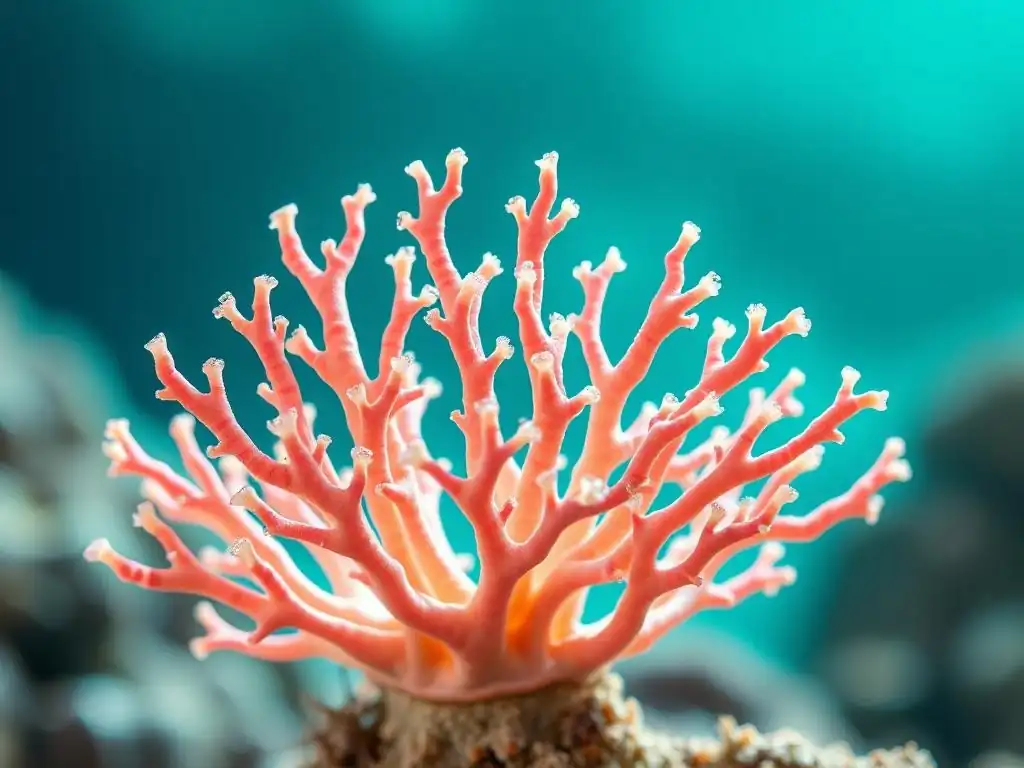
Identifying signs of soft coral malnutrition is crucial for prompt intervention and maintaining a healthy reef tank. One of the most common indicators is a lack of polyp extension, where the coral's polyps remain retracted or only partially extended, even during periods when they would normally be open for feeding. This can be particularly noticeable after soft coral feeding attempts. Another key sign is dull or faded coloration; corals may lose their vibrant hues and appear washed out, indicating a lack of essential pigments derived from their diet.
Slow or stagnant growth is also a strong indicator of inadequate soft coral nutrition. Healthy soft corals, especially those like Xenia or Sarcophyton, should exhibit noticeable growth over weeks or months. If a coral appears shrunken, its tissue is receding, or it seems to be "melting" away from its base, these are severe signs of stress often linked to chronic malnutrition. Observing these changes early and comparing them to a coral's typical appearance is vital for implementing effective soft coral nutrition tips.
Addressing Nutrient Deficiencies in Soft Corals: A Step-by-Step Guide
Addressing nutrient deficiencies in soft corals requires a systematic approach to identify and rectify the underlying issues. Step 1: Water Parameter Testing. Begin by thoroughly testing your aquarium's water for nitrates, phosphates, alkalinity, calcium, magnesium, and trace elements like iodine and potassium. Imbalances in these can hinder nutrient uptake. For example, if nitrates are consistently zero, your corals might be nutrient-starved.
Step 2: Evaluate Feeding Regimen. Review the type, amount, and frequency of your soft coral food. Are you providing a varied diet? Is the particle size appropriate for your specific soft coral species? Consider increasing the frequency or trying a different premium soft coral food.
Step 3: Consider Targeted Supplementation. If specific deficiencies are identified (e.g., low iodine or amino acids), consider adding high-quality coral amino acid supplements or trace element solutions specifically formulated for soft corals. Step 4: Optimize Flow and Lighting. Ensure your soft corals are receiving appropriate flow and light, as these factors impact their ability to feed and photosynthesize. Too much or too little can stress them.
Step 5: Gradual Changes and Observation. Implement changes gradually and observe your corals closely for signs of improvement. Avoid drastic changes that could further stress the system. Consistent application of these soft coral nutrition tips will lead to a healthier, more vibrant soft coral population.
Dealing with Algae Blooms from Overfeeding: Maintaining a Balanced Ecosystem
Algae blooms are a common consequence of overfeeding soft corals, as excess soft coral food breaks down and releases high levels of nitrates and phosphates into the water, creating an ideal environment for nuisance algae. When faced with an algae bloom, the first step is manual removal. Siphon out as much algae as possible during water changes. This provides immediate relief and physically removes the nutrient-laden biomass.
Next, increase water changes. Performing larger and more frequent water changes (e.g., 20-30% weekly) can rapidly reduce dissolved nutrients. Re-evaluate your soft coral feeding strategy. Reduce the amount of soft coral food given, or decrease feeding frequency.
Ensure you are turning off pumps during feeding to maximize coral consumption and minimize waste. Consider implementing or upgrading nutrient export methods, such as adding GFO (granular ferric oxide) to your filtration, utilizing a robust protein skimmer, or establishing a refugium with macroalgae like Chaetomorpha. Finally, introduce or bolster your clean-up crew with algae-eating snails (e.g., Astrea, Trochus) or hermit crabs. These combined soft coral nutrition tips help restore balance and prevent future algae outbreaks.
Complementary Products for Soft Coral Health: Enhancing Nutrition
Coral Amino Acids: Boosting Soft Coral Color and Growth
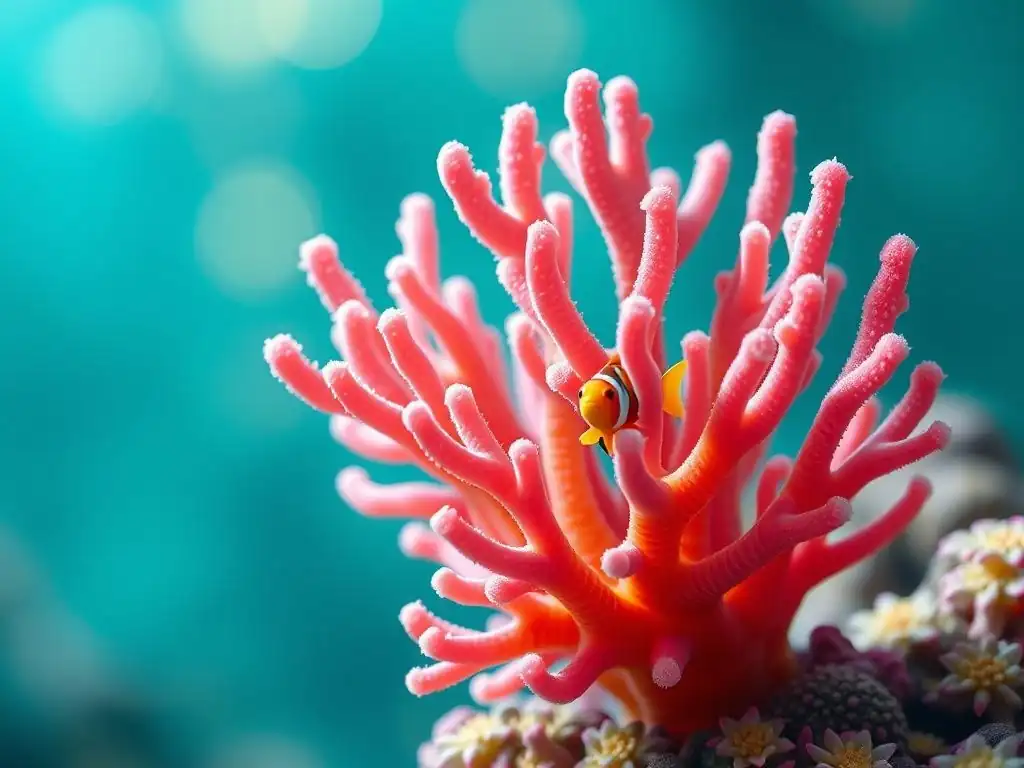
Coral amino acids are a highly beneficial complementary product for enhancing soft coral nutrition and overall vitality. While soft corals derive some amino acids from their primary food sources, direct supplementation can provide a concentrated boost, particularly for those amino acids that are essential for coral metabolism but may be scarce in the aquarium environment. These organic compounds are the building blocks of proteins, crucial for tissue growth, repair, and regeneration in soft corals.
Regular dosing of high-quality coral amino acid solutions can lead to noticeable improvements in soft coral health. Aquarists often report enhanced coloration, with corals displaying more vivid and intense hues, as amino acids are vital for the synthesis of pigments. Furthermore, they can significantly accelerate growth rates, leading to larger, more robust colonies and faster frag propagation. For instance, L-alanine and L-lysine are often highlighted for their roles in promoting coral tissue development. Incorporating amino acids into your soft coral nutrition tips is an excellent way to push your softies to their full potential.
Phytoplankton Supplements: A Natural Food Source for Soft Corals
Phytoplankton supplements serve as an essential and natural food source for many soft corals, particularly those that primarily feed on microscopic particles. Phytoplankton, which are microscopic marine algae, are rich in essential fatty acids (such as DHA and EPA), carbohydrates, and proteins—all vital components of a healthy soft coral diet. While some soft corals rely heavily on photosynthesis, many also actively filter feed on phytoplankton, absorbing these tiny organisms directly from the water column.
Supplements come in various forms, including live cultures and preserved liquid solutions. Live phytoplankton cultures offer the benefit of being a fresh, highly bioavailable food source that can also help establish or bolster copepod populations within the tank, providing an additional natural food source. Preserved solutions offer convenience and a longer shelf life. Regular dosing of phytoplankton can improve polyp extension, enhance coloration, and support the overall health of filter-feeding soft corals. It's a fundamental soft coral nutrition tip, especially for species like gorgonians and certain types of mushroom corals that thrive on these tiny organisms.
Salifert Test Kits: Water Quality Testing Kits for Precise Monitoring
Salifert Test Kits are indispensable tools for any aquarist committed to precise water quality monitoring, a critical component of successful soft coral nutrition. While direct feeding provides nutrients, the overall health and ability of soft corals to utilize these nutrients are profoundly influenced by stable and appropriate water parameters. Salifert offers a comprehensive range of accurate and easy-to-use test kits for key parameters, including alkalinity, calcium, magnesium, nitrate, and phosphate.
Regular testing with reliable kits like Salifert allows aquarists to identify nutrient deficiencies or excesses before they manifest as visible problems in corals. For instance, consistently low nitrates (below 1-2 ppm) might indicate a need to increase soft coral feeding or amino acid supplementation, while persistently high phosphates (above 0.03 ppm) could signal overfeeding or inadequate nutrient export. By providing precise data, Salifert Test Kits enable informed adjustments to dosing regimens, supplement additions, and overall tank maintenance, ensuring that your soft coral nutrition strategy is always optimized for maximum health and growth.
Conclusion: The Key to Thriving Soft Corals is Optimal Nutrition
Achieving a vibrant and thriving soft coral reef is fundamentally rooted in understanding and implementing optimal soft coral nutrition. While the symbiotic relationship with zooxanthellae provides a significant energy source, supplemental feeding with premium soft coral food is indispensable for supplying the diverse array of amino acids, fatty acids, vitamins, and trace elements that photosynthesis alone cannot provide. From enhancing vivid coloration to accelerating robust growth and improving resilience, a well-rounded soft coral diet is the cornerstone of their long-term health.
The journey to superior soft coral health involves not just selecting the right soft coral food, such as nutrient-rich formulations like Reef Roids, PolypLab Reef-Rresh, Fauna Marin Ultra Min S, or the versatile Benepets Reef Food, but also mastering effective feeding techniques like targeted and broadcast feeding. Crucially, maintaining pristine and stable water parameters is non-negotiable, as water quality directly impacts nutrient uptake and overall coral vitality. By diligently applying these soft coral nutrition tips, monitoring your corals' responses, and proactively troubleshooting any issues, you can cultivate a truly stunning and flourishing soft coral aquarium.
Frequently Asked Questions
What are the best food sources for soft corals?
Soft corals primarily benefit from dissolved organic matter, phytoplankton, and zooplankton. Some may also benefit from fine particulate foods designed for filter feeders.
How often should I feed my soft corals?
Feeding frequency depends on the species and tank conditions, but generally, a daily or every-other-day feeding is recommended. Observe your corals for signs of overfeeding or underfeeding to adjust accordingly.
What water parameters are important to consider when feeding soft corals?
Maintaining stable water parameters like alkalinity, calcium, and magnesium is crucial. Additionally, monitor nitrate and phosphate levels to prevent algae blooms caused by excess nutrients.
Can I overfeed my soft corals?
Yes, overfeeding can lead to problems such as algae blooms, poor water quality, and even coral tissue necrosis. Start with small amounts and observe your corals' response.
Are there any specific supplements that benefit soft coral nutrition?
Yes, some aquarists supplement with amino acids and trace elements to enhance coral coloration and growth. However, use these supplements sparingly and follow the manufacturer's instructions carefully.
Final Reflection: Nurturing the Delicate Reef
The journey through understanding and optimizing soft coral nutrition culminates not just in vibrant tanks, but in a deeper appreciation for the delicate balance of reef ecosystems. The insights shared, from reviewing premium foods to offering practical tips, are particularly relevant today as we face increasing environmental pressures on our natural reefs, making responsible aquarium keeping more crucial than ever.
This exploration has underscored how meticulous care and informed choices can profoundly impact the health and beauty of our soft coral aquariums. It's a reminder that even seemingly small actions, like selecting the right food, contribute to a larger narrative of conservation and responsible stewardship. We are tied to the ocean. And when we go back to the sea, whether it is to sail or to watch - we are going back from whence we came.
- John F. Kennedy. This quote resonates deeply, highlighting our inherent connection to the marine world and the responsibility we bear to protect it.
As you close this article, consider how you can further refine your approach to soft coral care. Let the knowledge gained inspire you to not only cultivate thriving aquariums, but also to become advocates for the health of our oceans. Embrace the power of informed action, and let your dedication to soft coral nutrition be a testament to your commitment to a brighter, more vibrant future for our reefs, both captive and wild.
Nourish Your Soft Corals: Unlock Vibrant Growth!
Thank you for diving into the world of soft coral nutrition! We hope you've discovered valuable insights into providing the best care for your delicate corals. Now, let's transform that knowledge into action and witness the blooming of your underwater paradise.
- Start Today: Carefully evaluate your current feeding regimen and introduce a premium soft coral food like the ones discussed in this article to directly boost color and growth.
- Share Your Success: Post before-and-after photos of your corals on social media using #AquariumMasterySoftCorals to inspire others.
- Beyond Feeding: Consider if you can enhance the flow in the aquarium.
Ready to see your soft corals thrive like never before?