
Sunken Bellies in Otocinclus & Plecos: A Sign of Starvation & How to Fix It

Welcome to Aquarium Mastery!
Ever wondered if your peaceful Otocinclus are secretly struggling in your beautifully aquascaped tank? Those sunken bellies can be a silent cry for help. Dive into our guide on Otocinclus starvation troubleshooting tips and learn how to spot the warning signs, address the underlying causes, and ensure your algae-eating friends thrive. Ready to save your Otos (and perhaps other algae eaters) from a slow decline? Let's get started!
- Understanding Sunken Bellies in Otocinclus and Plecos: Identifying Starvation
-
Causes of Otocinclus and Pleco Starvation: Why Are They Not Eating?
- Insufficient Algae Growth: The Primary Food Source Problem
- Competition for Food: Outcompeting Otocinclus and Plecos
- Poor Water Quality: Stress and Its Impact on Feeding Habits
- Introducing New Fish to the Aquarium: Adjusting to the Environment
- Underlying Health Issues: Parasites and Diseases Affecting Appetite
-
Otocinclus Starvation Troubleshooting Tips: A Step-by-Step Guide
- Step 1: Assessing the Aquarium's Algae Levels
- Step 2: Supplementing Their Diet: Alternative Food Sources for Algae Eaters
- Step 3: Improving Water Quality: Maintaining a Healthy Aquarium Environment
- Step 4: Reducing Competition: Ensuring Otocinclus and Plecos Get Enough Food
- Step 5: Observing Feeding Behavior: Monitoring Food Consumption
- Preventing Future Starvation in Otocinclus and Plecos: Long-Term Strategies
- Saving a Starving Otocinclus or Pleco: Emergency Measures
- Conclusion: Ensuring the Health and Well-being of Your Otocinclus and Plecos
-
Frequently Asked Questions
- How can I tell if my Otocinclus is starving?
- What is the primary cause of Otocinclus starvation in a new aquarium?
- What supplemental foods can I offer Otocinclus to prevent starvation?
- How often should I feed my Otocinclus supplemental foods?
- What are some long-term strategies to ensure my Otocinclus get enough food?
- Final Reflection: Preventing Silent Suffering in Our Aquariums
- Unleash Your Fishkeeping Superpowers!
Understanding Sunken Bellies in Otocinclus and Plecos: Identifying Starvation
Recognizing the Signs of Malnutrition in Otocinclus Catfish
Otocinclus catfish, often affectionately called "otos," are small, peaceful algae eaters that can quickly show signs of malnutrition, particularly a sunken belly. A healthy Otocinclus typically has a rounded, full abdomen, especially after a good grazing session. When their belly appears concave, pinched inwards from the sides, or visibly hollow, it's a critical indicator of starvation. This is often accompanied by lethargy, reduced activity, and a general dullness in their coloration, as their bodies begin to consume muscle tissue for energy.
Observing their behavior is also key. Healthy Otocinclus are active grazers, constantly moving across surfaces like glass, plants, and decor, diligently consuming biofilm and microalgae. A starving Otocinclus, however, may cling motionless to surfaces, appear weak, or even struggle to maintain buoyancy. Given their small size, typically ranging from 1 to 2 inches (2.5 to 5 cm), the onset of starvation can be rapid, sometimes leading to irreversible damage within a few days if not addressed promptly.
Identifying Sunken Bellies in Plecos: A Visual Guide to Starvation
Plecos, or plecostomus, encompass a vast range of species, from the common pleco reaching over 2 feet (60 cm) to smaller dwarf species like Bristlenose Plecos (typically 4-6 inches or 10-15 cm). Regardless of size, a healthy pleco should have a full, rounded belly that extends smoothly from its body. A sunken belly in a pleco is characterized by a noticeable indentation or concavity along the sides of its abdomen, making its underside appear pinched or hollow. This is particularly evident when viewed from above or from the side.
Other visual cues indicating a starving pleco include a prominent backbone or visible ribs, especially in larger specimens where muscle mass has been depleted. Their eyes may appear sunken, and their overall body condition might seem emaciated. Unlike Otocinclus, plecos can sometimes hide their deteriorating condition for longer due to their larger size and more robust nature, but once a sunken belly becomes apparent, it signifies a prolonged period of insufficient nutrition and requires immediate intervention.
Why Sunken Bellies Indicate a Serious Problem: The Dangers of Starvation
A sunken belly is not merely a cosmetic issue; it is a profound physiological indicator that an Otocinclus or pleco is suffering from severe malnutrition. This condition arises when the fish's caloric intake is consistently lower than its energy expenditure, forcing its body to metabolize its own muscle and fat reserves. This process, while initially a survival mechanism, quickly leads to a cascade of detrimental effects on their internal organs and immune system.
Prolonged starvation weakens the fish significantly, making it highly susceptible to secondary infections from bacteria, fungi, and parasites that it would normally be able to fight off. Organ damage, particularly to the liver and kidneys, can occur, leading to irreversible health complications. In many cases, if the issue is not resolved swiftly, the fish will succumb to organ failure or be unable to recover its strength, leading to eventual death. Addressing the underlying causes of Otocinclus starvation troubleshooting tips is paramount for their survival.
Causes of Otocinclus and Pleco Starvation: Why Are They Not Eating?
Insufficient Algae Growth: The Primary Food Source Problem
One of the most common reasons for Otocinclus and pleco starvation, particularly for species that rely heavily on biofilm and algae, is an insufficient supply of their primary food source within the aquarium. Many new aquariums, or those that are meticulously cleaned, simply do not develop enough natural algae or a robust biofilm layer to sustain these active grazers. Otocinclus, for instance, are highly specialized to consume the microscopic algae and diatoms that grow on surfaces, and if these are scarce, they will struggle to find enough to eat.
Similarly, many pleco species, especially common plecos and Bristlenose plecos, are primarily herbivorous and require a continuous supply of plant matter and algae. Tanks with strong filtration, high water turnover, or minimal lighting may inhibit sufficient algae growth. Without this constant grazing opportunity, these fish can slowly starve, even if other foods are offered, as their digestive systems are optimized for processing this specific type of roughage and nutrient source.
Competition for Food: Outcompeting Otocinclus and Plecos
Even in aquariums with adequate algae, competition for food can lead to Otocinclus and pleco starvation. Faster-moving or more aggressive tank mates, such as many common community fish like tetras, barbs, or even other bottom dwellers like corydoras, can quickly consume offered foods like algae wafers or blanched vegetables before the slower-feeding Otocinclus or plecos have a chance to eat. This is especially true if food is only offered once a day or in a single spot.
Plecos, despite their size, can also be outcompeted by more boisterous fish, particularly during daylight hours when many are less active. Otocinclus, being small and timid, are particularly vulnerable; they may retreat from food sources if larger fish approach, leading to chronic underfeeding. Ensuring that every fish in the tank gets its fair share requires strategic feeding practices and careful consideration of tank mate compatibility.
Poor Water Quality: Stress and Its Impact on Feeding Habits
Poor water quality is a significant stressor that can directly suppress the appetite of Otocinclus and plecos, leading to starvation even when food is available. Elevated levels of ammonia, nitrite, or consistently high nitrates can cause chemical burns to their gills and internal organs, leading to lethargy, respiratory distress, and a complete loss of interest in food. For instance, ammonia levels as low as 0.25 ppm can begin to stress fish, while levels above 0.5 ppm are highly toxic.
Furthermore, extreme fluctuations in pH, temperature, or hardness can also induce stress, making fish less inclined to feed or properly digest food. Otocinclus, being sensitive to pristine water conditions, are particularly susceptible to these issues. When fish are constantly battling poor water parameters, their energy is diverted towards survival mechanisms rather than seeking and consuming food, ultimately resulting in a sunken belly and weakened state.
Introducing New Fish to the Aquarium: Adjusting to the Environment
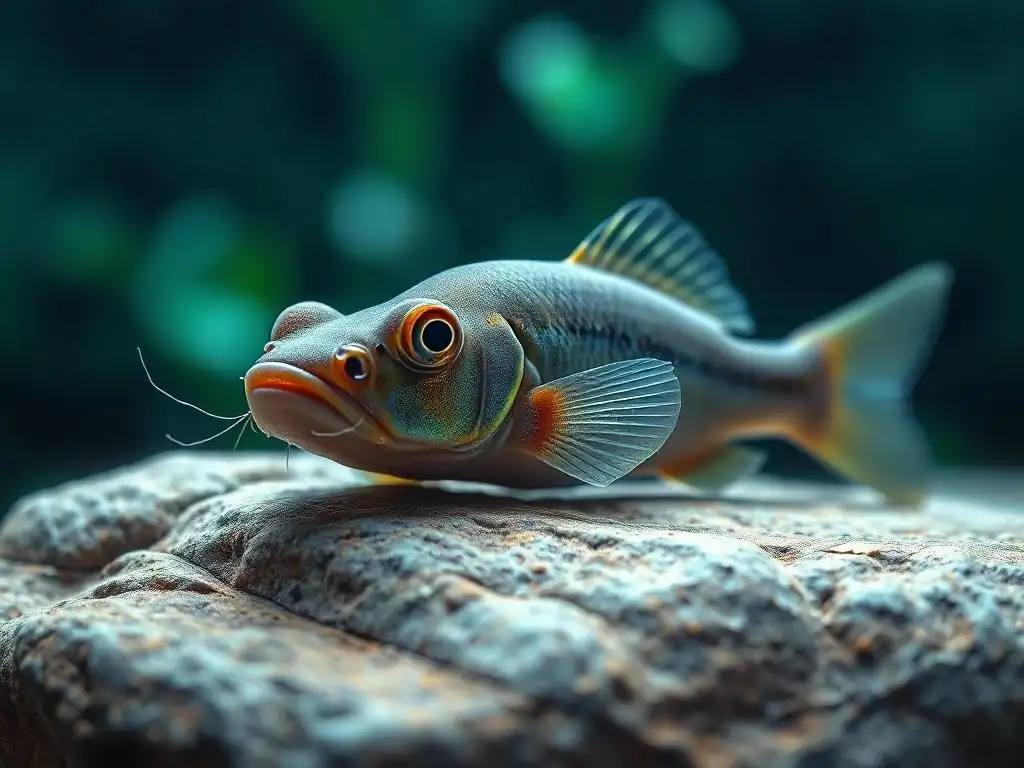
The period immediately following the introduction of new Otocinclus or plecos to an aquarium is a critical time when starvation can easily occur. Fish experience significant stress during transport and acclimation to a new environment. This stress can suppress their appetite for several days, making them reluctant to feed even if food is readily available. Many Otocinclus, for example, are wild-caught and arrive at fish stores already stressed and potentially underfed, having survived long journeys.
When placed into a new tank, they need time to adjust to the new water parameters, lighting, and tank mates. During this period, they may not actively graze or seek out food, relying on their limited reserves. If the tank is also deficient in natural algae or biofilm, this initial period of adjustment can quickly turn into a starvation crisis. Providing a calm, stable environment and appropriate food sources from day one is crucial for their successful integration and long-term health.
Underlying Health Issues: Parasites and Diseases Affecting Appetite
Sometimes, a sunken belly and lack of appetite are symptoms of an underlying health issue rather than just a lack of food. Internal parasites, such as flagellates or nematodes, can infest the digestive tract of Otocinclus and plecos, preventing them from absorbing nutrients effectively even if they are eating. This leads to emaciation despite food consumption. Common symptoms might include stringy white feces in addition to a sunken appearance.
Bacterial infections, fungal infections, or viral diseases can also cause lethargy, stress, and a complete loss of appetite. For example, a bacterial infection might manifest with red streaks, fin rot, or ulcers, alongside a refusal to eat. If a fish is showing signs of illness in addition to a sunken belly, it's important to consider these possibilities as part of the Otocinclus starvation troubleshooting tips process. Proper diagnosis and treatment of the specific ailment are essential to restore their health and appetite.
Otocinclus Starvation Troubleshooting Tips: A Step-by-Step Guide
Step 1: Assessing the Aquarium's Algae Levels
The first crucial step in addressing a sunken belly in Otocinclus or plecos is to thoroughly assess the natural algae and biofilm levels within your aquarium. Observe the tank glass, decorations, and plant leaves for visible green, brown, or even clear slimy layers. A healthy Otocinclus tank should have a noticeable, though not necessarily unsightly, amount of biofilm and microalgae for them to graze on continuously. If your tank looks meticulously clean with no visible algae, it's highly likely your algae eaters are starving.
Consider the age of your tank; newly set up aquariums (less than 3-4 months old) often lack the established biofilm necessary to support Otocinclus and many plecos. You can encourage algae growth by increasing light duration slightly (e.g., from 8 hours to 10 hours daily) or by reducing the frequency of glass cleaning. However, do so cautiously to avoid excessive algae blooms that can negatively impact water quality or aesthetics. The goal is a consistent, manageable source of natural food for your fish.
Step 2: Supplementing Their Diet: Alternative Food Sources for Algae Eaters
Once you've assessed the natural food supply, supplementing their diet becomes critical. This is a key component of effective Otocinclus starvation troubleshooting tips, ensuring they receive the necessary nutrients immediately.
Using Algae Wafers for Otocinclus and Plecos
Algae wafers are specifically formulated to provide essential nutrients for herbivorous bottom feeders. Choose high-quality sinking wafers that are rich in spirulina and other plant matter. For Otocinclus, break wafers into smaller pieces to make them more manageable. Offer these 2-3 times per week, typically after the main tank lights are off, to give timid species like Otocinclus a chance to feed without competition. A 1-inch Otocinclus might consume a quarter of a small wafer, while a 4-inch Bristlenose Pleco might eat a whole one.
It's important to monitor consumption to ensure the wafers aren't just dissolving or being eaten by other fish. Drop the wafer near where your Otocinclus or plecos tend to rest or graze. If they don't immediately take to them, try different brands or types, as fish can be particular. Always remove any uneaten portions after a few hours to prevent water quality degradation.
Blanched Vegetables: A Nutritious Supplement
Blanched vegetables are an excellent and highly nutritious supplement for both Otocinclus and plecos. Popular choices include zucchini slices, cucumber rounds, green beans, and spinach leaves. To prepare, simply blanch them by boiling for 1-2 minutes until slightly softened, then cool them rapidly in ice water. This makes them easier for the fish to digest and helps them sink.
You can weigh down vegetable slices with an aquarium-safe clip or a clean rock to ensure they sink to the bottom. Offer blanched vegetables 2-3 times a week, leaving them in the tank for no more than 24 hours (preferably 12 hours) to prevent them from rotting and fouling the water. Many Otocinclus and plecos relish these fresh greens, providing them with essential vitamins and fiber that might be lacking in a purely algae-based diet.
Commercial Food for Bottom Feeders: Choosing the Right Options
Beyond algae wafers, there are various commercial foods designed for bottom feeders that can further diversify the diet of Otocinclus and plecos. Look for sinking pellets or granules specifically formulated for herbivorous catfish. These often contain a balanced mix of plant matter, spirulina, and sometimes a small amount of protein. Brands vary widely in quality, so check the ingredient list for whole ingredients and avoid those with excessive fillers.
Some aquarists also use specialized gel foods or DIY fish food recipes that can be tailored to the specific needs of these fish, offering a highly palatable and nutrient-dense option. When introducing new commercial foods, start with small amounts and observe your fish's reaction. Gradually increase the quantity as they become accustomed to the new food source.
Step 3: Improving Water Quality: Maintaining a Healthy Aquarium Environment
Excellent water quality is fundamental to the health and appetite of all aquarium fish, especially sensitive species like Otocinclus. Addressing any water quality issues is a critical step in Otocinclus starvation troubleshooting tips.
Regular Water Changes: The Foundation of Good Water Quality
Consistent partial water changes are the cornerstone of maintaining pristine water conditions. For most established aquariums, a weekly water change of 20-30% is recommended. However, if water parameters are poor or you have a heavily stocked tank, increasing the frequency or volume of changes (e.g., 50% twice a week) might be necessary in the short term. Always use a dechlorinator or water conditioner to remove chlorine and chloramines from tap water, and ensure the new water is temperature-matched to prevent shock.
Regular water changes dilute accumulated nitrates, phosphates, and other dissolved organic compounds that can stress fish and inhibit their feeding response. They also replenish essential minerals that are consumed over time. This consistent maintenance provides a stable and healthy environment, encouraging a robust appetite and overall well-being for your Otocinclus and plecos.
Monitoring Water Parameters: Ammonia, Nitrite, and Nitrate Levels
Regularly testing your aquarium water parameters is crucial for identifying and correcting issues before they impact fish health. Use a reliable liquid test kit (not test strips, which can be less accurate) to monitor ammonia, nitrite, and nitrate levels. Ammonia and nitrite should always be at 0 parts per million (ppm), as even low concentrations are highly toxic to fish. Nitrates should ideally be kept below 20 ppm, though some aquarists aim for even lower.
If ammonia or nitrite are detected, perform an immediate partial water change (e.g., 50%) and investigate the cause, such as overfeeding or an uncycled tank. High nitrates indicate a need for more frequent or larger water changes. Consistent monitoring allows you to proactively manage your water chemistry, reducing stress on your fish and ensuring they remain healthy enough to feed properly.
Step 4: Reducing Competition: Ensuring Otocinclus and Plecos Get Enough Food
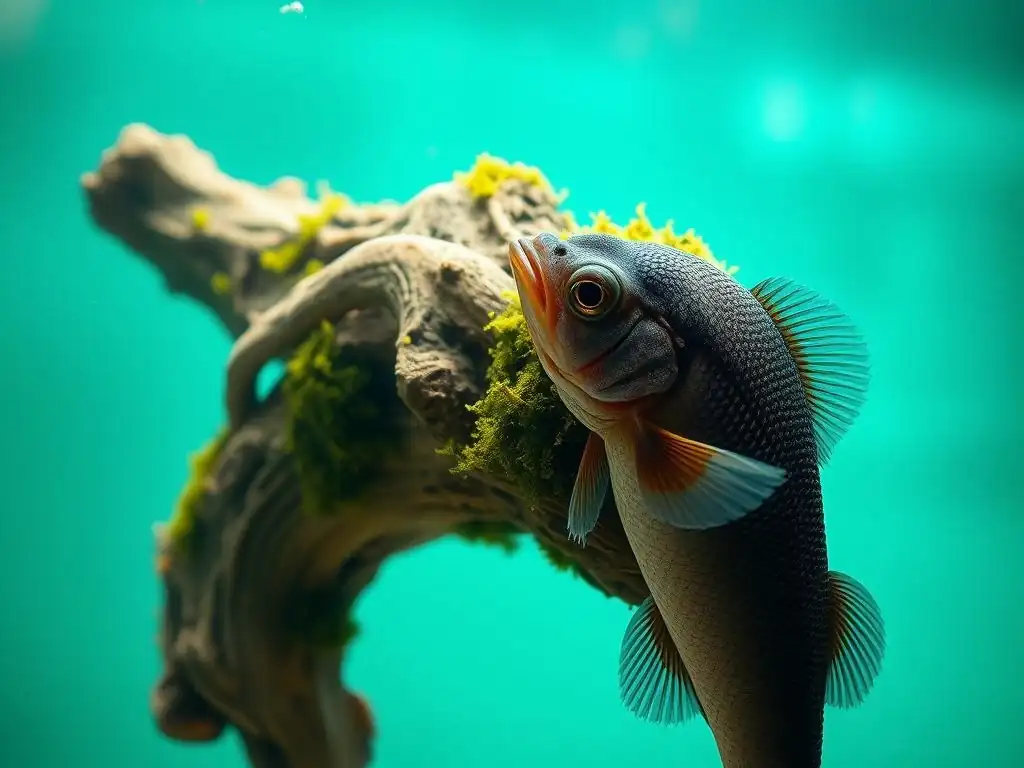
Even with dietary supplements, if competition is high, your Otocinclus and plecos may still struggle to get enough food. Implementing strategies to reduce competition is an important part of Otocinclus starvation troubleshooting tips.
Separate Feeding Areas: Creating Designated Spots for Algae Eaters
To ensure your Otocinclus and plecos get their share, consider creating separate or designated feeding areas. For nocturnal species like many plecos, feeding after the main tank lights are off is highly effective, as other fish are less active. You can drop algae wafers or blanched vegetables in a specific, less-trafficked area of the tank, perhaps behind a piece of decor or in a corner where the other fish are less likely to notice immediately.
For Otocinclus, distributing small pieces of algae wafers or blanched zucchini across multiple surfaces can help. This prevents a single, larger fish from hogging all the food. You might even consider placing food on the glass near where they typically congregate. This strategy increases the chances that these slower, more timid feeders can access the food without being intimidated or outcompetpeting by more aggressive tank mates.
Removing Aggressive Tank Mates: Minimizing Competition
If, despite your best efforts, certain tank mates consistently outcompete your Otocinclus or plecos for food, or display aggressive behavior towards them, you may need to consider rehoming the aggressive fish. Fast-moving or particularly voracious species can make it impossible for timid bottom dwellers to thrive. For instance, some larger barbs or cichlids, even if not directly attacking, can simply consume all available food before smaller fish get a chance.
Evaluate your tank's stocking list and observe interactions during feeding times. If a particular species is consistently monopolizing food or stressing your algae eaters, finding them a more suitable home or a different tank setup may be the most humane and effective solution. A peaceful environment is paramount for encouraging Otocinclus and plecos to feed confidently.
Step 5: Observing Feeding Behavior: Monitoring Food Consumption
The final step in Otocinclus starvation troubleshooting tips is ongoing observation. It's not enough to just offer food; you must ensure they are actually eating it.
Checking for Active Grazing: Ensuring They Are Eating
After implementing the dietary changes, closely observe your Otocinclus and plecos for signs of active grazing. Look for them attaching to algae wafers, nibbling on blanched vegetables, or actively sucking on tank surfaces if natural algae is present. Healthy Otocinclus are almost constantly grazing, moving their mouths rapidly as they consume biofilm. Plecos will also show active feeding behavior, often rasping loudly on surfaces or vigorously consuming their offered supplements.
It might take a few days for extremely starved fish to regain their appetite and energy. Be patient but persistent with your feeding efforts. If they are not eating the offered food, try different types or brands. Documenting their behavior over several days can help you identify what they prefer and whether their condition is improving.
Adjusting Food Amounts: Finding the Right Balance
Based on your observations, adjust the amount of food offered. The goal is to provide enough food for your Otocinclus and plecos to regain a healthy weight without overfeeding the tank, which can lead to water quality issues. Start with small amounts and gradually increase if it's being consumed entirely within a few hours. For example, if you offer a quarter of an algae wafer for a group of three Otocinclus and it's gone within 2-3 hours, you can try offering a slightly larger piece next time.
Conversely, if food remains uneaten after 4-6 hours, you might be offering too much, or other factors are preventing consumption. Remove uneaten food promptly to prevent decomposition. Finding this balance ensures your fish get adequate nutrition while maintaining a clean and healthy aquarium environment.
Preventing Future Starvation in Otocinclus and Plecos: Long-Term Strategies
Maintaining a Balanced Aquarium Ecosystem: Promoting Algae Growth
Long-term prevention of Otocinclus and pleco starvation hinges on cultivating a balanced aquarium ecosystem that naturally supports their dietary needs. This involves promoting healthy, manageable algae and biofilm growth. Consider providing adequate lighting (e.g., 8-10 hours per day of moderate intensity LED lighting) to encourage algae, but avoid excessive light that could lead to nuisance algae blooms. Introduce natural decor like driftwood, which provides ample surface area for biofilm development and is also a source of cellulose for many pleco species.
Allowing some natural algae to grow on surfaces, rather than constantly scrubbing every speck, is beneficial. For instance, leaving one side of the tank glass uncleaned can provide a continuous grazing patch. A well-cycled and mature tank (at least 6 months old) naturally develops the diverse microbial communities that form the basis of the biofilm these fish rely on. This proactive approach minimizes the need for intensive Otocinclus starvation troubleshooting tips down the line.
Regular Feeding Schedules: Establishing Consistent Routines
Establishing and adhering to a consistent feeding schedule is crucial for preventing future starvation. While Otocinclus and plecos are grazers, supplemental feeding should be a regular part of their routine. For many plecos, feeding sinking wafers or blanched vegetables 3-4 times a week, often in the evening or after lights out, ensures they consistently receive adequate nutrition. Otocinclus can benefit from small, broken pieces of algae wafers offered every other day, or daily if natural algae is scarce.
Consistency helps condition your fish to expect food, reducing stress and encouraging a strong feeding response. It also allows you to monitor consumption more effectively and adjust portions as needed. Avoid sporadic feeding or relying solely on natural algae, especially in tanks that might not produce enough to support their metabolic needs.
Quarantine New Arrivals: Preventing the Spread of Disease
Quarantining all new fish, including Otocinclus and plecos, before introducing them to your main display tank is a vital preventative measure. A quarantine tank, typically a smaller, bare-bottom tank with a heater and filter, allows you to observe new fish for signs of illness, parasites, or emaciation without risking the health of your existing inhabitants. New fish are often stressed and can carry diseases that might not be immediately apparent.
During a 2-4 week quarantine period, you can acclimate the new fish to your tank water parameters, ensure they are actively feeding, and treat any potential health issues they might have. This not only prevents the introduction of pathogens that could impact the entire tank's health and appetite but also allows you to nurse any already-starving new arrivals back to health before they face competition in the main display.
Monitor for Early Signs of Illness: Catching Problems Early
Proactive observation is a powerful tool in preventing severe starvation. Regularly spend time watching your Otocinclus and plecos. Look for subtle changes in behavior, body condition, or appetite. Are they less active than usual? Are their colors dull? Do they seem to be losing weight even if food is present? Catching these early signs of distress or illness, such as a slight concavity in the belly before it becomes severely sunken, allows for much more effective intervention.
Early detection of issues like internal parasites or bacterial infections means you can initiate treatment before the fish becomes too weak to recover. Maintaining a consistent routine of daily observation, perhaps during feeding times, will help you become attuned to the normal behavior of your fish, making it easier to spot deviations that might indicate an impending problem or the need for immediate Otocinclus starvation troubleshooting tips.
Saving a Starving Otocinclus or Pleco: Emergency Measures
Setting Up a Quarantine Tank: Providing a Safe Space
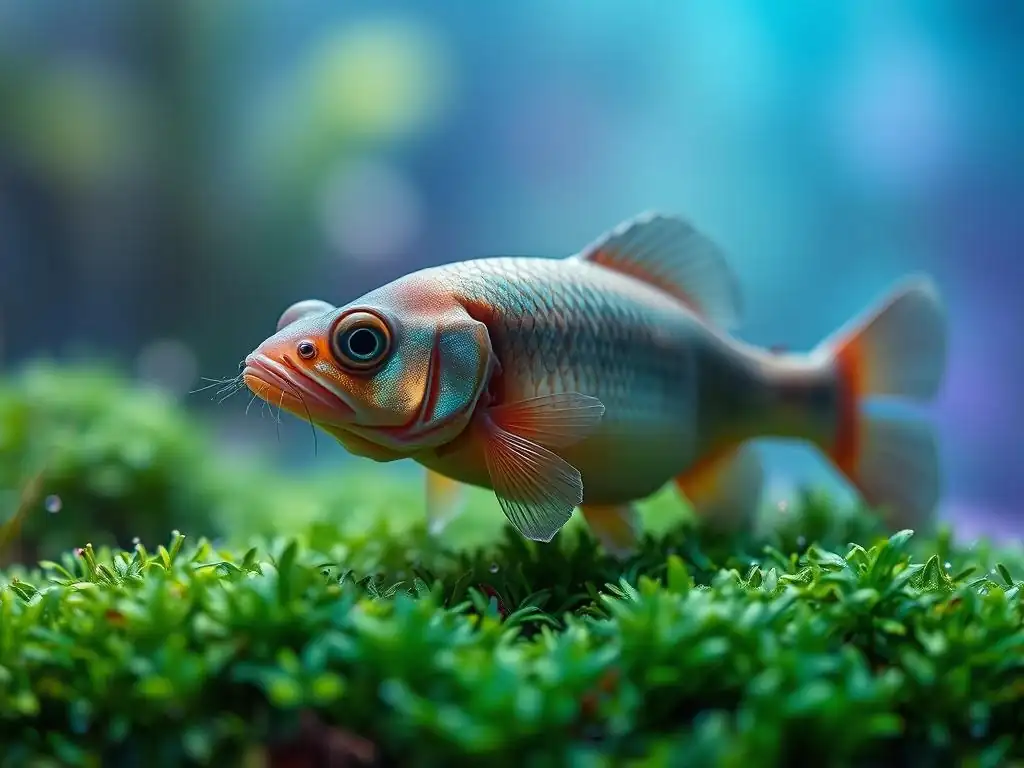
When an Otocinclus or pleco is severely starving, immediate action is critical, and isolating the fish in a dedicated quarantine tank is often the most effective emergency measure. A quarantine tank, typically 5-10 gallons for Otocinclus or larger for plecos, provides a controlled environment free from competition and stress from other tank mates. It allows you to closely monitor the fish, administer intensive feeding, and treat any underlying conditions without impacting the main display tank.
Equip the quarantine tank with a heater to maintain stable temperatures (e.g., 75-80°F or 24-27°C), a sponge filter for gentle filtration, and some hiding spots like PVC pipes or small caves to reduce stress. Ensure the tank is fully cycled, or perform daily small water changes to maintain pristine water quality. This isolated, low-stress environment is paramount for a starving fish to begin its recovery process.
Intensive Feeding: Encouraging Appetite and Weight Gain
Once in a quarantine tank, the focus shifts to intensive feeding to encourage appetite and rapid weight gain. For Otocinclus, offer a variety of highly palatable and nutrient-dense foods several times a day in small amounts. This can include blanched zucchini, cucumber, or spinach, finely crushed high-quality algae wafers, and possibly specialized gel foods designed for herbivorous bottom feeders. Some aquarists also use spirulina powder mixed with a little tank water to create a "slurry" that can be gently introduced near the fish with a pipette.
For plecos, offer larger portions of blanched vegetables and multiple algae wafers daily. Consider supplementing with sinking pellets specifically designed for plecos, rich in plant matter and fiber. The goal is to provide a constant, easily accessible food source. Remove any uneaten food promptly to prevent water quality issues, and monitor the fish closely for any signs of consumption and improvement in belly condition. This intensive nutritional support is a critical component of Otocinclus starvation troubleshooting tips.
Treating Underlying Conditions: Addressing Potential Health Issues
While starvation is the primary issue, a severely emaciated fish may also have underlying health conditions that contributed to its decline or have developed due to its weakened state. During intensive feeding in the quarantine tank, closely observe the fish for any additional symptoms like unusual spots, frayed fins, or abnormal swimming. If signs of internal parasites (e.g., stringy white feces) or bacterial infections are present, appropriate medication should be considered.
For suspected internal parasites, over-the-counter antiparasitic medications formulated for aquarium fish, often containing praziquantel or metronidazole, can be administered according to package directions. If bacterial infections are suspected, a broad-spectrum antibiotic may be necessary. Always confirm the diagnosis as best as possible and follow medication instructions precisely. Addressing these underlying health issues alongside intensive feeding significantly increases the chances of successful recovery for a starving Otocinclus or pleco.
Conclusion: Ensuring the Health and Well-being of Your Otocinclus and Plecos
Frequently Asked Questions
How can I tell if my Otocinclus is starving?
A key sign is a sunken belly, indicating a lack of food. They may also appear lethargic and less active than usual.
What is the primary cause of Otocinclus starvation in a new aquarium?
Newer aquariums often lack sufficient algae and biofilm, the Otocinclus' primary food source. This lack of natural food is a common problem.
What supplemental foods can I offer Otocinclus to prevent starvation?
Offer algae wafers, blanched vegetables like zucchini, and prepared foods formulated for algae eaters. These supplements bridge the gap until algae grows.
How often should I feed my Otocinclus supplemental foods?
Feed small amounts daily or every other day, observing how much they consume. Remove any uneaten food after a few hours to prevent water quality issues.
What are some long-term strategies to ensure my Otocinclus get enough food?
Encourage algae growth by carefully controlling lighting and nutrients. Maintain a healthy and stable aquarium environment to support algae growth and overall Otocinclus health.
Final Reflection: Preventing Silent Suffering in Our Aquariums
The information presented throughout this article underscores the critical importance of proactive observation and informed care when keeping Otocinclus and Plecos. The prevalence of sunken bellies, a stark indicator of starvation, serves as a sobering reminder that even seemingly low-maintenance creatures require attentive husbandry to thrive. Ignoring these subtle signs can lead to unnecessary suffering and ultimately, the loss of these valuable members of our aquatic ecosystems.
This topic has profoundly influenced my own approach to fishkeeping, forcing me to move beyond simply providing food to truly understanding the dietary needs and behaviors of each species in my care. The realization that a fish's silent suffering can be easily overlooked has instilled a deeper sense of responsibility. The greatness of a nation and its moral progress can be judged by the way its animals are treated.
- Mahatma Gandhi. This quote, though broad, resonates deeply when considering the ethical implications of keeping any animal, including our beloved Otocinclus and Plecos.
Now, I urge you to reflect on your own practices. Are you truly observing your fish for subtle signs of distress? Are you providing a varied and sufficient diet to meet their specific needs? Let this article serve as a catalyst for change. Take the time to research, to observe, and to adapt your approach. By doing so, you can ensure that your Otocinclus and Plecos not only survive, but thrive, bringing joy and balance to your aquarium for years to come.
Unleash Your Fishkeeping Superpowers!
Thanks for diving deep into the world of Otocinclus and Plecos with us! Now that you're equipped with the knowledge to identify and combat sunken bellies, let's take action to ensure your algae eaters thrive.
Here's how you can transform your aquarium into a haven for these gentle grazers:
- Implement a Feeding Strategy: Routinely offer a diverse diet that includes blanched vegetables, algae wafers, and supplement with biofilm to ensure a constant supply of essential nutrients.
- Share Your Success Stories: Spread the knowledge! Help other aquarists combat sunken bellies by sharing this article with your fellow fishkeepers and on your favorite forums.
- Experiment with unconventional food sources: Introduce small amounts of spirulina powder mixed with water and target-feed directly to the affected fish using a syringe.
What surprising food have your Otocinclus or Plecos devoured that you never expected? Share your tips in the comments below!