
Dwarf Cichlid Personalities: Do Different Species Act Differently?

Welcome to Aquarium Mastery!
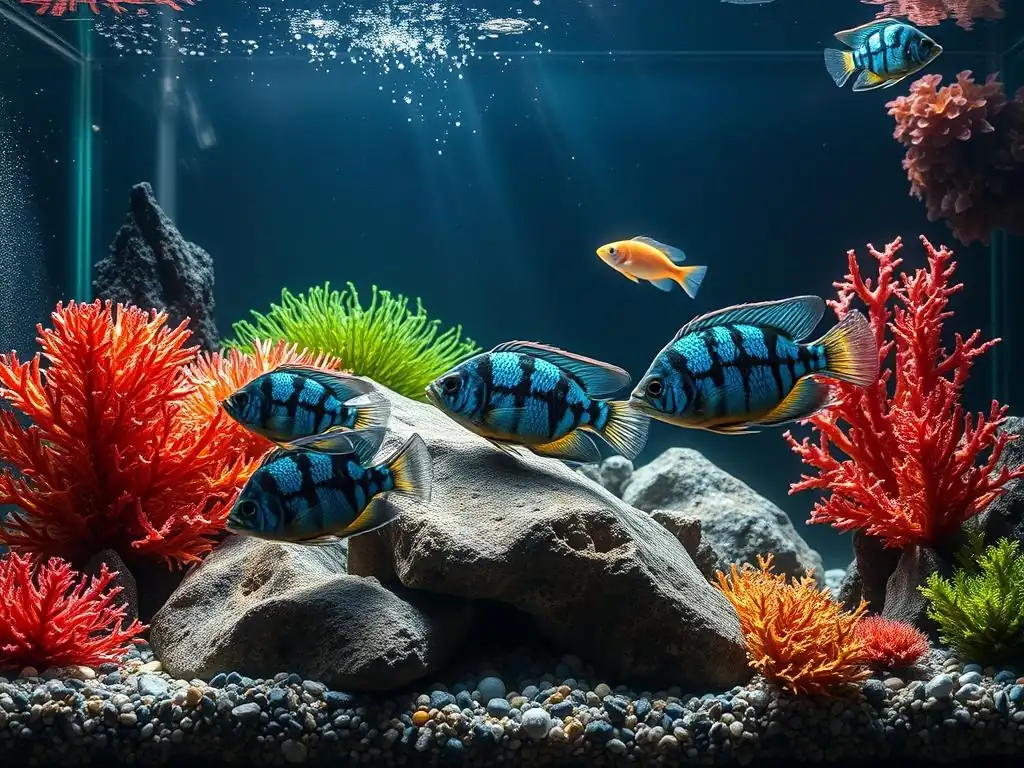
Ever wondered if all dwarf cichlids are created equal when it comes to personality? Prepare to dive deep into the fascinating world of these tiny titans! This article explores dwarf cichlid behavior differences, revealing the unique quirks and characteristics that set each species apart. Unlock the secrets to understanding your cichlids better and create a thriving aquarium environment. Ready to uncover the hidden lives of these captivating fish? Let's get started!
- Understanding Dwarf Cichlid Behavior: An Introduction
- Dwarf Cichlid Species Profiles and Their Behavioral Traits
- Comparing Dwarf Cichlid Temperaments: A Detailed Analysis
- Factors Influencing Dwarf Cichlid Behavior
- Recognizing Abnormal Behavior in Dwarf Cichlids
- Conclusion: Choosing the Right Dwarf Cichlid Based on Behavior
-
Frequently Asked Questions
- How do dwarf cichlid personalities differ across species?
- What factors influence dwarf cichlid behavior in an aquarium?
- Which dwarf cichlid species are generally considered the most peaceful?
- How does breeding impact dwarf cichlid behavior?
- Where can I find more detailed information about specific dwarf cichlid species' behavior?
- Final Reflection: Unveiling the Nuances of the Aquatic World
- Unleash the Dwarf Cichlid Keeper Within!
Understanding Dwarf Cichlid Behavior: An Introduction
What Makes Dwarf Cichlid Behavior Unique?
Dwarf cichlids, a fascinating group of freshwater fish, are renowned for their complex and highly individualized behaviors that set them apart from many other aquarium inhabitants. Unlike schooling fish that move in synchronized patterns, dwarf cichlids exhibit distinct personalities, intricate social structures, and remarkable parental care. Their unique behaviors include elaborate courtship rituals, meticulous nest preparation, and fierce territorial defense, particularly around spawning sites or fry. These nuanced dwarf cichlid behavior differences contribute significantly to their appeal among aquarists, offering dynamic interactions to observe.
Their intelligence is often highlighted through their problem-solving abilities within the tank, such as navigating complex aquascapes to establish territories or outmaneuvering rivals. For instance, a male Apistogramma might meticulously choose a specific cave entrance that offers the best defensive position against perceived threats. The depth of their behavioral repertoire, from subtle communication cues to overt displays of aggression or tenderness, makes understanding these fish a rewarding, albeit sometimes challenging, endeavor for any aquarist.
Why Species-Specific Behavior Matters in Aquarium Keeping
Recognizing and understanding the dwarf cichlid behavior differences between species is not merely an academic exercise; it is fundamental to successful and ethical aquarium keeping. Each dwarf cichlid species possesses a unique set of behavioral traits concerning aggression levels, social dynamics, territorial needs, and breeding habits. Ignoring these distinctions can lead to significant stress for the fish, resulting in health issues, aggression, or even fatalities within the tank. For example, housing a highly territorial breeding pair of Pelvicachromis pulcher (Kribensis) in a small tank with delicate, slow-moving fish can lead to constant harassment and fin nipping.
Properly accounting for species-specific behaviors allows aquarists to create an environment that minimizes stress, encourages natural behaviors, and promotes the overall well-being of their fish. This includes selecting appropriate tank sizes, designing effective aquascapes with ample hiding spots, and choosing compatible tank mates. A Mikrogeophagus ramirezi (German Blue Ram), known for its shy and peaceful nature, will thrive in a densely planted tank with calm companions, whereas a more assertive Apistogramma cacatuoides might require more open spaces and robust tank mates to prevent issues arising from its territorial nature during breeding periods.
Dwarf Cichlid Species Profiles and Their Behavioral Traits
Apistogramma: Exploring Personality Variations Within the Genus
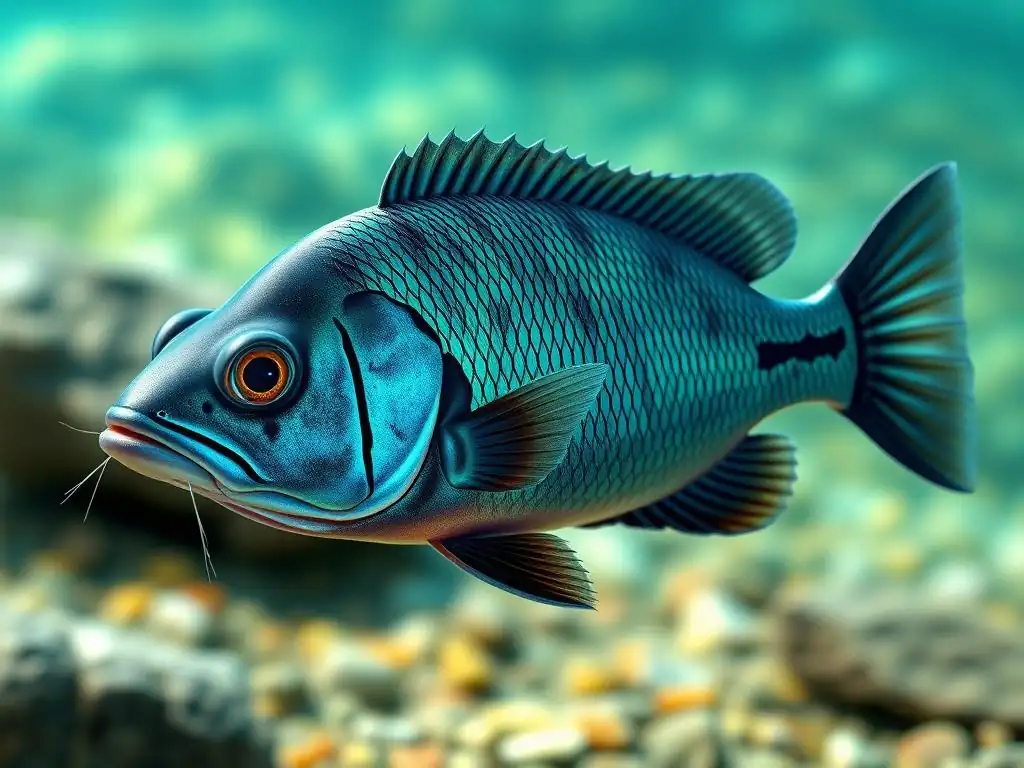
The Apistogramma genus is one of the most diverse groups of dwarf cichlids, encompassing over 100 described species, each with its own subtle yet significant dwarf cichlid behavior differences. While generally known for their intelligence and complex social interactions, the specific manifestations of these traits can vary widely. Many Apistogramma species exhibit polygamous or harem breeding strategies, where one male mates with multiple females, each establishing her own territory within the male's larger domain.
Females, in particular, are celebrated for their intense maternal care, often becoming fiercely protective of their eggs and fry. This protective instinct can lead to surprising levels of aggression, especially from a female defending her brood against fish many times her size. Understanding these genus-wide tendencies, alongside species-specific nuances, is crucial for aquarists aiming to successfully keep and breed these captivating fish.
Apistogramma agassizii: Known Temperaments and Social Dynamics
Apistogramma agassizii are popular dwarf cichlids known for their striking caudal fin patterns and relatively distinct temperaments. Males typically grow larger, reaching up to 3 inches, while females remain smaller, usually around 1.5 to 2 inches. In terms of social dynamics, A. agassizii males can be quite territorial, especially towards other males of their own species, often engaging in elaborate fin flaring displays and chases to assert dominance. They are generally less aggressive towards other fish species, preferring to establish a defined personal space rather than actively harassing tank mates.
During breeding, the female Apistogramma agassizii becomes the primary defender of the eggs and fry. She will choose a secluded cave or crevice for spawning, and once the eggs are laid, she will aggressively guard the territory around it, often chasing away any perceived threats, including the male or other fish. This intense maternal care can last for several weeks until the fry are free-swimming and more independent, showcasing a significant dwarf cichlid behavior difference in parental roles compared to other fish groups.
Apistogramma cacatuoides: Understanding Their Breeding Behavior and Aggression Levels
The Cockatoo Dwarf Cichlid, Apistogramma cacatuoides, is perhaps one of the most widely recognized Apistogramma species, largely due to its vibrant coloration and distinctive finnage, particularly in males. These fish are classic harem breeders, with a single male often overseeing a territory that includes multiple females, each with her own preferred spawning site. This polygamous breeding strategy means that a male will court and spawn with several females within his established domain, which can span an area of 1-2 square feet in a well-aquascaped tank.
Their aggression levels are notable, especially during breeding cycles. Females, once they have laid eggs, become extremely territorial and aggressive, often displaying a bright yellow body and black markings as a warning. They will fiercely defend their cave and fry, sometimes even nipping at fish much larger than themselves.
While males can exhibit aggression towards other males or non-receptive females, it is often the female's protective ferocity that stands out. This intense parental guarding can last for 2-3 weeks as the fry develop, making A. cacatuoides a fascinating, albeit sometimes challenging, species to keep in a community setting without adequate space and hiding spots.
Apistogramma borellii: The Peaceful Dwarf Cichlid?
Apistogramma borellii, often referred to as Borell's Dwarf Cichlid or Yellow Dwarf Cichlid, stands out within the Apistogramma genus for its remarkably peaceful disposition. While still exhibiting the characteristic intelligence and charm of dwarf cichlids, A. borellii are significantly less aggressive than many of their cousins, making them an excellent choice for well-planted community aquariums. They typically reach about 2.5 inches for males and 1.5 inches for females. Their serene nature is a key dwarf cichlid behavior difference that appeals to aquarists seeking less conflict in their tanks.
These cichlids are less prone to territorial disputes outside of breeding, and even during spawning, their aggression is usually contained to a small area directly around their chosen cave. They form pair bonds during breeding, and the female will guard the eggs and fry, but with a less intense ferocity than seen in species like A. cacatuoides.
Apistogramma borellii can be comfortably kept in a 20-gallon long tank with a small group of peaceful, mid-water swimming fish like cardinal tetras or rasboras, provided there are ample hiding spots. Their calm demeanor allows for greater flexibility in tank mate selection and aquascape design.
Rams (Mikrogeophagus): Observing Their Behavior
The Mikrogeophagus genus, commonly known as Rams, comprises some of the most iconic and beloved dwarf cichlids in the aquarium hobby. Their behavior is characterized by a delicate balance of peacefulness and territoriality, often displaying subtle cues that reveal their emotional state. Rams are known for forming strong pair bonds, and their courtship rituals involve elaborate displays of fin flaring and body trembling. Unlike some Apistogramma species, Rams tend to be monogamous during breeding cycles, with both parents typically participating in fry care, although the female often takes the lead in direct guarding.
A distinctive dwarf cichlid behavior difference for Rams is their tendency to sift through substrate with their mouths, searching for small food particles. This constant sifting is a natural feeding behavior and can indicate their comfort level in the tank. However, their sensitivity to water parameters means that any deviation from optimal conditions can quickly manifest as behavioral changes, such as lethargy, loss of color, or clamped fins.
German Blue Ram (Mikrogeophagus ramirezi): Delicacy and Demeanor
The German Blue Ram ( Mikrogeophagus ramirezi) is celebrated for its stunning coloration and generally peaceful demeanor, making it a centerpiece in many freshwater aquariums. However, their delicate nature is a significant dwarf cichlid behavior difference to consider. German Blue Rams are highly sensitive to water quality, requiring pristine, soft, and acidic conditions (pH 5.5-7.0, GH 3-8 dGH, Temp 78-85°F) to thrive. Any fluctuations can lead to stress, which manifests as faded colors, clamped fins, and reclusive behavior.
When healthy, German Blue Rams are active yet graceful, often seen exploring the lower and mid-levels of the tank. They form strong pair bonds and are excellent parents, with both the male and female guarding their eggs, usually laid on a flat surface like a stone or broad leaf. During breeding, they become territorial, defending an area of about 1 square foot around their spawning site. While generally peaceful towards other non-cichlid tank mates, they can show aggression towards other Rams or similar-looking fish, especially in smaller tanks (e.g., less than 20 gallons for a pair).
Electric Blue Ram: Behavior Patterns and Tank Compatibility
The Electric Blue Ram is a cultivated variant of the German Blue Ram, sharing the same species name ( Mikrogeophagus ramirezi) but distinguished by its intensely vibrant blue coloration. Behaviorally, they mirror their German Blue counterparts in almost every aspect. This means they possess the same delicate nature and require identical, stringent water parameters (pH 5.5-7.0, GH 3-8 dGH, Temp 78-85°F). Their striking color does not alter their fundamental dwarf cichlid behavior differences from other species, but it can sometimes make them appear more vulnerable or shy in a tank setting, as they lack the camouflage of natural coloration.
Like German Blue Rams, Electric Blue Rams are generally peaceful and form pair bonds for breeding. They exhibit similar parental care, with both parents tending to the eggs and fry. Their territoriality during spawning is consistent, focusing on a small area around the breeding site. Due to their shyness and sensitivity, they thrive in well-planted tanks with plenty of hiding spots and peaceful, small-to-medium-sized tank mates. They are not suited for aggressive community tanks or environments with fluctuating water conditions, which can quickly lead to stress-related behavioral issues and health decline.
Kribensis (Pelvicachromis): Deciphering Their Actions
The Kribensis cichlid ( Pelvicachromis pulcher) is one of the most popular and robust dwarf cichlids, known for its vibrant colors, relatively easy care, and fascinating behavioral repertoire. Deciphering their actions reveals a species with pronounced pair bonding, strong territorial instincts, and exemplary parental care. Unlike some Apistogramma species that might prefer harem setups, Kribensis typically form monogamous pairs that can remain together for extended periods, even outside of breeding.
Their behavior is characterized by a strong affiliation with caves or sheltered areas, which they use for spawning and refuge. A significant dwarf cichlid behavior difference in Kribensis is their willingness to actively excavate and modify their chosen spawning site, often digging tunnels under rocks or driftwood. This tunneling behavior is a clear indicator of their comfort and readiness to breed.
Pelvicachromis pulcher: Parental Care and Territoriality
Pelvicachromis pulcher, commonly known as Kribensis, are celebrated for their highly visible and dedicated parental care, a defining dwarf cichlid behavior difference that makes them a joy to observe. Once a pair has formed and spawned, typically within a cave, both parents will diligently guard the eggs and, later, the free-swimming fry. The female often takes primary responsibility for tending to the eggs and fry directly within the cave, while the male patrols the perimeter of their established territory, which can extend significantly, up to 1.5-2 square feet in a 20-gallon tank.
Their territoriality becomes most pronounced during this breeding period. Kribensis will aggressively chase away any fish, regardless of size, that ventures too close to their brood. This includes nipping and ramming, often surprising aquarists who are used to their generally peaceful demeanor when not breeding. As the fry grow, the parents will often lead them around the tank in a tight school, actively defending them from perceived threats. This intense parental devotion can last for several weeks, making them unsuitable for very small community tanks during breeding, as their aggression can stress or injure other inhabitants.
Comparing Dwarf Cichlid Temperaments: A Detailed Analysis
The range of dwarf cichlid behavior differences is particularly evident in their social interactions. While some species thrive in small groups or harems, others are more solitary outside of breeding, forming strong pair bonds only when ready to spawn. Understanding these inherent social dynamics is paramount for setting up a harmonious aquarium. Housing species with conflicting social needs can lead to constant stress, suppressed immune systems, and even death for the less dominant individuals.
For instance, introducing multiple male Apistogramma agassizii into a tank without ample space and visual barriers often results in intense, fatal aggression due to their solitary male nature. Conversely, attempting to keep a single Apistogramma cacatuoides male without any females can lead to him becoming withdrawn and stressed, as his natural polygamous instincts are unfulfilled. The success of a dwarf cichlid setup heavily relies on aligning the tank's social structure with the species' natural inclinations.
Dwarf Cichlids Suitable for Community Tanks
For aquarists desiring a vibrant community tank, selecting dwarf cichlids with generally peaceful social behaviors is crucial. Species like Apistogramma borellii and Mikrogeophagus ramirezi (German Blue Rams) are often considered excellent candidates due to their lower aggression levels and more tolerant attitudes towards tank mates. Apistogramma borellii, for example, can be kept as a pair or a small harem (one male with 2-3 females) in a 20-gallon long tank without significant issues, coexisting peacefully with small schooling fish like Ember Tetras or Chili Rasboras in the mid-water column.
German Blue Rams, while sensitive to water parameters, are generally shy and peaceful, preferring to spend their time sifting substrate or cruising slowly through plants. They are less likely to harass other tank inhabitants unless actively breeding in a confined space. Even Pelvicachromis pulcher (Kribensis) can be suitable for larger community tanks (e.g., 40 gallons or more) when not breeding, as their territoriality is more focused. The key is providing ample space, numerous hiding spots, and choosing tank mates that occupy different water levels and do not compete aggressively for food.
Dwarf Cichlids Better Suited for Species-Specific Setups
Some dwarf cichlid species, due to their pronounced territoriality or specific breeding behaviors, are better suited for species-specific setups or very large, carefully planned community tanks. Apistogramma cacatuoides, particularly when breeding, can become quite aggressive, especially the females who fiercely guard their fry. While a male can manage a harem of 3-4 females, a 40-gallon breeder tank or larger is often recommended to provide sufficient individual territories and diffuse potential aggression among the females.
Similarly, a breeding pair of Pelvicachromis pulcher (Kribensis) can dominate a significant portion of a tank, making them challenging for smaller community setups. In a 20-gallon tank, a Kribensis pair will claim almost the entire bottom half during breeding, potentially stressing or injuring other fish. Therefore, a dedicated 20-gallon tank for a breeding pair of Kribensis allows them to exhibit their natural behaviors without causing undue stress to other tank inhabitants, highlighting a clear dwarf cichlid behavior difference in space requirements.
Aggression Levels: Identifying Potential Tank Bullies
Aggression is a natural component of dwarf cichlid behavior, particularly in the context of territorial defense and breeding. However, the intensity and manifestation of this aggression vary significantly between species, representing a critical dwarf cichlid behavior difference. Identifying which species are more prone to aggression can help aquarists prevent conflicts and ensure a harmonious environment. While no dwarf cichlid is truly "aggressive" in the same vein as larger cichlid species, their territorial disputes can still lead to stress, injury, or even death for less dominant or compatible tank mates.
Understanding the triggers for aggression—such as spawning, limited space, or the presence of rival males—is essential for managing it effectively. Aquarists must be prepared to observe their fish closely and intervene if aggression escalates beyond normal displays of dominance or territoriality.
Species Prone to Aggression During Breeding
A common thread among many dwarf cichlids is a significant increase in aggression during breeding periods, particularly from the female. Apistogramma cacatuoides females, for instance, are renowned for their ferocity when guarding eggs or fry. They will actively chase and nip at any fish that approaches their cave or their brood, regardless of the intruder's size. This behavior is instinctual and crucial for the survival of their offspring, but it can be problematic in a confined community tank.
Similarly, Pelvicachromis pulcher (Kribensis) pairs become highly territorial during spawning and fry rearing. The male typically patrols the outer perimeter of their claimed territory, while the female guards the cave. A Kribensis pair in a 20-gallon tank can effectively claim and defend a 1.5-square-foot area, relentlessly driving away tank mates that infringe upon their space. This heightened aggression usually subsides once the fry are more independent or removed, but it's a predictable dwarf cichlid behavior difference that requires careful planning.
Minimizing Aggression in Dwarf Cichlid Tanks
Minimizing aggression in dwarf cichlid tanks relies heavily on providing an environment that caters to their natural behaviors and reduces stress triggers. A primary strategy is ensuring adequate tank size; for example, a 40-gallon breeder tank offers significantly more horizontal space than a 20-gallon tank, allowing for the establishment of multiple territories and diffusing aggression among harem-breeding Apistogramma species. Another crucial element is aquascaping with numerous hiding spots and line-of-sight breaks using plants, rocks, and driftwood. A dense planting scheme can provide refuge for submissive fish and break up direct visual confrontation.
For species that form harems, maintaining the correct male-to-female ratio (e.g., one male to two or three females for Apistogramma cacatuoides) can help distribute the male's attention and reduce stress on any single female. Furthermore, introducing tank mates that occupy different water columns (e.g., peaceful schooling tetras for the mid-to-upper levels) can reduce competition for space. Rearranging the aquascape periodically can also "reset" territories, sometimes de-escalating established conflicts among resident dwarf cichlids.
Feeding Behavior: Preferences and Competition
The feeding behavior of dwarf cichlids, while generally carnivorous, exhibits subtle dwarf cichlid behavior differences that impact their dietary needs and how they compete for food in a community setting. Understanding these preferences and habits is essential for ensuring all fish receive adequate nutrition and to prevent dominant individuals from monopolizing resources. Most dwarf cichlids are micro-predators in their natural habitats, consuming small insects, larvae, and crustaceans.
This dietary preference means they thrive on a high-protein diet in the aquarium. However, some species are more prone to shyness during feeding, while others might be more assertive. Observing these feeding behaviors helps aquarists tailor their feeding strategies to ensure the health and vibrancy of their entire dwarf cichlid collection.
Dietary Needs and Feeding Strategies for Different Species
Dwarf cichlids are primarily carnivorous, and their dietary needs reflect this. High-quality flake or pellet foods designed for cichlids can form the basis of their diet, but they truly thrive with regular supplements of live or frozen foods. For instance, Mikrogeophagus ramirezi (German Blue Rams) can be notoriously picky eaters, sometimes refusing dry foods entirely and showing a strong preference for frozen bloodworms, brine shrimp, or daphnia. Their delicate nature means they benefit from small, frequent feedings rather than large, infrequent ones.
In contrast, Pelvicachromis pulcher (Kribensis) are generally less finicky and will readily accept a wider variety of foods, including high-quality flakes, pellets, and frozen foods. Their robust appetite means they can be more competitive during feeding times. Apistogramma species also relish live and frozen foods, and some, like Apistogramma agassizii, prefer to forage along the bottom. Tailoring feeding strategies means offering sinking pellets for bottom dwellers and ensuring that shyer species get their share, perhaps by target feeding or using multiple feeding points.
Avoiding Food Competition in a Community Tank
Food competition can be a significant source of stress and aggression in a community tank housing dwarf cichlids, particularly given their varied feeding behaviors and the dwarf cichlid behavior differences in assertiveness. To avoid this, aquarists can employ several strategies. Firstly, offering a variety of food types simultaneously can cater to different preferences and feeding levels; for example, flakes for surface feeders, and sinking pellets or frozen foods for bottom-dwelling cichlids. This ensures that all fish have access to food without direct competition.
Secondly, distributing food across multiple points in the tank can prevent a single dominant fish from monopolizing the entire meal. For shy species like German Blue Rams, ensuring that some food reaches the lower levels of the tank where they prefer to forage is critical. Feeding small amounts multiple times a day, rather than one large meal, also helps reduce frantic competition and ensures that even the slower or more timid individuals get enough to eat. Observing the fish during feeding provides valuable insight into their individual needs and allows for adjustments to the feeding regimen.
Factors Influencing Dwarf Cichlid Behavior
Tank Size and Aquascaping: Creating the Right Environment
The physical environment of an aquarium plays a paramount role in shaping dwarf cichlid behavior differences. Tank size directly impacts the amount of territory available, influencing social interactions and aggression levels. Aquascaping, through the strategic placement of decorations, plants, and substrate, can either exacerbate stress or promote natural, healthy behaviors. A well-designed aquascape caters to the specific needs of dwarf cichlids, providing essential hiding spots, visual barriers, and spawning sites.
Understanding how these environmental factors interact with a species' innate behaviors is crucial for creating a thriving habitat. A tank that is too small or inadequately decorated can lead to constant stress, aggression, and a suppression of natural behaviors, ultimately affecting the fish's health and lifespan.
How Tank Size Impacts Social Interactions
Tank size is a critical determinant of social interactions and the manifestation of dwarf cichlid behavior differences. For territorial species, a larger tank provides more space for individuals or pairs to establish and defend their territories without constant conflict. For instance, a 20-gallon long tank (30x12x12 inches) offers significantly more horizontal swimming and territorial space than a 20-gallon high tank (24x12x16 inches), which is crucial for bottom-dwelling cichlids. A pair of Pelvicachromis pulcher (Kribensis) can effectively defend a 1.5-square-foot area, making a 20-gallon tank the minimum recommended size for a breeding pair to minimize aggression towards other fish.
Inadequate tank size can lead to heightened aggression, particularly among males or breeding pairs, as they are forced into close proximity. This can result in constant chasing, fin nipping, and stress-related health issues for the bullied fish. For harem-breeding Apistogramma species, a larger footprint, such as that provided by a 40-gallon breeder tank, allows multiple females to establish their individual territories within the male's larger domain, significantly reducing inter-female aggression and promoting natural breeding behaviors.
Aquascaping Tips to Reduce Stress and Promote Natural Behavior
Effective aquascaping is key to reducing stress and promoting natural dwarf cichlid behavior differences within the aquarium. The goal is to create a complex environment with numerous hiding spots, visual barriers, and potential spawning sites. Dense planting, particularly with broad-leafed plants like Anubias or Java Fern, provides cover and breaks up line of sight, preventing constant visual contact between aggressive individuals. Driftwood and rock formations can create intricate cave systems and crevices, which are essential for many dwarf cichlid species, such as Apistogramma and Kribensis, for spawning and retreat.
For example, providing small clay pots or coconut shells turned on their side offers ideal spawning caves for species like Kribensis and many Apistogramma. Placing these caves strategically, perhaps one for each female in a harem setup, can help diffuse aggression. Varying substrate depth can also encourage natural digging behaviors, particularly for Pelvicachromis species. Ultimately, an aquascape that mimics their natural habitat provides security, encourages exploration, and allows dwarf cichlids to exhibit their full range of fascinating behaviors.
Water Parameters: Maintaining Optimal Conditions for Each Species
Water parameters are arguably the most critical environmental factor influencing dwarf cichlid behavior differences and overall health. Each species has specific requirements for pH, hardness (GH/KH), and temperature, reflecting their natural habitats. Deviations from these optimal conditions can lead to severe stress, suppressed immune systems, and abnormal behaviors such as lethargy, loss of color, or susceptibility to disease. Maintaining stable and appropriate water quality is not just about survival; it's about enabling these fish to thrive and display their full behavioral repertoire.
Consistent monitoring and adjustment of water parameters are essential. Even slight, prolonged shifts can trigger stress responses, impacting feeding habits, social interactions, and breeding success. Understanding the precise needs of your chosen dwarf cichlid species is paramount to their well-being.
The Importance of Water Quality for Dwarf Cichlid Well-being
Pristine water quality is non-negotiable for the well-being of dwarf cichlids. Poor water parameters, such as high nitrate levels (above 20 ppm), fluctuating pH, or unsuitable hardness, are major stressors that can rapidly lead to health decline and abnormal dwarf cichlid behavior differences. For instance, Mikrogeophagus ramirezi (German Blue Rams) are notoriously sensitive to nitrates and even slight accumulations can cause them to become lethargic, lose their vibrant coloration, and refuse food. Regular weekly water changes of 25-30% are crucial to dilute waste products and maintain stability.
Beyond chemical parameters, temperature stability is also vital. Most dwarf cichlids thrive in warmer waters, typically between 76-85°F (24-29°C). Consistent temperature fluctuations can weaken their immune systems and make them more susceptible to common diseases like Ich. Observing behavioral changes such as clamped fins, rapid breathing, or excessive hiding often serves as an early warning sign of deteriorating water quality, prompting immediate testing and corrective action.
Tailoring Water Parameters to Specific Species' Needs
Tailoring water parameters to the specific needs of each dwarf cichlid species is a prime example of understanding dwarf cichlid behavior differences for optimal care. While some species are more adaptable, many require very precise conditions to thrive and exhibit natural behaviors, particularly breeding. For example, most Apistogramma species originate from soft, acidic blackwater environments, typically preferring a pH range of 4.5-6.5 and very low hardness (GH 0-5 dGH). Maintaining these specific parameters can encourage natural color development, reduce stress, and significantly increase breeding success.
In contrast, Pelvicachromis pulcher (Kribensis) are far more tolerant of a wider range of water conditions, thriving in pH 6.0-8.0 and moderate hardness. They are often recommended for beginners due to this adaptability. Mikrogeophagus ramirezi (Rams), while preferring soft, acidic water like Apistogramma, are also extremely sensitive to nitrites and nitrates, requiring impeccable filtration and consistent water changes. Ignoring these species-specific requirements can lead to stunted growth, dull coloration, and a lack of the complex behaviors that make dwarf cichlids so engaging.
Tank Mates: Choosing Compatible Companions
The selection of tank mates profoundly influences dwarf cichlid behavior differences and the overall harmony of an aquarium. Incompatible tank mates can lead to stress, aggression, injury, or even the death of dwarf cichlids. The ideal companions are fish that occupy different water columns, have similar water parameter requirements, and do not compete aggressively for food or territory. Overlooking compatibility can result in a tank where dwarf cichlids are constantly hiding, refusing to eat, or displaying unnatural levels of aggression.
Careful research into the temperament and needs of potential tank mates, alongside a deep understanding of the dwarf cichlid species in question, is essential for creating a thriving and peaceful aquatic community. The goal is to establish a balanced ecosystem where all inhabitants can exhibit their natural behaviors without undue stress.
Fish Species That Complement Dwarf Cichlid Temperaments
Choosing tank mates that complement dwarf cichlid behavior differences is crucial for a harmonious aquarium. Ideal companions are typically small, peaceful, schooling fish that occupy the mid-to-upper water column, leaving the bottom territory mostly to the cichlids. Good examples include various species of Tetras (e.g., Neon Tetras, Cardinal Tetras, Ember Tetras, Rummy-Nose Tetras) and Rasboras (e.g., Harlequin Rasboras, Chili Rasboras). A school of 8-12 Ember Tetras, for instance, can coexist peacefully with a pair of Apistogramma borellii in a 20-gallon tank, providing activity without competition.
Peaceful bottom dwellers like Corydoras catfish are also excellent choices, as they are generally non-aggressive, social, and do not directly compete for the same territorial spaces as dwarf cichlids. A group of 6-8 Corydoras pygmaeus can thrive alongside a pair of German Blue Rams. It's important to select species with similar water parameter requirements to ensure the well-being of all inhabitants. Avoiding fin-nippers, overly boisterous fish, or species that grow too large is essential to prevent stress and injury to the dwarf cichlids.
Avoiding Aggressive or Bullying Tank Mates
To ensure the well-being of dwarf cichlids, it's paramount to avoid tank mates that are aggressive, bullying, or prone to fin-nipping, as these behaviors can severely impact dwarf cichlid behavior differences and health. Fish like Tiger Barbs, while colorful, are notorious fin-nippers and can cause constant stress and physical damage to the delicate fins of dwarf cichlids, leading to bacterial infections and overall decline. Larger, more boisterous cichlid species, even if considered "semi-aggressive," are also generally unsuitable, as they can easily outcompete or intimidate dwarf cichlids.
Fast-moving or highly active fish can also be problematic, as their constant motion might stress out shyer dwarf cichlid species like German Blue Rams, causing them to hide excessively and refuse food. Furthermore, any fish that grows significantly larger than the dwarf cichlids should be avoided, as they can pose a predatory threat or simply dominate the tank's resources. The goal is to create a peaceful environment where dwarf cichlids feel secure enough to display their natural behaviors, rather than constantly being on edge due to aggressive companions.
Recognizing Abnormal Behavior in Dwarf Cichlids
Signs of Stress and Illness
Recognizing abnormal dwarf cichlid behavior differences is critical for early intervention in cases of stress or illness. Healthy dwarf cichlids are typically active, display vibrant coloration, and exhibit natural behaviors such as foraging, territorial displays, and social interactions. Any deviation from these norms should be a cause for concern, as fish often hide their ailments until they are severe. Prompt identification of behavioral changes can significantly improve the chances of successful treatment and recovery.
Understanding what constitutes normal behavior for your specific dwarf cichlid species is the first step in identifying when something is wrong. This includes observing their swimming patterns, feeding habits, social interactions, and physical appearance on a daily basis.
Common Behavioral Changes Indicating Health Problems
Several common behavioral changes can indicate stress or health problems in dwarf cichlids. One of the most immediate signs is a loss of appetite or refusal to eat, which can point to internal parasites, bacterial infections, or severe stress from poor water quality. Lethargy, characterized by listless swimming, resting on the bottom, or remaining motionless for extended periods, is another strong indicator of illness. For instance, a once-active Apistogramma that suddenly becomes reclusive and hides constantly may be experiencing significant internal issues.
Other signs include clamped fins (fins held close to the body), rapid or labored breathing (gilling), scratching or "flashing" against objects in the tank (suggesting external parasites), and fading coloration. A vibrant Pelvicachromis pulcher that suddenly appears dull or washed out often signals stress or disease. Erratic swimming, disorientation, or swimming at an unusual angle can also point to neurological issues or severe internal infections. Recognizing these dwarf cichlid behavior differences from their healthy state is vital for timely diagnosis and treatment.
Quarantine and Treatment Strategies
When abnormal dwarf cichlid behavior differences suggest illness, prompt action is crucial. The first step is often to isolate the affected fish in a separate hospital or quarantine tank. This prevents the spread of potential diseases to other tank inhabitants and allows for focused treatment without impacting the main display tank's parameters or beneficial bacteria. A 10-gallon quarantine tank is often sufficient for most dwarf cichlids and should be equipped with a heater and an air stone for aeration, but typically no substrate or elaborate decorations to simplify cleaning.
Once isolated, begin by thoroughly testing the water parameters in both the main tank and the hospital tank to rule out water quality issues as the primary cause. Observe the fish closely to identify specific symptoms (e.g., white spots, cottony growths, bloating, frayed fins) that can help narrow down the diagnosis. Administer appropriate medication as per veterinary or product instructions, ensuring accurate dosing.
Daily small water changes in the hospital tank can help maintain water quality during treatment. Monitor the fish's behavior and physical condition closely, and only return it to the main tank once fully recovered and exhibiting normal behaviors consistently.
Addressing Aggression Issues
Aggression, while a natural part of dwarf cichlid behavior differences, can become problematic if it leads to injury, chronic stress, or the death of tank mates. Addressing aggression effectively requires understanding its root cause, whether it's territorial disputes, breeding instincts, or inadequate space. Ignoring escalating aggression can quickly turn a peaceful aquarium into a stressful environment for all inhabitants.
Strategies for managing aggression range from simple environmental adjustments to more drastic measures like separating individuals. The goal is always to create a balanced ecosystem where natural behaviors can be expressed without causing harm or undue stress.
Strategies for Resolving Territorial Disputes
Resolving territorial disputes stemming from dwarf cichlid behavior differences often involves modifying the aquarium environment. One highly effective strategy is to rearrange the aquascape. By moving plants, rocks, and driftwood, you effectively "reset" the territories, often forcing the aggressive fish to re-establish its claim and giving other fish a chance to find new, safe zones. Adding more hiding spots and line-of-sight breaks is also crucial. For example, if an Apistogramma cacatuoides male is relentlessly harassing a female, introducing additional caves or tall, dense plants can provide her with much-needed refuge.
Increasing the overall tank size can also significantly reduce aggression by providing more space for multiple territories. For a breeding pair of Pelvicachromis pulcher (Kribensis), upgrading from a 10-gallon to a 20-gallon tank can prevent them from dominating the entire tank and stressing other inhabitants. For harem-breeding species, ensuring an adequate male-to-female ratio (e.g., 1 male to 2-3 females) can help distribute the male's attention and reduce concentrated aggression on a single female.
When to Separate Aggressive Individuals
Separating aggressive dwarf cichlids is a last resort, but it becomes necessary when aggression leads to severe injury, chronic stress, or the death of tank mates. If constant chasing, fin nipping, or direct physical attacks result in visible wounds, torn fins, or severe stress (e.g., constant hiding, refusal to eat, faded colors) in the target fish, immediate separation is warranted.
For example, if a Kribensis pair in a community tank is consistently injuring other fish, or if a dominant Apistogramma male is relentlessly bullying a weaker female, moving the aggressor or the victim to a separate, dedicated tank becomes the most humane solution.
This decision is particularly important when dealing with species that exhibit strong dwarf cichlid behavior differences in territoriality or aggression during breeding. A dedicated breeding tank for a highly territorial pair allows them to exhibit their natural behaviors without posing a threat to other fish. Sometimes, simply removing the most aggressive individual for a few days and then reintroducing them after rearranging the tank can "reset" the social hierarchy and reduce aggression, but persistent issues may require permanent separation.
Conclusion: Choosing the Right Dwarf Cichlid Based on Behavior
Matching Species to Your Aquarium Setup and Experience
The ultimate success and enjoyment of keeping dwarf cichlids hinge upon understanding and matching their inherent dwarf cichlid behavior differences to your specific aquarium setup and personal experience level. It's not merely about tank size or water parameters, but how these elements interact with the species' natural temperament, social needs, and territorial instincts. For a beginner with a modest 20-gallon community tank, a peaceful and adaptable species like Apistogramma borellii or a pair of German Blue Rams might be a perfect fit, as their calm demeanor is less likely to cause widespread tank issues.
Conversely, an experienced aquarist with a larger, heavily aquascaped 40-gallon tank might be better equipped to handle the more pronounced territoriality of a Pelvicachromis pulcher (Kribensis) breeding pair or a harem of Apistogramma cacatuoides. Prior research into a species' typical aggression levels, preferred social structure (pair vs. harem), and specific territorial needs will prevent future conflicts and ensure the well-being of all tank inhabitants. This thoughtful selection process leads to a more harmonious and visually engaging aquarium.
The Rewards of Understanding Dwarf Cichlid Behavior
The rewards of understanding and catering to dwarf cichlid behavior differences are immense, offering aquarists a deeply satisfying and engaging experience. When their specific needs for space, water parameters, and social dynamics are met, dwarf cichlids truly flourish, displaying their full spectrum of fascinating behaviors. Witnessing the intricate courtship rituals of Mikrogeophagus ramirezi, observing the diligent parental care of a Pelvicachromis pulcher pair as they shepherd their fry around the tank, or marveling at the subtle communication cues between Apistogramma species, transforms a simple fish tank into a dynamic, living ecosystem.
This understanding allows aquarists to prevent common problems like aggression and stress, leading to healthier, more vibrant fish with longer lifespans. The ability to create an environment where these intelligent and personable fish can exhibit their natural behaviors is a testament to the aquarist's dedication and knowledge. Ultimately, the joy derived from a thriving dwarf cichlid aquarium, where each fish expresses its unique personality, is a profound and lasting reward for those who take the time to truly understand their aquatic companions.
Frequently Asked Questions
How do dwarf cichlid personalities differ across species?
Dwarf cichlid personalities vary significantly. Some species are more peaceful and suitable for community tanks, while others exhibit territorial aggression, especially during breeding. Understanding these differences is crucial for tank compatibility.
What factors influence dwarf cichlid behavior in an aquarium?
Several factors influence their behavior, including tank size, aquascape, and the presence of other fish. Overcrowding or lack of hiding places can lead to increased stress and aggression.
Which dwarf cichlid species are generally considered the most peaceful?
Species like the Apistogramma agassizii and Apistogramma borellii are often considered more peaceful and community-friendly. However, individual personalities can still vary.
How does breeding impact dwarf cichlid behavior?
Breeding often intensifies territorial behavior in many dwarf cichlid species. Males become more aggressive in defending their territory and protecting their eggs or fry.
Where can I find more detailed information about specific dwarf cichlid species' behavior?
AquariumMastery.com offers detailed species profiles and behavior guides that can help you understand the specific needs of each dwarf cichlid species. This information aids in creating a suitable environment.
Final Reflection: Unveiling the Nuances of the Aquatic World
The exploration of dwarf cichlid behavior differences reveals not just scientific observations, but a profound understanding of the intricate personalities within our aquariums. These small fish, often overlooked, possess a rich tapestry of behaviors that mirror the complexities of the larger animal kingdom, reminding us that even in miniature, life thrives with unique and fascinating expressions.
This journey into the world of dwarf cichlids has underscored the importance of appreciating the individual characteristics of each species, moving beyond generalized assumptions. It highlights the need for responsible fishkeeping, where understanding and respecting the natural behaviors of our aquatic companions is paramount. In the end, we will conserve only what we love; we will love only what we understand; and we will understand only what we are taught.
- Baba Dioum. This quote resonates deeply, reminding us that knowledge is the key to fostering a deeper connection with, and ultimately protecting, the biodiversity around us.
As you consider the diverse behaviors of these captivating creatures, I invite you to reflect on the broader implications of understanding individual differences. How can we apply this appreciation for nuance to our interactions with others, both human and animal? Let this exploration of dwarf cichlid personalities inspire you to observe, learn, and cultivate a deeper respect for the unique beauty and complexity that exists in every corner of our world.
Unleash the Dwarf Cichlid Keeper Within!
Thanks for diving deep into the fascinating world of dwarf cichlid personalities! We hope you've discovered new insights into these captivating fish. Now, it's time to take that knowledge and put it into action.
Here are some ways you can continue your dwarf cichlid journey:
- Commit to meticulously observing your cichlids for a week, noting any subtle behaviors or social interactions you might have missed. Keep a journal – you’ll be amazed what you learn!
- Share this article with a fellow aquarist who might be considering adding dwarf cichlids to their tank. Spread the knowledge and help them make informed choices!
- Brainstorm a new, enriching tank setup for your cichlids. Could adding a new piece of driftwood or rearranging the decor enhance their natural behaviors and reduce aggression?
Ready to become an even more observant and proactive cichlid keeper?