
Regional Variants of Featherfins: A Collector's Guide to Color and Form

Welcome to Aquarium Mastery!
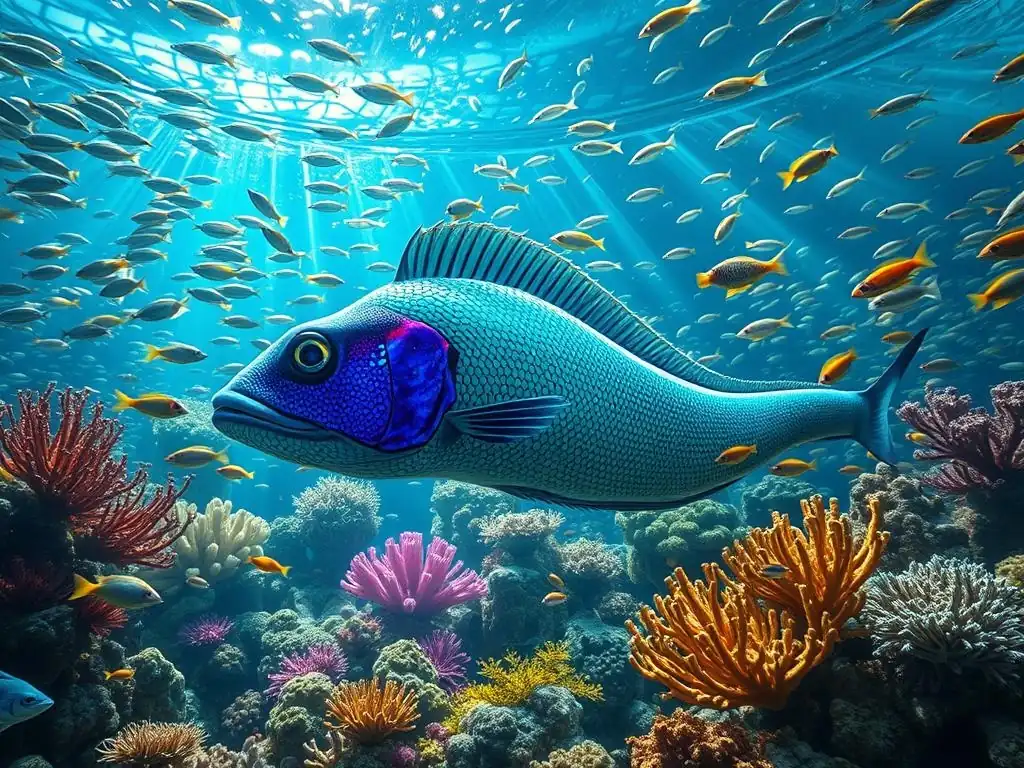
Dive into the fascinating world of aquariums, where we help you unlock the secrets to a thriving underwater ecosystem. Intrigued by the subtle differences that make each fish unique? Then you're in the right place! Get ready to explore the captivating spectrum of Featherfin color variations in our detailed guide, and discover how regional differences shape these stunning creatures. Are you ready to see what makes each one special? Let's begin!
- Regional Variants of Cyathopharynx furcifer: A Collector's Guide to Color and Form
- Introduction to Cyathopharynx furcifer and Their Appeal
- Cyathopharynx furcifer Color Variations: A Regional Breakdown
- Form and Finnage: Distinguishing Cyathopharynx furcifer Variants
- Maintaining and Breeding Regional Cyathopharynx furcifer Variants
- Collecting and Sourcing Cyathopharynx furcifer Responsibly
- Cyathopharynx furcifer Color Variations Guide: A Summary Table
- Conclusion: Appreciating the Beauty and Diversity of Cyathopharynx furcifer
-
Frequently Asked Questions
- What are Featherfins, and why are their color variations important?
- What factors contribute to the color variations seen in different Featherfin populations?
- How can I identify the regional variant of my Featherfin based on its color?
- Are some Featherfin color variants more valuable or sought after than others?
- What water parameters are crucial for maintaining the vibrant colors of my Featherfin?
- Final Reflection: Appreciating the Spectrum of Nature's Art
- Rediscover the Wonder of Featherfins!
Regional Variants of Cyathopharynx furcifer: A Collector's Guide to Color and Form
Introduction to Cyathopharynx furcifer and Their Appeal
Why Cyathopharynx furcifer Captivate Aquarium Hobbyists
Cyathopharynx furcifer, commonly known as Featherfins, are among the most majestic and sought-after cichlids originating from the deep waters of Lake Tanganyika in East Africa. Their appeal lies not only in their impressive size, with males reaching up to 9 inches (23 cm) and females around 6 inches (15 cm), but also in their elegant, flowing finnage and unique mouthbrooding behavior. Watching a male Featherfin display his full fin extensions and vibrant colors to attract a female is a truly captivating experience for any aquarist.
Beyond their aesthetic allure, Featherfins are known for their relatively peaceful demeanor compared to other large Tanganyikan cichlids, making them suitable for well-planned community tanks with similarly sized and tempered fish. Their distinctive spawning rituals, where females meticulously collect eggs into their mouths for incubation, add another layer of fascination, drawing in enthusiasts keen on observing natural behaviors. This combination of beauty, size, and intriguing habits solidifies their status as a prized species in the freshwater aquarium hobby.
Understanding the Diversity of Cyathopharynx furcifer
While often discussed as a single species, Cyathopharynx furcifer exhibits remarkable phenotypic diversity across its extensive natural range within Lake Tanganyika. This vast lake, stretching approximately 420 miles (673 km) in length, has acted as a geographical isolator, leading to the development of distinct populations, each with unique color patterns, fin morphologies, and subtle body shape variations. These regional differences are not merely anecdotal; they represent genetically distinct strains that have evolved over millennia.
For dedicated collectors and breeders, understanding these inherent diversities is paramount. Each regional variant of Cyathopharynx furcifer presents its own unique "Featherfin color variations guide," offering a spectrum of hues from intense blues to vibrant reds and subtle yellows. Recognizing these specific traits is crucial for maintaining genetic purity in captive breeding programs and for appreciating the full scope of beauty this species offers. This guide will delve into these fascinating regional distinctions, providing a comprehensive overview for the discerning aquarist.
Cyathopharynx furcifer Color Variations: A Regional Breakdown
Exploring the Geographic Distribution of Color Morphs
Lake Tanganyika's immense size and complex geological history have resulted in numerous isolated cichlid populations, and Cyathopharynx furcifer is a prime example of this phenomenon. The species is found along the rocky shores and sandy bottoms of the lake, primarily in three distinct regions: Zambia to the south, Tanzania to the east, and the Democratic Republic of Congo (DRC) to the west. Each of these geographic areas hosts populations that have developed unique color morphs and physical characteristics due to localized environmental pressures and genetic drift.
The specific "Featherfin color variations guide" for each region is a testament to natural selection. For instance, populations from the southern Zambian coastline often display different dominant colors and fin shapes compared to those from the eastern Tanzanian shores or the western DRC. These variations are highly sought after by collectors who aim to acquire and maintain pure strains, ensuring the long-term genetic integrity and visual distinctiveness of each regional variant within the hobby.
Zambia Cyathopharynx furcifer: Identifying Key Color Characteristics
Zambian Cyathopharynx furcifer variants are highly prized for their often intense and striking blue coloration, making them a cornerstone in any comprehensive Featherfin color variations guide. Localities such as "Chaitika," "Magara," and "Cape Kabeyeye" are well-known for producing some of the most vibrant specimens. These males typically display a deep, iridescent blue that can cover much of their body, often with contrasting yellow or orange highlights on their dorsal, anal, and caudal fins.
The intensity of the blue in Zambian Featherfins can vary, but it is consistently one of the most dominant and eye-catching features. For example, the "Chaitika" variant is renowned for its almost electric blue body, while "Magara" might exhibit a slightly lighter, sky-blue hue. These specific Cyathopharynx furcifer color variations are not just superficial; they are stable genetic traits that differentiate these populations from their counterparts in other regions.
The Vibrant Blue Hues of Zambian Cyathopharynx furcifer
The blue coloration in Zambian Cyathopharynx furcifer males is truly remarkable, often appearing as a metallic sheen that shifts with light. This vibrant blue typically covers the entire body, from the head to the caudal peduncle, with varying degrees of iridescence. In some individuals, the blue extends into the base of the fins, creating a seamless transition from body to finnage.
Beyond the primary body color, many Zambian Featherfins exhibit secondary colors, particularly on their fins. Bright yellow or orange margins and streaks are common on the dorsal, anal, and caudal fins, providing a stunning contrast to the deep blue body. For instance, C. furcifer "Chaitika" often displays a brilliant yellow-orange band along the edge of its dorsal fin, enhancing its overall visual appeal and making it a distinct entry in any Featherfin color variations guide.
Fin Extension Variations in Zambian Populations
A defining characteristic of many Zambian Cyathopharynx furcifer males, in addition to their striking colors, is their impressive fin extensions. The caudal fin often develops elongated streamers, giving it a distinctive lyretail appearance, which can extend several inches beyond the body. This trait is particularly pronounced in mature males and adds significantly to their graceful swimming motion.
Furthermore, the dorsal and anal fins of Zambian Featherfins tend to be exceptionally long and flowing, sometimes extending well past the caudal peduncle. This dramatic finnage, combined with their vibrant blue coloration, creates a truly majestic silhouette. For example, male C. furcifer "Magara" are known for their exceptionally long and pointed dorsal fins, a key identifier when distinguishing between regional Cyathopharynx furcifer color variations.
Tanzania Cyathopharynx furcifer: Unveiling Unique Color Patterns
Tanzanian Cyathopharynx furcifer variants offer a distinct departure from their Zambian cousins, often showcasing warmer tones and unique body patterns. Localities such as "Samazi," "Kigoma," and "Kala Island" are recognized for their populations that frequently display prominent red, orange, or yellow hues, especially on their fins. This makes them a fascinating study within the broader Featherfin color variations guide.
Unlike the predominantly blue Zambian forms, Tanzanian Featherfins often integrate these vibrant warm colors onto their bodies as well, creating a more complex and varied palette. This regional difference in coloration is a primary reason why collectors often seek out specific Tanzanian strains, valuing their unique contribution to the species' overall diversity.
The Distinctive Red and Orange Tones of Tanzanian Cyathopharynx furcifer**
The red and orange tones found in Tanzanian Cyathopharynx furcifer are a hallmark of these regional variants. Males from localities like "Samazi" are particularly famous for their brilliant orange or red dorsal, caudal, and anal fins, which can sharply contrast with a metallic blue, silver, or even light green body coloration. This creates a striking visual effect that is highly prized by aquarists.
In some Tanzanian populations, these warmer colors are not limited to the fins but can also manifest as distinct blotches, streaks, or a general wash of color along the flanks and operculum. For example, C. furcifer "Kigoma" might exhibit a predominantly silver-blue body with intense orange or red on all unpaired fins. These unique color patterns are crucial for distinguishing Tanzanian regional Cyathopharynx furcifer color variations.
Body Shape Differences in Tanzanian Variants
While the overall body plan of Cyathopharynx furcifer is consistent across its range, subtle body shape differences can sometimes be observed in Tanzanian variants. Some collectors note that certain Tanzanian forms may appear slightly more robust or have a deeper body profile compared to their Zambian counterparts, particularly in mature males.
Furthermore, the head profile of Tanzanian Cyathopharynx furcifer can sometimes differ subtly, with some males developing a more pronounced nuchal hump as they mature. Although these distinctions are often subtle and require a keen eye, they contribute to the unique silhouette of Tanzanian Featherfins, adding another layer of identification for a comprehensive Featherfin color variations guide.
Democratic Republic of Congo Cyathopharynx furcifer: A Study in Subtle Differences
Cyathopharynx furcifer from the Democratic Republic of Congo (DRC) often present a more subdued, yet equally beautiful, array of colors compared to the vibrant hues of their Zambian and Tanzanian relatives. Localities such as "Kibwe," "Moba," and "Cape Mpimbwe" are known for producing these variants. Their coloration typically features pale blues, yellows, and silvers, often with a delicate iridescence that sets them apart.
These DRC Featherfins are a study in subtle elegance, appealing to collectors who appreciate nuanced beauty rather than overt flashiness. While their colors may not be as intensely saturated, their unique combinations and patterns contribute significantly to the overall "Featherfin color variations guide," showcasing the species' impressive adaptability and regional diversification.
Identifying the Pale Blue and Yellow Colorations
The pale blue and yellow colorations are characteristic of many DRC Cyathopharynx furcifer variants. Males from regions like "Kibwe" might display a soft, sky-blue body, often with a silvery sheen, complemented by delicate yellow highlights on the dorsal, caudal, and anal fins. This creates a gentle yet distinct appearance, contrasting with the bolder palettes seen elsewhere.
These yellow accents are typically less intense than the fiery oranges of some Tanzanian forms, appearing more as a subtle wash or a fine margin on the fins. The overall impression is one of ethereal beauty, with the pale blue and yellow combining to create unique Cyathopharynx furcifer color variations that are highly valued for their understated charm and elegance.
Congo Cyathopharynx furcifer Body Markings and Patterns
Beyond their primary coloration, some DRC Cyathopharynx furcifer variants may exhibit subtle body markings or patterns that are less pronounced in other regional forms. These can include faint vertical barring along the flanks, or delicate spotting that is only visible under specific lighting conditions. These patterns often blend seamlessly with their overall pale blue or silver body color.
While not as overtly patterned as some other cichlid species, these subtle markings contribute to the unique identity of Congo Featherfins. For instance, the "Moba" variant might display a slightly more elongated body shape in some individuals, further distinguishing it. These nuanced details are important for advanced aquarists building a comprehensive Featherfin color variations guide and identifying specific regional strains.
Form and Finnage: Distinguishing Cyathopharynx furcifer Variants
Analyzing Fin Shape and Length Across Regions
Beyond color, the form and finnage of Cyathopharynx furcifer serve as critical distinguishing features between regional variants. While all Featherfins possess elegant, flowing fins, the specific shape, length, and extensions of these fins can vary significantly depending on their geographic origin. These subtle yet pronounced differences are key for precise identification within a Featherfin color variations guide.
For instance, Zambian males are often characterized by their exceptionally long caudal fin streamers, sometimes extending to a length of 2-3 inches beyond the main body. In contrast, some Tanzanian or DRC forms might exhibit broader, more rounded caudal fins, or dorsal and anal fins that are less elongated. Observing these specific fin morphologies is just as important as noting color patterns when identifying Cyathopharynx furcifer color variations.
Body Shape and Size Variations in Different Cyathopharynx furcifer Populations
While Cyathopharynx furcifer generally maintains a consistent torpedo-shaped body, subtle variations in overall body shape and adult size can be observed across different populations. Adult males typically reach 8-9 inches (20-23 cm) in length, with females being smaller, around 5-6 inches (13-15 cm). However, some regional variants may consistently grow slightly larger or appear more robust.
For example, certain Zambian populations might be known for their overall slender elegance, while some Tanzanian or DRC forms could exhibit a slightly deeper body or a more pronounced nuchal hump in mature males. These differences, though often minor, contribute to the unique profile of each regional variant and are important for a detailed Featherfin color variations guide.
Pelvic Fin Morphology: Comparing Zambian and Tanzanian Cyathopharynx furcifer
A highly specific distinguishing feature for Cyathopharynx furcifer variants lies in the morphology of their pelvic fins. Zambian males, particularly those from southern localities, often display notably long and pointed pelvic fins, which can extend significantly, sometimes with a delicate filament at the tip. These elongated pelvic fins contribute to their overall graceful and elongated appearance.
In contrast, Tanzanian Cyathopharynx furcifer variants generally exhibit pelvic fins that are slightly shorter and often more rounded or less pointed. While still elegant, they lack the extreme elongation seen in many Zambian forms. These subtle yet consistent differences in pelvic fin morphology are often relied upon by experienced collectors to differentiate between the various Cyathopharynx furcifer color variations and their origins.
Maintaining and Breeding Regional Cyathopharynx furcifer Variants
Replicating Native Water Parameters for Optimal Color Development
To ensure the full manifestation of the stunning Featherfin color variations, replicating their native Lake Tanganyika water parameters is crucial. The lake's water is consistently hard and alkaline, with a typical pH range of 8.0-9.0, a general hardness (GH) of 10-20 dGH, and a carbonate hardness (KH) of 10-15 dKH. The ideal temperature range for Cyathopharynx furcifer is 76-80°F (24-27°C).
Maintaining stable water chemistry through regular weekly water changes of 25-30% and using appropriate buffering agents (e.g., Tanganyika buffer salts) is paramount. Inconsistent water parameters can lead to stress, faded colors, and susceptibility to disease, diminishing the vibrant Cyathopharynx furcifer color variations that make these fish so appealing. A well-maintained environment directly correlates with the fish's health and coloration.
Diet and Nutrition for Enhanced Coloration in Cyathopharynx furcifer
A high-quality and varied diet is essential for promoting vibrant coloration and overall health in Cyathopharynx furcifer. As omnivores with a carnivorous leaning, their diet should consist of premium cichlid pellets or flakes specifically formulated for Tanganyikan species. Supplementation with frozen foods like mysis shrimp, brine shrimp, and spirulina-enriched preparations is highly beneficial.
To specifically enhance the red, orange, and yellow pigments common in many Featherfin color variations, incorporate foods rich in carotenoids, such as astaxanthin. Krill, spirulina flakes, and specialized color-enhancing pellets can significantly intensify these warm hues, particularly in Tanzanian and some Zambian variants. Feeding small, frequent meals throughout the day helps maintain water quality and ensures consistent nutrient uptake.
Breeding Strategies to Preserve Unique Regional Characteristics
Breeding Cyathopharynx furcifer is a rewarding endeavor, especially when aiming to preserve the unique regional characteristics and specific Featherfin color variations. Since they are maternal mouthbrooders, successful breeding requires dedicated efforts to prevent hybridization between different regional strains. It is critical to keep only one specific locality variant in a breeding setup to maintain genetic purity.
A minimum 75-gallon (280-liter) tank is recommended for a breeding trio (one male, two females), providing ample space for spawning and fry rearing. Provide flat rocks or slate as potential spawning sites. Females typically hold eggs for 21-28 days. To maximize fry survival and ensure the integrity of the Cyathopharynx furcifer color variations, some breeders opt to "strip" the female of her fry around 18-20 days post-spawn, transferring the fry to a separate grow-out tank.
Collecting and Sourcing Cyathopharynx furcifer Responsibly
Ethical Considerations for Wild-Caught vs. Captive-Bred Specimens
When collecting Cyathopharynx furcifer variants, aquarists face the choice between wild-caught and captive-bred specimens, each with ethical considerations. Wild-caught fish often display the most authentic and intense Featherfin color variations, as they have developed in their natural environment. However, their collection can put pressure on wild populations, and they may arrive with parasites or be less acclimated to aquarium life.
Captive-bred specimens, on the other hand, are generally hardier, free of wild parasites, and have a significantly lower environmental impact. They also reduce the demand for wild collection, contributing to the sustainability of the hobby. While some captive-bred lines might show slight deviations from wild coloration over generations if not carefully managed, they represent a responsible choice for most aquarists seeking specific Cyathopharynx furcifer color variations.
Identifying Reputable Breeders and Suppliers of Cyathopharynx furcifer Variants
Identifying reputable breeders and suppliers is crucial for acquiring healthy and accurately identified Cyathopharynx furcifer variants. A reputable source will specialize in Tanganyikan cichlids and be able to provide detailed provenance for their fish, clearly stating the specific locality (e.g., "F1 Samazi," "F2 Chaitika") and generation (F1, F2, etc.). They should also be transparent about their breeding practices and water parameters.
Look for suppliers with positive reviews in online forums, cichlid clubs, and industry communities. A good breeder will often provide photos of the parent fish for their specific Featherfin color variations, allowing buyers to verify the authenticity and quality of the strain. Avoid sellers who cannot provide clear locality information or whose fish appear to be mixed or hybridized strains.
CITES Regulations and Import Restrictions for Cyathopharynx furcifer
While Cyathopharynx furcifer is not currently listed under CITES (Convention on International Trade in Endangered Species of Wild Fauna and Flora) Appendix I or II, meaning there are no international restrictions on their trade based on endangered status, it is still essential for collectors to be aware of local and national import/export regulations. Regulations can vary significantly between countries and even states or provinces regarding the movement of live fish.
Before attempting to import or export specific Featherfin color variations, it is crucial to research and adhere to all relevant customs, health, and wildlife laws. This includes obtaining necessary permits, health certificates, and ensuring compliance with packaging and transportation standards. Responsible aquarism involves not only proper fish care but also adherence to all legal frameworks governing the trade of aquatic species, ensuring the long-term viability of the hobby.
Cyathopharynx furcifer Color Variations Guide: A Summary Table
Table of Key Characteristics by Region (Color, Fin Shape, Body Size)
| Region | Primary Male Coloration | Fin Shape/Length | Body Size/Shape Notes |
|---|---|---|---|
| Zambia | Intense iridescent blue; yellow/orange highlights on fins | Long, flowing fins; pronounced caudal streamers | Often slender; males 8-9 inches (20-23 cm) |
| Tanzania | Red, orange, or yellow on fins; metallic blue/silver body | Slightly shorter, often broader caudal fins | Can appear slightly more robust/deeper bodied |
| Democratic Republic of Congo (DRC) | Pale blue/silver body; delicate yellow on fins | Generally less extreme fin extensions | Often subtle vertical barring; males 7-8 inches (18-20 cm) |
Conclusion: Appreciating the Beauty and Diversity of Cyathopharynx furcifer
The regional variants of Cyathopharynx furcifer offer a truly captivating spectacle for the dedicated aquarist, showcasing an astonishing array of Featherfin color variations and forms. From the striking blues and dramatic finnage of Zambian populations to the vibrant reds and unique body patterns of Tanzanian forms, and the subtle elegance of DRC variants, each region contributes its own distinct beauty to this magnificent species. Understanding these differences enriches the hobby, transforming it from mere fishkeeping into a deeper appreciation of aquatic biodiversity.
By diligently following this Featherfin color variations guide, aquarists can not only identify and appreciate these specific traits but also contribute to the responsible preservation of these unique strains. Maintaining optimal water parameters, providing a nutritious diet, and engaging in ethical breeding practices are vital steps in ensuring that the stunning diversity of Cyathopharynx furcifer continues to thrive in our aquariums for generations to come, fostering a deeper connection to the natural wonders of Lake Tanganyika.
Frequently Asked Questions
What are Featherfins, and why are their color variations important?
Featherfins are a type of fish popular in aquariums. Their color variations are important because they impact rarity and value for collectors and can indicate health and origin.
What factors contribute to the color variations seen in different Featherfin populations?
Several factors influence color, including genetics, diet, and environmental conditions such as water chemistry and lighting in their native habitat.
How can I identify the regional variant of my Featherfin based on its color?
Observe specific color patterns and markings. Consult detailed guides with photographs and information about the fish's provenance or origin for accurate identification.
Are some Featherfin color variants more valuable or sought after than others?
Yes, rarer and more vibrant color variations are generally more valuable. Also, variants with unique patterns or unusual fin shapes can command higher prices among collectors.
What water parameters are crucial for maintaining the vibrant colors of my Featherfin?
Maintaining stable and appropriate water parameters, including pH levels and water hardness, is vital. Also, high water quality and a nutrient-rich diet contribute to their health and color.
Final Reflection: Appreciating the Spectrum of Nature's Art
The journey through the diverse world of Featherfin color variations, as detailed in this guide, underscores a fundamental truth: beauty thrives in diversity. What began as a collector's guide transcends mere identification; it becomes a celebration of the intricate and often breathtaking artistry found within the natural world, a reminder that even within a single species, the potential for variation is boundless and worthy of appreciation.
This exploration has undoubtedly deepened our understanding of Featherfins, but more importantly, it highlights the fragility and preciousness of biodiversity itself. Each unique color morph, each subtle variation in form, represents a thread in the complex tapestry of life. In nature, nothing is perfect and everything is perfect. Trees can be contorted, bent in weird ways, and they're still beautiful.
- Alice Walker. This quote perfectly encapsulates the beauty found in the imperfections and variations that make each Featherfin, and indeed every living thing, uniquely captivating.
Now, armed with a greater appreciation for the spectrum of Featherfin colors and forms, I invite you to reflect on the broader implications. How can we, as individuals and as a community, contribute to the preservation of these delicate ecosystems that nurture such incredible diversity? Let this guide not only inform your collecting practices but also inspire a deeper commitment to protecting the natural wonders that enrich our world and allow us to witness such breathtaking displays of evolutionary artistry.
Rediscover the Wonder of Featherfins!
Thank you for delving into the fascinating world of Featherfins with us. We hope this guide has ignited your passion for these vibrant aquatic gems. Now, let's translate that knowledge into action!
- Start your Featherfin collection: Research and acquire a regional variant you found most captivating. Observe their behavior closely and document any unique characteristics.
- Share your newfound passion: Create a post showcasing your favorite Featherfin variant on social media using #AquariumMastery and tagging @AquariumMastery to connect with other enthusiasts.
- Delve deeper: Explore our forum on aquariummastery.com and contribute your experiences or questions about Featherfin care.
What unique observation have you made about your Featherfins' behavior or coloration? Share your insights in the comments below!