
Are Your Corydoras Happy? Signs of Contentment and Stress

Welcome to Aquarium Mastery! Ever wondered if your Corydoras are truly happy? Discover the secrets to a thriving Corydoras tank in our latest article. We dive deep into Happy Corydoras Tank Care, exploring the subtle signs of contentment (and stress!) in these adorable bottom-dwellers. Ready to unlock the key to a blissful aquatic life for your Corydoras? Let's begin!
- Are Your Corydoras Happy? Signs of Contentment and Stress in Your Aquarium
- Understanding Happy Corydoras Tank Care: An Introduction to Corydoras Wellbeing
-
Signs of a Happy and Healthy Corydoras School
- Active and Energetic Behavior: A Key Indicator of Corydoras Happiness
- Healthy Appetite and Foraging Habits in Content Corydoras
- Natural Schooling Behavior: Corydoras Staying Together Peacefully
- Bright and Vibrant Coloration: A Sign of Healthy Corydoras
- Proper Gill Function: Observing Healthy Respiration in Corydoras
-
Identifying Stress in Corydoras: Unhappy Tank Care Signs
- Erratic Swimming and Darting: A Sign of Corydoras Distress
- Hiding and Isolation: When Corydoras Avoid the School
- Loss of Appetite and Reduced Foraging Behavior: Corydoras Not Eating
- Faded or Dull Colors: Stress-Related Color Changes in Corydoras
- Rapid Gill Movement and Labored Breathing: Signs of Respiratory Distress
- Barbel Erosion or Damage: A Common Sign of Poor Water Quality and Stress
-
Factors Contributing to Happy Corydoras Tank Care
- Optimal Water Parameters: Maintaining a Healthy Aquarium Environment for Corydoras
- Suitable Substrate for Corydoras: Protecting Their Barbels
- Appropriate Tank Size and Schooling: The Importance of Social Interaction
- Tank Mates Compatibility: Avoiding Aggression and Stress
- Adequate Hiding Places and Decorations: Providing Security for Corydoras
- Proper Filtration and Water Changes: Maintaining Water Quality
- Diet and Nutrition: Providing a Balanced Diet for Corydoras
-
Addressing Corydoras Stress: Troubleshooting and Solutions
- Improving Water Quality: Steps to Reduce Ammonia, Nitrites, and Nitrates
- Adjusting Water Parameters: Correcting Temperature and pH Imbalances
- Re-evaluating Tank Mates: Removing Aggressive Fish
- Providing More Hiding Places: Adding Plants and Decorations
- Enhancing Diet and Supplementation: Ensuring Proper Nutrition
- Quarantine and Treatment of Sick Corydoras: Addressing Health Issues
- Long-Term Happy Corydoras Tank Care: Maintaining a Thriving Environment
- Conclusion: Ensuring Happy and Healthy Corydoras in Your Aquarium
-
Frequently Asked Questions
- How can I tell if my Corydoras are happy in their aquarium?
- What are the most important water parameters for happy Corydoras?
- What type of substrate is best for Corydoras to avoid damaging their barbels?
- How many Corydoras should I keep together to ensure they feel secure and happy?
- What type of food should I feed my Corydoras to keep them healthy and content?
- Final Reflection: Cultivating Corydoras Contentment
- Nurture Your Corydoras: Witness Their Thriving!
Are Your Corydoras Happy? Signs of Contentment and Stress in Your Aquarium
Understanding Happy Corydoras Tank Care: An Introduction to Corydoras Wellbeing
Why Corydoras Happiness Matters for Aquarium Health
The happiness and wellbeing of your Corydoras catfish are not merely about their comfort; they are intrinsically linked to the overall health and stability of your entire aquarium ecosystem. Stressed fish are significantly more susceptible to a wide array of diseases, including common ailments like Ich (white spot disease), fin rot, and bacterial infections. When one fish becomes ill due to stress-weakened immunity, the pathogens can quickly spread throughout the confined environment of the aquarium, potentially impacting all other inhabitants and leading to widespread health issues.
Furthermore, content Corydoras fulfill their natural roles as diligent bottom-feeders, actively sifting through the substrate to consume uneaten food and detritus. This scavenging behavior is beneficial, as it helps prevent the accumulation of waste that can degrade water quality and foster harmful bacteria. A school of happy Corydoras contributes to a cleaner tank and a more balanced nitrogen cycle, reducing the workload on your filtration system and ultimately supporting a healthier environment for all your aquatic pets. Their vibrant health is a direct reflection of diligent happy corydoras tank care.
Defining "Happy": What a Content Corydoras Looks Like
Defining "happiness" for a fish, particularly a Corydoras, involves observing their natural behaviors and physiological states in an optimal environment. A "happy" Corydoras is one that exhibits its full range of species-specific behaviors without inhibition, showing no signs of physical distress or psychological stress. This means their fundamental needs—such as appropriate water parameters, suitable social interaction, proper nutrition, and a secure habitat—are consistently met.
Visually and behaviorally, a content Corydoras will display vibrant coloration, indicative of good health and low stress levels. They will be active, constantly foraging along the bottom, and frequently darting to the surface for quick gulps of air, which is a natural part of their respiration. Crucially, a happy Corydoras will integrate well within its school, moving and resting with its companions, demonstrating the security and comfort that comes from proper happy corydoras tank care.
Signs of a Happy and Healthy Corydoras School
Active and Energetic Behavior: A Key Indicator of Corydoras Happiness
A hallmark of a happy Corydoras is its consistent, energetic activity. These peaceful bottom-dwellers should be observed actively sifting through the substrate with their barbels, tirelessly searching for food particles. They will often dart upwards to the water surface for a quick gulp of air, a completely natural behavior for these intestinal breathers, before returning to their foraging. Their movements are fluid, purposeful, and generally unhurried, reflecting a comfortable and secure disposition within their environment.
For example, a healthy school of six or more Corydoras aeneus (Bronze Corydoras) in a well-maintained 20-gallon long aquarium will typically be seen scattered across the tank bottom, each individual meticulously exploring different sections of the substrate. They might occasionally gather in a loose group, but their overall activity level remains high throughout the day. This consistent, exploratory behavior, without frantic or erratic movements, is a strong indication of excellent happy corydoras tank care.
Healthy Appetite and Foraging Habits in Content Corydoras
A robust appetite and diligent foraging are clear indicators of a content and healthy Corydoras. When food is introduced, happy Corydoras will quickly become aware and begin actively searching for sinking pellets, wafers, or defrosted frozen foods. They are not shy about competing gently with their schoolmates for access to the food, demonstrating a healthy drive to feed.
Their foraging habits are distinctive: a content Corydoras will spend considerable time with its delicate barbels buried in the substrate, constantly sifting and stirring the bottom material in search of edible morsels. For instance, if you drop a sinking wafer, a healthy Corydoras paleatus (Peppered Corydoras) will typically locate and begin consuming it within minutes, often joined by others from its school. A consistent feeding response and active substrate exploration are vital signs of their wellbeing and reflect proper happy corydoras tank care.
Natural Schooling Behavior: Corydoras Staying Together Peacefully
Corydoras are inherently social fish, thriving in groups of six or more of their own kind. A truly happy Corydoras school will exhibit natural schooling behavior, which means individuals will generally stay within sight of each other, moving and resting in a cohesive, albeit sometimes loosely associated, unit. While they may not always swim in a tight formation like some schooling tetras, they derive security and comfort from the presence of their companions.
Observing a healthy school, you might see them foraging in the same general area, or resting together in a pile under a piece of driftwood. For example, a group of eight Corydoras panda might be seen sifting through the sand near a cluster of Java Fern, occasionally bumping into each other without aggression, or all gather to rest on a broad Anubias leaf. This collective behavior reduces individual stress, enhances their sense of security, and is a cornerstone of happy corydoras tank care.
Bright and Vibrant Coloration: A Sign of Healthy Corydoras
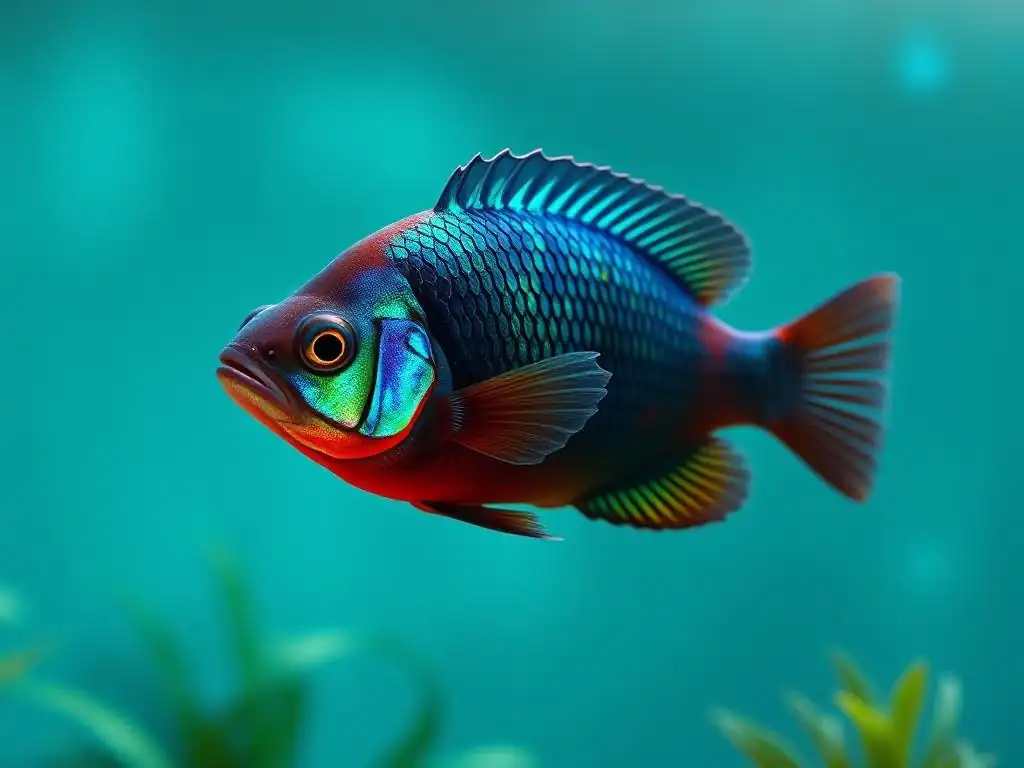
The coloration of your Corydoras is an excellent visual barometer of their health and happiness. Content and unstressed fish will display their natural, vibrant patterns and hues to their fullest potential, which can vary significantly depending on the species. For instance, a healthy Corydoras julii will exhibit crisp, distinct spots, while a Corydoras sterbai will show off its striking orange pectoral fins and intricate body patterns.
This vibrant appearance is due to optimal physiological function, where the fish's chromatophores (pigment-containing cells) are working efficiently, unhindered by stress hormones. A consistent, bright, and well-defined coloration across all individuals in the school indicates that water parameters are stable, nutrition is adequate, and the fish are free from undue stress. Any noticeable dulling or fading of colors, especially in contrast to their typical appearance, can be an early warning sign that happy corydoras tank care needs review.
Proper Gill Function: Observing Healthy Respiration in Corydoras
Observing the gill function of your Corydoras is crucial for assessing their respiratory health and overall wellbeing. Healthy Corydoras will exhibit regular, steady gill movements that are not overly rapid or labored. While they naturally dart to the surface for air gulps, this behavior should not be constant or frantic. The operculum (gill cover) should open and close smoothly, without any visible signs of swelling or obstruction.
Healthy gills themselves appear light red or pink, free from any white spots, fuzzy growths, or frayed edges. At rest, a normal gill respiration rate for a healthy Corydoras in water within its ideal temperature range (e.g., 24°C / 75°F) typically falls between 40 to 60 movements per minute. Any significant increase in this rate, or persistent gasping at the surface without returning to the bottom, suggests respiratory distress and indicates a need to investigate water quality or potential health issues to restore happy corydoras tank care.
Identifying Stress in Corydoras: Unhappy Tank Care Signs
Erratic Swimming and Darting: A Sign of Corydoras Distress
One of the most immediate and concerning signs of stress in Corydoras is erratic or frantic swimming behavior. Unlike their normal, calm foraging, a stressed Corydoras might dart wildly around the tank, often bumping into decorations or the tank glass. This can be a panicked response to perceived threats, poor water quality, or being bullied by aggressive tank mates.
For example, instead of sifting the substrate, a distressed Corydoras might repeatedly swim rapidly up and down the glass, or attempt to jump out of the water. This uncontrolled, desperate movement is a stark contrast to the fluid, purposeful swimming of a content fish. If you observe one or more Corydoras exhibiting such behavior, it's a clear indication that their happy corydoras tank care environment is compromised and immediate investigation is needed.
Hiding and Isolation: When Corydoras Avoid the School
While occasional hiding is normal, prolonged hiding or complete isolation from the rest of the school is a significant red flag for Corydoras. These are social fish that thrive on group interaction. A stressed or ill Corydoras might spend all its time tucked away behind a filter, under a rock, or in a dense plant thicket, refusing to join its companions for foraging or resting.
This behavior often signals fear, discomfort, or the onset of illness. Instead of actively participating in the group dynamic, the isolated fish may appear lethargic, sometimes lying motionless for extended periods, even when food is present. Such reclusiveness deviates sharply from the natural, outgoing behavior of a healthy school and indicates a profound lack of happy corydoras tank care.
Loss of Appetite and Reduced Foraging Behavior: Corydoras Not Eating
A sudden or sustained loss of appetite is a critical indicator of distress or illness in Corydoras. Unlike healthy individuals who eagerly seek out and consume sinking foods, a stressed Corydoras might completely ignore food, or only pick at it tentatively without truly consuming it. Their diligent foraging habits will diminish significantly, or cease altogether.
For instance, if you drop sinking pellets and observe your Corydoras remaining motionless or turning away, it's a cause for concern. Prolonged lack of eating, even for 24-48 hours, can rapidly lead to emaciation and a weakened immune system, making the fish highly vulnerable to secondary infections. A consistent disinterest in food is a clear sign that the current happy corydoras tank care is not meeting their fundamental needs.
When Corydoras are stressed, a common physiological response is for their vibrant, natural coloration to become dull, faded, or "washed out." This change is often due to the release of stress hormones, like adrenaline, which can cause their chromatophores (pigment cells) to contract. A normally bright or distinctly patterned fish might appear pale, grayish, or have less defined markings.
For example, a Corydoras panda known for its distinct black patches might show these patches as a faint grey, or a Corydoras bronze might lose its metallic sheen and look uniformly dull brown. This paling is an involuntary response to perceived threats, poor water quality, or illness. Observing such a change across one or more individuals in your school is a strong visual cue that their happy corydoras tank care environment requires immediate attention.
Rapid Gill Movement and Labored Breathing: Signs of Respiratory Distress
Rapid, shallow, or labored gill movements are unmistakable signs of respiratory distress in Corydoras. This often indicates insufficient oxygen levels in the water, the presence of toxic compounds like ammonia or nitrite, or the onset of gill parasites or disease. The fish may also be seen gasping at the surface constantly, rather than just taking occasional gulps.
When examining a distressed Corydoras, you might observe its gill opercula opening wide and rapidly, sometimes accompanied by flared gills or visible inflammation. A fish exhibiting 80-100+ gill movements per minute at rest is likely under severe respiratory strain, a significant increase from the normal 40-60 movements. This is a critical symptom that demands immediate investigation into water quality and potential treatments to restore happy corydoras tank care.
Barbel Erosion or Damage: A Common Sign of Poor Water Quality and Stress
The delicate barbels around a Corydoras' mouth are crucial sensory organs used for foraging in the substrate. Erosion, shortening, or damage to these barbels is a very common and serious sign of poor environmental conditions. This damage is primarily caused by two factors: an unsuitable substrate or consistently poor water quality.
If the substrate is sharp or coarse (e.g., rough gravel), it can physically abrade the barbels as the fish sifts through it. More frequently, however, barbel erosion is a symptom of prolonged exposure to high levels of nitrates, ammonia, or other bacterial issues in the water. These conditions create an environment where bacterial infections can easily take hold on the delicate barbel tissue. You might observe barbels that appear stubby, frayed, or even completely absent. This severely impacts their ability to find food and indicates a highly unhappy corydoras environment, necessitating immediate improvements in happy corydoras tank care.
Factors Contributing to Happy Corydoras Tank Care
Optimal Water Parameters: Maintaining a Healthy Aquarium Environment for Corydoras
Maintaining stable and optimal water parameters is the cornerstone of successful and happy corydoras tank care. Fluctuations or unsuitable levels of temperature, pH, hardness, and nitrogenous compounds can quickly lead to stress, weakened immune systems, and disease in these sensitive bottom-dwellers. Regular testing and consistent adjustments are crucial for their long-term health and vitality.
Ensuring the water aligns with their natural habitat conditions minimizes physiological stress, allowing them to thrive and exhibit their natural behaviors. This foundational aspect of aquarium husbandry directly impacts their ability to forage, school, and resist illness, making it the most critical element in fostering a truly happy corydoras environment.
Temperature and pH Levels for Corydoras Wellbeing
Most common Corydoras species, such as Corydoras paleatus or Corydoras aeneus, thrive in stable temperatures ranging from 22-26°C (72-79°F). Consistency is paramount; sudden temperature swings, even by a few degrees, can induce significant stress and weaken their immune systems. A reliable aquarium heater with a thermostat is essential to maintain this narrow range.
Regarding pH, Corydoras generally prefer slightly acidic to neutral water, typically within a range of pH 6.0-7.5. While they can tolerate a broader spectrum, stable pH is more important than hitting an exact number. Rapid fluctuations in pH, for instance, a drop of more than 0.5 units in 24 hours, can be extremely detrimental. Monitoring pH weekly with a liquid test kit helps ensure this crucial parameter contributes to happy corydoras tank care.
Water Hardness and Ammonia/Nitrite/Nitrate Levels for Corydoras Health
Water hardness (GH and KH) is another vital parameter. Corydoras generally prefer soft to medium-hard water, typically between 2-15 dGH (degrees of General Hardness). Excessively hard water can cause osmotic stress over time. While less critical than pH, consistency in hardness levels supports their overall wellbeing.
Crucially, ammonia (NH3) and nitrite (NO2) levels must always be at 0 ppm (parts per million). Even trace amounts of these highly toxic compounds can cause severe gill damage and fatal poisoning. Nitrate (NO3) levels, the end product of the nitrogen cycle, should be kept below 20 ppm, and ideally below 10 ppm, through regular water changes. Consistent monitoring with an accurate liquid test kit for these nitrogenous compounds is non-negotiable for happy corydoras tank care.
Suitable Substrate for Corydoras: Protecting Their Barbels
The substrate choice is paramount for Corydoras, directly impacting the health of their delicate sensory barbels. As constant bottom-foragers, they spend the majority of their time sifting through the tank floor in search of food particles. A rough or sharp substrate can easily abrade and damage these sensitive organs, leading to bacterial infections and an inability to properly forage.
Therefore, the ideal substrate for happy corydoras tank care is fine, soft sand, such as play sand, pool filter sand, or specialized aquarium sand. This allows them to effortlessly dig and sift without injury. A minimum depth of 2-3 inches of sand is recommended to allow for proper burrowing and foraging behavior. Avoid using coarse gravel with sharp edges, as this is a primary cause of barbel erosion and chronic stress for these gentle fish.
Corydoras are highly social schooling fish and absolutely require the company of their own kind to thrive. A minimum group size of six individuals of the same species is crucial for their psychological wellbeing and security. Keeping fewer than six can lead to stress, shyness, and a reluctance to exhibit natural behaviors.
Regarding tank size, a 20-gallon long aquarium (approximately 30x12x12 inches or 75x30x30 cm) is a good starting point for a small school of 6-8 smaller Corydoras species, such as Corydoras pygmaeus or Corydoras habrosus. For larger species like Corydoras sterbai or Corydoras adolfoi, a 30-gallon or even 40-gallon breeder tank is more appropriate, as they require more bottom surface area for foraging and schooling. The "long" dimension of the tank is more important than height, as it provides ample floor space for their activity, essential for happy corydoras tank care.
Tank Mates Compatibility: Avoiding Aggression and Stress
Choosing appropriate tank mates is critical to preventing stress and ensuring happy corydoras tank care. Corydoras are peaceful and vulnerable bottom-dwellers, easily intimidated or injured by aggressive or fin-nipping species. They should never be housed with large, predatory fish or overly territorial cichlids that might view them as food or competition.
Ideal tank mates include other peaceful, community-oriented fish that occupy the mid-to-upper water columns, such as small tetras (e.g., Neon Tetras, Rummy-nose Tetras, Ember Tetras), rasboras (e.g., Harlequin Rasboras), small peaceful barbs (e.g., Cherry Barbs), and tranquil livebearers like Guppies or Platies. Ensure that any tank mates are not known fin-nippers, as damaged fins can lead to stress and infection. A harmonious community environment is key to their long-term happiness.
Adequate Hiding Places and Decorations: Providing Security for Corydoras
Providing ample hiding places and varied decorations is essential for creating a secure and stimulating environment for Corydoras. These fish feel safest when they have places to retreat to, whether from perceived threats, bright lights, or simply for rest. A lack of cover can lead to chronic stress and shyness, causing them to hide excessively or appear lethargic.
Incorporate natural decorations such as driftwood, smooth rocks, and dense live plant thickets (e.g., Java Fern, Anubias, Amazon Swords, Cryptocoryne species). Ceramic caves or specially designed fish hides can also be beneficial. Aim for a balance, ensuring there are both open areas for foraging and exploration, and plenty of secure spots where they can feel protected. Providing sufficient refuge significantly contributes to happy corydoras tank care.
Proper Filtration and Water Changes: Maintaining Water Quality
Effective filtration and consistent water changes are non-negotiable for maintaining the pristine water quality essential for happy corydoras tank care. A high-quality filter, appropriately sized for your tank (e.g., an AquaClear 50 or similar hang-on-back filter for a 20-30 gallon tank), is vital for mechanical filtration (removing particles), biological filtration (converting toxic ammonia and nitrite), and potentially chemical filtration (removing odors and discoloration).
Beyond filtration, regular water changes are the most effective method for keeping nitrate levels low and replenishing essential minerals. A weekly water change of 25-30% of the tank volume is a common recommendation for most community tanks, including those with Corydoras. This consistent maintenance schedule prevents the build-up of harmful pollutants, ensuring a stable and healthy aquatic environment that directly contributes to their wellbeing.
Diet and Nutrition: Providing a Balanced Diet for Corydoras
A varied and balanced diet is fundamental for the health and happiness of your Corydoras. While they are often described as scavengers, relying solely on leftover flakes from other fish is insufficient. Corydoras are omnivores and require a diet rich in both plant and animal matter.
Offer high-quality sinking pellets or wafers specifically formulated for bottom feeders, as these will reach the substrate where Corydoras can access them without competition from faster-swimming fish. Supplement this staple with frozen or live foods several times a week, such as bloodworms, brine shrimp, daphnia, or tubifex worms. Small amounts of blanched vegetables like zucchini or cucumber can also be offered. Feed once or twice daily, ensuring the food reaches the bottom. A nutritionally complete diet is a cornerstone of happy corydoras tank care.
Addressing Corydoras Stress: Troubleshooting and Solutions
Improving Water Quality: Steps to Reduce Ammonia, Nitrites, and Nitrates
If your Corydoras are showing signs of stress due to poor water quality (elevated ammonia, nitrite, or nitrate), immediate action is crucial. For dangerously high ammonia or nitrite levels (anything above 0 ppm), perform a large water change of 50-75% immediately, using dechlorinated water matched to the tank's temperature. Continue to test parameters daily and perform smaller (25-50%) water changes as needed until levels return to zero.
For elevated nitrates (above 20 ppm), increase the frequency and volume of your regular water changes. For long-term solutions, ensure your tank is fully cycled and that your filtration system is adequately sized and maintained. Avoid overfeeding, as uneaten food quickly breaks down into pollutants. Adding beneficial bacteria supplements can help establish and boost biological filtration, contributing to happy corydoras tank care.
Adjusting Water Parameters: Correcting Temperature and pH Imbalances
Correcting temperature and pH imbalances requires a gradual and careful approach to avoid further shocking your stressed Corydoras. If the temperature is too low or too high, adjust your heater settings slowly, allowing the temperature to change by no more than 1-2 degrees Celsius (2-4 degrees Fahrenheit) per day until the optimal range (22-26°C) is reached.
For pH imbalances, avoid rapid changes, as stability is more important than hitting an exact number. If pH is too high, adding driftwood or using RO (Reverse Osmosis) water for water changes can gradually lower it. If too low, adding crushed coral or a small amount of baking soda (very carefully and incrementally) can raise it. Never adjust pH by more than 0.2 units per day. Consistent monitoring and slow adjustments are key to restoring happy corydoras tank care.
Re-evaluating Tank Mates: Removing Aggressive Fish
If aggressive tank mates are causing stress to your Corydoras, the most effective solution is to remove the aggressor. This might involve rehoming the fish, setting up a separate tank for it, or, if possible, returning it to the pet store. Even seemingly minor fin nipping or chasing can cause chronic stress over time.
In some cases, if the aggression is mild and the tank is large enough, introducing more of the aggressive species (if they are schooling fish themselves) can sometimes diffuse aggression by spreading it among a larger group. However, for the safety and wellbeing of your Corydoras, outright removal of a persistently aggressive fish is often the best course of action to ensure a peaceful environment conducive to happy corydoras tank care.
Providing More Hiding Places: Adding Plants and Decorations
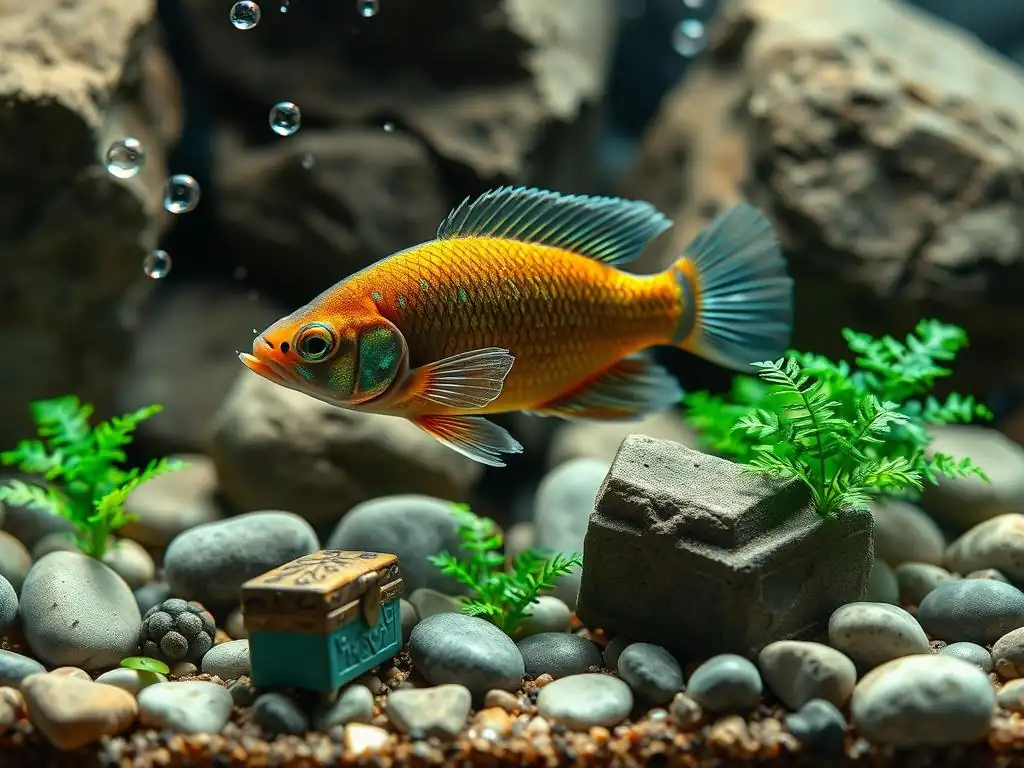
If your Corydoras are excessively hiding, appearing timid, or showing signs of stress due to a lack of cover, immediately add more hiding places and dense decorations. This provides them with a sense of security and reduces their perceived vulnerability.
Incorporate a variety of natural elements such as dense clumps of live plants (e.g., Java Moss, Anubias, Cryptocoryne species), pieces of driftwood with crevices, and smooth, fish-safe rock formations that create caves or overhangs. Ensure there are enough hiding spots for all members of the school, allowing them to retreat when they feel threatened or simply wish to rest without exposure. Aim for at least one significant hiding spot per two fish. This simple step can dramatically improve their sense of security and contribute to happy corydoras tank care.
Enhancing Diet and Supplementation: Ensuring Proper Nutrition
If your Corydoras are showing a loss of appetite or appear malnourished, enhancing their diet is crucial. First, ensure that food is actually reaching the bottom where they can access it, as faster-swimming fish often consume all the food before it sinks. Consider feeding sinking pellets or wafers specifically designed for bottom feeders.
Introduce a wider variety of high-quality foods. Supplement their staple diet with frozen foods like bloodworms, brine shrimp, daphnia, or mysis shrimp several times a week. These offer different nutrient profiles and are often more palatable. You can also try feeding after the main tank lights are off, allowing the Corydoras to forage in peace. Occasionally, offer vitamin-enriched foods to boost their immune system. Proper and varied nutrition is fundamental to restoring their health and ensuring happy corydoras tank care.
Quarantine and Treatment of Sick Corydoras: Addressing Health Issues
If your Corydoras exhibit clear signs of illness, such as white spots (Ich), fin rot, fungal growths, or unusual growths, prompt action is necessary. The first critical step is to immediately move the affected fish to a dedicated quarantine tank. This separate tank, ideally 5-10 gallons, prevents the spread of disease to your main display tank and allows for focused treatment without impacting other inhabitants or the main tank's biological filter.
Once in quarantine, accurately diagnose the illness and begin treatment with appropriate aquarium medications, strictly following the manufacturer's instructions for dosage and duration. For instance, a common treatment for Ich involves raising the quarantine tank temperature slowly to 82°F (28°C) and administering an Ich medication like Seachem Paraguard or API Super Ick Cure. Addressing health issues swiftly and effectively is paramount for the individual fish's recovery and for maintaining overall happy corydoras tank care in your main aquarium.
Long-Term Happy Corydoras Tank Care: Maintaining a Thriving Environment
Regular Water Testing and Maintenance: Preventing Problems Before They Arise
The foundation of long-term happy corydoras tank care lies in a proactive approach to water quality. Consistent, regular water testing is essential, even when your fish appear healthy. Weekly or bi-weekly tests for ammonia, nitrite, nitrate, pH, and temperature allow you to identify subtle shifts in parameters before they become critical issues that stress your Corydoras. Investing in a reliable liquid test kit, such as the API Freshwater Master Test Kit, provides accurate readings.
Coupled with testing, a routine maintenance schedule is paramount. This includes consistent 25-30% weekly water changes to dilute nitrates and replenish essential minerals. Additionally, regular gravel vacuuming (especially under decorations where waste can accumulate) and cleaning of filter media (using old tank water to preserve beneficial bacteria) should be integrated into your routine. This diligent upkeep prevents the buildup of toxins and ensures a stable, healthy environment, drastically reducing the likelihood of stress-related issues.
Observing Corydoras Behavior: Monitoring for Early Signs of Stress
Maintaining happy corydoras tank care requires daily, attentive observation of your fish. Becoming intimately familiar with what "normal" behavior looks like for your specific Corydoras species is crucial. Pay close attention to their activity levels, coloration, schooling dynamics, and feeding responses during your daily interactions with the tank.
Even subtle changes can be early warnings of developing stress or illness. For example, a slight paling of color, a brief period of isolation from the school, or a momentary disinterest in food can indicate a minor issue that, if addressed quickly, can prevent a major health crisis. Proactive observation allows you to intervene promptly, adjusting parameters or investigating potential causes before your Corydoras become severely distressed.
Continuous Learning and Adaptation: Improving Your Corydoras Care Practices
Aquarium keeping, particularly for species as nuanced as Corydoras, is an ongoing learning process. No single guide can cover every possible scenario, and continuous learning is vital for providing the best possible happy corydoras tank care. Stay informed about the specific needs of your Corydoras species, research common ailments, and understand the nuances of water chemistry.
Be prepared to adapt your care practices based on your observations and new information. For instance, if you consistently notice slight barbel erosion despite using a soft sand substrate, you might need to investigate specific mineral deficiencies in your water or increase water change frequency. Similarly, if a specific food causes digestive upset, adjust their diet. This iterative process of learning, observing, and adapting ensures that you are constantly refining your husbandry to meet the evolving needs of your thriving Corydoras school.
Conclusion: Ensuring Happy and Healthy Corydoras in Your Aquarium
Frequently Asked Questions
How can I tell if my Corydoras are happy in their aquarium?
Happy Corydoras typically display active foraging behavior, school together, and exhibit healthy coloration. Lack of appetite, lethargy, or clamped fins are signs of stress.
What are the most important water parameters for happy Corydoras?
Corydoras prefer stable water parameters. Aim for a pH of 6.0-7.5, a temperature of 72-78°F (22-26°C), and ensure zero ammonia and nitrite levels.
What type of substrate is best for Corydoras to avoid damaging their barbels?
A soft, sandy substrate is ideal for Corydoras. This helps prevent damage to their sensitive barbels while they forage. Avoid sharp gravel.
How many Corydoras should I keep together to ensure they feel secure and happy?
Corydoras are schooling fish and feel most secure in groups. Aim for a minimum of six Corydoras of the same species to promote natural behavior and reduce stress.
What type of food should I feed my Corydoras to keep them healthy and content?
Provide a varied diet including sinking pellets, wafers, and occasional live or frozen foods. Ensure food reaches the bottom of the tank, as Corydoras are bottom feeders.
Final Reflection: Cultivating Corydoras Contentment
The insights shared throughout this article highlight that creating a thriving Corydoras habitat is more than just providing basic necessities; it's about fostering an environment that promotes genuine well-being. The subtle signs of contentment, from active foraging to peaceful schooling, are indicators of successful tank care, while signs of stress serve as crucial warnings demanding immediate attention. Understanding these nuances is paramount for any aquarist committed to responsible fishkeeping.
This journey into the world of Corydoras has underscored the profound impact we have on the lives of these fascinating creatures. The responsibility we bear as caretakers extends beyond simply providing food and water; it encompasses creating a space where they can truly flourish. This connection resonates deeply, reminding us that even the smallest lives deserve our utmost respect and consideration. The greatness of a nation and its moral progress can be judged by the way its animals are treated.
- Mahatma Gandhi. This quote encapsulates the ethical dimension of our hobby, urging us to strive for excellence in every aspect of Corydoras care.
Now, armed with this knowledge, I invite you to reflect on your own Corydoras tank. Are you truly seeing signs of happiness, or are there subtle cues indicating underlying stress? Take the time to observe, to learn, and to adapt your approach. By prioritizing their well-being, you not only enhance their lives but also enrich your own experience as an aquarist, fostering a deeper connection with the underwater world and contributing to the responsible practice of keeping these delightful fish.
Nurture Your Corydoras: Witness Their Thriving!
Thanks for diving deep into the world of Corydoras contentment! We hope you've gained a clearer understanding of how to keep these little guys happy and healthy. Now, let's translate that knowledge into action.
Here are a few things you can do right now:
- Assess your Corydoras' behavior: Are they exhibiting signs of joy, or subtle hints of stress? Take notes over the next week.
- Share your Corydoras care tips and insights in the comments section below! Let's build a helpful community.
- Try adding a new, Corydoras-safe plant to your aquarium to enrich their environment. Observe how they interact with it!
What specific changes will you make this week to enhance the lives of your Corydoras and see them flourish?