
Building a MultiSpecies Corydoras Tank: Harmony or Chaos?

Welcome to Aquarium Mastery!
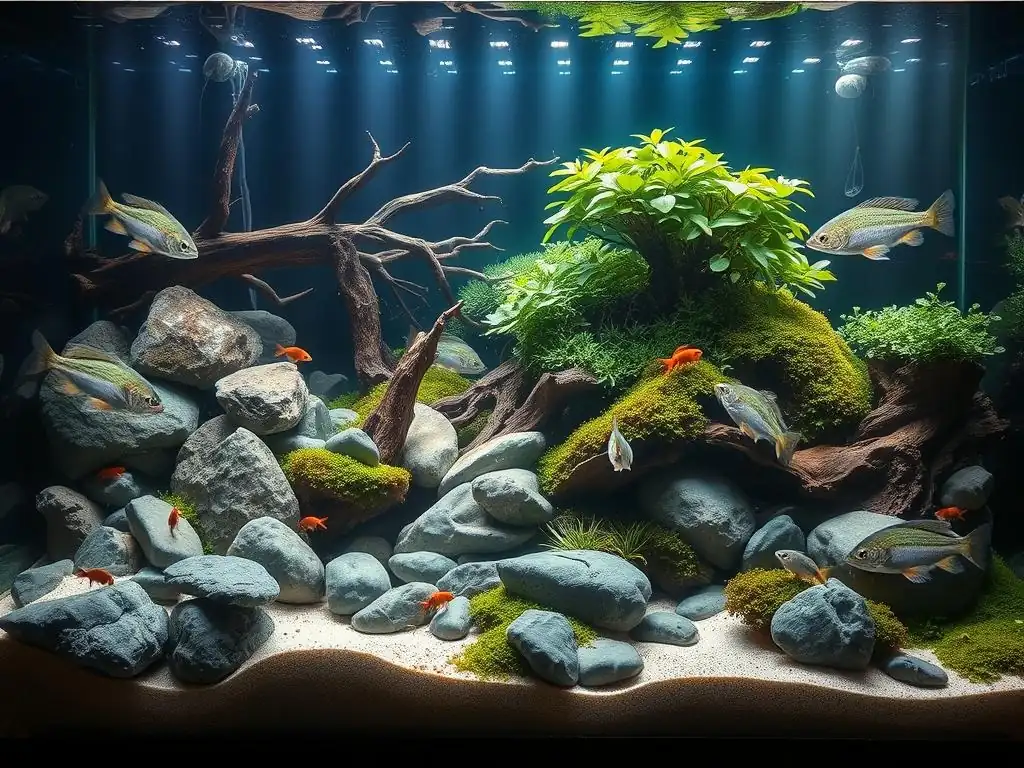
Ever wondered if your dream of a thriving, diverse community tank featuring adorable Corydoras can become a reality, or if it's just a recipe for underwater chaos? Our latest article, a Corydoras tank compatibility guide, dives deep into the secrets of creating a harmonious environment for these bottom-dwelling buddies. Uncover the ideal tank mates, learn what to avoid, and unlock the potential of your freshwater aquarium. Intrigued? Let's explore the fascinating world of Corydoras together!
- Understanding Corydoras Compatibility
- Planning Your Multi-Corydoras Species Aquarium
- Selecting Compatible Corydoras Species
- Introducing Corydoras to Your Aquarium
- Maintaining a Thriving Multi-Corydoras Tank Environment
- Corydoras Breeding Considerations in a Community Tank
- Troubleshooting Common Problems in Multi-Species Corydoras Tanks
- Ideal Corydoras Community Tank Mates
- Case Studies: Successful Multi-Species Corydoras Aquariums
- Achieving Corydoras Tank Harmony: A Recap of Best Practices
-
Frequently Asked Questions
- How many Corydoras should I keep in a multi-species tank?
- What are some good tank mates for Corydoras in a multi-species aquarium?
- What are the key water parameters to maintain for a healthy Corydoras tank?
- How can I ensure that my Corydoras get enough food in a community tank?
- What are some signs of stress or illness in Corydoras that I should watch out for?
- Final Reflection: Cultivating Harmony in the Aquatic Realm
- Dive Deeper into Corydoras Bliss!
Understanding Corydoras Compatibility
Exploring Corydoras Species Diversity for Community Tanks
Corydoras catfish encompass an incredibly diverse genus, with over 160 recognized species and many more undescribed variations, making the selection for a multi-species Corydoras tank compatibility guide a fascinating challenge. These peaceful bottom-dwellers originate from various South American river systems, leading to differences in their preferred habitats, sizes, and subtle behavioral traits.
For instance, the common Peppered Cory ( Corydoras paleatus) can reach sizes of 2.5 to 3 inches, while the Dwarf Cory ( Corydoras pygmaeus) typically remains under an inch, and the elegant Corydoras sterbai often grows to about 2.5 inches. Understanding these size differences is crucial, as it impacts schooling behavior and overall tank dynamics.
Beyond size, their natural habitats influence their ideal water parameters and social structures. Some species, like Corydoras aeneus (Bronze Cory), are widespread and highly adaptable, thriving in a broad range of conditions. Others, such as Corydoras adolfoi or Corydoras panda, may prefer slightly more specific temperature ranges or water chemistries.
While most Corydoras are schooling fish that benefit from groups of at least six of their own kind, observing how different species interact is key to a successful multi-species Corydoras tank compatibility guide. A well-planned community can exhibit fascinating inter-species schooling, where different Corydoras groups might mingle or even school together, demonstrating true harmony.
Key Considerations for Corydoras Tank Mates
When considering tank mates for Corydoras, whether other Corydoras species or other fish, the primary focus must be on peacefulness and shared environmental needs. Corydoras are known for their calm demeanor and delicate barbels, which can be easily damaged by aggressive or boisterous tank mates.
Ideal companions are small to medium-sized, non-aggressive fish that occupy different water columns, such as tetras (e.g., Neon Tetras, Cardinal Tetras), rasboras (e.g., Harlequin Rasboras), or small peaceful dwarf cichlids like German Blue Rams, provided the tank size is adequate. It's vital to avoid fin-nippers or highly territorial species that might stress or injure your Corydoras.
Furthermore, water parameters and feeding habits are critical. Most Corydoras thrive in soft to moderately hard water with a neutral to slightly acidic pH (typically pH 6.0-7.5) and temperatures ranging from 72-78°F (22-26°C), though some species have narrower preferences. Ensure that any chosen tank mates share these general requirements to minimize stress and promote health across the entire aquarium.
Also, consider feeding competition; fast-eating, mid-water fish can consume all the food before it reaches the bottom, depriving the Corydoras. Supplementing with sinking pellets or wafers after lights out can ensure your Corydoras receive adequate nutrition, making this a vital part of any Corydoras tank compatibility guide.
Planning Your Multi-Corydoras Species Aquarium
Tank Size and Dimensions for Multiple Corydoras Schools
The physical dimensions of your aquarium are paramount when planning a multi-species Corydoras setup, as these bottom-dwelling fish require ample footprint for foraging and schooling. For smaller Corydoras species like Corydoras pygmaeus, C. hastatus, or C. habrosus, a 10-gallon tank can house a single school of 6-8 individuals.
However, for a multi-species Corydoras tank compatibility guide featuring two or more distinct schools, a 20-gallon long aquarium (approximately 30"L x 12"W x 12"H) is often considered a minimum. This longer footprint provides significantly more bottom area than a standard 20-gallon high, allowing different schools to establish their territories or intermingle without feeling overcrowded.
For larger Corydoras species, such as Corydoras sterbai, C. aeneus, or C. julii, or for combining several schools of medium-sized species, a 40-gallon breeder tank (approximately 36"L x 18"W x 16"H) is an excellent choice. The 18-inch width of a breeder tank offers an exceptional amount of floor space, which is far more beneficial for Corydoras than vertical height.
This increased footprint reduces competition for foraging areas, minimizes stress, and encourages natural schooling behaviors among different species. For example, a 40-gallon breeder could comfortably house a school of 8 Corydoras sterbai and a school of 8 Corydoras panda, along with other appropriate tank mates, demonstrating optimal Corydoras tank compatibility guide principles.
Substrate Selection: Optimizing for Corydoras Welfare
The choice of substrate is one of the most critical factors for the long-term health and well-being of Corydoras catfish. These fish naturally sift through the substrate with their delicate barbels in search of food. Therefore, a fine, soft substrate is absolutely essential.
The best option is aquarium-safe sand, such as play sand, pool filter sand, or specialized aquarium sands like CaribSea Super Naturals. A depth of at least 1-2 inches of sand allows them to exhibit their natural sifting behavior, which is not only enriching but also helps keep their barbels healthy and intact. Sharp or abrasive substrates, such as coarse gravel, can severely abrade their barbels, leading to infections and a reduced ability to locate food, directly impacting their welfare in any Corydoras tank compatibility guide.
When using sand, regular maintenance is important to prevent anaerobic pockets, although Corydoras themselves do a good job of stirring it up. Gently raking the sand during water changes or introducing Malaysian Trumpet Snails can further aid in aeration. Avoid substrates that are chemically active unless specifically desired for water parameter manipulation and ensure they are not sharp.
While inert, smooth gravel (like small, rounded river pebbles) can sometimes be tolerated by Corydoras, it does not allow for their natural sifting behavior and is generally inferior to sand. Opting for sand maximizes their comfort and allows them to display their full range of natural behaviors, which is a cornerstone of a successful multi-species Corydoras tank compatibility guide.
Corydoras-Friendly Aquarium Decor and Hiding Places
Thoughtful aquarium decor plays a vital role in creating a secure and stimulating environment for Corydoras, contributing significantly to their overall well-being and integration into a multi-species tank. These fish, while often active, appreciate numerous hiding spots where they can retreat when feeling stressed or needing rest. Smooth, rounded rocks, driftwood pieces, and ceramic caves are excellent choices. Ensure that any decor items are free of sharp edges or rough surfaces that could injure their sensitive barbels or bodies. For example, a piece of Mopani wood with several crevices provides both shelter and foraging opportunities as biofilm develops.
Live plants are also highly beneficial, offering both cover and a natural aesthetic. Broad-leafed plants like Anubias or Amazon Swords provide shaded resting spots, while dense planting areas using plants like Java Fern or Cryptocoryne species offer excellent hiding places. Floating plants can help diffuse light, which many Corydoras appreciate as they are often found in shaded, slow-moving waters in their natural habitat.
When arranging decor, ensure there are still ample open sand areas for foraging, balancing shelter with access to the substrate. This balance is crucial for a harmonious multi-species Corydoras tank compatibility guide, allowing each fish to feel secure and express natural behaviors.
Selecting Compatible Corydoras Species
Corydoras Temperament and Behavior: Identifying Peaceful Species
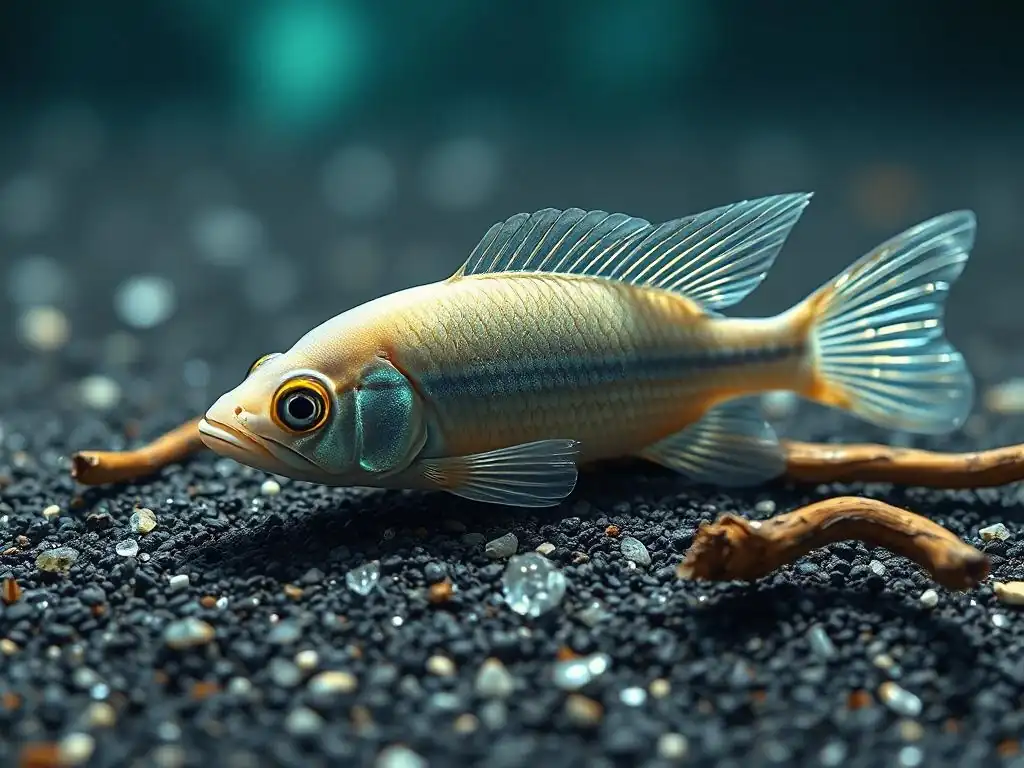
When building a multi-species Corydoras tank, understanding the general temperament and behavioral patterns of different Corydoras species is paramount for a harmonious community. Fortunately, the vast majority of Corydoras are inherently peaceful and social fish, making them excellent candidates for community tanks. They are known for their calm demeanor, often seen diligently sifting through the substrate or resting quietly.
While some species might be a bit shyer (e.g., Corydoras panda) and others more outgoing (e.g., Corydoras aeneus), significant inter-species aggression among Corydoras is exceedingly rare. Their primary social need is to be kept in schools of at least six individuals of their own species to thrive and feel secure.
However, observing subtle behavioral cues can help ensure optimal Corydoras tank compatibility guide outcomes. For example, some species like Corydoras pygmaeus or C. hastatus are known to spend more time in the mid-water column than their larger, strictly bottom-dwelling cousins, which can help distribute activity throughout the tank. While they are not territorial in the aggressive sense, providing enough space and hiding spots prevents any potential stress from overcrowding, especially when combining multiple schools.
A healthy Corydoras will be active, constantly sifting, and exhibit vibrant coloration, indicating a stress-free environment. Any signs of clamped fins, rapid breathing, or hiding excessively could indicate underlying stress, which might be related to incompatible tank mates or environmental factors.
Size Considerations: Avoiding Bullying Among Corydoras
Size is a critical factor when selecting multiple Corydoras species for a single aquarium, not necessarily due to direct aggression, but more to prevent competition and intimidation. While Corydoras are peaceful, significantly larger species can inadvertently outcompete smaller ones for food or simply make them feel less secure due to their physical presence.
For example, combining a school of 3-inch Corydoras aeneus with a school of 0.8-inch Corydoras pygmaeus in a smaller tank (e.g., 20 gallons) might lead to the smaller pygmaeus becoming more reclusive, even if no direct aggression occurs. The larger fish might also consume food faster, leaving less for their smaller counterparts.
A good rule of thumb for a multi-species Corydoras tank compatibility guide is to group species of similar mature sizes, especially if tank space is limited. Alternatively, if mixing large and small species, ensure the tank is generously sized (e.g., 40 gallons or more) to provide ample foraging areas and allow the smaller species to feel secure.
For instance, a 40-gallon breeder could comfortably house a school of 8 Corydoras sterbai (medium-large) and a school of 8 Corydoras panda (medium), as their size difference is less pronounced and the tank offers plenty of space. When introducing food, scatter it widely to ensure all individuals, regardless of size, have access, promoting a balanced and harmonious feeding environment.
Preferred Water Parameters: Matching Species Needs
While many Corydoras species are relatively adaptable, achieving optimal Corydoras tank compatibility guide in a multi-species setup requires attention to their preferred water parameters. Most Corydoras thrive in soft to medium-hard water with a slightly acidic to neutral pH, typically ranging from pH 6.0 to 7.5. The ideal temperature range for most common species is between 72°F and 78°F (22°C to 26°C).
However, there are nuances; for instance, Corydoras sterbai are known to prefer slightly warmer temperatures, often thriving closer to 76-80°F (24-27°C), making them excellent companions for Discus or Rams. Conversely, species like Corydoras paleatus are more tolerant of cooler temperatures down to 70°F (21°C).
The key is to select species whose optimal ranges overlap significantly. Attempting to house species with vastly different requirements (e.g., one preferring very soft, acidic water and another hard, alkaline water) will inevitably stress at least one group, leading to poor health and a compromised immune system. Regularly monitor your tank's pH, GH (general hardness), KH (carbonate hardness), and temperature.
Consistency is often more important than hitting exact numbers, as sudden fluctuations can be highly stressful. Aiming for parameters within the middle ground of the chosen species' preferred ranges will foster a stable and healthy environment for all inhabitants in your multi-species Corydoras tank compatibility guide.
Introducing Corydoras to Your Aquarium
Acclimation Process: Minimizing Stress for New Corydoras
Proper acclimation is a critical step in ensuring the long-term health and successful integration of new Corydoras into your multi-species tank, minimizing stress and preventing shock. The drip acclimation method is highly recommended for Corydoras due to their sensitivity to sudden changes in water parameters. Begin by floating the sealed bag containing the new Corydoras in your aquarium for 15-20 minutes to equalize temperature.
After this, open the bag and gently roll down the edges to form a floatation ring. Using an air line tubing and a small knot or valve, set up a slow drip of tank water into the bag, aiming for about 1-2 drips per second.
Allow this process to continue for at least 45-60 minutes, or until the volume of water in the bag has tripled. This gradual introduction of your tank's water parameters allows the fish's internal systems to slowly adjust to changes in pH, temperature, and hardness. Once acclimated, net the Corydoras out of the bag and gently release them into the aquarium.
Avoid adding the bag water to your tank, as it may contain ammonia, medications, or pathogens from the fish store. Dimming the aquarium lights during and immediately after introduction can further reduce stress, providing a calm entry point into their new home, which is vital for a thriving Corydoras tank compatibility guide.
Observation Period: Monitoring for Signs of Aggression or Illness
After introducing new Corydoras, a diligent observation period is essential for at least the first 7-10 days to monitor for signs of stress, illness, or unexpected compatibility issues within your multi-species Corydoras tank compatibility guide. Observe their behavior: are they actively foraging, schooling with their own kind, or exploring their new environment? Healthy Corydoras should exhibit natural behaviors, such as sifting through the substrate, resting in groups, and showing curiosity. Signs of stress include clamped fins, rapid gill movement, hiding excessively, refusing to eat, or unusual swimming patterns.
Pay close attention to their physical appearance as well. Look for any white spots (Ich), fungal growths, fin rot, redness, or lesions. Check their barbels for any signs of damage or erosion, which could indicate a problem with the substrate or water quality. If you notice any signs of aggression, such as fin-nipping from other tank mates or unusual chasing, identify the aggressor and consider isolating them if the behavior persists. Early detection and intervention are key to preventing the spread of disease or escalating conflicts, ensuring the long-term harmony of your multi-species Corydoras tank.
Feeding Strategies for a Multi-Species Corydoras Tank
Effective feeding strategies are crucial in a multi-species Corydoras tank to ensure all individuals receive adequate nutrition without overfeeding the entire system. Corydoras are omnivores with a preference for sinking foods, as they forage along the bottom. High-quality sinking pellets, wafers, and granules specifically designed for bottom-feeders should form the staple of their diet. Supplement this with frozen foods like bloodworms, brine shrimp, and daphnia, which provide essential proteins and variety. Live foods, such as blackworms, can also be offered periodically as a treat and to encourage natural foraging behaviors.
When feeding, consider the activity of other tank mates. Fast-swimming, mid-water fish can quickly consume flake food before it reaches the bottom, leaving your Corydoras underfed. To counteract this, feed your Corydoras after the main lights are off or just before they come on, when other fish are less active.
Scatter sinking foods across different areas of the substrate to ensure all individuals, including shyer ones, have access. Overfeeding can lead to poor water quality and algae blooms, so feed small amounts 2-3 times a day, only what they can consume within 5-10 minutes. This disciplined approach is a cornerstone of a successful Corydoras tank compatibility guide, promoting robust health and a clean environment.
Maintaining a Thriving Multi-Corydoras Tank Environment
Regular Water Changes and Water Quality Monitoring
Maintaining pristine water quality is the single most important factor for the health and longevity of Corydoras in a multi-species tank. Regular partial water changes are essential to remove accumulated nitrates, phosphates, and other pollutants, while replenishing essential minerals. For a well-established multi-species Corydoras tank, a weekly water change of 20-30% is generally recommended. Always use dechlorinated water that is temperature-matched to your aquarium to prevent shock. Gravel vacuuming the substrate during water changes is crucial to remove uneaten food and fish waste that can accumulate in the sand, preventing the buildup of harmful compounds.
Consistent water quality monitoring provides crucial insights into your tank's health. Test kits for ammonia, nitrite, and nitrate are indispensable. Ammonia and nitrite should always read 0 ppm in a cycled tank.
Nitrate levels should ideally be kept below 20 ppm, though some aquarists aim for even lower. Regularly check pH, GH, and KH to ensure they remain stable and within the preferred range for your specific Corydoras species. Any sudden fluctuations or persistent high levels of harmful compounds indicate a need for more frequent or larger water changes, or an investigation into the source of the issue, making this a core principle of any Corydoras tank compatibility guide.
Preventing and Treating Common Corydoras Diseases
While Corydoras are generally hardy fish, they can be susceptible to certain diseases, particularly if water quality is poor, or they are stressed. Prevention is always the best approach, centered on maintaining stable water parameters, providing a varied and nutritious diet, and avoiding overcrowding. Ich (white spot disease) is one of the most common ailments, often triggered by temperature fluctuations or stress from new introductions.
Fungal infections and bacterial infections (e.g., fin rot, red blotch disease) can also occur, often stemming from poor water quality or physical injury. Barbel erosion, characterized by the shortening or disappearance of their delicate barbels, is a specific issue often caused by abrasive substrates or chronically poor water quality.
If disease strikes, prompt identification and treatment are crucial. For Ich, a gradual increase in tank temperature to 82-84°F (28-29°C) combined with aeration and salt treatment (1 tablespoon per 5 gallons) can be effective for most Corydoras.
For bacterial or fungal infections, broad-spectrum aquarium medications may be necessary, but always research the specific medication's safety for scaleless fish like Corydoras, as they are sensitive to many common fish medications. Quarantining new fish for 2-4 weeks before adding them to the main tank is an excellent preventative measure for a multi-species Corydoras tank compatibility guide, minimizing the risk of introducing pathogens.
Identifying and Addressing Potential Compatibility Issues
Even with careful planning, potential compatibility issues can arise in a multi-species Corydoras tank. These issues are rarely outright aggression between Corydoras species themselves, but rather subtle signs of stress or competition. One common issue is uneven feeding, where more dominant or faster-feeding Corydoras species might consume most of the food, leaving shyer or smaller species underfed. This can be addressed by scattering food widely, feeding in multiple spots, or offering food after the main lights are off. Another subtle issue could be one species constantly "hogging" a favorite hiding spot, making others feel insecure.
If you observe a specific Corydoras species consistently hiding, showing clamped fins, or appearing emaciated despite regular feeding, it's a strong indicator of stress or a compatibility problem. While direct aggression from other Corydoras is unlikely, non-Corydoras tank mates might be the culprits. Fin-nipping or constant chasing by other fish species can severely stress Corydoras. If such behavior is observed, consider removing the aggressive tank mate or re-evaluating the overall stocking density. Sometimes, simply adding more hiding spots or increasing the tank size can alleviate stress and restore harmony, reinforcing the importance of a well-researched Corydoras tank compatibility guide.
Corydoras Breeding Considerations in a Community Tank
Creating Suitable Breeding Conditions for Corydoras
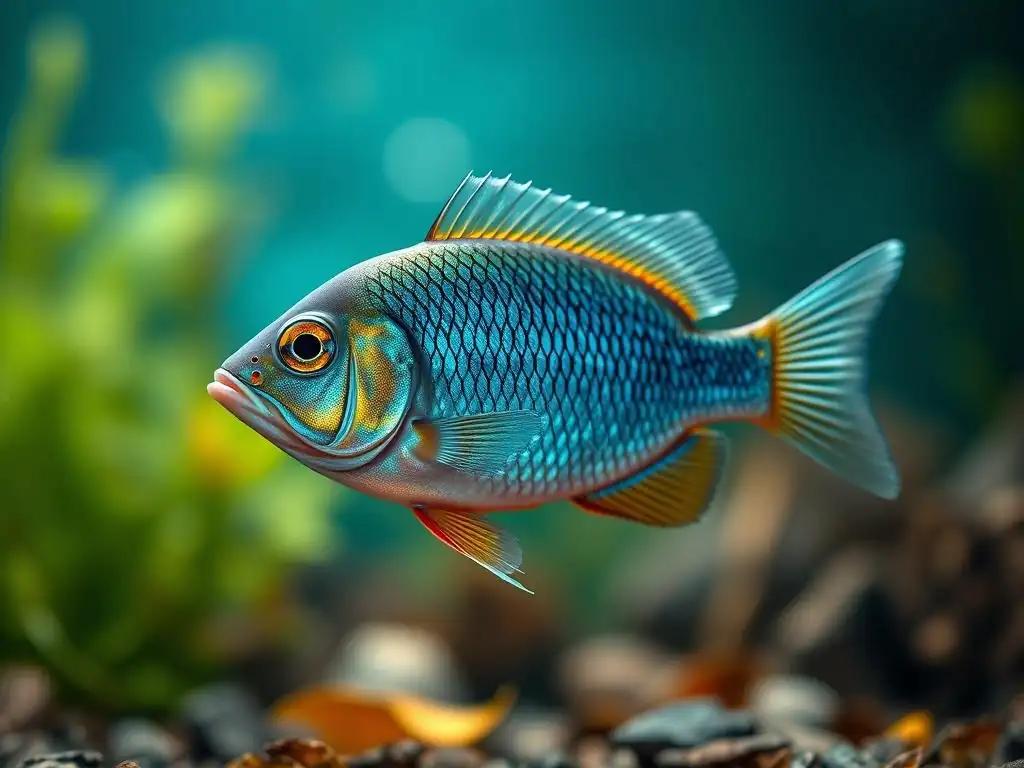
Breeding Corydoras in a community tank, while challenging, is certainly possible and a rewarding experience. The primary trigger for most Corydoras species to spawn is a significant drop in temperature (typically 5-10°F or 3-6°C) combined with a large, cool water change (e.g., 50% or more) and increased feeding of high-protein live or frozen foods like bloodworms or blackworms. This mimics the onset of the rainy season in their natural habitats. Providing plenty of broad-leafed plants (like Anubias or Amazon Swords), smooth rocks, or even a spawning mop offers surfaces for them to deposit their adhesive eggs.
Water parameters should be soft and slightly acidic for optimal egg development, though many species will spawn in a wider range. Ensuring excellent water quality with low nitrates is paramount. While a single species might be easier to trigger, a multi-species Corydoras tank compatibility guide can still see breeding if the conditions are met.
Often, several males will chase a gravid female, leading to the "T-position" where eggs are fertilized. If you desire to raise the fry, it's often best to move the eggs to a separate rearing tank, as they are highly vulnerable to predation in a community setting.
Protecting Corydoras Eggs and Fry in a Community Setting
Protecting Corydoras eggs and fry in a community tank is a significant challenge, as most adult fish, including the parent Corydoras themselves, will readily consume eggs and newly hatched fry. Corydoras eggs are typically laid on broad leaves, tank glass, or decor, making them visible and vulnerable.
If your goal is to raise the fry, the most effective method is to gently remove the eggs from the main tank and place them in a separate "fry tank" or breeder box. This small tank should contain aged aquarium water, an air stone for gentle circulation, and possibly a few drops of methylene blue to prevent fungal growth on the eggs.
If leaving eggs in the community tank, your chances of fry survival are minimal. However, increasing dense plant cover (e.g., Java Moss, Hornwort) can offer some refuge for any fry that manage to hatch. Newly hatched Corydoras fry are tiny and require microscopic foods like infusoria for the first few days, transitioning to finely crushed flakes or specialized fry foods as they grow. Without dedicated intervention, the vast majority of eggs and fry will become a food source for other tank inhabitants, highlighting the difficulty of a successful Corydoras tank compatibility guide for breeding in community settings.
Managing Population Growth in Your Corydoras Tank
Managing population growth in a multi-species Corydoras tank, particularly if breeding occurs, is an important consideration to prevent overcrowding. As mentioned, most eggs and fry will be consumed by other tank inhabitants in a typical community setup, which naturally controls population. However, if you are actively removing and raising fry, or if your tank conditions are exceptionally favorable for survival, you might find yourself with a rapidly increasing Corydoras population. Overcrowding leads to increased bioload, higher nitrate levels, and stress for the fish, potentially leading to disease outbreaks.
If you find yourself with an excess of Corydoras, several options exist. The most common is to find new homes for them with other aquarists, either through local fish clubs, online forums, or by donating them to a local fish store. Avoid releasing them into local waterways, as this can introduce invasive species and diseases.
If a species is breeding too prolifically, you might consider adjusting feeding habits (reducing high-protein foods that trigger spawning) or slightly altering water parameters to make them less ideal for breeding, while still maintaining conditions suitable for adult health. This proactive management is key to maintaining a balanced and healthy Corydoras tank compatibility guide over the long term.
Troubleshooting Common Problems in Multi-Species Corydoras Tanks
Identifying Signs of Stress in Corydoras
Identifying signs of stress in Corydoras is crucial for early intervention and maintaining a healthy multi-species tank. Stressed Corydoras will often exhibit changes in behavior and physical appearance. Behaviorally, they might become unusually reclusive, hiding more than usual, or conversely, become frantic and swim erratically. They might also stop sifting through the substrate, a primary natural behavior. Loss of appetite or refusal to eat sinking foods is another strong indicator. Physically, stressed Corydoras may display clamped fins (held close to the body), duller coloration, or rapid gill movement indicating respiratory distress.
Other subtle signs include listlessness, sitting motionless for extended periods, or rubbing against decor or substrate. If you observe any of these symptoms, it's imperative to investigate the cause. Common stressors in a Corydoras tank compatibility guide include poor water quality (high ammonia, nitrite, or nitrate), inappropriate water parameters (temperature, pH), aggressive tank mates, insufficient hiding places, or an inadequate school size (Corydoras feel more secure in groups of 6+). Addressing the underlying cause promptly is essential to prevent the onset of disease and restore their well-being.
Addressing Fin Nipping and Territorial Disputes
While Corydoras themselves are rarely fin-nippers or territorial within their own species or with other Corydoras, they can be victims of such behavior from other tank mates. If you observe fin-nipping on your Corydoras, characterized by ragged or torn fins, the first step is to identify the culprit. Common fin-nippers include certain species of barbs (e.g., Tiger Barbs), some cichlids, or even overly boisterous tetras if the tank is too small. Once identified, you have several options:
- Remove the aggressor: The most direct solution is to rehome the fin-nipping fish.
- Increase tank size: A larger tank can sometimes dilute aggression by providing more space and territories, allowing victims to escape.
- Add more hiding spots: Dense planting and decor can provide refuge for the Corydoras.
- Increase school size of aggressor: For some schooling nippers (like Tiger Barbs), increasing their own school size can sometimes redirect their aggression towards each other rather than other tank inhabitants.
Territorial disputes are rare among Corydoras themselves, but if two different species of Corydoras appear to be competing for a specific spot, it usually indicates insufficient space or too few hiding places. Adding more decor or increasing the tank footprint can alleviate this. Consistent monitoring and understanding the temperament of all your tank inhabitants are key to maintaining a peaceful Corydoras tank compatibility guide.
Managing Algae Growth and Its Impact on Corydoras
Algae growth is a common issue in aquariums, and while often harmless, excessive amounts can negatively impact a multi-species Corydoras tank. Heavy algae blooms, particularly on the substrate, can make it difficult for Corydoras to sift for food efficiently. Green spot algae on glass or decor can be unsightly, and hair algae can entangle plants and even fish.
While Corydoras are not primary algae eaters, some species might occasionally graze on soft algae. The root causes of excessive algae are typically too much light, excess nutrients (high nitrates and phosphates from overfeeding or infrequent water changes), or an imbalance in the tank's ecosystem.
Managing algae involves a multi-pronged approach:
- Reduce lighting periods: Limit aquarium lights to 8-10 hours per day.
- Perform regular water changes: As discussed, this removes excess nutrients.
- Avoid overfeeding: Only feed what your fish can consume quickly.
- Introduce algae-eating invertebrates: Snails (e.g., Nerite snails, Mystery snails) or Amano shrimp are excellent algae eaters and are compatible with Corydoras.
- Manual removal: Scrape algae from glass and gently remove it from decor and plants.
- Increase live plants: Healthy, fast-growing plants compete with algae for nutrients.
By controlling algae, you ensure that your Corydoras have clear access to the substrate for foraging and that the overall water quality remains high, contributing to a thriving and aesthetically pleasing Corydoras tank compatibility guide.
Ideal Corydoras Community Tank Mates
Suitable Tank Mates: Fish that Coexist Peacefully with Corydoras
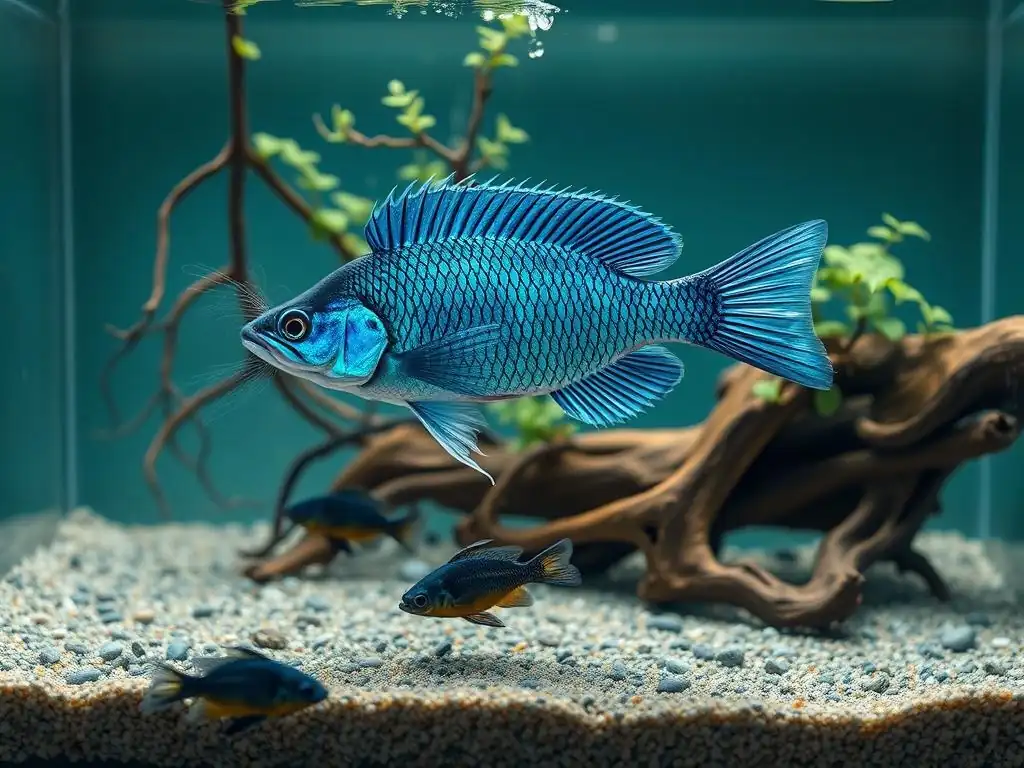
Selecting appropriate fish tank mates is crucial for the success of a multi-species Corydoras tank compatibility guide. The best companions are peaceful, non-aggressive species that primarily occupy the middle or upper water columns, leaving the bottom free for your Corydoras. Ideal choices include:
- Small Tetras: Species like Neon Tetras ( Paracheirodon innesi), Cardinal Tetras ( Paracheirodon axelrodi), Ember Tetras ( Hyphessobrycon amandae), and Rummy-nose Tetras ( Hemigrammus bleheri) are excellent due to their peaceful nature and schooling behavior. They stay mostly in the mid-water, posing no threat to Corydoras.
- Rasboras: Harlequin Rasboras ( Trigonostigma heteromorpha), Chili Rasboras ( Boraras brigittae), and Lambchop Rasboras ( Trigonostigma espei) are similarly peaceful and occupy the mid-to-upper tank regions.
- Dwarf Gouramis: Small, peaceful gourami species like the Honey Gourami ( Trichogaster chuna) or the sparkling Gourami ( Trichopsis pumila) can add character without threatening Corydoras, provided the tank is sufficiently sized.
- Small, Peaceful Cichlids: Certain dwarf cichlids, such as German Blue Rams ( Mikrogeophagus ramirezi) or Bolivian Rams ( Mikrogeophagus altispinosus), can coexist well in larger tanks (30+ gallons) if they have their own territories and are not overly aggressive individuals.
- Otos (Otocinclus catfish): These small, peaceful algae eaters are perfect bottom-dwelling companions, sharing similar water parameter preferences and not competing with Corydoras for food.
Avoid any fish known for fin-nipping, aggression, or large predatory mouths that could potentially swallow a Corydoras.
Invertebrates as Tank Mates: Snails and Shrimp Compatibility
Invertebrates can be fantastic additions to a multi-species Corydoras tank, contributing to tank cleaning and adding visual interest, while generally being excellent for a Corydoras tank compatibility guide.
- Snails: Most peaceful snail species are highly compatible with Corydoras. Nerite Snails ( Neritina natalensis) are excellent algae eaters that won't overpopulate the tank as they require brackish water to breed. Mystery Snails ( Pomacea bridgesii) are also good scavengers. Malaysian Trumpet Snails ( Melanoides tuberculata) are particularly beneficial as they burrow into the substrate, helping to aerate the sand and prevent anaerobic pockets, which is great for Corydoras. Avoid assassin snails if you have other desirable snails, as they will hunt them.
- Shrimp: Dwarf shrimp species like Cherry Shrimp ( Neocaridina davidi) or Amano Shrimp ( Caridina multidentata) can coexist peacefully with Corydoras. Amano shrimp are particularly valued for their voracious algae-eating habits. While Corydoras might occasionally eat a very small, newly hatched shrimp fry, they are generally not predatory towards adult dwarf shrimp. Ensure the tank has plenty of hiding spots (e.g., Java Moss, leaf litter) for shrimp to feel secure and breed. These invertebrates add another layer of biodiversity and functionality to your Corydoras community.
Plants for a Corydoras Community Tank: Enhancing the Environment
Live plants are an invaluable asset in a multi-species Corydoras tank, contributing significantly to water quality, aesthetics, and providing essential environmental enrichment. They are a core component of any comprehensive Corydoras tank compatibility guide. Plants absorb nitrates, help oxygenate the water, and provide natural filtration. More importantly for Corydoras, they offer vital shelter and resting spots.
- Broad-leafed plants: Species like Amazon Swords ( Echinodorus amazonicus), Anubias ( Anubias barteri), and Cryptocoryne species ( Cryptocoryne wendtii) are excellent choices. Their broad leaves provide shaded areas where Corydoras can rest or lay eggs. Anubias can be attached to driftwood or rocks, preventing their rhizomes from being buried in the sand, which would cause rot.
- Stem plants: Densely planted stem plants such as Ludwigia, Rotala, or Bacopa provide excellent cover and can be trimmed to create specific layouts.
- Mosses and low-growing plants: Java Moss ( Taxiphyllum barbieri) and Christmas Moss ( Vesicularia montagnei) can be tied to driftwood or rocks, offering intricate hiding places for both adult Corydoras and any potential fry. Dwarf hairgrass or Monte Carlo can create a lush carpet, though ensure there are still open sand areas for foraging.
- Floating plants: Frogbit ( Limnobium laevigatum) or Dwarf Water Lettuce ( Pistia stratiotes) can help diffuse light, which many Corydoras appreciate as they prefer dimmer conditions. They also absorb excess nutrients.
When planting, ensure that the substrate is deep enough for root growth (if applicable) and that there are still ample open sand areas for the Corydoras to sift and forage freely. This balance creates a natural, secure, and thriving environment.
Case Studies: Successful Multi-Species Corydoras Aquariums
Example 1: Corydoras Habrosus, Pygmaeus and Hastatus in a 20 Gallon Long
A prime example of a harmonious multi-species Corydoras tank compatibility guide involves a 20-gallon long aquarium (30"L x 12"W x 12"H) housing three species of dwarf Corydoras: Corydoras habrosus (Salt & Pepper Cory), Corydoras pygmaeus (Dwarf Cory), and Corydoras hastatus (Tailed Cory). This tank was set up with a fine sand substrate (2 inches deep) and heavily planted with Java Moss, Anubias nana petite on driftwood, and a few Cryptocoryne wendtii. Water parameters were maintained at a stable pH of 6.8, GH of 5 dGH, and temperature of 74°F (23°C), with weekly 25% water changes.
The tank included a school of 10 C. habrosus, 12 C. pygmaeus, and 10 C. hastatus. Despite their small individual sizes (all under 1.2 inches), the elongated footprint of the 20-gallon long provided sufficient horizontal space for each species to form its own distinct school while also allowing for inter-species mingling. The C. pygmaeus often occupied the mid-water column, darting among the plants, while C. habrosus and C. hastatus primarily sifted the sand.
This natural partitioning of the tank column, combined with ample hiding spots, prevented any competition and allowed all species to thrive. Daily feeding with micro-pellets and occasional baby brine shrimp ensured all individuals received adequate nutrition, demonstrating successful dwarf Corydoras cohabitation.
Example 2: Corydoras Sterbai, Adolfoi and Melanistius in a 40 Breeder
A larger, equally successful multi-species Corydoras tank compatibility guide can be found in a 40-gallon breeder aquarium (36"L x 18"W x 16"H). This setup featured a school of 8 Corydoras sterbai, 8 Corydoras adolfoi, and 6 Corydoras melanistius. The tank utilized a 3-inch deep bed of pool filter sand, large pieces of driftwood forming caves, and robust plants like Amazon Swords and Java Ferns attached to the decor. Water parameters were kept stable at pH 7.0, GH 8 dGH, and a slightly warmer temperature of 78°F (26°C), with bi-weekly 30% water changes.
The generous 18-inch width of the 40-gallon breeder was instrumental in the success of this community. It provided an expansive foraging area for these medium-sized Corydoras (ranging from 2 to 2.5 inches), preventing any perceived competition for space. The C. sterbai often grouped together, displaying their vibrant orange pectoral fins, while the C. adolfoi with their distinctive orange blotch on the head, formed a separate, though often intermingling, school.
The C. melanistius provided a darker contrast. Feeding consisted of high-quality sinking wafers and weekly offerings of frozen bloodworms, ensuring robust health and active behavior across all three species. The ample space and species-appropriate environment allowed for natural schooling, foraging, and resting behaviors without any signs of stress or conflict, showcasing excellent Corydoras tank compatibility guide principles for larger species.
Achieving Corydoras Tank Harmony: A Recap of Best Practices
Key Takeaways for a Thriving Multi-Species Corydoras Aquarium
Achieving harmony in a multi-species Corydoras tank hinges on understanding and diligently applying a few core principles. Firstly, tank size and dimensions are paramount, with a larger footprint (e.g., 20-gallon long, 40-gallon breeder) being far more beneficial than height, providing ample bottom space for foraging and schooling. Secondly, substrate choice is critical; fine, smooth sand is essential to protect their delicate barbels and facilitate natural sifting behaviors. Thirdly, species selection must prioritize compatibility, choosing Corydoras species with similar adult sizes and overlapping water parameter preferences, ensuring each group has at least six individuals for proper schooling.
Furthermore, pristine water quality maintained through regular partial water changes and consistent monitoring of parameters (ammonia, nitrite, nitrate, pH, temperature) is non-negotiable. Providing ample hiding places and varied decor, including live plants, creates a secure and stimulating environment. Finally, thoughtful feeding strategies are necessary to ensure all bottom-dwellers receive adequate nutrition without competition from mid-water fish. By adhering to these guidelines, any aquarist can create a thriving, peaceful, and fascinating multi-species Corydoras tank compatibility guide that showcases the beauty and unique behaviors of these beloved catfish.
Further Resources for Corydoras Care and Compatibility
For those looking to delve deeper into the intricate world of Corydoras care and refine their multi-species Corydoras tank compatibility guide, a wealth of information is available. Dedicated online forums and communities, such as those found on reputable aquarium websites, provide platforms for aquarists to share experiences, ask questions, and troubleshoot specific issues with knowledgeable enthusiasts. These communities often contain discussions on less common Corydoras species, breeding techniques, and advanced tank setups.
Specialized books and scientific articles focusing on South American catfish or specific Corydoras genera can offer in-depth biological information, including natural habitat data, dietary requirements, and detailed breeding protocols. While this article provides a comprehensive overview, consulting multiple reputable sources will enrich your understanding and empower you to make informed decisions for your Corydoras aquarium. Remember that observation is your best tool; spending time watching your fish will reveal their needs and preferences, guiding you toward even greater success in maintaining a harmonious multi-species Corydoras environment.
Frequently Asked Questions
How many Corydoras should I keep in a multi-species tank?
Corydoras are social creatures, so keeping them in groups is essential. Aim for a minimum of six Corydoras of the same species to ensure they feel secure and exhibit natural behaviors. Mixing different Corydoras species requires careful consideration of their individual needs.
What are some good tank mates for Corydoras in a multi-species aquarium?
Ideal tank mates are peaceful, non-aggressive fish that occupy the upper levels of the aquarium. Good choices include small tetras, rasboras, and peaceful gouramis. Avoid fish that are known fin-nippers or are too large and could bully the Corydoras.
What are the key water parameters to maintain for a healthy Corydoras tank?
Corydoras prefer slightly acidic to neutral water conditions. Maintain a pH of between 6.0 and 7.5, a temperature of 72-78°F (22-26°C), and ensure excellent water quality with regular water changes to minimize nitrates.
How can I ensure that my Corydoras get enough food in a community tank?
Corydoras are bottom feeders, so ensure they receive sinking pellets or wafers specifically designed for them. Watch to see if other fish are eating all the food before it reaches the bottom, and consider feeding after lights out to give the Corydoras a better chance.
What are some signs of stress or illness in Corydoras that I should watch out for?
Signs of stress include rapid breathing, clamped fins, and loss of appetite. Watch for signs of illness such as white spots (Ich), fin rot, or unusual swimming behavior. Quarantine sick fish immediately to prevent the spread of disease.
Final Reflection: Cultivating Harmony in the Aquatic Realm
The journey of creating a multi-species Corydoras tank, as we've explored, is a delicate balancing act. The information presented underscores the crucial importance of informed planning and diligent observation when attempting to replicate a harmonious ecosystem within the confines of glass. The potential for both breathtaking beauty and devastating disruption is ever-present, highlighting the responsibility we bear as custodians of these miniature aquatic worlds.
This exploration of Corydoras compatibility has resonated deeply, reminding us that true success in aquascaping lies not just in aesthetics, but in understanding and respecting the needs of our inhabitants. The lessons learned extend beyond the aquarium, mirroring the challenges of fostering diverse communities in any environment. As the renowned aquarist Takashi Amano once said: To know Mother Nature, is to love her smallest creations.
This sentiment encapsulates the profound connection we can forge with the natural world through responsible fishkeeping.
Now, armed with this knowledge, I urge you to reflect on your own approach to creating and maintaining aquatic environments. Consider how you can apply these principles of compatibility and observation to foster not only a thriving Corydoras tank, but also a deeper appreciation for the interconnectedness of life. Let us all strive to be mindful stewards, ensuring the well-being of these fascinating creatures and contributing to a more sustainable future for the aquatic world.
Dive Deeper into Corydoras Bliss!
Thank you for exploring the fascinating world of multi-species Corydoras tanks! We hope you've gained valuable insights into creating a thriving community. Now, let's take that knowledge and turn it into action!
- Start Planning! Begin sketching out your dream Corydoras community tank today. Research compatible species and develop a stocking plan that prioritizes their well-being.
- Share your tank vision! Head over to our forum on AquariumMastery.com and share your Corydoras tank ideas. You might uncover unexpected opportunities or find inspiration from other enthusiasts' projects.
- Observe. Visit local fish stores to observe and study different Corydoras species in their tanks. Notice their behaviour, social interactions, and preferred environments.
What unique hiding place are you considering adding to your multi-species Corydoras haven?