
Corydoras melini: The Diagonal Stripe Cory's Allure

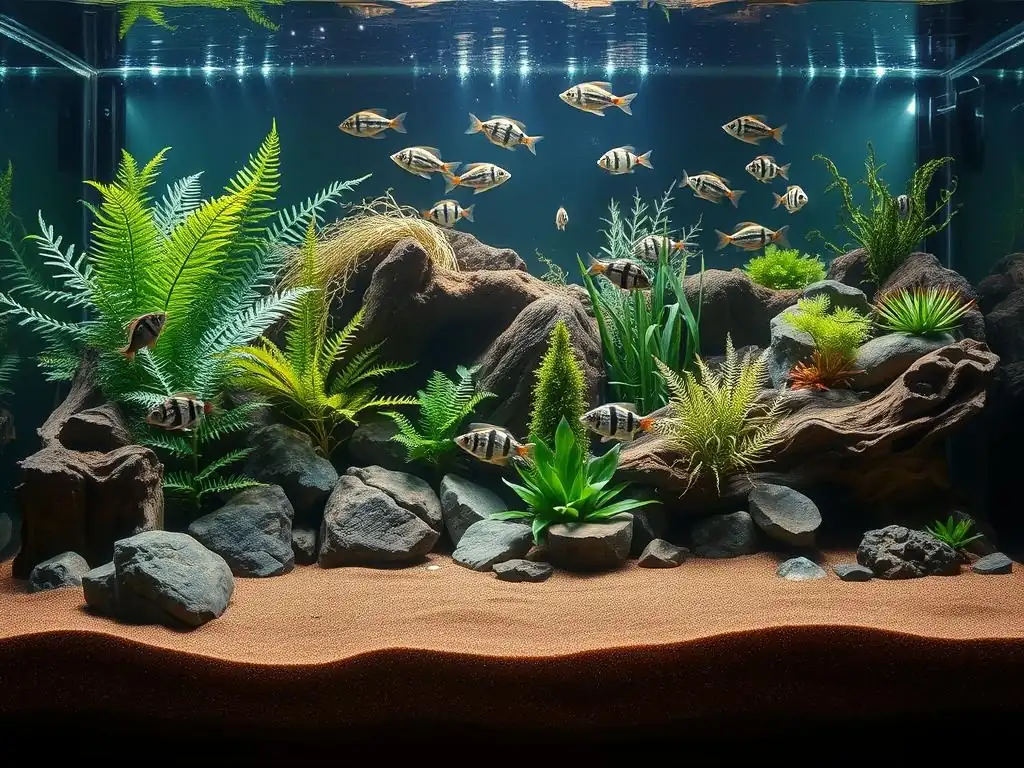
Welcome to Aquarium Mastery!
Ever been captivated by a fish that seems to wear a tiny, stylish stripe? Dive in and explore the fascinating world of Corydoras melini, the Diagonal Stripe Corydoras. Uncover the secrets to providing optimal Diagonal Stripe Corydoras care and discover why this charming little catfish might just be the perfect addition to your freshwater community. Intrigued? Keep reading to unlock the secrets to their happy and healthy life!
- Corydoras melini: The Bandit Cory's Allure
- Introduction to Corydoras melini: A Captivating Bottom Dweller
- Understanding the Bandit Corydoras
- Bandit Corydoras Care: Essential Guidelines
- Bandit Corydoras Tank Mates: Compatibility and Community
- Breeding Corydoras melini: A Guide to Reproduction
- Purchasing Bandit Corydoras: Selection Tips
- Troubleshooting Common Issues with Bandit Corydoras
- Conclusion: Appreciating the Beauty and Grace of Corydoras melini
-
Frequently Asked Questions
- How difficult is it to care for Corydoras melini (Diagonal Stripe Corydoras)?
- What are the ideal water parameters for Diagonal Stripe Corydoras?
- What should I feed my Corydoras melini?
- How many Diagonal Stripe Corydoras should I keep together?
- What tank size is recommended for Diagonal Stripe Corydoras?
- Final Reflection: Appreciating the Delicate Balance
- Unleash the Joy of Corydoras Keeping!
Corydoras melini: The Bandit Cory's Allure
Introduction to Corydoras melini: A Captivating Bottom Dweller
The Corydoras melini, often affectionately known as the Diagonal Stripe Cory or Bandit Cory due to its distinctive facial markings, is a highly sought-after species among freshwater aquarists. Originating from the intricate river systems of South America, these peaceful, schooling catfish are celebrated for their charming personalities, active foraging behaviors, and relatively easy care requirements, making them an excellent choice for both novice and experienced hobbyists. Their unique appearance and beneficial habit of sifting through substrate for leftover food also contribute to a healthier aquarium ecosystem.
This comprehensive guide will delve into every aspect of Corydoras melini care, providing detailed insights into their natural history, specific tank requirements, dietary needs, and breeding behaviors. Understanding the nuances of Diagonal stripe corydoras care is crucial for ensuring these delightful fish thrive in a home aquarium, showcasing their natural beauty and contributing to a vibrant aquatic community. From setting up the ideal habitat to recognizing potential health issues, we aim to equip you with the knowledge necessary to provide optimal conditions for your Bandit Corydoras.
Understanding the Bandit Corydoras
Distinguishing Features of Corydoras melini: Identifying the Bandit Mask
Corydoras melini possesses several key features that allow for its easy identification, most notably the prominent diagonal stripe that gives it one of its common names. This striking black band runs from the top of the head, passing through the eye, and extends downwards towards the gill plate, creating a distinctive "bandit mask" appearance.
The body coloration typically ranges from a silvery-white to a light tan, providing a stark contrast to the dark stripe. Another notable marking is a dorsal fin spot, which is often a solid black patch on the upper portion of the fin, further aiding in identification.
Beyond their coloration, Corydoras melini exhibit the classic Corydoras body shape—a stout, armored body covered in overlapping bony plates, rather than scales. They possess a characteristic downward-pointing mouth surrounded by sensitive barbels, which they use to explore the substrate for food. These barbels are crucial sensory organs, allowing the fish to navigate and locate sustenance in dimly lit or murky conditions. Their pectoral fins are also quite robust, often used to prop themselves up or to provide quick bursts of movement.
Natural Habitat and Origin of Corydoras melini
The Corydoras melini originates from the freshwater river basins of South America, specifically in regions of Colombia and Brazil. They are primarily found in tributaries of the Rio Negro and the Orinoco River system, areas characterized by warm, soft, and acidic water conditions. These environments often feature slow-moving currents, dense aquatic vegetation, and plenty of leaf litter, which provide ample hiding spots and a rich source of detritus and small invertebrates for foraging. The substrate in these natural habitats is typically soft, consisting of fine sand or silt, which is ideal for their bottom-dwelling, sifting behaviors.
Understanding their natural habitat is fundamental to providing optimal Diagonal stripe corydoras care in an aquarium setting. Replicating these conditions, including appropriate water parameters, substrate type, and ample decor, helps to reduce stress and promote natural behaviors. The presence of driftwood and leaf litter, for instance, not only mimics their native environment but also contributes to the desired water chemistry and provides additional foraging opportunities. Observing their natural tendencies, such as schooling and sifting, further emphasizes the importance of a well-designed tank that caters to their instinctual needs.
Size and Lifespan of the Bandit Corydoras
Corydoras melini is considered a medium-sized Corydoras species, typically reaching an adult length of about 1.5 to 2 inches (approximately 4 to 5 cm). Females are generally slightly larger and rounder in the belly area than males, especially when gravid. Their relatively compact size makes them suitable for a variety of aquarium setups, though their schooling nature necessitates sufficient space for a group. Despite their modest dimensions, their active movements and constant foraging add dynamic energy to the lower levels of the tank.
With proper Diagonal stripe corydoras care, including stable water conditions, a balanced diet, and a stress-free environment, these charming fish can enjoy a considerable lifespan. On average, Corydoras melini can live for 5 to 8 years in a well-maintained home aquarium. Some individuals, under exceptional care, have even been known to surpass this range, living up to 10 years or more. Factors such as consistent water quality, appropriate tank mates, and a nutrient-rich diet play a significant role in maximizing their longevity and ensuring a healthy, vibrant life.
Bandit Corydoras Care: Essential Guidelines
Setting Up the Ideal Tank Environment for Corydoras melini
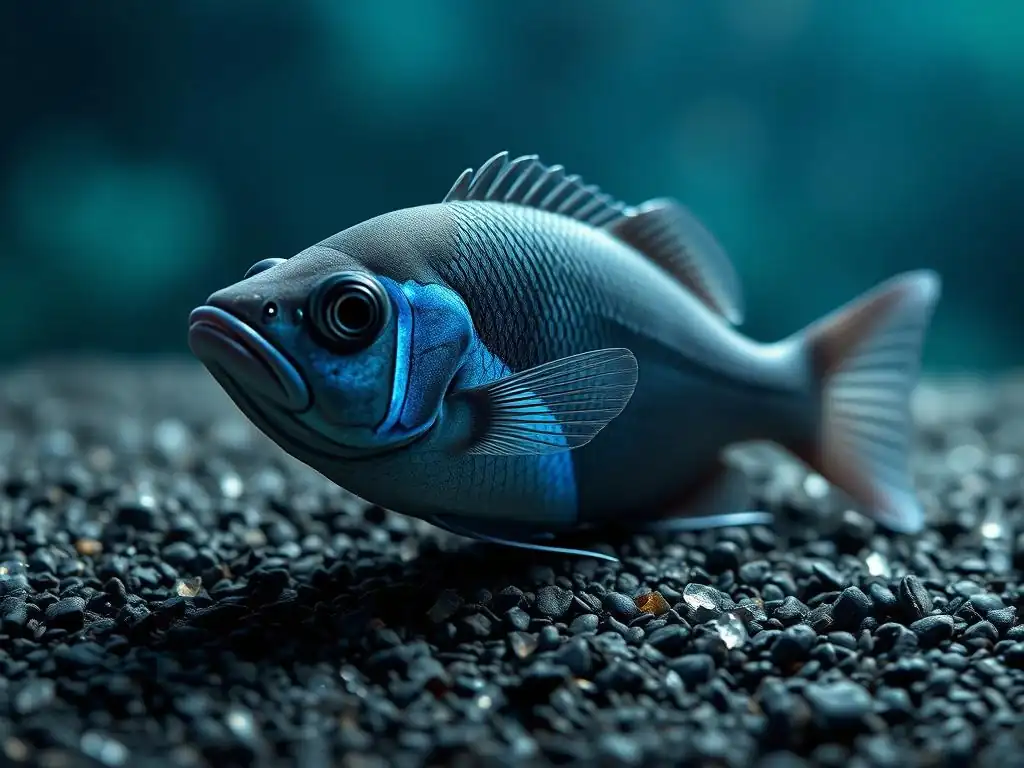
Creating the perfect habitat is paramount for the well-being of your Corydoras melini, ensuring they thrive and exhibit their natural behaviors. The ideal tank environment should closely mimic their native South American rivers, focusing on appropriate tank size, substrate, decor, and water parameters. A well-designed setup reduces stress, prevents health issues, and encourages these peaceful fish to explore and forage actively. Attention to detail in these foundational aspects of Diagonal stripe corydoras care will lay the groundwork for a successful and enjoyable experience for both the fish and the aquarist.
Tank Size Recommendations for a School of Bandit Corydoras
Given their schooling nature, Corydoras melini should always be kept in groups of at least six individuals, though a larger group of 8-10 or more is highly recommended to observe their natural schooling behaviors and reduce individual stress. For a small school of 6-8 Bandit Corydoras, a minimum tank size of 15 to 20 gallons (approximately 57 to 76 liters) is generally recommended. This allows sufficient space for them to forage, swim, and establish a comfortable pecking order without overcrowding.
For larger schools or if you plan to house them in a community tank with other species, a 30-gallon (approximately 114 liters) or larger aquarium would be more suitable. The additional space in larger tanks provides more stable water parameters and greater surface area for foraging, which significantly contributes to effective Diagonal stripe corydoras care. Remember that while they are small, their activity level and need for companionship necessitate adequate room to prevent territorial disputes and promote overall health.
Substrate and Decor Considerations for Corydoras melini's Well-being
The choice of substrate is one of the most critical aspects of Corydoras melini care, directly impacting their health and ability to forage. As bottom-dwellers that constantly sift through the substrate with their sensitive barbels, a fine, soft substrate like sand is absolutely essential. Coarse gravel can damage their delicate barbels, leading to infections and hindering their natural feeding behaviors. A layer of at least 2-3 inches (5-7.5 cm) of fine sand allows them to dig and sift comfortably, mimicking their natural habitat.
In terms of decor, the tank should offer plenty of hiding spots and shaded areas. Driftwood, smooth rocks, and live plants are excellent choices. Plants like Java Fern, Anubias, and Cryptocoryne species are ideal as they provide cover without requiring intense light, which the Corydoras melini generally prefer to avoid. Leaf litter, such as Indian almond leaves, can also be added; these not only provide natural hiding spots but also release beneficial tannins that slightly lower the pH and mimic their native blackwater environments, further enhancing Diagonal stripe corydoras care.
Water Parameters: Maintaining Optimal Conditions for Bandit Corydoras
Maintaining stable and appropriate water parameters is fundamental to successful Corydoras melini care. These fish thrive in soft to moderately hard water with a slightly acidic to neutral pH. The ideal pH range is typically between 6.0 and 7.5, with a hardness (GH) of 2-12 dGH. While they can tolerate a wider range, consistency is key, as sudden fluctuations can cause significant stress. The water temperature should be kept stable between 72°F and 78°F (22°C and 26°C), reflecting their tropical origins.
Regular monitoring of water parameters using a reliable test kit is crucial. Ammonia and nitrite levels must always be at 0 ppm, and nitrates should be kept below 20 ppm through consistent maintenance routines. Utilizing a good quality heater with a thermostat will ensure temperature stability, while appropriate filtration helps maintain water clarity and chemical balance. Providing these optimal water conditions is a cornerstone of effective Diagonal stripe corydoras care, contributing significantly to their long-term health and vitality.
Diet and Feeding Habits of Corydoras melini
Corydoras melini are omnivorous bottom-feeders, and providing them with a varied and balanced diet is crucial for their health and vibrant coloration. Their natural diet consists of small invertebrates, insect larvae, and detritus found in the substrate. In the aquarium, this can be replicated with high-quality sinking pellets or wafers specifically designed for bottom-dwelling fish. These should be their primary food source, ensuring they receive all necessary nutrients without having to compete excessively with mid-water or surface feeders.
Supplementing their staple diet with a variety of live or frozen foods is highly recommended to provide essential proteins and promote natural foraging behaviors. Excellent options include bloodworms, brine shrimp, daphnia, and tubifex worms. These foods are rich in nutrients and are readily accepted by Bandit Corydoras. Occasionally offering blanched vegetables like zucchini or cucumber can also provide additional vitamins, although this is less critical than their protein-rich diet. A diverse diet is a key component of comprehensive Diagonal stripe corydoras care, contributing to their overall vitality and disease resistance.
Feeding Schedule and Quantities for Healthy Corydoras melini
A consistent feeding schedule helps maintain water quality and ensures your Corydoras melini receive adequate nutrition. It is generally best to feed them once or twice a day, offering small quantities that can be consumed within a few minutes. Since they are primarily nocturnal foragers in the wild, feeding them shortly after the main tank lights go out can encourage more natural feeding behaviors and reduce competition from other fish. However, they will readily feed during the day as well.
The quantity of food depends on the number of fish and their size, but a good rule of thumb is to offer only what they can consume within 5-10 minutes. Overfeeding can lead to excess waste, contributing to poor water quality and potential health issues.
It's important to ensure that the sinking foods actually reach the bottom where the Corydoras melini can access them, especially in a busy community tank. Observing their behavior during feeding will help you fine-tune the appropriate amount, ensuring all individuals get enough to eat without leaving excessive uneaten food, which is vital for effective Diagonal stripe corydoras care.
Maintaining Water Quality for Healthy Corydoras melini
Maintaining pristine water quality is perhaps the most critical aspect of Corydoras melini care. These fish are highly sensitive to fluctuations in water parameters and the accumulation of toxins like ammonia and nitrite. Poor water quality is a leading cause of stress, disease, and reduced lifespan in aquarium fish, and Corydoras species, with their delicate barbels and reliance on clean substrate, are particularly vulnerable. A proactive approach to water management ensures a stable, healthy environment where your Bandit Corydoras can thrive and exhibit their natural behaviors.
Regular Water Changes: A Must for Bandit Corydoras
Regular partial water changes are indispensable for maintaining optimal water quality in a Corydoras melini tank. Aim to perform weekly water changes of 20-30% of the tank volume. This routine helps to dilute accumulated nitrates, replenish essential minerals, and remove dissolved organic compounds that can build up over time. Always use a reliable water conditioner to neutralize chlorine and chloramines from tap water, as these chemicals are highly toxic to fish. Ensure the temperature of the new water closely matches that of the tank water to prevent thermal shock.
Consistent water changes are a cornerstone of effective Diagonal stripe corydoras care. They prevent the gradual decline in water quality that can lead to weakened immune systems and susceptibility to diseases. For tanks with higher bioloads or during periods of increased feeding, more frequent or larger water changes may be necessary. Observing your fish and regularly testing water parameters will help you establish the ideal water change schedule for your specific setup, ensuring a consistently healthy environment.
Filtration Needs for a Bandit Corydoras Tank
Effective filtration is crucial for maintaining excellent water quality for Corydoras melini. A good filtration system provides mechanical, biological, and chemical filtration. Mechanical filtration removes particulate matter, keeping the water clear. Biological filtration is the most vital, as it houses beneficial bacteria that convert toxic ammonia and nitrite into less harmful nitrates. Chemical filtration, often using activated carbon, removes odors, discolorations, and certain dissolved organic compounds.
For a Corydoras melini tank, a hang-on-back (HOB) filter, internal filter, or canister filter are all suitable options, depending on tank size and bioload. It's important to choose a filter that provides adequate flow without creating excessive current, as Corydoras prefer calmer waters. Ensure the filter intake is covered to prevent small fish or fry from being sucked in. Regular maintenance of the filter, such as rinsing sponges in old tank water, is necessary to prevent clogs and maintain efficiency without destroying beneficial bacterial colonies, which is a key aspect of comprehensive Diagonal stripe corydoras care.
Common Diseases and Health Issues in Bandit Corydoras
Despite their hardiness, Corydoras melini can be susceptible to common fish diseases if their environmental needs are not met. Stress, poor water quality, inadequate diet, and incompatible tank mates are primary contributors to health problems. Vigilant observation of your fish and proactive Diagonal stripe corydoras care can help prevent most issues and allow for early intervention if symptoms appear. Recognizing the signs of illness promptly is crucial for successful treatment and the overall well-being of your Bandit Corydoras.
Recognizing Symptoms of Illness in Your Corydoras melini
Early detection of illness in Corydoras melini can significantly improve treatment outcomes. Common symptoms to watch for include changes in swimming behavior, such as lethargy, erratic movements, or isolation from the school. Physical signs might include clamped fins, faded coloration, white spots (Ich), fuzzy patches (fungus), or red streaks on the body. Swelling of the abdomen (bloating) or cloudy eyes are also indicators of potential issues. Another critical symptom is damage to their delicate barbels, often a result of abrasive substrate or poor water quality, which can lead to bacterial infections.
Any deviation from their normal active, foraging behavior should prompt closer inspection. Observe their feeding habits; a sudden loss of appetite is a significant warning sign. Gills that are inflamed or rapid breathing can indicate ammonia poisoning or other respiratory distress. By familiarizing yourself with these symptoms, you can quickly identify problems and take corrective action, which is a vital part of effective Diagonal stripe corydoras care.
Preventing and Treating Common Corydoras Diseases
Prevention is always the best approach to maintaining the health of your Corydoras melini. This involves consistently providing optimal water parameters, performing regular water changes, offering a balanced diet, and avoiding overcrowding. Quarantining new fish for at least two weeks before introducing them to the main tank is also a critical preventative measure, as it helps prevent the introduction of diseases. Stress reduction through appropriate tank setup and compatible tank mates also plays a significant role in boosting their immune system.
If illness does occur, prompt treatment is essential. For common issues like Ich (white spot disease), raising the tank temperature slightly (to 82-84°F, if compatible with other tank inhabitants) and using appropriate aquarium salt or commercial Ich medications can be effective. Fungal infections often respond to antifungal treatments.
Bacterial infections, which can manifest as fin rot or body sores, may require broad-spectrum antibiotics. Always follow medication instructions carefully and consider treating in a separate quarantine tank to protect the main display tank's beneficial bacteria. Consulting with an experienced aquarist or veterinarian can also provide valuable guidance for complex cases in your Diagonal stripe corydoras care regimen.
Bandit Corydoras Tank Mates: Compatibility and Community
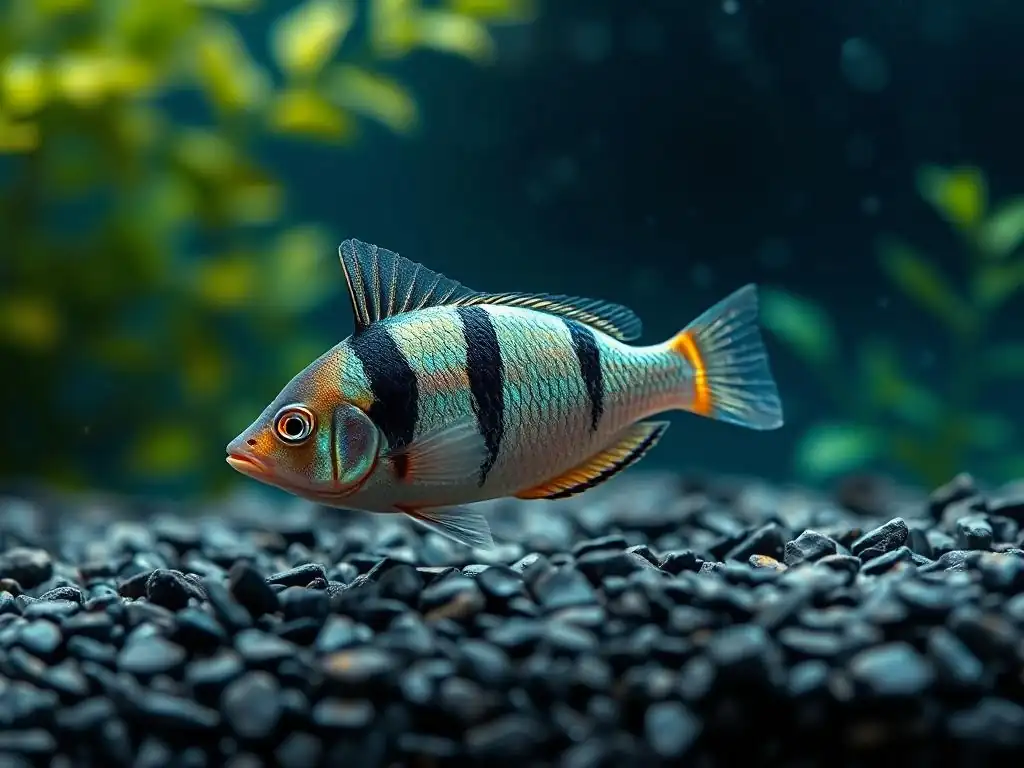
Selecting appropriate tank mates is a crucial aspect of Corydoras melini care, as their peaceful and docile nature makes them susceptible to bullying or stress from aggressive fish. Given their schooling behavior, they thrive in a community setting, but only with species that share similar water parameter requirements and peaceful temperaments. A well-chosen community tank not only enhances the visual appeal but also contributes to the overall well-being and natural behavior of your Bandit Corydoras.
Suitable Tank Mates for Corydoras melini
Ideal tank mates for Corydoras melini are small to medium-sized, peaceful, and non-aggressive fish that occupy different levels of the water column. This ensures that competition for food and space is minimized. Good choices include various small tetras such as Neon Tetras, Cardinal Tetras, Ember Tetras, and Rummy-Nose Tetras. Rasboras, like Harlequin Rasboras or Chili Rasboras, also make excellent companions due to their similar size and calm demeanor.
Other suitable options include small, peaceful livebearers like Guppies or Endler's Livebearers, provided the water parameters are compatible. Dwarf Gouramis or Honey Gouramis can also be considered, as they are generally docile and occupy the mid-to-upper tank levels. Otocinclus catfish are another excellent choice, as they are also peaceful bottom-dwellers that help with algae control and do not compete directly for the same food sources as the Bandit Corydoras. Shrimp species, such as Amano shrimp or various Neocaridina shrimp, can also coexist peacefully, though caution should be exercised with very small fry.
Fish to Avoid Keeping with Bandit Corydoras
To ensure proper Diagonal stripe corydoras care and prevent stress or injury, it's essential to avoid keeping them with large, aggressive, or fin-nipping fish. Species that are known to be territorial or predatory can easily intimidate or harm these small, peaceful bottom-dwellers. Large cichlids, such as Oscars or Texas Cichlids, are entirely unsuitable as they will view Corydoras melini as food. Even moderately aggressive cichlids, like some Kribensis varieties, might harass them.
Fin-nippers, such as Tiger Barbs (unless kept in a very large school of their own) or certain larger Gourami species, can stress Corydoras melini and potentially damage their delicate fins and barbels. Any fish large enough to swallow a Corydoras should also be avoided. It's also wise to steer clear of extremely fast or boisterous species that might outcompete the slower-feeding Corydoras for food, leading to malnutrition. Prioritizing peaceful and compatible tank mates is a cornerstone of responsible Bandit Corydoras care.
Breeding Corydoras melini: A Guide to Reproduction
Breeding Corydoras melini in a home aquarium can be a rewarding experience for dedicated aquarists, though it requires specific conditions and patience. Like many Corydoras species, they are egg-layers and often exhibit a "T-position" during spawning. Understanding their natural breeding triggers and providing an optimal environment are key to encouraging successful reproduction and raising healthy fry. This section will guide you through the process, from setting up a dedicated breeding tank to caring for the delicate Corydoras melini fry.
Setting Up a Breeding Tank for Bandit Corydoras
To maximize the chances of successful Corydoras melini breeding, setting up a dedicated breeding tank is highly recommended. A small 5 to 10-gallon (19-38 liter) tank is usually sufficient for a breeding group of 3-5 individuals (two males for every female is often recommended for better success rates). The tank should have a bare bottom or a very thin layer of fine sand to make egg collection easier. Cleanliness is paramount, so ensure the tank is meticulously cycled and free of any pollutants.
Provide plenty of spawning sites, such as broad-leaved plants (e.g., Anubias, Java Fern), spawning mops, or even smooth, clean rocks or PVC pipes. A sponge filter is ideal for filtration as it provides gentle flow and won't suck up delicate fry. Maintaining soft, slightly acidic water (pH 6.0-7.0, GH 2-8 dGH) and a temperature around 72-75°F (22-24°C) is crucial. Dim lighting can also help reduce stress. These specific conditions are vital for encouraging the natural spawning behaviors required for successful Diagonal stripe corydoras care in a breeding context.
Conditioning Corydoras melini for Breeding
Conditioning the parent Corydoras melini is a critical step to encourage spawning. This involves providing a highly nutritious and varied diet for several weeks leading up to the desired breeding attempt. Increase the frequency of feeding with high-protein live and frozen foods such as bloodworms, brine shrimp, daphnia, and high-quality sinking pellets. A diet rich in protein helps the females develop eggs and provides the males with the energy needed for spawning.
Simultaneously, simulating environmental cues that trigger spawning in their natural habitat is essential. This often involves performing large, cool water changes (25-50% with water that is 2-5°F cooler than the tank water) every few days, particularly during periods of low atmospheric pressure (e.g., before a thunderstorm). This mimics the influx of cooler, fresh rainwater that often signals the start of the breeding season in the wild. Consistent conditioning and environmental cues are fundamental for successful Diagonal stripe corydoras care during the reproductive phase.
The Spawning Process of Bandit Corydoras
Once conditioned, Corydoras melini will typically exhibit increased activity, with males actively chasing females. The actual spawning process often involves the characteristic "T-position" where the male positions himself perpendicular to the female's head, clasping her barbels with his pectoral fin. The female then releases a small number of eggs (typically 2-4 at a time) into a pouch formed by her pelvic fins. The male simultaneously releases milt, fertilizing the eggs in the pouch.
After fertilization, the female will swim to a chosen spawning site—be it a broad leaf, the tank glass, or a spawning mop—and attach the sticky eggs. This process repeats multiple times over several hours, with a single female laying anywhere from 20 to 100 eggs or more. The eggs are typically small, off-white, and adhesive. After spawning, it's often best to remove the adult fish to prevent them from eating the eggs. This careful management of the spawning process is a key element of comprehensive Diagonal stripe corydoras care for breeders.
Raising Corydoras melini Fry: From Hatching to Juvenile
Corydoras melini eggs typically hatch within 3 to 5 days, depending on the water temperature. Once hatched, the fry are very small and possess a yolk sac, which provides nourishment for the first 2-3 days. During this period, no external feeding is required. After the yolk sac is absorbed, the fry become free-swimming and need to be fed extremely fine foods. Infusoria, liquid fry food, or green water are excellent initial food sources for their tiny mouths.
As the fry grow, typically within a week or so, they can be transitioned to slightly larger foods such as newly hatched brine shrimp nauplii, microworms, or finely crushed high-quality flake food. Frequent small water changes (10-20% daily or every other day) are crucial to maintain pristine water quality, as the fry are highly sensitive to pollutants. A gentle air stone or sponge filter provides aeration without strong currents. Consistent feeding and meticulous water quality management are paramount for successful Diagonal stripe corydoras care during the delicate fry stage, ensuring high survival rates and healthy growth into juvenile fish.
Purchasing Bandit Corydoras: Selection Tips
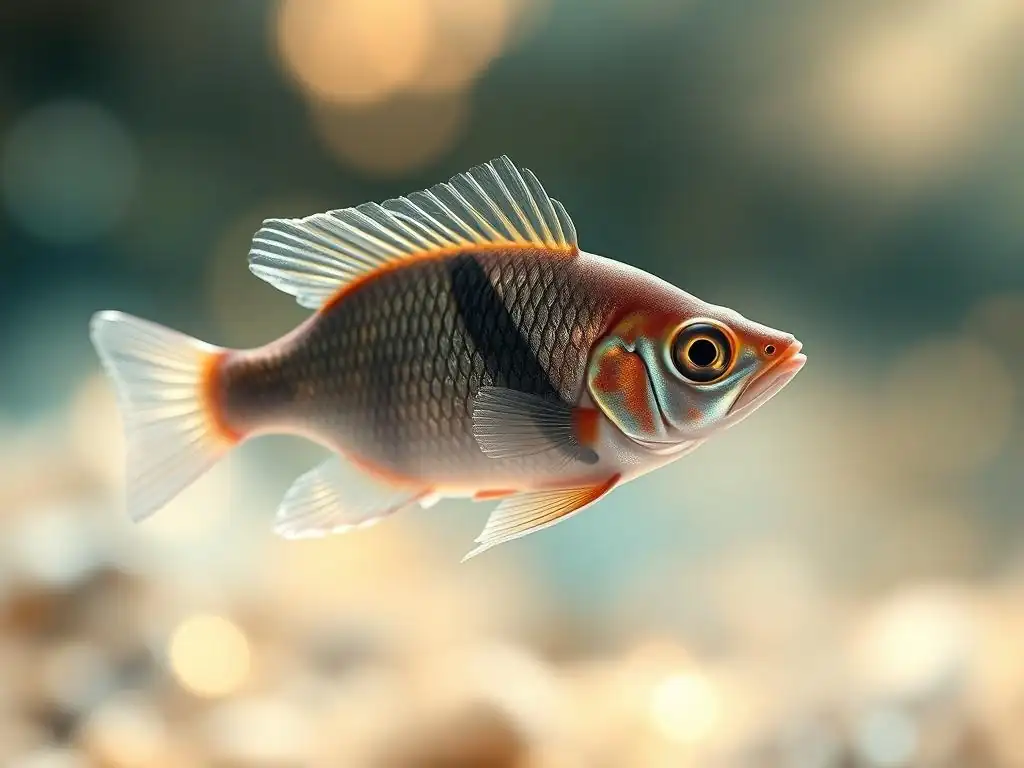
Acquiring healthy Corydoras melini is the first step towards a successful and enjoyable experience with these charming fish. Careful selection from reputable sources can prevent the introduction of diseases into your established aquarium and ensure your new fish thrive. Knowing what to look for in a healthy specimen and where to find them is an important part of responsible Diagonal stripe corydoras care.
Where to Find Healthy Corydoras melini for Sale
Corydoras melini are generally available through several channels. Local fish stores (LFS) are a common source, offering the advantage of being able to visually inspect the fish before purchase. Look for stores with clean tanks, active fish, and knowledgeable staff. Online retailers specializing in aquatic livestock can also be a good option, especially for rarer species or if your local selection is limited. When buying online, research the seller's reputation, read reviews, and ensure they have a robust live arrival guarantee.
Another excellent source is local aquarium clubs or fish conventions. Breeders within these communities often sell high-quality, locally bred fish, which can be hardier and less stressed than wild-caught or imported specimens. This also provides an opportunity to ask breeders directly about their specific care practices. Regardless of the source, prioritize reputable suppliers who demonstrate good husbandry and commitment to fish health, as this directly impacts the initial quality of your new Bandit Corydoras.
Choosing Healthy Bandit Corydoras: Key Indicators
When selecting Corydoras melini, observe them carefully for signs of health and vitality. Healthy individuals should be active and alert, constantly foraging along the bottom or resting calmly. Look for a full, rounded belly, indicating that they are well-fed and free of internal parasites. Their coloration should be vibrant and clear, with the distinctive diagonal stripe clearly defined. Avoid fish that appear lethargic, are gasping at the surface, or are isolating themselves from the school.
Inspect their physical condition for any visible signs of disease or injury. Check for clamped fins, torn fins, white spots (Ich), fuzzy growths (fungus), or any red streaks or sores on the body. Their barbels should be intact and healthy; damaged or missing barbels can indicate poor tank conditions or bacterial infections. Also, observe the tank they are in: it should be clean, and the other fish in the tank should also appear healthy. Choosing vibrant, active fish is a critical component of effective Diagonal stripe corydoras care from the very beginning.
Troubleshooting Common Issues with Bandit Corydoras
Even with the best Corydoras melini care, occasional issues can arise. Understanding common problems specific to Corydoras and how to address them can save your fish and prevent further complications. Two frequently encountered issues relate to their unique anatomy and feeding habits: loss of barbels and bloating. Prompt identification and intervention are key to resolving these problems.
Loss of Barbels: Causes and Solutions
Loss or erosion of barbels in Corydoras melini is a common and concerning issue often indicative of poor environmental conditions. The primary cause is typically a rough or abrasive substrate, such as coarse gravel, which grinds down their delicate sensory organs as they sift for food. However, prolonged exposure to poor water quality, particularly high levels of nitrates or bacterial infections in the substrate, can also lead to barbel erosion. Once damaged, the barbels become susceptible to secondary bacterial or fungal infections, appearing as white, fuzzy, or red inflamed areas.
To address this, immediately switch to a fine, soft sand substrate if you haven't already. Meticulously clean the substrate by regularly siphoning detritus and performing consistent, significant water changes (e.g., 30-50% daily for several days) to improve water quality dramatically. If signs of infection are present, a mild antibacterial or antifungal treatment may be necessary, often effective with aquarium salt or specific medications. Maintaining pristine water parameters and a suitable substrate is the most effective preventative measure in long-term Diagonal stripe corydoras care, ensuring their crucial sensory organs remain healthy.
Bloating: Causes and Solutions
Bloating in Corydoras melini is another common health issue, often characterized by a swollen abdomen and sometimes accompanied by difficulty swimming or loss of appetite. The most frequent cause of bloating is overfeeding, particularly with dry, processed foods that expand in the fish's gut, or feeding a diet lacking in fiber. Internal bacterial infections or parasitic infestations can also lead to bloating, especially if accompanied by stringy white feces or lethargy. Constipation due to a lack of variety in diet is also a possible factor.
To treat bloating, first, cease feeding for 24-48 hours to allow the digestive system to clear. After this fasting period, offer blanched, deshelled peas, which act as a natural laxative and are easily digestible. Feed very small amounts for a few days.
If the bloating persists or worsens, or if other symptoms like lethargy or abnormal feces are present, it may indicate a bacterial infection. In such cases, a broad-spectrum antibacterial medication can be considered, ideally in a quarantine tank. Preventing bloating involves offering a varied diet, avoiding overfeeding, and ensuring high-quality food, all crucial aspects of comprehensive Diagonal stripe corydoras care.
Conclusion: Appreciating the Beauty and Grace of Corydoras melini
The Corydoras melini, with its distinctive "bandit mask" and endearing bottom-dwelling behaviors, is a truly captivating addition to any freshwater community aquarium. Their peaceful nature, active foraging, and schooling dynamics bring a unique charm and vitality to the lower levels of the tank. Providing optimal Diagonal stripe corydoras care, from setting up the ideal soft-substrate environment to maintaining pristine water quality and offering a balanced diet, ensures these delightful fish thrive for many years, often exceeding their typical lifespan.
By understanding their specific needs—be it their preference for soft sand, their schooling requirements, or their sensitivity to water parameters—aquarists can create a habitat where Corydoras melini not only survive but truly flourish. Their relatively easy care, coupled with their fascinating behaviors and striking appearance, solidifies their status as a favored species among both novice and experienced hobbyists. Embracing the nuances of Bandit Corydoras care allows these small, armored catfish to showcase their full beauty and grace, enriching the entire aquatic ecosystem they inhabit.
Frequently Asked Questions
How difficult is it to care for Corydoras melini (Diagonal Stripe Corydoras)?
Corydoras melini care is generally considered easy to moderate. They are relatively hardy, but require stable water parameters and a well-maintained aquarium.
What are the ideal water parameters for Diagonal Stripe Corydoras?
Ideal water parameters include a temperature between 72-79°F (22-26°C), a pH of 6.0-7.5, and soft to moderately hard water. Regular water changes are essential.
What should I feed my Corydoras melini?
Diagonal Stripe Corydoras are omnivores and should be fed a varied diet including sinking pellets, flakes, and live or frozen foods such as bloodworms and daphnia. They are bottom feeders.
How many Diagonal Stripe Corydoras should I keep together?
Corydoras melini are social fish and should be kept in groups of at least six individuals. This helps them feel secure and exhibit their natural behavior.
What tank size is recommended for Diagonal Stripe Corydoras?
A tank of at least 20 gallons is recommended for a group of six Corydoras melini. Provide plenty of hiding places and a soft substrate like sand.
Okay, here's a final reflection crafted to fit your article "Corydoras melini: The Diagonal Stripe Cory's Allure," optimized for the keyword "Diagonal stripe corydoras care," and following the structure you outlined:
Final Reflection: Appreciating the Delicate Balance
The information shared throughout this article highlights not only the specific needs of Corydoras melini, but also underscores the broader responsibility we bear as aquarists. Understanding and replicating the natural environment of these delicate creatures is paramount to their well-being and longevity in our aquariums. Ignoring these crucial aspects, as we've discussed, can lead to stress, disease, and ultimately, a diminished quality of life for these captivating fish.
The enduring allure of the Diagonal Stripe Corydoras lies not just in its striking appearance, but also in the satisfaction derived from providing it with a thriving habitat. It's a reminder that responsible fishkeeping transcends mere ownership; it's about fostering a miniature ecosystem. In the end, we will conserve only what we love; we will love only what we understand; and we will understand only what we are taught.
- Baba Dioum. This quote perfectly encapsulates the journey of learning about and caring for Corydoras melini.
Now, armed with this knowledge of Diagonal Stripe Corydoras care, I encourage you to reflect on your own aquariums and practices. Are you providing the optimal environment for your fish? Are you actively seeking to learn more about their needs? Let us all strive to be conscientious stewards of these beautiful creatures, ensuring their continued health and happiness in our care.
Unleash the Joy of Corydoras Keeping!
Thank you for diving into the captivating world of Corydoras melini. We hope you've discovered the unique charm these little diagonal stripe Corydoras bring to any aquarium. Now, it's time to put your newfound knowledge into action!
Here are a few ways to deepen your Corydoras experience:
- Start your own Corydoras melini adventure: Research reputable breeders or local fish stores and consider adding a small shoal (6+) to your community tank.
- Explore the nuances of Corydoras behavior: Dedicate some time to closely observe your Corydoras, noting their interactions, feeding habits, and preferred tank spots. Share your observations in online forums!
- Consider a biotope tank build: Expand your understanding by designing a tank that accurately mimics the natural environment of these fish.
Ready to transform your aquarium into a Corydoras paradise?