
Large Tank Mates for Brochis Species: What Works?

Welcome to Aquarium Mastery!
Ever wondered if your Brochis catfish are truly living their best life in your aquarium? Dive in and discover the secrets to harmonious tank mate pairings in our latest article: " Large Tank Mates for Brochis Species: What Works?" Uncover the perfect companions for these fascinating creatures and unlock a thriving, balanced freshwater ecosystem. Ready to build the ultimate community tank? Let's get started!
- Understanding Brochis Corydoras and Their Needs
- Ideal Large Tank Mates for Brochis Corydoras
- Tank Mates to Avoid with Brochis Corydoras
- Setting Up the Ideal Brochis Community Tank
- Monitoring Brochis Tank Mate Compatibility
- Maintaining a Healthy and Harmonious Brochis Aquarium
- Conclusion: Achieving Brochis Tank Mate Compatibility
-
Frequently Asked Questions
- What are some good tank mates for Brochis catfish in a large aquarium?
- What types of fish should I avoid keeping with Brochis catfish?
- How important is tank size when choosing Brochis tank mates?
- Do Brochis require specific water parameters to thrive with their tank mates?
- How can I ensure my Brochis are getting enough food when kept with other fish?
- Final Reflection: Harmony in the Aquarium
- Unlock Your Brochis' Best Life!
Understanding Brochis Corydoras and Their Needs
Brochis splendens: A Profile of the Emerald Catfish
Brochis splendens, commonly known as the Emerald Catfish, is a captivating freshwater fish originating from the Amazon River basin, specifically found in countries like Peru, Ecuador, and Colombia. These peaceful bottom-dwellers can reach an adult size of approximately 3 inches (7.5 cm), characterized by a distinctive metallic green or blue sheen that shimmers under proper lighting. They are highly social fish and thrive when kept in schools of at least six individuals, showcasing their natural schooling behaviors and reducing individual stress.
Their preference for specific environmental conditions is crucial for their well-being and, by extension, their Brochis tank mate compatibility. Emerald Catfish prefer soft to moderately hard water with a pH range of 6.0 to 7.5 and a temperature range of 72-78°F (22-26°C). They spend most of their time sifting through the substrate for food, making a fine, soft substrate like sand or very fine gravel essential to protect their delicate barbels. Their calm demeanor makes them excellent candidates for community aquariums, provided their companions are equally tranquil.
Brochis multiradiatus: Identifying the Hognose Brochis
Brochis multiradiatus, often referred to as the Hognose Brochis due to its elongated snout, is another fascinating species within the Brochis genus. Slightly larger than B. splendens, these fish can grow up to 4 inches (10 cm) in length and are primarily found in the Amazon basin, particularly in Peru. Like their Emerald counterparts, Hognose Brochis are schooling fish and require a minimum group of six individuals to feel secure and display natural behaviors. Their unique snout is perfectly adapted for deeper substrate sifting.
The care requirements for B. multiradiatus are very similar to those of B. splendens, emphasizing the need for consistency when considering Brochis tank mate compatibility. They prefer soft, slightly acidic water, ideally with a pH between 6.0 and 7.2, and temperatures ranging from 72-78°F (22-26°C). Maintaining pristine, well-oxygenated water is paramount, as these fish are sensitive to poor water conditions. Their peaceful disposition makes them ideal for a harmonious community tank, provided their companions do not pose a threat or outcompete them for resources.
Key Considerations for Brochis Tank Mate Selection
Peaceful Temperament is Crucial
The placid nature of Brochis species makes their peaceful temperament a non-negotiable factor when selecting Brochis tank mates. These fish are slow-moving bottom dwellers that are easily stressed or injured by aggressive or overly boisterous tank companions. Even seemingly minor fin nipping can lead to significant stress, secondary infections, and a compromised immune system for Brochis, ultimately shortening their lifespan.
Aggression from tank mates can manifest as constant chasing, nipping at fins, or bullying during feeding times, preventing the Brochis from accessing adequate nutrition. A successful Brochis tank mate will largely ignore the Brochis, allowing them to forage undisturbed and exhibit their natural schooling behaviors without fear. Prioritizing calm and non-territorial fish is paramount for their long-term health and well-being.
Water Parameter Compatibility
Matching water parameters is a critical element for successful Brochis tank mate compatibility. Brochis species thrive in soft to moderately hard water with a pH typically ranging from 6.0 to 7.5 and a stable temperature between 72-78°F (22-26°C). Any potential companion fish must be able to tolerate or ideally thrive within these similar conditions. Introducing fish that require very hard, alkaline, or significantly different temperature ranges can lead to chronic stress for one or both species.
Significant deviations in pH or hardness can compromise the immune systems of the fish, making them more susceptible to diseases and reducing their overall lifespan. For instance, fish that prefer a pH of 8.0+ or temperatures below 70°F (21°C) would be unsuitable. Ensuring that all inhabitants share similar environmental needs minimizes stress and promotes a healthy, thriving ecosystem, which is fundamental for Brochis tank mate compatibility.
Tank Size Requirements for Brochis and Companions
Adequate tank size is another crucial factor for Brochis tank mate compatibility, especially when housing them with larger companions. While a group of 6 Brochis splendens can comfortably live in a 20-gallon (75 liter) tank, incorporating larger fish necessitates a significantly bigger aquarium. Overcrowding is a primary cause of stress, poor water quality due to increased bioload, and heightened aggression among tank inhabitants.
For a community tank including a school of Brochis and a few medium-sized companions, a minimum of 40-55 gallons (150-208 liters) is generally recommended. If you plan to include larger fish such as Angelfish or Denison Barbs, a 75-gallon (284 liter) tank or even larger is ideal. This increased volume provides ample swimming space for all fish, helps dilute waste products, and allows for the establishment of distinct territories, contributing significantly to a stable and harmonious environment.
Ideal Large Tank Mates for Brochis Corydoras
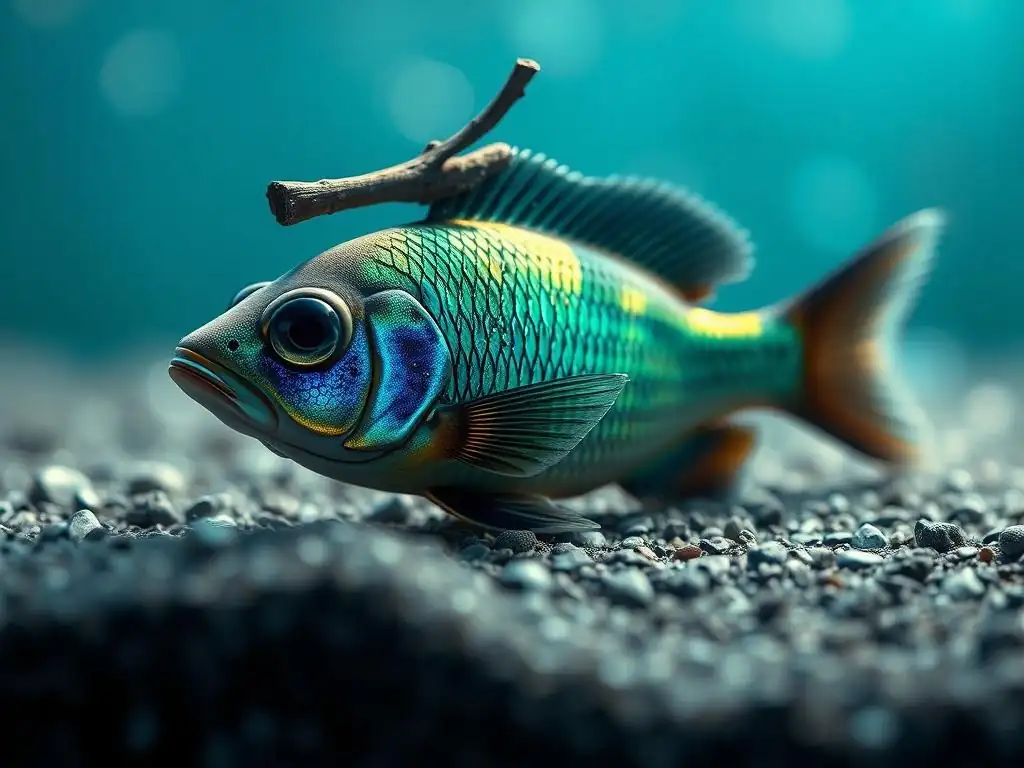
South American Community Tank Companions
Angelfish (Pterophyllum scalare) and Brochis: A Cautious Pairing
Angelfish ( Pterophyllum scalare) can be considered as potential Brochis tank mates, given their shared South American origins and generally peaceful disposition. They primarily inhabit the mid-to-upper water column, which means they typically do not compete directly with Brochis for bottom space. A minimum 55-gallon (208 liter) tank is recommended to comfortably house a school of Brochis and a pair or small group of Angelfish, allowing ample vertical swimming space for the Angelfish.
However, this pairing requires caution. While typically peaceful, adult Angelfish, especially larger individuals or breeding pairs, can exhibit territorial behavior and may view very small fish as potential prey. It is advisable to introduce only adult-sized Brochis (2.5-4 inches) to adult Angelfish to minimize risk. Providing plenty of tall plants, driftwood, and other decor elements creates visual breaks and hiding spots, which can help mitigate any potential aggression and enhance Brochis tank mate compatibility.
Discus (Symphysodon) with Brochis: Maintaining Pristine Water
Discus ( Symphysodon) are often considered among the best Brochis tank mates due to their shared preference for soft, acidic water and remarkably peaceful temperament. Both species thrive in warmer temperatures, typically between 82-86°F (28-30°C), making them ideal companions in a dedicated biotope setup. A large aquarium, at least 75 gallons (284 liters) for a small group of Discus and Brochis, is essential to provide adequate space.
The main challenge with this pairing lies in the Discus's high bioload and their absolute requirement for extremely pristine water conditions. Frequent, large water changes (e.g., 50% twice weekly) are often necessary. While this rigorous maintenance benefits the Brochis by providing consistently clean water, aquarists must ensure that sinking foods intended for the Brochis reach the bottom before the Discus, which are often eager eaters, consume it all. This attention to detail ensures optimal Brochis tank mate compatibility.
Larger Tetras (e.g., Buenos Aires Tetra, Serpae Tetra) and Brochis: Monitoring Fin Nipping
Larger Tetras, such as the Buenos Aires Tetra ( Hyphessobrycon anisitsi) reaching up to 2.8 inches (7 cm) or the Serpae Tetra ( Hyphessobrycon eques) at 1.7 inches (4.3 cm), can be considered as Brochis tank mates. These mid-to-upper water column swimmers typically do not interfere with bottom dwellers. Buenos Aires Tetras are generally robust and active, while Serpae Tetras are known for their vibrant red coloration.
However, both species, particularly Serpae Tetras if not kept in sufficiently large schools (8+ individuals), can exhibit fin-nipping tendencies. It is crucial to closely monitor the Brochis, especially Brochis splendens with their relatively long dorsal fins, for any signs of nipping. Providing ample swimming space and maintaining large schools for the Tetras helps dilute aggression. A 40-gallon (150 liter) tank is a reasonable starting point for a mixed community of a Brochis school and a larger Tetra school, promoting better Brochis tank mate compatibility.
Peaceful Cichlids (e.g., Bolivian Ram) as Brochis Tank Mates
Peaceful cichlids like the Bolivian Ram ( Mikrogeophagus altispinosus) are excellent candidates for Brochis tank mates. These relatively small cichlids, growing up to 3 inches (7.5 cm), occupy the lower-mid water column and generally share similar water parameter preferences (pH 6.0-7.5, temperature 74-82°F / 23-28°C). Bolivian Rams are known for their calm demeanor and typically show no aggression towards peaceful bottom-dwelling fish like Brochis.
To ensure success, provide plenty of caves, driftwood, and flat rocks for the Bolivian Rams to establish their territories, especially if keeping a pair. While they may become more territorial during breeding, their aggression is usually directed towards conspecifics and rarely impacts armored, fast-moving Brochis. A 30-gallon (113 liter) tank can comfortably house a pair of Bolivian Rams alongside a school of Brochis, making for a harmonious and visually appealing display of Brochis tank mate compatibility.
Non-South American Options for Brochis Community Tanks
Boesemani Rainbowfish (Melanotaenia boesemani) and Brochis
Boesemani Rainbowfish ( Melanotaenia boesemani) are active, colorful fish from New Guinea that can make excellent Brochis tank mates. Reaching sizes up to 4 inches (10 cm), they are peaceful schooling fish that primarily inhabit the mid-to-upper water column, leaving the bottom undisturbed for Brochis. While they naturally prefer slightly harder water (pH 7.0-8.0, GH 8-20 dGH), they can adapt well to the neutral range favored by Brochis if acclimated slowly and consistently.
Keeping Boesemani Rainbowfish in schools of 6 or more individuals in tanks of 55 gallons (208 liters) or larger is crucial for their well-being and to display their best colors. Their constant activity and vibrant hues provide a striking contrast to the calmer, bottom-dwelling Brochis. Ensuring good water circulation, which Rainbowfish appreciate, also benefits the Brochis by keeping the water well-oxygenated, contributing positively to Brochis tank mate compatibility.
Denison Barbs (Sahyadria denisonii) with Brochis: Active Mid-Water Swimmers
Denison Barbs ( Sahyadria denisonii), also known as Roseline Sharks, are stunning and highly active fish native to India. They can grow up to 6 inches (15 cm) and are peaceful schooling fish that primarily occupy the mid-water column, making them suitable Brochis tank mates. Their energetic swimming style generally means they do not bother bottom dwellers. They thrive in well-oxygenated, slightly acidic to neutral water (pH 6.5-7.5) with temperatures ranging from 68-79°F (20-26°C).
Due to their adult size and high activity levels, a tank of at least 75 gallons (284 liters) is required to comfortably house a school of 6 or more Denison Barbs alongside your Brochis species. Providing strong filtration and ample open swimming space is essential for these fish. Their peaceful nature towards other species, combined with their striking appearance, makes them a visually appealing and compatible choice for a large community tank focusing on Brochis tank mate compatibility.
Gouramis (e.g., Dwarf Gourami, Honey Gourami) and Brochis: Observing Compatibility
Dwarf Gouramis ( Trichogaster lalius), typically reaching 2 inches (5 cm), and Honey Gouramis ( Trichogaster chuna), maxing out at about 1.5 inches (3.8 cm), are peaceful labyrinth fish that primarily inhabit the upper and mid-water columns. Their calm disposition and preference for the higher regions of the tank generally make them good Brochis tank mates, as they do not compete for space or food at the bottom.
While generally peaceful, male Gouramis can sometimes exhibit territorial behavior towards each other, so it is often best to keep a single male or a male/female pair rather than multiple males. Although rare, it is always wise to observe their interactions during feeding to ensure the Brochis are not being intimidated or outcompeted. A 20-gallon (75 liter) tank can comfortably house a pair of these smaller Gouramis alongside a school of Brochis, making for a serene and compatible Brochis tank mate setup.
Tank Mates to Avoid with Brochis Corydoras
Aggressive Fish That May Harm Brochis
Cichlids Known for Aggression (e.g., Oscars, Jack Dempseys)
Large, aggressive cichlids such as Oscars ( Astronotus ocellatus), which can exceed 12 inches (30 cm), and Jack Dempseys ( Rocio octofasciata), growing up to 10 inches (25 cm), are entirely unsuitable as Brochis tank mates. These predatory fish will undoubtedly view smaller Brochis as a food source or territorial competition. Their sheer size, powerful bites, and aggressive disposition make any cohabitation attempt extremely dangerous for the delicate Brochis.
Furthermore, the environmental needs of these large cichlids often differ significantly from those of Brochis species. Oscars, for instance, produce a very high bioload and often require more robust decor that can withstand their digging and territorial displays. Attempting to house Brochis with such dominant predators will inevitably lead to severe stress, injury, or consumption of the Brochis, representing a complete failure in Brochis tank mate compatibility.
Large, Predatory Catfish Species
Certain large, predatory catfish species, such as the Red Tail Catfish ( Phractocephalus hemioliopterus), which can grow to over 3 feet (90 cm) in length, or even larger Plecos like the Common Pleco ( Hypostomus plecostomus) that can exceed 20 inches (50 cm), pose a significant threat to Brochis. While some Plecos are primarily herbivorous, many large catfish are opportunistic predators that will readily consume any fish small enough to fit into their mouths.
The vast size difference between these large predators and the relatively small Brochis makes them incompatible Brochis tank mates. Even if direct predation does not occur immediately, the constant presence of a much larger, potentially intimidating fish will induce chronic stress in the Brochis, leading to a compromised immune system and susceptibility to disease. Any fish with a mouth large enough to swallow a Brochis, or that displays predatory behavior, should be strictly avoided.
Fish That Compete for Food with Brochis
Bottom-Dwelling Bullies (e.g., Certain Plecos)
While many Plecos are peaceful and can coexist with Brochis, certain species, particularly larger or more territorial bottom-dwellers, can become "bottom-dwelling bullies." Examples include some Panaque species or even overly zealous common Plecos, which can outcompete the slower-feeding Brochis for sinking foods like pellets and wafers. Brochis are methodical foragers, and faster, more dominant tank mates can easily consume all available food before the Brochis get their share.
If a Pleco or other bottom-dwelling fish is considered, it is crucial to select a peaceful, smaller species like a Bristlenose Pleco ( Ancistrus cirrhosus) or Otocinclus catfish, which are less likely to compete aggressively. Even then, careful observation is necessary. To ensure adequate nutrition for your Brochis, target feeding with sinking pellets or wafers after the main tank lights are off can be beneficial, allowing the Brochis to feed without intense competition and maintaining good Brochis tank mate compatibility.
Setting Up the Ideal Brochis Community Tank
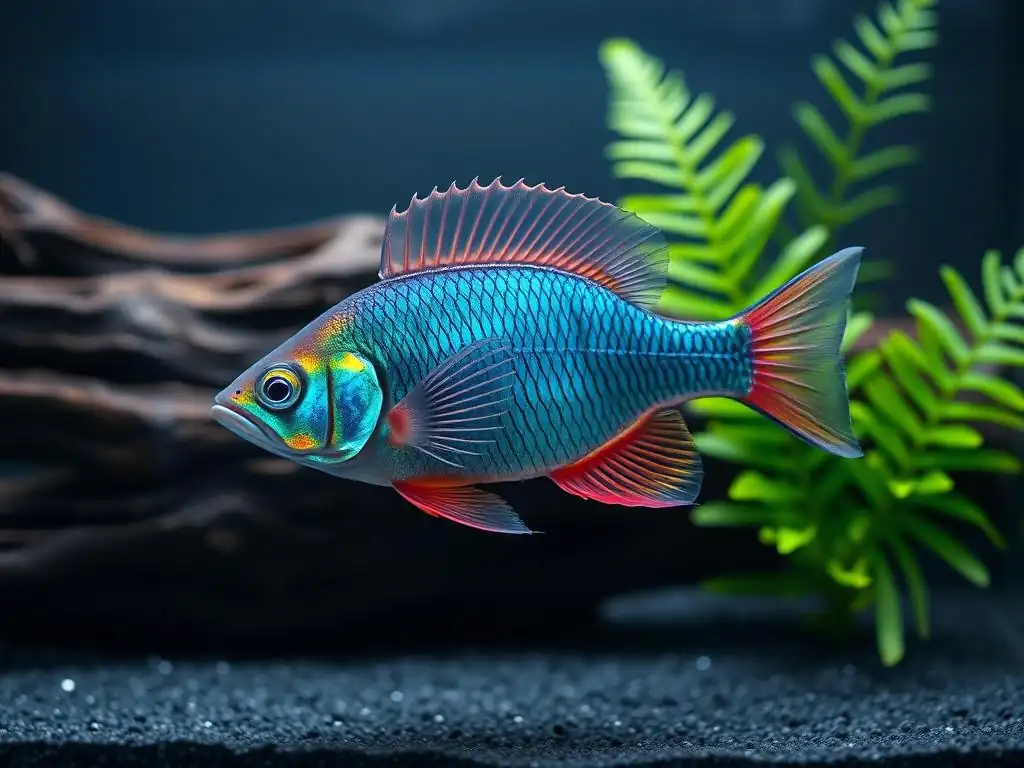
Tank Size Recommendations for Housing Brochis with Larger Tank Mates
When designing a community tank for Brochis species and their larger companions, tank size is paramount for long-term Brochis tank mate compatibility and overall health. For a school of 6-8 Brochis splendens combined with a few medium-sized fish like a pair of Bolivian Rams or a modest school of peaceful Tetras, a minimum 40-gallon (150 liter) tank is recommended.
However, if you intend to keep Brochis multiradiatus or include larger, more active species such as Angelfish, Rainbowfish, or Denison Barbs, a 55-gallon (208 liter) tank should be considered the absolute minimum, with 75 gallons (284 liters) or more being ideal.
This increased volume serves multiple critical purposes. It provides ample swimming space for all inhabitants, which is essential for active species and helps reduce stress. Larger tanks also offer greater water volume, which significantly aids in diluting waste products, preventing rapid parameter fluctuations, and maintaining more stable water quality. This stability is crucial for sensitive fish like Brochis and contributes directly to a harmonious environment where all fish can thrive.
Substrate and Decor Considerations for Brochis and Their Companions
The choice of substrate is critical for Brochis species due to their delicate barbels, which they use extensively for sifting through the bottom for food. A soft, fine substrate such as sand or very fine, smooth gravel (less than 2mm particle size) is essential to prevent injury to their sensitive barbels. Coarse or sharp gravel can cause abrasions and infections, leading to long-term health issues for the Brochis.
Beyond substrate, providing ample hiding spots and visual breaks through decor is vital for Brochis tank mate compatibility. Utilize driftwood, smooth river rocks, and dense live plants (such as Anubias, Java Fern, or Cryptocorynes) to create a varied landscape. These elements offer security for the often-shy Brochis, providing safe retreats from other tank inhabitants, and also help establish territories for other fish, thereby diffusing potential aggression. Ensure there are open areas of sand for the Brochis to forage freely.
Maintaining Optimal Water Quality for a Thriving Brochis Tank
Filtration Needs for a Heavily Stocked Tank
A robust and efficient filtration system is non-negotiable for a community tank housing Brochis and their larger tank mates. Given the increased bioload that comes with more and larger fish, an oversized hang-on-back (HOB) filter or, ideally, a powerful canister filter rated for a tank size larger than your actual aquarium volume is highly recommended. For example, for a 75-gallon tank, consider a filter rated for 100-150 gallons.
This superior filtration ensures excellent mechanical removal of particulate matter, effective chemical filtration to absorb impurities, and robust biological filtration to convert harmful ammonia and nitrites into less toxic nitrates. A well-filtered tank maintains consistently clear water and stable parameters, which are paramount for the health of all inhabitants and directly contribute to optimal Brochis tank mate compatibility.
Regular Water Changes and Testing
Regular partial water changes are absolutely vital for maintaining pristine water quality in a Brochis community tank. A weekly water change of 25-30% is a good general guideline, but for tanks with a particularly high bioload or very sensitive inhabitants like Discus, increasing the frequency or volume (e.g., 50% twice weekly) may be necessary. Water changes replenish essential minerals, remove accumulated nitrates, and dilute other dissolved organic compounds that can become toxic.
Consistent water testing is equally important. Utilize a reliable liquid test kit to regularly monitor key parameters such as ammonia, nitrite, nitrate, pH, and temperature. Stable water parameters minimize stress on fish, reducing their susceptibility to disease. Proactive monitoring and timely adjustments based on test results are fundamental pillars for ensuring the long-term success and harmony of your Brochis tank mate compatibility.
Feeding Brochis and Their Tank Mates: Ensuring Everyone Gets Enough
Brochis species are omnivorous bottom-feeders and scavengers, relying on food that sinks to the substrate. Their diet should consist of high-quality sinking pellets, wafers (such as algae wafers or spirulina wafers), and occasional live or frozen foods like bloodworms, brine shrimp, or daphnia. These foods provide the necessary nutrients for their health and vibrant coloration.
When feeding a community tank, it is crucial to ensure that food reaches the bottom before faster, mid-water or surface-feeding tank mates consume it all. This is a common challenge for Brochis tank mate compatibility. Strategies such as feeding after the main tank lights are out, or target feeding sinking foods directly to the Brochis' foraging areas using a pipette, can help. Regular observation will confirm that your Brochis are receiving adequate nutrition, as underfed fish can become stressed and more susceptible to illness.
Monitoring Brochis Tank Mate Compatibility
Signs of Stress or Aggression in Brochis
Vigilant observation is key to maintaining successful Brochis tank mate compatibility. Watch for any signs of stress or aggression directed towards your Brochis. Common indicators of stress include clamped fins, rapid gilling or breathing, fading or dull coloration, excessive hiding (more than usual), or erratic, darting movements. These symptoms can suggest bullying, unsuitable water conditions, or insufficient food.
Furthermore, observe the interactions between your Brochis and their companions. Are the Brochis being consistently chased, nipped at their fins, or prevented from accessing food during mealtimes? Early detection of such aggressive behaviors is crucial, as it allows for prompt intervention. This might involve re-evaluating the aggressive fish's compatibility, adjusting the tank environment, or, in severe cases, rehoming the problematic tank mate to protect your Brochis.
Quarantine Procedures for New Tank Inhabitants
Implementing strict quarantine procedures for all new tank inhabitants is a non-negotiable step to safeguard your established Brochis community. New fish should always be housed in a separate, dedicated quarantine tank for a minimum of 2 to 4 weeks before being introduced to the main display aquarium. This crucial period allows you to observe the new fish for any signs of illness, parasites, or unusual behavior without risking the health of your existing Brochis.
During the quarantine period, monitor the new arrivals closely. If any signs of disease (such as Ich, fin rot, or fungal infections) or parasites become apparent, they can be treated effectively in the isolated environment, preventing their spread to your main tank. This proactive measure is essential for protecting your Brochis from potential pathogens and ensuring the long-term health and stability of your carefully established Brochis tank mate compatibility.
Adjusting the Tank Environment to Reduce Conflict
Adding More Hiding Places
If you observe minor territorial squabbles or signs of stress among your fish, a simple yet effective strategy to reduce conflict and improve Brochis tank mate compatibility is to add more hiding places. Incorporate additional caves, strategically placed driftwood, dense thickets of live plants, or varied rock formations. These elements create visual barriers and provide numerous safe havens for less dominant or shy fish, like Brochis, to retreat to when feeling threatened.
Ensuring there are more hiding spots than fish, or at least enough for every fish to claim a temporary refuge, can significantly diffuse tension within the aquarium. This allows all inhabitants, especially the Brochis, to feel more secure and reduces the likelihood of chronic stress caused by constant exposure to more dominant tank mates.
Re-arranging Decor
Sometimes, aggression or territorial disputes among tank mates can be mitigated by simply re-arranging the existing decor. A major re-scape can disrupt established territories and hierarchies, forcing fish to re-evaluate their spatial claims. This can be particularly effective with cichlids or other species that are prone to establishing specific territories around certain decor items.
While a significant re-arrangement can temporarily cause some stress for the fish as they adapt to their new surroundings, the long-term benefits of reduced conflict often outweigh this initial disruption. The goal is to create new visual lines and potential territories that prevent specific fish from monopolizing areas and to promote a more even distribution of space, thereby enhancing overall Brochis tank mate compatibility.
Maintaining a Healthy and Harmonious Brochis Aquarium
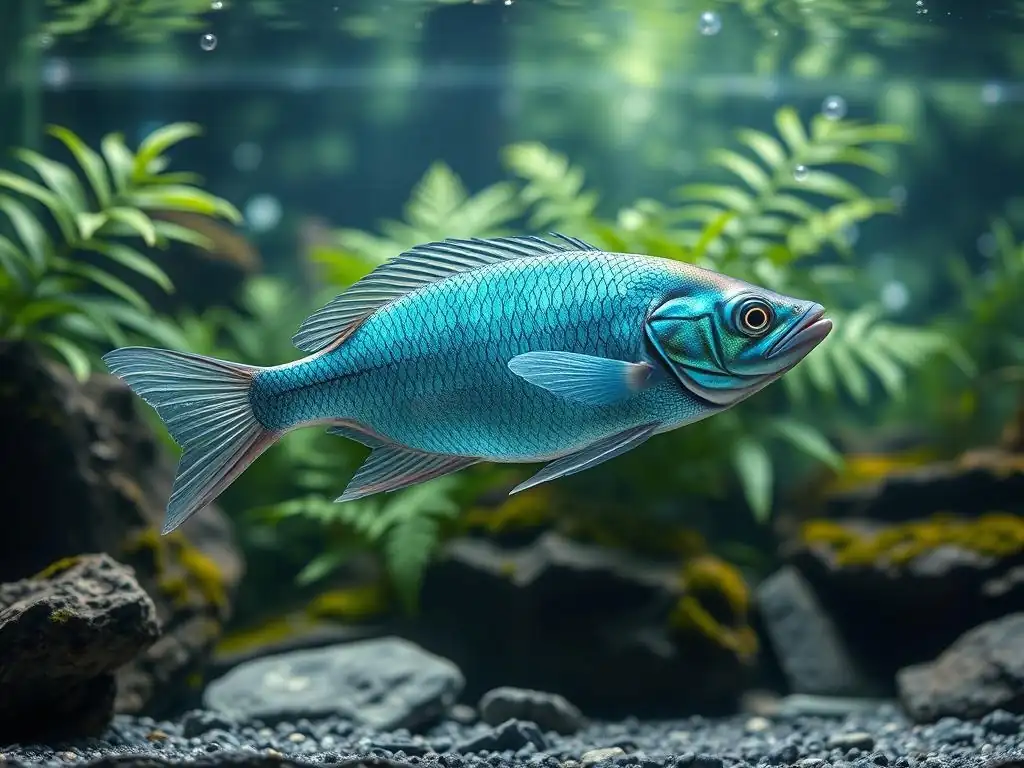
Regular Health Checks for Brochis and Tank Mates
Consistent, daily visual health checks are fundamental to maintaining a healthy and harmonious Brochis aquarium. Take a few minutes each day to observe all your fish closely. Look for any changes in their behavior, such as lethargy, unusual swimming patterns, or a lack of appetite. Pay attention to their physical appearance for signs of disease, including clamped fins, cloudy eyes, discolored patches, lesions, white spots (Ich), or frayed fins.
For Brochis specifically, it is crucial to examine their barbels. Healthy barbels should be intact and actively used for sifting the substrate. Swollen, eroded, or shortened barbels can be a strong indicator of poor water quality or an unsuitable, abrasive substrate. Early detection of any health issues allows for prompt intervention and treatment, which is vital for the continued well-being of your Brochis and the stability of your Brochis tank mate compatibility.
Preventing and Treating Common Fish Diseases
The most effective approach to preventing common fish diseases in a Brochis community tank is through excellent husbandry practices. This includes maintaining stable and appropriate water parameters, providing a high-quality and varied diet, avoiding overfeeding, and preventing overcrowding. Many common ailments, such as Ich (white spot disease), fin rot, and fungal infections, are often opportunistic and will primarily affect fish that are already stressed due to poor conditions.
If a disease is detected, prompt and accurate identification is crucial. Whenever possible, it is advisable to treat affected fish in a separate hospital tank to avoid medicating the entire display aquarium, especially since some medications can be harmful to scaleless fish like Brochis. Always research the compatibility of medications with scaleless fish before administering. Proactive prevention combined with swift, appropriate treatment ensures the long-term health of your fish and the integrity of your Brochis tank mate compatibility.
Long-Term Considerations for Brochis Tank Mate Compatibility
Maintaining a healthy and harmonious Brochis aquarium is an ongoing process that requires long-term considerations regarding Brochis tank mate compatibility. It is important to remember that fish grow, and their needs and temperaments can change over time. A fish that was a perfectly suitable Brochis tank mate when juvenile might become too large, too aggressive, or develop different dietary needs as it reaches adulthood.
Continuously monitor the dynamics of your community tank as your fish mature. Be prepared to adapt by upgrading tank size if fish outgrow their current home, or by rehoming fish that become problematic or incompatible. The goal is to sustain a stable, low-stress environment where all inhabitants can thrive. This adaptive approach ensures the lasting success of Brochis tank mate compatibility and the overall health of your aquatic ecosystem.
Conclusion: Achieving Brochis Tank Mate Compatibility
Brochis species are peaceful, fascinating bottom-dwellers that make excellent additions to a well-planned freshwater community aquarium. Successful Brochis tank mate compatibility hinges on selecting companions that share their tranquil temperament, thrive in similar water parameters, and ideally occupy different levels of the water column, minimizing direct competition for space and resources. Prioritizing calm, non-aggressive species and avoiding large, predatory, or overly competitive fish is paramount.
Achieving a thriving Brochis aquarium requires more than just careful selection; it demands diligent ongoing care. Providing an appropriately sized tank, a soft substrate, ample hiding places, and maintaining pristine water quality through robust filtration and regular water changes are all non-negotiable elements. Consistent monitoring for signs of stress or illness, along with proactive quarantine procedures for new additions, will ensure a harmonious environment where your Brochis species and their chosen companions can flourish for many years to come.
Frequently Asked Questions
What are some good tank mates for Brochis catfish in a large aquarium?
Good tank mates for Brochis should be peaceful and non-aggressive. Avoid fish that will outcompete them for food or nip at their fins. Consider species like Tetras, Rasboras, or some Corydoras.
What types of fish should I avoid keeping with Brochis catfish?
Avoid aggressive fish, such as large Cichlids or Boisterous Barbs. Also, avoid fish that are known fin-nippers as they could damage the Brochis' delicate fins.
How important is tank size when choosing Brochis tank mates?
Tank size is crucial for Brochis tank mate compatibility. Overcrowding leads to stress and aggression. A large tank allows fish to establish territories and reduces competition for resources.
Do Brochis require specific water parameters to thrive with their tank mates?
Yes, maintaining stable and appropriate water parameters is vital. Brochis prefer slightly acidic to neutral water. Ensure your tank mates also thrive in similar conditions to avoid stress.
How can I ensure my Brochis are getting enough food when kept with other fish?
Provide sinking pellets or wafers specifically for bottom-dwelling fish. Observe feeding times to ensure the Brochis are actively eating and not being outcompeted by faster-moving tank mates.
Final Reflection: Harmony in the Aquarium
The exploration of Brochis tank mate compatibility isn't just about creating a visually appealing aquarium; it's about understanding the delicate balance of an ecosystem, even within the confines of glass. The choices we make in stocking our tanks have a profound impact on the well-being of each individual creature, highlighting the responsibility we bear as aquarists.
This topic has profoundly influenced my approach to fishkeeping, moving beyond mere aesthetics to a deeper appreciation for the interconnectedness of life. Understanding the specific needs and temperaments of each species is crucial for creating a thriving and harmonious environment. The best aquarium is not just a collection of fish, but a carefully curated community where each member can flourish.
This sentiment underscores the importance of thoughtful planning and research, ensuring that our aquariums are not just displays, but havens of well-being.
As you consider the potential tank mates for your Brochis, remember that you are not just selecting fish; you are building a community. Take the time to reflect on the needs of each species, and strive to create an environment where all can thrive. Let your aquarium be a testament to your commitment to responsible and compassionate fishkeeping, a vibrant reflection of the beauty and complexity of the natural world.
Unlock Your Brochis' Best Life!
Thank you for diving into the world of Brochis tank mates! We hope you've discovered some valuable insights into creating a thriving community for your armored catfish. Now, let's put that knowledge into action.
Here's how you can ensure your Brochis are living their best lives:
- Prioritize their comfort: Commit to evaluating your current tank or future setup based on the compatibility guidelines we've discussed. Consider adjusting your stocking plan based on the insights provided.
- Share the wealth of knowledge: Recommend this article to one fellow aquarist who could benefit from learning about Brochis tank mates. Let's build a community of informed hobbyists!
- Think outside the box: Try adding a floating plant (like duckweed or frogbit) to provide additional shaded areas and security for your Brochis. It's a simple change that can make a big difference!
What's the first step you'll take to improve your Brochis' tank environment today?