
Oscar Fish Growth Rate Revealed: What to Expect and How to Support It

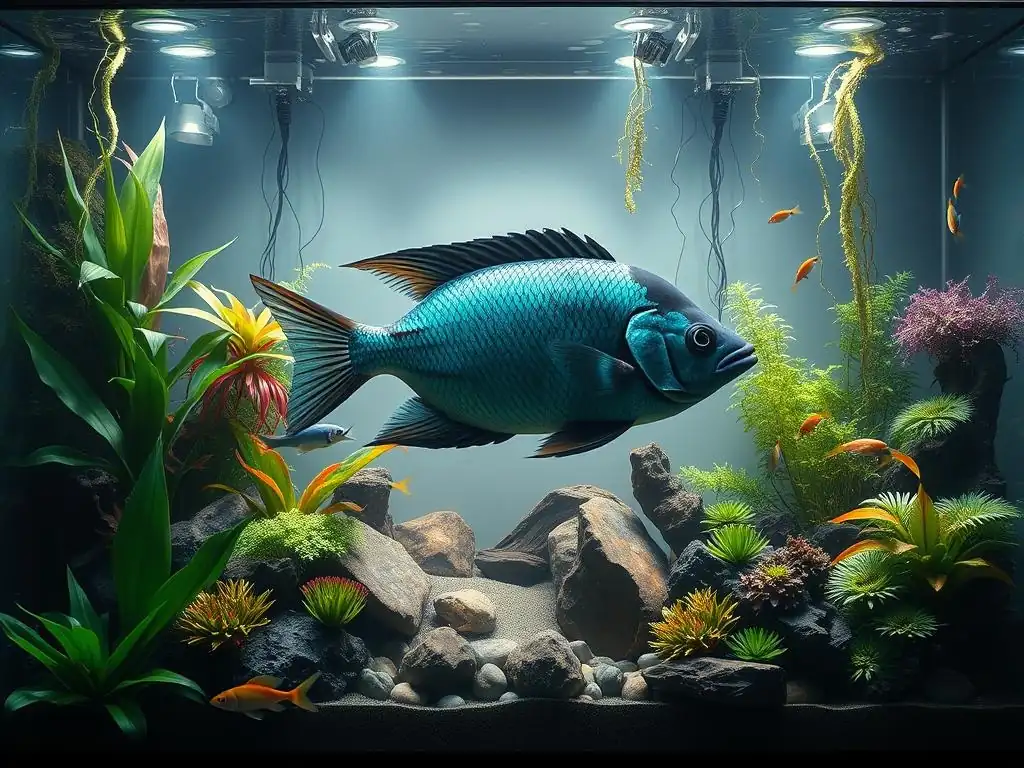
Welcome to Aquarium Mastery!
Ever wondered just how quickly your Oscar will grow? Unlocking the secrets to your Oscar's growth is easier than you think! Dive in and discover everything you need to know about the Oscar fish growth timeline, from tiny fry to magnificent adult. Prepare to be amazed by their transformation and learn how to provide the optimal environment for a thriving and happy Oscar. Let's get started!
- Oscar Fish Growth Rate: A Complete Guide
- Understanding Oscar Fish Growth
- Factors Influencing Oscar Fish Growth Rate
- Optimizing Oscar Fish Growth: Tips for Success
- Common Problems Affecting Oscar Growth
- Comparing Oscar Growth to Other Cichlids
- Supporting Healthy Growth: A Recap for Oscar Owners
- Oscar Fish Growth FAQs: Addressing Common Concerns
- Frequently Asked Questions
- Final Reflection: Nurturing Growth, Observing Time
- Ignite Your Oscar's Growth Potential!
Oscar Fish Growth Rate: A Complete Guide
Understanding Oscar Fish Growth
Oscar Fry Growth Stages: Key Milestones
The initial stages of an Oscar fish's life, from hatching to a few weeks old, are characterized by incredibly rapid growth. Oscar fry, typically measuring around 0.2 inches (0.5 cm) upon hatching, can double or triple their size within the first month under optimal conditions. During this period, their primary focus is on consuming nutrient-rich foods like newly hatched brine shrimp or powdered fry foods, converting this energy into significant length gains.
By the time they are 4-6 weeks old, Oscar fry often reach 1-2 inches (2.5-5 cm) in length, transitioning from a vulnerable larval stage to miniature versions of their adult counterparts. This rapid growth phase is crucial for their survival in the wild and sets the foundation for their future development. Consistent, small, and frequent feedings (4-6 times daily) are paramount during this sensitive Oscar fish growth timeline segment to ensure they receive adequate nutrition for their burgeoning bodies.
Juvenile Oscar Growth Rate: What to Expect in the First Year
The juvenile phase, typically encompassing the first year of an Oscar's life, is the most dynamic period for their Oscar fish growth timeline. Under ideal conditions, a young Oscar can grow at an astonishing rate, often adding approximately 1 inch (2.5 cm) to its length each month. This means that an Oscar purchased as a 2-3 inch juvenile can easily reach 8-10 inches (20-25 cm) by its first birthday.
This rapid growth demands significant resources, including a spacious environment, pristine water quality, and a high-protein diet. For instance, a 6-month-old Oscar might already measure 6-7 inches (15-18 cm), showcasing the exponential increase in size. Owners should monitor their Oscar's length regularly to track its progress along the typical Oscar fish growth timeline, ensuring it's not falling behind due to environmental stressors or nutritional deficiencies.
Adult Oscar Size and Growth: Reaching Full Potential
After the initial burst of growth in the first year, an Oscar's growth rate typically slows down significantly. While they may continue to add a small amount of length, the focus shifts more towards bulking up and developing their characteristic robust body shape. Most Oscars reach their near-full adult length of 10-14 inches (25-35 cm) within 1.5 to 2 years, though some exceptional individuals, particularly males, can grow up to 16 inches (40 cm) in very large, well-maintained aquariums.
Even after reaching their maximum length, Oscars may continue to gain mass and fill out for another year or two, fully maturing around 3-4 years of age. Genetics play a substantial role in determining an Oscar's ultimate size, but proper long-term care, including consistent water quality and a balanced diet, is essential for them to realize their full genetic potential. An Oscar that has followed a healthy Oscar fish growth timeline will exhibit a robust physique, vibrant coloration, and an alert demeanor.
Factors Influencing Oscar Fish Growth Rate
Tank Size and Oscar Growth: Providing Adequate Space
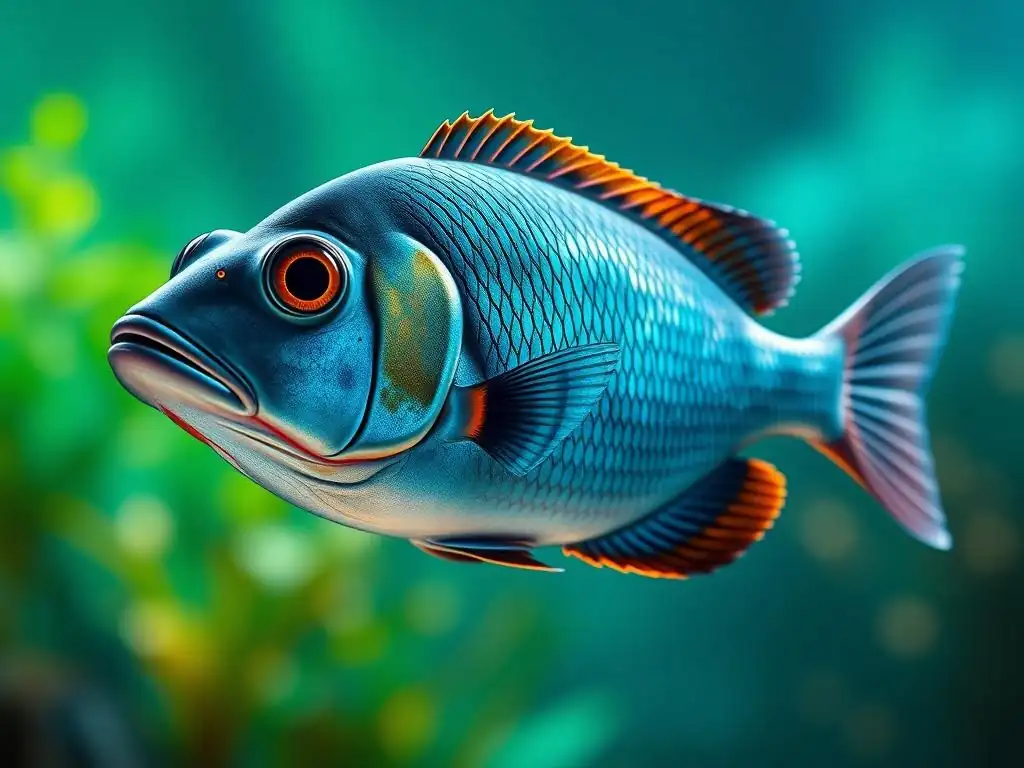
Tank size is arguably one of the most critical factors influencing an Oscar fish's growth rate and overall health. A common misconception is that fish only grow to the size of their tank, which is misleading. While an Oscar in a small tank may indeed remain small, this is often due to stunted growth, a severe and detrimental condition where the fish's external body growth halts while its internal organs continue to develop. This leads to deformities, organ failure, and a significantly shortened lifespan.
For optimal Oscar fish growth, a single adult Oscar requires a minimum of a 75-gallon (284-liter) aquarium, with 100-125 gallons (378-473 liters) being highly recommended for long-term health and full size potential. For example, an Oscar housed in a 55-gallon tank as a juvenile might grow rapidly initially, but by 8-10 months, its growth will likely plateau prematurely at 7-8 inches, whereas a sibling in a 125-gallon tank could easily reach 10-12 inches by the same age and continue to grow.
Providing ample swimming space and reducing stress directly translates to healthier, more robust growth along the Oscar fish growth timeline.
Water Quality and Oscar Development: Maintaining Optimal Conditions
Pristine water quality is non-negotiable for promoting a healthy Oscar fish growth timeline. Oscars are large, messy eaters that produce a significant bio-load, leading to rapid accumulation of waste products like ammonia, nitrite, and nitrate. Even low levels of these toxins can cause chronic stress, suppress appetite, and divert the fish's energy from growth towards combating illness and detoxification, thereby inhibiting development.
Maintaining ideal water parameters—specifically, zero ammonia, zero nitrite, and nitrates below 20 ppm—is crucial. This typically necessitates large, frequent water changes, often 25-50% weekly, depending on the tank size, filtration, and feeding regimen. For instance, a 100-gallon Oscar tank with a powerful canister filter might still require a 40-gallon water change every week to keep nitrates consistently low, ensuring the fish's metabolic processes are optimized for growth rather than fighting poor water conditions. Consistent water temperature (74-80°F or 23-27°C) and stable pH (6.5-7.5) also contribute significantly to a stress-free environment conducive to optimal Oscar fish growth.
Diet and Nutrition for Oscar Growth: Feeding for Success
A high-quality, varied, and appropriate diet is fundamental to an Oscar's growth rate and overall vitality. Oscars are carnivorous and require a diet rich in protein, especially during their juvenile growth spurts. A diet primarily consisting of high-quality cichlid pellets or sticks (with protein content typically ranging from 40-50% for juveniles and 35-45% for adults) should form the foundation.
Supplementing pellets with a variety of frozen or live foods provides essential vitamins, minerals, and amino acids often lacking in a sole pellet diet. Excellent supplemental options include frozen bloodworms, krill, brine shrimp, earthworms, and occasional feeder fish (though caution is advised with feeder fish due to disease risks).
Feeding frequency also matters: juvenile Oscars benefit from 2-3 smaller meals daily to fuel their rapid growth, while adults typically thrive on one substantial meal per day. Overfeeding, however, must be avoided as it leads to obesity, digestive issues, and rapidly deteriorating water quality, all of which negatively impact the Oscar fish growth timeline.
Genetics and Oscar Growth: Understanding Natural Variations
While environmental factors play a huge role, genetics also significantly influence an Oscar fish's ultimate size and growth potential. Just like humans, individual Oscars come with a unique genetic blueprint that dictates their maximum possible size, body shape, and even growth rate. Some Oscars are simply predisposed to be larger, more robust individuals, while others from the same batch might naturally be smaller, even under identical care conditions.
This genetic predisposition means that even with perfect husbandry, an Oscar with a genetic predisposition for a smaller size may not reach the 14-inch mark, while another with superior genetics might exceed expectations. For example, an Oscar bred from exceptionally large parent stock often has the potential to grow larger than one from smaller parents. Understanding this natural variation helps aquarists set realistic expectations for their Oscar fish growth timeline, recognizing that while care optimizes potential, it cannot override fundamental genetic limits.
Optimizing Oscar Fish Growth: Tips for Success
Choosing the Right Food for Optimal Oscar Growth
Selecting the correct diet is paramount for maximizing the Oscar fish growth timeline. A high-quality, protein-rich staple food should form the cornerstone, ideally a sinking pellet or stick specifically formulated for large cichlids. Look for brands that list fish meal, spirulina, and various vitamins and minerals among the first ingredients. For instance, a premium cichlid pellet with a crude protein content of 45% will provide the necessary building blocks for rapid muscle and skeletal development in a young Oscar.
Beyond the staple, variety is key to ensuring a complete nutritional profile. Supplementing with frozen foods such as krill, bloodworms, mysis shrimp, or even small pieces of fresh, lean fish (like tilapia) offers a broader spectrum of nutrients. Earthworms, collected from pesticide-free areas, are also an excellent, natural, and highly nutritious live food option. Feeding small, frequent meals (2-3 times a day for juveniles, once daily for adults) ensures consistent nutrient intake without overfeeding, which can lead to digestive issues and poor water quality, hindering the Oscar fish growth timeline.
Maintaining Ideal Water Parameters for Healthy Growth
Consistent and pristine water quality is non-negotiable for healthy Oscar fish growth. Oscars are sensitive to fluctuating parameters and accumulating toxins. Regularly test your water for ammonia, nitrite, and nitrate using a reliable liquid test kit. Aim for ammonia and nitrite levels of 0 ppm, and nitrate levels consistently below 20 ppm. Achieving these parameters typically requires robust filtration—such as an oversized canister filter rated for a tank significantly larger than your actual volume—and diligent water change routines.
Performing large, weekly water changes of 25-50% is often necessary to dilute nitrates and replenish essential minerals. For example, in a 125-gallon tank housing a single adult Oscar, a 50% weekly water change (62.5 gallons) is a common practice to maintain optimal conditions. Stable water temperature, ideally between 74-80°F (23-27°C), and a pH range of 6.5-7.5 are also crucial. Stable parameters minimize stress, allowing the Oscar to channel its energy into growth rather than combating environmental stressors, thus supporting its Oscar fish growth timeline.
Providing Enrichment and Space to Encourage Healthy Growth
Adequate space and environmental enrichment directly contribute to an Oscar's well-being and, consequently, its growth rate. A cramped environment leads to chronic stress, which can suppress appetite, weaken the immune system, and ultimately stunt growth. Providing a tank that meets or exceeds the minimum size recommendations (e.g., a 75-gallon minimum for one adult, preferably 100-125 gallons) ensures ample swimming room and reduces territorial disputes if tank mates are present.
Beyond mere volume, the tank setup should offer a balance of open swimming areas and visual breaks or hiding spots. Large pieces of driftwood, smooth rocks, or robust artificial plants can provide structure and security. An Oscar that feels secure and has room to explore and behave naturally is a less stressed fish.
Less stress means more energy is directed towards healthy metabolic processes, including growth. For instance, an Oscar housed in a properly sized and decorated tank will often exhibit more robust growth and vibrant coloration compared to one in an undersized, barren setup, even if diet and water quality are identical.
Common Problems Affecting Oscar Growth
Stunted Growth in Oscars: Identifying the Causes
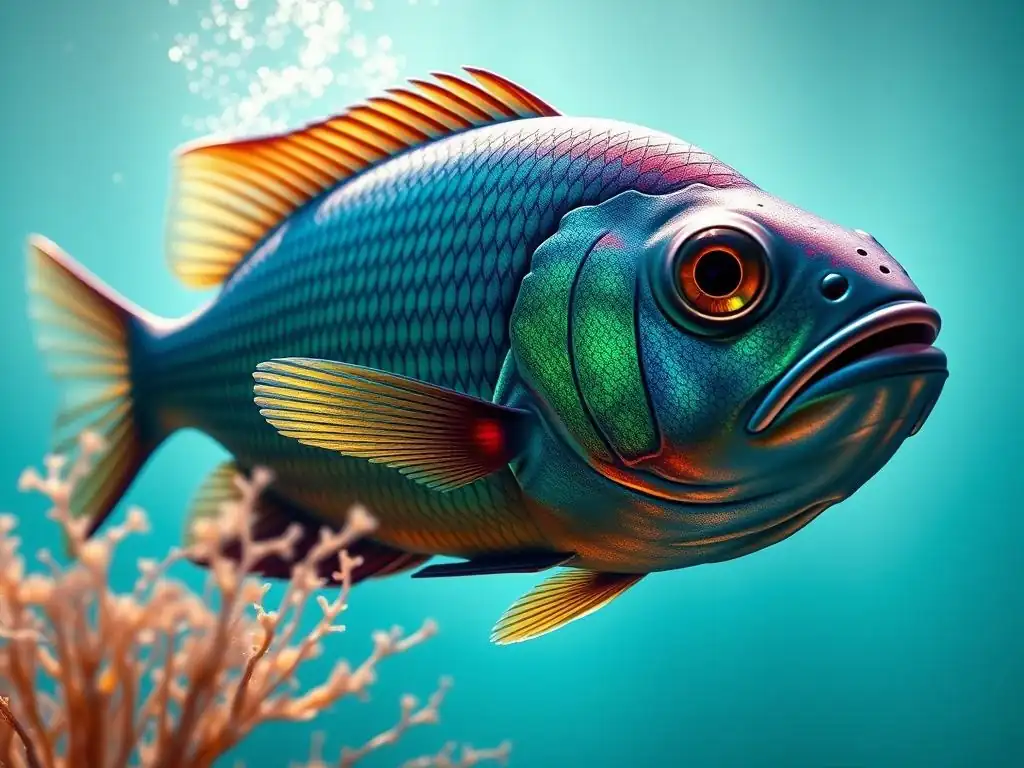
Stunted growth is a serious condition where an Oscar fish fails to reach its natural size potential, often remaining significantly smaller than expected for its age. This is not merely a matter of being a "miniature" Oscar; it's a pathological condition where the external growth stops prematurely while internal organs continue to develop, leading to deformities, organ failure, and a drastically shortened lifespan. The primary causes are chronic poor water quality (high nitrates, ammonia, nitrite), inadequate tank size, and insufficient or improper nutrition.
Key signs of stunted growth include disproportionately large eyes compared to the body, a curved or hunched spine, a thin or emaciated body despite regular feeding, and a general lack of vigor or vibrant coloration. For example, if a one-year-old Oscar measures only 6-7 inches (15-18 cm) when it should ideally be 10-12 inches (25-30 cm), and exhibits any of these physical deformities, it is likely suffering from stunting. This condition highlights a severe disruption in the Oscar fish growth timeline, indicating that the fish's environment is fundamentally unsuitable for its needs.
Disease and Growth Inhibition: Prevention and Treatment
Any disease or parasitic infestation can significantly impede an Oscar fish's growth rate. When an Oscar falls ill, its body diverts energy from normal metabolic processes, including growth, towards fighting off pathogens and healing. Chronic or recurring illnesses can lead to long-term stunting, even if the fish eventually recovers. Common ailments like Hole-in-the-Head disease (often linked to poor water quality and diet), fin rot, or internal parasitic infections can severely impact an Oscar's ability to absorb nutrients and thrive.
Prevention is always the best approach. This includes maintaining impeccable water quality, providing a balanced and nutritious diet, and quarantining any new fish for at least 2-4 weeks before introducing them to the main tank. If disease does strike, prompt and accurate diagnosis followed by appropriate treatment is crucial to minimize its impact on the Oscar fish growth timeline. For instance, a severe case of internal parasites can cause an Oscar to lose weight and stop growing for several months, requiring specific medication and a subsequent period of intensive care to recover its growth trajectory.
Aggression and Stress: Impact on Oscar Development
Chronic stress, often caused by unsuitable tank mates, overcrowding, or a lack of hiding spots, can severely inhibit an Oscar's growth. When an Oscar is constantly harassed or feels threatened, its body releases stress hormones like cortisol. These hormones can suppress the immune system, reduce appetite, and divert energy away from growth, channeling it instead towards coping mechanisms or fight-or-flight responses.
For example, an Oscar kept with overly aggressive or much smaller tank mates that it cannot comfortably coexist with will likely experience continuous stress. This constant state of anxiety can manifest as lethargy, hiding, faded coloration, and a noticeable slowdown in its Oscar fish growth timeline compared to a fish in a peaceful environment. Ensuring tank mates are compatible in size and temperament, and providing ample space and visual barriers within the aquarium, are vital steps to minimize stress and promote healthy, uninterrupted growth.
Comparing Oscar Growth to Other Cichlids
Oscar vs. Texas Cichlid: Growth Rate Comparison
When comparing the Oscar fish growth timeline to that of other popular large cichlids, such as the Texas Cichlid (Herichthys cyanoguttatus), distinct differences emerge. Oscars generally exhibit a faster initial growth rate and can reach larger overall sizes more quickly. A juvenile Oscar, under optimal conditions, can easily grow 1 inch per month during its first year, potentially reaching 8-10 inches (20-25 cm) by 12 months.
In contrast, a Texas Cichlid, while also a large and robust species, typically grows at a slightly slower pace. A one-year-old Texas Cichlid might measure around 6-8 inches (15-20 cm). Furthermore, adult Oscars commonly attain lengths of 10-14 inches (25-35 cm), with some individuals surpassing this. Texas Cichlids, while impressive, usually top out around 10-12 inches (25-30 cm), with males occasionally reaching 14 inches (35 cm). This means an Oscar will often appear larger and bulkier at the same age as a Texas Cichlid, especially within the first two years of their Oscar fish growth timeline.
Understanding Growth Differences: Environmental and Genetic Factors
The variations in growth rates between species like the Oscar and the Texas Cichlid are a complex interplay of genetic predispositions and environmental factors. Genetically, each species has an inherent maximum growth potential and a typical growth curve. Oscars are naturally programmed for a relatively rapid growth trajectory to reach their large adult size. This is a fundamental biological difference, meaning even with identical, perfect care, a Texas Cichlid will not grow as fast or as large as an Oscar.
However, environmental factors—such as tank size, water quality, and diet—are crucial in allowing each species to reach its genetic potential. A Texas Cichlid in an undersized tank with poor water quality will experience stunted growth, just like an Oscar would. Conversely, a well-cared-for Texas Cichlid will achieve its maximum size and grow at its optimal rate, even if that rate is inherently slower than an Oscar's. Understanding these species-specific genetic differences, coupled with the critical role of environmental conditions, helps aquarists appreciate the diverse Oscar fish growth timeline across various cichlid species.
Supporting Healthy Growth: A Recap for Oscar Owners
Key Takeaways for Promoting Optimal Oscar Growth
Promoting optimal Oscar fish growth hinges on three foundational pillars: providing ample space, maintaining impeccable water quality, and offering a high-quality, varied diet. For instance, ensuring your Oscar has a minimum of a 75-gallon tank as a juvenile and upgrading to 100-125 gallons for an adult is crucial to prevent stunting and allow for natural development. Regular, large water changes (e.g., 30-50% weekly) coupled with robust filtration are essential to keep harmful nitrates at bay, preventing stress and disease that inhibit growth.
Furthermore, a diet rich in protein, comprising premium cichlid pellets supplemented with frozen krill, bloodworms, or earthworms, fuels the rapid growth phases. Feeding juveniles 2-3 times daily and adults once daily ensures consistent nutrient intake. Adhering to these core principles consistently will significantly impact your Oscar's Oscar fish growth timeline, allowing it to develop into a large, healthy, and vibrant specimen.
Creating a Thriving Environment for Your Oscar Fish
Beyond the basic requirements, creating a truly thriving environment for your Oscar involves minimizing stress and providing adequate enrichment. This includes carefully selecting compatible tank mates or opting for a species-only tank to prevent aggression and competition for resources, which can severely impact an Oscar's growth rate. Providing visual breaks and secure hiding spots within the aquarium also contributes to a sense of security, allowing the fish to exhibit natural behaviors.
A stress-free Oscar channels its energy into growth and overall well-being, rather than constantly coping with its environment. This holistic approach, encompassing not just physical needs but also psychological comfort, ensures that your Oscar follows a healthy Oscar fish growth timeline, reaching its full genetic potential in terms of both size and lifespan. A well-cared-for Oscar is a rewarding sight, showcasing magnificent size and personality.
Oscar Fish Growth FAQs: Addressing Common Concerns
How fast do Oscar fish grow?
Oscar fish exhibit a remarkably fast growth rate, especially during their first year. Under optimal conditions, a juvenile Oscar can grow approximately 1 inch (2.5 cm) per month, reaching 8-10 inches (20-25 cm) by its first birthday. After the first 12-18 months, their growth rate slows down significantly, with most of their length achieved within the first two years of their Oscar fish growth timeline.
What is the maximum size an Oscar fish can reach?
In captivity, the maximum size an Oscar fish can reach typically ranges from 10 to 14 inches (25-35 cm). However, with exceptionally large tanks (125 gallons or more), pristine water quality, and a superior diet, some individuals, particularly males, have been known to grow up to 16 inches (40 cm). Genetics also play a role, with some bloodlines predisposed to larger sizes.
How can I tell if my Oscar is growing at a healthy rate?
You can tell if your Oscar is growing at a healthy rate by observing consistent growth in both length and girth. A healthy Oscar will appear well-proportioned, with clear eyes, vibrant coloration, and an active, alert demeanor. Comparing its current size to the typical Oscar fish growth timeline expectations (e.g., 8-10 inches by one year) can also provide a good benchmark. Lack of growth, disproportionately large eyes, or a curved spine are signs of potential stunting.
Can I accelerate my Oscar's growth rate safely?
You can accelerate your Oscar's growth rate safely by optimizing all aspects of its care, rather than attempting "forced" growth. This means providing the largest possible tank (100-125 gallons for an adult), performing frequent large water changes to maintain pristine conditions, and feeding a high-quality, protein-rich, varied diet multiple times a day (for juveniles). Overfeeding in a small tank, or using growth hormones, is detrimental and will lead to an unhealthy, stunted fish.
What are the signs of stunted growth in Oscars?
Signs of stunted growth in Oscars include a body size significantly smaller than expected for its age (e.g., a 1.5-year-old Oscar still only 6 inches), disproportionately large eyes compared to its head and body, a curved or hunched spine, and a generally thin or emaciated appearance despite eating. Affected fish may also exhibit lethargy, faded coloration, and are more prone to illness. Stunting indicates a severe disruption of the Oscar fish growth timeline due to unsuitable environmental conditions.
Frequently Asked Questions
What is the typical growth rate of an Oscar fish?
Oscar fish exhibit a rapid growth rate, especially during their first year. You can expect them to grow several inches per month under optimal conditions, potentially reaching adult size within 12-18 months.
What factors influence an Oscar fish's growth timeline?
Several factors significantly impact growth, including water quality, diet, and tank size. Maintaining pristine water, providing a varied and nutritious diet, and offering ample swimming space are crucial for healthy growth.
How big of a tank do I need to accommodate an Oscar fish's growth?
Given their rapid growth and eventual size, Oscars require a large aquarium. A minimum of 75 gallons is recommended for a single adult Oscar, and larger tanks are preferable, especially for multiple fish.
What kind of diet supports optimal growth in Oscar fish?
A varied diet is essential. Offer high-quality pellet food specifically formulated for Oscars, supplemented with live or frozen foods like bloodworms, mealworms, and small fish (used sparingly).
What are some common issues that can stunt an Oscar fish's growth?
Poor water quality, inadequate tank size, and a monotonous or nutritionally deficient diet are common culprits. Also, disease can hinder growth; ensure proper quarantine procedures for new fish.
Final Reflection: Nurturing Growth, Observing Time
The journey of understanding an Oscar fish's growth, as we've explored, isn't just about measuring inches and grams; it's about appreciating the dynamic interplay between genetics, environment, and care. This understanding is particularly relevant today, as responsible pet ownership demands informed decisions and a commitment to providing optimal conditions for our aquatic companions. The Oscar's growth timeline, therefore, becomes a roadmap for ensuring their well-being and longevity.
This exploration into the Oscar's development has profoundly influenced my perspective on the interconnectedness of life and the responsibility we bear towards the creatures in our care. Witnessing the potential for growth, and the impact of our actions on that growth, underscores the importance of mindful stewardship. The greatness of a nation and its moral progress can be judged by the way its animals are treated.
- Mahatma Gandhi. This quote resonates deeply, reminding us that our treatment of even the smallest creatures reflects our broader values and our commitment to a more compassionate world.
As you consider the Oscar fish growth timeline, I invite you to reflect on your own role in fostering growth, both within yourself and in the world around you. Whether you're a seasoned aquarist or simply someone fascinated by the wonders of nature, remember that every action, every choice, has the potential to shape the future. Embrace the opportunity to nurture, to learn, and to contribute to a world where all living beings can thrive.
Ignite Your Oscar's Growth Potential!
Thanks for diving into the world of Oscar fish growth! We hope you now have a clearer understanding of what to expect and how to support your Oscar's journey to becoming a magnificent aquarium centerpiece. Ready to take the next step and ensure your Oscar thrives?
Here's what you can do right now:
- Immediately assess your Oscar's current tank size. Is it adequate for its projected adult size? Upgrading sooner rather than later will make a huge difference.
- Explore adding some live plants suitable for Oscars (tough varieties!) to stimulate natural behaviors and add environmental enrichment.
- Share your own Oscar growth experiences and any unique feeding strategies you've found successful in the comments below.
What surprising change will you make to your Oscar's environment this week to boost its growth and happiness?