
Can Kissing Gouramis Live with Other Gouramis? A Compatibility Deep Dive

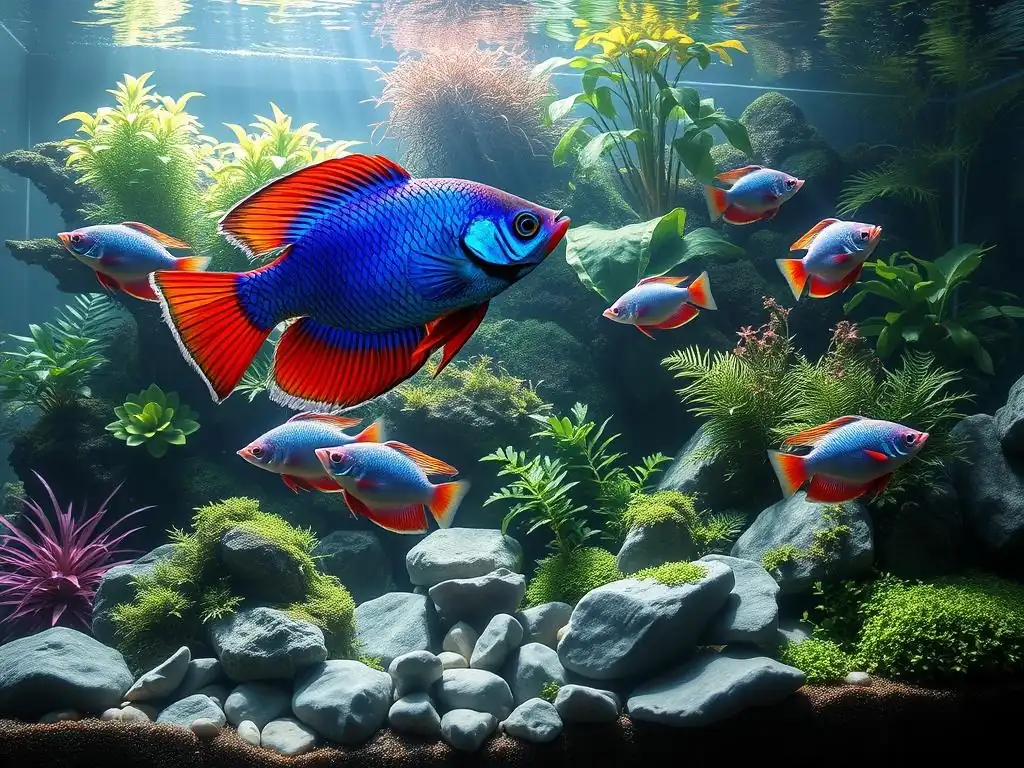
Welcome to Aquarium Mastery!
Ever wondered if those puckering Kissing Gouramis can truly play nice with other gourami species in your freshwater tank? It's a question many aquarists grapple with! Dive into our comprehensive article on Kissing Gourami compatibility issues and uncover the secrets to a harmonious aquarium. Get ready to explore the nuances of gourami behavior and discover the ideal tank mates for your beloved fish. Let's get started!
- Gourami Compatibility: A Guide to Peaceful Coexistence
- Understanding Gourami Temperament and Behavior
- Gourami Compatibility Issues Between Species
- Factors Influencing Gourami Compatibility
- Setting Up a Community Tank with Gouramis
- Case Studies: Successful and Unsuccessful Gourami Communities
- Alternative Fish Species for a Peaceful Community Tank
-
Frequently Asked Questions
- Can Kissing Gouramis coexist peacefully with other gourami species in a community aquarium?
- What are some common signs of incompatibility between a Kissing Gourami and other gourami species?
- How large of an aquarium is recommended to minimize Kissing Gourami compatibility issues with other gouramis?
- What type of tank mates, besides other gouramis, might experience compatibility issues with Kissing Gouramis?
- Are there any specific strategies to improve the chances of Kissing Gouramis getting along with other gouramis in a shared tank?
- Final Reflection: Harmony in the Aquarium
- Unveil the Perfect Tank Mate: Expand Your Gourami Family!
Gourami Compatibility: A Guide to Peaceful Coexistence
Understanding Gourami Temperament and Behavior
Gouramis, belonging to the suborder Anabantoidei, are known for their unique labyrinth organ, allowing them to breathe atmospheric air. This adaptation often means they can survive in less oxygenated waters, but it doesn't diminish their need for pristine tank conditions. Their social behavior varies significantly by species, ranging from the generally peaceful Honey Gourami to the more territorial and occasionally aggressive Three Spot Gourami.
Many gourami species, particularly males, exhibit territoriality, especially when establishing breeding territories or competing for resources. This can manifest as chasing, fin nipping, or outright aggression towards tank mates, especially other gouramis or similarly shaped fish.
The "kissing" behavior seen in Kissing Gouramis ( Helostoma temminckii) is a prime example of their complex social interactions. Despite popular belief, this is rarely an act of affection; rather, it is a display of dominance between two individuals, often males, establishing a pecking order or contesting territory. This can lead to significant Kissing Gourami compatibility issues if multiple Kissing Gouramis are housed together in insufficient space, or if their aggressive displays stress other, more docile tank mates. Understanding these inherent behaviors is crucial for preventing conflicts and ensuring a harmonious aquarium environment.
Factors Influencing Gourami Aggression
Several factors contribute to aggression among gouramis and towards other fish. Tank size is paramount; an undersized aquarium limits territory, leading to increased stress and conflict. For instance, a 20-gallon tank, while suitable for a single Dwarf Gourami, would be severely overcrowded for a pair of Pearl Gouramis, let alone a single adult Kissing Gourami which can reach 10-12 inches and requires at least a 55-gallon tank. Overcrowding exacerbates Kissing Gourami compatibility issues, as their large size and boisterous nature can quickly dominate smaller spaces.
Gender dynamics also play a significant role. Male gouramis, particularly Dwarf Gouramis and Three Spot Gouramis, are notorious for their aggression towards other males of their own species or even similar-looking fish. This male-on-male aggression can be lethal, often resulting in one fish being relentlessly bullied until it succumbs to stress or injury. Lack of adequate hiding places and visual barriers, improper water parameters causing stress, and incompatible tank mates (e.g., fin-nippers or overly timid species) further escalate the potential for aggression, making careful planning essential to mitigate Kissing Gourami compatibility issues and general gourami conflicts.
Gourami Compatibility Issues Between Species
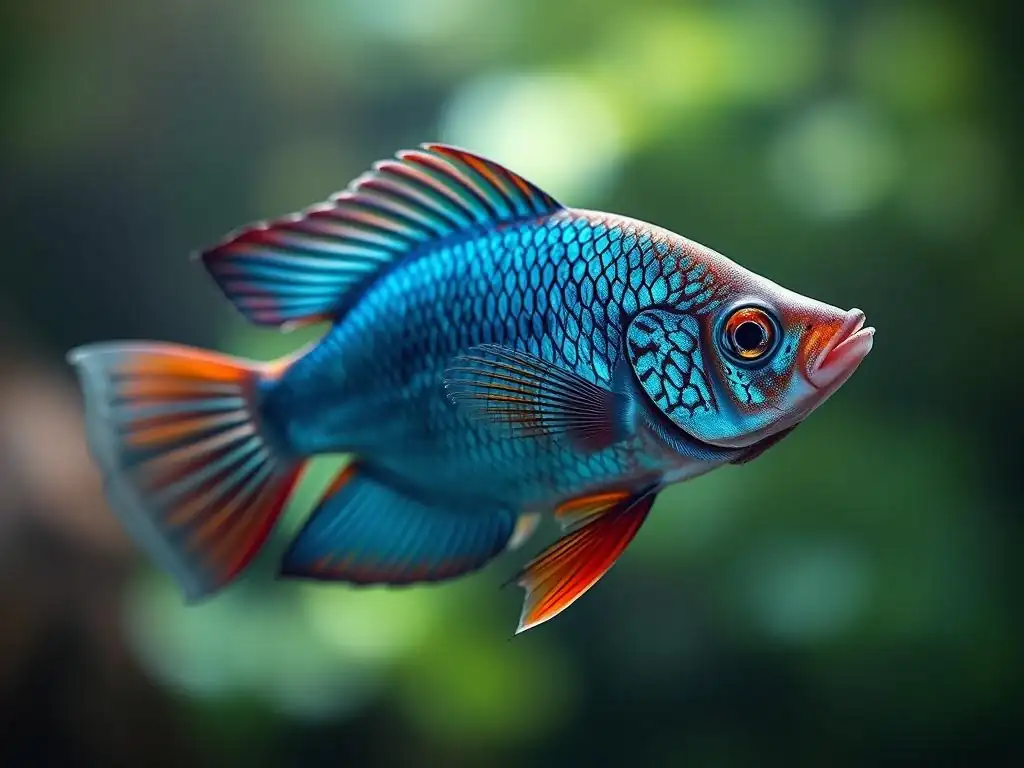
Dwarf Gourami and Honey Gourami Coexistence
Dwarf Gouramis ( Colisa lalia) are popular for their vibrant colors and relatively small size, typically reaching about 2 inches. While generally peaceful, male Dwarf Gouramis can be territorial, especially towards other males or similarly sized, brightly colored fish. Honey Gouramis ( Trichogaster chuna), on the other hand, are among the most placid and shy gourami species, rarely exceeding 2 inches themselves. Their timid nature makes them vulnerable to bullying from more assertive fish.
Housing these two species together can present compatibility challenges. A male Dwarf Gourami might harass a more docile Honey Gourami, particularly in a tank smaller than 20 gallons or one lacking sufficient plant cover. While not as prone to the significant Kissing Gourami compatibility issues seen with larger species, the size disparity and temperament differences can lead to stress for the Honey Gourami, potentially causing it to hide constantly or become susceptible to disease. Success typically requires a spacious, heavily planted aquarium (at least 20-30 gallons) to provide ample hiding spots and diffuse potential aggression.
Pearl Gourami and Blue Gourami Compatibility
Pearl Gouramis ( Trichopodus leerii), known for their iridescent, pearl-like spots and flowing fins, are generally considered one of the most peaceful large gourami species, reaching up to 4-5 inches. They are calm, graceful swimmers and typically coexist well with a variety of peaceful community fish. Blue Gouramis ( Trichopodus trichopterus), also known as Three Spot Gouramis or Opaline Gouramis, can grow to a similar size, around 5-6 inches, but possess a more assertive and often semi-aggressive temperament.
The contrast in temperaments between Pearls and Blues can lead to significant compatibility issues. While some aquarists successfully keep them together in very large, heavily planted tanks (55 gallons or more), the Blue Gourami's tendency to be territorial and nip fins can stress the more placid Pearl Gourami.
This is particularly true if multiple males are present or if the tank is not adequately structured with visual breaks. Introducing a large, boisterous Kissing Gourami into such a mix would further exacerbate Kissing Gourami compatibility issues, as their sheer size and persistent dominance displays would likely overwhelm both Pearl and Blue Gouramis, leading to severe stress and potential injury.
Three Spot Gourami and Moonlight Gourami: Potential Conflicts
Three Spot Gouramis ( Trichopodus trichopterus), including their color morphs like Blue, Opaline, and Gold Gouramis, are often semi-aggressive and can be quite territorial, especially males. They are known to nip fins and bully smaller or slower tank mates. Moonlight Gouramis ( Trichopodus microlepis), reaching a similar size of 5-6 inches, are generally much more peaceful and graceful, characterized by their shimmering silver bodies and long, flowing fins. They are less prone to aggression than their Three Spot cousins.
Due to the Three Spot Gourami's more dominant nature, housing them with Moonlights can lead to conflict. The Three Spot Gourami may harass the more docile Moonlight, especially if the tank is too small (less than 55 gallons) or lacks sufficient break points in line of sight. While not as overtly aggressive as a large Kissing Gourami, the consistent bullying from a Three Spot can cause significant stress to a Moonlight Gourami, leading to health decline.
Successfully integrating these two species requires a very spacious aquarium with abundant plant cover and careful observation to ensure the Moonlight Gourami is not being unduly stressed. The potential for Kissing Gourami compatibility issues would be even higher if a Kissing Gourami were introduced, as its robust nature and territorial displays would likely dominate the entire tank, making it unsuitable for more peaceful species like the Moonlight Gourami.
Factors Influencing Gourami Compatibility
Tank Size and Space Requirements for Multiple Gouramis
Tank size is arguably the most critical factor influencing gourami compatibility. Insufficient space intensifies territorial disputes, leading to chronic stress and aggression.
For smaller gouramis like Dwarf or Honey Gouramis, a minimum of 10-20 gallons is recommended for a single specimen, with larger tanks (30+ gallons) preferred for pairs or small groups, provided they are all females or a single male with multiple females. For larger gourami species such as Pearl, Blue, or Moonlight Gouramis, a minimum of 30-40 gallons is necessary for a single individual, and 55-75 gallons or more is ideal for a pair or a small community, allowing ample swimming room and defined territories.
Kissing Gouramis, due to their significant adult size (up to 12 inches) and potential for Kissing Gourami compatibility issues, require even larger tanks, typically 75 gallons as a bare minimum for a single adult, with 125 gallons or more being ideal for a pair or small group if attempting to house multiples. This generous space allows them to establish individual territories and diffuse aggressive encounters by providing escape routes and reducing perceived threats. Without adequate space, even generally peaceful gouramis can become aggressive, and species known for territoriality will exhibit heightened conflict.
Maintaining Water Parameters for a Peaceful Gourami Community
Consistent and appropriate water parameters are fundamental to the health and temperament of gouramis. Fluctuations or poor water quality can induce stress, making fish more susceptible to disease and more prone to aggressive behavior. Gouramis generally thrive in soft to moderately hard water with a pH range of 6.0 to 8.0, and temperatures between 72°F and 82°F (22-28°C), depending on the specific species. For instance, most Trichopodus species prefer slightly acidic to neutral water, while Kissing Gouramis are more tolerant of slightly alkaline conditions.
Regular water changes (25-30% weekly or bi-weekly depending on bioload) are crucial to keep nitrates low and prevent the buildup of toxins like ammonia and nitrite, which are highly detrimental. A well-maintained filtration system (mechanical, biological, and chemical) is also essential to ensure stable water quality. When fish are stressed by poor water conditions, their immune systems weaken, and their natural behaviors can become exaggerated, leading to increased aggression and more pronounced Kissing Gourami compatibility issues among tank inhabitants. Providing stable, clean, and appropriately conditioned water reduces stress, promoting a more peaceful and harmonious community.
The Importance of Hiding Places and Planted Aquariums
A well-structured aquarium with ample hiding places and visual barriers is paramount for mitigating aggression and fostering gourami compatibility. Live plants, driftwood, rocks, and artificial decor can break up line of sight, preventing dominant fish from constantly seeing and harassing subordinate ones. For territorial species, these elements provide natural boundaries, allowing each fish to establish its own perceived territory, thereby reducing direct confrontations.
Heavily planted tanks are particularly beneficial for all gourami species, offering not only shelter but also a sense of security. Floating plants can diffuse overhead lighting, which many gouramis appreciate, and provide cover for bubble nests if breeding. For larger species like Kissing Gouramis, robust plants and large pieces of driftwood are necessary to withstand their size and movement. The presence of numerous hiding spots allows weaker or stressed fish to retreat and de-stress, significantly reducing the likelihood of severe injury or chronic stress that can arise from Kissing Gourami compatibility issues in barren environments.
Setting Up a Community Tank with Gouramis
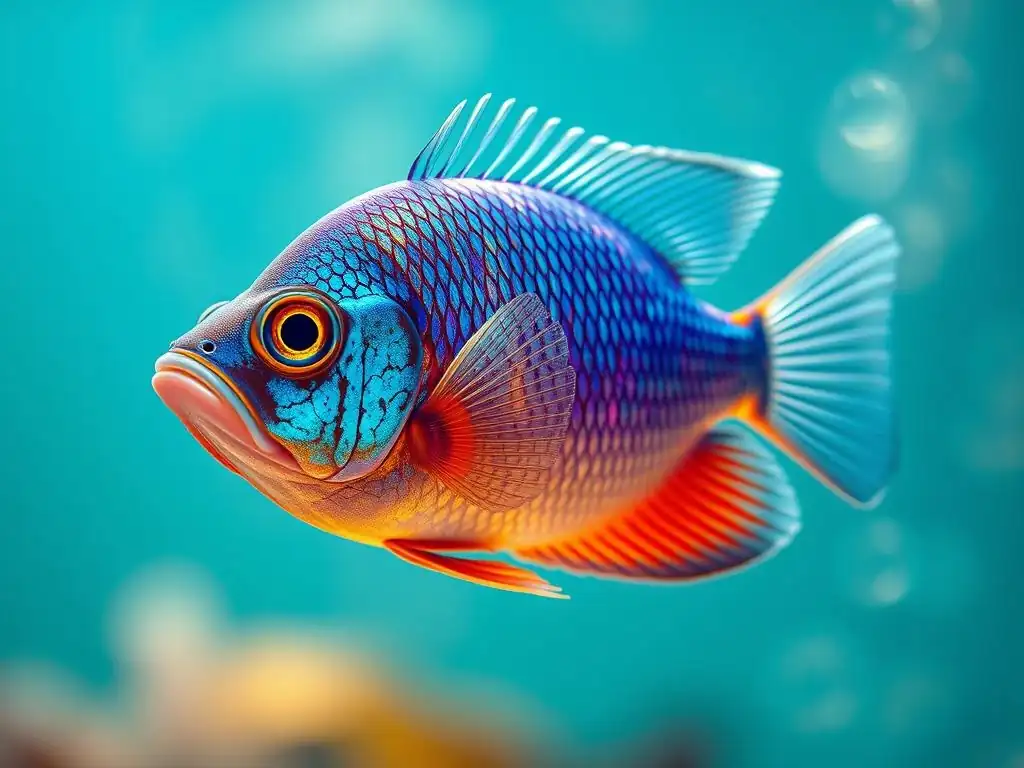
Choosing Compatible Tank Mates Beyond Gouramis
When planning a community tank with gouramis, selecting compatible tank mates is crucial to prevent aggression and ensure the well-being of all inhabitants. Ideal tank mates are generally peaceful, similarly sized, and occupy different levels of the water column to avoid direct competition for space. Good choices often include various schooling fish such as Neon Tetras, Rummy Nose Tetras, Harlequin Rasboras, or Danios, which are fast enough to avoid most gourami aggression and prefer the middle to upper water column.
Bottom dwellers like Corydoras catfish, Otocinclus catfish, or peaceful plecos (e.g., Bristlenose Pleco) are also excellent choices as they occupy the lower regions of the tank and are generally ignored by most gouramis. Avoid fin-nipping species like Tiger Barbs, overly boisterous fish that might stress gouramis, or very small, delicate species that could be seen as food. For tanks featuring larger gouramis like Kissing Gouramis, ensure tank mates are robust enough to handle their size and occasional boisterousness, as Kissing Gourami compatibility issues can arise with smaller, more fragile species.
Avoiding Aggression: Tips for Introducing New Fish
Introducing new fish into an established aquarium requires careful planning to minimize stress and prevent aggression. One effective strategy is to add all fish, or at least the gouramis, simultaneously to the tank. This prevents any single fish from establishing an early territory and becoming overly dominant before others are present. If adding fish to an existing setup, rearrange the tank decor before introducing new inhabitants. This disrupts existing territories and forces all fish to establish new ones, reducing the territorial advantage of the established residents.
Another tip is to introduce the most aggressive or dominant fish last, giving more docile species time to acclimate and find hiding spots. For gouramis, especially if introducing males of the same species or a potentially problematic Kissing Gourami, observe their behavior closely for the first few hours and days. Providing plenty of hiding spots and a slightly dimmed light can also help reduce initial stress and aggression. If severe aggression is observed, be prepared to separate the fish or rehome one of them to prevent injury or chronic stress, especially when dealing with potential Kissing Gourami compatibility issues.
Monitoring Behavior and Addressing Potential Problems
Continuous monitoring of fish behavior is essential for maintaining a peaceful community tank. Look for signs of stress, such as clamped fins, rapid breathing, loss of color, hiding excessively, or refusing to eat. Observe interactions between fish: persistent chasing, fin nipping, or one fish constantly cornering another are clear indicators of aggression. Torn fins or body injuries are also obvious signs that compatibility issues are present.
If problems arise, several steps can be taken. First, check water parameters to ensure they are optimal, as poor water quality is a common stressor. Second, increase the number of hiding places and visual barriers within the tank. Adding more plants, driftwood, or rock formations can help diffuse aggression.
If a specific fish is the aggressor, consider temporarily removing it to a separate tank for a "time-out" period (a few days to a week) before reintroducing it. Sometimes, simply rearranging the decor during its absence can reset territorial boundaries. In severe cases, or if Kissing Gourami compatibility issues prove intractable, rehoming the aggressive fish or the bullied fish may be the only long-term solution to ensure the well-being of all inhabitants.
Case Studies: Successful and Unsuccessful Gourami Communities
Overcrowding Leading to Aggression in a Gourami Tank
A common scenario leading to severe Kissing Gourami compatibility issues and general aggression occurs when aquarists attempt to house a large Kissing Gourami in an undersized tank, or mix them inappropriately with other gouramis. Consider a 30-gallon aquarium that housed a 6-inch adult Kissing Gourami alongside a pair of 2-inch Dwarf Gouramis and a small school of Neon Tetras. Despite being well-fed, the Kissing Gourami, a robust and territorial species, quickly dominated the limited space.
It continuously chased the Dwarf Gouramis, nipping their fins and preventing them from accessing food. The Neon Tetras, while agile, were constantly stressed by the sheer presence and occasional lunges of the much larger gourami.
Within weeks, the Dwarf Gouramis became lethargic, their colors faded, and one eventually succumbed to stress-related illness. The other Dwarf Gourami spent most of its time hiding, its fins tattered. This case exemplifies how the inherent territoriality and size of a Kissing Gourami, combined with insufficient space, can lead to severe stress and mortality for smaller, more delicate tank mates. It underscores the critical importance of providing adequate tank volume (at least 75 gallons for a single adult Kissing Gourami) to prevent such drastic Kissing Gourami compatibility issues and ensure a peaceful environment for all inhabitants.
Successful Community Tank with Dwarf Gouramis, Corydoras, and Tetras
In contrast, a successful 40-gallon community tank demonstrated excellent gourami compatibility by carefully selecting species and providing an optimal environment. This tank housed a single male Dwarf Gourami as the centerpiece. Its tank mates included a school of eight peaceful Rummy Nose Tetras ( Hemigrammus bleheri) occupying the mid-water column, and a group of six Bronze Corydoras ( Corydoras aeneus) patrolling the substrate. The aquarium was heavily planted with various live plants, including Amazon Swords, Anubias, and floating Water Lettuce, creating numerous visual barriers and hiding spots.
The Dwarf Gourami, while occasionally displaying its territorial colors, rarely showed aggression towards its tank mates. The Rummy Nose Tetras were fast enough to avoid any brief chases, and their schooling behavior provided a sense of security. The Corydoras, being bottom dwellers and entirely non-aggressive, were completely ignored by the gourami.
Regular water changes (25% weekly) and a robust filtration system maintained pristine water parameters (pH 6.8, temperature 78°F), minimizing stress for all inhabitants. This setup thrived for over two years, showcasing how thoughtful species selection, appropriate tank size, and proper aquascaping can lead to a harmonious and vibrant gourami community, free from significant Kissing Gourami compatibility issues or other conflicts.
Alternative Fish Species for a Peaceful Community Tank
Exploring Peaceful Community Fish Options
For aquarists seeking a truly peaceful community tank, especially if gourami compatibility issues prove too challenging or if they prefer a different aesthetic, numerous alternative fish species can create a harmonious environment. Small schooling fish are often excellent choices.
Examples include various species of Rasboras (e.g., Harlequin Rasboras, Chili Rasboras), many types of Tetras (e.g., Neon Tetras, Cardinal Tetras, Ember Tetras), and peaceful Danio species (e.g., Zebra Danios). These fish are typically active, colorful, and generally do not bother other tank mates, provided they are kept in appropriate school sizes (usually 6 or more individuals) to reduce stress and promote natural behavior.
Bottom dwellers like Corydoras catfish are universally peaceful and highly recommended for almost any community tank, as they keep the substrate clean and add an engaging dynamic. Otocinclus catfish are also excellent algae eaters and remain small and unobtrusive. For mid-to-upper water column interest, consider small, peaceful livebearers like Guppies or Platies, though their rapid breeding can quickly overpopulate a tank. These alternatives offer a wide range of options for creating a vibrant and tranquil aquarium without the potential complexities of Kissing Gourami compatibility issues or other inter-gourami conflicts.
Creating a Harmonious Aquarium Environment
Creating a truly harmonious aquarium environment extends beyond just selecting compatible fish species; it involves a holistic approach to tank management. Fundamental to success is maintaining stable and pristine water quality through regular testing and consistent water changes. A well-designed filtration system is crucial for removing waste and ensuring biological stability. The physical layout of the tank also plays a significant role: providing ample space, numerous hiding spots, and visual barriers through live plants, driftwood, and rocks helps to reduce stress and minimize territorial aggression.
Proper feeding practices, including offering a varied diet and avoiding overfeeding, contribute to fish health and reduce competition. Observing fish behavior regularly allows for early detection of potential problems, enabling timely intervention before minor squabbles escalate into serious conflicts. By prioritizing these elements—appropriate tank size, stable water parameters, thoughtful aquascaping, and vigilant observation—aquarists can cultivate a thriving, stress-free community where all inhabitants, including gouramis, can coexist peacefully, minimizing the likelihood of Kissing Gourami compatibility issues or any other inter-species conflicts.
Frequently Asked Questions
Can Kissing Gouramis coexist peacefully with other gourami species in a community aquarium?
Kissing Gouramis can be territorial, especially when mature. Limited tank space often leads to aggression towards similar-looking or sized gouramis.
What are some common signs of incompatibility between a Kissing Gourami and other gourami species?
Common signs include chasing, nipping fins, and general stress displayed by the other gourami. Observe if the other gourami hides excessively or shows signs of injury.
How large of an aquarium is recommended to minimize Kissing Gourami compatibility issues with other gouramis?
A larger tank is crucial. At least a 75-gallon tank is recommended to provide enough space for territories and reduce aggression.
What type of tank mates, besides other gouramis, might experience compatibility issues with Kissing Gouramis?
Any fish that are slow-moving, have long, flowing fins, or are significantly smaller than the Kissing Gourami may be bullied. Avoid peaceful, docile species.
Providing ample hiding places (plants, driftwood), maintaining excellent water quality, and ensuring sufficient feeding can help mitigate aggression. Monitor the fish closely for signs of stress.
Final Reflection: Harmony in the Aquarium
The exploration of Kissing Gourami compatibility, as we've seen, isn't just about fish; it's about understanding the delicate balance of any community. Understanding the nuances of species interaction is crucial, especially in a world where responsible pet ownership and ethical animal care are increasingly valued. The potential for conflict, even in the seemingly peaceful environment of an aquarium, underscores the importance of informed decisions.
This journey into the world of Kissing Gouramis has highlighted the complexities of creating a harmonious aquatic ecosystem. It reminds us that even seemingly simple choices, like selecting tank mates, can have profound impacts on the well-being of living creatures. The greatness of a nation and its moral progress can be judged by the way its animals are treated.
- Mahatma Gandhi. This quote resonates deeply, urging us to consider the ethical implications of our actions and strive for compassion in all our interactions, even those within the confines of a glass tank.
Now, armed with this knowledge, I invite you to reflect on your own role in creating harmonious environments, both within your aquariums and beyond. Consider how your choices impact the lives of others, and strive to cultivate understanding and empathy in all your interactions. Let the lessons learned from the Kissing Gourami's compatibility issues inspire you to create a more peaceful and balanced world, one thoughtful decision at a time.
Unveil the Perfect Tank Mate: Expand Your Gourami Family!
Thank you for diving into the fascinating world of Kissing Gourami compatibility! We hope this article has empowered you with the knowledge to create a harmonious aquarium environment. Now, let’s take that knowledge and turn it into action!
- Prioritize harmony: Carefully research and select tank mates known to coexist peacefully with Kissing Gouramis based on temperament and size.
- Explore compatibility charts and online communities to gather real-world experiences and additional insights from fellow aquarists.
- Share your experiences! If you already keep Kissing Gouramis, what are your secrets to a peaceful community tank?