
Lemon Tetra Zest: An Aquarium Mastery Advanced Breeder's Recipe for Success

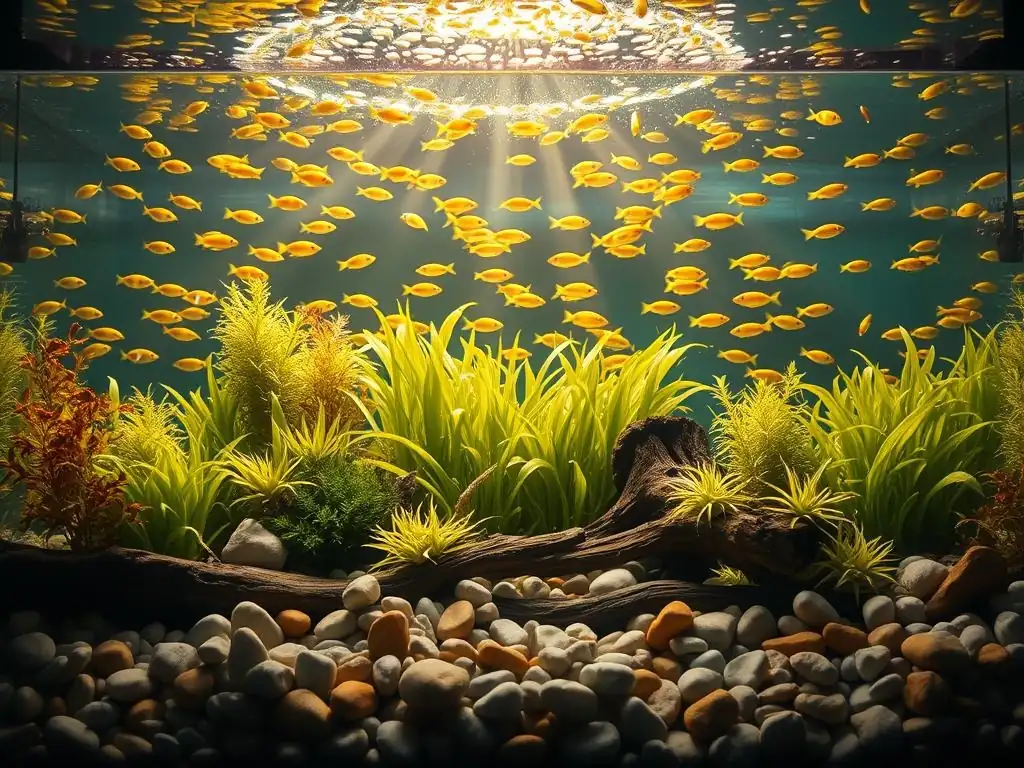
Welcome to Aquarium Mastery, fellow aquarist!
Ever wondered how to unlock the secrets to Lemon Tetra breeding success? You've landed in the right place. Get ready to dive deep into our advanced guide, where we'll reveal the pro tips and techniques that will have your Lemon Tetras thriving and spawning in no time. Curious to know the key ingredient? Let's get started!
- Cardinal Tetra Breeding: An Advanced Breeder's Guide to Success
- Achieving Cardinal Tetra Breeding Success: An Introduction
- Preparing for Cardinal Tetra Spawning: The Advanced Breeder's Checklist
- The Cardinal Tetra Breeding Process: A Step-by-Step Guide
- Post-Spawning Care: Protecting and Nurturing Cardinal Tetra Fry
- Advanced Techniques for Maximizing Cardinal Tetra Fry Survival Rates
- Troubleshooting Common Cardinal Tetra Breeding Challenges
- Beyond the Basics: Refining Your Cardinal Tetra Breeding Strategy
- Conclusion: Mastering Cardinal Tetra Breeding for Aquarium Enthusiasts
-
Frequently Asked Questions
- How crucial is water quality for Lemon Tetra breeding success?
- What specific environmental conditions are optimal for Lemon Tetra breeding?
- What type of food should I feed my Lemon Tetra during the breeding process?
- How can I protect the Lemon Tetra eggs and fry from being eaten by the adults?
- What steps are needed to successfully raise Lemon Tetra fry after hatching?
- Final Reflection: Cultivating Life, Illuminating Aquariums
- Unleash Your Inner Tetra Breeder!
Cardinal Tetra Breeding: An Advanced Breeder's Guide to Success
Achieving Cardinal Tetra Breeding Success: An Introduction
Why Breed Cardinal Tetras? The Allure of Paracheirodon axelrodi
Breeding Cardinal Tetras ( Paracheirodon axelrodi) offers a deeply rewarding challenge for the dedicated aquarist. These dazzling freshwater fish, with their vibrant red and blue iridescent stripes, are among the most sought-after species in the hobby.
Beyond their undeniable aesthetic appeal, successfully propagating Cardinal Tetras in a home aquarium provides immense satisfaction, allowing enthusiasts to witness the full life cycle of these delicate creatures. It's an opportunity to deepen one's understanding of aquatic biology and contribute to the sustainability of the hobby by reducing reliance on wild-caught specimens, which often endure stressful collection and shipping processes from their native Amazonian blackwater habitats.
The allure extends beyond personal achievement; achieving Cardinal Tetra breeding success also contributes to the broader aquarium community. Captive-bred fish are generally hardier, more accustomed to aquarium conditions, and less prone to disease than their wild counterparts. For many advanced breeders, the intricate dance of courtship, the meticulous care required for eggs, and the fragile beauty of the tiny fry represent the pinnacle of freshwater aquaculture. It's a testament to skill, patience, and a deep commitment to providing optimal conditions for these magnificent fish.
Defining "Success" in Cardinal Tetra Breeding: Beyond Just Fry
For the advanced breeder, "success" in Cardinal Tetra breeding transcends the mere presence of eggs or even newly hatched fry. True Cardinal Tetra breeding success is measured by the ability to consistently raise a significant number of healthy, robust fry to maturity, ensuring their viability and contributing to a sustainable population. It involves navigating the incredibly delicate early stages of life, where fry are highly susceptible to minute changes in water quality, lack of appropriate food, and disease. A successful breeding program implies a high survival rate through the first few critical weeks, not just a successful spawn.
Moreover, defining success also encompasses the health and genetic integrity of the resulting offspring. This means selecting prime breeding stock, providing an environment that minimizes stress, and implementing practices that promote vigorous growth and vibrant coloration in the next generation. It's about establishing a repeatable process that yields consistent results, rather than a serendipitous one-off event. For the serious aquarist, Cardinal Tetra breeding success is a continuous journey of refinement, learning from each spawn to improve future outcomes and contribute to the overall resilience of the species in captivity.
Preparing for Cardinal Tetra Spawning: The Advanced Breeder's Checklist
Optimizing Water Parameters for Cardinal Tetra Breeding: pH, Temperature, and Hardness Precision
Achieving consistent Cardinal Tetra breeding success hinges critically on replicating their natural blackwater environment, which means precise control over water parameters. The ideal pH for spawning Cardinal Tetras is highly acidic, typically ranging from 5.0 to 6.0, with many successful breeders targeting around 5.5. This low pH is crucial for egg viability and preventing fungal growth.
Alongside acidity, water hardness must be exceptionally low. General Hardness (GH) should be below 3 dGH (approximately 50 ppm), ideally near 0-1 dGH, and Carbonate Hardness (KH) should be negligible to non-existent. These ultra-soft conditions are paramount for ensuring that the delicate egg membrane can absorb water and develop properly.
Temperature also plays a vital role. For spawning, the water temperature should be stable within the range of 78-82°F (25.5-27.8°C). This warmth encourages spawning behavior and supports rapid embryonic development. To achieve these specific parameters, advanced breeders almost exclusively rely on Reverse Osmosis (RO) or RO/DI (Reverse Osmosis/Deionization) water, which provides a clean slate with virtually no dissolved solids. This pristine water is then carefully buffered to the desired pH using methods like peat filtration or the addition of humic substances from Indian almond leaves, ensuring the stable, soft, and acidic conditions necessary for optimal Cardinal Tetra breeding success.
Creating the Ideal Spawning Tank Environment: Substrate, Plants, and Lighting Considerations
The spawning tank for Cardinal Tetras should be a dedicated, small-scale setup designed to maximize egg survival and minimize stress. A 5 to 10-gallon aquarium is typically sufficient, allowing for easy monitoring and maintenance. The choice of substrate is critical; a bare bottom is often preferred for cleanliness and ease of siphoning out uneaten food or debris, which can otherwise lead to harmful bacterial blooms. Alternatively, a very thin layer of dark, fine gravel can be used to absorb light and create a more natural feel, though it requires more meticulous cleaning.
For egg deposition, fine-leaved plants or spawning mops are essential. Java moss ( Taxiphyllum barbieri) is an excellent choice due to its dense, intricate structure, which provides ample surface area for eggs to adhere to while also offering cover. Synthetic spawning mops made from nylon yarn are also highly effective and easier to sterilize.
Lighting in the spawning tank should be extremely dim, or even completely dark, as Cardinal Tetra eggs are highly sensitive to light and can be damaged by it. Many breeders cover the tank with a dark cloth after introducing the breeding pair to simulate the subdued light conditions of their natural habitat and encourage successful spawning, a key factor in achieving Cardinal Tetra breeding success.
Conditioning Your Cardinal Tetra Breeding Stock: Diet and Pre-Spawning Care
Proper conditioning of your breeding stock is a cornerstone of Cardinal Tetra breeding success. For several weeks prior to introducing them to the spawning tank, the selected male and female Cardinal Tetras should be fed a high-quality, varied diet rich in protein and essential nutrients. Live foods are indispensable during this phase, as they closely mimic the natural diet and stimulate optimal health and gonadal development.
Excellent choices include newly hatched brine shrimp, daphnia, microworms, and small amounts of finely chopped bloodworms. These should be supplemented with high-quality flake or micro-pellet foods designed for small omnivores. Feeding should occur multiple times a day in small portions to ensure consistent nutrient intake without overfeeding.
Beyond diet, careful selection and pre-spawning care are paramount. Choose fish that are approximately 8 to 12 months old, as they are typically at their prime for breeding. Look for individuals that are vibrant in color, active, and free from any signs of disease or physical abnormalities.
It is often beneficial to separate males and females into different conditioning tanks for one to two weeks before introducing them to the spawning tank. This period of separation, combined with intensive feeding, helps to build up their reproductive drive and ensures that the females are gravid with ripe eggs, significantly increasing the likelihood of a successful spawn and sustained Cardinal Tetra breeding success.
The Cardinal Tetra Breeding Process: A Step-by-Step Guide
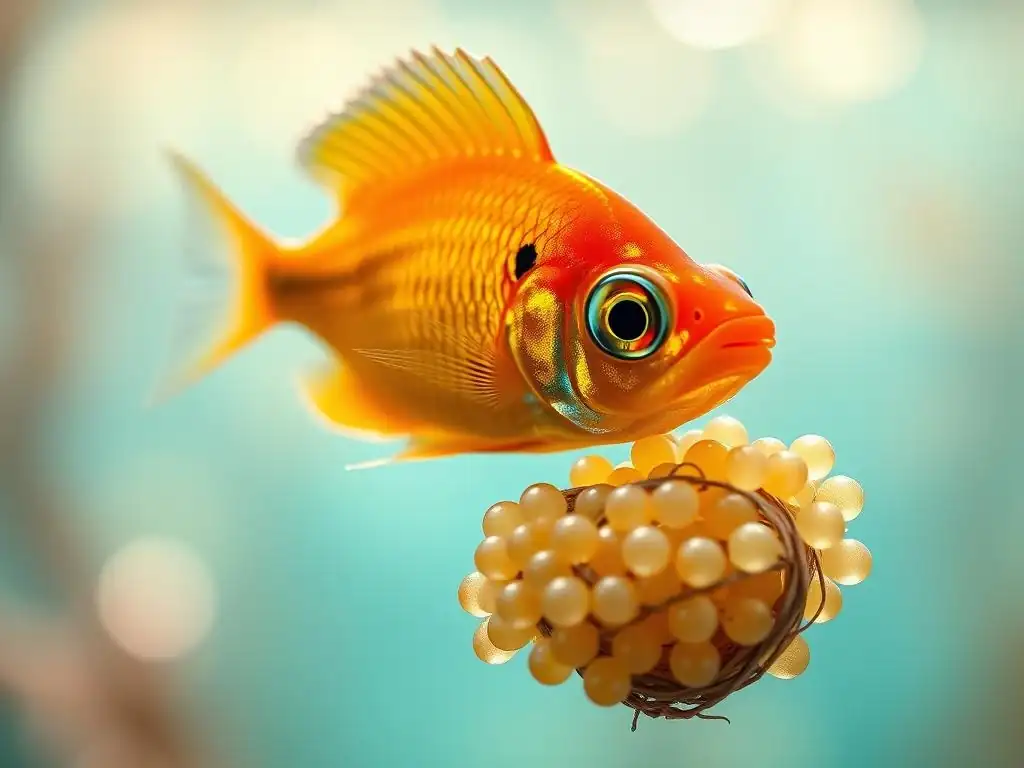
Identifying Male and Female Cardinal Tetras: Visual Cues for Sexing
Accurately identifying male and female Cardinal Tetras is a crucial first step for any breeding attempt aiming for Cardinal Tetra breeding success. While not always immediately obvious, distinct visual cues emerge, particularly when the fish are mature and well-conditioned. Males are generally more slender and torpedo-shaped, especially along their ventral (belly) line. Their overall body profile tends to be sleeker, and when viewed from above, their width remains relatively consistent. During courtship, males might display more intense coloration, particularly their blue stripe, and exhibit more active chasing behavior.
In contrast, female Cardinal Tetras, especially when gravid (carrying eggs), will appear noticeably plumper and rounder in the abdominal region. Their belly will be more distended and convex, a clear indicator of egg development. When viewed from above, a ripe female will show a distinct widening in the mid-section compared to a male of similar size.
Observing these subtle differences requires patience and a keen eye, often aided by viewing the fish against a dark background or under dim lighting. Correctly sexing your breeding stock ensures that you are pairing compatible individuals, laying the groundwork for Cardinal Tetra breeding success.
Introducing the Breeding Group: Timing and Observation
Once the spawning tank is meticulously prepared and the breeding stock is optimally conditioned, the timing of introduction becomes key. It is generally recommended to introduce the selected breeding group into the spawning tank in the late afternoon or early evening.
This allows the fish to acclimate to their new environment during the quieter hours and often encourages spawning to occur during the early morning hours of the following day, mimicking their natural dawn spawning patterns. For Cardinal Tetras, a single pair (one male and one female) is often sufficient, though some breeders have success with a small group, such as two males to one female, to increase competition and stimulate spawning.
After introduction, observation is paramount, but it must be done discreetly to avoid stressing the fish. Keep the lighting very dim or the tank covered. Within hours, or by dawn, you may observe courtship rituals: males chasing females, shimmering, and nudging them towards the spawning media.
The actual spawning act involves the pair swimming side-by-side or in a T-position, with the female releasing eggs that the male immediately fertilizes. These tiny, clear eggs will then scatter and fall into the spawning mop or substrate. Witnessing this delicate dance is the first tangible sign of Cardinal Tetra breeding success in action.
Witnessing the Spawn: Egg Deposition and Parental Behavior
The actual spawning process of Cardinal Tetras is a fascinating, albeit brief, spectacle. Once the courtship ritual culminates, the female will begin to release her eggs, usually in small batches of 5-10 at a time, scattering them among the fine leaves of the spawning mop or moss. The male will simultaneously release milt to fertilize the eggs. This process can continue for several hours, with a single healthy female potentially laying anywhere from 100 to 300 minute, translucent eggs. The eggs are non-adhesive and will typically fall to the bottom or settle within the dense plant material.
A critical aspect of parental behavior that directly impacts Cardinal Tetra breeding success is their tendency towards oophagy – consuming their own eggs. Cardinal Tetras, like many other characins, have no parental instincts beyond the act of spawning and will readily devour any eggs they find.
Therefore, as soon as spawning is observed to be complete, or even if only a few eggs are seen, the adult fish must be promptly and carefully removed from the spawning tank. This swift action is non-negotiable for ensuring that the delicate eggs have the opportunity to hatch and begin their journey towards becoming the next generation of vibrant Cardinal Tetras.
Post-Spawning Care: Protecting and Nurturing Cardinal Tetra Fry
Removing the Parents: Preventing Egg Predation
The immediate aftermath of spawning is a critical period for the survival of Cardinal Tetra eggs, and a decisive action is required to ensure Cardinal Tetra breeding success. As soon as the spawning act is complete, or even if you notice eggs present, the adult Cardinal Tetras must be promptly removed from the breeding tank. This step is non-negotiable because, despite their beauty, Cardinal Tetras are notorious egg-eaters. Their natural instinct is to consume any eggs they encounter, including their own, making them a significant threat to their offspring.
To remove the parents, use a fine-mesh net and exercise extreme caution to avoid disturbing the delicate eggs that may be settled on the bottom or within the spawning media. Gently guide the adults into the net and transfer them back to their conditioning or community tank. The spawning tank should then be kept in complete darkness for the first 24-36 hours to protect the light-sensitive eggs. This simple yet crucial intervention dramatically increases the initial survival rate of the eggs, laying the foundation for successful Cardinal Tetra breeding success and the eventual emergence of healthy fry.
Hatching and First Foods: Infusoria, Liquid Fry Food, and Newly Hatched Brine Shrimp
Cardinal Tetra eggs are incredibly delicate and typically hatch within 24 to 36 hours at a temperature range of 78-80°F (25.5-26.7°C). The newly hatched fry are minuscule, almost transparent, and will remain largely immobile, absorbing nutrients from their yolk sacs for the first 3 to 5 days. During this sac-bound stage, they do not require external feeding. Once they become free-swimming and their yolk sacs are absorbed, usually around day 4 or 5, feeding must commence immediately as they have very limited energy reserves.
Their initial diet is critical for Cardinal Tetra breeding success. For the first week of free-swimming life, the fry require microscopic food sources. Infusoria (microscopic protozoa) are ideal first foods and can be cultured at home using simple methods.
High-quality liquid fry foods designed for egg-laying fish are also suitable alternatives or supplements. After approximately 5 to 7 days, as the fry grow slightly, they can transition to newly hatched brine shrimp nauplii, which are highly nutritious and stimulate the fry's natural hunting instincts. A continuous supply of these live foods is essential for rapid growth and development, significantly boosting survival rates in these critical early weeks.
Maintaining Water Quality for Cardinal Tetra Fry: Frequent Water Changes and Filtration
Maintaining pristine water quality is paramount for the survival and robust development of Cardinal Tetra fry, directly impacting Cardinal Tetra breeding success. Due to their extremely small size and underdeveloped osmoregulation systems, fry are highly sensitive to even minute fluctuations in water parameters and the presence of nitrogenous waste products like ammonia and nitrite. Therefore, daily, small-volume water changes are absolutely essential.
Using an airline tube to gently siphon off about 10-20% of the tank water ensures that the delicate fry are not harmed or stressed during the process. The replacement water must be perfectly matched in temperature and parameters (ultra-soft and acidic RO water), ideally aged for 24 hours to ensure stability.
Filtration in a fry tank needs to be gentle yet effective. Strong filters or powerful air stones can easily injure or even kill the tiny fry. A pre-cycled sponge filter, powered by a gentle air pump, is the ideal choice.
It provides essential biological filtration without creating strong currents, and its porous surface offers additional beneficial bacteria colonization. Regular cleaning of the sponge filter (rinsing it gently in old tank water) prevents detritus buildup. Consistent monitoring of water parameters with sensitive test kits (especially for ammonia and nitrite) and prompt corrective action are non-negotiable to prevent fry mortality and ensure sustained Cardinal Tetra breeding success.
Advanced Techniques for Maximizing Cardinal Tetra Fry Survival Rates
Implementing a Reverse Osmosis System: Achieving Ideal Water Softness
For advanced breeders aiming for consistent Cardinal Tetra breeding success, the implementation of a Reverse Osmosis (RO) or Reverse Osmosis/Deionization (RO/DI) system is not merely a recommendation but a necessity. Tap water, in most regions, contains varying levels of hardness, chlorine, chloramines, heavy metals, and other dissolved solids that are detrimental to Cardinal Tetra egg viability and fry development. An RO/DI system purifies tap water by forcing it through a semi-permeable membrane, effectively removing nearly all impurities and dissolved minerals, resulting in water with virtually zero hardness (0-1 dGH) and extremely low Total Dissolved Solids (TDS).
This "blank slate" water allows the breeder complete control over the water chemistry. It can then be precisely remineralized to the exact soft, acidic parameters required for spawning and fry rearing, often through the addition of specialized buffering salts or the careful use of peat extracts and Indian almond leaves. The consistency and purity provided by an RO system eliminate variables that can lead to failed spawns or high fry mortality, making it a cornerstone for achieving reliable Cardinal Tetra breeding success on an advanced level.
Utilizing UV Sterilization: Maintaining Water Clarity and Reducing Pathogens
While not always a primary setup component for initial spawns, a low-wattage UV sterilizer can be a valuable tool for advanced breeders to maintain water quality and significantly reduce pathogen load, contributing to overall Cardinal Tetra breeding success. UV sterilizers work by exposing the water to ultraviolet light, which effectively kills or renders harmless free-floating bacteria, viruses, algae spores, and protozoans. This results in incredibly clear water and a reduced risk of disease outbreaks, which are particularly devastating in a fry-rearing environment where young fish have undeveloped immune systems.
It's crucial to note that a UV sterilizer should be used on water circulating from the fry tank, not directly in the tank itself, as the light can be harmful to the fry and beneficial bacteria within the filter. A small external pump can draw water through the UV unit and return it gently to the tank.
While a UV sterilizer does not replace diligent water changes and proper filtration, it acts as an additional layer of defense against opportunistic pathogens, especially when dealing with larger batches of fry or in setups where maintaining absolute sterility is a challenge. Its strategic use can be a game-changer for maximizing Cardinal Tetra breeding success.
Culturing Live Foods: Ensuring Optimal Nutrition for Fry
The commitment to culturing live foods is a hallmark of advanced Cardinal Tetra breeding success. While commercial liquid fry foods offer a starting point, nothing compares to the nutritional value, digestibility, and feeding stimulation provided by live, microscopic organisms. For the first few days of free-swimming life, infusoria are indispensable. These microscopic protozoa are the perfect size for newly hatched Cardinal Tetra fry. Breeders often maintain continuous infusoria cultures using simple methods like adding a few pieces of boiled lettuce or a banana peel to a jar of aged tank water, allowing beneficial microorganisms to proliferate.
As the fry grow, typically within 5-7 days, they transition to newly hatched brine shrimp nauplii. Brine shrimp are a powerhouse of nutrition, packed with proteins and lipids essential for rapid growth and development. Advanced breeders maintain dedicated brine shrimp hatcheries to ensure a continuous supply.
Other suitable live foods include microworms and vinegar eels, which are also relatively easy to culture. The consistent provision of a varied diet of these live foods ensures that the fry receive optimal nutrition, leading to faster growth rates, stronger immune systems, and significantly higher survival rates, which are critical for sustained Cardinal Tetra breeding success.
Troubleshooting Common Cardinal Tetra Breeding Challenges
Egg Fungus Prevention and Treatment: Maintaining a Clean Spawning Environment
Egg fungus is a common and often devastating challenge in Cardinal Tetra breeding, capable of wiping out an entire spawn if not addressed promptly, thus hindering Cardinal Tetra breeding success. Fungus typically targets infertile eggs or those that have died, but it can quickly spread to healthy, viable eggs, consuming them.
Prevention is the first and most crucial step: ensure the spawning tank is meticulously clean and sterile before use, use only healthy and well-conditioned breeding stock, and maintain optimal water parameters (especially the very low pH and hardness) which naturally inhibit fungal growth. Darkening the tank immediately after spawning also helps, as light can encourage fungal development.
If fungus does appear, prompt treatment is necessary. Carefully siphoning out any visible fungused eggs with a small pipette or airline tube can prevent spread. For more widespread issues, some breeders use very dilute solutions of methylene blue or acriflavine as an antifungal agent.
However, these chemicals must be used with extreme caution as they can stain the tank and may have adverse effects on sensitive fry or beneficial bacteria. Maintaining pristine water quality through small, frequent water changes and ensuring a completely sterile spawning environment are the most effective strategies for preventing egg fungus and safeguarding Cardinal Tetra breeding success.
Fry Mortality Issues: Identifying and Addressing Potential Causes
High fry mortality is a disheartening but common hurdle in Cardinal Tetra breeding, often indicating underlying environmental or nutritional deficiencies that impede Cardinal Tetra breeding success. The most frequent causes include poor water quality (ammonia, nitrite, or nitrate spikes, or incorrect pH/hardness), insufficient or inappropriate food, temperature fluctuations, or genetic weakness within the breeding stock. Fry are incredibly sensitive to toxins, so even trace amounts of ammonia or nitrite can be lethal. Inadequate feeding, either in terms of quantity or type, leads to starvation and weakness.
To address fry mortality, a systematic approach is required. First, meticulously check all water parameters (pH, GH, KH, ammonia, nitrite, nitrate) daily using accurate test kits. Implement small, frequent water changes (10-20% daily) using perfectly matched, aged RO water. Second, review your feeding regimen: are you providing enough food, frequently enough (e.g., 3-5 times daily for infusoria/brine shrimp)?
Are the food particles small enough for the fry to consume? Observe fry behavior: lethargy, gasping at the surface, or unusual swimming patterns are signs of distress. Addressing these fundamental aspects of water quality and nutrition is paramount for overcoming fry mortality and achieving significant Cardinal Tetra breeding success.
Infertility Problems: Assessing Breeding Stock Health and Compatibility
When Cardinal Tetras fail to spawn, or if eggs are laid but do not hatch (indicating infertility), it points to issues with the breeding stock's health, conditioning, or compatibility, directly impacting Cardinal Tetra breeding success. The first step is to re-evaluate the selected pair or group. Are they definitively male and female? Sometimes, sexing can be challenging, and a misidentified pair will obviously not breed. Are the fish mature enough? Cardinal Tetras typically reach breeding maturity around 8-12 months of age. Younger fish may not be ready, while very old fish may have reduced fertility.
Beyond sex and age, assess their overall health and conditioning. Have they been fed a high-quality, varied diet rich in live foods for several weeks? Under-conditioned fish may not produce viable eggs or sperm.
Stress can also inhibit spawning; ensure the breeding tank environment is perfectly set up and undisturbed. If a particular pair consistently fails to spawn or produces infertile eggs, consider trying different combinations of males and females from your conditioned stock. Sometimes, a specific pair simply lacks the necessary compatibility or drive, and introducing a new partner can be the key to unlocking Cardinal Tetra breeding success.
Beyond the Basics: Refining Your Cardinal Tetra Breeding Strategy
Record Keeping and Data Analysis: Tracking Breeding Success and Identifying Trends
For advanced breeders aiming to consistently achieve and improve Cardinal Tetra breeding success, meticulous record keeping is an indispensable tool. Detailed logs should include a wide range of data points for each spawning attempt: the date of spawning, the specific breeding pair or group involved, the exact water parameters (pH, GH, KH, temperature) at the time of spawning, the type and amount of spawning media used, and the light conditions.
Crucially, track the estimated number of eggs laid, the number of eggs that hatched, and the survival rate of fry at various stages (e.g., at one week, two weeks, and one month).
Analyzing this data over time allows breeders to identify patterns and trends. For example, you might discover that a certain pH range consistently yields higher hatch rates, or that a particular pair is more prolific or produces hardier fry. This systematic approach helps to pinpoint optimal conditions and identify potential bottlenecks or recurring problems. By understanding what works best and why, breeders can refine their protocols, make informed adjustments, and continuously improve their overall Cardinal Tetra breeding success rates, moving beyond trial-and-error to a data-driven methodology.
Experimentation with Different Breeding Setups: Exploring Different Water Depths and Light Intensities
To truly master Cardinal Tetra breeding success, advanced aquarists often engage in controlled experimentation with various aspects of their breeding setups. While general guidelines exist for water parameters and tank environments, subtle variations can sometimes yield surprising improvements. For instance, experimenting with different water depths in the spawning tank (e.g., maintaining 4 inches versus 6 inches of water) might influence the comfort or spawning behavior of the fish. Similarly, varying the duration or intensity of the dim lighting (or complete darkness) period during and after spawning could affect egg viability or parental stress levels.
Beyond water depth and light, breeders can also explore different types of spawning media. While Java moss and nylon mops are standard, trying alternative fine-leaved plants like Cabomba or Myriophyllum, or even different textures of synthetic mops, might appeal to specific pairs. Each controlled experiment, however small, should be thoroughly documented alongside the resulting outcomes. By systematically testing variables and analyzing the results, advanced breeders can uncover nuances in Cardinal Tetra behavior and physiology, leading to optimized conditions and ultimately, more consistent and higher levels of Cardinal Tetra breeding success.
A hallmark of an advanced breeder, beyond personal achievement, is the willingness to share their hard-earned knowledge and experiences, thereby enriching the entire Aquarium Mastery community and fostering collective Cardinal Tetra breeding success. Documenting your processes, both successes and failures, and openly discussing them with fellow enthusiasts can be incredibly valuable. This might involve writing detailed accounts of your breeding attempts, participating actively in online forums, or even mentoring less experienced aquarists.
By sharing insights on specific water parameters that worked well, novel feeding techniques for fry, or effective troubleshooting strategies for common problems, advanced breeders contribute to a broader pool of collective intelligence. This collaborative spirit helps new and intermediate aquarists avoid common pitfalls and accelerates their learning curve. Ultimately, sharing knowledge not only solidifies your own understanding and expertise but also helps to elevate the standard of care and breeding for Cardinal Tetras across the hobby, ensuring that more enthusiasts can experience the immense satisfaction of achieving their own Cardinal Tetra breeding success.
Conclusion: Mastering Cardinal Tetra Breeding for Aquarium Enthusiasts
Frequently Asked Questions
How crucial is water quality for Lemon Tetra breeding success?
Water quality is absolutely critical. Stable and pristine water parameters are essential to trigger spawning and ensure successful fry development. Avoid sudden changes in pH, temperature, or ammonia levels.
What specific environmental conditions are optimal for Lemon Tetra breeding?
Soft, acidic water (pH between 6.0 and 6.5) and a slightly elevated temperature (around 80-82°F) are ideal. Dim lighting and the presence of fine-leaved plants are also beneficial.
What type of food should I feed my Lemon Tetra during the breeding process?
Condition breeders with a high-protein diet of live or frozen foods like daphnia, brine shrimp, and bloodworms. This will ensure they are in peak condition for spawning.
How can I protect the Lemon Tetra eggs and fry from being eaten by the adults?
Use a breeding tank with a spawning mop or fine-leaved plants to provide cover. Immediately remove the adult tetras after spawning to prevent them from consuming the eggs.
What steps are needed to successfully raise Lemon Tetra fry after hatching?
Feed the fry infusoria or liquid fry food initially, gradually transitioning to baby brine shrimp as they grow. Maintain excellent water quality with frequent, small water changes.
Okay, here's a final reflection designed to close your "Lemon Tetra Zest: An Aquarium Mastery Advanced Breeder's Recipe for Success" article, optimized for emotional connection and future impact, while also targeting the keyword "Lemon Tetra breeding success":
Final Reflection: Cultivating Life, Illuminating Aquariums
The journey to Lemon Tetra breeding success is more than just a technical exercise; it's a testament to patience, observation, and a deep respect for the delicate balance of life within our aquariums. What began as a series of carefully controlled parameters and feeding schedules ultimately blossoms into a vibrant display of natural wonder, a miniature ecosystem thriving under our care.
This pursuit has profoundly shaped my understanding of the interconnectedness of life, both within the tank and beyond. Witnessing the fragile dance of courtship and the emergence of new life has instilled a deeper appreciation for the resilience and beauty of the natural world. The best and most beautiful things in the world cannot be seen or even touched - they must be felt with the heart.
- Helen Keller. This quote perfectly encapsulates the feeling of accomplishment and joy that comes from successfully breeding Lemon Tetras, a feeling that transcends mere technical achievement.
Now, I invite you to embark on your own journey of discovery. Take the knowledge shared here, the insights gained, and the passion ignited, and apply them to your own aquarium endeavors. Whether you're striving for Lemon Tetra breeding success or simply seeking a deeper connection with your aquatic companions, remember that the most rewarding experiences come from nurturing life and embracing the beauty that unfolds before your eyes. Let your aquarium be a canvas for life, and let your dedication illuminate the path to a thriving underwater world.
Unleash Your Inner Tetra Breeder!
Thanks for diving into the world of Lemon Tetra breeding! We hope you've gained valuable insights into raising these vibrant fish. Now it's time to put that knowledge into action!
Here are a few ways to continue your journey:
- Embark on Your First Breed: Set up a dedicated breeding tank and take the plunge! Start small and document your progress.
- Share Your Insights: Contribute to the Aquarium Mastery community by sharing your experiences and tips on our forum.
- Discover Hidden Tetra Secrets: Research uncommon breeding techniques or dietary supplements to boost your Lemon Tetra's breeding potential.
Ready to unlock the secrets to successfully breeding Lemon Tetras in your aquarium?