
Black Phantom vs. Red Phantom Tetras: Aquarium Mastery's Comparative Advanced Breeding Insights

Welcome to Aquarium Mastery!
Ever wondered how to unlock the secrets to successfully breeding Black Phantom Tetras? Or perhaps you're curious about the subtle differences between them and their Red Phantom cousins? Dive in! Our in-depth guide, "Black Phantom vs. Red Phantom Tetras: Aquarium Mastery's Comparative Advanced Breeding Insights," will illuminate the advanced techniques and essential knowledge you need to master the art of breeding these captivating freshwater fish. Prepare to embark on a journey into the intricate world of tetra reproduction – your aquarium adventure starts now!
- Introduction: Unveiling the Mysteries of Phantom Tetra Breeding
-
Understanding the Nuances of Black Phantom Tetra Breeding
- Black Phantom Tetra Breeding: A Detailed Guide for Success
- Identifying Breeding Pairs: Selecting Healthy Black Phantom Tetras
- Setting Up the Breeding Tank: Mimicking Natural Conditions for Black Phantom Tetras
- Spawning Behavior: Observing and Understanding the Black Phantom Tetra Breeding Process
- Post-Spawning Care: Protecting and Raising Black Phantom Tetra Fry
-
Mastering Red Phantom Tetra Breeding Techniques
- Red Phantom Tetra Breeding: Key Differences and Considerations
- Selecting Red Phantom Tetra Breeding Stock: Ensuring Genetic Diversity
- Creating the Ideal Breeding Environment for Red Phantom Tetras
- Red Phantom Tetra Spawning Rituals: Recognizing the Signs of Successful Breeding
- Raising Red Phantom Tetra Fry: Tailoring Care to Their Specific Needs
- Black Phantom Tetra Breeding Tips: Advanced Strategies for Success
- Red Phantom Tetra Breeding Tips: Maximizing Fry Survival Rates
- Comparative Analysis: Black Phantom vs. Red Phantom Tetra Breeding
- Troubleshooting Common Breeding Issues in Phantom Tetras
- Conclusion: Achieving Aquarium Mastery in Phantom Tetra Breeding
-
Frequently Asked Questions
- How do I differentiate Black Phantom Tetras from Red Phantom Tetras?
- What are the ideal water parameters for breeding Black Phantom Tetras?
- What type of spawning setup is recommended for Black Phantom Tetras?
- What do Black Phantom Tetra eggs and fry need to survive?
- What are some common challenges when breeding Black Phantom Tetras, and how can I overcome them?
- Final Reflection: Unveiling the Secrets of Tetra Breeding
- Ignite Your Breeding Passion: Transform Your Tetra Tank Now!
Introduction: Unveiling the Mysteries of Phantom Tetra Breeding
A Comparative Overview of Black and Red Phantom Tetras for Advanced Aquarists
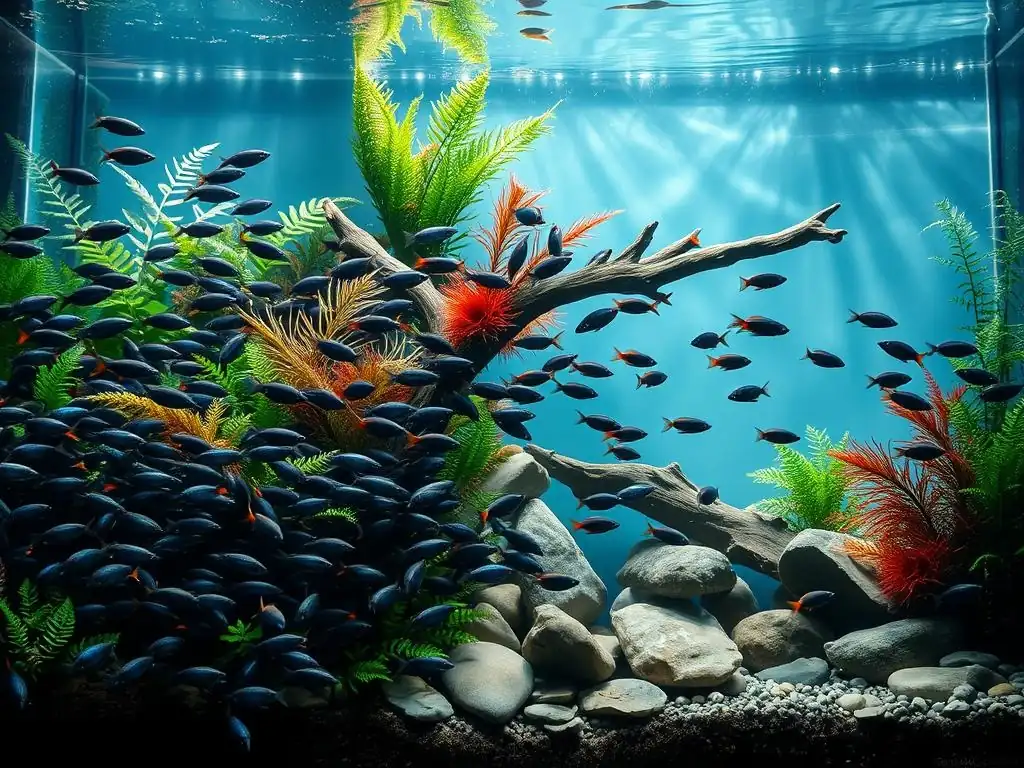
Black Phantom Tetras ( Hyphessobrycon megalopterus ) and Red Phantom Tetras ( Hyphessobrycon sweglesi ) are two captivating species highly sought after by advanced aquarists due to their vibrant schooling behaviors and relatively manageable care requirements. While both belong to the Hyphessobrycon genus and share a similar body shape, they exhibit distinct coloration and subtle behavioral differences, particularly during breeding.
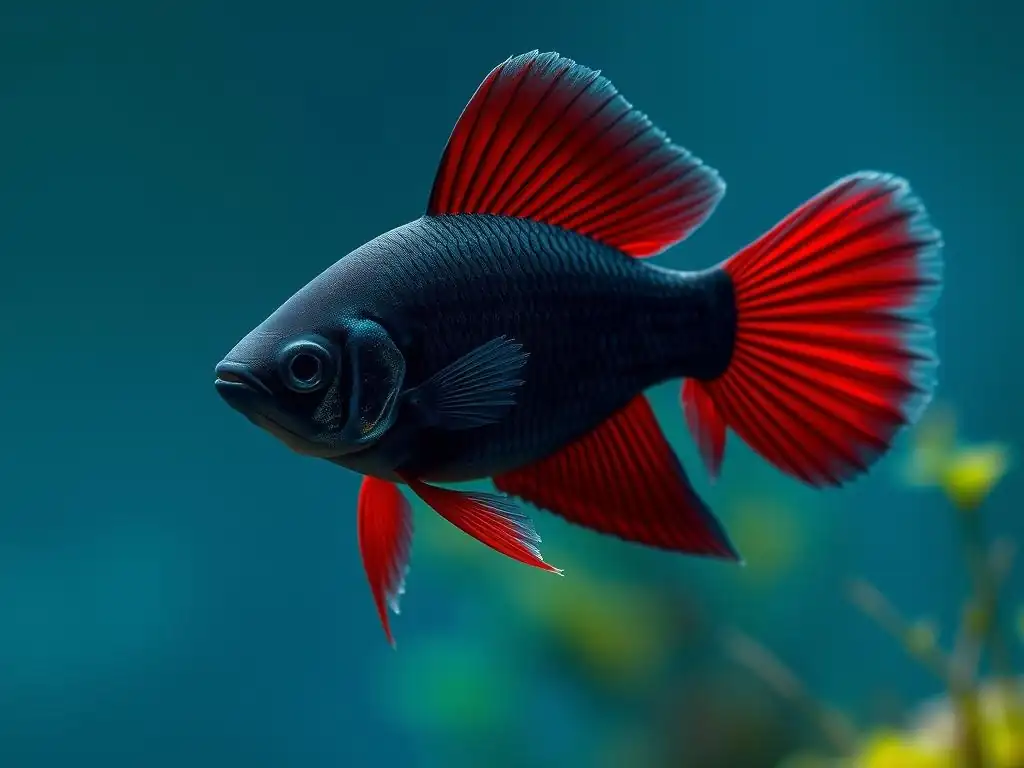
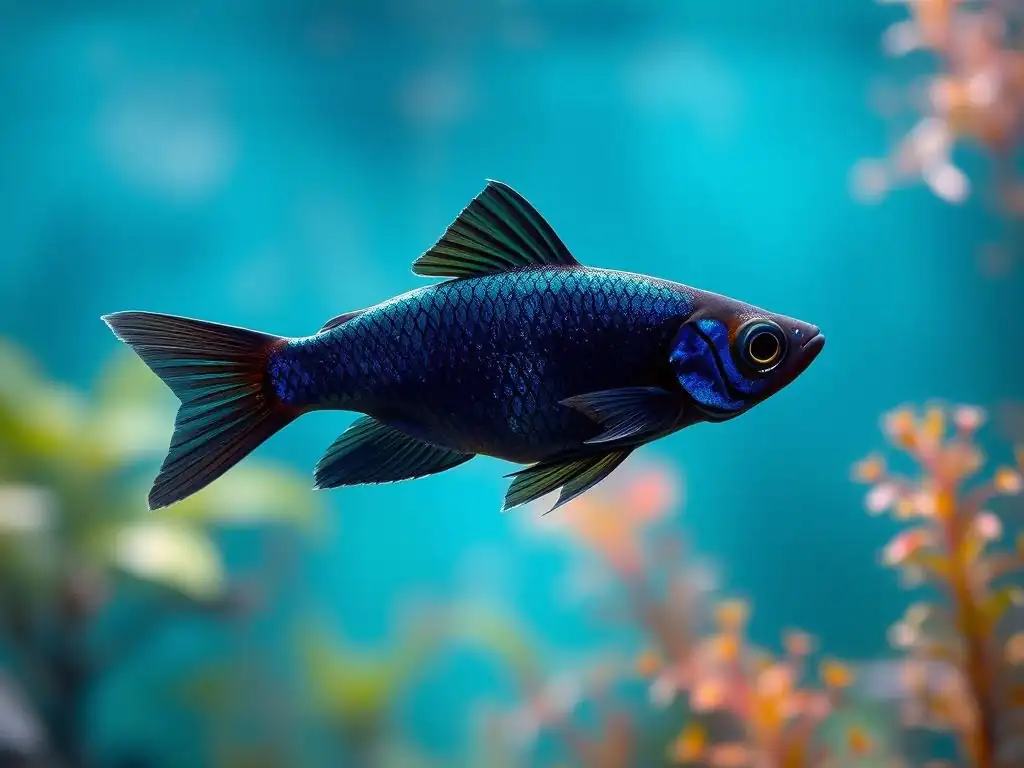
The Black Phantom is characterized by its deep charcoal body, striking red-rimmed black spot behind the gill plate, and the extended dorsal fin in males, while the Red Phantom boasts a shimmering reddish-orange hue with a prominent black shoulder spot, often with iridescent blue or green highlights depending on lighting and mood.
For the dedicated aquarist, understanding these nuances is critical for successful propagation. This guide will delve into advanced Black phantom tetra breeding tips and strategies, alongside insights into Red Phantom Tetra reproduction, offering a comparative analysis to help enthusiasts achieve consistent breeding success. Our focus will be on creating optimal environmental conditions, recognizing subtle breeding cues, and providing meticulous care for the delicate fry, transforming the challenging task of breeding these beautiful tetras into a rewarding experience.
Why Phantom Tetras? Exploring Their Popularity and Breeding Challenges
Phantom Tetras, both black and red varieties, are popular aquarium inhabitants primarily due to their peaceful schooling nature, striking colors, and the relatively small footprint they require, making them suitable for a wide range of freshwater setups, from planted nano tanks to larger community aquariums. Their active yet graceful swimming patterns add dynamic beauty to any aquascape. Beyond their aesthetic appeal, the challenge of breeding these species adds another layer of engagement for experienced hobbyists, pushing the boundaries of their aquarium mastery.
However, breeding Phantom Tetras presents specific challenges that differentiate them from more common livebearers or robust egg-layers. Their eggs are extremely small and delicate, often adhesive, and highly susceptible to fungal infections if water quality is not pristine. Furthermore, the fry are minuscule upon hatching, requiring microscopic food sources like infusoria for their initial days, which can be difficult to culture consistently. Successfully navigating these hurdles requires precise water parameter control, specialized feeding regimens, and a keen eye for detail, making advanced Black phantom tetra breeding tips and Red Phantom strategies invaluable.
Understanding the Nuances of Black Phantom Tetra Breeding
Black Phantom Tetra Breeding: A Detailed Guide for Success
Breeding Black Phantom Tetras can be a highly rewarding endeavor for the patient and meticulous aquarist. These fish are egg scatterers and do not exhibit parental care, meaning the eggs must be protected from predation by the parents themselves shortly after spawning. A dedicated breeding tank is almost always necessary to achieve a good yield of fry. The key to success lies in conditioning the breeding pair, providing an optimal spawning environment, and then expertly raising the fragile fry.
Successful Black phantom tetra breeding tips often emphasize the importance of water chemistry and diet. A well-conditioned pair, fed a varied diet rich in live and frozen foods, will be more inclined to spawn. For instance, a diet incorporating live blackworms or daphnia for several weeks prior to breeding attempts can significantly enhance their reproductive readiness and the viability of their eggs. The breeding process typically involves a courtship ritual followed by the female scattering hundreds of eggs among fine-leaved plants or spawning mops, with the male fertilizing them as they are released.
Identifying Breeding Pairs: Selecting Healthy Black Phantom Tetras
Selecting the right breeding stock is the foundational step for successful Black Phantom Tetra propagation. Healthy, mature fish, typically between 8 to 12 months of age, are ideal. Males are generally more slender, possess a more elongated, swept-back dorsal fin, and often display more intense black coloration, especially during courtship. Females, on the other hand, are rounder in the belly, particularly when gravid, and their dorsal and anal fins are usually shorter and more rounded.
Observe the fish closely for signs of vigor and good health: active swimming, clear eyes, intact fins, and a vibrant coloration. Avoid fish that appear lethargic, have clamped fins, or show any signs of disease. For optimal genetic diversity and vigor, it's advisable to select a group of 6-8 young fish and allow them to mature together, naturally forming pairs.
When ready to breed, select the most vibrant male and the plumpest female. A common Black phantom tetra breeding tip is to isolate the chosen pair for a few days, feeding them high-quality live foods to condition them further before introducing them to the breeding tank.
Setting Up the Breeding Tank: Mimicking Natural Conditions for Black Phantom Tetras
A dedicated breeding tank, typically 5-10 gallons, is crucial for Black Phantom Tetra breeding. This allows for precise control over water parameters and protects the delicate eggs from predation by the parents. The tank should be meticulously cleaned and set up without substrate or with a very thin layer of dark, fine gravel to facilitate easy egg collection, or more commonly, a bare bottom with spawning media.
Mimicking their natural habitat in the Amazon basin involves creating soft, acidic water conditions, dim lighting, and plenty of fine-leaved plants or spawning mops. A small sponge filter provides gentle aeration and mechanical filtration without creating strong currents that could harm eggs or fry. Covering the sides and back of the tank with dark paper can help reduce stress and encourage spawning behavior.
Water Parameters for Optimal Black Phantom Tetra Spawning
Optimal water parameters are paramount for encouraging Black Phantom Tetra spawning and ensuring egg viability. These fish prefer very soft, acidic water, mirroring their natural blackwater environments. Ideal conditions include a pH range of 5.5 to 6.5, a general hardness (GH) between 2-6 dGH (35-105 ppm), and a carbonate hardness (KH) of 0-2 dKH (0-35 ppm). The water temperature should be stable, typically maintained between 75-79°F (24-26°C).
To achieve these parameters, many breeders use reverse osmosis (RO) water remineralized with specific salts, or aged tap water filtered through peat moss. For example, a common approach is to use 75% RO water mixed with 25% aged tap water to achieve a GH of around 4 dGH. Regular testing with reliable kits is essential to monitor these parameters closely. Consistent water quality is a foundational Black phantom tetra breeding tip that cannot be overstated, as fluctuations can stress the fish and inhibit spawning.
Substrate and Planting Strategies for Black Phantom Tetra Breeding
For Black Phantom Tetra breeding, the choice of substrate and planting strategies directly impacts egg survival. A bare-bottom tank is often preferred, as it makes it easier to spot and remove eggs after spawning, minimizing the risk of parental predation. However, if a substrate is desired, a very thin layer of dark, fine gravel or marbles can be used. Marbles, for instance, provide crevices where eggs can fall and remain out of reach of the adults.
Alternatively, and more commonly, fine-leaved plants or artificial spawning mops are used as spawning media. Plants like Java moss ( Taxiphyllum barbieri), Cabomba ( Cabomba caroliniana), or Water Wisteria ( Hygrophila difformis) provide a naturalistic environment and excellent surfaces for eggs to adhere. A good strategy is to fill a significant portion of the breeding tank with dense clumps of Java moss, covering at least 30-40% of the tank floor. Artificial spawning mops, made from synthetic yarn, are also highly effective and easier to sterilize and transfer.
Spawning Behavior: Observing and Understanding the Black Phantom Tetra Breeding Process
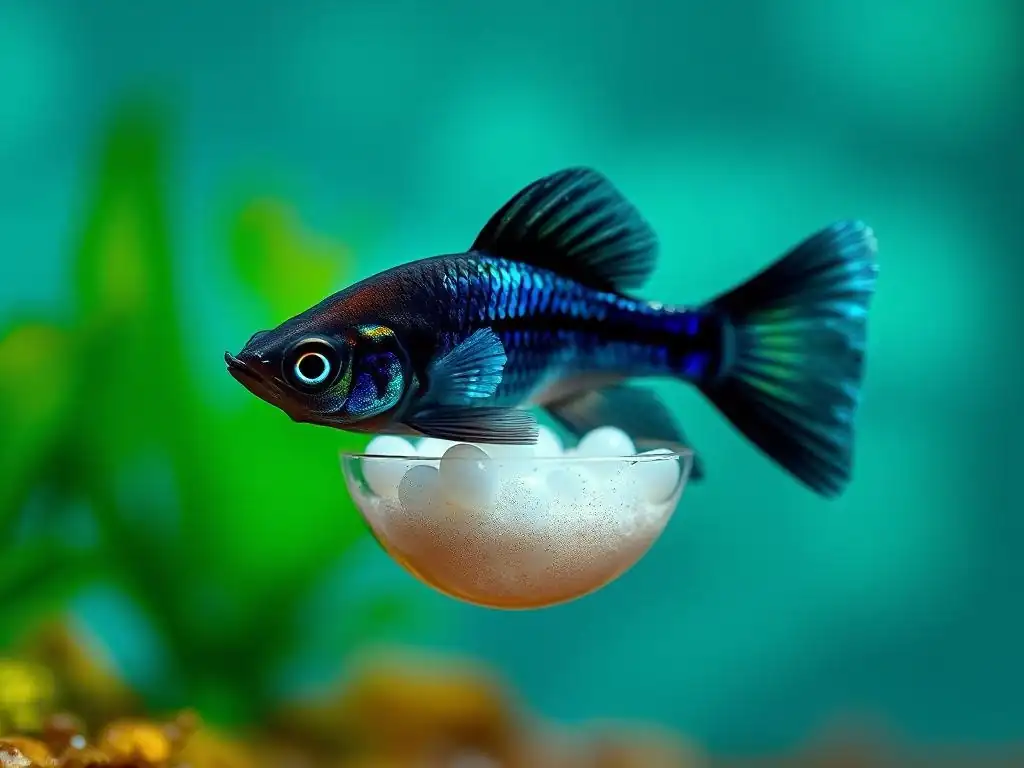
Once a conditioned pair is introduced to the breeding tank with optimal conditions, spawning can occur within hours or a few days. Black Phantom Tetras are egg scatterers, and their courtship ritual is a delicate dance. The male will typically display to the female, flaring his fins and circling her, often nudging her towards the spawning media. This courtship can last for several hours.
Spawning usually takes place in the early morning, often at dawn. The male and female will swim side-by-side into the dense vegetation or spawning mop, with the female releasing a small number of clear, adhesive eggs (typically 5-10 at a time), which the male immediately fertilizes. This process is repeated multiple times over several hours.
A single female can lay anywhere from 100 to 300 eggs, though not all will be fertile. After spawning, the parents should be removed immediately to prevent them from consuming the eggs. This swift removal is a critical Black phantom tetra breeding tip to maximize fry yield.
Post-Spawning Care: Protecting and Raising Black Phantom Tetra Fry
The delicate period immediately following spawning is crucial for the successful hatching and rearing of Black Phantom Tetra fry. Once the parents are removed, the breeding tank should be kept dimly lit or dark to prevent fungal growth on the eggs, which typically hatch within 24-36 hours at 78°F (25.5°C). Unfertilized eggs will turn opaque or white and should be siphoned out carefully to prevent fungal spread. Some breeders add a few drops of methylene blue to the water, though this can stain the tank and is often unnecessary with pristine water quality.
Upon hatching, the fry are tiny, almost invisible, and will remain sac-bound for approximately 3-5 days, absorbing their yolk sac for nutrition. During this period, they will cling to surfaces or the tank glass. It is vital not to disturb them. Once they become free-swimming, which is the cue for their first feeding, their nutritional needs become the primary focus. A gentle air stone can provide minimal circulation without harming the fry, ensuring adequate oxygenation.
Feeding Black Phantom Tetra Fry: First Foods and Nutritional Needs
Black Phantom Tetra fry are incredibly small, making their initial feeding phase the most challenging aspect of their rearing. For the first few days after becoming free-swimming, they require microscopic food sources. Infusoria, which are microscopic protozoa, are the ideal first food. These can be cultured at home using vegetable matter (e.g., banana peel, lettuce leaves) or commercially available infusoria cultures. A few drops of infusoria culture should be added multiple times a day, ensuring a constant supply of food.
As the fry grow, usually within 5-7 days, they can transition to slightly larger foods. Newly hatched brine shrimp nauplii are an excellent next step, providing essential protein and nutrients for rapid growth. Microworms are another suitable alternative. These foods should be fed 3-5 times daily in small amounts to prevent water fouling. Overfeeding is a common mistake that can lead to rapid deterioration of water quality and fry mortality. Consistent feeding of appropriate-sized live foods is a vital Black phantom tetra breeding tip for robust fry development.
Maintaining Water Quality for Black Phantom Tetra Fry Development
Maintaining pristine water quality is absolutely critical for the survival and healthy development of Black Phantom Tetra fry. Due to their small size and sensitivity, even minute fluctuations in water parameters or the presence of ammonia/nitrite can be fatal. Small, frequent water changes are essential. Daily water changes of 10-15% with aged, temperature-matched, and appropriately conditioned water are recommended.
A gentle air-driven sponge filter is the only suitable filtration for a fry tank, providing biological filtration without creating suction strong enough to harm the fry. The sponge filter should be cycled prior to introducing fry. Avoid gravel vacuuming initially; instead, use a small airline tube to carefully siphon out any uneaten food or debris from the bottom of the tank, taking care not to siphon up any fry. Consistent monitoring of pH, ammonia, nitrite, and nitrate levels is non-negotiable. A stable environment is paramount for successful Black phantom tetra breeding tips implementation.
Mastering Red Phantom Tetra Breeding Techniques
Red Phantom Tetra Breeding: Key Differences and Considerations
Breeding Red Phantom Tetras ( Hyphessobrycon sweglesi ) shares many similarities with their black counterparts, but aquarists often report them to be slightly more challenging or sensitive to environmental conditions, particularly regarding water chemistry and stability. While both species are egg scatterers and require soft, acidic water, Red Phantoms may demand even more precise parameters or react more strongly to deviations. Their eggs are equally small and delicate, necessitating the same meticulous post-spawning care.
One key difference often observed is their preference for even dimmer lighting during spawning. While Black Phantoms tolerate dim light, Red Phantoms seem to thrive in near-dark conditions for breeding, which can encourage shyer pairs to spawn. Furthermore, some breeders suggest Red Phantom fry may be even smaller upon hatching than Black Phantom fry, making the initial feeding stage slightly more demanding. Understanding these subtle distinctions is crucial for mastering Red Phantom Tetra breeding techniques.
Selecting Red Phantom Tetra Breeding Stock: Ensuring Genetic Diversity
As with any breeding project, the health and genetic background of your Red Phantom Tetra breeding stock are paramount. Choose fish that are robust, active, and display vibrant coloration. Mature adults, typically 8-12 months old, are prime candidates. Males are generally more slender and exhibit brighter red coloration, especially when displaying, while females are plumper, particularly when gravid with eggs.
To ensure genetic diversity and prevent inbreeding depression, it is highly recommended to acquire your breeding stock from multiple reputable sources if possible. Starting with a group of 6-8 young fish and allowing them to pair naturally within a well-maintained community tank before isolating a chosen pair for breeding can lead to better results. Look for fish with full, intact fins, clear eyes, and a strong swimming pattern. Avoid any individuals showing signs of stress, disease, or deformities, as these traits can be passed on to offspring.
Creating the Ideal Breeding Environment for Red Phantom Tetras
Similar to Black Phantoms, a dedicated breeding tank of 5-10 gallons is essential for Red Phantom Tetras. The tank should be set up with a bare bottom or a thin layer of marbles to protect the eggs. The use of dense spawning media, such as large clumps of Java moss, spawning mops, or fine-leaved artificial plants, is crucial, as Red Phantoms will scatter their adhesive eggs among these structures.
The breeding environment should be as stress-free as possible. This includes placing the tank in a quiet area, away from high traffic, and providing plenty of cover. Covering the sides and back of the tank with dark paper or fabric can help create a sense of security for the fish. A small, air-driven sponge filter provides gentle filtration and aeration without disturbing the delicate eggs or fry.
Light and Temperature Considerations for Red Phantom Tetra Spawning
Light and temperature play a significant role in triggering Red Phantom Tetra spawning. Unlike many aquarium fish that prefer brighter conditions for spawning, Red Phantoms are often more inclined to breed in very dim light or even near darkness. This mimics their natural habitat where they might spawn under dense canopy or during twilight hours. Some breeders cover the tank completely for the first night after introducing the pair to encourage spawning.
Temperature should be kept stable and within a specific range, typically 75-79°F (24-26°C). A gradual increase of 1-2 degrees Fahrenheit over 24 hours, after the pair has been introduced to the breeding tank, can often act as a spawning trigger. However, drastic temperature swings should be avoided as they can cause stress. Using a reliable aquarium heater with a thermostat is crucial for maintaining this consistent temperature.
Water Chemistry Specifics for Red Phantom Tetra Breeding
Red Phantom Tetras, like their Black Phantom cousins, require very soft and acidic water for successful breeding. Optimal parameters include a pH range of 6.0 to 7.0, with some breeders reporting success even slightly lower, down to 5.5. General hardness (GH) should be very low, ideally between 2-8 dGH (35-140 ppm), and carbonate hardness (KH) should be minimal, 0-3 dKH (0-50 ppm).
Achieving these precise parameters often involves using reverse osmosis (RO) water, deionized (DI) water, or distilled water, and then re-mineralizing it slightly to achieve the desired GH and pH. Filtering the water through peat or using Indian almond leaves can help lower pH and provide beneficial tannins, which mimic their natural blackwater environment and may have mild antifungal properties. Regular testing with accurate test kits is essential to ensure these specific water chemistry requirements are consistently met.
Red Phantom Tetra Spawning Rituals: Recognizing the Signs of Successful Breeding
Red Phantom Tetras typically spawn in the early morning, often at dawn, following a period of courtship. The male will actively pursue the female, displaying his vibrant coloration and flaring his fins. He may nudge her gently towards the chosen spawning site, which is usually dense vegetation or a spawning mop. The female, when ready, will appear noticeably plumper due to the presence of eggs.
During the actual spawning, the pair will swim side-by-side into the plants, with the female releasing a small number of eggs (typically 5-15 at a time) that are immediately fertilized by the male. This process is repeated numerous times over several hours. The eggs are tiny, clear, and adhesive, clinging to the plants or falling into the protective media below. A single female can lay anywhere from 100 to 250 eggs. Once spawning is complete, the parents should be removed immediately to prevent them from consuming the eggs, as they offer no parental care.
Raising Red Phantom Tetra Fry: Tailoring Care to Their Specific Needs
The successful rearing of Red Phantom Tetra fry is a delicate process that demands consistent attention to detail. After the eggs are laid and parents removed, the eggs will typically hatch within 24-36 hours at a temperature of 78°F (25.5°C). Unfertilized eggs will turn white and opaque and should be carefully siphoned out to prevent fungal contamination of the viable eggs. Dim lighting or darkness is beneficial during the incubation period.
Upon hatching, Red Phantom fry are extremely small and largely immobile, surviving on their yolk sacs for the first 3-5 days. They will cling to tank surfaces or the spawning media. It is crucial not to disturb them during this initial phase. Once they become free-swimming, which is your cue to begin feeding, their nutritional and environmental requirements become paramount. Maintaining stable, pristine water conditions is key to their survival.
Early Stage Feeding Strategies for Red Phantom Tetra Fry
The minuscule size of newly hatched Red Phantom Tetra fry makes their initial feeding a critical challenge. For the first 5-7 days after becoming free-swimming, they require microscopic food sources. Infusoria are the ideal first food, as they are small enough for the fry to consume.
Infusoria can be cultured easily at home using a jar of aged aquarium water with a small piece of decaying organic matter, such as a dried banana peel or a few lettuce leaves. A few drops of this culture should be added to the fry tank multiple times throughout the day, ensuring a continuous supply.
As the fry grow, typically within a week, they can graduate to slightly larger, highly nutritious foods. Newly hatched brine shrimp nauplii are an excellent choice, providing concentrated protein for rapid growth. Microworms are another suitable option. These larger foods should be fed 2-4 times daily in very small quantities to avoid fouling the water. Consistent availability of appropriate-sized food is vital for maximizing Red Phantom Tetra fry survival rates.
Preventing Common Diseases in Red Phantom Tetra Fry
Preventing diseases in Red Phantom Tetra fry is primarily about maintaining impeccable water quality and providing optimal nutrition. Fry are highly susceptible to bacterial infections and parasitic infestations due to their undeveloped immune systems and stress from fluctuating environments. The most common threats include columnaris (cotton mouth disease), fin rot, and various parasitic protozoans.
To prevent these issues, perform small, daily water changes of 10-15% using aged, temperature-matched, and properly conditioned water. Use only gentle sponge filtration to avoid strong currents and ensure the filter is fully cycled before introducing fry. Overfeeding is a major cause of poor water quality and subsequent disease, so feed sparingly and remove any uneaten food promptly. A well-balanced diet of live foods like infusoria and newly hatched brine shrimp strengthens their immune system. Avoiding sudden changes in temperature or water parameters is also crucial for preventing stress-induced illnesses in young Red Phantom Tetras.
Black Phantom Tetra Breeding Tips: Advanced Strategies for Success
Optimizing Water Chemistry for Black Phantom Tetra Breeding Success
Achieving consistent Black Phantom Tetra breeding success hinges on meticulously optimized water chemistry. Beyond the standard pH 5.5-6.5 and GH 2-6 dGH, advanced aquarists often focus on conductivity, a more precise measure of dissolved solids. Aim for a conductivity range of 50-150 µS/cm (microsiemens per centimeter) for ideal spawning conditions. This can be achieved by using a blend of reverse osmosis (RO) water and a small percentage of aged tap water, or by remineralizing pure RO water with specific mineral salts designed for soft water fish.
To further enhance the breeding environment, consider filtering the water through peat moss or using a commercial "blackwater extract." Peat filtration naturally lowers pH and releases humic acids and tannins, which mimic the Black Phantom's natural Amazonian blackwater habitat. These compounds are believed to reduce stress, inhibit fungal growth on eggs, and possibly stimulate spawning. Ensure that any peat used is aquarium-safe and does not contain harmful chemicals. Monitoring parameters daily with high-quality digital meters for pH, GH, and conductivity will provide the precision needed for advanced Black phantom tetra breeding tips.
Using Live Foods to Induce Black Phantom Tetra Spawning
The quality and variety of food offered to Black Phantom Tetra breeding pairs can significantly influence their readiness to spawn and the viability of their eggs. While high-quality flakes and frozen foods are good for maintenance, live foods are almost indispensable for conditioning breeding fish. For 2-3 weeks prior to attempting to breed, feed the selected pair a diet rich in live foods.
Excellent choices include:
- Blackworms: Highly nutritious and readily accepted, providing essential proteins and fats.
- Daphnia: A natural prey item, rich in carotenoids which can enhance coloration and reproductive vigor.
- Brine shrimp (adult): Though less nutritious than blackworms or daphnia, they are excellent for stimulating feeding response and providing variety.
- Bloodworms (live or frozen): A good source of protein, but should be fed sparingly due to their fat content.
Feeding live foods 2-3 times daily, in small portions, encourages the fish to come into prime breeding condition. This consistent, high-protein diet mimics the abundance of food found in their natural environment during breeding seasons, signaling to the fish that conditions are favorable for reproduction. This is a crucial Black phantom tetra breeding tip for maximizing spawning frequency and egg quality.
Preventing Egg Predation in Black Phantom Tetra Breeding Tanks
Black Phantom Tetras, like most egg-scattering characins, have no parental instincts and will readily consume their own eggs once spawning is complete. Preventing this predation is critical for a successful yield of fry. The most effective strategy is to remove the parents immediately after spawning is observed. However, several in-tank methods can also be employed to protect the eggs.
- Spawning Mops: These artificial mops made from synthetic yarn provide numerous strands for eggs to adhere to or fall into. They are easily removable, allowing for swift transfer of eggs to a separate hatching tank.
- Marbles or Egg Crate: A layer of clean glass marbles or a plastic egg crate diffuser placed on the bottom of the breeding tank provides crevices where eggs can fall, making them inaccessible to the adult fish. For example, a 1-inch layer of marbles can protect up to 80% of eggs.
- Dense Vegetation: While less effective than marbles or mops, very dense clumps of fine-leaved plants like Java moss can offer some protection by allowing eggs to fall deep within the foliage. However, retrieving eggs from dense plants can be challenging.
Combining immediate parent removal with effective spawning media is the most robust Black phantom tetra breeding tip for protecting the delicate eggs.
Red Phantom Tetra Breeding Tips: Maximizing Fry Survival Rates
Advanced Filtration Techniques for Red Phantom Tetra Fry Tanks
Maximizing Red Phantom Tetra fry survival rates heavily relies on maintaining impeccable water quality with minimal disturbance. Advanced filtration techniques for fry tanks focus on gentle water movement and efficient biological filtration without posing a threat to the tiny fry. Standard power filters create too much suction and current, which can easily draw in or injure fry.
The most recommended filtration method is an air-driven sponge filter. These filters operate by using an air pump to draw water through a sponge, providing both mechanical and biological filtration. They create very gentle water movement, preventing the fry from being swept away, and the sponge material provides a large surface area for beneficial bacteria to colonize, breaking down ammonia and nitrites.
For a 5-10 gallon fry tank, a small sponge filter is more than sufficient. Ensure the sponge filter is mature and cycled before introducing fry, perhaps by running it in an established tank for a few weeks. Regular, gentle cleaning of the sponge in old tank water is necessary to prevent clogging without destroying the beneficial bacteria.
Culturing Microorganisms for Red Phantom Tetra Fry Nutrition
The extremely small size of newly hatched Red Phantom Tetra fry means they cannot consume commercially available fry foods or newly hatched brine shrimp for the first few days. They require microscopic food sources, primarily infusoria. Culturing these microorganisms at home is an advanced, yet essential, strategy for maximizing fry survival.
Infusoria Culture Method:
- Preparation: Fill a clean jar (e.g., 1-gallon glass jar) with aged aquarium water or dechlorinated tap water.
- Nutrient Source: Add a small piece of decaying organic matter. Examples include:
- A few dried banana peels (about 1 square inch).
- A few dried lettuce leaves (boiled briefly to remove pesticides).
- A few grains of rice.
- A commercial infusoria culture starter.
- Aeration (Optional): A very gentle air stone can help keep the culture oxygenated, though often not strictly necessary.
- Incubation: Place the jar in a warm, dimly lit area (70-75°F / 21-24°C). The culture will typically be ready in 3-7 days, indicated by a cloudy appearance and a distinct smell.
- Harvesting: Use an eyedropper or pipette to draw off a small amount of the liquid from the clearest part of the culture (usually near the top) and add it directly to the fry tank 2-3 times daily.
Consistency in culturing and feeding infusoria ensures the fry receive continuous nutrition during their most vulnerable stage, significantly improving their chances of survival.
Utilizing Indian Almond Leaves to Promote Red Phantom Tetra Fry Health
Indian Almond Leaves ( Terminalia catappa) are a valuable tool for advanced Red Phantom Tetra breeding, offering multiple benefits for both eggs and fry. These leaves release tannins and humic acids into the water, mimicking the natural blackwater conditions found in their native habitats. This creates a more natural and stress-reducing environment.
The benefits include:
- Antifungal Properties: Tannins have mild antifungal properties, which can help prevent fungal infections on the delicate eggs, reducing losses of viable eggs.
- Antibacterial Properties: The compounds released from the leaves also possess mild antibacterial qualities, potentially reducing the risk of bacterial infections in young, vulnerable fry.
- pH Reduction: Indian Almond Leaves naturally lower the pH of the water, helping to maintain the soft, acidic conditions preferred by Red Phantoms for spawning and fry development.
- Stress Reduction: The darker, tannin-stained water provides a sense of security for the fry, encouraging natural behavior and reducing stress, which can lead to better growth rates.
To use, simply add 1-2 medium-sized dried Indian Almond Leaves per 10 gallons of water in the breeding or fry tank. Replace them every 2-3 weeks as they decompose. The water will turn a light amber color, which is desirable and harmless to the fish. This natural additive is a highly recommended Black phantom tetra breeding tip variation for Red Phantom fry health.
Comparative Analysis: Black Phantom vs. Red Phantom Tetra Breeding
Breeding Difficulty Comparison: Which Tetra is Easier to Breed?
When comparing the breeding difficulty of Black Phantom Tetras versus Red Phantom Tetras, most experienced aquarists find the Black Phantom Tetra to be marginally easier and more forgiving. Both species require soft, acidic water and precise environmental conditions, but Black Phantoms tend to be slightly more robust and less sensitive to minor fluctuations in water parameters or lighting. Their eggs may also exhibit a slightly higher resistance to fungal infections in less-than-perfect conditions.
Red Phantom Tetras, while equally beautiful, are often described as being more particular about their breeding environment. They may require an even lower pH, more pristine water, and very dim lighting to be induced to spawn consistently. Their fry can also be perceived as even smaller and more delicate in their initial stages, demanding meticulous attention to infusoria culture and water quality. However, with dedicated effort and adherence to specific guidelines, both species can be bred successfully. The perceived ease often comes down to the individual fish's genetics and the aquarist's attention to detail.
Fry Survival Rates: Comparing Black and Red Phantom Tetra Fry Success
Fry survival rates for both Black and Red Phantom Tetras are inherently low without dedicated breeding efforts, typically ranging from 5-10% in a community tank where eggs are often eaten. In a dedicated breeding setup with meticulous care, survival rates can significantly improve, often reaching 30-50% or even higher for a given spawning event.
Anecdotal evidence and breeder reports suggest that Black Phantom Tetra fry might have a slightly higher survival rate than Red Phantom fry, primarily due to factors such as:
- Slightly Larger Size: Black Phantom fry are often reported to be marginally larger upon hatching, making the transition to initial foods (infusoria) slightly less challenging.
- Robustness: Black Phantom fry may exhibit a touch more resilience to minor environmental shifts.
- Feeding Acceptance: While both require infusoria, Black Phantom fry might transition to newly hatched brine shrimp a day or two earlier.
However, these differences are often subtle. The primary determinants of high fry survival for both species remain consistent: pristine water quality, appropriate microscopic first foods (like infusoria), gentle filtration, and preventing egg/fry predation by adults. Implementing advanced Black phantom tetra breeding tips and Red Phantom strategies consistently will be the greatest factor in maximizing your yield.
Genetic Considerations: Maintaining Healthy Bloodlines in Both Species
Maintaining healthy bloodlines is crucial for long-term breeding success and the overall well-being of both Black and Red Phantom Tetras. Inbreeding, which occurs when closely related fish are bred together repeatedly, can lead to several undesirable outcomes, including:
- Reduced Vigor: Offspring may be weaker, smaller, and less active.
- Increased Susceptibility to Disease: A weakened immune system can make them more prone to common aquarium ailments.
- Deformities: Spinal deformities, stunted growth, or fin abnormalities can become prevalent.
- Reduced Fertility: Subsequent generations may produce fewer eggs or exhibit lower fertilization rates.
To prevent these issues, it is essential to introduce new bloodlines periodically. This can be achieved by:
- Acquiring New Stock: Purchase new, unrelated fish from different reputable sources (e.g., different local fish stores, online breeders) every 1-2 years.
- Outcrossing: If you have multiple breeding lines, occasionally breed fish from one line with fish from another unrelated line.
- Maintaining a Diverse Breeding Group: Start with a larger group of 6-8 fish and allow them to interbreed, then select the strongest, most vigorous pairs for subsequent breeding projects, ensuring variety in your breeding stock.
Careful record-keeping of your breeding pairs and their offspring can also help track genetic lines and prevent accidental inbreeding.
Troubleshooting Common Breeding Issues in Phantom Tetras
Addressing Infertile Eggs: Identifying Causes and Solutions
Discovering a batch of infertile eggs after a seemingly successful spawning can be disheartening for any aquarist. Infertile eggs typically turn opaque white within 24 hours of being laid, often developing a fuzzy fungal growth. Several factors can contribute to infertility in Black and Red Phantom Tetra eggs:
- Poor Water Parameters: Water that is too hard, too alkaline, or has fluctuating temperatures can inhibit fertilization. Ensure pH is 5.5-6.5, GH 2-6 dGH, and temperature 75-79°F (24-26°C).
- Unripe or Overripe Spawners: Fish that are too young (under 8 months) or too old (over 2 years) may produce fewer viable eggs or sperm. Conditioning the fish with high-quality live foods for several weeks prior to breeding is crucial.
- Nutritional Deficiencies: A diet lacking in essential vitamins and proteins can lead to poor egg and sperm quality.
- Male Infertility/Lack of Mating: The male may not be mature enough, or he may not have successfully fertilized all the eggs. Sometimes, a different male may be needed, or a trio (one female, two males) can be attempted.
- Stress: High stress levels in the breeding pair due to poor water quality, unsuitable tankmates, or excessive disturbance can prevent successful spawning or fertilization.
Addressing these issues by optimizing water chemistry, providing a nutrient-rich diet, and minimizing stress are key Black phantom tetra breeding tips for improving fertility.
Combating Fungal Infections in Phantom Tetra Eggs
Fungal infections are a common and frustrating problem when breeding Phantom Tetras, often leading to significant egg loss. Fungi typically appear as a white, fuzzy growth on unfertilized or damaged eggs, but they can quickly spread to healthy, viable eggs, suffocating them. Prevention is far more effective than treatment.
Preventative Measures:
- Pristine Water Quality: The most critical step. Ensure the breeding tank water is extremely clean, soft, and acidic. Even small amounts of decaying organic matter can fuel fungal growth.
- Remove Unfertilized Eggs: Carefully siphon out any white, opaque eggs within 12-24 hours of spawning. These eggs are already dead and will quickly become fungal hosts.
- Gentle Aeration: A very gentle air stone provides essential oxygenation to the eggs and creates slight water movement, which can deter fungal spores from settling.
- Indian Almond Leaves/Tannins: As mentioned, the humic acids and tannins released by Indian Almond Leaves have natural mild antifungal properties and are highly beneficial.
- Dim Lighting: Keeping the breeding tank in dim light or darkness post-spawning can also inhibit fungal growth.
While some breeders might use very dilute methylene blue as an antifungal agent, it can stain the tank and is generally considered a last resort. Focusing on the preventative Black phantom tetra breeding tips above will yield better, more natural results.
Preventing Fry Losses: Minimizing Mortality Rates in Young Phantom Tetras
Even after successful hatching, Phantom Tetra fry are extremely vulnerable, and high mortality rates are common without meticulous care. Minimizing fry losses requires consistent attention to their environment and feeding.
Key Strategies to Prevent Fry Losses:
- Consistent Water Quality: Fry are highly sensitive to ammonia, nitrite, and nitrate. Perform small (10-15%), daily water changes with aged, temperature-matched, and dechlorinated water. Use a gentle air-driven sponge filter that has been cycled.
- Appropriate First Foods: Ensure a continuous supply of the correct size food. For the first 5-7 days after becoming free-swimming, this means infusoria. Transition to newly hatched brine shrimp or microworms as soon as they are large enough to consume them.
- Frequent, Small Feedings: Feed 3-5 times a day in very small amounts. Overfeeding leads to uneaten food decaying and fouling the water, which is a major cause of fry death.
- Remove Uneaten Food: Carefully siphon out any uneaten food or debris from the bottom of the tank daily using a small airline tube.
- Avoid Strong Currents: Strong currents from filters or air stones can exhaust or injure fry. Ensure water movement is minimal.
- Stable Temperature: Maintain a consistent temperature (e.g., 78°F / 25.5°C) to prevent stress.
- No Tankmates: Keep the fry tank completely isolated from adult fish or other invertebrates that could prey on the tiny fry.
Implementing these diligent care practices, which are essential Black phantom tetra breeding tips applicable to both species, significantly increases the chances of raising a healthy batch of Phantom Tetra fry to maturity.
Conclusion: Achieving Aquarium Mastery in Phantom Tetra Breeding
The Rewarding Experience of Breeding Black and Red Phantom Tetras
Breeding Black Phantom and Red Phantom Tetras is an advanced yet profoundly rewarding aspect of aquarium mastery. It demands patience, precision, and a deep understanding of fish biology and water chemistry. From meticulously conditioning the breeding pairs to carefully raising the microscopic fry, each stage presents unique challenges that, when overcome, culminate in the immense satisfaction of witnessing new life thrive under your care. The vibrant colors and graceful movements of a school of homegrown Phantom Tetras are a testament to the aquarist's dedication and skill.
Beyond the personal achievement, successfully breeding these species contributes to the hobby by providing healthy, captive-bred fish, reducing reliance on wild-caught specimens, and helping to preserve genetic diversity within the aquarium trade. The knowledge gained through this intricate process enhances one's overall aquascaping and fishkeeping abilities, solidifying a true sense of aquarium mastery. The implementation of advanced Black phantom tetra breeding tips and careful Red Phantom strategies unlocks this rewarding experience.
Further Resources for Advanced Tetra Keepers
For those looking to deepen their expertise in advanced tetra care and breeding, a wealth of resources exists within the aquarium community. Online forums and specialized fishkeeping websites often host discussions and detailed guides from experienced breeders. Many reputable aquarium books delve into the specifics of characin breeding, offering scientific insights into their reproductive biology and environmental needs.
Additionally, connecting with local aquarium societies or fish clubs can provide invaluable hands-on advice and opportunities to learn from fellow enthusiasts who have mastered the art of breeding specific species. These communities often share Black phantom tetra breeding tips based on real-world experience, offer access to diverse genetic stock, and provide a supportive network for troubleshooting. Continued learning and active participation in the hobby are key to sustained success in advanced fish breeding.
Aquarium Mastery encourages all aquarists to share their experiences and insights. Have you successfully bred Black Phantom or Red Phantom Tetras? Did you discover a unique Black phantom tetra breeding tip or overcome a particular challenge? Your stories and findings are invaluable to the wider community. Sharing your journey—from initial setup to the thriving fry—helps to enrich the collective knowledge base and inspire other hobbyists to embark on their own breeding adventures. Document your process, your successes, and even your setbacks, as every piece of information contributes to the ongoing pursuit of aquarium mastery.
Frequently Asked Questions
How do I differentiate Black Phantom Tetras from Red Phantom Tetras?
While both are Phantom Tetras, Black Phantoms exhibit a prominent black marking behind their gills, while Red Phantoms feature a similar marking that is predominantly red. Their overall body coloration also differs, with Red Phantoms typically displaying a reddish hue.
What are the ideal water parameters for breeding Black Phantom Tetras?
Black Phantom Tetras require soft, acidic water for successful breeding. Aim for a pH between 6.0 and 6.5, a GH (general hardness) below 5 dGH, and a temperature around 80-82°F. Ensuring stable water parameters is crucial.
What type of spawning setup is recommended for Black Phantom Tetras?
A separate breeding tank with fine-leaved plants or a spawning mop is ideal. Reduce lighting and provide a dark, quiet environment to encourage spawning. A small sponge filter helps maintain water quality without disturbing the eggs.
What do Black Phantom Tetra eggs and fry need to survive?
Black Phantom Tetra eggs are sensitive to light and fungus. Adding methylene blue can help prevent fungal infections. Once hatched, fry need infusoria or liquid fry food for the first few days, followed by baby brine shrimp.
What are some common challenges when breeding Black Phantom Tetras, and how can I overcome them?
Common issues include egg fungus, fry mortality, and lack of spawning. Addressing water quality, providing appropriate food for fry, and ensuring a stress-free environment can help overcome these challenges.
Final Reflection: Unveiling the Secrets of Tetra Breeding
The intricate dance of aquarium keeping, particularly when focused on the nuanced breeding habits of species like the Black Phantom and Red Phantom Tetras, reveals a deeper connection to the natural world. Understanding the specific needs and behaviors of these delicate creatures allows us to not only replicate their native environments but also to contribute to their conservation in a meaningful way. This knowledge, shared and applied, empowers aquarists to become active participants in preserving biodiversity, one carefully managed tank at a time.
The journey into tetra breeding is more than just a technical exercise; it's a profound exploration of life cycles and environmental stewardship. The dedication required to successfully breed these fish fosters a deeper appreciation for the fragility and resilience of aquatic ecosystems. It reminds us that even seemingly small actions, like providing the perfect spawning conditions, can have a significant impact. In the end, we will conserve only what we love; we will love only what we understand; and we will understand only what we are taught.
- Baba Dioum. This quote resonates deeply, highlighting the importance of education and hands-on experience in cultivating a genuine commitment to conservation.
Now, armed with these insights into the art and science of Black Phantom and Red Phantom Tetra breeding, consider how you can apply this knowledge to your own aquarium endeavors. Reflect on the delicate balance within your tank and the potential you have to contribute to the well-being of these fascinating creatures. Embrace the challenge, share your experiences, and become a steward of the aquatic world, ensuring that future generations can marvel at the beauty and complexity of these phantom tetras.
Ignite Your Breeding Passion: Transform Your Tetra Tank Now!
Thank you for diving deep into the world of Black and Red Phantom Tetras with Aquarium Mastery! We hope this detailed guide has illuminated the path to successfully breeding these captivating fish. Now, it’s time to turn knowledge into action.
- Start Experimenting: Dedicate a small, separate tank to mimicking the ideal breeding conditions: outlined in the article and observe the fascinating spawning behaviors firsthand. This hands-on experience is invaluable!
- Share Your Insights: Post your observations, photos, and breeding questions on the Aquarium Mastery community forum. Help other enthusiasts learn and build a vibrant community of tetra breeders.
- Go Beyond the Basics: Research less common breeding methods, like simulating a rainy season, to challenge your skills and potentially unlock even greater breeding success.
What unique approach will you implement in your tetra breeding journey, and how will you document your progress to inspire others?