
Do Oscars Recognize Their Owners? Exploring Cichlid Intelligence & Bonds


Welcome to Aquarium Mastery, where we dive deep into the fascinating world of aquariums!
Ever wondered if your fish recognizes you? In this article, we're exploring the surprising intelligence of Oscar fish and asking the question: Do Oscars truly recognize their owners? Discover the fascinating research and anecdotal evidence that suggests a stronger bond than you might think. Get ready to unlock the secrets of your Oscar's mind and learn how to deepen your connection with these captivating cichlids! Intrigued? Let's explore!
- Understanding Oscar Fish Intelligence: More Than Just a Pretty Face
- Can Oscar Fish Truly Recognize Their Owners? The Science Behind It
- Factors Influencing Oscar Fish Recognition: Beyond Intelligence
- Building a Strong Bond with Your Oscar Fish: Practical Tips
- Debunking Myths About Oscar Fish Intelligence and Recognition
- Recognizing Your Oscar's Unique Personality: Individual Differences
- Advanced Oscar Care: Furthering the Bond
- Conclusion: The Rewarding Relationship with an Intelligent Oscar Fish
-
Frequently Asked Questions
- ### Do Oscar fish actually recognize their owners, or is it something else?
- ### What are some common behaviors that might suggest an Oscar recognizes its owner?
- ### Besides recognizing their owners, what other signs of intelligence do Oscar fish exhibit?
- ### What factors can influence an Oscar's ability to form a bond with its owner?
- ### How can I improve my chances of building a stronger bond with my Oscar fish?
- Final Reflection: The Enduring Bond Between Human and Fish
- Unleash Your Inner Cichlid Whisperer!
Understanding Oscar Fish Intelligence: More Than Just a Pretty Face
The Cognitive Abilities of Oscars: A Deep Dive
Oscar fish (Astronotus ocellatus), renowned for their striking appearance and dynamic personalities, possess a level of cognitive ability that often surprises aquarists. These New World cichlids exhibit complex behaviors that suggest a capacity for learning, memory, and problem-solving. For instance, Oscars have been observed rearranging tank decor, demonstrating a form of environmental manipulation, and quickly learning feeding routines. Their large brain-to-body ratio, relative to many other fish species, is often cited as an indicator of their potential for higher-order thinking, making the question of whether Oscar fish recognize owners a fascinating area of inquiry.
Beyond simple reflexes, Oscars display observable signs of intelligence, such as navigating intricate tank setups, remembering specific feeding times, and even distinguishing between different individuals approaching their aquarium. Anecdotal evidence from long-term Oscar owners frequently details instances of their fish reacting distinctly to their presence compared to strangers. This behavioral complexity underscores their position as one of the more intelligent freshwater fish available to hobbyists, contributing significantly to the rewarding experience of keeping them.
Comparing Oscar Intelligence to Other Fish Species
When evaluating the intelligence of Oscar fish recognize owners capabilities, it's beneficial to compare them to other common aquarium inhabitants. Unlike community fish such as tetras or guppies, which primarily exhibit schooling and instinctual behaviors, Oscars demonstrate a higher degree of individual personality and adaptive learning. Their ability to learn from past experiences and modify their behavior accordingly sets them apart, often leading to distinct interactions with their caretakers.
Compared to other intelligent fish like discus or even some larger cichlids, Oscars frequently stand out due to their bold and interactive nature. While many fish can be trained to associate a hand with food, Oscars often appear to go a step further, displaying what seems like genuine curiosity and engagement with their human companions. This higher level of interaction is a key factor in why many aquarists feel a strong bond, strongly suggesting that their Oscar fish recognize owners on a deeper level than mere food association.
Can Oscar Fish Truly Recognize Their Owners? The Science Behind It
Investigating Oscar Fish Behavior: Signs of Recognition
The question of whether Oscar fish recognize owners is often met with enthusiastic affirmations from seasoned aquarists, who cite numerous behavioral cues. A common sign is the Oscar's immediate approach to the front of the tank when their owner comes into view, often accompanied by excited fin wiggling or even "begging" motions. This behavior is distinct from their reaction to unfamiliar individuals, where they might remain hidden or display aggression. Many owners report that their Oscars will follow them as they walk past the tank, tracking their movements with surprising precision.
Furthermore, Oscars have been observed to react differently to their owner's voice or specific hand gestures. While not definitive proof of human-like recognition, these behaviors suggest a strong associative learning capability where the fish links specific stimuli (the owner's appearance, voice, or routine) with positive outcomes, such as feeding or interaction. This consistent and differentiated response is a compelling argument for the notion that Oscar fish recognize owners as distinct individuals within their environment.
Research on Cichlid Cognitive Abilities: Implications for Oscar Owners
Scientific research into cichlid cognitive abilities, while not always directly focused on Oscar fish recognize owners, provides strong supporting evidence for their intelligence and capacity for complex learning. Studies have demonstrated that cichlids, including species closely related to Oscars, possess long-term memory, can distinguish between different shapes and colors, and can even learn to navigate mazes. For example, some research indicates that cichlids can remember specific patterns or individuals for several months, far exceeding the common perception of fish memory.
These findings have significant implications for Oscar owners. If cichlids can retain information over extended periods and discriminate between visual stimuli, it is plausible that an Oscar fish recognize owners based on distinct visual cues, movement patterns, and even vocalizations. This scientific backing strengthens the anecdotal evidence provided by countless aquarists, suggesting that the bond formed between an Oscar and its owner is rooted in genuine cognitive processing rather than just simple conditioned reflexes.
Factors Influencing Oscar Fish Recognition: Beyond Intelligence
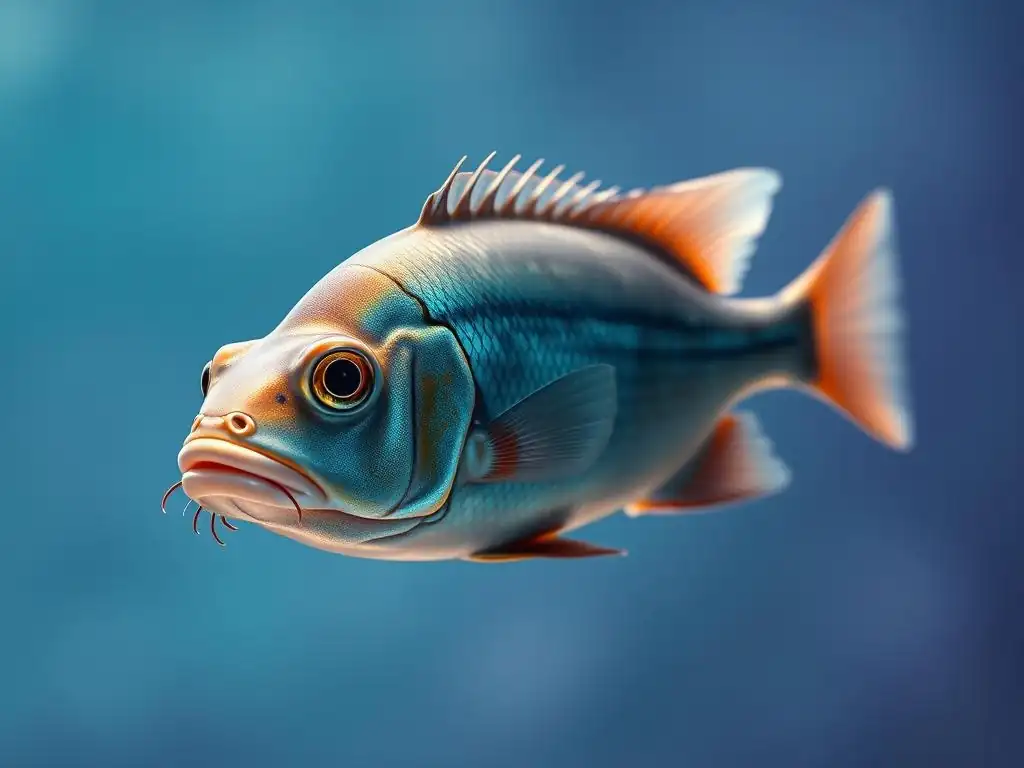
Visual Cues and Oscar Identification: What Do They See?
Oscars, like many fish, rely heavily on visual cues to navigate their environment and identify potential threats or food sources. Their eyes are well-adapted for detecting movement and distinguishing shapes and colors within their aquatic habitat. When it comes to owner identification, an Oscar fish recognize owners likely by processing a combination of these visual elements. They might learn to recognize the general silhouette of their owner, specific clothing colors, or even unique movement patterns. This visual learning is reinforced over time through consistent interaction.
For instance, an Oscar might associate a person's standing height, the way they approach the tank, or specific hand gestures with positive reinforcement, such as feeding. While they may not perceive human faces with the same detail as humans do, their ability to differentiate between various visual stimuli allows them to form a distinct "profile" for their owner. This visual memory is a cornerstone of how an Oscar fish recognize owners and develop a unique bond.
The Role of Feeding and Interaction in Building Bonds with Oscars
The act of feeding is arguably the most significant factor in establishing and strengthening the bond between an Oscar fish and its owner. Consistent feeding at specific times by the same individual creates a powerful positive association. Oscars quickly learn that the presence of their owner means food is imminent, leading to anticipatory behaviors like swimming to the front of the tank or even splashing. This routine solidifies the idea that the owner is the primary provider and source of sustenance.
Beyond feeding, regular, gentle interaction also plays a crucial role in promoting Oscar fish recognize owners behavior. Simple acts like sitting by the tank, talking to the fish, or even carefully placing a hand on the glass (without tapping or stressing the fish) can foster a sense of familiarity. These interactions reinforce the idea that the owner's presence is not threatening and, in fact, brings positive experiences. Over time, these consistent positive interactions build trust and deepen the unique connection.
Water Quality and Oscar Behavior: How a Healthy Environment Fosters Recognition
A healthy and stable aquarium environment is paramount for an Oscar's well-being and, consequently, its ability to engage in recognition behaviors. Poor water quality, characterized by high ammonia, nitrite, or nitrate levels, can cause significant stress to Oscars, leading to lethargy, loss of appetite, and a general disinterest in their surroundings. In such conditions, the fish is more likely to focus on survival than on interacting with its owner, diminishing any signs of recognition.
Maintaining pristine water parameters – for Oscars, this typically means ammonia and nitrite at 0 ppm, and nitrates below 20 ppm, with stable pH (around 6.5-7.5) and temperature (74-80°F or 23-27°C) – ensures the fish is comfortable and active. A healthy Oscar is a curious and engaged Oscar, more prone to displaying its intelligence and personality. When an Oscar fish recognize owners, it's often a testament to the comprehensive care provided, which includes optimal water quality, allowing them to thrive and express their natural behaviors.
Building a Strong Bond with Your Oscar Fish: Practical Tips
Hand-Feeding Techniques to Enhance Owner-Oscar Connection
Hand-feeding is one of the most direct and effective ways to foster a strong bond and reinforce that Oscar fish recognize owners. Start by offering food near the surface of the water, then gradually move your fingers closer to the food as the Oscar becomes accustomed to your presence. Patience is key; it may take several sessions for your Oscar to feel comfortable enough to take food directly from your fingers. Always ensure your hands are clean and free of soaps or lotions before dipping them into the tank.
- Start Slow: Begin by dropping food near your hand in the water, allowing the Oscar to associate your presence with the reward.
- Gradual Approach: Over several days or weeks, slowly reduce the distance between your fingers and the food until the Oscar is comfortable taking it directly.
- Consistency: Use the same hand, and try to feed at consistent times to build a routine.
- Safety First: Never force the interaction. If the Oscar seems stressed or hesitant, retreat and try again later. Use appropriate-sized food to prevent choking.
Interactive Play and Enrichment Activities for Oscars
Beyond feeding, engaging your Oscar in interactive play can significantly enhance their well-being and deepen the bond, further solidifying that Oscar fish recognize owners. Oscars are intelligent fish that benefit from mental stimulation. Simple activities can include moving a finger along the glass, which they might follow, or even using a small, aquarium-safe toy for them to nudge or investigate.
- Follow the Finger: Gently move your finger along the outside of the tank, observing if your Oscar follows its movement. This simple game can be surprisingly engaging for them.
- Object Exploration: Introduce new, safe items into the tank (e.g., a smooth, clean rock or a floating plastic toy) and observe their reaction. Some Oscars enjoy nudging or moving small objects.
- Target Training: With patience and positive reinforcement (food rewards), some Oscars can be trained to touch a specific target, demonstrating their learning capacity. This showcases how an Oscar fish recognize owners and their cues.
Creating a Stimulating Aquarium Environment to Promote Oscar Well-being
A well-designed aquarium environment is crucial for an Oscar's overall health and willingness to interact. Given their size and active nature, Oscars require ample swimming space. A minimum of 75 gallons for a single Oscar, and larger for pairs or groups (e.g., 125 gallons or more), is essential. The tank should also include appropriate hiding spots and enrichment elements.
- Spacious Tank: Provide a large enough tank to accommodate their growth and active swimming habits. Overcrowding leads to stress and aggression, hindering positive interactions.
- Hiding Spots: Offer caves, driftwood, or large rocks where Oscars can retreat when they feel stressed or need privacy. This creates a sense of security.
- Substrate and Decor: Use a fine gravel or sand substrate, as Oscars enjoy digging. Arrange decor in a way that allows for open swimming areas while also providing visual breaks and exploration opportunities. A stimulating environment encourages an Oscar fish recognize owners and be more receptive to interaction.
Debunking Myths About Oscar Fish Intelligence and Recognition
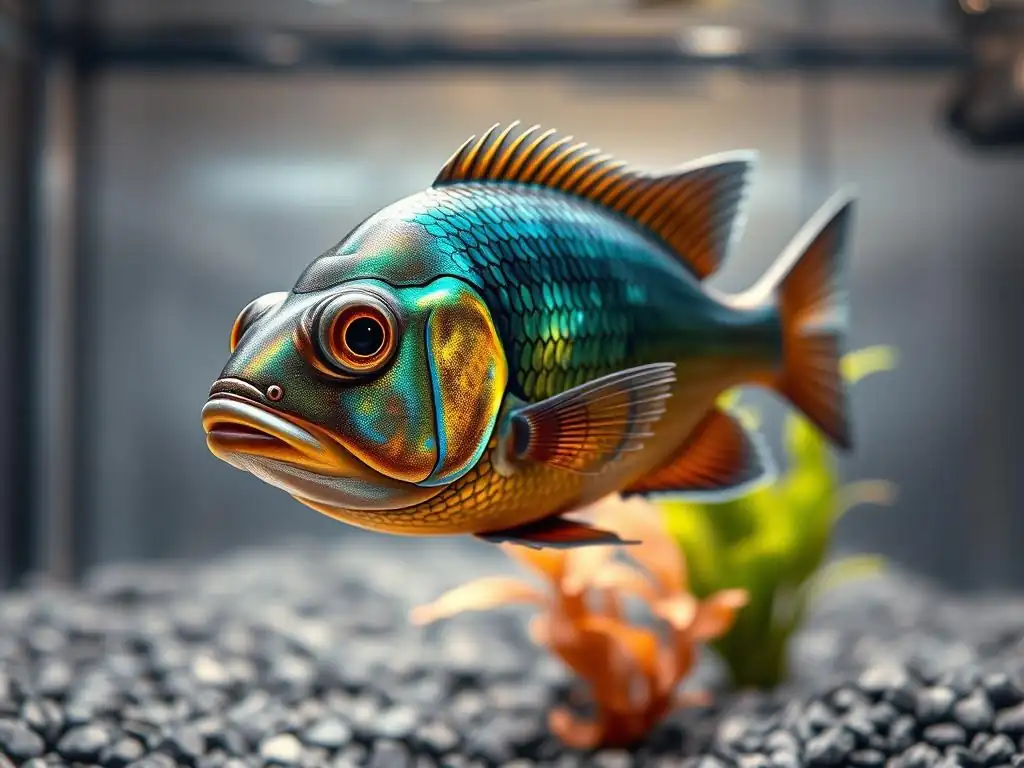
Common Misconceptions About Oscar Fish Behavior
One pervasive misconception about Oscar fish is that their aggressive behavior is a sign of low intelligence or pure instinct. While Oscars can indeed be aggressive, especially towards tank mates, this behavior is often a complex interplay of territoriality, hierarchy, and even playful interaction. It's not simply mindless aggression but a nuanced part of their social structure and survival instincts. Another myth is that fish, in general, have a memory span of only a few seconds. This is demonstrably false for many species, including Oscars, who exhibit clear signs of long-term memory.
Furthermore, some believe that any apparent Oscar fish recognize owners behavior is merely a learned response to food, devoid of any genuine recognition. While food association is a strong motivator, the consistency of their differentiated reactions to their owner versus strangers, even without immediate food rewards, suggests a more complex cognitive process at play. These nuanced behaviors challenge the simplistic view of fish as unthinking creatures.
The Truth About Oscar Fish Memory and Learning
The idea that fish have a "three-second memory" is a widespread myth that significantly underestimates the cognitive capabilities of species like the Oscar. Research and anecdotal evidence from aquarists strongly indicate that Oscars possess remarkable memory and learning abilities. They can remember complex tank layouts, specific feeding routines, and even differentiate between various human faces or silhouettes over extended periods.
For instance, an Oscar can learn to associate the sound of a specific voice or the sight of a particular person with positive experiences, such as feeding or play. This learning is not fleeting; owners often report that their Oscars remember them even after extended absences of several weeks. This long-term memory is crucial for their ability to form bonds and for the phenomenon of Oscar fish recognize owners to be truly meaningful, demonstrating a sophisticated level of intelligence.
Recognizing Your Oscar's Unique Personality: Individual Differences
Observing Oscar Fish Temperament and Behavior Patterns
Just like humans or other pets, each Oscar fish possesses a unique temperament and set of behavior patterns. While some general characteristics apply to the species, individual Oscars can vary significantly in their boldness, shyness, aggression levels, and even their preferred interaction styles. Some may be eager to greet their owner at the front of the tank every time, while others might be more reserved, observing from a distance before approaching.
Observing these individual differences is key to understanding and appreciating your specific Oscar. Pay attention to how they react to different stimuli, their preferred hiding spots, their feeding habits, and their interactions with tank mates (if any). Recognizing these unique traits helps in tailoring care and interaction methods, fostering a stronger bond, and further reinforcing that Oscar fish recognize owners not just as a generic presence, but as a specific individual who understands their unique needs.
Tailoring Care to Meet the Specific Needs of Your Oscar
Understanding your Oscar's individual personality allows for a more personalized and effective care routine. For a shy Oscar, a more gradual approach to interaction and providing ample hiding spots might be necessary to build trust. For a highly energetic and curious Oscar, more frequent enrichment activities and varied feeding methods could be beneficial to keep them stimulated.
For example, if your Oscar shows a strong preference for live foods, incorporating safe, appropriate live treats (like earthworms or crickets) can be a powerful bonding tool. If your Oscar is particularly prone to rearranging decor, ensuring all decorations are heavy and stable can prevent accidents. Tailoring the environment and interaction methods to your Oscar's specific temperament not only ensures their well-being but also strengthens the connection, making the concept of Oscar fish recognize owners a more profound and personal experience.
Advanced Oscar Care: Furthering the Bond

Training Your Oscar: Teaching an Oscar to Swim Through a Hoop
Training an Oscar fish, while requiring patience and consistency, is a testament to their intelligence and a fantastic way to further the bond, solidifying that Oscar fish recognize owners and their cues. One popular trick is teaching them to swim through a hoop. This process involves positive reinforcement and gradual shaping of behavior.
- Materials: Use a small, aquarium-safe plastic hoop or a piece of PVC pipe (ensure no sharp edges).
- Initial Steps: Start by holding the hoop in the water near the Oscar. When the Oscar shows any interest or approaches the hoop, immediately reward it with a small, desirable food pellet.
- Gradual Progression: Slowly move the hoop further away or slightly adjust its position, rewarding the Oscar each time it interacts with or swims closer to the hoop. Eventually, you can hold the hoop in a way that requires the Oscar to swim through it to get the reward.
- Consistency: Short, regular training sessions (5-10 minutes, a few times a week) are more effective than long, infrequent ones. This consistent interaction reinforces the bond and the Oscar's recognition of you as the trainer.
Understanding Oscar Body Language: Interpreting Their Needs and Emotions
Interpreting your Oscar's body language is crucial for effective communication and for deepening the understanding that Oscar fish recognize owners. Oscars communicate a range of emotions and needs through their fin positions, color changes, and swimming patterns. Learning to read these signals allows owners to respond appropriately, fostering trust and a stronger relationship.
- Flared Gills/Fins & Dark Colors: Often indicates aggression, stress, or territorial display. This might occur when a new fish is introduced or if they feel threatened.
- Pale Colors & Clamped Fins: Can be a sign of stress, illness, or poor water quality. A healthy, happy Oscar usually has vibrant colors.
- Swimming to the Front of the Tank, Wiggling: A common sign of excitement, anticipation of food, or greeting their owner. This is a clear indicator that Oscar fish recognize owners and associate them with positive experiences.
- Digging/Rearranging Substrate: Natural behavior, often indicates nesting instincts or simply boredom and a desire to redecorate their space.
By observing these cues, owners can better understand their Oscar's mood and needs, allowing for a more responsive and empathetic approach to care, which in turn strengthens the unique bond.
Conclusion: The Rewarding Relationship with an Intelligent Oscar Fish
The Joy of Owning a Fish That Recognizes You
The experience of owning an Oscar fish is truly unique, largely due to their remarkable intelligence and capacity for interaction. While it may not be recognition in the same way a dog recognizes its owner, the strong evidence suggests that Oscar fish recognize owners through a combination of visual cues, learned associations, and consistent interaction. Their ability to remember, learn, and even display individual personalities transforms the act of fish-keeping into a deeply engaging and rewarding relationship.
The joy derived from watching your Oscar excitedly greet you, follow your movements, or even perform learned tricks is profound. It challenges the traditional view of fish as mere decorative elements and highlights their potential for genuine connection. For dedicated aquarists, the bond with an intelligent Oscar fish becomes a testament to the fascinating cognitive abilities hidden within the aquatic world, making them one of the most cherished and interactive inhabitants of a freshwater aquarium.
Frequently Asked Questions
### Do Oscar fish actually recognize their owners, or is it something else?
While definitive scientific proof is limited, anecdotal evidence suggests Oscars can distinguish their owners through a combination of visual cues, feeding patterns, and possibly even vibrations in the water.
### What are some common behaviors that might suggest an Oscar recognizes its owner?
Common behaviors include approaching the glass when the owner approaches, displaying excitement during feeding, and even allowing the owner to hand-feed them. They may also become more active and less stressed in their presence.
### Besides recognizing their owners, what other signs of intelligence do Oscar fish exhibit?
Oscars are known for their problem-solving abilities, such as learning to navigate obstacles to get food. They also demonstrate complex social behaviors and can learn to associate specific actions with rewards.
### What factors can influence an Oscar's ability to form a bond with its owner?
Factors include consistent interaction, regular feeding schedules, a stable and enriched environment, and the owner's overall attention to the fish's well-being. Stressful environments can hinder bond formation.
### How can I improve my chances of building a stronger bond with my Oscar fish?
Spend time observing your Oscar, interact with it regularly during feedings, and provide a stimulating environment with plenty of hiding places. Consistent care and attention are key to building trust.
Final Reflection: The Enduring Bond Between Human and Fish
The exploration of Oscar fish intelligence and their potential to recognize owners, as we've discussed, transcends mere aquarium keeping; it speaks to a fundamental question about the boundaries of sentience and connection. The evidence, while still developing, suggests a level of cognitive ability in these creatures that demands a re-evaluation of our relationship with them, moving beyond simple ownership to a more nuanced understanding of their individual personalities and needs.
This journey into the Oscar's world has profoundly impacted how we perceive the animal kingdom, particularly those creatures often relegated to the background of our awareness. The possibility of forming a genuine bond with a fish, a creature so different from ourselves, challenges our anthropocentric biases and encourages empathy. The greatness of a nation and its moral progress can be judged by the way its animals are treated.
- Mahatma Gandhi. This quote, though often applied to mammals, resonates deeply when considering the care and respect we owe to all living beings, including our finned companions.
As we conclude this exploration, I invite you to reflect on your own interactions with the natural world. Consider the potential for connection that exists beyond the familiar faces of dogs and cats. Can you see the individual in the Oscar, the personality behind the scales? Let us strive to cultivate a deeper understanding and appreciation for all creatures, recognizing the inherent value and potential for connection that exists within every living being, even those swimming silently in our tanks.
Unleash Your Inner Cichlid Whisperer!
Thank you for diving deep into the fascinating world of Oscar cichlids! Now that you're armed with insights into their intelligence and potential for bonding, let's put that knowledge into action.
Here's how to deepen your connection with these remarkable fish:
- Start Targeted Training: Commit to 15 minutes daily of hand-feeding or target training your Oscar. Observe its responses and adjust your approach based on its unique personality.
- Document Your Discoveries: Begin a journal (digital or paper) to record your Oscar's behaviors, training progress, and any unique interactions you observe. Share your insights with other cichlid enthusiasts online!
- Challenge Perceptions: Share this article with a friend or family member who believes fish are "just decorations." Spark a conversation about the intelligence and emotional capacity of these amazing creatures.
What's the most surprising thing you've learned about Oscars, and how will it change the way you interact with yours?