
Corydoras rabauti: Rusty Corys Adding Warm Hues to Your Tank

Welcome to Aquarium Mastery!
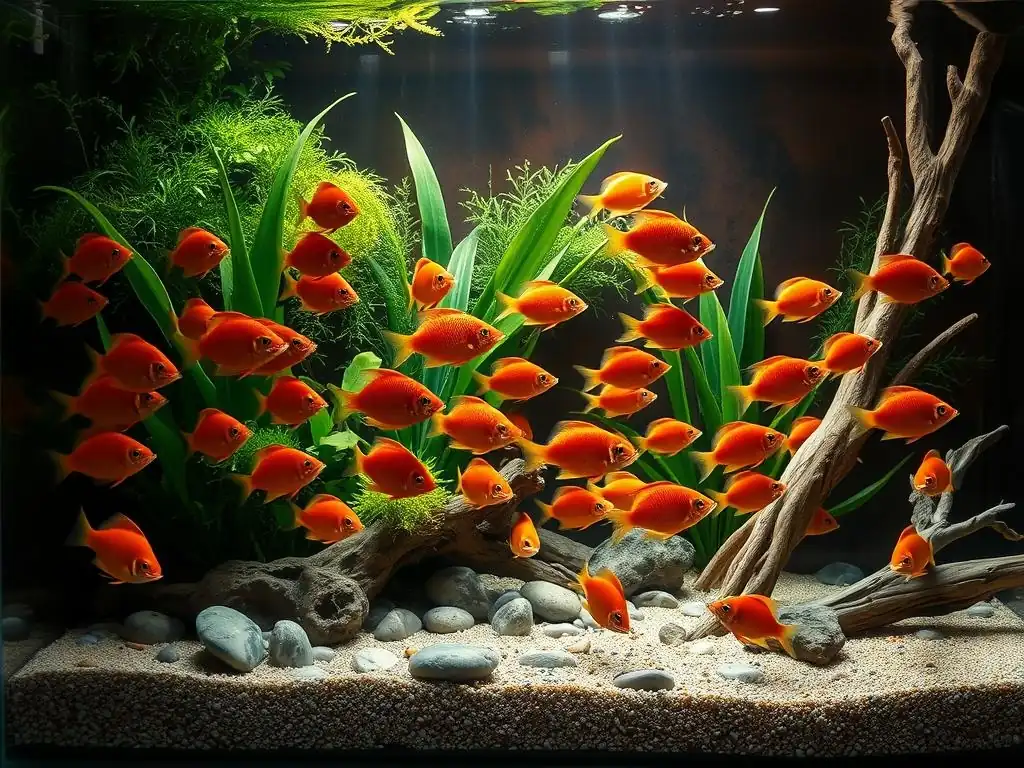
Ever wondered how to bring a touch of vibrant warmth and playful energy to your freshwater aquarium? Dive in and discover the secrets to successful Rusty Corydoras tank care. These charming little fish, also known as Corydoras rabauti, can be a delightful addition to your aquatic family, but understanding their specific needs is key. Ready to learn how to create the perfect environment for these captivating creatures and watch them thrive? Let's get started!
- Introduction to Corydoras rabauti: The Rusty Cory
- Rusty Corydoras Tank Care: Creating the Ideal Habitat
- Feeding Corydoras rabauti: A Balanced Diet
- Rusty Corydoras Tank Mates: Compatibility and Community
- Rusty Corydoras Breeding: A Guide to Reproduction
- Common Corydoras Health Issues and Prevention
- Purchasing Rusty Corydoras: Selecting Healthy Specimens
- Conclusion: Enjoying the Beauty of Corydoras rabauti
- Frequently Asked Questions
- Final Reflection: Embracing the Rusty Corydoras' Warmth
- Ignite Your Aquarium Passion!
Introduction to Corydoras rabauti: The Rusty Cory
Discovering the Charm of Rusty Corydoras for Your Aquarium
Corydoras rabauti, commonly known as the Rusty Corydoras or Flagtail Corydoras, is a captivating freshwater fish native to the clearwater and blackwater rivers of South America, particularly within the Rio Negro basin in Brazil. These charming bottom-dwellers are characterized by their distinctive reddish-brown or "rusty" coloration, which deepens across their bodies, often complemented by a prominent dark stripe running horizontally from their gill plate to the base of their caudal fin.
Growing to an average size of about 2 inches (approximately 5 cm), their compact size, coupled with their peaceful demeanor, makes them an ideal candidate for a variety of home aquariums.
Their active and inquisitive nature, as they constantly sift through the substrate for food, adds a dynamic element to the lower levels of the tank. Unlike some more reclusive bottom-dwellers, Rusty Corydoras are frequently out and about, providing continuous enjoyment for aquarists. Their unique appearance and engaging behavior contribute significantly to the aesthetic and ecological balance of a well-maintained freshwater setup, making them a popular choice among enthusiasts.
Why Choose Corydoras rabauti? Benefits for the Community Tank
Choosing Corydoras rabauti for a community aquarium offers numerous advantages beyond their visual appeal. Firstly, their inherently peaceful temperament means they pose no threat to other fish, even the smallest or most timid species, making them excellent community members. They thrive in groups, ideally kept in schools of six or more individuals, where their natural schooling behavior is most evident, enhancing their sense of security and overall well-being. This collective activity creates a visually appealing spectacle as they move in unison across the tank floor.
Furthermore, Rusty Corydoras are efficient scavengers, diligently consuming uneaten food particles that fall to the bottom, which helps in maintaining tank cleanliness and reducing the buildup of decaying organic matter. This natural cleanup service contributes positively to water quality, a critical aspect of effective Rusty corydoras tank care. Their robust nature for a small fish, coupled with their moderate care requirements, makes them suitable for aquarists ranging from enthusiastic beginners to experienced hobbyists looking to add a touch of warm color and lively activity to their aquatic environments.
Rusty Corydoras Tank Care: Creating the Ideal Habitat
Optimal Rusty Corydoras Tank Size: Space Requirements
Providing adequate space is fundamental to effective Rusty corydoras tank care. For a small school of 6 to 8 Corydoras rabauti, a minimum tank size of 10 gallons (approximately 38 liters) is generally recommended. While they are small fish, their active foraging and schooling behavior necessitate sufficient horizontal space for them to swim and explore comfortably. A tank with a larger footprint, rather than just height, is preferable as it maximizes their usable living area on the bottom.
For larger groups, or when integrating them into a diverse community tank, a 20-gallon (around 76 liters) or larger aquarium is highly beneficial. This increased volume provides more stability in water parameters and reduces potential stress from overcrowding, allowing the fish to exhibit their natural behaviors more freely. Overcrowding can lead to increased stress, compromised immune systems, and a higher susceptibility to disease, underscoring the importance of selecting an appropriately sized habitat.
Water Parameters for Rusty Corydoras: Maintaining a Healthy Environment
Maintaining stable and appropriate water parameters is paramount for the long-term health and vibrancy of Corydoras rabauti. Consistent monitoring and adjustments are key components of diligent Rusty corydoras tank care.
Ideal Temperature Range for Corydoras rabauti
The Rusty Corydoras thrives in a consistent water temperature range of 72-79°F (22-26°C). Maintaining this specific range is crucial for their metabolic processes, immune system function, and overall activity levels. Fluctuations outside this range, especially sudden drops or spikes, can cause significant stress, weaken their immune response, and make them susceptible to common fish diseases like Ich. Therefore, a reliable aquarium heater with a thermostat is an essential piece of equipment to ensure temperature stability, particularly in environments with varying room temperatures.
Regular checks with an accurate thermometer are advised to confirm the water temperature remains within the optimal zone. For instance, a tank kept consistently at 75°F (24°C) provides a comfortable and stable environment that mimics their natural tropical habitat, promoting robust health and longevity, which can extend up to 5-8 years with proper care.
Water Hardness and pH Levels for Rusty Corys
Rusty Corydoras prefer water that is slightly acidic to neutral, with an ideal pH range of 6.0-7.5. While they can tolerate a small deviation, stability is more important than hitting an exact number within this range. Regarding water hardness, they thrive in soft to medium-hard water, typically ranging from 2-15 dGH (degrees of General Hardness), which translates to approximately 35-268 parts per million (ppm). These parameters closely mirror the conditions found in their native Amazonian blackwater and clearwater environments.
Regular water testing using a reliable kit is indispensable to monitor pH, GH, and critical nitrogenous compounds like ammonia, nitrite, and nitrate. Ammonia and nitrite levels should always be undetectable (0 ppm), while nitrates should be kept below 20 ppm through consistent weekly water changes of 25-30%. Maintaining these specific water chemistry parameters is a cornerstone of effective Rusty corydoras tank care, preventing stress and ensuring a thriving environment for these delicate fish.
Substrate and Decor: Replicating the Natural Habitat of Corydoras rabauti
The choice of substrate and the arrangement of decor play a significant role in creating a comfortable and natural environment for Corydoras rabauti, directly impacting their well-being and behavior.
Choosing the Right Substrate for Rusty Corydoras
A critical aspect of Rusty corydoras tank care involves selecting the appropriate substrate. These fish possess delicate barbels around their mouths, which they use extensively to sift through the substrate in search of food. Therefore, a soft, fine-grained substrate like sand or very fine, smooth gravel is absolutely essential. Coarse or sharp gravel can easily abrade or damage their sensitive barbels, leading to infections, difficulty feeding, and chronic stress.
Recommended substrate options include play sand, pool filter sand, or specialized aquarium sand, all of which are smooth and gentle on their barbels. A layer of at least 1-2 inches (2.5-5 cm) of sand allows them ample depth for their natural foraging behaviors. For example, opting for a fine black sand can also aesthetically highlight their rusty coloration, while providing the perfect texture for their constant sifting activities.
Decorating the Tank: Plants and Hiding Places for Rusty Corys
To replicate their natural habitat and provide security, the aquarium for Rusty Corydoras should be well-decorated with a combination of live plants and various forms of hardscape. Densely planted areas, especially with broad-leafed plants like Anubias, Java Fern, or Cryptocoryne species, offer ample shade and cover, which these fish appreciate. Floating plants can also help diffuse overhead lighting, creating a more subdued environment that mimics the filtered light of their native rivers.
In addition to plants, incorporating driftwood, smooth river rocks, and small caves or ceramic hideouts provides essential hiding spots. These structures offer places for the Corydoras to retreat when they feel stressed or need a resting place, contributing to their overall sense of security. While providing plenty of cover, it is also important to leave some open sandy areas at the bottom of the tank, allowing them unobstructed space for foraging and swimming. A well-designed tank with appropriate decor is a key element in comprehensive Rusty corydoras tank care, promoting natural behaviors and reducing stress.
Feeding Corydoras rabauti: A Balanced Diet
What to Feed Your Rusty Corydoras: Dietary Needs
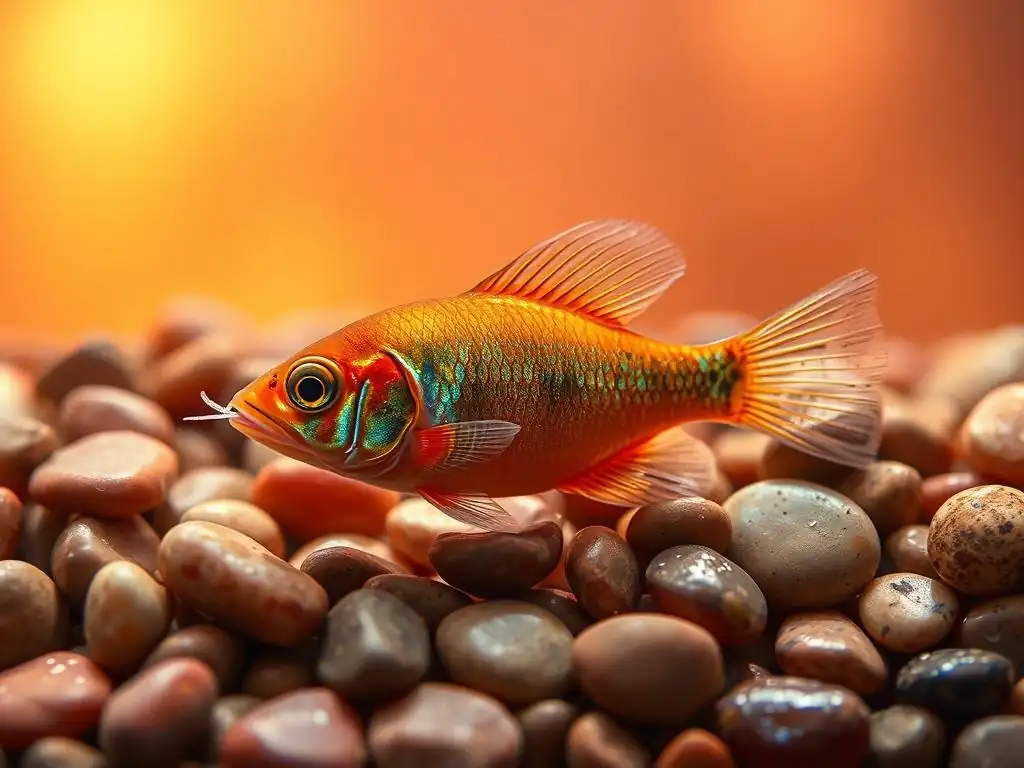
Corydoras rabauti are omnivores with a strong preference for protein-rich foods, reflecting their natural diet of small invertebrates and decaying organic matter found on riverbeds. A balanced diet is crucial for their health and vibrant coloration, forming a core part of effective Rusty corydoras tank care. The primary diet should consist of high-quality sinking pellets or wafers specifically formulated for bottom-dwelling fish. These foods are designed to sink quickly, ensuring that the Corydoras receive adequate nutrition before faster-moving mid-water or top-dwelling fish consume everything.
Supplementing their staple diet with a variety of frozen and live foods is highly beneficial. Excellent choices for frozen foods include bloodworms, brine shrimp, and daphnia, which provide essential proteins and fats. Live foods, such as small grindal worms or blackworms, can be offered as occasional treats, stimulating their natural hunting instincts and providing superior nutritional value. While their diet is primarily protein-focused, offering blanched vegetables like zucchini or spirulina flakes occasionally can also contribute to a well-rounded nutritional intake, though it's less critical than for herbivorous species.
Feeding Frequency and Portion Control for Corydoras rabauti
Establishing a proper feeding schedule and exercising portion control are vital to prevent overfeeding, which can lead to poor water quality and health issues. Rusty Corydoras should be fed once or twice daily. The key is to provide only as much food as they can consume within a short timeframe, typically 2-3 minutes. For example, if you observe food remaining on the substrate after 5 minutes, it indicates that the portion size needs to be reduced for the next feeding.
It is important to ensure that the food actually reaches the bottom of the tank where these obligate bottom-dwellers can access it. Sometimes, in community tanks, more aggressive surface feeders can consume most of the food before it sinks. Observing your Corydoras during feeding time will help you gauge if they are receiving enough. A common practice is to drop sinking pellets directly into their preferred foraging areas or after the main lights are off, allowing them undisturbed access.
Supplementing the Diet: Ensuring Optimal Health
While a varied diet of high-quality sinking foods and frozen treats usually meets the nutritional needs of Corydoras rabauti, occasional dietary supplementation can further enhance their health and vitality. For instance, during breeding attempts or when fish are recovering from stress or illness, a slight increase in protein-rich live or frozen foods can provide an energy boost. In some cases, a liquid vitamin supplement formulated for aquarium fish can be added to the water, or vitamin-enriched flakes can be offered, though this is generally not necessary if a diverse diet is consistently provided.
For optimal bone and fin health, ensuring adequate calcium and other minerals in the water column is important, though most of this is absorbed through their diet and general water parameters. The best supplement for comprehensive Rusty corydoras tank care remains a consistently varied and high-quality diet. This approach not only prevents nutritional deficiencies but also supports a robust immune system, making them more resilient to potential health challenges.
Rusty Corydoras Tank Mates: Compatibility and Community
Best Tank Mates for Corydoras rabauti: Peaceful Companions
Selecting appropriate tank mates is a crucial aspect of successful Rusty corydoras tank care, as their peaceful nature means they can be easily stressed or outcompeted by aggressive fish. The best companions for Corydoras rabauti are other small, docile, and non-aggressive freshwater species that prefer different levels of the water column. Ideal tank mates include a wide variety of small tetras, such as Neon Tetras, Cardinal Tetras, Ember Tetras, or Rummy-nose Tetras, which occupy the mid-to-upper water column and share similar water parameter preferences.
Other excellent choices include peaceful rasboras like Harlequin Rasboras or Chili Rasboras, small species of Danios (e.g., Zebra Danios or Pearl Danios), and livebearers such as Guppies or Endlers, provided their fin-nipping tendencies are minimal. Small, non-aggressive bottom-dwellers like Otocinclus catfish can also coexist peacefully. For example, a 20-gallon tank could comfortably house a school of 8 Rusty Corydoras alongside 10 Neon Tetras and 5 Otocinclus catfish, creating a vibrant and harmonious community.
Fish to Avoid: Incompatible Tank Mates for Rusty Corys
To maintain a stress-free environment for Corydoras rabauti, certain types of fish should be strictly avoided. Any large, aggressive, or predatory fish species pose a significant threat, as they may view the small Corydoras as prey or harass them relentlessly. This includes most medium to large cichlids (with the exception of some very peaceful dwarf cichlid species), Angelfish (which can grow large enough to consume smaller Corydoras), and larger, boisterous barbs like Tiger Barbs, known for their fin-nipping behavior.
Fish that require significantly different water parameters, such as very hard or high pH water, should also be avoided, as attempting to compromise can negatively impact the health of all inhabitants. For instance, housing Rusty Corydoras with a species like a Jack Dempsey Cichlid, which can grow over 8 inches and is highly territorial, would inevitably lead to stress, injury, or consumption of the Corydoras. Prioritizing compatibility is paramount for the well-being of your Rusty Corydoras and the overall stability of your aquarium ecosystem.
Maintaining a Balanced Community Tank with Rusty Corydoras
Successfully maintaining a balanced community tank with Rusty Corydoras involves more than just selecting compatible species; it requires thoughtful planning and ongoing management. Always research the specific needs and temperament of any new fish before introducing them to your established community. Ensure the tank size is adequate to accommodate the adult size and activity levels of all inhabitants, preventing overcrowding. A good rule of thumb is to allow at least 1 gallon of water per inch of adult fish, though this varies by species.
Provide ample hiding spots and visual breaks using plants, driftwood, and rocks to reduce aggression and stress among tank inhabitants. Regular water changes (25-30% weekly) and consistent monitoring of water parameters are even more critical in a community setup due to the increased bioload. Observing the behavior of all fish is key; any signs of stress, aggression, or illness should be addressed promptly. Through careful selection and diligent maintenance, a community tank with Rusty corydoras tank care at its core can thrive as a beautiful and harmonious aquatic display.
Rusty Corydoras Breeding: A Guide to Reproduction
Creating Breeding Conditions for Corydoras rabauti
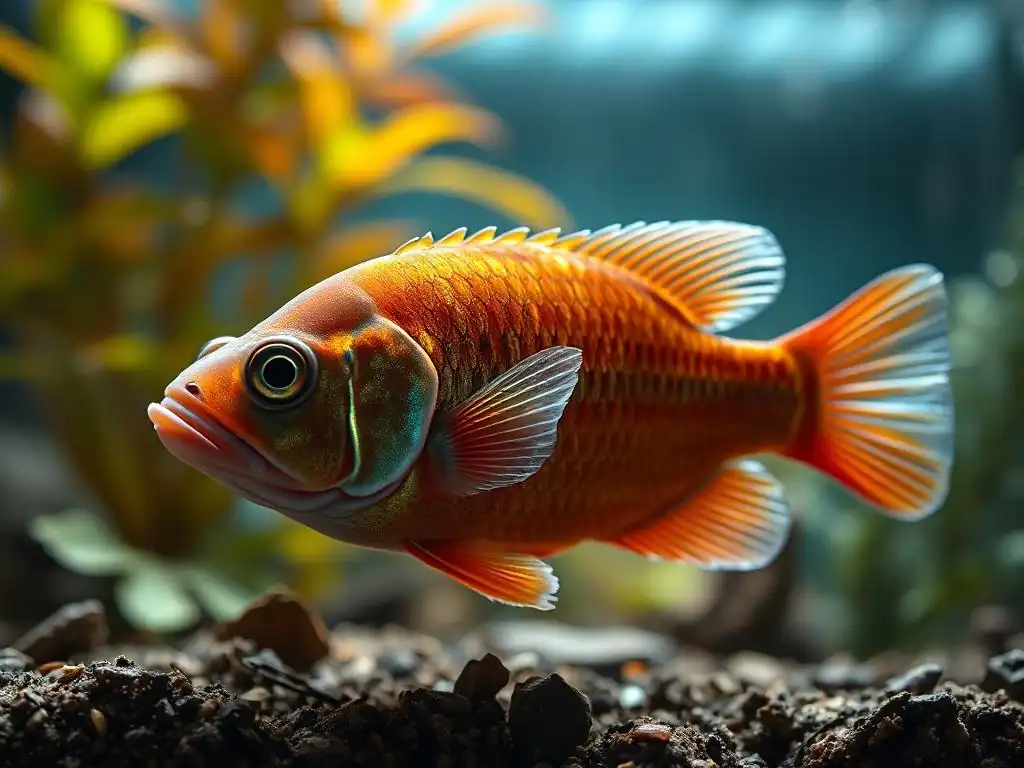
Breeding Corydoras rabauti in a home aquarium can be a rewarding experience, often triggered by simulating their natural rainy season. A key technique involves performing large, cool water changes, typically 50% or more of the tank volume, with water that is 2-4°F (1-2°C) cooler than the existing tank temperature. This should be done every 1-2 days for several days. Concurrently, increasing the protein content in their diet by offering more live or frozen foods, such as bloodworms or brine shrimp, helps condition the fish for spawning.
Good water circulation and aeration are also beneficial during this period. Spawning is often observed after a significant drop in barometric pressure, such as before a thunderstorm. For the best success and to protect the eggs and fry, it is highly recommended to set up a dedicated breeding tank, typically a 5-10 gallon (19-38 liter) aquarium with a sponge filter and some broad-leafed plants or spawning mops.
Identifying Male and Female Rusty Corydoras
Distinguishing between male and female Rusty Corydoras is generally straightforward in mature adults, particularly when the females are gravid (carrying eggs). Females are typically larger and noticeably broader or fuller-bodied than males, especially when viewed from above. Their pectoral fins may also appear slightly larger and more rounded. Males, in contrast, are usually smaller, more slender, and more streamlined in appearance.
Sexual maturity is usually reached around 10-12 months of age, at which point the differences become more pronounced. Observing a group of Corydoras together will often highlight these size and shape disparities, making it easier to identify breeding pairs or groups. For instance, in a group of ten, you might notice three or four individuals that are consistently plumper and larger, indicating they are likely females ready to spawn.
Caring for Corydoras rabauti Eggs and Fry
Once spawning occurs, Corydoras rabauti typically lay their adhesive eggs on various surfaces such as broad-leafed plants, the aquarium glass, or tank decor. The eggs are small, usually translucent to slightly amber, and number anywhere from 20 to over 100 per spawn. To ensure the survival of the eggs and subsequent fry, it is crucial to remove the adult fish from the breeding tank immediately after spawning, as they are prone to eating their own eggs.
The eggs will typically hatch within 3-5 days at a temperature of approximately 75°F (24°C). Upon hatching, the fry are tiny and absorb their yolk sacs for the first 24-48 hours. After their yolk sacs are absorbed, they require extremely fine foods. Initial foods should include infusoria, liquid fry food, or specialized powdered fry food.
After a few days, they can transition to newly hatched baby brine shrimp or microworms, which are highly nutritious. Maintaining pristine water conditions through small, frequent water changes is paramount for fry survival, as they are highly sensitive to water quality fluctuations. Expect a high mortality rate, as is common with many small fish fry.
Common Corydoras Health Issues and Prevention
Recognizing Symptoms of Illness in Corydoras rabauti
Vigilant observation of your Corydoras rabauti is a key component of effective Rusty corydoras tank care, allowing for early detection and treatment of potential health issues. Common symptoms of illness include a loss of appetite, lethargy, or unusually clamped fins. Changes in coloration, such as fading or unusual patches, can indicate stress or disease. White spots on the body or fins are indicative of Ich (Ichthyophthirius multifiliis), while fuzzy white or grey growths often point to fungal infections.
Physical signs like red sores, frayed fins, or damaged barbels are frequently a result of poor water quality or abrasive substrate. Erratic swimming, gasping at the surface, or rapid gill movements can signal respiratory distress, often due to poor oxygenation or high ammonia/nitrite levels. A swollen abdomen may suggest internal parasites or bacterial infections like dropsy. For example, if you notice a Rusty Corydoras that normally sifts through sand actively suddenly resting motionless and refusing food, it's a clear sign to investigate water parameters and fish condition.
Preventing Common Diseases in Your Rusty Corydoras Tank
Preventing diseases is far more effective than treating them, and it forms the cornerstone of proactive Rusty corydoras tank care. The most critical preventive measure is maintaining stable and pristine water parameters. This involves performing regular weekly water changes of 25-30% to keep nitrates low (below 20 ppm) and ensure ammonia and nitrite are undetectable (0 ppm). Providing a varied, high-quality diet prevents nutritional deficiencies that can weaken the immune system.
Ensuring the tank is appropriately sized and not overstocked reduces stress and bioload. Using a soft, fine substrate like sand prevents barbels from becoming damaged, which is a common entry point for bacterial infections. Crucially, always quarantine new fish for at least 2-4 weeks in a separate tank before introducing them to your main aquarium. This prevents the introduction of pathogens that could decimate your existing fish population. A typical quarantine setup might involve a 5-gallon tank with a sponge filter and heater, allowing observation and treatment if necessary.
Treating Ailments: Medications and Best Practices
If illness does occur despite preventive measures, prompt and accurate treatment is essential. The first step is to isolate the sick fish in a hospital tank if possible; this prevents the spread of disease and allows for more precise medication dosages without affecting beneficial bacteria in the main tank or harming invertebrates. Accurately identifying the specific disease is critical before administering any medication. For instance, Ich requires specific anti-parasitic treatments (e.g., copper-based medications or malachite green), while fungal infections respond to antifungal agents.
Always follow the medication instructions carefully, paying close attention to dosage and duration. Overdosing can be more harmful than the disease itself. During treatment, maintain excellent water quality, often requiring daily small water changes and reduced feeding. For common issues like damaged barbels resulting from improper substrate, simply improving the substrate and ensuring pristine water quality is often enough for the barbels to regenerate over several weeks. For example, treating a Corydoras with a fungal infection on its fin might involve a 7-day course of a mild antifungal medication in a hospital tank, coupled with daily 25% water changes.
Purchasing Rusty Corydoras: Selecting Healthy Specimens
Where to Buy Corydoras rabauti: Reputable Sources
When adding Corydoras rabauti to your aquarium, selecting healthy specimens from reputable sources is paramount for successful Rusty corydoras tank care. Local fish stores that maintain clean tanks, have knowledgeable staff, and show a clear commitment to fish health are excellent places to start. Observe their other tanks; if multiple tanks show signs of disease or neglect, it's best to avoid purchasing from them.
Online aquatic retailers can also be a good option, especially if they offer live arrival guarantees and have positive customer reviews regarding fish health and shipping practices. These retailers often have a wider selection and can sometimes source rarer species. Always inquire about their fish sourcing practices and whether they quarantine new arrivals before selling them. A reputable store might source their Rusty Corydoras from a well-regarded breeder known for healthy stock, rather than mass-produced, potentially stressed imports.
Identifying Healthy Rusty Corydoras: What to Look For
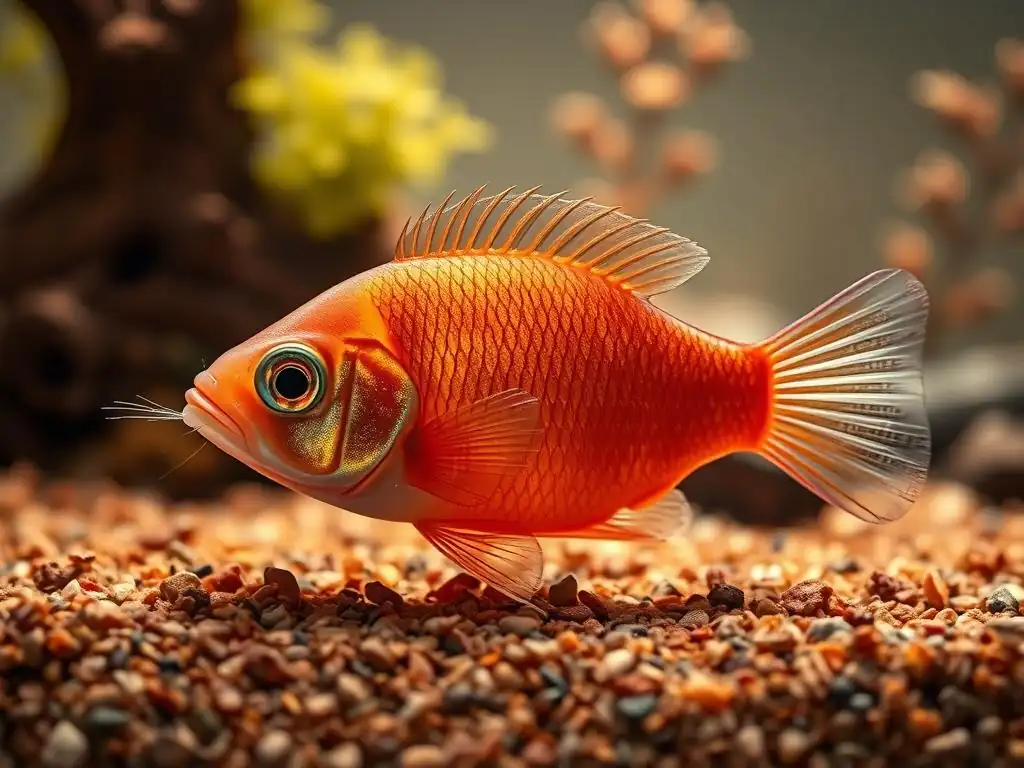
Upon inspection, healthy Rusty Corydoras will exhibit specific characteristics. They should be active and alert, constantly foraging along the bottom of the tank, sifting through the substrate with their barbels. Their eyes should be clear, and their barbels should be intact, without any signs of redness, erosion, or nubs – damaged barbels are a common indicator of poor water quality or improper substrate.
Their bodies should be full and well-rounded, without any sunken bellies, which can indicate starvation or internal parasites. Look for clear fins, free of tears, fraying, or any white spots (Ich), fuzzy growths (fungus), or red sores. They should be swimming in a coordinated group, exhibiting natural schooling behavior, rather than isolating themselves or gasping at the surface. For example, a healthy group of Rusty Corydoras will typically be seen exploring the tank floor in unison, their rusty coloration vibrant and consistent.
Acclimation Process: Safely Introducing Rusty Corys to Your Tank
Proper acclimation is a critical step in Rusty corydoras tank care when introducing new fish, minimizing stress and preventing shock. The most recommended method is drip acclimation, which slowly equalizes the water parameters between the transport bag and your aquarium. First, float the sealed bag in your tank for 15-20 minutes to equalize the water temperature.
After temperature equalization, open the bag and secure it to the side of the tank. Using an airline tubing and a knot or valve, start a slow drip of water from your main tank into the bag. Aim for a drip rate of about 1-2 drops per second.
Allow this process to continue for 30-60 minutes, or until the volume of water in the bag has at least doubled. Finally, gently net the Corydoras from the bag and transfer them to your aquarium, discarding the bag water (never add it to your tank). Turning off the aquarium lights for a few hours after introduction can further help reduce stress as they adjust to their new environment.
Conclusion: Enjoying the Beauty of Corydoras rabauti
The Enduring Appeal of Rusty Corydoras in the Home Aquarium
The Corydoras rabauti, or Rusty Corydoras, truly stands out as an exceptional addition to any freshwater community aquarium. Their enchanting rusty hues, combined with their peaceful disposition and diligent scavenging habits, make them a joy to observe and a beneficial presence in the aquatic ecosystem. They bring a unique blend of vibrant color and engaging activity to the lower levels of the tank, enhancing the overall aesthetic and dynamic of the setup.
With diligent Rusty corydoras tank care, encompassing appropriate tank size, stable water parameters within their preferred range, a soft substrate, varied diet, and compatible tank mates, these charming bottom dwellers can thrive for many years, often reaching an impressive lifespan of 5 to 8 years. Their resilience, coupled with their minimal demands once their specific needs are met, makes them a rewarding species for aquarists of all experience levels.
Ultimately, the enduring appeal of Rusty Corydoras lies in their ability to contribute to a vibrant, healthy, and balanced home aquarium, providing endless fascination and a touch of warm, natural beauty.
Frequently Asked Questions
How big of a tank do Rusty Corydoras (Corydoras rabauti) need?
Rusty Corydoras are relatively small, but they are social fish and need to be kept in groups. A 15-20 gallon tank is generally recommended to comfortably house a group of 6-8 Rusty Corydoras. This allows them ample space to swim and forage.
What type of substrate is best for Rusty Corydoras?
Rusty Corydoras are bottom-dwellers and have delicate barbels that they use to sift through the substrate for food. A smooth, sandy substrate is ideal to prevent damage to their barbels. Avoid sharp gravel or coarse substrates which can injure them.
What are the ideal water parameters for a Rusty Corydoras tank?
Rusty Corydoras prefer slightly acidic to neutral water. Aim for a pH of 6.0-7.0, a temperature of 72-78°F (22-26°C), and keep the water clean and well-oxygenated with regular water changes.
What should I feed my Rusty Corydoras?
Rusty Corydoras are omnivores and will accept a variety of foods. Offer them sinking pellets or wafers specifically designed for bottom-feeding fish. Supplement their diet with live or frozen foods like bloodworms, daphnia, and brine shrimp.
What are some common tank mates for Rusty Corydoras?
Rusty Corydoras are peaceful fish and do well with other non-aggressive species. Good tank mates include small tetras, rasboras, and peaceful dwarf cichlids. Avoid keeping them with large or aggressive fish that may bully or outcompete them for food.
Final Reflection: Embracing the Rusty Corydoras' Warmth
The journey of understanding and caring for Corydoras rabauti, the Rusty Corydoras, extends far beyond simply maintaining an aquarium. It's about appreciating the delicate balance of an ecosystem and the joy of nurturing life within our homes. This exploration of Rusty Corydoras tank care underscores the importance of responsible aquascaping and the profound connection we can forge with even the smallest creatures. By understanding their needs, we not only ensure their well-being but also enrich our own lives with the beauty and tranquility they bring.
The subtle yet vibrant hues of the Rusty Corydoras have a unique way of captivating our attention and reminding us of the beauty hidden within the natural world. My own experience observing these little fish has instilled in me a deeper appreciation for the intricacies of aquatic life and the responsibility we bear as custodians of their environment. In the end, we will conserve only what we love; we will love only what we understand; and we will understand only what we are taught.
- Baba Dioum. This quote perfectly encapsulates the essence of responsible fishkeeping and the importance of continuous learning.
Now, as you consider adding these charming Rusty Corydoras to your tank, or perhaps simply reflect on the beauty of the natural world, I encourage you to embrace the principles of responsible aquascaping and mindful observation. Let the vibrant colors and playful antics of these little fish inspire you to create a thriving ecosystem, not just within your aquarium, but also within your own life. Let's all strive to be better stewards of the environment, one Rusty Corydoras tank at a time.
Ignite Your Aquarium Passion!
Thank you for diving into the vibrant world of Rusty Corydoras with us! We hope this article has sparked your excitement for these charming little fish. Ready to bring some warmth and personality to your aquarium?
Here’s how you can take the next step:
- Transform your aquarium into a Rusty Cory paradise: Consider adding 5-6 Corydoras rabauti to your tank to create a thriving school! Ensure you have a soft substrate and plenty of hiding places for their comfort.
- Delve deeper into Corydoras care: Research compatible tank mates to create a peaceful and harmonious community. Share your findings on our community forum.
- Surprise a fellow aquarist: Spread the Cory love by sharing this article with a friend who might appreciate the charm of Rusty Corys!
What unique touch will you add to your tank to make your Corydoras rabauti feel truly at home?