
Conquering Picky Eaters: Premium Food Strategies & Top Picks for Fussy Aquarium Inhabitants

Welcome to Aquarium Mastery!
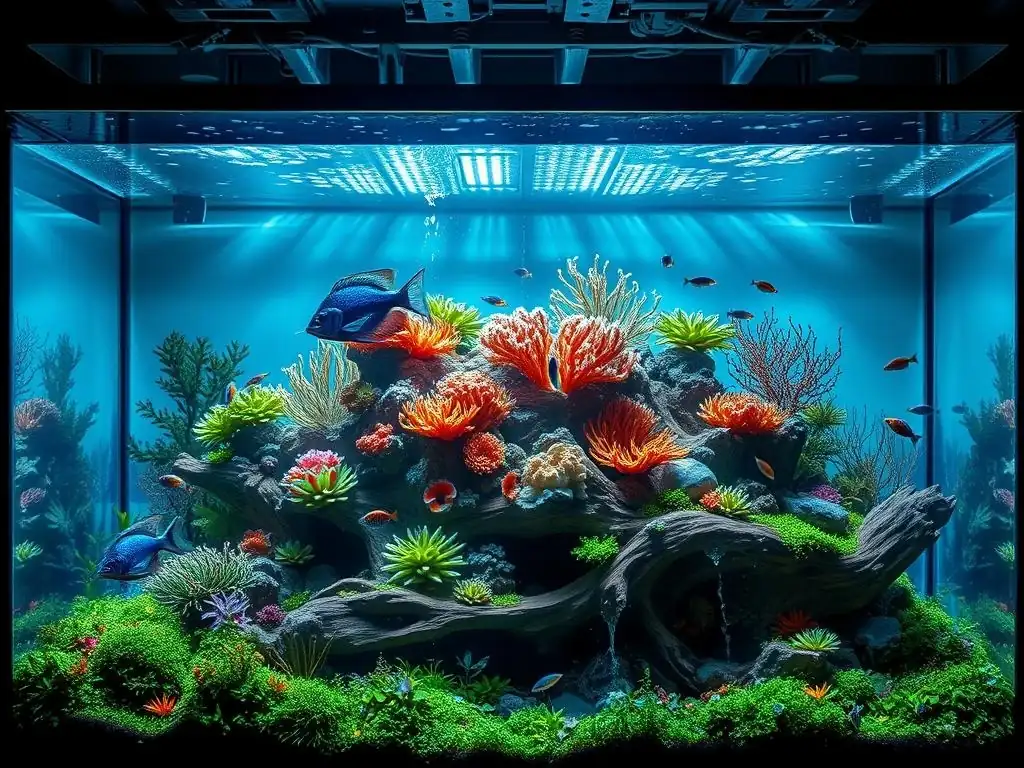
Struggling to get your finicky friends to eat? Dive in! Is the thought of feeding time stressing you out more than it should? This article will help you conquer the picky palates of your aquatic companions. We're unlocking the secrets to fussy aquarium fish food, offering premium strategies and our top picks to ensure even the most discerning eaters thrive. Get ready to transform mealtime from a challenge into a satisfying success!
- Understanding Fussy Eaters: Why Some Aquarium Fish Are Picky
- The Ultimate Guide to Choosing the Best Fussy Aquarium Fish Food
- Top Picks for Fussy Aquarium Fish Food: A Detailed Comparison
- Strategies for Encouraging Picky Fish to Eat: Beyond the Food Itself
- Addressing Underlying Health Issues Affecting Appetite
- Preventing Picky Eating Habits in the First Place
- Conclusion: Mastering the Art of Feeding Fussy Aquarium Fish
-
Frequently Asked Questions
- How do I know if my aquarium fish are truly fussy eaters?
- What are some premium food options for fussy aquarium fish?
- Why is water quality so important when dealing with fussy eaters?
- How can I encourage new aquarium fish to eat if they're being fussy?
- What are some common mistakes aquarists make when feeding fussy fish?
- Final Reflection: Cultivating a Thriving Underwater World
- Transform Your Tank's Picky Eaters!
Understanding Fussy Eaters: Why Some Aquarium Fish Are Picky
Identifying the Root Cause of Finicky Feeding Habits in Aquarium Fish
Finicky feeding habits in aquarium fish often stem from a combination of environmental, physiological, and psychological factors. Stress, whether from a new environment, aggressive tank mates, or suboptimal water quality, is a primary culprit, causing fish to refuse food entirely or become highly selective.
For instance, a newly introduced fish might take several days to feel secure enough to eat, especially if its previous diet was significantly different from what is now offered. Internal parasites, bacterial infections, or even simple digestive upset can also lead to a sudden loss of appetite or a refusal to eat anything but the most palatable foods.
Observation is crucial in pinpointing the underlying issue. A fish that consistently ignores flake food but eagerly devours live blackworms might simply be accustomed to a specific type of prey from its wild habitat or previous tank. Conversely, a fish that suddenly stops eating its favorite fussy aquarium fish food could be experiencing an internal ailment. For example, wild-caught cardinal tetras (Paracheirodon axelrodi), which primarily consume small invertebrates and zooplankton in their natural Amazonian environment, may initially reject processed flakes or pellets. Understanding these natural inclinations is key to addressing finicky behavior.
Common Species Known for Picky Eating in Freshwater and Saltwater Aquariums
Certain aquarium species are famously difficult to feed, requiring specialized diets and patient approaches. In freshwater setups, Discus fish (Symphysodon spp.) are perhaps the most notorious, often preferring specific frozen foods like bloodworms or beef heart mixes over standard flakes, especially if wild-caught or recently stressed. Wild Betta species and some dwarf cichlids like Apistogramma often exhibit selectivity, frequently requiring small live or frozen foods to initiate feeding. For instance, many Apistogramma species will thrive on brine shrimp and daphnia but ignore common dried foods.
Saltwater aquariums host an even broader array of finicky eaters. Mandarin Dragonets (Synchiropus splendidus) are a classic example, almost exclusively requiring a constant supply of live copepods, with many failing to adapt to frozen alternatives. Numerous angelfish and butterflyfish species, particularly those that graze on specific corals or sponges in the wild, can be extremely challenging to transition to prepared aquarium foods. For instance, Copperband Butterflyfish (Chelmon rostratus) are often introduced to control Aiptasia anemones but can starve if not provided with their preferred small invertebrates or specialized fussy aquarium fish food.
The Impact of Water Quality and Tank Conditions on Appetite
Suboptimal water quality directly impacts a fish's health and appetite, often leading to a reluctance to eat. Elevated levels of ammonia (above 0.25 ppm), nitrite (above 0.25 ppm), or excessive nitrates (above 40 ppm) can cause severe stress and suppress a fish's immune system, making it lethargic and disinterested in food. Similarly, incorrect pH levels or rapid temperature fluctuations can induce osmotic stress, which diverts energy away from digestion and growth, thereby reducing feeding drive. Maintaining stable and pristine water parameters is paramount for ensuring a healthy appetite.
Beyond chemical parameters, the physical tank environment plays a significant role. Overcrowding, insufficient hiding spots, or the presence of aggressive tank mates can lead to chronic stress, causing timid fish to hide and refuse food. For example, a celestial pearl danio (Danio margaritatus) might starve if housed with boisterous species that constantly outcompete it for food or make it too fearful to venture into open water during feeding times. A well-scaped aquarium with ample cover and appropriate tank mates helps create a secure environment where fish feel safe enough to feed robustly on their fussy aquarium fish food.
The Ultimate Guide to Choosing the Best Fussy Aquarium Fish Food
Key Nutritional Requirements for Optimal Health and Growth
For optimal health and robust growth, aquarium fish require a balanced diet rich in proteins, fats, carbohydrates, vitamins, and minerals, tailored to their specific dietary needs (carnivore, herbivore, omnivore). Carnivorous fish, such as cichlids and lionfish, demand high protein content, typically ranging from 45% to 60%, derived from quality sources like whole fish meal, krill, or shrimp.
These proteins provide essential amino acids crucial for tissue repair and muscle development. Conversely, herbivorous species like plecos and tangs thrive on diets with higher plant matter and fiber, with protein levels often in the 20% to 35% range, supplied by ingredients like spirulina, kelp, and algae.
Beyond macronutrients, a high-quality fussy aquarium fish food must include essential micronutrients. Vitamins, particularly stabilized Vitamin C, are vital for immune system function and preventing common ailments like head and lateral line erosion in marine fish. Vitamin D is necessary for calcium absorption and bone health. Essential fatty acids, specifically Omega-3 and Omega-6, are crucial for energy, cell membrane integrity, and vibrant coloration. A deficiency in these fats can lead to poor growth, fin erosion, and dull coloration, underscoring the importance of a comprehensive nutritional profile.
Understanding Food Types: Flakes, Pellets, Frozen, Live, and Prepared Foods
The array of available fussy aquarium fish food types caters to diverse feeding preferences and habits within the aquarium. Flake foods are widely accessible and suitable for many top and mid-water feeders, but they can quickly lose nutritional value once opened and contribute to water pollution if overfed. Pellets, available in various sizes and sinking rates, are generally more nutrient-dense and retain their integrity longer, making them ideal for mid-water and bottom feeders like cichlids and catfish. Slow-sinking pellets are particularly useful for community tanks where fish feed at different levels.
Frozen foods, such as bloodworms, brine shrimp, and mysis shrimp, are highly palatable and nutritious, closely mimicking the natural diet of many species. They are excellent for enticing finicky eaters due to their natural aroma and texture. Live foods, including daphnia, blackworms, and feeder shrimp, provide unparalleled feeding stimulation, triggering innate predatory responses, though they carry a higher risk of introducing pathogens. Finally, prepared foods, which can be homemade pastes or gels, allow aquarists to customize nutrition for highly specialized diets, offering precise control over ingredients but requiring meticulous preparation and storage to prevent spoilage.
Decoding Food Labels: What to Look for in High-Quality Fish Food
Decoding fish food labels is essential for selecting a high-quality fussy aquarium fish food that meets your fish's specific needs. The ingredient list is paramount: look for whole, identifiable protein sources listed first by weight, such as "whole fish meal," "krill," "squid," or "shrimp." Avoid foods where the first few ingredients are vague "animal protein" or primarily fillers like corn starch, wheat flour, or soy meal, as these offer minimal nutritional value and can lead to digestive issues. A premium food will emphasize high-quality, digestible ingredients.
The guaranteed analysis section provides crucial information on the minimum protein and fat content, and maximum fiber and moisture. For most fish, aim for a protein content appropriate for their dietary type (e.g., 40-60% for carnivores, 20-35% for herbivores). A low ash content (typically below 8-10%) indicates less indigestible mineral matter and more usable nutrients. Furthermore, check for the inclusion of essential vitamins (especially stabilized Vitamin C) and minerals, and natural color enhancers like astaxanthin, which contribute to overall health and vibrant coloration.
Top Picks for Fussy Aquarium Fish Food: A Detailed Comparison
High-Protein Options for Carnivorous Picky Eaters
Hikari Bio-Pure Freeze Dried Blood Worms: A Carnivore's Delight
Hikari Bio-Pure Freeze Dried Blood Worms are a superior choice for enticing carnivorous picky eaters due to their intense natural aroma and texture, which closely mimic live prey. These bloodworms are an exceptional source of protein, typically boasting levels between 50% and 60%, along with essential amino acids crucial for muscle development and overall vitality. Their high palatability makes them an ideal go-to for stimulating feeding responses in a wide array of finicky species, including many freshwater cichlids, gouramis, and even some marine fish that are reluctant to accept processed foods.
The freeze-drying process employed by Hikari is a multi-stage technique that meticulously preserves the nutritional integrity of the bloodworms while simultaneously eliminating any potential parasites or bacteria commonly found in live cultures. This ensures a safe and highly nutritious fussy aquarium fish food option. Aquarists frequently report remarkable success with these bloodworms for species like Bettas (Betta splendens) that are notoriously selective, or for newly acquired fish that are stressed and refusing to eat anything else. Their ease of storage and long shelf life also make them a convenient staple.
Omega One Freeze Dried Mysis Shrimp: Natural Goodness for Fussy Fish
Omega One Freeze Dried Mysis Shrimp stand out as an exceptional high-protein fussy aquarium fish food, particularly revered for their rich content of Omega-3 and Omega-6 fatty acids. These essential fatty acids are vital for promoting vibrant coloration, bolstering the immune system, and supporting overall fish health. With a protein content typically ranging from 55% to 60%, mysis shrimp offer robust nutritional value, making them highly effective for both freshwater species, such as rainbowfish and certain tetras, and a broad spectrum of marine fish, including clownfish, wrasses, and smaller tangs.
The inherent natural scent and appealing texture of mysis shrimp are overwhelmingly attractive to a wide variety of fish, making them a prime choice for enticing even the most reluctant eaters. Omega One sources its mysis shrimp from the pristine, cold waters of the Pacific Northwest, ensuring a product that is not only nutritionally superior but also free from contaminants. This commitment to quality results in a highly palatable and safe food source that can significantly improve the feeding response of many finicky aquarium inhabitants.
Plant-Based Solutions for Herbivorous Picky Eaters
Fluval Bug Bites Algae Crisps: A Nutritious and Palatable Choice
Fluval Bug Bites Algae Crisps offer a novel and highly palatable solution for herbivorous and omnivorous picky eaters, distinguishing themselves with insect meal as their primary ingredient. These crisps are formulated with Black Soldier Fly Larvae (BSFL) meal, a sustainable and highly digestible protein source, which is then blended with a significant proportion of nutrient-rich algae, including spirulina and kelp. This innovative combination results in a fussy aquarium fish food that is not only packed with nutrition but also exceptionally appealing to fish that might otherwise ignore traditional vegetable-based wafers or flakes.
With a protein content typically ranging from 40% to 45%, and abundant in essential fatty acids, these crisps are designed for optimal digestibility, which in turn minimizes waste and contributes to cleaner water. Their unique crisp form allows them to sink slowly, providing ample opportunity for fish throughout the water column to feed, from surface grazers to bottom dwellers. Many aquarists have found these crisps to be readily accepted by species such as mollies, swordtails, and even some African cichlids, which often require a substantial plant-based diet but can be selective about their food.
New Life Spectrum AlgaeMAX: Enhanced Color and Immune Support
New Life Spectrum AlgaeMAX is highly regarded as a premium plant-based fussy aquarium fish food, specifically formulated to cater to the dietary needs of herbivorous fish while enhancing their natural coloration and bolstering immune function. This specialized pellet is characterized by its high concentration of spirulina and kelp, which collectively provide a rich source of plant-based proteins, natural pigments (like phycocyanin), and a comprehensive array of essential vitamins and minerals. These ingredients are crucial for the vibrant health and appearance of species such as plecos, otocinclus, and many types of tangs.
The pellets are engineered for superior digestibility, which translates into reduced waste production and improved water quality within the aquarium. With a typical protein content between 35% and 40%, AlgaeMAX ensures adequate protein intake for herbivores without being excessively high. Its robust nutritional profile is designed to stimulate appetite even in reluctant eaters. Numerous users have reported significant improvements in the feeding response, overall health, and intensity of coloration in their herbivorous fish after transitioning to this highly effective formula.
Specialized Foods for Specific Fussy Fish Species
Seachem NutriDiet Discus Flakes: Tailored Nutrition for Discus Fish
Seachem NutriDiet Discus Flakes are meticulously formulated to address the demanding and often finicky dietary requirements of Discus fish, a species renowned for its selective eating habits. This premium fussy aquarium fish food features a precise blend of high-quality proteins, typically exceeding 50%, derived from whole fish and krill, ensuring a complete amino acid profile essential for the Discus's growth and vibrant health. The flakes are designed to be easily digestible, minimizing the burden on their sensitive digestive systems.
A key feature of Seachem NutriDiet Discus Flakes is their fortification with garlic extract, which acts as a potent natural appetite stimulant. This inclusion significantly enhances the palatability of the flakes, making them highly appealing even to the most reluctant Discus. The small, soft texture of the flakes makes them easy for Discus to consume, while the low-ash content ensures high nutrient utilization and helps maintain pristine water quality, crucial for these delicate fish. This specialized formulation addresses both nutritional needs and feeding challenges unique to Discus.
Ocean Nutrition Formula One Pellets: Ideal for Marine Fish with Specific Dietary Needs
Ocean Nutrition Formula One Pellets represent a high-quality, highly palatable fussy aquarium fish food specifically crafted to meet the diverse and often particular dietary needs of a wide array of marine fish, including many notoriously finicky eaters. These pellets are exceptionally rich in fresh, natural seafood ingredients, such as salmon, krill, and shrimp, providing a robust protein content typically ranging from 40% to 45%. This ensures that marine carnivores and omnivores receive the essential amino acids necessary for vigorous health and growth.
Beyond their protein richness, Ocean Nutrition Formula One Pellets are further enhanced with spirulina and kelp, incorporating vital plant-based nutrients, vitamins, and minerals. This comprehensive profile promotes vibrant coloration and bolsters the immune system, critical for the demanding marine environment. Their soft, moist texture makes them readily accepted by a broad spectrum of marine species, including tangs, angelfish, and various butterflyfish. The pellets also exhibit a slow-sinking characteristic, accommodating different feeding preferences within the marine aquarium and ensuring all fish have an opportunity to feed.
Strategies for Encouraging Picky Fish to Eat: Beyond the Food Itself
Introducing New Foods Gradually: The Importance of Patience
When attempting to introduce a new fussy aquarium fish food, patience is paramount. A sudden change in diet can stress fish and lead to rejection. Begin by mixing a very small amount of the new food with their current preferred food. Over a period of several days to a week, or even longer for particularly stubborn eaters, gradually increase the proportion of the new food while decreasing the old. This slow transition allows fish to adapt to the new taste, texture, and scent without feeling overwhelmed or threatened by the unfamiliar offering.
Consistency in feeding times can also aid in the introduction process. Offering the new food at the same time each day helps establish a routine and may encourage a more predictable feeding response. If fish refuse the new food, remove any uneaten portions promptly to prevent water quality degradation. Avoid leaving uneaten food in the tank for more than 5 minutes. Sometimes, a short period of fasting (e.g., 24 hours) can increase a fish's appetite and make them more receptive to trying a new food, but this should be done cautiously, especially with smaller or more delicate species.
Varying the Diet: A Multi-Food Approach to Stimulate Appetite
Adopting a varied diet, incorporating multiple types of fussy aquarium fish food, is a highly effective strategy for stimulating appetite and preventing nutritional deficiencies. By alternating between high-quality flakes, nutrient-rich pellets, frozen foods (like brine shrimp or mysis shrimp), and occasional live treats, you can mimic the diverse feeding opportunities fish encounter in their natural habitats. For example, offering a premium flake food on Monday, frozen bloodworms on Tuesday, and a specialized pellet on Wednesday ensures a broad spectrum of nutrients and keeps fish engaged.
A multi-food approach not only provides a comprehensive nutritional profile but also prevents fish from becoming overly reliant on a single food type, making them more adaptable if a particular food becomes unavailable. It also caters to the different feeding behaviors of various species in a community tank. Some fish prefer to graze throughout the day, while others are ambush predators. Presenting different food types at different times or in different ways (e.g., sinking pellets for bottom feeders, floating flakes for surface dwellers) can ensure all inhabitants receive adequate nutrition and remain interested in their meals.
Soaking Food in Garlic Extract: A Natural Appetite Enhancer
Garlic extract, specifically formulated for aquarium use (such as Seachem GarlicGuard or similar products), is a widely recognized and effective natural appetite enhancer for picky or ailing fish. Its potent aroma and flavor are highly attractive to many species, often masking less palatable foods and enticing even the most reluctant eaters. The active compounds in garlic are believed to stimulate a fish's chemoreceptors, making the food more appealing and triggering a strong feeding response.
To utilize this method, simply soak a small portion of the desired fussy aquarium fish food (flakes, pellets, or even frozen foods) in a few drops of garlic extract for 10 to 15 minutes before feeding. This allows the food to absorb the appealing scent and flavor. This technique has proven particularly effective for notoriously picky marine fish like tangs and angelfish, as well as freshwater species such as Discus and certain cichlids that might otherwise ignore new or unfamiliar offerings. It can be a vital tool in rehabilitating fish with suppressed appetites due to stress or mild illness.
Using Live Foods as a Temptation: A Guaranteed Way to Trigger Feeding
For extremely finicky, wild-caught, or newly acquired fish that refuse all other options, live foods often serve as an irresistible temptation and a guaranteed way to trigger a feeding response. The natural movement and scent of live prey, such as brine shrimp, daphnia, or blackworms, tap into a fish's innate predatory instincts, stimulating an immediate and often aggressive feeding behavior that processed foods cannot replicate. This is particularly effective for species that are specialized micropredators in their natural environments.
While live foods are unparalleled for initial appetite stimulation, they should be used judiciously due to the potential risk of introducing parasites or diseases into the aquarium. Always source live foods from reputable suppliers to minimize this risk. Once the fish consistently accepts live food, the goal should be to gradually transition them to high-quality frozen or prepared fussy aquarium fish food. This can be achieved by mixing increasingly smaller amounts of live food with the desired processed food, slowly reducing the live component until the fish accepts the prepared diet entirely.
Addressing Underlying Health Issues Affecting Appetite
Recognizing Signs of Illness in Aquarium Fish
Loss of appetite is frequently one of the earliest and most telling indicators that an aquarium fish is experiencing an underlying health issue. While a temporary refusal to eat can be due to stress or pickiness, a sudden or prolonged disinterest in food, especially a favored fussy aquarium fish food, warrants immediate attention. Accompanying signs of illness often include lethargy, where the fish becomes unusually inactive or rests at the bottom or surface; clamped fins, where fins are held close to the body; and labored breathing, indicated by rapid gill movements.
Further signs to look for include visible physical changes such as white spots (Ich), fuzzy growths (fungus), lesions, ulcers, or fin rot. Changes in swimming patterns, such as darting, flashing (rubbing against tank decor), or erratic movements, can also signal distress. Alterations in coloration, like fading or darkening, and changes in body shape, such as bloating (dropsy) or severe wasting (indicating internal parasites), are critical indicators. Regular, attentive observation of your fish's behavior and appearance is crucial for early detection and intervention.
Common Diseases That Can Cause Loss of Appetite
Several common diseases frequently manifest with a significant loss of appetite in aquarium fish. Internal parasitic infections are a prime culprit; flagellates (like Hexamita or Spironucleus, often associated with Hole-in-the-Head disease in cichlids) and various types of worms can infest the digestive tract, leading to poor nutrient absorption, weight loss, and a complete refusal to eat. Affected fish often exhibit white, stringy feces. Bacterial infections, both systemic and localized, can also cause fish to become listless and lose interest in their fussy aquarium fish food.
Other severe conditions that almost invariably lead to appetite loss include dropsy, which is not a disease itself but a symptom of severe internal organ failure (often bacterial), characterized by extreme bloating and pinecone-like scales. Swim bladder disorders, which impair a fish's ability to swim properly, can also make it difficult or impossible for them to reach food. Early diagnosis and appropriate treatment are vital; without intervention, prolonged appetite loss due to disease can quickly lead to starvation and death.
The Role of Water Changes and Medications in Restoring Appetite
When a fish exhibits a loss of appetite due to suspected illness, the first and most critical step is often a substantial water change. Performing a 25% to 50% water change with properly conditioned water can immediately improve water quality by diluting harmful toxins like ammonia and nitrite, thereby reducing stress on the fish. For instance, if nitrate levels are elevated above 40 ppm, a significant water change can bring them down, often providing enough relief for the fish to regain its appetite. Clean, stable water is fundamental to a fish's recovery.
If improved water quality alone does not restore appetite and other symptoms persist, specific medications may be necessary. For suspected internal parasites, medicated foods containing ingredients like metronidazole or praziquantel are often effective as they deliver the treatment directly to the digestive system. For bacterial infections, broad-spectrum antibiotics, administered either through water treatments or medicated food, might be required. Always ensure accurate diagnosis before administering medication, as incorrect treatments can further stress the fish or be ineffective against the specific pathogen causing the loss of appetite.
Preventing Picky Eating Habits in the First Place
Proper Acclimation Techniques for New Aquarium Fish
Preventing picky eating habits begins long before a fish even enters the main display tank, starting with proper acclimation. Stress is a primary trigger for finicky eating, and a rushed or improper acclimation process can inflict significant stress on new arrivals. The drip acclimation method is highly recommended: slowly adding tank water to the fish's transport bag over an hour or more allows the fish to gradually adjust to differences in pH, temperature, and water hardness without experiencing osmotic shock. This gentle introduction minimizes physiological stress and helps the fish settle in more smoothly.
Upon release into the aquarium, dimming the lights for the first few hours or even a full day can further reduce stress, allowing the new fish to explore its surroundings without feeling exposed. Providing ample hiding spots, such as caves, dense plants, or rockwork, gives the fish a sense of security, which is crucial for encouraging natural behaviors, including feeding. A well-acclimated and secure fish is far more likely to readily accept fussy aquarium fish food and integrate into its new environment without developing persistent feeding issues.
Maintaining Optimal Water Parameters for a Healthy Aquarium Environment
Consistently maintaining optimal water parameters is the cornerstone of preventing picky eating and ensuring overall fish health. Regular testing (e.g., weekly) for ammonia (0 ppm), nitrite (0 ppm), and nitrate (below 20 ppm) is essential, as even slight elevations can cause chronic stress and suppress appetite. Ensuring the pH and temperature remain stable and within the preferred range for your specific fish species (e.g., 78-82°F for many tropical freshwater fish) is equally important, as fluctuations can lead to metabolic distress and a reluctance to eat.
A stable, clean, and well-oxygenated environment reduces the physiological stress on fish, making them more active, vibrant, and receptive to feeding. When fish are comfortable and healthy, their natural feeding instincts are stronger, and they are less likely to become selective about their fussy aquarium fish food. Regular partial water changes (e.g., 25% weekly) are critical for diluting accumulated toxins and replenishing essential minerals, thereby contributing to a consistently healthy and appetite-stimulating environment.
Avoiding Overfeeding and Food Waste
Overfeeding is a common mistake that can directly contribute to picky eating habits and severe water quality issues. When too much food is offered, uneaten portions quickly break down, releasing ammonia and nitrite into the water, which are toxic to fish. Furthermore, constantly having an abundance of food can make fish less eager to eat, as they are never truly hungry. Feed only what your fish can consume within 2 to 3 minutes, and promptly remove any uneaten food using a net or gravel vacuum.
Feeding smaller amounts multiple times a day (e.g., 2-3 times) is often more beneficial than one large feeding, particularly for active species or those with high metabolisms. This approach mimics natural grazing behaviors and reduces competition, ensuring that even more timid fish have an opportunity to eat their share of fussy aquarium fish food without being outcompeted. It also helps to prevent digestive issues that can arise from gorging on a single large meal, promoting healthier eating patterns and reducing overall food waste.
Conclusion: Mastering the Art of Feeding Fussy Aquarium Fish
Key Takeaways for Ensuring Optimal Nutrition and Health
Conquering the challenge of feeding picky aquarium inhabitants requires a comprehensive and patient approach. Understanding the root causes of finicky eating, whether environmental stress, underlying health issues, or natural dietary preferences, is the crucial first step. Selecting premium, species-appropriate fussy aquarium fish food that meets their specific nutritional requirements is paramount, and familiarity with different food types—from highly palatable frozen options to specialized pellets—allows for a tailored feeding strategy.
Beyond the food itself, employing strategic feeding techniques such as gradual introduction, diet variation, and the use of appetite stimulants like garlic extract can significantly improve feeding responses. Maintaining pristine water quality, providing a stress-free environment, and proper acclimation for new fish are foundational practices that prevent picky eating habits from developing in the first place. Finally, diligent observation and prompt action to address any underlying health issues are critical for restoring appetite and ensuring the long-term vitality and well-being of your aquatic companions.
Resources for Further Learning About Aquarium Fish Nutrition
For aquarists seeking to deepen their understanding of aquarium fish nutrition and feeding strategies for fussy eaters, a wealth of resources is available. Engaging with reputable aquatic forums and online communities can provide invaluable insights from experienced aquarists who share practical advice and successful techniques for specific species. Websites dedicated to aquaculture and fish husbandry often publish detailed articles and scientific findings on fish dietary needs and health.
Furthermore, many premium fussy aquarium fish food manufacturers provide extensive nutritional breakdowns and detailed feeding guides on their official websites. These resources can offer precise information on ingredient quality, protein sources, and recommended feeding protocols for various fish types, allowing aquarists to make informed decisions for optimal nutrition. Consulting specialized books on fish health and aquatic animal nutrition can also provide a more in-depth scientific perspective, equipping you with the knowledge to master the art of feeding even the most challenging aquarium inhabitants.
Frequently Asked Questions
How do I know if my aquarium fish are truly fussy eaters?
Look for lack of interest in food, spitting food out, or only eating specific types. Monitor their behavior closely during feeding times to identify feeding patterns.
Consider frozen foods like bloodworms and brine shrimp, high-quality flakes with diverse ingredients, or live foods like daphnia. These offer enhanced palatability and nutrition.
Why is water quality so important when dealing with fussy eaters?
Poor water quality can stress fish, reducing their appetite. Maintaining stable parameters like pH and ammonia levels is crucial for healthy feeding habits.
How can I encourage new aquarium fish to eat if they're being fussy?
Try offering small amounts of food multiple times a day, turning off the lights during feeding, or introducing different food types gradually.
What are some common mistakes aquarists make when feeding fussy fish?
Overfeeding is a major issue, leading to uneaten food and poor water quality. Also, relying solely on one type of food can create nutritional deficiencies.
Final Reflection: Cultivating a Thriving Underwater World
The journey to understanding and catering to the needs of fussy aquarium inhabitants is far from a simple task, yet it's a crucial aspect of responsible fishkeeping. The strategies and food recommendations explored in this article serve as a starting point, highlighting the importance of observation, patience, and a willingness to experiment to unlock the dietary secrets of even the most discerning aquatic palates. The well-being of our underwater companions hinges on our ability to provide them with the nutrition they need to flourish.
This exploration into the world of picky eaters has underscored the profound connection between our actions and the health of our aquariums. It's a reminder that creating a thriving ecosystem requires more than just filling a tank with water and fish; it demands a deep understanding of their individual needs and a commitment to providing them with the best possible care. The aquarium is a microcosm of the natural world, and its health reflects our own understanding and respect for the delicate balance of life.
This sentiment reinforces the responsibility we bear as caretakers of these miniature aquatic worlds.
Now, consider the lessons learned here and apply them to your own aquarium. Are you truly observing your fish, understanding their preferences, and providing them with a diverse and enriching diet? Take the time to experiment, to learn, and to adapt. By embracing the challenge of catering to fussy eaters, you'll not only improve the health and happiness of your fish but also deepen your connection with the captivating world beneath the surface.
Transform Your Tank's Picky Eaters!
Thanks for diving into the world of fussy fish! We hope you've found some valuable insights to help you navigate the challenges of picky eaters in your aquarium. Now, let's put that knowledge into action and create a thriving, well-fed community in your tank.
Here's how you can get started:
- Boldly introduce at least one of the premium food options discussed in the article into your fishes diet this week and carefully observe their reactions. Note any changes in behavior or feeding habits.
- Explore creating a DIY food mix tailored to your fish's specific preferences. Get creative with ingredients and share your recipes in the comments section!
- Spread the word! Share this article with fellow aquarium enthusiasts who might be struggling with picky eaters.
What surprising food preference have you discovered in your own fish, and how have you adapted to it?