
Algae Apocalypse Averted: Aquarium Mastery's Proactive Guide to Algae Prevention

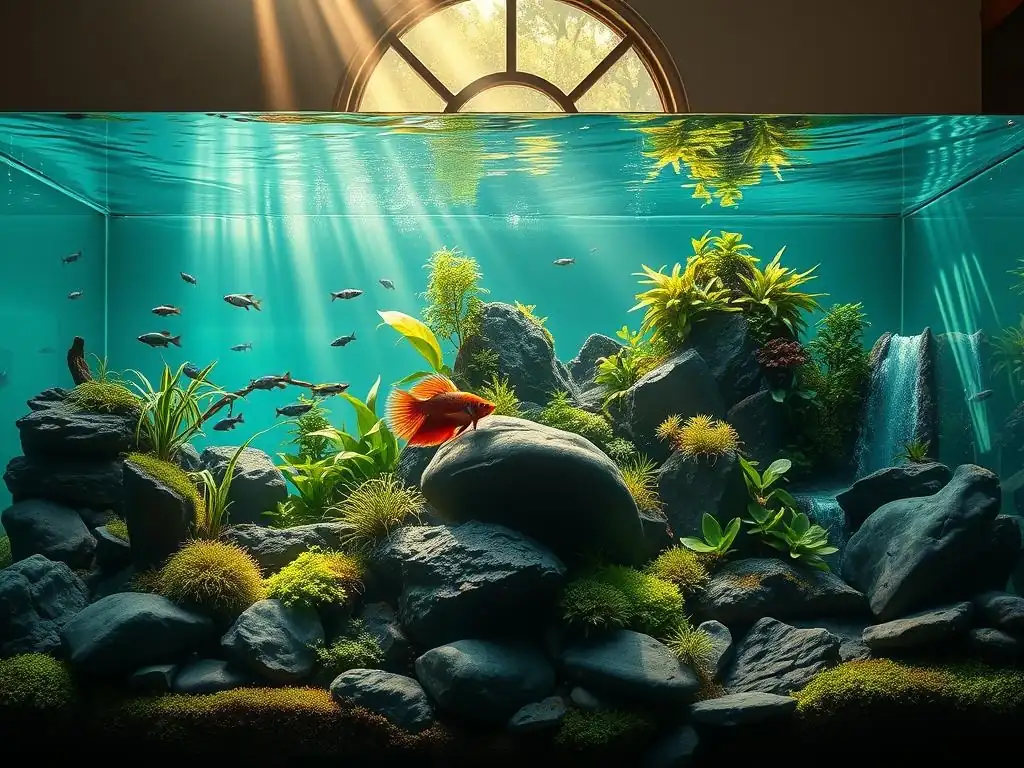
Welcome to Aquarium Mastery!
Are you tired of battling that persistent green menace in your freshwater aquarium? Preventing algae doesn't have to be a constant uphill struggle. Dive into our latest guide and unlock the secrets to a crystal-clear tank. We'll equip you with proactive strategies and essential knowledge to keep those pesky algae blooms at bay, leaving you with a thriving and beautiful underwater world. Ready to take control?
- Understanding Algae in Freshwater Aquariums: A Proactive Approach
- Proactive Strategies for Preventing Algae in Freshwater Aquariums
- Long-Term Aquarium Health: Sustaining Algae Prevention
- Troubleshooting Common Algae Problems in Freshwater Tanks
- Advanced Algae Prevention Techniques for Freshwater Aquariums
- Conclusion: Mastering Algae Prevention for a Thriving Freshwater Aquarium
-
Frequently Asked Questions
- How can I prevent algae growth in my freshwater aquarium before it even starts?
- What role does water chemistry play in preventing algae blooms in a freshwater tank?
- What types of fish and invertebrates can help control algae in a freshwater aquarium?
- How often should I perform water changes to prevent algae from becoming a problem?
- What are the most common lighting mistakes that contribute to algae growth in freshwater aquariums?
- Final Reflection: Cultivating Clarity in Our Aquatic Worlds
- Conquer Algae: Transform Your Aquarium Today!
Understanding Algae in Freshwater Aquariums: A Proactive Approach
The Algae Problem: Why Prevention is Key in Freshwater Tanks
Algae is an almost ubiquitous presence in freshwater aquariums, often emerging as an unsightly green film, fuzzy patches, or slimy mats that detract from the aesthetic appeal of a meticulously designed tank. Beyond visual nuisance, severe algae blooms can negatively impact the delicate aquatic ecosystem. They compete with desirable aquatic plants for essential nutrients and light, potentially stunting plant growth and even leading to their demise. Furthermore, extensive algae growth can contribute to significant fluctuations in water parameters, particularly oxygen levels, which can stress fish and other inhabitants.
The effort and resources required to eradicate an established algae outbreak far outweigh the commitment to proactive measures. Treating a severe bloom often involves extensive manual removal, chemical treatments that can be harsh on fish and plants, and prolonged periods of imbalance in the tank. Therefore, mastering the art of preventing algae freshwater aquarium is not just about aesthetics; it's a fundamental aspect of maintaining a stable, healthy, and thriving aquatic environment for the long term, saving aquarists significant time, money, and frustration.
Types of Algae Commonly Found in Freshwater Aquariums
Freshwater aquariums can host a variety of algae types, each often indicating specific underlying imbalances. Green Spot Algae (GSA) manifests as small, dark green, hard-to-scrape dots typically found on glass, slow-growing plant leaves (like Anubias or Java Fern), and decor. Its presence often suggests low phosphate levels or insufficient carbon dioxide (CO2) for plant growth.
Green Dust Algae (GDA), in contrast, appears as a fine, powdery green film that easily wipes off glass but quickly reforms; it's frequently linked to excess light or general nutrient imbalances. Hair Algae, characterized by long, fine, green strands, is a common nuisance that signals an overabundance of nutrients, particularly nitrates and phosphates, combined with excessive light.
More persistent and challenging types include Black Beard Algae (BBA), a dark, fuzzy, often purplish-black growth that clings tenaciously to equipment, decor, and plant edges. BBA is notoriously difficult to remove and typically indicates fluctuating or insufficient CO2 levels, poor water circulation, or general instability. Blue-Green Algae (BGA), or Cyanobacteria, is not true algae but a photosynthetic bacterium that forms slimy, dark green to blue-green mats, often with a distinct earthy odor.
Its appearance is strongly correlated with high nitrate and phosphate levels, coupled with low oxygenation and poor water flow. Identifying the specific type of algae is the first crucial step in effectively preventing algae freshwater aquarium and addressing its root cause.
Factors Contributing to Algae Blooms in Freshwater Setups
Algae blooms in freshwater aquariums are rarely caused by a single factor but rather a combination of environmental conditions that favor their rapid proliferation over desirable aquatic plants. The primary culprits include excessive light, whether due to an overly long photoperiod (e.g., more than 8-10 hours daily), excessive light intensity for the tank's needs, or an inappropriate light spectrum that benefits algae more than plants. Another major contributor is excess nutrients, primarily nitrates and phosphates, which accumulate from overfeeding, overstocking, decaying organic matter (uneaten food, dead plant leaves), or even nutrient-rich tap water.
Beyond light and nutrients, CO2 imbalance is a significant factor, especially in planted tanks. If aquatic plants do not receive adequate and consistent CO2, their growth slows, making them less competitive against algae for available nutrients and light. Secondary factors that exacerbate algae problems include poor water circulation, which creates "dead spots" where detritus and nutrients settle, providing localized food sources for algae.
Infrequent or insufficient water changes allow dissolved organic compounds and nutrient levels to build up unchecked. Finally, insufficient plant mass in a tank means there aren't enough biological competitors to absorb excess nutrients and light, leaving an open niche for algae to exploit. Understanding these interconnected factors is vital for a holistic approach to preventing algae freshwater aquarium.
Proactive Strategies for Preventing Algae in Freshwater Aquariums
Maintaining Optimal Water Parameters for Algae Control
The Importance of Regular Water Changes in Freshwater Tanks
Regular water changes are arguably the most fundamental and effective practice in preventing algae freshwater aquarium. Over time, dissolved organic compounds, nitrates, phosphates, and other waste products accumulate in aquarium water, providing a rich nutrient base for algae growth. By performing consistent water changes, aquarists effectively dilute and remove these accumulated nutrients, thereby starving algae of its primary food source. For instance, a weekly water change of 25-30% can significantly reduce nitrate levels, often preventing them from exceeding the typical algae-triggering threshold of 20-40 ppm.
Beyond nutrient removal, fresh water reintroduces essential trace elements that are depleted by plants and beneficial bacteria. This replenishment supports healthy plant growth, making plants more robust competitors against algae. A consistent schedule, such as a 25% water change every 7-10 days, is far more effective than sporadic large changes. This routine minimizes nutrient spikes, maintains stable water chemistry, and directly contributes to a less hospitable environment for algae, cementing water changes as a cornerstone strategy for preventing algae freshwater aquarium.
Monitoring and Adjusting pH, Ammonia, Nitrite, and Nitrate Levels
Precise monitoring and adjustment of key water parameters are critical for both fish health and algae prevention. Ammonia (NH3/NH4+) and nitrite (NO2-) are highly toxic to fish and should always be at zero parts per million (ppm) in a mature, cycled aquarium. Their presence indicates an incomplete nitrogen cycle or an overwhelming organic load, which can lead to decaying matter that directly fuels algae.
Nitrate (NO3-), the final product of the nitrogen cycle, is less toxic to fish but is a primary nutrient for algae. For most planted tanks, maintaining nitrate levels below 20 ppm is ideal, with many successful aquarists aiming for 5-10 ppm to ensure plant health without promoting algae.
Regular testing with reliable liquid test kits (e.g., API Freshwater Master Test Kit) allows aquarists to track these parameters accurately. If nitrates are consistently high, increasing water change frequency or volume, reducing feeding, or adding more fast-growing plants can help. Phosphate (PO4), another significant algae nutrient, should ideally be kept below 0.5 ppm.
While pH (a measure of acidity/alkalinity) doesn't directly cause algae, drastic fluctuations or an unstable pH can stress plants, making them less capable of competing with algae. Maintaining stable parameters through diligent testing and appropriate adjustments creates an environment where plants thrive, naturally aiding in preventing algae freshwater aquarium.
Effective Lighting Management for Algae Prevention
Understanding Light Spectrum and Intensity for Plant Growth vs. Algae Growth
Light is a double-edged sword in the aquarium: essential for plant photosynthesis but also a primary fuel for algae. While aquatic plants primarily utilize light in the red and blue ends of the spectrum for optimal growth, algae are less selective and can thrive under a broader range of wavelengths, including those reflected by plants (greens).
High intensity lighting that exceeds the needs of the plants, or an incorrect spectrum that favors algae, can lead to rampant algae growth. For instance, many successful planted tanks use full-spectrum LED lights with a color temperature around 6500 Kelvin, which provides the necessary wavelengths for lush plant growth without unnecessarily promoting algae.
Overpowering light intensity can overwhelm plants, causing them to "melt" or shed leaves, which then decompose and release nutrients that algae can readily consume. Even if plants are thriving, excessive intensity can simply provide more energy than plants can utilize, leaving surplus light for algae. Therefore, understanding the light requirements of your specific plant species and matching the light intensity accordingly is paramount. Gradually increasing light intensity and duration as plants establish and grow is a more prudent approach than blasting a new tank with high light, which is a common pitfall in preventing algae freshwater aquarium.
Optimizing Photoperiod to Inhibit Algae Development
The duration of light exposure, or photoperiod, is a critical factor in controlling algae. Many new aquarists mistakenly leave their aquarium lights on for 10-12 hours or more, believing it benefits their plants. However, this extended duration often provides algae with an excessive window to photosynthesize and grow. A more effective strategy for preventing algae freshwater aquarium is to limit the photoperiod to 6-8 hours daily, especially in new setups or tanks experiencing algae issues. This duration is generally sufficient for most aquatic plants to photosynthesize effectively while significantly reducing the time available for algae to proliferate.
Some aquarists employ a "siesta period," where the photoperiod is split into two segments with a break in between (e.g., 4 hours on, 2-3 hours off, then 4 hours on). This short interruption can disrupt the continuous photosynthetic cycle of algae more effectively than it impacts higher plants, which are more efficient at restarting photosynthesis. Using an automatic timer for your aquarium lights is highly recommended to ensure consistency in the photoperiod, preventing accidental prolonged exposure and providing stability that benefits plants and hinders algae, making it an indispensable tool for preventing algae freshwater aquarium.
Nutrient Control: Limiting Algae Food Sources
Managing Phosphate Levels in Freshwater Aquariums
Phosphates (PO4) are a crucial nutrient for plant growth, but an excess can be a significant catalyst for algae blooms, particularly green spot algae and hair algae. Common sources of phosphates include tap water (some municipal water supplies contain detectable levels, often around 0.1-0.5 ppm or higher), fish foods (especially those high in fish meal), decaying organic matter (uneaten food, dead plant leaves), and certain aquarium additives. While plants do require phosphates, maintaining levels above 0.5-1.0 ppm can often tip the balance in favor of algae.
To manage phosphate levels effectively, aquarists should first test their tap water to identify it as a potential source. Using phosphate-free fish foods and avoiding overfeeding are essential steps. Regular gravel vacuuming helps remove decaying organic matter before it breaks down and releases phosphates. In cases of persistently high phosphate levels despite these measures, employing phosphate-removing media, such as Granular Ferric Oxide (GFO), in the aquarium filter can effectively bind and remove excess phosphates from the water column. Diligent phosphate management is a key component in preventing algae freshwater aquarium from taking hold.
Controlling Nitrate Buildup Through Biological Filtration
Nitrate (NO3) is the end product of the nitrogen cycle, produced by beneficial bacteria from nitrite. While less toxic than ammonia or nitrite, high nitrate levels are a primary nutrient source for most types of algae. In a healthy aquarium, nitrates are consumed by aquatic plants and removed through regular water changes. However, an imbalance, such as overstocking, overfeeding, or insufficient plant mass, can lead to a rapid buildup of nitrates that fuels algae proliferation. Maintaining nitrate levels below 20 ppm is generally recommended for preventing algae freshwater aquarium.
Effective biological filtration is crucial for converting toxic ammonia and nitrite into less harmful nitrate, but it doesn't remove nitrate itself. To control nitrate buildup, ensure your filter has sufficient surface area for beneficial bacteria colonization. Avoid overstocking your tank, as more fish produce more waste, leading to higher nitrate production.
Most importantly, incorporate a good density of fast-growing aquatic plants, such as Hornwort, Water Wisteria, or various stem plants. These plants are highly efficient at absorbing nitrates directly from the water column, with some capable of consuming 10-20 ppm or more per week under optimal conditions, making them powerful biological allies in the ongoing effort of preventing algae freshwater aquarium.
Introducing Algae Eaters: A Natural Prevention Method
Selecting the Right Algae-Eating Fish and Invertebrates for Your Tank
Algae eaters can be valuable allies in preventing algae freshwater aquarium, acting as a supplementary cleanup crew rather than the sole solution. It's crucial to select species appropriate for your tank size, water parameters, and existing inhabitants.
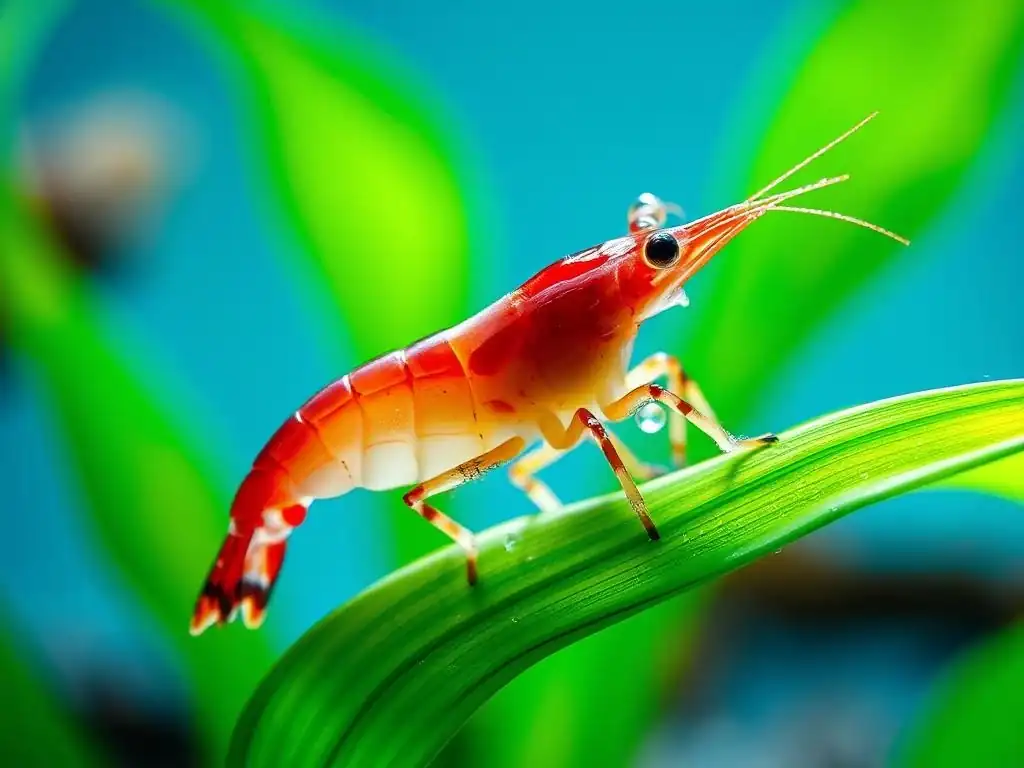
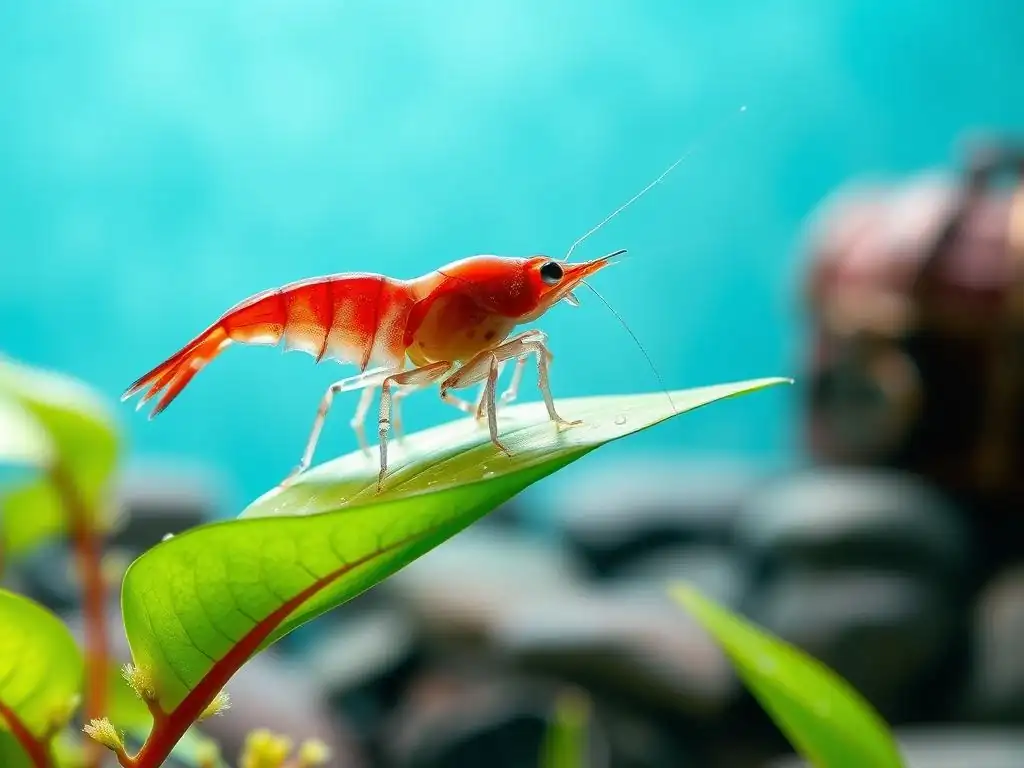
Otocinclus Catfish (Oto) are small, peaceful fish excellent at grazing on diatoms and soft green algae on plant leaves and glass; they thrive in groups of 3-6 and require mature, stable tanks. Amano Shrimp are highly regarded for their voracious appetite for various filamentous algae, including some hair algae, and are best kept in groups of 5-10 for a 10-gallon tank or larger.
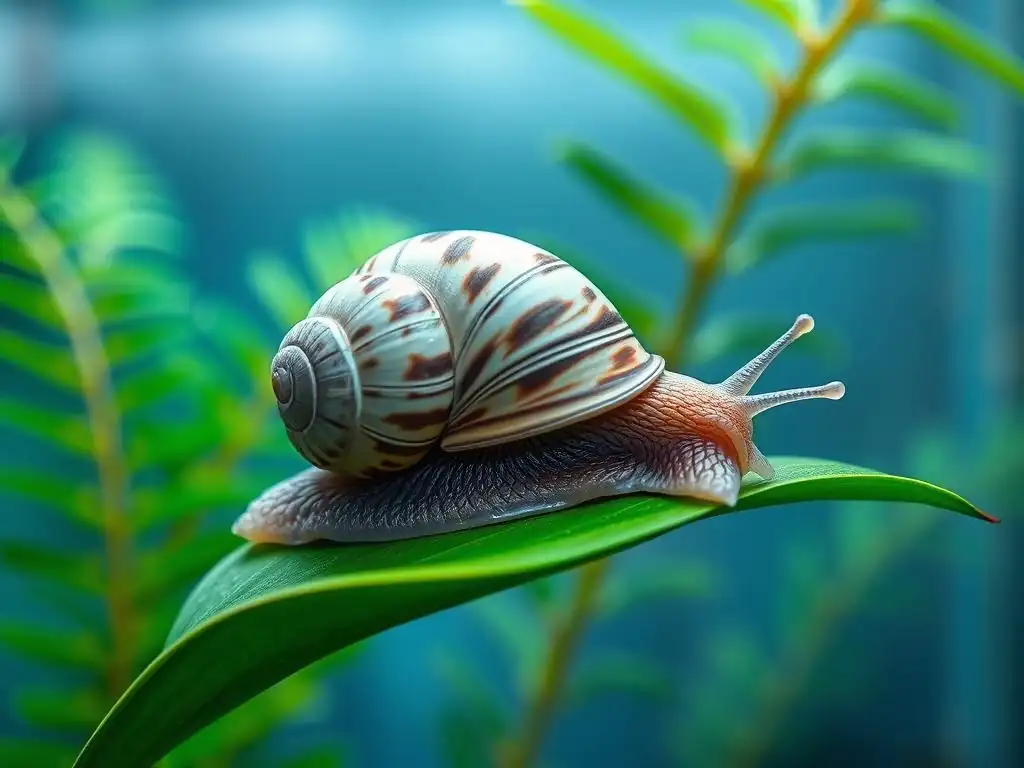
Nerite Snails are superb for consuming green spot algae and other film algae from hard surfaces and glass, with one snail per 5-10 gallons often being sufficient. They come in various patterns and do not reproduce excessively in freshwater.
Siamese Algae Eaters (SAE), particularly the true Crossocheilus oblongus, are one of the few species known to consume stubborn Black Beard Algae; however, they grow relatively large (up to 6 inches) and can become territorial, requiring a tank of at least 30 gallons and careful consideration of tank mates. Always research the specific needs and behaviors of any algae eater to ensure they are a good fit for your aquarium and contribute effectively to preventing algae freshwater aquarium.
Maintaining a Balanced Ecosystem to Support Algae Eaters
For algae eaters to be effective and healthy, they must be part of a balanced ecosystem that meets their specific needs. While they consume algae, relying solely on tank algae for food can lead to starvation if algae levels are low. In such cases, supplemental feeding with high-quality algae wafers, spirulina flakes, or blanched vegetables (like zucchini or spinach) is essential. Overfeeding other fish can also be counterproductive, as the algae eaters may prefer readily available prepared foods over grazing on algae.
Beyond diet, ensuring appropriate tank conditions is vital. Otocinclus are sensitive to poor water quality and fluctuating parameters, requiring pristine water. Amano shrimp are sensitive to copper-based medications and need stable water parameters. Providing adequate hiding spots, such as driftwood or dense plant cover, can reduce stress for these species. A healthy, well-maintained environment with compatible tank mates ensures that your algae-eating cleanup crew can thrive and consistently perform their role in preventing algae freshwater aquarium, contributing to overall tank health and clarity.
Long-Term Aquarium Health: Sustaining Algae Prevention
Regular Aquarium Maintenance Schedule for Algae Control
Establishing and adhering to a consistent aquarium maintenance schedule is the cornerstone of long-term algae prevention. Daily checks should include observing fish behavior for signs of stress or illness, verifying water temperature, and ensuring all equipment is functioning correctly. Weekly tasks are more involved: performing a 25-30% water change, thoroughly gravel vacuuming the substrate to remove detritus and uneaten food, and wiping down the inside of the glass to remove any nascent algae film.
Monthly maintenance typically involves cleaning filter media (always rinse mechanical media in old tank water to preserve beneficial bacteria), trimming overgrown aquatic plants, and conducting a more thorough deep gravel vacuuming. The cumulative effect of these routine tasks is profound: consistent water changes dilute nutrient buildup, gravel vacuuming removes potential organic sources of algae food, and regular plant trimming prevents decaying leaves from releasing nutrients. A disciplined and consistent maintenance routine significantly reduces the likelihood of algae outbreaks, making it the most reliable method for preventing algae freshwater aquarium over time.
Choosing the Right Substrate and Decorations to Minimize Algae Growth
The choice of substrate and decorations plays a subtle yet important role in preventing algae freshwater aquarium. Inert substrates like fine sand or smooth gravel are generally preferred because they are easier to keep clean. Detritus and uneaten food tend to sit on top of these substrates, making them readily accessible for siphoning during gravel vacuuming.
Highly porous or coarse substrates can trap organic matter deep within, creating anaerobic pockets and releasing nutrients that fuel algae growth if not meticulously cleaned. Similarly, avoid substrates that are known to leach phosphates or silicates unless your tank is heavily planted and specifically designed to utilize these nutrients.
For decorations, opt for materials that are smooth, non-porous, and easy to clean. Inert rocks such as Seiryu Stone or Dragon Stone, and properly cured driftwood, are excellent choices. While driftwood can release tannins that slightly lower pH and may inhibit some algae, its smooth surfaces are easy to wipe clean.
Avoid highly textured or overly porous decorations that can become difficult to clean and act as traps for detritus, turning into prime real estate for stubborn algae growth. Thoughtful selection of tank elements contributes significantly to a low-algae environment, aiding in preventing algae freshwater aquarium from the ground up.
Plant Selection: Favoring Plants That Compete With Algae
One of the most powerful natural defenses against algae in a freshwater aquarium is a healthy, thriving population of aquatic plants. Plants directly compete with algae for essential nutrients and light, effectively starving the algae of its food sources. Therefore, strategically selecting and cultivating fast-growing plant species is a highly effective method for preventing algae freshwater aquarium. Species like Hornwort (Ceratophyllum demersum), Anacharis (Egeria densa), Water Wisteria (Hygrophila difformis), and various stem plants (e.g., Rotala species, Ludwigia species) are excellent nutrient sponges, rapidly absorbing nitrates and phosphates from the water column.
A densely planted tank, especially when established early in the setup process, leaves less "food" available for algae to exploit. Aiming for 70-80% substrate coverage by plants in a new setup can significantly deter initial algae outbreaks. Healthy plants also release allelopathic chemicals that can inhibit algae growth. To ensure plants outcompete algae effectively, they must be provided with adequate light, CO2 (if applicable), and essential macro and micronutrients. When plants are robust and growing vigorously, they create an environment where algae simply cannot gain a foothold, serving as the best biological barrier for preventing algae freshwater aquarium.
Troubleshooting Common Algae Problems in Freshwater Tanks
Identifying the Cause of Algae Outbreaks
When algae appears, the first and most crucial step is to identify its specific type, as this often provides direct clues to the underlying imbalance. For example, a sudden explosion of green water indicates an excess of free-floating algae, usually linked to nutrient overload and/or too much light. Green spot algae often points to low phosphates or CO2, while hair algae frequently signals high nitrates/phosphates and/or excessive light. Black Beard Algae (BBA) is a common indicator of fluctuating CO2 levels or poor water flow.
Once the type is identified, systematically review the common culprits:
- Water Parameters: Test ammonia, nitrite, nitrate, and phosphate levels using accurate liquid test kits. High readings indicate overfeeding, overstocking, or insufficient water changes.
- Lighting: Check the photoperiod duration (is it too long?) and intensity (is it too strong for your plants? ).
- Feeding: Are you overfeeding your fish? Uneaten food quickly decomposes, releasing nutrients.
- Maintenance: Are water changes and gravel vacuuming regular and thorough?
- CO2 (if applicable): Is your CO2 dosing consistent and at optimal levels (20-30 ppm) for your plants?
Accurate identification of the cause is paramount for effectively preventing algae freshwater aquarium from becoming a persistent issue.
Immediate Steps to Take When Algae Appears
Upon discovering an algae outbreak, taking immediate action can prevent it from spiraling out of control. The first step is always manual removal: scrub algae from glass with an aquarium magnet or scraper, siphon out any loose clumps of hair algae from plants or decor, and gently wipe off algae from plant leaves if they are robust enough. This reduces the immediate biomass of algae and prevents it from releasing more spores.
Next, perform a significant water change, typically 50% or more, to immediately reduce the concentration of dissolved nutrients that are fueling the algae. Simultaneously, reduce your photoperiod to 6-7 hours daily for a week or two to deprive algae of light. If you are dosing fertilizers, consider reducing or temporarily stopping them, especially if you suspect nutrient overdose is contributing to the problem.
Avoid the immediate use of chemical algaecides unless absolutely necessary, as they can sometimes harm beneficial bacteria, sensitive fish, or plants, and often only provide a temporary fix without addressing the root cause. These immediate actions provide a crucial pause, allowing you to implement more sustainable strategies for preventing algae freshwater aquarium.
Dealing with Specific Algae Types: Black Beard Algae, Green Spot Algae, Hair Algae
Targeted strategies are essential for effectively tackling specific algae types:
- Black Beard Algae (BBA): Often indicates fluctuating CO2 levels or insufficient water circulation. If using CO2, ensure consistent dosing and adequate flow throughout the tank. Spot-treating BBA directly with a syringe containing liquid carbon (e.g., Seachem Flourish Excel, with caution for dosage and sensitive inhabitants) or a diluted 3% hydrogen peroxide solution (1-1.5 ml per gallon, applied directly after turning off the filter for 15-20 minutes) can be effective. Manual removal of heavily affected leaves or decor may also be necessary.
- Green Spot Algae (GSA): Commonly points to low phosphate levels or insufficient CO2. If plants show signs of phosphate deficiency (e.g., stunted growth, dark green leaves), consider increasing phosphate dosing to 0.5-1.0 ppm. Ensure stable CO2 levels. Manual scraping from glass is effective, and Nerite snails are excellent grazers for this type.
- Hair Algae: This filamentous algae thrives on excess nutrients (nitrates/phosphates) and/or too much light. Increase water change frequency and volume to reduce nutrient load. Ensure adequate plant mass to outcompete algae. Amano shrimp are highly effective grazers against hair algae. Manual removal by twirling it around a toothbrush is also a practical method.
Understanding and applying these specific treatments in conjunction with overall good husbandry practices is key to successfully preventing algae freshwater aquarium and maintaining a pristine tank.
Advanced Algae Prevention Techniques for Freshwater Aquariums
Using CO2 Injection for Plant Growth and Algae Control
For heavily planted freshwater aquariums, CO2 injection is often considered an advanced, yet highly effective, tool for both robust plant growth and superior algae control. By providing a consistent and ample supply of carbon dioxide, CO2 injection dramatically boosts the rate of photosynthesis in aquatic plants. This accelerated growth allows plants to outcompete algae much more effectively for available light and nutrients, essentially starving the algae of its essential resources. When plants are thriving, they absorb nitrates, phosphates, and other dissolved organics so efficiently that little is left for algae to consume.
The optimal CO2 level for most planted tanks is typically between 20-30 parts per million (ppm), which can be monitored using a CO2 drop checker. Consistent CO2 levels not only suppress algae by enhancing plant competition but also help maintain a stable, slightly acidic pH, which can further inhibit some algae types. However, improper CO2 dosing can be detrimental to fish; careful monitoring, precise control with a regulator, and understanding the balance between CO2, light, and nutrients are crucial. When implemented correctly, CO2 injection is a powerful strategy for preventing algae freshwater aquarium and achieving lush, vibrant plant growth.
Implementing a UV Sterilizer for Algae Spore Reduction
A UV (Ultraviolet) sterilizer is an advanced piece of equipment that can significantly contribute to preventing algae freshwater aquarium by targeting free-floating algae spores and other microscopic pathogens. The device works by passing aquarium water through a chamber containing a UV lamp. As water flows past the lamp, the ultraviolet light damages the DNA of free-floating algae spores, bacteria, viruses, and protozoa, rendering them unable to reproduce and effectively killing them.
While a UV sterilizer does not eliminate attached algae (like hair algae or BBA), it is highly effective at clearing green water (free-floating algae blooms) and significantly reduces the overall count of algae spores in the water column. By reducing the number of viable spores, a UV sterilizer helps to prevent new algae colonies from forming on surfaces, thereby acting as a proactive tool in the overall strategy for preventing algae freshwater aquarium.
For optimal performance, the UV unit must be correctly sized for the aquarium volume, and the water flow rate through the unit must be precisely managed to ensure adequate exposure time to the UV light.
Considerations for Heavily Planted Tanks and Algae Prevention
Heavily planted tanks, while excellent at preventing algae freshwater aquarium by outcompeting it for resources, require a nuanced approach to nutrient management. In such setups, plants are growing rapidly and consuming nutrients at an accelerated rate. This means that consistent fertilization, including macro-nutrients (Nitrogen, Phosphorus, Potassium - NPK) and micro-nutrients (trace elements like iron, manganese, etc. ), becomes essential. Nutrient deficiencies can stress plants, making them weak competitors and surprisingly susceptible to algae outbreaks. Many aquarists employ an "Estimated Index" (EI) dosing method or similar comprehensive fertilization regimes to ensure plants never run out of essential elements.
The balance of light, CO2, and nutrients is particularly critical in heavily planted tanks. Sufficient light intensity and a stable supply of CO2 are necessary to drive the rapid plant growth that consumes excess nutrients. If any of these factors become limiting, plant growth will slow, and algae will seize the opportunity. Therefore, continuous monitoring of water parameters, consistent dosing of CO2 and fertilizers, and regular plant trimming to maintain health and prevent decay are crucial. When this delicate balance is mastered, a heavily planted tank becomes a naturally beautiful and highly effective fortress against algae.
Conclusion: Mastering Algae Prevention for a Thriving Freshwater Aquarium
Mastering algae prevention in a freshwater aquarium is not about finding a single magic bullet, but rather about adopting a holistic approach that addresses the fundamental environmental factors influencing algae growth. From understanding the various types of algae and their triggers to implementing proactive strategies in water parameter management, lighting control, and nutrient regulation, every step plays a vital role. Regular maintenance, smart substrate and decoration choices, and the strategic use of nutrient-competing plants and algae-eating inhabitants all contribute to a balanced ecosystem where algae struggles to thrive.
Ultimately, preventing algae freshwater aquarium is an ongoing process of observation, adaptation, and consistent care. By diligently applying the principles outlined in this guide – ensuring optimal water quality, precise lighting, controlled nutrient levels, and a healthy biological balance – aquarists can create and maintain a consistently clear, vibrant, and aesthetically pleasing freshwater aquarium. This proactive approach not only averts the frustrations of an "algae apocalypse" but also fosters a thriving, low-maintenance environment that truly allows the beauty of aquatic life to shine.
Frequently Asked Questions
How can I prevent algae growth in my freshwater aquarium before it even starts?
Proactive prevention involves controlling light exposure, maintaining proper water parameters, and ensuring adequate filtration. Start with a balanced ecosystem from the beginning.
What role does water chemistry play in preventing algae blooms in a freshwater tank?
Maintaining stable water parameters like pH, ammonia, nitrite, and nitrate levels is crucial. Algae often thrives in water with excess nutrients.
What types of fish and invertebrates can help control algae in a freshwater aquarium?
Certain species, like Otocinclus catfish, Amano shrimp, and snails such as Nerite snails, are known for their algae-eating habits. They naturally graze on algae.
How often should I perform water changes to prevent algae from becoming a problem?
Regular partial water changes (around 25% weekly) help remove excess nutrients that algae feed on. This helps maintain water quality and prevent blooms.
What are the most common lighting mistakes that contribute to algae growth in freshwater aquariums?
Overexposure to intense light or leaving the lights on for too long (more than 8-10 hours) can fuel algae growth. Use a timer to regulate the light cycle.
Final Reflection: Cultivating Clarity in Our Aquatic Worlds
The journey through understanding and preventing algae in freshwater aquariums extends far beyond mere aesthetics; it's a testament to our commitment to creating balanced and thriving ecosystems. In a world increasingly aware of ecological fragility, the principles of proactive aquarium management resonate powerfully, reminding us that even in miniature, our actions have significant consequences. This isn't just about clear glass; it's about responsible stewardship.
This exploration of algae prevention underscores the profound connection between our actions and the health of our aquatic environments. The dedication required to maintain a balanced aquarium mirrors the dedication needed to protect our larger ecosystems. The best time to plant a tree was 20 years ago. The second best time is now.
This ancient proverb perfectly encapsulates the proactive mindset needed not only in aquarium keeping but also in addressing environmental challenges on a global scale.
Now, as you gaze upon your own aquarium, consider the lessons learned. Let the clarity you achieve within its glass walls inspire you to cultivate clarity in other aspects of your life. Embrace the proactive approach, the mindful observation, and the unwavering commitment to balance. The power to create a thriving environment, whether in a tank or on our planet, lies within each of us.
Conquer Algae: Transform Your Aquarium Today!
Thank you for diving into the world of algae prevention with Aquarium Mastery! We hope this guide has equipped you with the knowledge to maintain a thriving, algae-free aquarium. Now, let's put that knowledge into action!
Here are some steps you can take right now:
- Implement a consistent lighting schedule based on your plants' needs to outcompete algae for resources.
- Share this article with a fellow aquarist to spread the knowledge and help them create a balanced ecosystem.
- Experiment with introducing algae-eating snails or shrimp as part of your aquarium's clean-up crew.
What's the first adjustment you'll make to your lighting or feeding routine to prevent algae blooms?