
Essential Gourami Tank Setup: Creating the Ideal Anabantoid Environment

Welcome to Aquarium Mastery!
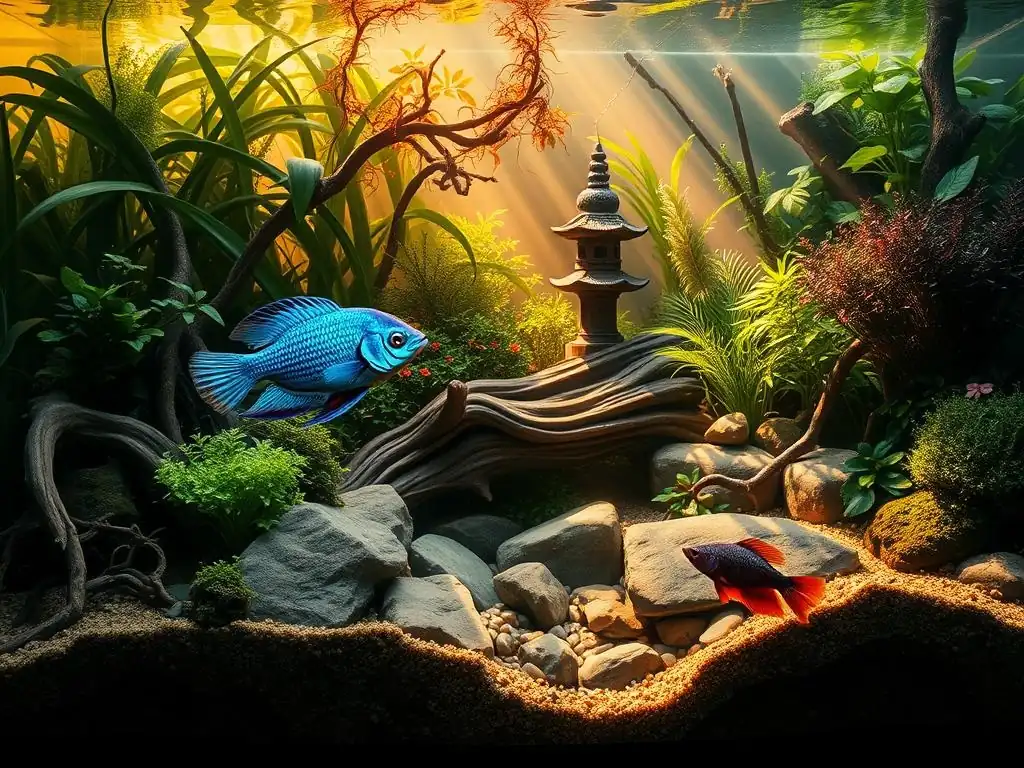
Ready to unlock the secrets to a thriving Gourami tank? Dive in! This Gourami tank setup guide is your essential roadmap to creating the perfect Anabantoid paradise. Curious how to balance water parameters, choose the right plants, and select compatible tank mates? Let's explore the fascinating world of Gourami care and watch your aquatic vision come to life!
- Setting Up a Dwarf Gourami Tank: A Comprehensive Guide
- Introduction: Understanding Dwarf Gourami Needs
- Planning Your Dwarf Gourami Aquarium: Key Considerations
- Essential Equipment for a Thriving Dwarf Gourami Tank
- Creating the Perfect Dwarf Gourami Habitat: Substrate, Decor, and Plants
- Water Chemistry: Ensuring a Healthy Environment
- Introducing Your Dwarf Gouramis to Their New Home: Acclimation
- Dwarf Gourami Tank Mates: Choosing Compatible Species
- Feeding Your Dwarf Gouramis: Providing a Balanced Diet
- Maintaining a Healthy Dwarf Gourami Tank: Regular Care
- Troubleshooting Common Issues
- Conclusion: Enjoying Your Thriving Dwarf Gourami Aquarium
- Frequently Asked Questions
- Final Reflection: Cultivating Aquatic Harmony
- Unleash Your Gourami's Potential
Setting Up a Dwarf Gourami Tank: A Comprehensive Guide
Introduction: Understanding Dwarf Gourami Needs
Dwarf Gouramis (Trichogaster lalius) are renowned for their vibrant colors and peaceful demeanor, making them a popular choice for freshwater aquarists. Originating from South Asia, particularly India and Bangladesh, these labyrinth fish are known for their ability to breathe atmospheric oxygen, thanks to a specialized organ. While hardy, creating an optimal "Gourami tank setup guide" is crucial for their long-term health and to showcase their natural beauty and fascinating behaviors.
Understanding their natural habitat—slow-moving waters with dense vegetation—is key to replicating an ideal environment in a home aquarium. A well-designed dwarf gourami tank setup not only provides comfort and security for these fish but also minimizes stress, reduces susceptibility to disease, and encourages their natural behaviors like bubble nesting and foraging. This comprehensive guide will walk you through every step of establishing a thriving home for your dwarf gouramis.
Planning Your Dwarf Gourami Aquarium: Key Considerations
Determining Tank Size for Dwarf Gouramis
For a single Dwarf Gourami, a minimum tank size of 10 gallons (approximately 38 liters) is recommended. While they are small fish, typically growing to about 2.5 inches (6.3 cm), a 10-gallon tank provides sufficient swimming space and helps maintain stable water parameters more easily than smaller nano tanks. Attempting to keep them in tanks smaller than 10 gallons can lead to stunted growth, increased aggression, and poor health due to rapid fluctuations in water quality.
If you plan to keep a pair or a small group of Dwarf Gouramis, or integrate them into a community tank, a larger tank of 20 gallons (approximately 76 liters) or more is advisable. Male Dwarf Gouramis can be territorial, especially towards other males, so providing ample space and visual barriers is essential to prevent conflict. For a community setup with other peaceful fish, a 29-gallon (about 110 liters) or 40-gallon (about 150 liters) tank offers generous space, allowing all inhabitants to thrive without overcrowding.
Budgeting for a Dwarf Gourami Aquarium Setup
The initial cost for a basic 10-gallon dwarf gourami tank setup can range from approximately $100 to $200, depending on the quality and brand of equipment chosen. This estimate typically includes the tank itself, a suitable filter, a heater, lighting, substrate, and some basic decor. For larger tanks, like a 29-gallon setup, the initial investment might increase to $250-$400, accounting for larger equipment and potentially more elaborate decor. Investing in quality equipment upfront can save money on replacements and prevent issues down the line.
Beyond the initial purchase, there are ongoing monthly costs to consider for your dwarf gourami tank setup. These include fish food, water conditioner, replacement filter media, and electricity for the heater and filter. On average, these recurring expenses might total $10 to $25 per month for a 10-20 gallon tank. Additionally, it's wise to budget for water testing kits, which can cost around $20-$40 for a comprehensive liquid test kit, and occasional medications or new decorations.
Essential Equipment for a Thriving Dwarf Gourami Tank
Selecting an Aquarium Tank for Dwarf Gouramis
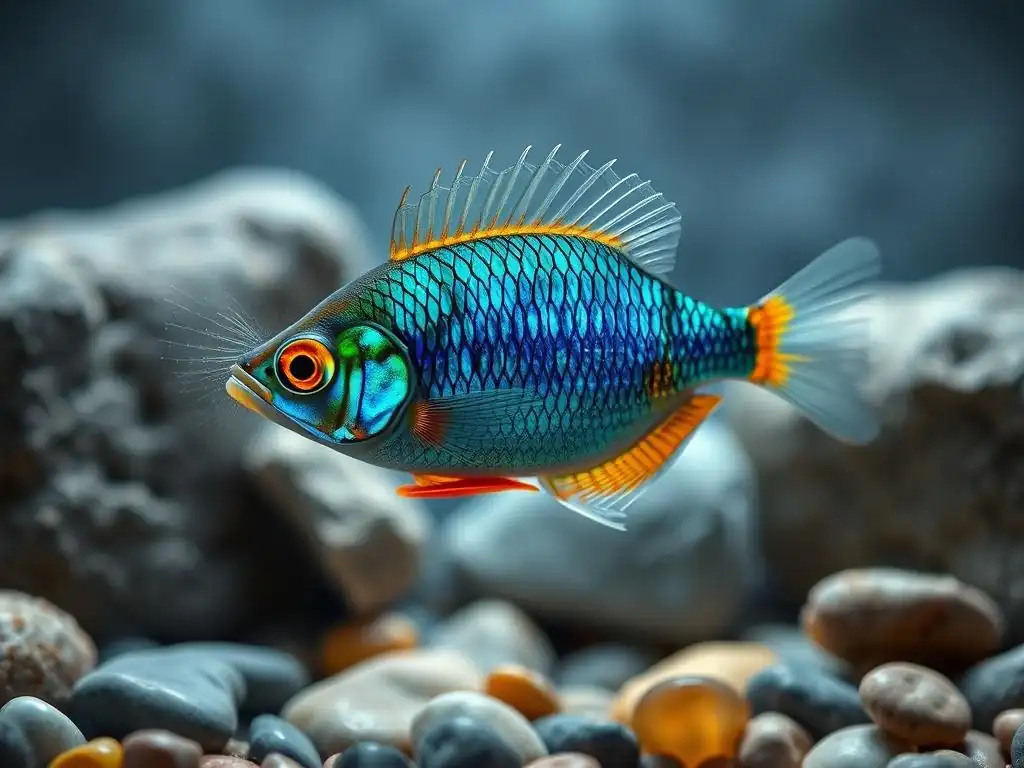
When selecting an aquarium tank for your dwarf gouramis, consider its dimensions as much as its volume. Dwarf gouramis are labyrinth fish that frequent the upper and middle levels of the tank to breathe air from the surface. Therefore, a tank with a wider footprint, such as a 20-gallon long (30 inches wide), is often preferable to a taller, narrower tank of the same volume, as it provides more surface area for gas exchange and swimming. Glass tanks are common, durable, and scratch-resistant, while acrylic tanks are lighter and more impact-resistant but prone to scratching.
Ensure the tank comes with a sturdy stand that can safely support its full weight when filled with water, substrate, and decor. A 20-gallon tank, for instance, can weigh over 200 pounds (90 kg) when fully set up. Position the tank in a stable location away from direct sunlight, which can cause excessive algae growth and temperature fluctuations, and away from drafts or high-traffic areas where it might be bumped. Proper placement is a crucial part of any successful "Gourami tank setup guide."
Filtration Systems: Maintaining Water Quality
Maintaining pristine water quality is paramount for the health of dwarf gouramis, and a reliable filtration system is key. Filters perform mechanical, chemical, and biological filtration. Mechanical filtration removes particulate matter like uneaten food and waste, chemical filtration removes dissolved pollutants and odors, and biological filtration converts harmful ammonia and nitrites into less toxic nitrates through beneficial bacteria. For dwarf gouramis, which prefer calm waters, the filter's flow rate should be gentle.
Sponge Filters for Gentle Filtration
Sponge filters are an excellent choice for a dwarf gourami tank setup, especially for smaller tanks (up to 20 gallons) or breeding setups. They operate by using an air pump to draw water through a sponge, providing both mechanical filtration by trapping debris and biological filtration by offering a large surface area for beneficial bacteria to colonize. Their primary advantage is the extremely gentle water flow they produce, which is ideal for the gouramis' delicate fins and calm nature, preventing stress from strong currents.
These filters are also very low maintenance, requiring only periodic rinsing in old tank water to clean the sponge. They are incredibly reliable and effective at maintaining stable water parameters by supporting a robust nitrogen cycle. While they do require an external air pump and airline tubing, their simplicity, effectiveness, and minimal disturbance to the water make them a top recommendation for a healthy dwarf gourami environment.
Hang-on-Back Filters for Small Tanks
Hang-on-back (HOB) filters are another popular and effective option for dwarf gourami tanks, particularly for tanks ranging from 10 to 40 gallons. These filters hang on the back of the aquarium, drawing water from the tank, processing it through various media (usually a combination of sponge, activated carbon, and bio-media), and returning it to the tank. HOB filters offer robust mechanical and chemical filtration, effectively removing debris and odors, and also provide significant biological filtration capacity.
While HOB filters are efficient, their outflow can sometimes create a strong current that might stress dwarf gouramis. To mitigate this, consider choosing a filter with an adjustable flow rate or baffling the output with a sponge or a piece of plastic to diffuse the flow. Regular maintenance, such as rinsing filter sponges and replacing activated carbon cartridges monthly, is necessary to ensure optimal performance and maintain water quality in your "Gourami tank setup guide."
Heaters and Thermometers: Maintaining Tropical Temperatures
Dwarf gouramis are tropical fish and require stable water temperatures to thrive. The ideal temperature range for them is between 76°F and 82°F (24°C and 28°C). A submersible aquarium heater is essential to maintain this consistent temperature. As a general rule, you'll need approximately 5 watts of heater power per gallon of tank water. For example, a 10-gallon tank would typically require a 50-watt heater, while a 20-gallon tank would need a 100-watt heater. Choose a heater with an adjustable thermostat for precise temperature control.
To ensure the heater is functioning correctly and the temperature is stable, a reliable thermometer is indispensable. Stick-on thermometers are convenient but less accurate than submersible glass or digital thermometers. Place the thermometer at the opposite end of the tank from the heater to get an accurate reading of the overall water temperature. Regularly checking the thermometer, ideally daily, will help you quickly identify and address any temperature fluctuations, preventing stress and potential health issues for your dwarf gouramis.
Lighting for Dwarf Gourami Tanks: Balancing Plant Growth and Algae Control
Lighting in a dwarf gourami tank setup serves two primary purposes: enhancing the visual appeal of the fish and supporting the growth of live plants. For a planted tank, LED lights are a popular choice due to their energy efficiency, longevity (often lasting 50,000 hours or more), and ability to produce a wide spectrum of light suitable for plant photosynthesis. For a low-tech planted tank with easy-care plants, a light intensity of 10-20 PAR (Photosynthetically Active Radiation) at the substrate level is generally sufficient.
However, too much light can lead to excessive algae growth, which competes with plants for nutrients and can be unsightly. A common recommendation is to run your aquarium lights for 8 to 10 hours per day. Using an automatic timer can help maintain a consistent light cycle, preventing stress to your fish and plants, and aiding in algae control. Dwarf gouramis also appreciate dimmer lighting, so consider floating plants or taller decor to provide shaded areas within the tank.
Creating the Perfect Dwarf Gourami Habitat: Substrate, Decor, and Plants
Choosing Aquarium Gravel as Substrate
For a dwarf gourami tank setup, choosing the right substrate is crucial for both aesthetics and functionality. Fine to medium-sized gravel, with particle sizes ranging from 2mm to 5mm, is generally ideal. This size is easy to clean with a gravel vacuum, preventing the buildup of detritus and uneaten food that can degrade water quality. Avoid very coarse or sharp gravel, which can injure delicate fish like gouramis or make it difficult for live plants to root properly.
When setting up your substrate, aim for a depth of approximately 2 to 3 inches (5 to 7.5 cm) across the tank. This depth provides sufficient anchorage for live plants and creates a healthy environment for beneficial bacteria to colonize. Before adding gravel to your tank, ensure it is thoroughly rinsed to remove any dust or impurities that could cloud the water or introduce unwanted substances. Properly prepared substrate is a foundational element in any effective "Gourami tank setup guide."
Decorating: Providing Hiding Places and Enrichment
Dwarf gouramis are naturally shy and appreciate a well-decorated tank that offers plenty of hiding places and visual barriers. These elements reduce stress, especially if you keep multiple gouramis or other tank mates, and encourage natural behaviors. Providing a diverse landscape of decor also adds to the aesthetic appeal of your aquarium, creating a more engaging and dynamic environment for both fish and observer.
Driftwood: Releasing Beneficial Tannins
Driftwood is an excellent addition to a dwarf gourami tank setup, offering both aesthetic appeal and practical benefits. It creates a natural-looking environment, mimicking their wild habitats, and provides crucial hiding spots and visual breaks. Additionally, many types of driftwood, such as Malaysian or Mopani wood, release tannins into the water. These tannins can slightly lower the pH, creating a more acidic environment (which gouramis prefer), and possess mild antibacterial and antifungal properties that contribute to fish health.
Before adding driftwood to your tank, it's important to properly cure it by soaking it for several days or weeks, changing the water daily, until it no longer leaches excessive tannins (which can stain the water brown) or floats. Boiling the wood can accelerate this process and sterilize it. Position the driftwood to create crevices, overhangs, and natural partitions, providing your dwarf gouramis with secure areas to retreat to when they feel threatened or need a break from social interaction.
Creating Caves: Providing Security
Caves are indispensable decor elements for a dwarf gourami tank, offering essential security and reducing stress for these somewhat timid fish. Whether crafted from ceramic, PVC pipes, coconut shells, or natural rock formations, these enclosed spaces provide a safe haven where gouramis can retreat, rest, and feel protected. This is particularly important in a community tank where they might share space with more active species, or if you have multiple male gouramis who may occasionally exhibit territorial behavior.
When arranging caves, aim to provide multiple options and ensure they are appropriately sized for your gouramis, allowing them to enter and exit comfortably. Avoid designs with sharp edges that could injure their delicate fins. Distributing caves throughout the tank, rather than clustering them in one spot, can help define territories and give each fish its own private space, contributing significantly to a peaceful and thriving dwarf gourami tank setup.
Live Plants: Enhancing Water Quality and Providing Cover
Live plants are highly beneficial for a dwarf gourami tank setup, contributing significantly to water quality, providing essential cover, and enhancing the natural beauty of the aquarium. Plants absorb nitrates, a byproduct of the nitrogen cycle, thus helping to keep water parameters stable and clean. They also oxygenate the water during the day through photosynthesis, though this is less critical for labyrinth fish like gouramis who can breathe atmospheric air.
Beyond their functional benefits, live plants create a lush, natural environment that mimics the dense vegetation of the dwarf gouramis' native habitat. This dense planting provides numerous hiding spots, reducing stress and encouraging natural behaviors. Floating plants are particularly appreciated by gouramis, as they dim the light and offer cover near the water surface where these fish often reside.
Java Fern: Hardy and Easy to Maintain
Java Fern (Microsorum pteropus) is an excellent choice for a dwarf gourami tank setup due to its hardiness and low maintenance requirements. This popular aquatic plant tolerates a wide range of water parameters and low-to-moderate lighting, making it suitable for beginners. Its rough texture and dense growth provide excellent hiding spots and visual barriers for your gouramis, contributing to their sense of security.
Unlike many plants, Java Fern is an epiphyte, meaning it should not be planted directly into the substrate. Instead, its rhizome (the thick horizontal stem) should be attached to driftwood or rocks using fishing line or super glue until its roots anchor themselves. It propagates easily by dividing the rhizome or by plantlets that form on older leaves, allowing you to gradually expand the planted areas in your tank.
Anubias: Slow-Growing and Shade-Tolerant
Anubias species, such as Anubias barteri and Anubias nana, are another fantastic addition to a dwarf gourami tank. These plants are renowned for their slow growth rate, robust, dark green leaves, and exceptional tolerance for low light conditions. Their sturdy leaves provide excellent resting spots and cover for gouramis, and their slow growth means less frequent pruning, making them a low-effort choice for busy aquarists.
Like Java Fern, Anubias is an epiphyte and must not have its rhizome buried in the substrate, as this will cause it to rot. Instead, attach it to driftwood or rocks. Their shade tolerance means they can thrive under the dimmer lighting preferred by gouramis and can be placed in shaded areas of the tank. The presence of Anubias contributes to a natural, stable environment, absorbing nitrates and enhancing the overall aesthetics of your "Gourami tank setup guide."
Water Chemistry: Ensuring a Healthy Environment
Understanding Water Parameters for Dwarf Gourami Care
Maintaining optimal water chemistry is the cornerstone of a healthy dwarf gourami tank setup. These fish thrive in specific conditions that mimic their natural soft, slightly acidic waters. Regular monitoring and adjustment of key parameters are essential to prevent stress and disease, ensuring your gouramis live a long and vibrant life. Neglecting water parameters is a common cause of fish illness and mortality.
pH Levels: Maintaining Slightly Acidic to Neutral Water
Dwarf gouramis prefer water that is slightly acidic to neutral, with an ideal pH range of 6.0 to 7.5. While they can tolerate a small deviation from this range, consistency is far more important than hitting an exact number. Sudden or drastic fluctuations in pH can cause severe stress and even death, a condition known as pH shock. Therefore, aim for a stable pH within their preferred range rather than chasing specific numbers through chemical additives.
Natural methods can help maintain or gently adjust pH. The presence of driftwood, as mentioned earlier, can slowly release tannins that contribute to a slightly lower pH over time. Peat moss, used in filter bags, can also help soften water and lower pH. Conversely, if your tap water is very soft and acidic, adding a small amount of crushed coral to the filter or substrate can help buffer the pH slightly upwards, though this is rarely necessary for dwarf gouramis. Always make changes slowly and incrementally.
Ammonia, Nitrite, and Nitrate: Cycling the Tank
Understanding the nitrogen cycle is fundamental to a successful dwarf gourami tank setup. Fish waste and uneaten food break down into highly toxic ammonia (NH3). Beneficial bacteria then convert ammonia into equally toxic nitrites (NO2-). Finally, another type of beneficial bacteria converts nitrites into less harmful nitrates (NO3-). Ammonia and nitrite levels should always be 0 ppm (parts per million) in a mature, cycled tank, as even small amounts can be lethal to fish. Nitrate levels should ideally be kept below 20 ppm, though up to 40 ppm can be tolerated with regular water changes.
Before introducing any fish, it is crucial to "cycle" the tank. This process establishes the colonies of beneficial bacteria necessary to process ammonia and nitrites. A fishless cycle, using an ammonia source (like pure ammonia solution or fish food), typically takes 4 to 6 weeks to complete. During this period, ammonia and nitrite levels will spike and then gradually fall to zero, indicating that the bacterial colonies are established and capable of handling the bioload of your fish.
Water Testing and Adjustments
Regular water testing is non-negotiable for maintaining a healthy dwarf gourami tank. A comprehensive liquid test kit, which typically includes tests for pH, ammonia, nitrite, and nitrate, is far more accurate and reliable than test strips. Initially, during the cycling process, test your water daily. Once the tank is cycled and fish are introduced, weekly testing is recommended to monitor parameters and ensure they remain stable.
If test results show undesirable levels—for example, any detectable ammonia or nitrite, or high nitrates—immediate action is required. The most effective and safest adjustment is performing a partial water change. For high ammonia or nitrite, a 50% water change might be necessary, followed by retesting. For high nitrates, a 20-30% weekly water change usually suffices. Avoid using chemical "quick fixes" as they can often do more harm than good; focus on consistent maintenance and biological filtration.
Performing Regular Water Changes
Regular partial water changes are the most critical maintenance task for a healthy dwarf gourami tank setup. They remove accumulated nitrates, phosphates, and other dissolved organic compounds that filtration alone cannot eliminate. For a well-established tank with a moderate fish load, a 20-30% water change every week or every two weeks is generally sufficient. Tanks with higher bioloads or fewer plants may require more frequent or larger changes.
Always use a dechlorinator or water conditioner to treat tap water before adding it to your aquarium. Tap water contains chlorine or chloramines, which are highly toxic to fish and beneficial bacteria. Ensure the temperature of the fresh water is as close as possible to the tank water temperature to prevent temperature shock, which can severely stress your gouramis. Use a gravel vacuum to simultaneously remove old water and clean the substrate, picking up uneaten food and waste.
Introducing Your Dwarf Gouramis to Their New Home: Acclimation
Drip Acclimation: Gentle Introduction
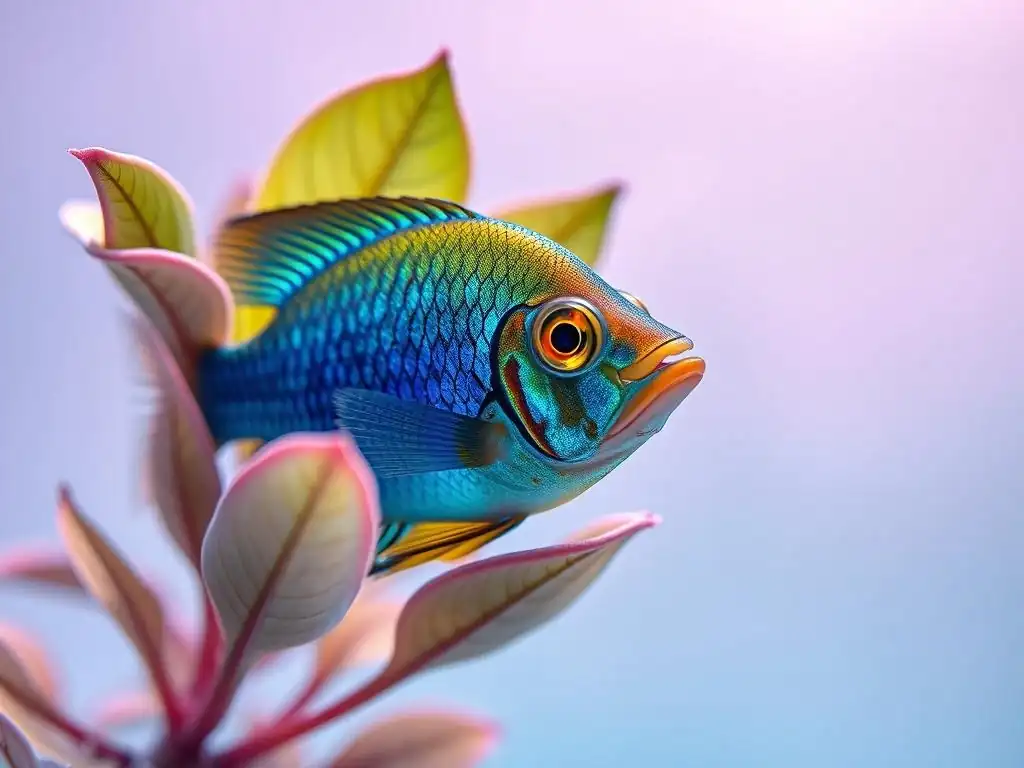
Proper acclimation is vital to minimize stress and prevent shock when introducing new dwarf gouramis to their tank. Drip acclimation is the gentlest and most recommended method, as it slowly equalizes the water parameters (pH, temperature, hardness) between the fish's transport bag and the aquarium. Start by floating the sealed bag in your tank for 15-20 minutes to equalize temperature.
After temperature equalization, open the bag and carefully roll down the edges to create a float. Using an airline tube and an air stone or knot to control the flow, start a siphon from your tank into the fish bag. Aim for a slow drip rate, approximately 1-2 drips per second. Allow the tank water to slowly drip into the bag for 30-60 minutes, or until the volume of water in the bag has at least doubled. This gradual introduction helps your dwarf gouramis adjust to their new water chemistry without sudden shocks.
Monitoring After Introduction
Once the drip acclimation is complete, carefully net your dwarf gourami from the bag and gently release it into the aquarium. Discard the water from the bag; do not add it to your tank, as it may contain undesirable chemicals or pathogens. For the first few hours, keep the tank lights dim or off to further reduce stress as they explore their new environment. Avoid feeding for the first 24 hours to allow them to settle in without adding to the bioload.
Closely observe your new dwarf gouramis for the first few days. Look for signs of stress such as clamped fins, rapid breathing, hiding excessively, or unusual swimming patterns. Healthy gouramis will typically start exploring their tank, showing off their colors, and eventually accepting food. If any signs of distress persist, recheck your water parameters immediately, as this is often the first indicator of an issue in your "Gourami tank setup guide."
Dwarf Gourami Tank Mates: Choosing Compatible Species
Peaceful Community Fish: Corydoras and Tetras
Choosing compatible tank mates is crucial for the well-being of your dwarf gouramis, as they are generally peaceful but can be timid or stressed by overly boisterous or aggressive fish. Excellent choices for a community dwarf gourami tank setup include small, peaceful bottom dwellers like Corydoras catfish (e.g., Panda Corys, Pygmy Corys), which are active scavengers and typically grow to 1-2 inches. They occupy a different part of the water column, minimizing competition.
Small, schooling mid-level fish are also ideal, such as Neon Tetras, Ember Tetras, or Harlequin Rasboras. These species typically stay under 2 inches (5 cm) and thrive in groups of 6 or more, providing a sense of security. Their calm demeanor and similar water parameter requirements make them suitable companions. Other options might include Otocinclus catfish for algae control, which are also peaceful and small, usually reaching around 1.5 inches (3.8 cm).
Fish to Avoid: Aggressive or Fin-Nipping Species
When planning your dwarf gourami tank setup, it is equally important to know which fish to avoid as tank mates. Aggressive or fin-nipping species can severely stress and injure your delicate gouramis, leading to illness or death. Examples of fish to avoid include Tiger Barbs, which are notorious fin-nippers and can harass slow-moving fish. Larger, more aggressive cichlids (e.g., African Cichlids, even some larger South American Cichlids) are also unsuitable due to their territorial and predatory nature.
Similarly, avoid keeping dwarf gouramis with other labyrinth fish like Bettas (Siamese Fighting Fish) in smaller tanks, as males can be highly aggressive towards each other. Very large or boisterous fish that could outcompete gouramis for food or cause them undue stress through their constant activity should also be avoided. Researching potential tank mates thoroughly is a key step in creating a harmonious "Gourami tank setup guide."
Quarantine Procedures
Implementing a quarantine procedure for all new fish, including dwarf gouramis and their potential tank mates, is a critical step in disease prevention. A separate quarantine tank, ideally 10-20 gallons (38-76 liters), equipped with a simple filter and heater, should be used for this purpose. New fish should be housed in this tank for a minimum of two to four weeks before being introduced to your main dwarf gourami tank setup.
During the quarantine period, observe the new fish closely for any signs of illness, such as clamped fins, white spots (Ich), abnormal swimming, or unusual growths. This allows you to treat any diseases in isolation, preventing the spread of pathogens to your established aquarium and protecting your existing fish population. It also gives the new fish time to recover from the stress of transport and adjust to your water parameters in a less competitive environment.
Feeding Your Dwarf Gouramis: Providing a Balanced Diet
Understanding Dietary Needs
Dwarf gouramis are omnivores, meaning their diet in the wild consists of a mix of small insects, insect larvae, zooplankton, and some plant matter. To ensure optimal health, vibrant coloration, and longevity in a dwarf gourami tank setup, it is crucial to replicate this varied diet. A diet rich in high-quality protein, supplemented with occasional vegetable matter, will support their immune system and overall vitality.
A monotonous diet can lead to nutritional deficiencies and a weakened immune response, making them more susceptible to diseases. Therefore, relying solely on one type of food, even a high-quality one, is not ideal. Providing a diverse range of foods not only meets their nutritional needs but also stimulates their natural foraging behaviors, contributing to their mental well-being and making them more engaging to observe.
Recommended Foods: Flakes, Pellets, and Live/Frozen Foods
A high-quality flake food or small pellet designed for omnivorous tropical fish should form the staple of your dwarf gouramis' diet. Look for brands that list fish meal, shrimp, or spirulina as primary ingredients. Examples include Hikari Micro Pellets or Omega One Flakes. These provide essential vitamins, minerals, and protein for daily nourishment.
Supplementing their staple diet with live or frozen foods 2-3 times per week is highly recommended. Bloodworms, brine shrimp, and daphnia are excellent choices that provide high protein content and essential fats, enhancing their colors and overall vigor. Live foods also offer mental stimulation as the gouramis hunt them. Before feeding frozen foods, ensure they are thoroughly thawed to prevent digestive issues.
Feeding Frequency and Portion Control
Dwarf gouramis have relatively small stomachs, so it's better to feed them small amounts frequently rather than large amounts infrequently. Aim to feed your gouramis 1 to 2 times per day. The key is portion control: only offer an amount of food that they can completely consume within 2 to 3 minutes. Any uneaten food will sink to the bottom, decompose, and quickly degrade water quality, leading to spikes in ammonia and nitrites.
Overfeeding is a common mistake that can lead to obesity in fish, digestive problems, and poor water parameters, which can stress your dwarf gouramis and make them prone to illness. If you notice food accumulating on the substrate after feeding, reduce the portion size for subsequent feedings. Occasionally, skipping a day of feeding once a week can also be beneficial, allowing their digestive systems to clear and preventing overconsumption.
Supplementing with Algae Wafers
While dwarf gouramis are primarily omnivores with a preference for protein, they will occasionally graze on algae or plant matter in their natural habitat. Supplementing their diet with small pieces of algae wafers, typically designed for bottom feeders, can provide additional roughage and a wider range of nutrients. However, algae wafers should not be a primary food source for gouramis, but rather an occasional treat or supplement.
If you have other bottom-dwelling tank mates like Corydoras or Otocinclus catfish in your "Gourami tank setup guide," algae wafers are an essential part of their diet and your gouramis might nibble on them opportunistically. Ensure that any wafers offered are small enough for your gouramis to consume without difficulty, and always adhere to the principle of feeding only what can be eaten quickly to maintain pristine water quality.
Maintaining a Healthy Dwarf Gourami Tank: Regular Care
Weekly Maintenance Tasks
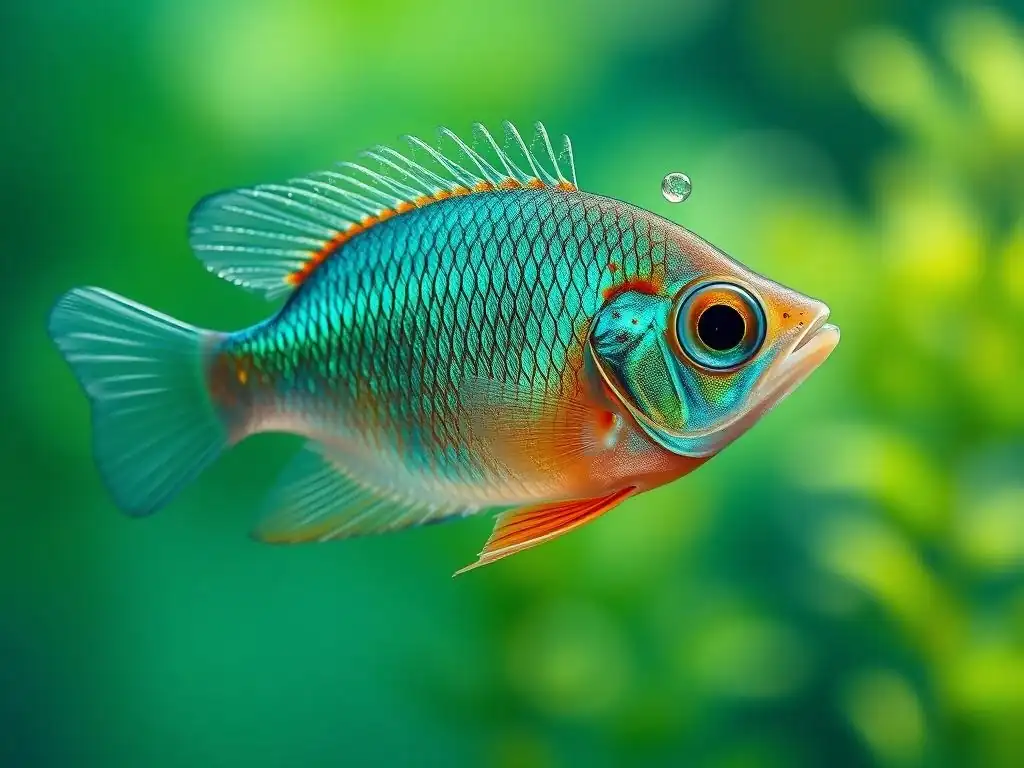
Consistent weekly maintenance is vital for the long-term health and stability of your dwarf gourami tank setup. The most critical task is a 20-30% partial water change, which removes nitrates and replenishes essential minerals. During the water change, use a gravel vacuum to siphon out detritus and uneaten food from the substrate, focusing on areas where waste tends to accumulate.
Other weekly tasks include wiping down the inside and outside of the tank glass to remove algae and water spots, ensuring clear viewing. Check and rinse your filter media (sponges) in old tank water to remove trapped debris without killing beneficial bacteria. Top off any evaporated water with dechlorinated water, and visually inspect your fish for any signs of illness or unusual behavior, which can be early indicators of problems.
Identifying and Addressing Dwarf Gourami Iridovirus (DGIV)
Dwarf Gourami Iridovirus (DGIV), also known as Dwarf Gourami Disease, is a highly contagious and often fatal viral infection specific to gourami species, particularly dwarf gouramis. Symptoms include loss of appetite, lethargy, faded coloration, skin lesions, sores, and sometimes abdominal swelling. DGIV is incurable, and infected fish typically succumb to the disease within weeks to months.
Prevention is the only effective strategy against DGIV. Always quarantine new gouramis for a minimum of 4 weeks, observing them closely for any symptoms. Purchase fish from reputable breeders or stores known for healthy stock. If DGIV is suspected in your tank, it is often recommended to humanely euthanize affected fish to prevent the spread to other gouramis. Thorough disinfection of the tank and equipment is necessary before introducing new fish.
Observing Behavior: Recognizing Signs of Illness
Regularly observing your dwarf gouramis' behavior is one of the most important aspects of maintaining a healthy tank. Healthy gouramis are typically active, curious, exhibit vibrant coloration, have a good appetite, and swim gracefully with fins extended. They will often explore their environment, interact with decor, and occasionally come to the surface to breathe.
Any deviation from this normal behavior can be a sign of stress or illness. Look for clamped fins (held close to the body), rapid gilling (fast breathing), hiding excessively for prolonged periods, faded or dull coloration, white spots (Ich), fuzzy growths (fungus), bloating, or unusual swimming patterns (e.g., darting, rubbing against objects). Early detection allows for prompt intervention, such as checking water parameters, isolating the affected fish, or administering appropriate medication, increasing the chances of recovery in your "Gourami tank setup guide."
Troubleshooting Common Issues
Algae Control: Snails and Reduced Lighting
Algae growth is a common issue in any aquarium, including a dwarf gourami tank setup. While a small amount of algae is natural, excessive growth can be unsightly and indicate an imbalance. The primary causes of algae are often too much light (either too intense or too long a duration) and excess nutrients (from overfeeding or insufficient water changes). To control algae, first reduce your lighting period to 8 hours per day and ensure your light intensity is appropriate for your plants.
Manual removal using an algae scraper is effective for glass surfaces. Additionally, introducing certain algae-eating invertebrates like Nerite Snails can be very helpful. These snails are excellent algae eaters, don't reproduce excessively in freshwater, and are peaceful tank mates. Otocinclus catfish are also effective, small, and gentle algae grazers. Addressing the root cause—excess light and nutrients—is key to long-term algae control, rather than just treating the symptoms.
Cloudy Water: Addressing Bacterial Blooms
Cloudy or milky water in a dwarf gourami tank setup is a common issue, particularly in newly set up tanks or those experiencing a sudden increase in organic waste. This cloudiness is typically caused by a bacterial bloom, where beneficial bacteria rapidly multiply in response to an ammonia or nitrite spike, or an abundance of decaying organic matter (e.g., from overfeeding or decaying plants). While unsightly, it's usually harmless to fish in the short term, but indicates an underlying water quality issue.
To address cloudy water, first ensure your tank is properly cycled and avoid overfeeding. Perform a 25-50% partial water change to remove excess nutrients and bacteria. Check your filter to ensure it's clean and functioning properly, providing adequate biological filtration. In a new tank, patience is often key; the bacterial bloom will usually clear on its own within a few days to a week as the beneficial bacteria establish equilibrium. Avoid using chemical clarifiers, as they can sometimes precipitate issues or mask the underlying problem.
Treating Parasites: Using Appropriate Medications
Despite best efforts, dwarf gouramis can sometimes contract external parasites such as Ich (white spot disease) or Velvet. Ich presents as small white spots resembling salt grains on the fish's body and fins, while Velvet appears as a dusty, yellowish coating. Symptoms often include flashing (rubbing against tank decor), rapid breathing, and lethargy. Early detection is crucial for successful treatment.
If you observe signs of external parasites, it's generally best to move the affected fish to a separate hospital tank to avoid medicating the main "Gourami tank setup guide" and potentially harming beneficial bacteria or sensitive invertebrates. Medications containing malachite green, formalin, or copper are often used to treat Ich and Velvet, respectively. Always follow the product instructions carefully regarding dosage and duration. Increasing the tank temperature slightly (to 82-84°F for Ich, if safe for your other inhabitants) can accelerate the parasite's lifecycle, making it more vulnerable to medication, but monitor fish for signs of stress.
Conclusion: Enjoying Your Thriving Dwarf Gourami Aquarium
Creating an ideal dwarf gourami tank setup is a rewarding endeavor that brings vibrant colors and captivating personalities to your home. By meticulously planning your aquarium, selecting appropriate equipment, and diligently maintaining optimal water parameters, you provide a stable and enriching environment where these beautiful labyrinth fish can truly thrive. From the initial cycling process to routine water changes and careful observation, each step contributes to the long-term health and happiness of your aquatic inhabitants.
A well-executed "Gourami tank setup guide" not only ensures the well-being of your fish but also offers a serene and dynamic focal point for any room. With proper care, your dwarf gouramis will display their natural behaviors, from intricate bubble nests to graceful exploration among live plants, providing endless enjoyment. Embrace the journey of responsible fishkeeping, and you will be rewarded with a flourishing dwarf gourami aquarium that is a testament to your dedication and passion.
Frequently Asked Questions
What is the ideal tank size for a Gourami?
The ideal tank size depends on the species of Gourami. Generally, a minimum of 20 gallons is recommended for smaller Gourami species, while larger species may require 40 gallons or more.
What are the key water parameters for a healthy Gourami tank?
Gouramis thrive in slightly acidic to neutral water. Maintain a pH between 6.0 and 7.0, a temperature of 72-82°F (22-28°C), and ensure good water quality with regular water changes.
What type of substrate and decorations should I include in a Gourami tank?
A dark substrate is generally preferred, as it helps to reduce stress. Include plenty of live plants, driftwood, and caves to provide hiding places and create a natural environment.
Are Gouramis compatible with other fish species?
Some Gourami species can be territorial. Choose tank mates carefully. Consider peaceful, similarly sized fish that won't compete aggressively for food or territory. Avoid fin-nipping species.
How often should I perform water changes in a Gourami tank?
Regular water changes are crucial for maintaining water quality. Aim for 25-30% water changes every 1-2 weeks, depending on the bioload and tank size. Always use a water conditioner to remove chlorine and chloramine.
Final Reflection: Cultivating Aquatic Harmony
The principles outlined in this guide, while focused on the specific needs of gouramis, resonate far beyond the confines of a fish tank. Creating a thriving ecosystem, whether miniature or macroscopic, demands careful consideration, informed choices, and a deep understanding of interconnectedness. Just as a gourami's well-being depends on a balanced environment, so too does our own.
This journey into the ideal gourami tank setup has underscored the profound impact we have on the lives of other creatures, and by extension, on the planet itself. The act of meticulously crafting a suitable habitat for these fascinating fish serves as a microcosm of our responsibility to nurture and protect the larger world around us. In the end, we will conserve only what we love; we will love only what we understand; and we will understand only what we are taught.
- Baba Dioum. This quote perfectly encapsulates the importance of understanding the needs of even the smallest creatures, as it fosters a deeper appreciation and commitment to their well-being.
Now, I invite you to consider the lessons learned from this "Gourami tank setup guide" and apply them to your own life. How can you create more harmonious environments, both for yourself and for those around you? How can you foster a deeper understanding of the delicate balance that sustains all life? Let this guide be more than just instructions for a fish tank; let it be a catalyst for conscious living and a commitment to cultivating a more vibrant and sustainable future.
Unleash Your Gourami's Potential
Thanks for diving into the world of Gouramis with us! We hope you’ve gained valuable insights into creating the perfect habitat for these amazing fish. Now, it's time to put that knowledge into action and truly enhance your gourami's life.
Here are a few ways you can take the next step:
- Immediately assess your current tank setup against the recommendations in the article. What adjustments can you make today to improve your gourami's environment?
- Share your gourami tank transformation journey with other enthusiasts! Post before-and-after photos on aquarium forums or social media using #GouramiParadise.
- Research and implement a unique, natural element to your tank – consider adding Catappa leaves to mimic their native environment and benefit from their tannin release.
What specific aspect of your gourami's current environment are you most excited to improve first? Share your plans in the comments!