
Best Aquatic Plants for a Thriving Gourami Habitat

Welcome to Aquarium Mastery!
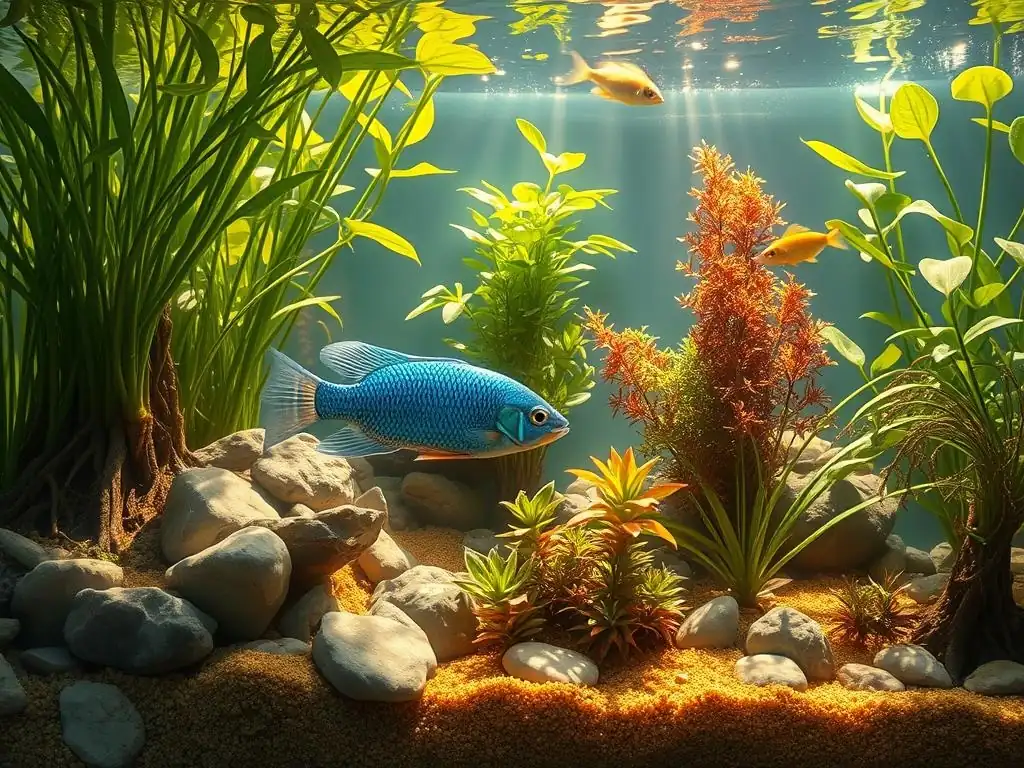
Ever wondered how to create a truly stunning and healthy environment for your gourami? Dive in! We're about to unlock the secrets to selecting the best aquatic plants for a thriving gourami habitat. Discover the perfect botanical companions to enhance their well-being and transform your tank into a captivating underwater paradise. Ready to learn more?
- Introduction: Creating the Ideal Gourami Tank with Aquatic Plants
- Understanding Gourami Needs: Essential Plant Considerations
- Top Aquatic Plants for Gourami Tanks: A Comprehensive Guide
- Planting and Maintaining Aquatic Plants in a Gourami Tank
- Plants to Avoid in Gourami Tanks: Potential Issues and Dangers
- Designing Your Dream Gourami Aquascape: Plant Placement and Aesthetics
- Troubleshooting Common Plant Problems in Gourami Tanks
- Conclusion: The Perfect Planted Aquarium for Your Gourami
-
Frequently Asked Questions
- What are the best types of aquatic plants to keep with Gouramis?
- How do aquatic plants benefit Gouramis in a tank environment?
- Can Gouramis damage or eat aquarium plants?
- What are some factors to consider when selecting plants for a Gourami tank?
- How do I properly care for aquatic plants in a Gourami aquarium?
- Final Reflection: Cultivating Harmony in the Gourami's World
- Dive Deeper: Cultivate Your Gourami Paradise!
Introduction: Creating the Ideal Gourami Tank with Aquatic Plants
Gouramis are captivating freshwater fish, known for their vibrant colors, intricate patterns, and unique labyrinth organ, which allows them to breathe atmospheric air. To truly thrive, these fascinating fish require an environment that closely mimics their natural habitat. A crucial element in replicating such an environment is the strategic inclusion of diverse Gourami tank aquatic plants. These plants not only enhance the aesthetic appeal of the aquarium but also play a vital role in the health and well-being of your gouramis, creating a balanced and stress-reducing ecosystem.
Understanding Gourami Needs: Essential Plant Considerations
Gourami Natural Habitat and Plant Preferences
Gouramis originate from slow-moving, heavily vegetated waters across Southeast Asia, including countries like Thailand, Indonesia, and Vietnam. Species such as the Dwarf Gourami ( Trichogaster lalius) and Pearl Gourami ( Trichopodus leerii) are commonly found in densely planted rice paddies, swamps, and canals. These environments are characterized by abundant submerged and floating vegetation, providing shelter, breeding grounds, and a sense of security from predators.
This preference for dense plant cover is deeply ingrained in their behavior. In a home aquarium, replicating this natural setting with appropriate Gourami tank aquatic plants helps reduce stress, encourages natural behaviors like bubble nest building, and minimizes aggression, particularly among territorial male gouramis. A tank lacking sufficient plant cover can lead to stressed, shy, or even aggressive fish, as they lack the necessary hiding spots and visual barriers.
Key Benefits of Aquatic Plants for Gourami Health
Aquatic plants offer a multitude of benefits that extend beyond mere aesthetics, directly contributing to the health of your gouramis. Firstly, through photosynthesis, plants release oxygen into the water, which is crucial for fish respiration. In a well-planted 20-gallon gourami tank, oxygen levels can remain more stable, especially overnight when fish consume oxygen, compared to a barren setup. This natural oxygenation reduces the reliance on mechanical aeration and creates a healthier aquatic environment.
Secondly, Gourami tank aquatic plants act as natural filters, absorbing harmful nitrates, phosphates, and other waste products produced by fish and decaying food. For instance, studies have shown that dense plant growth can reduce nitrate levels by up to 50% in a mature aquarium over a week, significantly improving water quality and potentially reducing the frequency of water changes. This biological filtration helps maintain stable water parameters, which is vital for the delicate gourami species.
Water Parameters and Plant Compatibility for Gouramis
Gouramis generally prefer slightly acidic to neutral water, with a pH range of 6.0 to 7.5, and soft to medium-hard water, typically with a General Hardness (GH) between 5 and 15 dKH. These parameters are quite common and suitable for a wide variety of popular aquarium plants, making compatibility relatively straightforward. Plants like Anubias and Cryptocorynes are particularly tolerant of these conditions, thriving alongside gouramis without requiring specialized adjustments.
Maintaining stable water parameters is paramount for both gouramis and their aquatic plants. Rapid fluctuations in pH, temperature, or hardness can stress both fish and lead to plant issues such as "crypt melt" in Cryptocoryne species or general decline. For example, a sudden pH drop below 5.5 can inhibit nutrient uptake for many plants while simultaneously stressing sensitive gourami species, potentially leading to disease susceptibility. Therefore, selecting Gourami tank aquatic plants that align with these stable conditions is crucial for a flourishing habitat.
Top Aquatic Plants for Gourami Tanks: A Comprehensive Guide
Floating Plants for Gourami Tanks: Providing Shade and Security
Floating Gourami tank aquatic plants are indispensable for a gourami habitat, offering vital shade, security, and anchor points for bubble nests. They mimic the surface vegetation often found in gouramis' natural environments, making the fish feel more at home. These plants also help to diffuse intense overhead lighting, which can stress some gourami species, and contribute to overall water quality by absorbing excess nutrients.
Furthermore, the dense root systems of many floating plants provide excellent hiding spots for gourami fry, should breeding occur in the tank. They also offer a natural food source for some gourami species, which may occasionally graze on their undersides. However, it's important to manage their growth, as excessive coverage can block light from submerged plants and reduce gas exchange at the water surface.
Amazon Frogbit: Easy Floating Plant for Gourami Tanks
Amazon Frogbit ( Limnobium laevigatum) is an excellent choice for a gourami tank due to its relatively large, lily pad-like leaves and extensive, feathery root system. These roots can extend several inches into the water column, providing superb hiding places for gourami fry and offering visual barriers for adult fish. The broad leaves create ample shade, mimicking the dappled light conditions gouramis prefer, making them feel secure and reducing stress.
This fast-growing floating plant is also highly efficient at absorbing excess nitrates and phosphates from the water, contributing significantly to water quality. Under optimal conditions, a single Amazon Frogbit plant can double its leaf count in less than two weeks, demonstrating its strong nutrient uptake capabilities. Its robust nature and ease of care make it a popular and beneficial addition to any gourami-centric aquascape.
Duckweed: A Nutrient-Rich Option for Gourami
Duckweed ( Lemna minor) consists of tiny, bright green leaves that float freely on the water's surface. While often considered a nuisance by some aquarists due to its incredibly rapid proliferation, it can be a beneficial Gourami tank aquatic plant when managed properly. Its tiny size and quick growth make it an unparalleled nutrient sponge, capable of absorbing large amounts of excess nitrates and phosphates, thereby significantly improving water quality.
For some gourami species, particularly Kissing Gouramis, duckweed can also serve as a supplementary food source, as they may occasionally graze on it. However, its main benefit lies in its ability to quickly cover the surface, providing instant shade and security for shy gouramis. It's crucial to regularly skim off excess duckweed to prevent it from completely blocking light to submerged plants and inhibiting gas exchange at the surface, which can negatively impact oxygen levels.
Water Lettuce: Effective Filtration and Gourami Comfort
Water Lettuce ( Pistia stratiotes) is another highly recommended floating plant for gourami tanks, characterized by its rosette of velvety, light-green leaves and a dense network of long, fibrous roots. These roots provide exceptional hiding places for gourami fry and offer a sense of security for adult gouramis, particularly when they are resting or engaging in breeding behaviors. The large leaves cast significant shade, creating the subdued lighting conditions that many gourami species prefer.
Beyond its aesthetic and comfort benefits, Water Lettuce is a powerful natural filter. Its extensive root system efficiently absorbs a wide array of dissolved nutrients and heavy metals from the water column, contributing to superior water quality. In a moderately stocked 30-gallon tank, a healthy patch of Water Lettuce can process a substantial amount of fish waste, reducing the burden on mechanical filtration and helping to maintain pristine water parameters for your gouramis.
Rooted Plants for Gourami Aquariums: Enhancing the Substrate
Rooted Gourami tank aquatic plants are fundamental for creating a stable and visually appealing aquascape. They anchor themselves in the substrate, providing structural elements that gouramis can explore, hide behind, and use for territorial boundaries. These plants contribute significantly to the biological filtration of the tank by utilizing nutrients from the substrate and water column.
Additionally, many rooted plants are long-lived and hardy, forming a stable foundation for the aquarium ecosystem. They help to oxygenate the substrate, prevent anaerobic pockets, and offer a natural, lush appearance that enhances the overall beauty of the gourami habitat. Their presence encourages natural behaviors and reduces stress, making them indispensable for a thriving gourami tank.
Java Fern: A Hardy and Versatile Gourami Tank Plant
Java Fern ( Microsorum pteropus) is one of the most popular and versatile Gourami tank aquatic plants, renowned for its hardiness and ease of care. It is an epiphytic plant, meaning it attaches its rhizome (the thick, horizontal stem) to driftwood, rocks, or other decor, rather than being planted directly into the substrate. This characteristic makes it an excellent choice for gourami tanks as it doesn't require a specific substrate type.
Java Fern thrives in a wide range of water parameters, including temperatures from 68-82°F (20-28°C), perfectly suiting gourami needs. Its broad, dark green leaves provide excellent cover and visual breaks, which are crucial for reducing aggression among territorial gouramis. It propagates easily from plantlets that form on older leaves, allowing aquarists to gradually expand their planting and create dense, natural hiding spots throughout the tank.
Anubias: Low-Light Option for Gourami Aquariums
Anubias is a genus of exceptionally hardy and low-maintenance Gourami tank aquatic plants, with species like Anubias barteri var. nana being particularly favored. These plants are characterized by their thick, dark green leaves and slow growth rate, making them ideal for aquarists seeking a robust and long-lasting addition to their gourami tank. Like Java Fern, Anubias is epiphytic and should be attached to hardscape rather than buried in the substrate, as burying the rhizome can lead to rot.
Anubias thrives in low to moderate lighting conditions, making it suitable for tanks where intense lighting might be problematic or where gouramis prefer subdued illumination. Its sturdy leaves provide excellent resting places for gouramis and offer substantial cover, allowing shy fish to feel secure. A single mature Anubias barteri var. nana can grow to about 4-6 inches tall and wide, providing significant shelter for a pair of dwarf gouramis.
Cryptocoryne: Adaptable and Attractive Plant for Gouramis
The genus Cryptocoryne, often referred to as "Crypts," encompasses a diverse range of Gourami tank aquatic plants, many of which are highly suitable for gourami habitats. These rooted plants are known for their ability to adapt to a wide array of water parameters once established, making them quite forgiving. However, they are sensitive to sudden changes in tank conditions, which can sometimes lead to "crypt melt" – a temporary melting of leaves followed by regrowth if conditions stabilize.
Crypts typically feature broad or narrow leaves in various shades of green, brown, or reddish hues, adding significant texture and color to the aquarium. They are excellent for creating dense midground or foreground cover, providing ideal hiding spots for gouramis. Their robust root systems benefit from nutrient-rich substrates or the addition of root tabs, ensuring healthy, vibrant growth that can reach heights of 6 to 12 inches depending on the species.
Cryptocoryne wendtii: A Popular and Easy-to-Grow Crypt
Among the Cryptocoryne species, Cryptocoryne wendtii stands out as an exceptionally popular and easy-to-grow option for gourami tanks. This particular species is highly adaptable, thriving in a broad spectrum of lighting from low to moderate, and tolerating a wide range of water parameters including typical gourami conditions (pH 6.0-7.5, GH 5-15 dKH). It comes in various color forms, including green, brown, and 'Red' or 'Bronze', allowing for aesthetic versatility.
Cryptocoryne wendtii grows to a manageable size, typically between 4 to 8 inches tall, making it perfect for the midground or foreground of a gourami aquarium. It provides dense, natural cover where gouramis can retreat and feel secure. This plant also propagates readily through runners, forming attractive clumps over time, which further enhances the natural feel of the tank and provides ample hiding places for fish and fry.
Stem Plants for Gourami Habitats: Adding Vertical Interest
Stem Gourami tank aquatic plants are essential for adding vertical interest and creating lush backgrounds or dense thickets within the aquarium. They grow upwards from the substrate, often branching, and can be easily pruned to maintain desired height and bushiness. These plants are typically fast growers, making them excellent at nutrient absorption and contributing significantly to water quality and oxygenation.
Their ability to create dense walls of foliage provides crucial hiding spots and visual barriers for gouramis, which is particularly beneficial in community tanks or for territorial species. By strategically placing stem plants, aquarists can design complex environments that encourage natural exploration and reduce stress, enhancing the overall well-being of their gourami inhabitants.
Hornwort: Fast-Growing and Oxygenating Plant for Gouramis
Hornwort ( Ceratophyllum demersum) is a highly versatile and fast-growing stem plant that is an excellent choice for gourami tanks. It features needle-like leaves arranged around its stems, giving it a dense, bushy appearance. Hornwort can be either floated freely at the surface, where it provides superb cover and anchor points for bubble nests, or weighted down and planted in the substrate to create a lush background.
This plant is renowned for its rapid growth, often growing several inches per week under good conditions, and its exceptional ability to absorb excess nutrients, making it a powerful ally in preventing algae outbreaks. It also provides significant oxygenation to the water column through photosynthesis. Its dense structure offers immediate and effective hiding places for gouramis and their fry, making it a practical and beneficial addition to any new or established gourami setup.
Water Wisteria: Beautiful and Beneficial for Gourami Tanks
Water Wisteria ( Hygrophila difformis) is a beautiful and highly beneficial stem plant for gourami aquariums, known for its delicate, lacy leaves that provide a soft, lush appearance. It is a relatively fast grower and can thrive in a range of lighting conditions from low to high, making it adaptable to various tank setups. Water Wisteria can reach heights of 12-20 inches, making it an ideal background plant or a focal point in larger tanks.
This Gourami tank aquatic plant serves multiple purposes: it efficiently absorbs nitrates, thereby improving water quality, and its dense foliage creates ample hiding spots and visual barriers for gouramis. Its broad leaves offer excellent resting places for fish. Furthermore, Water Wisteria is considered an "indicator plant"; if it starts to show signs of yellowing or stunted growth, it often signals nutrient deficiencies in the water column, prompting aquarists to adjust their fertilization strategy.
Rotala rotundifolia: Adds Color and Texture
Rotala rotundifolia is a popular stem Gourami tank aquatic plant cherished for its ability to add vibrant color and fine texture to the aquarium. While its leaves are typically green in lower light, they can develop beautiful reddish or pinkish hues under higher lighting and sufficient CO2 supplementation, creating a striking contrast against other green plants. It features slender stems with small, rounded leaves, giving it a delicate appearance.
This plant grows at a moderate to fast pace, typically adding 1-2 inches of height per week under optimal conditions, and can reach lengths of over 12 inches. It is easily pruned and the cuttings can be replanted to propagate new stems, allowing aquarists to create dense bushes or midground thickets. These dense clumps provide excellent shelter and visual interest for gouramis, encouraging them to explore and feel secure within the varied plant structures.
Planting and Maintaining Aquatic Plants in a Gourami Tank
Choosing the Right Substrate for Plant Growth in Gourami Aquariums
The substrate is the foundation for healthy rooted Gourami tank aquatic plants, providing essential nutrients and a stable anchor. For a thriving planted gourami aquarium, a nutrient-rich substrate is highly recommended. Specialized aquatic plant substrates, often called "aqua soil" (e.g., ADA Aqua Soil, Fluval Stratum), are designed to release nutrients slowly into the root zone, promoting robust plant growth. These substrates also typically have a porous structure that facilitates root penetration and water circulation.
Alternatively, a layer of inert fine gravel (1-3mm grain size) or sand can be used, provided that root tabs or a nutrient-rich base layer (like laterite or peat) are incorporated beneath. Fine gravel is often preferred over coarse gravel as it allows plant roots to spread more easily and prevents the accumulation of detritus. Regardless of the chosen substrate, ensuring it is at least 2-3 inches deep will provide ample space for roots to establish and for plants to draw necessary nutrients.
Fertilization Strategies for Gourami Tank Plants: Avoiding Algae Blooms
Effective fertilization is crucial for the long-term health of your Gourami tank aquatic plants, but it must be balanced to prevent unsightly algae blooms. Plants require both macro-nutrients (Nitrogen, Phosphorus, Potassium - NPK) and micro-nutrients (Iron, Manganese, Zinc, etc.). For plants that primarily absorb nutrients through their leaves (e.g., stem plants, floating plants), liquid fertilizers added to the water column are ideal. These are typically dosed once or twice a week, following product instructions, to maintain consistent nutrient levels.
For heavy root feeders like Cryptocorynes and Swords, root tabs inserted into the substrate directly beneath the plant are highly effective. These tabs slowly release concentrated nutrients directly to the root zone, bypassing the water column and minimizing the risk of feeding algae. The key to avoiding algae is maintaining a balance between light, CO2 (if supplemented), and nutrients. Over-dosing fertilizers without sufficient plant mass or light can lead to rapid algae growth, as algae will quickly consume the excess nutrients.
Lighting Requirements for a Healthy Planted Gourami Tank
Lighting is one of the most critical factors for the success of Gourami tank aquatic plants, as it drives photosynthesis. The type, intensity, and duration of light directly impact plant growth and health. LED lights are highly recommended due to their energy efficiency, longevity, and ability to provide a full spectrum of light beneficial for plant growth. For a low-tech gourami tank with hardy plants like Anubias, Java Fern, and Cryptocorynes, a low to moderate intensity light (around 10-20 PAR) is usually sufficient.
The duration of lighting is equally important; a consistent photoperiod of 6-10 hours per day is generally ideal. Using a timer is highly recommended to ensure regularity, as inconsistent lighting can stress plants and encourage algae. Excessive lighting (e.g., over 10 hours or very high intensity) without sufficient CO2 and nutrient levels can lead to severe algae outbreaks and stress gouramis, who prefer more subdued environments. Adjusting light intensity or duration can be a key strategy in managing both plant growth and algae.
Pruning and Propagation: Keeping Your Gourami Tank Plants Thriving
Regular pruning is essential for maintaining the health, shape, and aesthetics of your Gourami tank aquatic plants. For stem plants like Hornwort or Water Wisteria, pruning involves trimming the top portions of the stems. This encourages bushier growth from the cut point and allows light to reach lower leaves. The trimmed sections can often be replanted into the substrate to propagate new plants, effectively expanding your planted area.
For rhizome-based plants like Anubias and Java Fern, pruning typically involves removing old, yellowing, or damaged leaves at the base. Propagation is achieved by carefully dividing the rhizome, ensuring each new section has a few leaves and roots. Cryptocorynes often propagate through runners, which can be separated from the mother plant once they have developed their own root system. Consistent pruning not only keeps the tank looking neat but also ensures plants don't overshadow each other or block too much light from gouramis.
Plants to Avoid in Gourami Tanks: Potential Issues and Dangers
While most common Gourami tank aquatic plants are safe, there are certain types or conditions to be mindful of to ensure the well-being of your delicate gouramis. Avoiding plants that could physically harm your fish, drastically alter water chemistry, or outcompete other beneficial elements is crucial for a harmonious and thriving aquarium.
Plants with Sharp Edges: Protecting Gourami Fins
Gouramis, particularly species with long, flowing fins like the Pearl Gourami ( Trichopodus leerii), have delicate finnage that can be susceptible to damage. Plants with very sharp or rigid edges, though rare in common aquarium plants, could potentially snag or tear these fins, leading to injury or infection. While most Echinodorus (Sword plants) are generally safe, some varieties might have stiffer leaves.
It is important to visually inspect any new Gourami tank aquatic plants for exceptionally sharp points or abrasive textures before introducing them. While this is less of a concern with popular choices like Anubias or Cryptocorynes, vigilance ensures the safety of your gouramis. Prioritizing plants with softer, broader leaves or fine, feathery foliage minimizes any risk of fin damage.
Plants That Compete for Nutrients: Balancing the Ecosystem
In a heavily planted tank, some extremely fast-growing Gourami tank aquatic plants can become aggressive nutrient competitors, potentially starving slower-growing plants or leading to nutrient imbalances. While all plants absorb nutrients, an unchecked proliferation of very fast growers like certain floating plants (e.g., excessive Duckweed if not managed) or particularly vigorous stem plants can rapidly deplete essential elements from the water column.
This can result in nutrient deficiencies for less competitive plants, leading to stunted growth or yellowing. The issue is not necessarily about avoiding these plants entirely, but rather managing their growth through regular pruning and ensuring adequate fertilization for the entire plant ecosystem. A balanced approach ensures all plants thrive without one dominating the nutrient supply to the detriment of others.
Plants That Alter Water Chemistry Drastically
Most common Gourami tank aquatic plants are relatively inert in terms of water chemistry and do not significantly alter pH or hardness, especially once established. However, some plants, particularly those collected from specific natural environments or certain bog plants adapted for aquarium use, might release tannins or other compounds that could drastically lower pH or tint the water significantly.
While a slight tannin tint can be beneficial for gouramis, mimicking their blackwater origins, a drastic and sudden pH drop can be stressful. For instance, large quantities of unrinsed driftwood (which is not a plant, but often associated with planted tanks) can release tannins that lower pH. It's always wise to research specific plant species before introduction and to monitor water parameters closely, especially after adding new Gourami tank aquatic plants or large quantities of existing ones.
Designing Your Dream Gourami Aquascape: Plant Placement and Aesthetics
Creating Natural Hiding Places for Gouramis with Plants
The strategic placement of Gourami tank aquatic plants is paramount for creating a functional and comfortable habitat for your fish. Gouramis, being labyrinth fish, often appreciate dense vegetation where they can retreat, rest, and feel secure. To achieve this, focus on creating layers of planting that offer varying degrees of cover. Tall background plants, such as Water Wisteria or Hornwort, can form a lush green wall along the back and sides of the tank, providing a sense of enclosure and privacy.
Midground plants like Anubias and Cryptocorynes, placed in clumps or scattered strategically, can break up lines of sight, which is crucial for reducing aggression between territorial males or minimizing stress from other tank mates. For instance, a dense clump of Cryptocoryne wendtii can act as a natural barrier, allowing a shy Dwarf Gourami to establish a safe territory. Floating plants further enhance security by diffusing light and offering overhead cover, which is particularly beneficial for bubble-nesting gouramis.
Layering Plants for Visual Appeal in a Gourami Tank
Effective aquascaping involves layering Gourami tank aquatic plants to create depth, visual interest, and a naturalistic aesthetic. This technique involves placing plants of different heights and textures from the front to the back of the aquarium. Foreground plants, typically short species like Dwarf Sagittaria or small Cryptocoryne varieties, are placed near the front glass to frame the view and allow for open swimming space.
Midground plants, such as Java Fern, Anubias species, and medium-sized Cryptocorynes, form the bulk of the planting, creating dense areas of foliage and visual interest. These plants often grow to heights of 4-10 inches. Background plants, which are the tallest, like Water Wisteria or Rotala, are positioned at the rear of the tank to create a lush backdrop and provide vertical emphasis. This layering not only creates a beautiful visual flow but also provides diverse micro-habitats for your gouramis, encouraging exploration and natural behavior.
Achieving Balance and Harmony in Your Gourami Planted Aquarium
The ultimate goal of designing a gourami aquascape with Gourami tank aquatic plants is to achieve a harmonious balance between aesthetics and functionality. A well-balanced planted tank is not just visually appealing; it is also a stable and healthy ecosystem where fish and plants mutually benefit. This balance involves ensuring adequate lighting, nutrient supply, and CO2 (if necessary) for the plants, while maintaining stable water parameters suitable for gouramis.
A harmonious tank also considers the behavior of the fish. Providing sufficient hiding spots and visual barriers reduces stress and aggression among gouramis, allowing them to exhibit their natural behaviors more freely. A truly successful gourami planted aquarium replicates the lush, secure environments of their natural habitat, leading to vibrant, healthy fish that are a joy to observe. This synergistic relationship ensures the long-term success and beauty of your aquatic environment.
Troubleshooting Common Plant Problems in Gourami Tanks
Even with careful planning, Gourami tank aquatic plants can sometimes encounter issues. Understanding common problems and their solutions is key to maintaining a healthy and vibrant planted aquarium. Most plant problems stem from imbalances in nutrients, light, or CO2, and addressing these imbalances is crucial for recovery.
Identifying Nutrient Deficiencies in Aquarium Plants
Recognizing nutrient deficiencies in your Gourami tank aquatic plants is crucial for timely intervention. Different deficiencies manifest in specific ways:
- Nitrogen (N) deficiency: Often seen as a general yellowing of older leaves, starting from the tips and progressing inwards. Plants may also appear stunted.
- Phosphorus (P) deficiency: Can cause stunted growth, dark green or purplish coloration on older leaves, and sometimes leaf loss.
- Potassium (K) deficiency: Characterized by yellowing or necrosis (dead spots) on older leaves, often appearing as holes or edges turning yellow.
- Iron (Fe) deficiency: New growth appears pale yellow or white, while older leaves remain green. This is common in high pH water where iron is less available.
Addressing these deficiencies typically involves supplementing the specific missing nutrient through liquid fertilizers or root tabs. For example, if new leaves on your Water Wisteria show signs of iron deficiency, adding a liquid iron supplement can quickly resolve the issue. Regular observation of your Gourami tank aquatic plants helps in early detection and correction.
Combating Algae Growth: Plant-Friendly Solutions
Algae growth is a common frustration in planted aquariums and often indicates an imbalance in the ecosystem, particularly related to light and nutrients. Common algae types include green spot algae (often from low phosphate or high light), hair algae (excess light or nutrients), and black beard algae (fluctuating CO2 or excess organics). The most effective plant-friendly solutions focus on restoring balance rather than harsh chemicals.
Firstly, assess your lighting: reduce duration (e.g., from 10 hours to 8 hours) or intensity if it's too high for your current plant mass. Secondly, ensure your Gourami tank aquatic plants are receiving adequate nutrients and CO2 (if applicable) to outcompete algae. Healthy plants actively consume nutrients, leaving less for algae. Manual removal of algae during water changes, increasing water flow in stagnant areas, and introducing algae-eating invertebrates like Amano shrimp (though be mindful of gourami aggression towards shrimp) can also be effective strategies.
Dealing with Plant Pests and Diseases
Plant pests in gourami tanks are less common than nutrient deficiencies but can occur. Snails, particularly bladder snails or ramshorn snails, are frequently introduced with new Gourami tank aquatic plants. While some snails can be beneficial detritivores, an overpopulation can become unsightly. Control often involves reducing overfeeding (as excess food provides ample sustenance for snails) and manual removal.
Plant diseases, such as bacterial rot or fungal infections, are relatively rare in well-maintained aquariums but can occur if plants are stressed or introduced without proper quarantine. Symptoms might include mushy stems, unusual discolorations, or rapid decay. The best defense is prevention: always quarantine new Gourami tank aquatic plants for a week or two in a separate container, inspecting them thoroughly for any signs of pests or disease before introducing them to your main gourami tank. A brief dip in a diluted potassium permanganate solution can also help sanitize new plants.
Conclusion: The Perfect Planted Aquarium for Your Gourami
Creating a thriving gourami habitat is an art that harmoniously blends the needs of your fish with the beauty of Gourami tank aquatic plants. By carefully selecting plants that mimic their natural, densely vegetated environments, you provide your gouramis with essential hiding places, reduce stress, and encourage their most natural behaviors, including the fascinating ritual of bubble nest building. The benefits extend beyond the visual appeal, as these living elements actively contribute to superior water quality through oxygenation and nutrient absorption, creating a more stable and healthier ecosystem.
From the shade-providing floating plants like Amazon Frogbit to the sturdy rooted Anubias and the vertical interest of Water Wisteria, each plant plays a vital role in crafting a balanced aquascape. With proper substrate, balanced fertilization, appropriate lighting, and consistent maintenance, your Gourami tank aquatic plants will flourish, transforming your aquarium into a vibrant, dynamic underwater world. This dedication to a well-planted environment will ensure your gouramis not only survive but truly thrive, showcasing their full beauty and personality in a habitat they instinctively call home.
Frequently Asked Questions
What are the best types of aquatic plants to keep with Gouramis?
Gouramis appreciate dense, leafy plants like Anubias, Java Fern, and Water Sprite. These provide hiding places and contribute to a natural environment.
How do aquatic plants benefit Gouramis in a tank environment?
Aquatic plants offer Gouramis shelter and security, reducing stress. They also improve water quality by absorbing nitrates and producing oxygen, vital for Gourami health.
Can Gouramis damage or eat aquarium plants?
While Gouramis are generally peaceful, some may nibble on softer plants. Choosing robust species and ensuring adequate feeding can minimize this behavior. Monitor plant health regularly.
What are some factors to consider when selecting plants for a Gourami tank?
Consider the Gourami species' size and temperament, as well as the tank's lighting and water parameters. Ensure the plants are compatible with Gourami needs for optimal growth.
How do I properly care for aquatic plants in a Gourami aquarium?
Provide appropriate lighting, fertilization, and CO2 supplementation as needed. Regularly trim and prune plants to maintain their health and prevent overcrowding, ensuring a balanced ecosystem.
Final Reflection: Cultivating Harmony in the Gourami's World
The journey through selecting the best aquatic plants for a thriving Gourami habitat is more than just aquascaping; it's about creating a miniature ecosystem that mirrors the natural environments these fascinating fish evolved in. Understanding the symbiotic relationship between Gouramis and their plant companions allows us to elevate the aquarium from a mere display to a vibrant, living artwork.
This exploration has deeply influenced my perspective on aquarium keeping. It's no longer just about aesthetics, but about fostering a holistic environment where the fish can truly thrive, exhibiting their natural behaviors and vibrant colors. In nature, nothing exists alone.
- Rachel Carson. This quote perfectly encapsulates the interconnectedness we strive for in a well-planted Gourami tank, where each element contributes to the overall health and well-being of the inhabitants.
Now, consider the lessons learned here and how they might apply beyond the glass walls of your aquarium. What other areas of your life could benefit from a more mindful approach to creating a balanced and supportive environment? Let the principles of harmony and symbiosis guide you, and you'll find that nurturing the world around you, just like nurturing a Gourami tank, can bring profound rewards.
Dive Deeper: Cultivate Your Gourami Paradise!
Thank you for exploring the world of gourami habitats with Aquarium Mastery. We hope you've discovered new inspiration to create a flourishing underwater haven for your fish. Now, let's translate that knowledge into action!
Here are a few ways to further enhance your gourami's environment:
- Take the plunge and select at least three new aquatic plant species from the article to introduce into your aquarium. Observe how your gouramis interact with them!
- Share your own gourami habitat successes (or challenges!) on social media using #AquariumMasteryGourami. Let's learn from each other!
- Consider creating a miniature underwater "jungle" corner in your aquarium, dedicating a small section to densely planted areas for extra gourami enrichment.
What unique plant combination are you most excited to try in your gourami tank, and why?