
Automatic Fish Feeders: Consistent Feeding for Healthier Fish (and Happier You!)

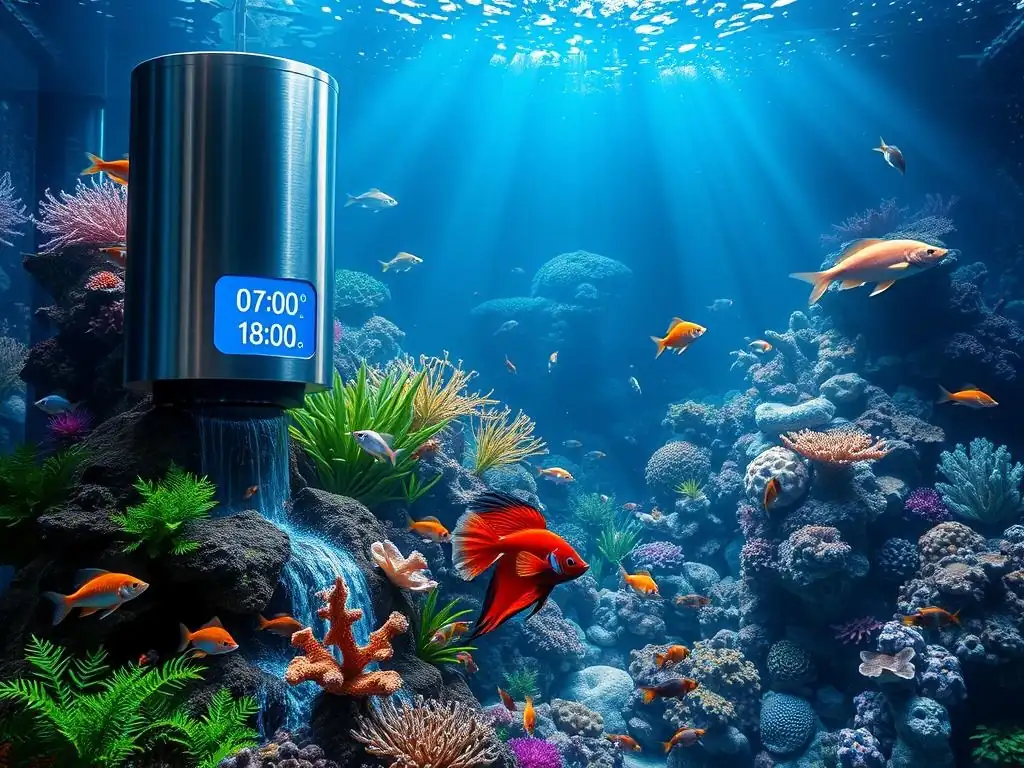
Welcome to Aquarium Mastery!
Ever wondered how to maintain a perfect feeding schedule for your aquatic friends, even when life gets hectic? Dive in and discover the secret to consistent care with our guide to automatic fish feeders schedule. Uncover the benefits, explore different models, and learn how to program them for optimal fish health and a happier, more relaxed you. Ready to automate your aquarium routine? Let's get started!
- Why Consistent Feeding Matters for Your Aquarium's Health
- Understanding Automatic Fish Feeders: A Comprehensive Guide
- Choosing the Right Automatic Fish Feeder for Your Aquarium
- Setting Up and Programming Your Automatic Fish Feeder
- Maintaining Your Automatic Fish Feeder for Longevity
- Optimizing Your Automatic Fish Feeder Schedule for Fish Health
- Best Practices for Automatic Fish Feeding in Different Aquarium Types
- Advanced Tips for Managing Your Automatic Fish Feeder
- The Future of Automatic Fish Feeding Technology
-
Frequently Asked Questions
- How can an automatic fish feeder help me maintain a consistent feeding schedule?
- What factors should I consider when choosing an automatic fish feeder?
- How do I set up an automatic fish feeder for the first time?
- How often should I refill my automatic fish feeder?
- What are some common problems with automatic fish feeders, and how can I troubleshoot them?
- Final Reflection: The Rhythm of Responsible Fishkeeping
- Unlock a Thriving Aquarium Today!
Why Consistent Feeding Matters for Your Aquarium's Health
The Importance of Regular Feeding Schedules for Fish
Consistent feeding is paramount for the well-being of your aquarium inhabitants. Fish, much like humans, thrive on routine; their digestive systems and metabolic rates are optimized when food is provided at predictable intervals. Irregular feeding can lead to stress, poor nutrient absorption, and even aggressive behavior as fish compete for scarce resources. Establishing a reliable automatic fish feeders schedule ensures that fish receive the necessary sustenance without periods of starvation or excessive gorging.
Moreover, a regular feeding routine helps maintain stable water parameters. When fish are fed consistently, they are less likely to overeat when food is finally available, which prevents excess waste. This precision mimics natural grazing behaviors for many species, allowing them to process smaller, more frequent meals efficiently. For instance, many smaller community fish like neon tetras or guppies benefit significantly from two to three small feedings per day, aligning with their natural feeding instincts and preventing a sudden influx of nutrients into the water column.
How Inconsistent Feeding Affects Water Quality and Fish Stress
Inconsistent feeding practices can severely compromise both water quality and fish health. Overfeeding, often a consequence of irregular manual feeding where owners compensate for missed meals, leads to an accumulation of uneaten food. This decaying organic matter rapidly breaks down into ammonia and nitrites, highly toxic compounds that can stress fish and even cause fatalities. Even slight increases in ammonia, above 0.0 ppm, can cause gill damage and weaken a fish's immune system, making them susceptible to common diseases like Ich or fin rot.
Conversely, underfeeding, due to forgotten meals or prolonged absences, results in malnutrition, stunted growth, and a weakened immune response. Chronically hungry fish may become lethargic, lose their vibrant coloration, and exhibit increased aggression towards tank mates as they compete for any available food. The constant uncertainty surrounding food availability elevates cortisol levels in fish, a primary stress hormone, which further suppresses their natural defenses. This cycle of stress and poor water quality creates a highly unstable environment, directly impacting the longevity and vitality of your aquatic ecosystem.
Achieving Optimal Fish Health Through Automated Feeding
Automated feeding provides a precise and reliable solution to the challenges of inconsistent manual feeding, directly contributing to optimal fish health. By utilizing an automatic fish feeder, aquarists can program exact feeding times and dispense consistent, measured portions of food. This eliminates human error, such as overfeeding due to generosity or underfeeding due to forgetfulness, ensuring that fish receive the right amount of food at the right time, every single day.
The consistency provided by an automatic fish feeders schedule significantly reduces stress on your fish, allowing them to thrive in a predictable environment. For example, an automated feeder can reliably dispense a precise 0.1-gram portion of flakes twice daily, minimizing uneaten food and subsequently reducing the bioload on your filtration system.
This precision helps maintain stable nitrate and phosphate levels, often leading to a 10-15% reduction in these waste products compared to tanks with irregular manual feeding. Ultimately, stable water parameters and reduced stress translate to stronger immune systems, more vibrant colors, and a longer, healthier life for your fish.
Understanding Automatic Fish Feeders: A Comprehensive Guide
What are Automatic Fish Feeders and How Do They Work?
Automatic fish feeders are devices designed to dispense precise amounts of fish food into an aquarium at pre-programmed intervals. They typically consist of a food reservoir, a programmable timer, and a dispensing mechanism, all powered by either batteries or an AC adapter. The core function relies on a small motor, often a DC motor, activated by the timer. At the designated feeding time, this motor rotates a drum, opens a chute, or vibrates a plate, releasing a measured portion of food into the water.
These devices act as a reliable substitute for manual feeding, ensuring that your fish receive their meals even when you are away or busy. Most models feature an adjustable portion control, allowing you to fine-tune the amount of food released with each feeding. For instance, a common design might use a quartz clock for timing accuracy, ensuring that a pre-set amount of food, perhaps 0.5 grams of pellets, is dispensed precisely at 8:00 AM and 6:00 PM every day without fail, adhering perfectly to your desired automatic fish feeders schedule.
Benefits of Using an Automatic Fish Feeder in Your Aquarium
The adoption of an automatic fish feeder offers numerous advantages for both your aquarium's inhabitants and your peace of mind. Foremost among these is the unparalleled consistency it provides; an automatic fish feeders schedule ensures that fish are fed at the same time and in the same precise quantity every day, which is crucial for their metabolic health and stress reduction. This predictability helps fish establish a routine, leading to more relaxed behavior and improved appetite.
Beyond consistency, automatic feeders significantly reduce the risk of overfeeding, a common pitfall for many aquarists. By dispensing pre-calibrated portions, they prevent the introduction of excess food that would otherwise decompose and foul the water. This directly contributes to better water quality, reducing ammonia and nitrite spikes, and lessening the burden on your filtration system. Furthermore, automatic feeders offer immense convenience, especially for busy individuals or during vacations, ensuring your fish are well-fed without relying on neighbors or friends who might be unfamiliar with proper aquarium feeding protocols.
Types of Automatic Fish Feeders Available on the Market
The market offers a variety of automatic fish feeders, each with distinct features and best-suited applications. Understanding these types is crucial for selecting the right device for your specific aquarium needs and desired automatic fish feeders schedule. The primary categories include drum-style, hopper-style, and specialized vacation feeders, each offering different capacities, dispensing mechanisms, and levels of precision.
Drum-Style Automatic Fish Feeders: Precision and Reliability
Drum-style automatic fish feeders are characterized by a rotating drum or cylinder with one or more adjustable compartments. Food is loaded into these compartments, and at programmed intervals, the drum rotates, aligning a compartment with an opening to dispense the food into the tank. These feeders are highly regarded for their precision, making them ideal for dispensing flakes and small granules with consistent portion sizes.
Models like the classic Eheim Everyday Feeder exemplify this design, often allowing for up to eight precise feeding times per day. While their food capacity might be slightly less than hopper-style feeders, typically ranging from 50ml to 100ml, their accuracy in dispensing small, consistent portions makes them a popular choice for community tanks where precise feeding is critical to maintaining water quality and preventing overfeeding. However, they can sometimes be prone to clogging if the flakes become damp or if very fine powder-like foods are used.
Hopper-Style Automatic Fish Feeders: Simplicity and Ease of Use
Hopper-style automatic fish feeders feature a large, often transparent, food reservoir (the "hopper") from which food is dispensed, usually via a vibrating plate or a small auger mechanism. These feeders are known for their simplicity and larger food capacities, which can range from 150ml to over 300ml, allowing for extended periods between refills, sometimes up to several weeks or even months. They are particularly well-suited for dispensing pellets and larger granules, as the hopper design minimizes clogging with these food types.
Brands like Hygger often utilize this design, providing a straightforward approach to automated feeding. While they may offer slightly less granular control over very small portion sizes compared to some drum-style models, their high capacity and reliability with most common fish foods make them an excellent choice for larger tanks or aquarists seeking maximum convenience. The ease of refilling and the clear view of the remaining food are significant benefits of this design.
Vacation Feeders: Long-Term Feeding Solutions
Vacation feeders, distinct from daily automatic feeders, are designed for extended periods of absence, typically ranging from a few days to two weeks. These usually come in the form of slow-dissolving blocks, gels, or time-release capsules that gradually release small amounts of food into the water as they dissolve. They are a convenient option for short trips where a full automatic feeder setup might be overkill or as a backup solution.
While easy to use, vacation feeders offer less control over the exact automatic fish feeders schedule and portion size compared to electronic feeders. They can sometimes lead to water quality issues if the block dissolves too quickly or if fish do not consume all the released food, potentially clouding the water. Therefore, it's generally recommended to test a vacation feeder in your tank for a day or two before a long trip to ensure it doesn't negatively impact your water parameters or overfeed your fish.
Choosing the Right Automatic Fish Feeder for Your Aquarium
Key Factors to Consider When Selecting a Feeder
Selecting the ideal automatic fish feeder requires careful consideration of several key factors that directly impact its effectiveness and suitability for your specific aquarium setup. These considerations ensure that the feeder not only meets your needs for convenience but also supports the optimal health and well-being of your aquatic inhabitants. Paying attention to these details will prevent common issues like overfeeding, underfeeding, or food spoilage.
Aquarium Size and Fish Population
The size of your aquarium and the density of its fish population are critical determinants when choosing an automatic feeder. Larger tanks with a high bioload will naturally require a feeder with a greater food capacity to sustain the fish over extended periods without constant refilling. For instance, a 55-gallon community tank with a moderate population might consume approximately 2-3 grams of food daily, meaning a feeder with a 100ml capacity could last about 30-50 days on a typical automatic fish feeders schedule.
Conversely, a small nano tank with only a few fish will need a feeder capable of dispensing very minute portions to prevent overfeeding and subsequent water quality degradation. Ensure the feeder's mounting mechanism is compatible with your tank's rim or hood, as some larger feeders might not fit smaller setups. Considering the long-term needs for your specific aquarium ensures that the feeder remains a beneficial addition rather than a source of maintenance hassle.
Type of Fish Food: Flakes, Pellets, or Granules
The type of fish food you primarily use is a major factor in feeder compatibility. Automatic fish feeders are generally optimized for specific food forms. Drum-style feeders, with their rotating compartments, are often best suited for flakes and small, uniform granules, as they can accurately dispense these delicate foods without crushing them. For example, an Eheim Everyday Feeder excels at precisely portioning flakes for a community tank.
Hopper-style feeders, on the other hand, with their larger reservoirs and auger or vibration mechanisms, are typically more effective for dispensing pellets of various sizes, freeze-dried foods, and larger granules. They are less prone to clogging with these denser food types. Attempting to use large pellets in a feeder designed for flakes, or very fine powders in a hopper feeder, can lead to dispensing inconsistencies or blockages. Always check the feeder's specifications to ensure it can handle your preferred food type efficiently and reliably.
Feeding Schedule Requirements: Frequency and Amount
Your desired automatic fish feeders schedule, including the frequency and precise amount of food per feeding, is paramount. Most standard automatic feeders offer options for one to four feedings per day, which is sufficient for most adult community fish. However, if you keep fry or juvenile fish, which benefit from more frequent, smaller meals (e.g., three to five times daily for rapid growth), you'll need a feeder with advanced programming capabilities.
Similarly, the ability to adjust the portion size is crucial. Look for feeders that offer granular control over the amount dispensed, whether through adjustable sliders, numbered settings, or multiple dispensing rotations. For instance, some feeders allow you to vary the amount from a tiny "pinch" to a substantial handful. A precise automatic fish feeders schedule that allows you to start with very small portions (e.g., what fish consume in 2-3 minutes) and gradually adjust based on observation is vital for preventing overfeeding and maintaining optimal water quality.
Budget and Features: What You Get for Your Money
Automatic fish feeders vary widely in price, typically ranging from $20 for basic models to over $100 for advanced, feature-rich units. Your budget will influence the level of sophistication and convenience you can expect. Basic models generally offer simple timed dispensing with manual portion adjustment, suitable for straightforward feeding needs. These are often battery-operated and provide reliable core functionality.
Higher-end feeders often come with a suite of advanced features. These can include Wi-Fi connectivity for remote control via a smartphone app, integrated fans or desiccant compartments to keep food dry and prevent clogging, multiple food compartments for dispensing different food types, and even battery-low indicators. For example, a premium smart feeder might cost $70-100 but offers the convenience of adjusting your automatic fish feeders schedule from anywhere in the world and provides peace of mind with its anti-clogging technology. Consider which features are truly essential for your lifestyle and aquarium management.
Setting Up and Programming Your Automatic Fish Feeder
Step-by-Step Guide to Installing Your Feeder
Proper installation of your automatic fish feeder is crucial for its reliable operation and the safety of your aquarium. Begin by unboxing all components and ensuring you have everything specified in the manual. Most feeders offer several mounting options: a rim clamp that attaches to the edge of the aquarium glass, suction cups for adhering to the tank lid, or a freestanding base. Select the most secure option for your setup, making sure the feeder is stable and cannot accidentally fall into the water.
Once mounted, position the feeder directly over an open area of the water surface. Avoid placing it directly above powerful filters, air stones, or powerheads that could create strong currents and disperse the food too quickly before your fish can consume it.
Ideally, the dispenser opening should be about 1-2 inches above the water surface to prevent humidity from entering the food chamber, which can lead to clogging. For instance, if using a rim-mounted feeder, ensure the clamp is tightened securely to the tank's edge and the dispensing chute is clear of any obstructions like light fixtures or condensation trays.
Programming the Feeding Schedule: Tips for Optimal Results
Programming the automatic fish feeders schedule is the heart of its utility and requires careful thought to match your fish's needs. Start by setting the feeder's internal clock to the correct time, as this forms the basis for all subsequent feeding intervals. Next, determine the ideal feeding frequency. For most adult community fish, two to three feedings per day are sufficient, often scheduled for early morning (e.g., 8:00 AM) and late afternoon (e.g., 6:00 PM) to mimic natural feeding patterns and align with your fish's active periods.
When setting the specific feeding times, consider your fish's species and age. Juvenile fish or those with high metabolisms may benefit from more frequent, smaller meals (e.g., four times a day). Most feeders allow you to program distinct times down to the minute. Start with a conservative schedule, then observe your fish's behavior and water quality over several days before making adjustments. Remember, the goal is to provide consistent, small meals rather than large, infrequent ones.
Calibrating the Food Dispenser: Ensuring Accurate Portions
Calibrating the food dispenser is arguably the most critical step in setting up your automatic fish feeder, as it directly impacts the amount of food your fish receive and the overall health of your aquarium. Before placing the feeder over your tank, perform a test run over a dry surface, such as a small cup or your hand. Dispense a few portions as per your programmed automatic fish feeders schedule and carefully observe the amount of food released.
Most feeders have an adjustable slider, dial, or a setting that controls the size of the opening or the duration of the dispensing mechanism. Adjust this setting incrementally until the desired portion size is consistently dispensed. The ideal portion is typically what your fish can consume entirely within 2-3 minutes, leaving no uneaten food. Repeat the test several times to ensure consistency; a properly calibrated feeder should dispense the same amount, for example, within ±0.05 grams, across multiple trials. This precision minimizes the risk of both overfeeding, which can foul water, and underfeeding, which can lead to malnutrition.
Maintaining Your Automatic Fish Feeder for Longevity
Regular Cleaning and Maintenance Procedures
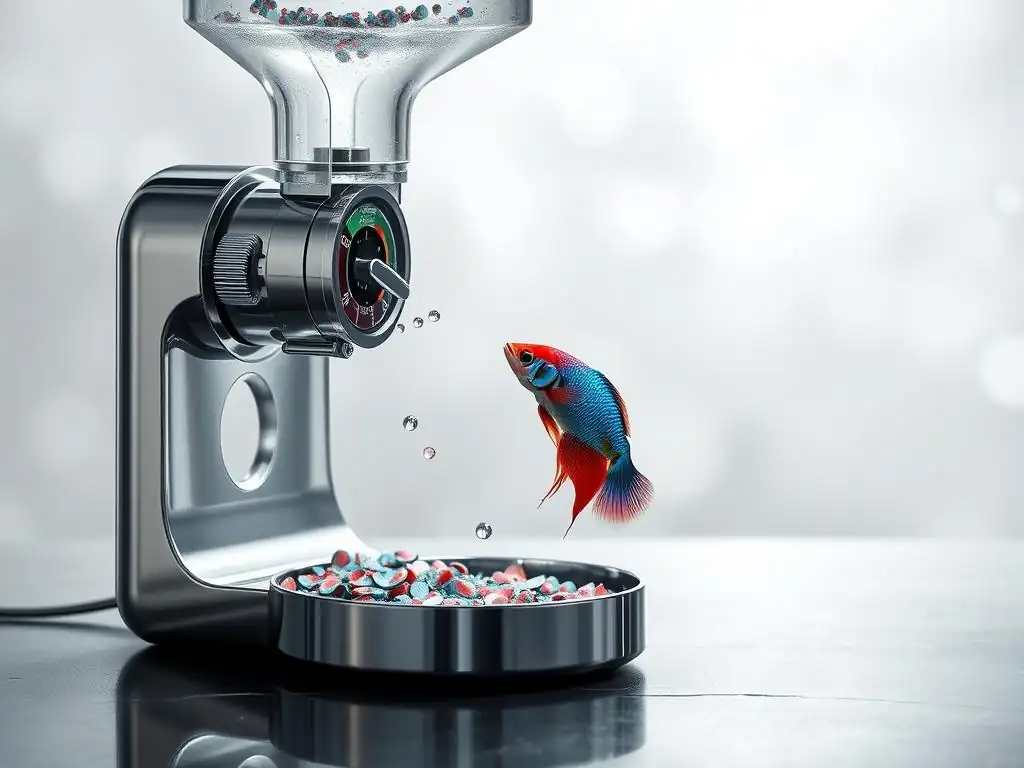
Consistent cleaning and maintenance are essential for ensuring the long-term reliability and hygienic operation of your automatic fish feeder. Over time, food particles, dust, and humidity can cause clumping within the reservoir and dispenser mechanism, leading to blockages and inconsistent feeding. A general guideline is to clean the feeder thoroughly at least once a month, or more frequently if you notice any signs of moisture or food buildup.
Before cleaning, always remove the feeder from the aquarium and, if battery-operated, remove the batteries. Disassemble any removable parts, such as the food drum or hopper, and wash them with warm water. Avoid using soap or detergents, as residues can be harmful to your fish. Use a small brush or cotton swab to clean the dispenser opening and any intricate parts where food might accumulate. Ensure all components are completely dry before reassembling and refilling with food. This routine maintenance prevents malfunctions and ensures your automatic fish feeders schedule remains uninterrupted and effective.
Troubleshooting Common Issues with Automatic Feeders
Even with proper maintenance, automatic fish feeders can occasionally encounter issues. Knowing how to troubleshoot common problems can save you from unexpected feeding interruptions. Most issues revolve around food dispensing or power supply.
Food Clogging and Dispensing Problems
Food clogging is one of the most frequent issues with automatic fish feeders, primarily caused by humidity affecting the stored food. When flakes or granules absorb moisture, they can clump together, preventing them from dispensing properly. To address this, first, ensure that the feeder's food compartment is completely dry before refilling. Consider using a feeder with an integrated fan or a moisture-proof design, or even placing a small desiccant pack (like those found in shoe boxes) inside the food reservoir, away from the dispensing mechanism.
Another common cause is using the wrong type of food for the feeder's design, such as very fine powders in a drum feeder or large pellets in a feeder with a small opening. Adjusting the dispenser's opening size, if possible, can help. If the feeder consistently jams, try switching to a slightly larger or more uniform food type. Regularly cleaning the dispensing chute with a small brush or toothpick can also prevent minor blockages from accumulating.
Battery Replacement and Power Issues
For battery-operated automatic fish feeders, power issues usually stem from depleted batteries or loose connections. Many modern feeders feature a low-battery indicator, which should prompt you to replace batteries proactively, typically every 3-6 months depending on usage. If the feeder suddenly stops working, check the battery compartment for corrosion or ensure the batteries are inserted with the correct polarity. Keep a fresh set of spare batteries readily available, especially if you rely on the feeder during vacations.
For AC-powered models, ensure the power adapter is securely plugged into both the feeder and a functional wall outlet. Test the outlet with another device to confirm it has power. In rare cases, a faulty adapter or internal wiring issue might require contacting the manufacturer for support. Regular checks of the power source are part of maintaining a reliable automatic fish feeders schedule.
Addressing Hygger and Eheim Feeder Specific Issues
While both Hygger and Eheim feeders are popular choices, they can have specific quirks. Hygger feeders, often praised for their large capacity and ease of use, can sometimes be inconsistent with very fine flakes or produce a slight motor noise during operation. If flakes are clumping, ensure the food chamber is not overfilled, allowing for better air circulation, or consider using slightly coarser granules. Users have also noted that ensuring the food is completely dry before loading can resolve most dispensing inconsistencies.
Eheim feeders, particularly the classic Everyday Feeder, are renowned for their robust reliability and precise drum mechanism. However, their programming interface might be simpler compared to more modern, app-controlled feeders, requiring manual adjustment of the portion size via a physical slider. Users should carefully calibrate this slider during setup, as a small adjustment can significantly change the dispensed amount. Occasional reports of the mounting clip breaking if mishandled also suggest careful installation and removal. Always consult the specific user manual for detailed troubleshooting steps for your model.
Optimizing Your Automatic Fish Feeder Schedule for Fish Health
Determining the Ideal Feeding Frequency and Amount
Optimizing your automatic fish feeders schedule is crucial for balancing fish nutrition with water quality. For most adult community fish, the ideal frequency is two to three small feedings per day. This approach mimics natural foraging patterns and prevents fish from gorging, which can lead to digestive issues and excess waste. For instance, a schedule of 8:00 AM and 6:00 PM often works well, aligning with peak activity periods for many species.
Regarding the amount, a general guideline is to dispense only what your fish can completely consume within 2-3 minutes. Start with a very small portion and observe. If there's uneaten food after this time, reduce the portion.
If fish are still actively searching for food after consuming the dispensed amount, slightly increase it. For example, for a 20-gallon tank with a dozen small tetras, this might translate to a single small rotation of a drum feeder or a 1-second dispense from a hopper feeder. This precise delivery, managed by your automatic fish feeders schedule, ensures optimal nutrient uptake without polluting the tank.
Adjusting the Schedule Based on Fish Species and Life Stage
The ideal automatic fish feeders schedule is not a one-size-fits-all solution; it must be tailored to the specific needs of your fish species and their life stage. Herbivorous fish, such as some African cichlids or plecos, may benefit from more frequent, smaller feedings of plant-based foods, as they graze continuously in nature. Conversely, carnivorous fish like bettas or larger cichlids might thrive on fewer, larger meals of protein-rich foods.
Furthermore, the life stage of your fish significantly impacts their nutritional demands. Fry and juvenile fish require more frequent feedings (e.g., three to five times daily) to support their rapid growth and development. An adult angelfish might thrive on two substantial feedings of flakes, while a school of neon tetras would benefit more from three smaller doses of micro-pellets throughout the day. Regularly observing your fish's behavior, growth rate, and overall health will guide you in fine-tuning the automatic fish feeders schedule for their specific requirements.
Monitoring Fish Behavior and Adjusting Accordingly
Continuous monitoring of your fish's behavior is the final, indispensable step in optimizing your automatic fish feeders schedule. Your fish are the best indicators of whether their feeding regimen is adequate. After a feeding, observe if all the food is consumed within the recommended 2-3 minutes. If food remains floating or settles on the substrate, it's a clear sign of overfeeding, necessitating a reduction in portion size.
Conversely, if your fish appear overly active, constantly scavenging the substrate for remnants, or if they seem thin and lack their usual vibrancy, they might be underfed. Look for signs of stress, such as clamped fins, faded colors, or unusual aggression, which can also be indicators of an insufficient diet or an unstable feeding routine. Adjust your automatic fish feeders schedule incrementally based on these observations, perhaps adding a small mid-day feeding or slightly increasing the dispensed amount, until your fish exhibit healthy growth, vibrant colors, and calm, natural behavior.
Best Practices for Automatic Fish Feeding in Different Aquarium Types
Automatic Feeders for Freshwater Aquariums
Automatic fish feeders are particularly well-suited for freshwater aquariums, which typically house community fish that thrive on consistent, small meals. The wide variety of flake, pellet, and granular foods available for freshwater species makes them highly compatible with most feeder designs. When setting up an automatic fish feeders schedule for a freshwater tank, focus on mimicking the natural grazing patterns of your specific fish, often two to three times daily.
A common consideration for freshwater setups, especially those with live plants, is ensuring that dispensed food does not settle and decompose in dense foliage, which can contribute to algae growth. Placing the feeder above an open area of the water or using a feeding ring can help ensure food is consumed quickly. For example, in a planted 40-gallon breeder tank with tetras and rasboras, a drum-style feeder set to dispense a small pinch of flakes twice a day can maintain excellent water quality and healthy fish.
Automatic Feeders for Saltwater Aquariums
While highly beneficial, using automatic fish feeders in saltwater aquariums presents a few unique considerations, primarily due to the specific food types and the corrosive nature of saltwater. Many marine fish thrive on larger, denser pellets or granular foods, which are well-suited for hopper-style feeders. However, some marine species also require specialized foods like freeze-dried krill or spirulina flakes, necessitating a feeder capable of handling these textures without clogging.
Moisture control is paramount in saltwater setups. The higher salinity and potential for salt creep around the feeder's opening can quickly lead to food clumping and dispenser blockages. Opt for feeders with excellent moisture-proofing features, such as integrated fans or desiccant compartments. While automatic feeders can't dispense frozen foods, they are excellent for dry marine foods, ensuring a consistent automatic fish feeders schedule for your reef or fish-only tank, contributing to stable nutrient levels and robust coral growth.
Automatic Feeders for Planted Aquariums: Considerations
Automatic fish feeders can be a great asset in planted aquariums, but specific considerations are necessary to prevent issues like algae blooms. The primary concern is ensuring that all dispensed food is consumed promptly and does not settle among dense plant growth, where it can decay and release excess nutrients. This decomposition can fuel undesirable algae growth, especially if the tank is already rich in fertilizers.
To mitigate this, use slow-sinking foods that reach the fish quickly before settling, and consider using a feeding ring or directing the feeder to a clear patch of water. Adjust your automatic fish feeders schedule to dispense very small portions that are entirely consumed within a minute or two. For instance, in a heavily planted 20-gallon long tank with a CO2 system, a precise feeder dispensing micro-pellets twice a day will ensure fish are fed without contributing to excessive organic waste in the substrate, maintaining the delicate balance required for healthy plant growth and clear water.
Advanced Tips for Managing Your Automatic Fish Feeder
Using Automatic Feeders in Conjunction with Other Aquarium Automation
Integrating your automatic fish feeder with other aquarium automation systems can create a highly efficient and stable environment for your fish. For instance, pairing the feeder with smart power strips or timers that control your aquarium lighting can ensure that feeding occurs during the fish's active periods, maximizing consumption and reducing waste. If your lighting simulates sunrise and sunset, you might program the automatic fish feeders schedule to dispense food shortly after the "sunrise" cycle begins, when fish are most active.
Furthermore, coordinating the feeder with an auto top-off (ATO) system can ensure consistent water levels, which in turn helps maintain stable salinity in saltwater tanks and prevents the feeder from being submerged if water levels drop significantly. This synergy between automated systems creates a more predictable and less stressful environment for your aquatic inhabitants, allowing you to manage your aquarium with greater ease and precision.
Integrating Feeders with Smart Aquarium Controllers
For the ultimate in aquarium automation, integrating your automatic fish feeder with a smart aquarium controller (such as an Apex or GHL Profilux system) offers unparalleled control and monitoring capabilities. These advanced controllers can often directly manage specific smart feeders or control the power supply to a standard feeder via a controlled power outlet. This allows for remote programming and adjustment of your automatic fish feeders schedule through a smartphone app, even when you're away from home.
Beyond simple scheduling, smart controllers can provide detailed data logging of feeding events, allowing you to track consistency over time. More advanced setups can even be programmed to pause feeding if certain water parameters, like ammonia or nitrates, spike unexpectedly, providing an additional layer of protection for your fish. For example, if a pH sensor detects a sudden drop, the controller could temporarily suspend feeding to prevent further stress until the issue is resolved, showcasing the power of a fully integrated system.
Setting Up a Backup Feeding System for Emergencies
While automatic fish feeders are highly reliable, it's prudent to have a backup feeding system in place for emergencies, especially if you plan extended absences. Power outages, battery failures, or rare mechanical malfunctions can interrupt your automatic fish feeders schedule, leaving your fish without food. A simple, battery-operated feeder can serve as an excellent fail-safe, set up with a minimal feeding schedule as a last resort.
Alternatively, having a trusted friend or neighbor who is familiar with your aquarium and knows how to manually feed your fish in an emergency is invaluable. Provide clear, concise instructions on how much and when to feed, emphasizing not to overfeed. Before any long trip, it is advisable to test your primary automatic feeder for at least a week to ensure its consistent operation. Proactively preparing for potential disruptions ensures that your fish remain fed and healthy, regardless of unforeseen circumstances.
The Future of Automatic Fish Feeding Technology
Emerging Trends in Automatic Fish Feeder Design
The landscape of automatic fish feeder design is continuously evolving, driven by advancements in technology and a growing demand for greater convenience and precision. Emerging trends point towards more compact, aesthetically pleasing designs that seamlessly blend with modern aquarium setups, moving away from bulky, obtrusive units. Manufacturers are also focusing on enhanced moisture-proofing and anti-clogging mechanisms, often incorporating active ventilation systems or improved seal designs to keep food dry and ensure uninterrupted dispensing.
Furthermore, there's a push towards quieter operation, with improved motor designs that minimize noise during feeding times, reducing potential stress on sensitive fish. Innovations like modular food compartments, which allow for the simultaneous dispensing of different food types or varied portions, are also gaining traction. These design improvements aim to make feeders more reliable, user-friendly, and effective in maintaining a precise automatic fish feeders schedule.
Smart Features and Connectivity in Modern Feeders
The integration of smart features and connectivity is revolutionizing modern automatic fish feeders, offering aquarists unprecedented control and monitoring capabilities. Wi-Fi and Bluetooth connectivity are becoming standard, allowing users to program, adjust, and monitor their automatic fish feeders schedule remotely via smartphone apps. This means you can feed your fish from anywhere in the world, check if a feeding occurred, or even manually dispense an extra portion with a tap of your finger.
Beyond basic remote control, some advanced feeders are exploring integration with voice assistants like Amazon Alexa or Google Home, enabling hands-free feeding commands. The future may also see feeders incorporating basic AI-powered features, potentially adjusting feeding amounts based on observed fish activity or growth patterns, though these are still largely conceptual for consumer models. The shift towards smart, connected devices empowers aquarists with greater flexibility and peace of mind regarding their aquarium's automatic fish feeders schedule.
Potential Future Developments in Automated Fish Species Specific Feeding
The frontier of automatic fish feeding technology hints at highly sophisticated, species-specific feeding solutions. Imagine a feeder equipped with advanced optical sensors or even rudimentary AI that can identify individual fish species within a tank. This technology could then dispense precise amounts of specialized food tailored to the dietary needs of each species present, ensuring optimal nutrition for every inhabitant. For instance, it could release plant-based wafers for herbivorous plecos while simultaneously dispensing protein-rich pellets for carnivorous cichlids, all within the same feeding cycle.
Further developments could include feeders that integrate directly with real-time water quality monitoring systems. If ammonia levels unexpectedly rise above a critical threshold (e.g., 0.25 ppm), the feeder could automatically pause the automatic fish feeders schedule until parameters stabilize, preventing further pollution and stress. Additionally, sensors might monitor fish growth rates, automatically adjusting the dispensed food quantity to match the increasing caloric demands of growing fish, thus taking the guesswork out of nutrient management and truly optimizing fish health.
Frequently Asked Questions
How can an automatic fish feeder help me maintain a consistent feeding schedule?
Automatic fish feeders allow you to pre-program feeding times and amounts, ensuring your fish receive food at regular intervals. This consistency is crucial for optimal fish health and reduces stress.
What factors should I consider when choosing an automatic fish feeder?
Consider the size of your aquarium, the type of food your fish eat (flakes, pellets, etc.), and the feeder's capacity. Also, look for features like moisture protection and adjustable portion sizes.
How do I set up an automatic fish feeder for the first time?
Follow the manufacturer's instructions carefully. Typically, you'll need to fill the feeder with food, set the feeding schedule, and calibrate the portion sizes. Monitor your fish closely after the first few feedings.
How often should I refill my automatic fish feeder?
The refill frequency depends on the size of the feeder and the amount of food dispensed per feeding. Check the feeder regularly and refill it before it runs completely empty to maintain your feeding schedule.
What are some common problems with automatic fish feeders, and how can I troubleshoot them?
Common issues include food clumping due to humidity, inaccurate dispensing, and feeder malfunctions. Keep the feeder dry, clean it regularly, and check the batteries if applicable.
Final Reflection: The Rhythm of Responsible Fishkeeping
The insights shared throughout this article highlight the profound impact of consistent feeding schedules on the well-being of aquatic life and the peace of mind of their keepers. In today's fast-paced world, where demands on our time are ever-increasing, the ability to automate this crucial aspect of fish care is not just a convenience, but a responsible step towards ensuring the health and longevity of our finned companions.
The adoption of automatic fish feeders reflects a broader trend towards mindful pet ownership, where technology empowers us to provide better care. This shift towards proactive and data-driven approaches to animal husbandry is deeply encouraging, as it underscores a growing respect for the delicate ecosystems we create within our homes. The greatness of a nation and its moral progress can be judged by the way its animals are treated.
- Mahatma Gandhi. This quote, while broad, resonates deeply with the responsibility we undertake when caring for any living creature, including our aquatic friends.
As you consider the information presented, I invite you to reflect on your own approach to fishkeeping. Are you providing the consistent, reliable care your fish deserve? Perhaps this is the moment to explore the possibilities offered by automatic fish feeders, not just for your convenience, but as a tangible expression of your commitment to their health and happiness. Embrace the opportunity to create a more harmonious and thriving aquatic environment, one consistent feeding schedule at a time.
Unlock a Thriving Aquarium Today!
Thanks for diving into the world of automatic fish feeders! We hope this article equipped you with the knowledge to simplify your aquarium care routine and boost your fish's health. Now, it's time to take action and see the benefits firsthand.
Here are a few things you can do next:
- Invest in an automatic fish feeder tailored to your aquarium's needs. Consider factors like tank size, fish species, and feeding schedule for optimal performance.
- Share this article with fellow aquarium enthusiasts! Help them discover the convenience and benefits of automatic feeders.
- Experiment with different feeding schedules and observe your fish's behavior. Document your findings to fine-tune your automatic feeder settings for maximum health and happiness.
What specific feeding schedule are you planning to implement with your new automatic fish feeder, and how do you think it will impact your aquarium ecosystem?