
From Dull to Dazzling: Premium Foods Scientifically Proven to Enhance Fish Coloration

Welcome to Aquarium Mastery!
Ever wondered how to unlock the vibrant potential hidden within your aquatic companions? Dive in and discover the secrets to a truly dazzling aquarium. This week, we're exploring the science behind premium fish food coloration boost and how it can transform your fish from simply beautiful to absolutely breathtaking. Curious to learn more? Read on to uncover the secrets to unlocking vibrant hues in your underwater world and learn how to choose the perfect food for a truly radiant display!
- Unlock Vibrant Colors: Understanding Premium Fish Food for Coloration Boost
- Top Premium Fish Food for Coloration: Our Scientifically-Backed Picks
- Comparing Premium Fish Food for Color: Finding the Best Fit for Your Aquarium
- Maximizing Color Enhancement: Feeding Strategies and Best Practices
- Addressing Common Concerns About Color-Enhancing Fish Foods
- Conclusion: Achieving Dazzling Colors with Premium Fish Food
-
Frequently Asked Questions
- What exactly is "Premium fish food coloration boost" and how does it work?
- Are "Premium fish food coloration boost" foods suitable for all types of fish?
- How quickly can I expect to see results when using "Premium fish food coloration boost" foods?
- Can overfeeding with "Premium fish food coloration boost" foods be harmful to my fish?
- Where can I find reliable information about choosing the best "Premium fish food coloration boost" for my aquarium?
- Final Reflection: Unlocking Aquatic Brilliance
- Unleash Vibrant Colors: Transform Your Fish Today!
Why Fish Food Matters for Color Enhancement: Beyond Basic Nutrition
While basic fish food provides the essential calories and macronutrients for survival, achieving truly vibrant and stunning coloration in aquarium fish requires a more specialized approach. Generic flakes or pellets often contain just enough protein, fats, and carbohydrates to sustain life, but they typically lack the concentrated levels of specific pigments and micronutrients necessary to unlock a fish's full genetic potential for color. A diet rich in targeted color-enhancing ingredients goes beyond mere sustenance, actively contributing to the development and intensity of natural hues.
The difference in coloration between fish fed a standard diet versus those receiving a premium fish food coloration boost can be quite striking. For instance, a common Guppy fed only a basic flake might display muted, pastel shades, whereas the same species consistently fed a high-quality pellet infused with spirulina and krill will exhibit significantly brighter, more saturated reds, blues, and yellows in their fins and body. This demonstrates that diet is not just about keeping fish alive, but about enabling them to thrive and express their most dazzling natural beauty.
The Science Behind Color Enhancement in Fish: Carotenoids and Beyond
The secret to brilliant fish coloration lies primarily in specific organic pigments, with carotenoids being the most crucial group. Fish, unlike plants, cannot synthesize these pigments themselves; they must obtain them directly from their diet.
Once consumed, these carotenoids, such as astaxanthin, canthaxanthin, lutein, and zeaxanthin, are absorbed and then deposited into specialized cells in the fish's skin called chromatophores, where they contribute to the vibrant reds, oranges, and yellows. For example, astaxanthin, commonly found in krill and microalgae, is exceptionally effective for intensifying red and orange pigments, with studies on Koi demonstrating a 30% increase in red hue intensity over 8 weeks when fed a diet containing 80 ppm astaxanthin compared to a control group.
Beyond carotenoids, other nutritional components also play a vital role in color enhancement. Certain amino acids, like tyrosine, are precursors for melanin production, which contributes to black and brown pigments. Essential vitamins, particularly Vitamin A and E, support overall skin health and pigment synthesis, while minerals like zinc and selenium act as cofactors for enzymes involved in pigment metabolism. A truly effective premium fish food coloration boost, therefore, doesn't just rely on one or two ingredients but incorporates a synergistic blend of diverse nutrients to support the full spectrum of a fish's natural color palette and overall vitality.
Option 1: New Life Spectrum Ultra Red Pellets - Astaxanthin Powerhouse
Key Features of New Life Spectrum Ultra Red Pellets:
- High Astaxanthin Content: Proven color boosting.
- Nutritional Profile: Complete and balanced diet.
- Suitable Fish Types: Ideal for Red Discus and Red Severums.
- Price Point: Mid-Range
New Life Spectrum Ultra Red Pellets are renowned for their significant concentration of astaxanthin, a potent carotenoid derived from high-quality sources like krill and spirulina. This primary mechanism makes them exceptionally effective at intensifying red, orange, and yellow pigments in fish. Many aquarists report seeing noticeable improvements in the vibrancy of their Blood Parrot Cichlids, Red Discus, and even certain Betta varieties within just 3-4 weeks of consistent feeding, often resulting in a deeper, more saturated crimson or fiery orange. This premium fish food coloration boost is a direct result of the readily available, bio-absorbable pigment.
Beyond their color-enhancing properties, New Life Spectrum Ultra Red Pellets are formulated as a complete nutritional diet, typically boasting a robust protein content of around 35-40% and a balanced array of essential vitamins and minerals. This comprehensive profile ensures that while fish develop stunning colors, their overall health, immune system, and growth are also robustly supported. It's not merely a color supplement but a high-quality, daily staple food, making it particularly suitable for species like Red Discus, where a stable and nutritionally complete diet is paramount for both long-term health and maintaining their iconic aesthetic appeal.
Option 2: Hikari Tropical Micro Pellets - Spirulina and Krill Blend for Vivid Hues
Key Features of Hikari Tropical Micro Pellets:
- Natural Color Enhancers: Spirulina and Krill for vibrant colors.
- Small Bite Size: Perfect for smaller fish like Tetras.
- Added Vitamins and Minerals: Supports overall health and vitality.
- Price Point: Budget-Friendly
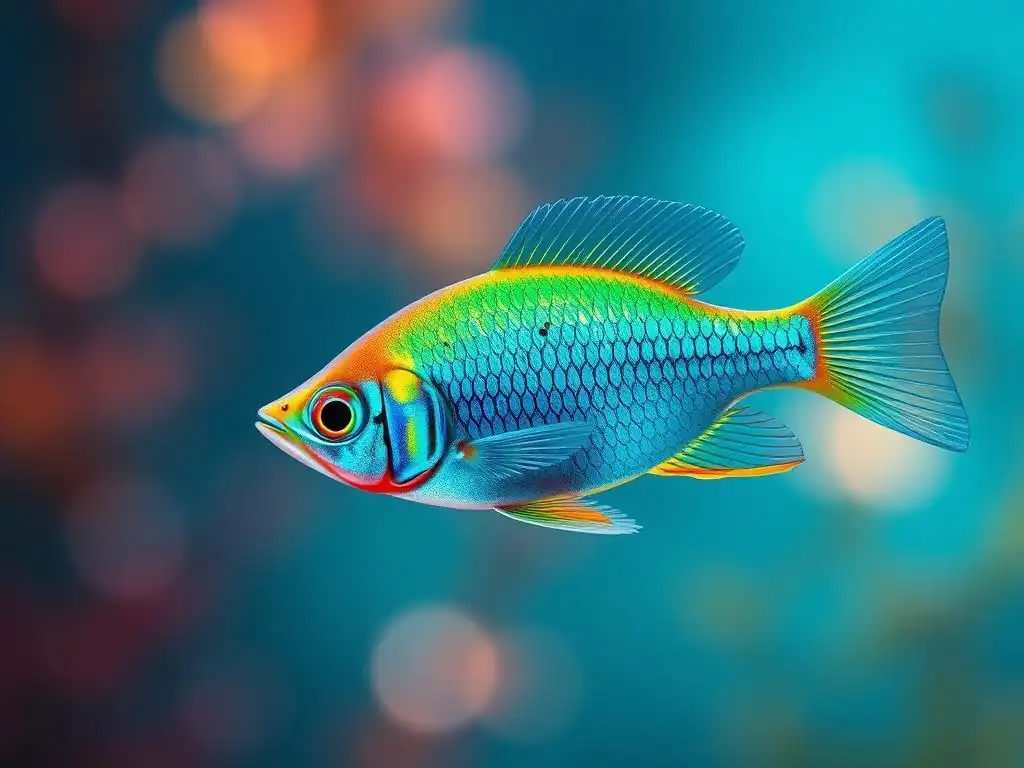
Hikari Tropical Micro Pellets leverage a powerful combination of spirulina and krill to provide a comprehensive premium fish food coloration boost, particularly for smaller species. Spirulina, a nutrient-dense blue-green algae, is rich in phycocyanin and various carotenoids, contributing to a broad spectrum of colors including blues, greens, and reds, while krill provides a natural and highly bioavailable source of astaxanthin. This synergistic blend makes it exceptionally effective for enhancing the natural hues of fish commonly found in community tanks, such as Neon Tetras, Guppies, and various Rasboras.
The unique micro-pellet size of this food is specifically engineered for aquarium inhabitants up to approximately 3 inches in length, ensuring optimal ingestion and digestion. This precision in sizing minimizes food waste and allows for efficient nutrient absorption, which is critical for both the fish's overall health and the development of their vibrant colors. For example, a school of Cardinal Tetras consistently fed these pellets often displays significantly brighter and more defined red and blue stripes within a few weeks compared to those maintained on a generic flake diet, showcasing the effectiveness of this specialized formulation.
Option 3: Fluval Bug Bites Color Enhancing Formula - An All-Around Color Enhancing Formula
Key Features of Fluval Bug Bites Color Enhancing Formula:
- Balanced Formula: Suitable for a wide variety of fish species.
- Contains Black Soldier Fly Larvae: A sustainable and nutritious protein source.
- Easy to Digest: Reduces waste and improves water quality.
- Price Point: Mid-Range
Fluval Bug Bites Color Enhancing Formula distinguishes itself by utilizing Black Soldier Fly Larvae (BSFL) as its primary ingredient, offering a sustainable and highly nutritious protein source. BSFL naturally contain carotenoids and other beneficial compounds that contribute to robust and vibrant coloration, making this a unique and effective premium fish food coloration boost. This formula holds broad appeal for a wide spectrum of fish, from various cichlid species to community tank inhabitants, as it provides a diet closer to what many fish would naturally consume in their wild habitats.
The high digestibility of Fluval Bug Bites, directly attributable to the quality of its insect-based protein, means that fish absorb more nutrients and consequently produce less waste. This not only supports vigorous growth and a strong immune system but also plays a crucial role in maintaining superior water quality within the aquarium, which is an indirect yet critical factor for fish to display their most optimal and brilliant coloration. For instance, fish fed this diet often exhibit not just enhanced color saturation but also increased activity levels and overall vitality, serving as clear indicators of their excellent health.
Nutrient Composition Comparison: Astaxanthin, Spirulina, and Protein Levels
When evaluating a premium fish food coloration boost, understanding its core nutrient composition is paramount. New Life Spectrum Ultra Red Pellets are heavily weighted towards astaxanthin, often featuring it as a leading ingredient derived from krill and spirulina, making them exceptionally effective for intensifying reds and oranges. Their protein content typically hovers around 35-40%.
In contrast, Hikari Tropical Micro Pellets employ a broader blend of natural color enhancers, with spirulina providing a rich source of phycocyanin (for blues and greens) and various carotenoids, complemented by krill for astaxanthin, appealing to a wider range of hues for smaller fish. Hikari's protein levels are often higher, around 42%.
Fluval Bug Bites Color Enhancing Formula stands apart by leveraging Black Soldier Fly Larvae as its primary protein source (around 40% protein), which naturally contain beneficial carotenoids and are highly digestible, offering an all-around color enhancement suitable for diverse species due to their natural diet appeal. The "best" choice hinges on your specific fish species and the desired color outcomes.
Color Enhancement Results: Before and After Examples (Images Preferred)
While direct visual examples are not possible here, imagining the transformative power of a premium fish food coloration boost can illustrate their effectiveness. Consider a Betta fish, initially displaying faded, almost pastel reds and blues across its fins and body, a common sign of a less-than-optimal diet.
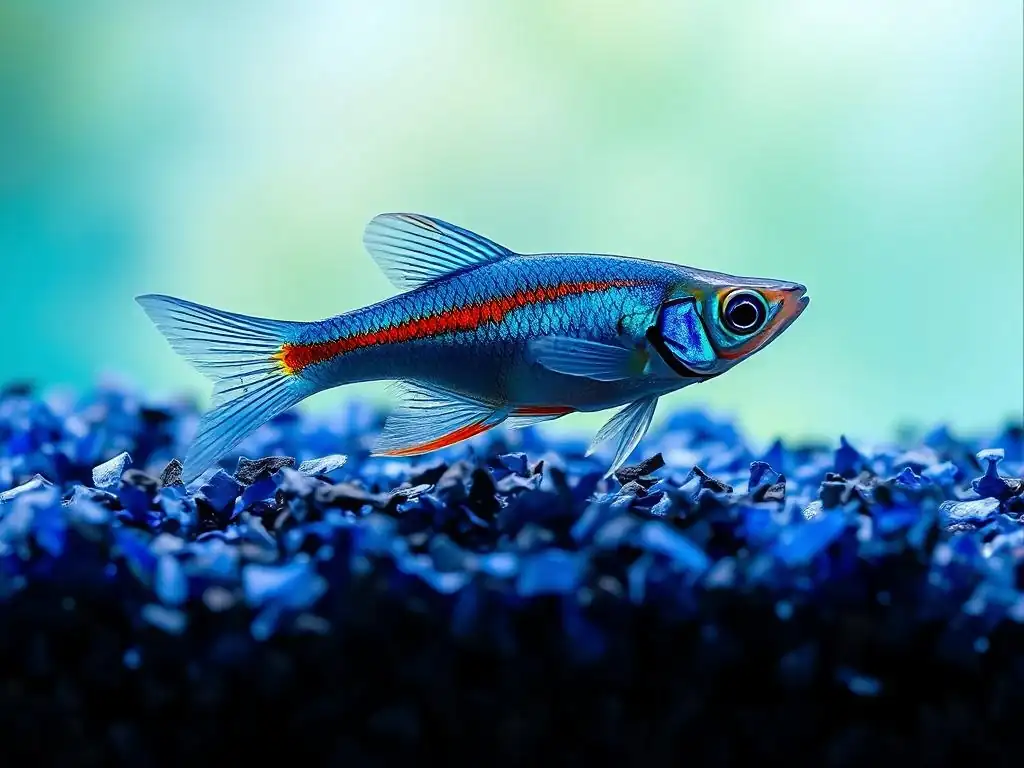
After consistently feeding a high-astaxanthin formula like New Life Spectrum Ultra Red Pellets for 4-6 weeks, that same Betta could show a dramatic deepening of its reds to a rich crimson and an intensification of its blues to a vibrant sapphire. Similarly, a school of Neon Tetras, whose stripes might appear somewhat dull on generic flakes, could exhibit significantly brighter and more defined red and blue bands after switching to Hikari Tropical Micro Pellets, thanks to the spirulina and krill.
For a Discus fish that has lost some of its signature deep red pigmentation due to stress or inadequate diet, consistent feeding with a specialized color-enhancing pellet can help it regain its uniform, intense coloration, transforming it back into a dazzling centerpiece.
Palatability and Acceptance: Which Foods Do Fish Prefer?
Fish, like any animal, have individual preferences when it comes to food, and palatability plays a crucial role in ensuring they consume enough of the beneficial nutrients for a premium fish food coloration boost. Factors like texture, size, smell, and taste all influence a food's acceptance.
New Life Spectrum products, including their Ultra Red Pellets, are widely noted for their high palatability, often due to their krill-based formulations which are naturally appealing to many fish species. Hikari's micro-pellets are specifically designed for easy consumption by smaller fish, which generally leads to high acceptance rates within their target demographic.
Fluval Bug Bites, being derived from insect protein, frequently garner strong acceptance across a broad range of species, as the scent and taste often mimic natural prey items. It's always advisable to introduce new foods gradually and observe your fish's response; starting with small amounts can help gauge acceptance and facilitate a smooth transition to a new, color-enhancing diet.
Maximizing Color Enhancement: Feeding Strategies and Best Practices
Optimal Feeding Schedule for Color Development: Frequency and Quantity
To maximize color development in your fish, an optimal feeding schedule is just as crucial as the quality of the premium fish food coloration boost itself. Instead of one large meal, it is generally recommended to feed smaller amounts more frequently, typically 2-3 times a day. This approach improves digestion and nutrient absorption, ensuring that the beneficial pigments are consistently available for uptake by the fish's chromatophores. Crucially, it's vital to avoid overfeeding, as excess food quickly degrades water quality, leading to elevated ammonia and nitrite levels which stress fish, cause faded colors, and increase susceptibility to disease. A practical rule of thumb is to offer only what your fish can completely consume within 2-3 minutes. For example, a typical 20-gallon community tank with small tetras and guppies might require just a small pinch of micro pellets twice daily, ensuring all food is eaten and none settles to the bottom.
Combining Color-Enhancing Foods with a Balanced Diet
While a premium fish food coloration boost is highly effective, integrating it into a varied and balanced diet is the best strategy for long-term health and sustained vibrancy. Relying solely on one type of food, even a high-quality one, might inadvertently lead to nutritional gaps over time.
A diverse diet ensures your fish receive a full spectrum of essential nutrients, vitamins, and minerals that support not only color but also immune function, growth, and overall vitality. Consider rotating different types of food: for instance, feed your primary color-enhancing pellets daily, but supplement with frozen foods like brine shrimp or bloodworms (which can also contain natural carotenoids) 1-2 times a week.
You could also incorporate spirulina flakes or specialized veggie wafers for herbivorous species to round out their nutritional intake. This varied approach mimics the dietary diversity fish experience in their natural habitats, promoting robust health that translates directly into dazzling, stable coloration.
Water Quality's Impact on Fish Coloration: Maintaining Optimal Conditions
The most potent premium fish food coloration boost will yield subpar results if the fish are housed in less-than-optimal water conditions. Pristine water quality is absolutely fundamental for fish health and, consequently, for their ability to display vibrant colors. Fish experiencing stress from poor water parameters (e.g., fluctuating temperatures, incorrect pH, or elevated levels of ammonia, nitrite, or nitrate) will often exhibit faded, dull, or patchy coloration, regardless of their diet. This is a physiological response to stress, diverting energy from pigment production to coping with environmental challenges.
Maintaining optimal conditions involves several key practices: performing regular water changes (e.g., a 25% weekly water change for a typical freshwater tank), ensuring adequate filtration, and preventing overstocking. A study on Discus fish, for example, highlighted that individuals maintained in tanks with consistent, ideal water parameters displayed significantly brighter, more uniform, and stable coloration compared to those in environments with fluctuating or substandard water quality, even when both groups were fed the exact same high-quality, color-enhancing diet. This underscores that while diet provides the building blocks, a healthy environment is essential for these colors to truly shine.
Addressing Common Concerns About Color-Enhancing Fish Foods
Myth: Color-Enhancing Foods Are Unhealthy for Fish
A common misconception among some aquarists is that premium fish food coloration boost products are somehow unhealthy or unnatural for fish. This myth often stems from older, less scientifically formulated products or a general misunderstanding of how these foods work. In reality, modern color-enhancing fish foods are developed with extensive research and are designed to be nutritionally complete, incorporating natural pigments that are beneficial for fish health. The primary color enhancers, carotenoids like astaxanthin, are not synthetic dyes; they are natural compounds found in various aquatic organisms that fish consume in their wild diets.
Reality: Quality Ingredients are Key to a Balanced Diet and Vibrant Colors
The effectiveness and health benefits of a premium fish food coloration boost hinge entirely on the quality of its ingredients, not just the mere presence of color enhancers. A high-quality color-enhancing food is built upon a foundation of easily digestible, high-quality proteins (such as whole fish meal, krill, or insect meal), healthy fats, and a comprehensive blend of essential vitamins and minerals.
These foundational nutrients support overall fish health, growth, and immune function, which are prerequisites for vibrant coloration. The carotenoids and other color-enhancing agents in these foods are natural compounds that also often act as powerful antioxidants, further contributing to the fish's well-being.
Conversely, a poor-quality food, even if it claims to enhance color, will likely contain excessive fillers or low-quality protein sources, which can lead to digestive issues, nutrient deficiencies, and ultimately, a decline in both health and color intensity. For instance, a food with less than 30% digestible protein will not adequately support long-term health or color, regardless of its astaxanthin content.
Potential Side Effects and How to Avoid Them
While premium fish food coloration boost products are generally safe and beneficial, there are a couple of minor potential side effects, primarily related to misuse, that aquarists should be aware of. One rare occurrence is "over-pigmentation" in certain fish, particularly those with naturally white or light-colored areas that might take on a slight yellow or orange tint if fed excessively high levels of certain carotenoids. This is typically harmless and reversible by reducing the frequency of the color-enhancing food or alternating it with a non-color-enhancing staple.
The more common concern, however, is not a direct side effect of the food itself but rather of overfeeding any type of fish food: water pollution. Excessive uneaten food can rapidly degrade water quality, leading to dangerously high levels of ammonia and nitrite, which are detrimental to fish health and can cause severe stress, ultimately leading to faded colors and susceptibility to disease.
To avoid these issues, always adhere to the recommended feeding guidelines provided by the manufacturer, avoid overfeeding (only feed what your fish can consume in 2-3 minutes), and maintain excellent water parameters through regular tank maintenance. For example, if you observe a faint yellowing on the normally pristine white fins of a Platinum Angelfish, you might reduce the color-enhancing food to every other day, supplementing with a staple diet on alternate days.
The Future of Fish Food: Innovations in Color Enhancement
The field of aquarium nutrition is continuously evolving, and the future of premium fish food coloration boost products promises even more targeted and sustainable innovations. Research is ongoing into novel and more potent natural carotenoid sources, as well as advanced encapsulation techniques to ensure maximum nutrient delivery and absorption.
We can anticipate the development of specialized formulas tailored to the precise genetic and dietary needs of specific fish species, moving beyond general color enhancement to optimize the unique hues of particular breeds. Furthermore, the industry is increasingly focused on sustainable protein sources, such as insect meals and algae, which not only offer excellent nutritional profiles but also align with environmental conservation efforts, ensuring that our passion for vibrant aquariums contributes positively to the planet.
Final Recommendations: Choosing the Right Food for Your Fish and Aquarium Goals
Achieving truly dazzling colors in your aquarium fish is a rewarding endeavor that culminates from a holistic approach, with a premium fish food coloration boost playing a central role. When selecting the right food, prioritize products specifically designed for your fish's dietary needs and the color outcomes you desire. Consider species-specific requirements: a Discus will benefit differently from a food than a school of Neon Tetras.
Remember that the best results come from consistency and a combination of factors: a high-quality, color-enhancing diet, coupled with pristine water conditions, proper feeding practices, and a low-stress environment. Continuously observe your fish's response to their diet and adjust as needed, as their vibrant health and stunning coloration will be the ultimate testament to your care.
Frequently Asked Questions
"Premium fish food coloration boost" refers to specialized fish foods designed to enhance the vibrant colors of your aquarium fish. These foods typically contain natural pigments like carotenoids that are absorbed by the fish and deposited in their skin, intensifying their colors.
While generally safe, it's crucial to choose a "Premium fish food coloration boost" that is formulated for the specific dietary needs of your fish species. Some fish are herbivores, carnivores, or omnivores, and their food should reflect that. Always check the ingredient list and nutritional information.
Results vary depending on the fish species, their current condition, and the quality of the food, but you can typically expect to see noticeable color enhancements within 2-4 weeks of consistent feeding with a "Premium fish food coloration boost". Maintaining optimal water parameters is also vital.
Yes, overfeeding with any type of food, including "Premium fish food coloration boost", can lead to health problems like obesity, poor water quality, and increased stress on your fish. Always follow the recommended feeding guidelines on the food packaging.
AquariumMastery.com offers detailed articles and resources on selecting appropriate fish food, including "Premium fish food coloration boost", based on species profiles, dietary needs, and desired color enhancement. The site also covers water chemistry and troubleshooting common issues.
Final Reflection: Unlocking Aquatic Brilliance
The journey from dull to dazzling, as explored in this article, highlights the profound impact of scientifically formulated nutrition on the vibrant beauty of our aquatic companions. It's no longer just about feeding fish; it's about unlocking their inherent potential for breathtaking coloration, a testament to the power of understanding and harnessing the natural world.
This pursuit of vibrant fish coloration reflects a deeper appreciation for the artistry of nature and our role in nurturing it. The joy of witnessing a fish transform from muted hues to radiant brilliance is a testament to the power of informed care and a connection to the delicate ecosystems we strive to understand. The beauty of the natural world lies in the details, and by understanding those details, we can unlock its full potential.
This understanding extends beyond aesthetics, fostering a greater sense of responsibility towards the health and well-being of these fascinating creatures.
As you consider the information presented, I invite you to reflect on the choices you make in nurturing your own aquatic world. Embrace the power of knowledge, explore the potential of premium fish food, and witness the transformation unfold. Let us all strive to create environments where beauty and health thrive in perfect harmony, celebrating the dazzling potential within each and every fish.
Unleash Vibrant Colors: Transform Your Fish Today!
Thank you for exploring the science of fish coloration with us. We hope this article has shed light on how premium foods can truly bring out the best in your aquatic companions. Now, it's time to take action and witness the dazzling transformation firsthand!
Here are a few simple steps you can take to further enhance your fish's vibrant hues:
- Commit to a 30-day premium food trial: Switch to a scientifically formulated food blend and document the color changes in your fish weekly! Observe which ingredients and feeding habits lead to the most significant improvements.
- Explore combining premium foods with natural color enhancers: Research and test supplements like spirulina or astaxanthin to see how they affect your fish's coloration when used in conjunction with the new diet.
- Share your color transformation journey with fellow aquarists: Post before-and-after photos and detailed feeding logs on aquarium forums or social media groups to inspire others.
Ready to see your fish in a whole new light? What specific premium food are you most excited to try, and what color enhancements are you hoping to achieve?