
From Fry to Adult: A StepbyStep Guide to Feeding Baby Fish Successfully

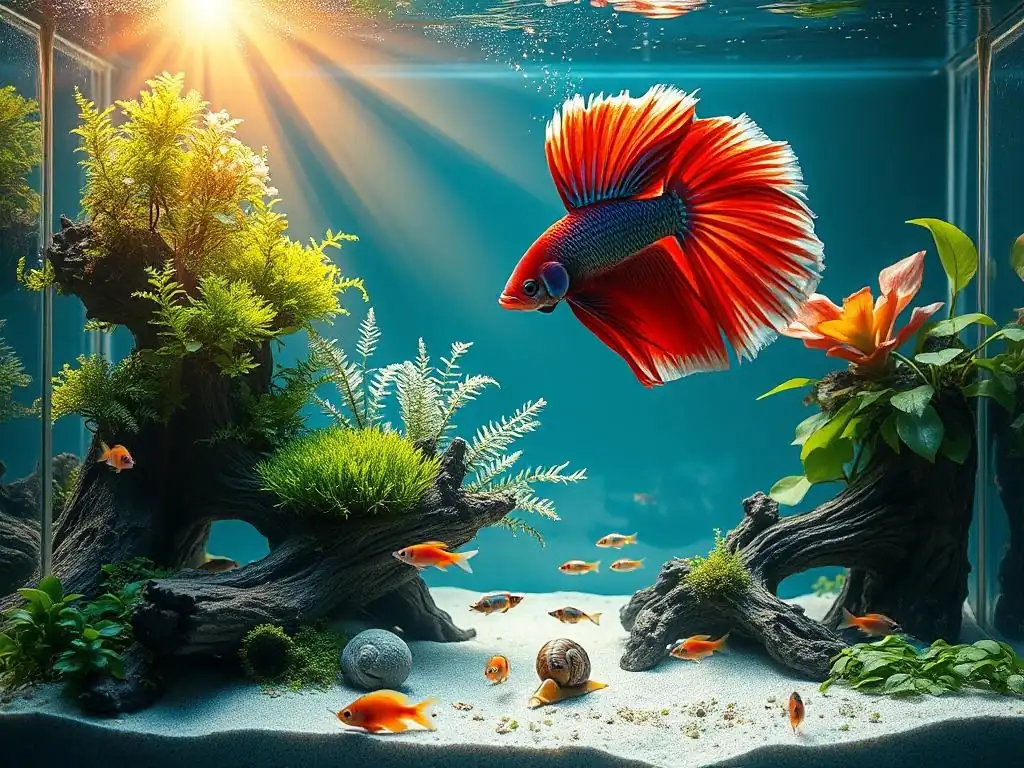
Welcome to Aquarium Mastery! Ever wondered how to ensure your tiny fry get the perfect start in life? Unlock the secrets to rapid growth and vibrant health with our comprehensive guide to feeding baby fish growth successfully. Discover the essential nutrients, feeding schedules, and proven techniques that will transform your delicate fry into thriving adults. Ready to nurture the next generation of your aquatic family? Let's dive in!
- Understanding the Nutritional Needs of Fish Fry for Optimal Growth
- Step-by-Step Guide to Feeding Fish Fry for Growth and Survival
- Advanced Fry Feeding Techniques for Enhanced Growth
- Common Mistakes to Avoid When Feeding Baby Fish
- Ensuring the Long-Term Health of Your Fish: From Fry to Adult
- Frequently Asked Questions
- Final Reflection: Nurturing Life, Fostering Growth
- Nurture Your Tiny Swimmers: Witness Their Amazing Growth!
Understanding the Nutritional Needs of Fish Fry for Optimal Growth
Why Fry Feeding Differs from Adult Fish Feeding
Fry are miniature versions of adult fish, but their physiological needs are significantly different, especially concerning nutrition. Unlike adult fish that often have developed digestive systems capable of processing a wider variety of foods, fry possess delicate, underdeveloped digestive tracts. Their tiny mouths also necessitate much smaller food particles, often microscopic, which are entirely unsuitable for adult diets.
For instance, a common guppy fry (Poecilia reticulata) measures only about 2-3 mm at birth and requires food particles less than 50 microns in size, whereas an adult guppy readily consumes flakes or pellets up to several millimeters. This fundamental difference means that a diet optimized for adult fish will not support adequate feeding baby fish growth.
Furthermore, the metabolic rate of fish fry is exceptionally high due to their rapid growth and development. A study on zebrafish (Danio rerio) fry indicated that their metabolic rate per unit of body mass can be up to 10 times higher than that of adult zebrafish during their initial weeks of life. This intense metabolic activity demands a constant and readily available supply of energy and nutrients.
Consequently, fry require much more frequent feedings, sometimes every 2-3 hours, compared to adult fish which might only need feeding once or twice daily. This constant demand for energy is crucial for the rapid cellular division and tissue formation that defines early life stages, directly impacting the overall feeding baby fish growth trajectory.
Essential Nutrients for Healthy Fry Development: A Detailed Look
The foundation of successful feeding baby fish growth lies in providing a diet rich in essential nutrients. Proteins are paramount, serving as the building blocks for rapid tissue development, muscle formation, and enzyme synthesis. High-quality protein sources, typically comprising 45-60% of fry diets, are crucial. For example, newly hatched brine shrimp nauplii (Artemia salina) are a popular live food for many fry species, boasting a protein content of approximately 55-60% on a dry weight basis, along with a beneficial amino acid profile. Without adequate protein, fry development can be stunted, leading to deformities or reduced survival rates.
Lipids (fats) are another critical component, providing concentrated energy for the fry's high metabolic demands and supporting the absorption of fat-soluble vitamins. Essential fatty acids, such as DHA (docosahexaenoic acid) and EPA (eicosapentaenoic acid), are vital for neurological development, vision, and overall immune function. These are often found in live foods like rotifers (Brachionus plicatilis), which can contain up to 20% lipids, or in specialized fry foods enriched with marine oils.
Carbohydrates, while less critical than proteins and lipids, still contribute to energy reserves, typically making up 10-20% of the diet. Vitamins (e.g., Vitamin C for immune health, B vitamins for metabolism) and minerals (e.g., calcium for bone development, phosphorus for energy transfer) are required in smaller amounts but are indispensable for various physiological processes, ensuring robust feeding baby fish growth.
The Importance of Feeding Frequency for Baby Fish
The rapid metabolism and undeveloped digestive systems of fish fry necessitate a feeding regimen that prioritizes frequency over quantity per feeding. Unlike adult fish that can store food in larger stomachs and intestines, fry have very small digestive tracts that process food quickly. If food is not consistently available, their rapid energy expenditure can quickly deplete reserves, leading to starvation, stunted growth, or even mortality.
For many species, such as livebearers like mollies or swordtails, feeding every 2-4 hours during daylight hours is recommended, especially in their first few weeks. This continuous supply of nutrients ensures that their high metabolic demands are met, supporting optimal feeding baby fish growth without interruption.
Neglecting frequent feedings can lead to significant setbacks in development. For instance, studies on the growth rate of certain cichlid fry demonstrated a 30-40% reduction in size and weight by the end of the first month when fed only twice daily compared to those fed 5-6 times daily. This highlights that infrequent feedings often result in periods of energy deficit, forcing the fry to utilize their own body tissues for energy, thereby hindering growth.
Furthermore, consistent access to food promotes stronger, healthier fish less susceptible to disease. The goal is to provide a constant, manageable supply of food that is fully consumed within minutes, preventing both starvation and water quality degradation. This diligent approach to feeding frequency is a cornerstone of successful feeding baby fish growth.
Step-by-Step Guide to Feeding Fish Fry for Growth and Survival
Step 1: Identifying Your Fry's Specific Dietary Requirements
Researching the Natural Diet of Your Baby Fish Species
Understanding the natural diet of your fish species in the wild provides invaluable clues for successful feeding baby fish growth in an aquarium. For example, many small freshwater fry, such as those from tetras (e.g., Neon Tetras, Paracheirodon innesi) or rasboras, are naturally micro-predators, consuming microscopic plankton, rotifers, and tiny insect larvae in their natural habitats. Replicating this diet with live foods like newly hatched brine shrimp or microworms is often far more effective than relying solely on prepared foods.
Conversely, some fry, like those of certain herbivorous cichlids (e.g., Tropheus species), might require a diet with a higher vegetable component, even in their early stages, though most fry start with a protein-rich diet for rapid initial growth. Thorough research into the specific species' ecological niche informs the most appropriate food choices.
Accessing reliable information on species-specific dietary needs can be done through reputable aquarium forums, scientific journals, or specialized breeder guides. For instance, if you are breeding Otocinclus catfish ( Otocinclus affinis), their fry are primarily grazers on biofilm and diatoms. While they will accept some protein, their long-term health and feeding baby fish growth are best supported by supplying microalgae or spirulina-based foods from an early age.
Ignoring these natural predispositions can lead to nutritional deficiencies, stunted development, and increased susceptibility to disease, even if the fry appear to be eating. Therefore, the initial step in any successful fry feeding program is diligent research into their native feeding habits.
Determining the Right Food Size for Tiny Fry Mouths
The size of the food particle is arguably the most critical factor for successful feeding baby fish growth, as fry can only consume what fits into their minuscule mouths. A common rule of thumb is that food particles should be no larger than one-third of the fry's mouth opening. For newly hatched fry, this often means food that is microscopic, typically ranging from 5 to 100 microns (µm).
For example, a newly hatched angelfish ( Pterophyllum scalare) fry might only be able to ingest particles around 50-70 µm, which is the size of a newly hatched brine shrimp nauplius. As the fry grow, their mouth size increases, allowing them to consume progressively larger food items.
Misjudging food size is a common pitfall that can lead to starvation, even when food is present in the tank. If food particles are too large, the fry will attempt to eat them but fail, expending energy uselessly. If they are too small, the nutritional value per bite might be insufficient, or the food might quickly dissipate, making it hard for the fry to find.
For very small fry, like those of dwarf gouramis ( Trichogaster lalius) or Bettas ( Betta splendens), infusoria (a collective term for microscopic organisms) or specialized liquid fry foods are often necessary for the first few days, as even newly hatched brine shrimp might be too large. Observing the fry's feeding behavior—whether they are actively consuming the food or struggling—is key to adjusting food size appropriately for optimal feeding baby fish growth.
Step 2: Selecting the Right Food for Growing Fry
Live Foods for Fry: Culturing and Feeding Techniques
Live foods are often considered the gold standard for feeding baby fish growth due to their high nutritional value, digestibility, and natural appeal to fry. They stimulate the fry's natural hunting instincts, providing both nutrition and enrichment. The most common live foods include newly hatched brine shrimp (Artemia nauplii), microworms, and infusoria.
Culturing these at home ensures a fresh, constant supply and allows control over their nutritional enrichment. For instance, newly hatched brine shrimp are rich in protein (around 55-60%) and essential amino acids, making them an excellent choice for many carnivorous and omnivorous fry. However, their nutritional profile can be further enhanced by gut-loading them with spirulina or specialized enrichment formulas before feeding.
The process of culturing varies by type. Brine shrimp are hatched from cysts in a saltwater solution with aeration, typically yielding nauplii within 24-36 hours at 28°C (82°F). Microworms ( Panagrellus redivivus) are cultured on a substrate of oatmeal or similar grain, producing a continuous harvest for weeks.
Infusoria, a mix of microscopic protozoa and rotifers, can be cultivated by decaying organic matter (like lettuce leaves or hay) in water, though commercial cultures are also available. When feeding, it's crucial to introduce live foods in small quantities multiple times a day to prevent overfeeding and water quality degradation. The natural movement of live foods also encourages even distribution throughout the tank, ensuring all fry have access, which is vital for uniform feeding baby fish growth.
Culturing Baby Brine Shrimp (BBS) for Fry
Culturing Baby Brine Shrimp (BBS) is a widely adopted practice for providing highly nutritious live food for feeding baby fish growth. The process typically involves a simple setup: a clear, conical container (like an inverted soda bottle), non-iodized salt (aquarium salt or rock salt, approximately 2 tablespoons per liter of water), and brine shrimp cysts. Optimal hatching occurs at temperatures between 25-30°C (77-86°F) with strong aeration to keep the cysts suspended.
Within 24-36 hours, millions of tiny, orange nauplii will hatch and swim towards a light source, allowing for easy collection. A typical hatch rate can be 80-90% for high-quality cysts, providing a dense, protein-rich meal.
Once hatched, the nauplii should be separated from the unhatched cysts and eggshells, as these can be indigestible or harmful to fry. This is usually done by turning off the air stone, allowing the shells to float and nauplii to sink, then siphoning the nauplii from the bottom. It's crucial to rinse the BBS thoroughly with fresh water before feeding to remove excess salt, which can negatively impact freshwater fry.
While BBS are highly nutritious, their nutritional value declines rapidly after hatching as they consume their yolk sac. Therefore, feeding them within 12 hours of hatching or enriching them (gut-loading) with spirulina or phytoplankton is recommended to boost their fatty acid and vitamin content, further supporting robust feeding baby fish growth.
Using Microworms as a Fry Food Source
Microworms ( Panagrellus redivivus) are an excellent live food option, particularly for very small fry or species that prefer bottom-dwelling food, making them invaluable for feeding baby fish growth. They are simple to culture, relatively slow-moving, and can survive in freshwater for several hours, allowing fry ample time to consume them.
A typical microworm culture is started with a starter culture inoculated into a substrate of cooked oatmeal, cornmeal, or even instant mashed potatoes, mixed with a little yeast. The worms reproduce rapidly, and within a few days, a visible mass of worms will climb the sides of the culture container.
To harvest, simply scrape the worms from the sides of the container with a clean finger or a small spatula and rinse them into the fry tank. No special separation is needed as they are too small to be harmful. Microworms are rich in protein (around 48% dry weight) and fats (around 21%), making them a good energy source.
While they don't offer the same complete nutritional profile as enriched brine shrimp, their ease of culture and suitability for tiny mouths make them a staple for many breeders, especially for species like Bettas, gouramis, or small tetras. Regular maintenance of the culture, such as refreshing the substrate every 2-4 weeks, ensures a continuous supply for ongoing feeding baby fish growth.
Daphnia and Rotifers: Alternative Live Food Options
Daphnia, often called "water fleas," are small crustaceans that serve as an excellent live food source for slightly larger fry or juvenile fish, making them a valuable addition to a feeding baby fish growth regimen. While adult Daphnia are too large for newly hatched fry, their smaller instars (juvenile stages) or smaller species like Moina can be suitable for fry that have grown a bit, typically after their first week or two.
Daphnia are rich in protein (around 50%) and provide essential fatty acids, and they also act as natural grazers, helping to keep the water clean by consuming algae and detritus. They can be cultured in outdoor tubs or large indoor containers with green water (algae-rich water) or yeast as a food source.
Rotifers (e.g., Brachionus plicatilis) are another microscopic live food, even smaller than newly hatched brine shrimp (typically 50-200 µm), making them ideal for the smallest fry, such as those of marine clownfish or very tiny freshwater species. They are highly nutritious, with a protein content of around 40-50% and a good fatty acid profile, especially when fed on nutrient-rich phytoplankton.
Culturing rotifers requires more specific conditions than microworms or brine shrimp, often involving a phytoplankton culture as their food source, but their tiny size makes them indispensable for the initial feeding of delicate fry, ensuring they get a strong start in their feeding baby fish growth journey.
Prepared Foods for Fry: Powders, Liquids, and Flakes
While live foods are often preferred, high-quality prepared foods offer a convenient and nutritionally complete alternative for feeding baby fish growth, especially for hobbyists who cannot culture live foods. These come in various forms, specifically designed for fry, including fine powders, liquid suspensions, and finely crushed flakes.
The key is to select products specifically labeled for fry or juvenile fish, as these are formulated with higher protein content (often 40-50% or more) and a balanced array of vitamins and minerals crucial for rapid development. They also come in particle sizes appropriate for tiny mouths, avoiding the issue of food being too large.
The advantage of prepared foods lies in their consistency and long shelf life. They reduce the effort of daily culturing and can be a reliable backup. However, they require careful feeding to avoid overfeeding, which can quickly foul the water.
Unlike live foods that stimulate natural hunting, prepared foods simply settle, and uneaten particles break down rapidly. Therefore, using them in conjunction with a robust filtration system and strict water change schedule is essential. Many breeders use a combination of live and prepared foods, starting with live foods for the first week or two to kickstart feeding baby fish growth, then gradually introducing high-quality prepared powders as the fry grow.
High-Quality Fry Food Powders: A Comparative Analysis
High-quality fry food powders are an indispensable component in modern feeding baby fish growth strategies, offering a balanced and convenient nutritional source. These powders are typically made from a blend of highly digestible proteins (e.g., fish meal, spirulina, soy protein), fats, vitamins, and minerals, processed into extremely fine particles, often less than 100 microns.
Brands like Sera Micron, Hikari First Bites, or OSI Micro-Food are popular choices, each with slightly different formulations. For instance, Sera Micron contains spirulina and plankton, providing a broad spectrum of nutrients and natural pigments, while Hikari First Bites is known for its high protein content (over 48%) and digestibility, promoting rapid early growth.
When selecting a fry food powder, consider the specific needs of your fish species. Carnivorous fry might benefit more from animal protein-rich formulas, while omnivorous or herbivorous fry could thrive on products with a significant plant-based component. It's crucial to check the ingredient list for fillers or low-quality ingredients.
Feeding technique involves sprinkling a tiny pinch onto the water surface multiple times a day. The fine particles disperse well, allowing all fry access. However, their tendency to cloud the water if overfed necessitates vigilant monitoring of water parameters and adherence to frequent, small feedings to support healthy feeding baby fish growth without compromising water quality.
Liquid Fry Food: When and How to Use It
Liquid fry foods are specialized formulations designed for the very smallest and most delicate fry, particularly those with minuscule mouths that cannot consume even the smallest powdered foods or newly hatched brine shrimp. These products, such as those from Tetra or Ocean Nutrition, typically consist of a suspension of microscopic food particles, often infusoria or highly refined nutrients, that remain suspended in the water column for an extended period.
This prolonged suspension allows slow-moving or extremely tiny fry, like those of Bettas, gouramis, or some marine fish, to graze continuously, ensuring they receive adequate nutrition during their critical first few days.
The primary advantage of liquid fry food is its ability to provide food that is truly microscopic and stays available longer. However, this also presents its main challenge: it can quickly foul the water if overused. Dosing should be done very sparingly, often just a few drops at a time, and only when the previous dose has been mostly consumed.
It's best used as a temporary solution for the first 3-7 days of life, after which fry typically grow large enough to accept microworms or fine fry powders. Regular small water changes are essential when using liquid fry food to prevent ammonia and nitrite spikes, ensuring a healthy environment for delicate feeding baby fish growth.
Finely Crushed Flakes: A Temporary Solution
Finely crushed adult fish flakes can serve as a temporary or emergency food source for fry, but they are generally not recommended as a primary, long-term diet for optimal feeding baby fish growth. The main limitation is their nutritional profile; adult flakes are formulated for mature fish and often lack the extremely high protein content, specific amino acid profiles, and digestible fats required for the explosive growth phase of fry. While they might contain a protein percentage of 35-45%, this is often insufficient for rapid fry development compared to specialized fry foods which can exceed 50-60%.
If used, it is imperative to crush the flakes into an incredibly fine powder, almost dust-like, using a mortar and pestle or by rubbing them between your fingers. Even then, the particle size can be inconsistent, and larger pieces may be indigestible or simply too big for fry to consume.
This method is best reserved for situations where no other suitable fry food is available, and only for fry that are a few weeks old and have grown considerably. It should be transitioned away from as soon as possible, replaced by dedicated fry foods or live cultures, to ensure the fry receive the precise nutrition needed for sustained feeding baby fish growth and health.
Step 3: Implementing a Consistent Feeding Schedule for Fry
Creating a Feeding Schedule Based on Fry Species and Age
Establishing a consistent feeding schedule is paramount for successful feeding baby fish growth, as their high metabolic rate and tiny digestive systems demand frequent nutrient intake. The exact schedule will vary significantly depending on the species and the fry's age.
For instance, newly hatched livebearer fry (e.g., guppies, mollies) are relatively large and active from birth, often requiring 4-6 small feedings per day. In contrast, very small egg-layer fry (e.g., Bettas, gouramis), which are often microscopic at hatching and develop more slowly, might benefit from continuous availability of infusoria or liquid fry food for the first few days, followed by 6-8 micro-feedings of microworms or fine powder daily.
As fry mature, their feeding frequency can gradually decrease, and the quantity per feeding can slightly increase. For example, by the third or fourth week, many fry can transition to 3-4 feedings per day. Observing the fry's bellies—a slightly rounded belly indicates recent feeding, while a sunken belly suggests hunger—is a key indicator. Documenting the feeding times and quantities can help fine-tune the schedule. A structured approach ensures that the fry consistently receive the energy and nutrients necessary to maintain their rapid development, preventing periods of starvation that can stunt feeding baby fish growth and increase vulnerability to disease.
The Importance of Small, Frequent Feedings
The strategy of providing small, frequent feedings is perhaps the single most critical aspect of successful feeding baby fish growth. This approach directly addresses the physiological limitations of fry: their tiny stomach capacity and incredibly high metabolic rate. If fry are fed too much at once, a significant portion of the food will go uneaten, rapidly decaying and polluting the water, leading to dangerous ammonia and nitrite spikes. Conversely, if fed too infrequently, the fry will quickly deplete their energy reserves due to their fast metabolism, leading to starvation, stunted growth, and increased mortality.
For instance, many professional breeders advocate feeding fry every 2-3 hours during daylight hours for the first 1-2 weeks. This translates to 6-8 feedings per day. Each feeding should only be enough food to be consumed within 2-5 minutes. This ensures that the fry have a continuous supply of nutrients, mimicking their natural grazing behavior on microscopic organisms in the wild. This constant intake of energy and building blocks is what fuels their incredibly rapid development, ensuring robust feeding baby fish growth and healthy organ formation. It's a delicate balance between providing enough food and maintaining pristine water quality.
Avoiding Overfeeding: Recognizing the Signs
While frequent feeding is crucial for feeding baby fish growth, overfeeding is a common and potentially fatal mistake. Overfeeding introduces excess organic matter into the fry tank, leading to rapid degradation of water quality. Uneaten food quickly decomposes, releasing ammonia, which is highly toxic to fish, especially delicate fry.
Even small amounts of ammonia (e.g., 0.25 ppm) can be lethal or cause severe stress and damage to gills, stunting growth and increasing susceptibility to disease. Signs of overfeeding include visible uneaten food settling on the substrate or decorations, cloudy water, a foul odor, and fry gasping at the surface due to poor water conditions.
To avoid overfeeding, feed only a tiny amount at a time—what the fry can consume within 2-5 minutes. It is always better to underfeed slightly and feed more frequently than to overfeed. Observing the fry's bellies can help: a slightly plump belly indicates they have eaten enough, while a distended belly suggests overfeeding or digestive issues.
If you notice uneaten food after a few minutes, reduce the quantity for the next feeding. Implementing a regular siphoning routine to remove any settled debris and performing daily small water changes (10-20%) are also critical measures to mitigate the negative effects of any accidental overfeeding, safeguarding the environment for optimal feeding baby fish growth.
Step 4: Maintaining Optimal Water Quality During Fry Feeding
The Impact of Uneaten Food on Water Parameters
Uneaten food is one of the primary culprits behind deteriorating water quality in fry tanks, directly hindering successful feeding baby fish growth. When food particles are not consumed, they quickly break down, releasing ammonia (NH3) into the water. Ammonia is highly toxic, even at low concentrations (e.g., 0.1 mg/L can be stressful, 0.5 mg/L lethal for many species).
Bacteria then convert ammonia to nitrite (NO2-), which is also toxic, impairing the fish's ability to carry oxygen. Finally, nitrite is converted to less harmful nitrate (NO3-), but high levels of nitrates still contribute to stress and poor health. The rapid feeding frequency required for fry exacerbates this issue, as more food means more potential for waste.
The delicate nature of fry makes them particularly susceptible to even minor fluctuations in water parameters. Elevated ammonia or nitrite levels can lead to gill damage, stunted growth, increased susceptibility to disease, and even mass mortality. For instance, a study on guppy fry showed significantly reduced survival rates and feeding baby fish growth in tanks with consistently high ammonia levels compared to control groups with pristine water.
Cloudy water and a noticeable odor are often the first visible signs of excessive organic load. Therefore, meticulous water quality management, alongside careful feeding, is non-negotiable for the survival and thriving of fish fry.
Regular Water Changes for Fry Tanks: A Guide
Regular water changes are the single most effective method for maintaining pristine water quality in fry tanks, directly supporting robust feeding baby fish growth. Due to the frequent feedings and high bioload relative to their small size, fry tanks accumulate waste products rapidly. Daily small water changes are often necessary, especially during the first few weeks. For very small tanks (e.g., 5-10 gallons), a 10-20% daily water change is a common recommendation. For larger fry tanks or grow-out tanks, 20-30% every other day might suffice, depending on the number of fry and feeding intensity.
When performing water changes, it is crucial to match the temperature and pH of the new water as closely as possible to the tank water to prevent shock to the delicate fry. Using a small air line tubing or a dedicated siphon with a fine mesh over the intake can prevent accidentally siphoning out fry. While siphoning, gently stir the substrate or tank bottom to lift any settled uneaten food or waste for removal.
Always treat new tap water with a dechlorinator to neutralize chlorine and chloramines. Consistent water changes dilute harmful toxins, replenish essential minerals, and provide a stable, healthy environment crucial for optimal feeding baby fish growth and development.
Filtration Systems Suitable for Fry Tanks
Selecting the appropriate filtration system for a fry tank is critical to maintain water quality without harming the delicate fry. Traditional power filters or hang-on-back (HOB) filters can create strong currents that might stress or injure small fry, and their intakes can easily suck in tiny fish. Therefore, gentler alternatives are preferred for successful feeding baby fish growth.
Sponge filters are widely regarded as the best option for fry tanks. They provide both mechanical filtration (trapping particles) and biological filtration (housing beneficial bacteria that convert ammonia and nitrite) with a gentle flow, making them safe for even the smallest fry.
Air-driven sponge filters are particularly effective because the air bubbles provide aeration while drawing water through the sponge, creating a mild current. They are easy to clean by simply rinsing the sponge in old tank water. For larger fry tanks or those with a higher bioload, multiple sponge filters can be used.
Alternatively, a gentle internal filter with a pre-filter sponge over its intake can also work. The key is to ensure that the filter does not create strong turbulence and that no fry can be sucked into the mechanism. Proper filtration, combined with diligent water changes and careful feeding, creates the ideal environment for healthy feeding baby fish growth and survival.
Step 5: Monitoring Fry Growth and Adjusting Feeding Strategies
Observing Fry Behavior and Physical Development
Continuous observation of fry behavior and physical development is paramount for fine-tuning feeding strategies and ensuring optimal feeding baby fish growth. Healthy fry are active, constantly searching for food, and exhibit a natural curiosity. Their bellies should appear slightly rounded after feeding, indicating successful consumption.
Stunted growth, a thin or sunken belly, lethargy, gasping at the surface, or clamped fins are all indicators that something is amiss, often related to inadequate feeding or poor water quality. For instance, if a batch of guppy fry shows significant size variation after two weeks, it might indicate that some individuals are not getting enough food or that the food size is inconsistent.
Regular visual inspection of individual fry can also reveal signs of nutritional deficiencies or deformities. For example, a lack of essential fatty acids can lead to poor fin development or swim bladder issues. By closely monitoring their progress, aquarists can make timely adjustments to food type, quantity, or feeding frequency. Keeping a simple log of observations, such as "Day 7: Fry are noticeably larger, consuming all brine shrimp within 3 minutes," can help track progress and inform decisions, ensuring that the feeding regimen effectively supports the desired feeding baby fish growth trajectory.
Adjusting Food Type and Quantity Based on Growth Rate
As fry grow, their dietary needs and capabilities evolve, necessitating a dynamic adjustment of feeding strategies to sustain optimal feeding baby fish growth. What works for newly hatched fry will quickly become inadequate as they double or triple in size within a few weeks. The most significant adjustment involves gradually transitioning to larger food particles.
For example, after 1-2 weeks, many fry that started on infusoria or microworms can transition to newly hatched brine shrimp. By 3-4 weeks, they might be ready for finely crushed flakes or small pellets, and eventually, larger live foods like adult brine shrimp or chopped blackworms.
The quantity of food also needs to increase proportionally with the fry's biomass. As the number of surviving fry grows and their individual sizes increase, the total amount of food required daily will rise significantly. However, it's crucial to increase quantity incrementally and continue the principle of small, frequent feedings to avoid fouling the water.
If fry are consistently leaving food, reduce the quantity; if they are still actively searching for food after a feeding, a slight increase might be warranted. This adaptive approach ensures that the fry receive adequate nutrition for their current stage of development, preventing both starvation and overfeeding, and thereby maximizing their feeding baby fish growth potential.
Addressing Common Fry Feeding Problems: Troubleshooting Guide
Despite best efforts, several common problems can arise during the critical period of feeding baby fish growth, requiring prompt troubleshooting.
- Problem 1: Fry not eating. This can be due to food being too large, poor water quality (stressing the fry), or a lack of suitable food type.
- Solution: Check water parameters immediately. Offer smaller food particles (e.g., switch from BBS to microworms or infusoria). Ensure the food is fresh and appealing. Some species are pickier than others.
- Problem 2: Stunted growth in some fry. This often indicates a hierarchy forming where larger, more aggressive fry outcompete smaller ones, or that food is not evenly distributed.
- Solution: Increase feeding frequency to ensure all fry get a chance. Consider a larger grow-out tank if overcrowding is an issue. Ensure food disperses widely.
- Problem 3: Cloudy water and strong odor. A clear sign of overfeeding and decaying organic matter.
- Solution: Immediately perform a 25-50% water change, siphon out all visible uneaten food. Reduce feeding quantity significantly and increase frequency of small feedings. Check filtration.
- Problem 4: Fry dying off with no obvious cause. Often related to invisible water quality issues (ammonia, nitrite) or insufficient food.
- Solution: Test water parameters daily. Ensure adequate filtration. Review feeding schedule and food type for nutritional completeness. Sometimes, introducing a very small air stone for gentle aeration can help with oxygen levels.
Proactive monitoring and quick intervention are key to overcoming these challenges and ensuring the successful feeding baby fish growth of your aquatic charges.
Advanced Fry Feeding Techniques for Enhanced Growth
Enrichment Techniques for Live Fry Foods
While live foods like newly hatched brine shrimp (BBS) are highly nutritious, their nutritional profile can be further enhanced through a process known as "gut-loading" or enrichment, directly boosting their value for feeding baby fish growth. Newly hatched BBS consume their yolk sac within 12-24 hours, after which their nutritional content, especially regarding essential fatty acids and certain vitamins, begins to decline. By feeding the BBS a nutrient-rich diet for a few hours before offering them to the fry, their gut becomes packed with these vital elements, which are then transferred to the fry upon consumption.
Common enrichment diets for BBS include marine phytoplankton (e.g., Nannochloropsis, Tetraselmis), spirulina powder, or specialized commercial enrichment formulas rich in DHA and EPA. For instance, enriching BBS with DHA-rich formulas for 6-12 hours can increase their omega-3 fatty acid content by 3-5 times, which is crucial for neurological development, vision, and immune system strength in fish fry. Similarly, rotifers can be enriched with microalgae or yeast. This targeted nutritional boost ensures that fry receive a complete and potent diet, leading to faster, healthier feeding baby fish growth and improved survival rates, especially for sensitive or difficult-to-raise species.
Supplementing Fry Diets with Vitamins and Minerals
Beyond the basic macronutrients, supplementing fry diets with specific vitamins and minerals can significantly enhance feeding baby fish growth, immune function, and overall vitality, especially when relying heavily on prepared foods or a limited range of live foods. While high-quality commercial fry foods are fortified, additional supplementation can bridge potential gaps or provide an extra boost. For instance, Vitamin C (ascorbic acid) is crucial for immune system development and collagen synthesis, preventing skeletal deformities. B vitamins are essential for metabolic processes and energy conversion.
Supplements can be added to the water in very diluted forms, though this method is less efficient as absorption rates vary, and some vitamins degrade quickly. A more effective method is to "gut-load" live foods with vitamin solutions or to soak prepared foods in a liquid vitamin supplement designed for aquatic use for a few minutes before feeding. For example, soaking finely crushed flakes in a few drops of a liquid fish vitamin complex for 10-15 minutes can infuse them with beneficial compounds.
However, moderation is key, as excessive supplementation can be detrimental. A balanced approach, using supplements judiciously, contributes to robust feeding baby fish growth and long-term health.
Weaning Fry onto Adult Food: A Gradual Transition
The process of weaning fry onto adult food is a critical developmental milestone for continuous feeding baby fish growth, requiring a gradual and strategic transition. Abruptly switching from micro-foods to larger, coarser adult diets can lead to digestive upset, refusal to eat, and stunted growth.
The timing for this transition varies by species, typically occurring when fry are large enough to comfortably consume small adult food particles, usually around 4-8 weeks of age, depending on their growth rate. For example, guppy fry might start nibbling on finely crushed adult flakes by 3-4 weeks, while larger cichlid fry might be ready for small pellets by 6-8 weeks.
The transition should be gradual. Begin by mixing a small amount of finely crushed adult food (e.g., premium flake food or small pellets) with their regular fry food. Over the course of several days to a week, slowly increase the proportion of adult food while decreasing the fry food.
Observe their feeding behavior closely; if they readily consume the new food, you can continue to increase its proportion. If they ignore it or struggle, slow down the transition. This phased approach allows their digestive systems to adapt and ensures they continue to receive adequate nutrition without interruption, promoting a smooth and healthy progression from fry to juvenile fish and sustaining their feeding baby fish growth trajectory.
Common Mistakes to Avoid When Feeding Baby Fish
Overfeeding and Water Quality Issues
One of the most prevalent and detrimental mistakes in feeding baby fish growth is overfeeding, which inevitably leads to severe water quality degradation. The temptation to provide abundant food, believing it will accelerate growth, often backfires dramatically. When excess food is introduced, it quickly decomposes, releasing ammonia and nitrites, which are highly toxic to delicate fry. For instance, just a small pinch of uneaten flake food in a 10-gallon fry tank can cause ammonia levels to spike from undetectable to lethal concentrations (e.g., >0.5 ppm) within hours, especially in tanks with immature biological filtration.
The consequences of overfeeding are dire: compromised gill function, increased susceptibility to disease (like bacterial infections or Ich), stunted growth, and mass mortality. Fry stressed by poor water quality often exhibit lethargy, clamped fins, and rapid gill movements. To avoid this, always feed minuscule amounts that can be consumed within 2-5 minutes, multiple times a day. Regularly siphon out any uneaten food or debris from the tank bottom, and perform daily small water changes (10-20%). Prioritizing pristine water quality over excessive food quantity is fundamental to successful feeding baby fish growth and survival.
Using Inappropriate Food Sizes
A critical error that often results in starvation, even in the presence of food, is offering particles that are too large for the fry's tiny mouths. Fry, especially newly hatched ones, have extremely small oral apertures and underdeveloped digestive systems that cannot process oversized food. For example, a newly hatched Betta splendens fry is often less than 2 mm long and requires food particles smaller than 50 microns. Offering finely crushed adult flakes, which typically range from 200-500 microns, to such fry will mean they simply cannot ingest the food, leading to starvation despite appearing to attempt to eat.
This mistake can be particularly frustrating as the aquarist sees food in the tank but observes fry dwindling in number or failing to grow. It's essential to research the specific mouth size of your fry species and select foods accordingly.
Starting with infusoria or liquid fry food for the smallest fry, transitioning to microworms or newly hatched brine shrimp as they grow, and only then moving to finely powdered dry foods ensures that every bite is consumable and contributes to their feeding baby fish growth. Consistent observation of whether fry are actually swallowing food, rather than just mouthing it, is key to correcting this common pitfall.
Neglecting the Specific Dietary Needs of the Species
A common oversight that hinders optimal feeding baby fish growth is failing to account for the specific dietary requirements of individual fish species. While many fry are carnivorous or omnivorous in their early stages, relying on a generic "fry food" for all species can lead to nutritional deficiencies and suboptimal development.
For example, the fry of herbivorous or omnivorous species, such as certain livebearers (e.g., Mollies) or some cichlids (e.g., Tropheus), may require a higher proportion of plant-based matter or spirulina in their diet even as fry, in addition to protein. Neglecting this can lead to digestive issues or a lack of essential nutrients.
Conversely, highly carnivorous fry, like those of many predatory cichlids or Bettas, thrive on diets predominantly composed of live protein sources such as brine shrimp or microworms. Providing them with a diet too rich in plant matter can lead to inefficient digestion and reduced feeding baby fish growth. Researching the natural diet of the adult fish and understanding how that translates to the fry's needs is crucial. Tailoring the food selection to the species' specific carnivorous, herbivorous, or omnivorous tendencies, even at the fry stage, ensures they receive the balanced nutrition necessary for robust development and long-term health.
Ensuring the Long-Term Health of Your Fish: From Fry to Adult
Continuing Proper Feeding Practices as Fish Mature
The principles of proper feeding established during the fry stage remain crucial as fish mature, ensuring continued healthy feeding baby fish growth and overall well-being. While feeding frequency can decrease (e.g., 1-2 times daily for adults) and food particle size increases, the emphasis on quality, variety, and appropriate quantity persists. Transitioning from fry foods to juvenile and then adult formulations should be gradual, as detailed previously.
This ensures their digestive systems adapt without stress. For example, a young guppy that thrived on brine shrimp as a fry will eventually need a balanced flake or small pellet diet, supplemented with occasional live or frozen treats.
Overfeeding continues to be a risk for juveniles and adults, leading to obesity, digestive problems, and compromised water quality. Maintaining a routine of feeding only what can be consumed in 2-3 minutes remains a golden rule.
Just as with fry, observing the fish's body condition (not too thin, not too bloated), activity levels, and coloration provides cues for adjusting feeding. Consistency in diet quality and feeding habits prevents nutritional deficiencies and metabolic stress, allowing the fish to reach their full genetic potential in terms of size, coloration, and lifespan, building upon the strong foundation of early feeding baby fish growth.
Maintaining a Balanced Diet for Adult Fish
A balanced diet is fundamental for the long-term health and vitality of adult fish, directly influencing their longevity, breeding success, and disease resistance. Just as with feeding baby fish growth, an adult diet should provide a comprehensive array of proteins, fats, carbohydrates, vitamins, and minerals, tailored to the species' specific needs. For instance, a community tank with omnivorous fish like tetras and gouramis will thrive on high-quality flakes or small pellets (35-45% protein), supplemented regularly with frozen bloodworms, brine shrimp, or spirulina flakes to provide variety and essential nutrients.
Carnivorous species, such as many cichlids or predatory catfish, require a diet rich in animal protein (45-60% protein), often best supplied through frozen or live foods like krill, shrimp, or specialized carnivorous pellets. Herbivorous fish, like certain plecos or African cichlids, need diets high in plant matter (e.g., spirulina flakes, algae wafers, blanched vegetables) to prevent digestive issues and maintain health. A varied diet prevents nutritional deficiencies and boredom, stimulating natural feeding behaviors. Regularly rotating food types and ensuring appropriate portion sizes are key to maintaining peak health and preventing diet-related ailments in mature fish.
Regular Health Checks and Observing Behavior
Regular health checks and keen observation of fish behavior are crucial for early detection of issues, ensuring the long-term well-being of fish transitioned from the feeding baby fish growth stage to adulthood. Daily visual inspections of the entire tank population can reveal subtle signs of stress, illness, or nutritional problems before they escalate. Key indicators to watch for include changes in swimming patterns (e.g., lethargy, erratic movements, flashing against decor), altered coloration (fading or darkening), clamped fins, fin rot, visible lesions, or unusual swelling.
Observing feeding behavior is also critical. A healthy fish will readily come to the surface or substrate to eat, showing enthusiasm for food. A sudden loss of appetite, spitting out food, or an inability to compete for food can signal underlying health issues or dietary problems.
For example, if a fish that previously ate vigorously suddenly refuses food, it warrants immediate investigation of water parameters and potential disease. Early intervention, whether it's adjusting the diet, performing a water change, or initiating treatment, significantly increases the chances of recovery and ensures the continued health and vitality of your aquatic inhabitants, building on the successful foundation laid during their feeding baby fish growth.
Frequently Asked Questions
What are the best first foods for newly hatched fish fry?
Newly hatched fish fry require tiny food particles. Ideal first foods include infusoria, liquid fry food, and powdered egg yolk. These provide the necessary nutrients for initial growth.
How often should I feed baby fish to maximize growth?
Fry require frequent feedings due to their rapid metabolism. Feed them small amounts 3-5 times per day. Consistent feeding promotes healthy development.
How do I know if I'm feeding the right amount to my baby fish?
Observe the fry after feeding. Their bellies should appear slightly rounded, but not overly distended. Uneaten food should be removed to prevent water quality issues.
What are some good live food options for growing baby fish?
As fry grow, introduce larger live foods. Baby brine shrimp and microworms are excellent choices. They provide essential proteins for optimal growth.
How do I transition baby fish from fry food to adult food?
Gradually introduce finely crushed adult food alongside their regular fry diet. Observe their feeding behavior and slowly increase the portion of adult food over time.
Okay, here's a final reflection designed to close your article "From Fry to Adult: A Step-by-Step Guide to Feeding Baby Fish Successfully," optimized for the keyword "Feeding baby fish growth" and following your specified structure:
Final Reflection: Nurturing Life, Fostering Growth
The journey from tiny fry to vibrant adult fish is a testament to the power of attentive care, and as we've explored in this guide, successful feeding is undeniably the cornerstone of healthy growth. The principles we've discussed – from selecting the right first foods to understanding the nuances of nutritional needs at each stage – are not just about keeping fish alive; they're about enabling them to thrive, showcasing the full spectrum of their natural beauty and vitality.
This process of nurturing, of actively participating in the growth and development of these delicate creatures, resonates far beyond the confines of our aquariums. It reminds us of the profound responsibility we have to understand and support the life around us, both big and small. The greatness of a nation and its moral progress can be judged by the way its animals are treated.
- Mahatma Gandhi. This quote, while often applied to larger animals, holds true for the miniature ecosystems we create and maintain. The care we give reflects our values.
Now, as you embark on your own journey of raising baby fish, remember that the knowledge you've gained here is just the beginning. Observe, adapt, and never stop learning. The reward for your dedication will be the vibrant, healthy fish that grace your aquarium, a living testament to your commitment. Take the lessons of this guide and apply them with patience and passion, and you will not only feed your fish, but also nurture a deeper appreciation for the delicate balance of life itself.
Nurture Your Tiny Swimmers: Witness Their Amazing Growth!
Thank you for exploring the fascinating world of baby fish nutrition with us. We hope this guide has empowered you with the knowledge to raise healthy, thriving fry. Now, it’s time to put that knowledge into action and watch your aquatic family flourish.
Here are a few ways to continue their journey:
- Start Cultivating! Initiate your first live food culture today. Daphnia, infusoria, or baby brine shrimp are excellent choices. Your fry will thank you!
- Document their growth: Begin an aquarium journal dedicated to your fry, noting their feeding habits, growth rates, and any unique observations.
- Share your experiences: Post on social media, connecting with other fish keepers who enjoy the same fish.
What's one unique feeding strategy you plan to try with your fry, and how do you expect it to impact their development?