
Not All Algae Are Equal: Which Types Do Tangs Actually Devour?

Welcome to Aquarium Mastery!
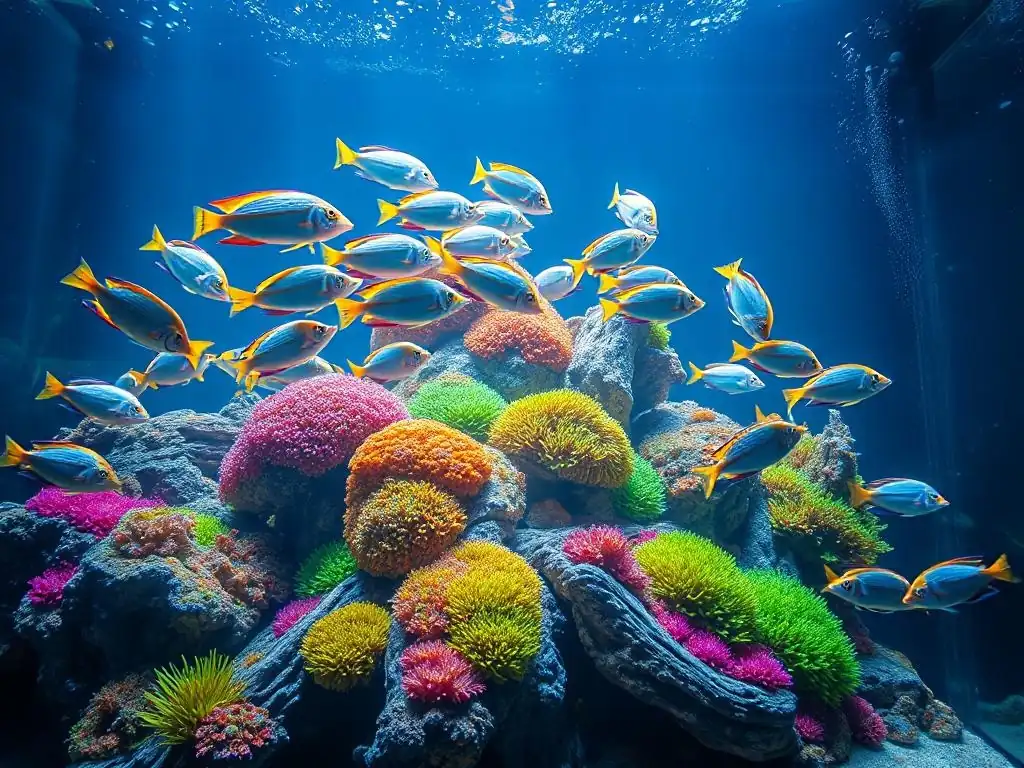
Ever wondered if your vibrant Tang is actually keeping your saltwater aquarium algae-free, or just picking at the wrong stuff? Dive in and discover the surprising truth about which algae Tangs eat, and which they completely ignore. This article will unravel the finicky feeding habits of these popular fish, ensuring a healthier and more balanced ecosystem for your underwater world. Keep reading to learn more about Not All Algae Are Equal: Which Types Do Tangs Actually Devour? and unlock the secrets to Tang-tastic algae control!
- Understanding the Algae-Eating Habits of Tangs in Saltwater Aquariums
- Identifying Common Algae Types in Reef Tanks
- Which Tang Species Excel at Algae Consumption?
- Optimizing Your Tank for Algae Consumption by Tangs
- Supplementing Algae Consumption: When Tangs Need More
- Recognizing Signs of Malnutrition in Tangs: Algae-Related Issues
- Maintaining a Healthy Algae Population in Your Reef Tank
- Conclusion: Choosing the Right Tang and Managing Algae for a Thriving Aquarium
-
Frequently Asked Questions
- What types of algae are Tangs most likely to eat in an aquarium?
- Why is algae control important in a saltwater aquarium with Tangs?
- How can I supplement a Tang's diet if algae growth is insufficient in my tank?
- What are some signs that my Tang isn't getting enough algae or supplemental food?
- Are there any types of algae that Tangs generally avoid eating?
- Final Reflection: The Selective Palate of the Reef
- Unlock Your Tang's Full Potential!
Understanding the Algae-Eating Habits of Tangs in Saltwater Aquariums
The Crucial Role of Algae in a Tang's Diet
Tangs, also known as Surgeonfish, are obligate herbivores, meaning their digestive systems are specifically adapted for a diet primarily consisting of plant matter. In their natural reef habitats, these fish spend the majority of their day constantly grazing on various forms of micro and macroalgae. This continuous intake provides essential dietary fiber, which is crucial for maintaining proper gut motility and preventing common digestive issues such as bloat, a significant concern for captive Tangs fed an inappropriate or insufficient diet.
Beyond fiber, algae deliver vital nutrients, including a wide spectrum of vitamins, particularly Vitamin C, which plays a critical role in immune function and preventing conditions like Head and Lateral Line Erosion (HLLE). Algae also supply trace elements and carotenoids that are often absent or deficient in processed foods, contributing to vibrant coloration and overall vitality. Understanding that Tangs eat specific algae types is paramount for aquarists aiming to replicate their natural diet and ensure their long-term health and well-being in an aquarium setting.
Why Proper Algae Identification Matters for Tang Health
Accurate identification of the algae types present in your reef tank is a foundational step in effective Tang care. While many Tang species are renowned for their algae-eating prowess, not all algae are equally palatable or nutritious. Some nuisance algae, such as certain forms of cyanobacteria (often misidentified as red slime algae), offer little to no nutritional value and can even be detrimental if consumed in large quantities due to potential toxins or their unappealing texture.
Misidentifying algae can lead to misguided expectations about your Tangs' grazing habits and potentially mask underlying nutritional deficiencies. If Tangs eat specific algae but consistently ignore a prevalent type, it signals a need to re-evaluate their diet, tank conditions, or consider alternative algae control methods. For instance, expecting a Tang to clear a robust patch of Bryopsis is often futile, whereas they might readily consume Green Hair Algae. Proper identification allows aquarists to make informed decisions regarding supplementary feeding and ensures their Tangs receive the precise nutrition required for optimal health.
Identifying Common Algae Types in Reef Tanks
Green Hair Algae (GHA): A Tang's Favorite?
Green Hair Algae (GHA) is a ubiquitous nuisance algae in reef tanks, characterized by its long, fine, green strands that can rapidly proliferate and carpet live rock, substrate, and equipment. Despite being an aesthetic challenge for aquarists, GHA is widely considered a highly palatable and nutritious food source for many Tang species. Its relatively soft texture and rapid growth rate make it an ideal target for continuous grazing, providing a constant supply of roughage.
Numerous aquarists report that Tangs eat specific algae like GHA with considerable enthusiasm, often playing a significant role in controlling outbreaks. Species within the Bristletooth Tang genus ( Ctenochaetus), such as the Tomini Tang and Kole Tang, are particularly adept at consuming GHA. Their specialized bristle-like teeth are perfectly designed for scraping fine algal films and shorter strands from surfaces. A single healthy Tomini Tang, for example, can noticeably reduce moderate GHA populations in a 100-gallon tank over several weeks of diligent grazing.
Brown Algae (Diatoms): Do Tangs Help Control Diatoms?
Brown algae, commonly known as diatoms, manifest as a dusty, brownish film that typically covers glass, rocks, and sand, especially in newly established aquariums or systems with elevated silicate levels. These microscopic, single-celled organisms are often among the first algae types to appear during the tank cycling process, signifying a natural stage of maturation. While aesthetically unappealing, they are generally harmless to corals and fish.
While some Tangs may graze on diatom films, their effectiveness in controlling widespread diatom blooms is generally limited. Most Tangs eat specific algae that are more fibrous and substantial than the ephemeral, slimy texture of diatoms. For instance, a Yellow Tang might occasionally pick at a diatom-covered surface, but it rarely eradicates a significant bloom. Other dedicated diatom consumers, such as Nerite snails or certain types of hermit crabs, are typically far more efficient at clearing these brown films, often demonstrating visible results within days of introduction.
Red Algae (Including Cyano and Turf Algae): Tang Preference and Control
Red algae encompass a diverse group of species, ranging from the infamous red slime algae (cyanobacteria), which is technically a photosynthetic bacterium, to more robust and wiry Red Turf Algae. Cyanobacteria forms dark, slimy mats that can quickly smother corals and live rock, often thriving in areas with low flow and elevated organic nutrients. Red Turf Algae, conversely, is a tougher, sometimes fuzzy or wiry growth that can be challenging to remove manually.
The palatability of red algae varies significantly among Tangs. Most Tangs eat specific algae and tend to avoid cyanobacteria due to its unpalatable texture and potential for releasing foul odors or even toxins. While some Surgeonfish species might occasionally pick at Red Turf Algae, their impact is generally minimal compared to their consumption of green or brown macroalgae. A Yellow Tang might only graze on less than 10% of a dense Red Turf Algae patch, making manual removal, improved flow, or targeted chemical treatments often necessary for effective control of these types.
Bubble Algae: Will Tangs Eat Bubble Algae?
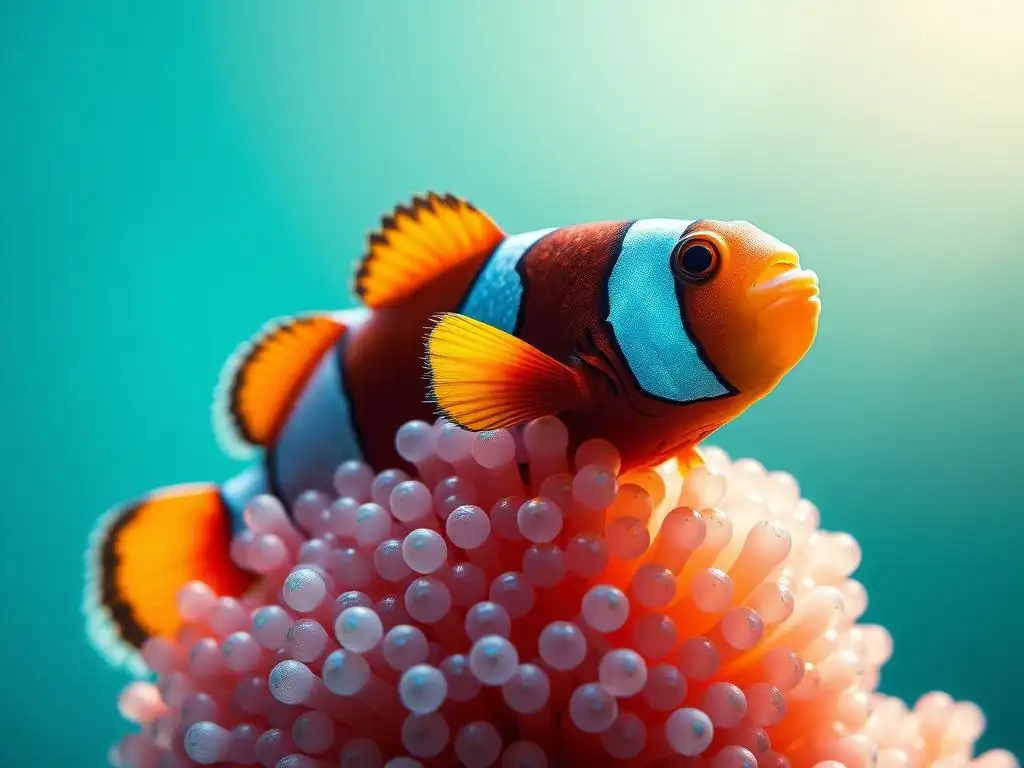
Bubble algae, primarily species of Valonia and Ventricaria, are distinctive spherical green growths that can range in size from tiny pinheads to several centimeters in diameter. They attach firmly to live rock, equipment, and sometimes even corals. A significant concern with bubble algae is that if popped, they release spores that can rapidly spread new growths throughout the aquarium, making them notoriously difficult to eradicate once established.
The general consensus among experienced aquarists is that Tangs do not reliably eat bubble algae. While isolated anecdotal reports exist of a rare individual Tang occasionally picking at very small bubbles, it is not a dependable method of control. Most Tangs eat specific algae that are filamentous or leafy, and the tough, encapsulated structure of bubble algae makes it unappealing and challenging for their mouths and teeth to consume. Manual removal, often performed carefully with a siphon to prevent spore dissemination, remains the primary and most effective method for managing bubble algae.
Bryopsis Algae: Tang Consumption and Management
Bryopsis is a highly problematic type of green algae, recognized by its fine, fern-like or feathery structure and dark green color. It is infamous for its resistance to many traditional algae control methods and can quickly overrun a reef tank, outcompeting and smothering corals. Its robust, fibrous structure and potential chemical deterrents make it particularly unpalatable to the vast majority of marine herbivores.
Unfortunately, Tangs are generally ineffective against Bryopsis algae. While some aquarists have reported success with specific, highly specialized grazers like the Foxface Rabbitfish ( Siganus vulpinus) or certain sea slugs, most Tangs eat specific algae that are softer and less fibrous. Bryopsis's tough cell walls and chemical compounds render it unappetizing even for the most voracious Tangs. For serious Bryopsis outbreaks, specialized treatments, such as high magnesium dosing (e.g., using a product like Kent Marine Tech M at concentrations around 1600 ppm), have shown significant success, with reports of over 90% reduction within a few weeks.
Which Tang Species Excel at Algae Consumption?
The Bristletooth Tangs: Masters of Fine Algae Grazing
Bristletooth Tangs, belonging to the genus Ctenochaetus, are highly prized in the aquarium hobby for their exceptional algae-grazing capabilities. They are characterized by their unique, bristle-like teeth, which are perfectly adapted for meticulously scraping diatoms, detritus, and fine filamentous algae from the surfaces of live rock and sand beds. Unlike many other Tangs that might nip at larger pieces of macroalgae, Bristletooths are constant, methodical grazers.
Their specialized feeding mechanism makes them remarkably effective at controlling nuisance algae, particularly thin algal films and shorter, softer strands. While they may not tackle thick, robust patches of turf algae, their persistent and thorough grazing habits render them invaluable members of a reef tank's cleanup crew. Furthermore, Bristletooth Tangs are generally less aggressive than many other Tang species, making them suitable for appropriately sized community aquariums.
Tomini Tang (Ctenochaetus tominiensis): A GHA Specialist?
The Tomini Tang is a popular and relatively smaller Bristletooth Tang, typically growing up to 6 inches (approximately 15 cm). It is widely admired for its distinctive coloration and, more importantly, its highly effective grazing habits. Many aquarists consider the Tomini Tang a top-tier candidate for managing Green Hair Algae (GHA) due to its diligent and continuous feeding.
Anecdotal evidence from the marine aquarium hobby strongly suggests that Tomini Tangs are particularly fond of GHA. They spend countless hours sifting and scraping live rock surfaces, often keeping GHA outbreaks significantly in check and preventing them from becoming widespread problems. While they do eat specific algae like GHA, they also actively consume diatoms and detritus, contributing to overall tank cleanliness, with a single healthy adult capable of noticeably impacting GHA growth in tanks up to 75-100 gallons.
Kole Tang (Ctenochaetus strigosus): Effective Algae Control
The Kole Tang, also known as the Yellow Eye Kole Tang, is another excellent Bristletooth species, reaching sizes similar to the Tomini Tang. It shares the same specialized bristle-like dentition, making it an incredibly efficient grazer of fine algae, diatoms, and detritus. Kole Tangs are known for their diligent, almost methodical, grazing patterns, meticulously working over every available surface.
Kole Tangs are highly effective at controlling a range of nuisance algae, including short Green Hair Algae and diatom films. They devote the majority of their day to "vacuuming" the rockwork and sand bed, constantly sifting through the substrate for edible particles. While they certainly eat specific algae such as fine green films, their broader diet of microalgae and detritus makes them invaluable for maintaining a clean substrate and preventing the accumulation of organic matter, contributing significantly to water quality.
The Surgeonfish: Varied Algae Preferences
The broader classification of "Surgeonfish" encompasses a diverse array of Tangs, all characterized by the sharp, scalpel-like spine located near their caudal fin. Unlike the Bristletooth Tangs, many Surgeonfish species possess more robust teeth, which are better suited for nipping at larger, more fibrous macroalgae rather than just scraping fine films. Their grazing habits are often more aggressive and less focused on microscopic growths.
While numerous Surgeonfish are excellent algae eaters, their specific preferences and overall effectiveness vary considerably from species to species. Some are generalist grazers, consuming a wide range of algal types, while others exhibit strong preferences for particular kinds of macroalgae. Understanding these distinctions is crucial when selecting a Surgeonfish primarily for algae control, as not all Tangs eat specific algae in the same manner or with the same level of enthusiasm.
Yellow Tang (Zebrasoma flavescens): A Reef Tank Staple
The Yellow Tang is arguably the most iconic and popular Tang species in the marine aquarium hobby, celebrated for its vibrant yellow coloration and active grazing behaviors. Growing up to 8 inches (approximately 20 cm), this species is a generalist herbivore that constantly picks at algae on live rock, tank glass, and even equipment surfaces throughout the day.
Yellow Tangs are highly effective at controlling a wide variety of green and brown algae, including short Green Hair Algae, film algae, and diatoms. Their persistent grazing significantly reduces the buildup of these common nuisance algae, making them a valuable addition to most reef cleanup crews. While they do eat specific algae types, their broad appetite and continuous feeding make them a versatile and reliable cleaner. A healthy adult Yellow Tang can easily consume several grams of dried seaweed per day in addition to the algae naturally growing in the tank.
Scopas Tang (Zebrasoma scopas): Algae Grazer or Reef Nipper?
The Scopas Tang, a close relative of the Yellow Tang, exhibits similar grazing behaviors and possesses the remarkable ability to change its coloration based on mood or stress. Growing to approximately 8 inches (about 20 cm), it is also a diligent grazer of various algae types, making it a potentially valuable addition to a cleanup crew in appropriately sized tanks.
Like the Yellow Tang, the Scopas Tang will actively graze on green and brown film algae, as well as shorter strands of Green Hair Algae. However, it is important for aquarists to be aware that Scopas Tangs have, on occasion, been observed to "nip" at large polyp stony (LPS) corals, particularly if their primary algae diet is insufficient or if supplemental feedings are lacking. While they primarily eat specific algae, their potential for coral nipping should be a consideration, especially when planning a mixed reef system.
Powder Blue Tang (Acanthurus leucosternon): Algae Consumption and Care Considerations
The Powder Blue Tang is undeniably one of the most visually stunning fish in the hobby, instantly recognizable by its vibrant blue body, striking yellow dorsal fin, and distinctive black "mask." However, it is also considered one of the more challenging Tangs to keep successfully, largely due to its susceptibility to ich and other parasitic infections, which are often exacerbated by stress and dietary deficiencies. This species can grow up to 9 inches (approximately 23 cm).
While Powder Blue Tangs are avid herbivores and will readily graze on various types of macroalgae and film algae present in the tank, their primary diet in captivity must be consistently supplemented with high-quality, vitamin-enriched seaweed. They do eat specific algae in the tank, such as green and brown films, but their overall health, immune system robustness, and vibrant coloration are heavily dependent on a robust, varied diet and pristine water conditions. Their susceptibility to disease means that even with active grazing, any dietary shortcomings can quickly become apparent, leading to compromised health and increased stress.
Optimizing Your Tank for Algae Consumption by Tangs
Providing a Variety of Algae for a Balanced Diet
While Tangs are exceptional at consuming nuisance algae within the aquarium, relying solely on tank-grown algae for their complete nutritional requirements is often insufficient for their long-term health. Just as humans require a diverse and balanced diet, Tangs thrive on a variety of algal types, each offering a distinct nutritional profile. For instance, different species of red and green macroalgae can provide a broader spectrum of amino acids, vitamins, and trace elements compared to the microalgae films typically found in a mature reef tank.
To ensure your Tangs receive comprehensive nutrition, it is crucial to offer a diverse range of supplemental algae, such such as various types of dried seaweed (e.g., Nori sheets, spirulina-enriched flakes, or specialized algae pellets). Even if Tangs eat specific algae that are abundant in your tank, providing different forms encourages a broader nutrient intake and supports optimal digestive health. Research on captive Tangs has consistently shown improved coloration, growth rates, and immune responses when fed a diet incorporating at least three different types of macroalgae or seaweed supplements.
Encouraging Healthy Algae Growth for Tangs
Promoting a healthy, controlled growth of desirable algae within your aquarium can provide a continuous and natural grazing source for your Tangs, effectively mimicking their natural reef environment. This strategy does not advocate for encouraging nuisance algae blooms, but rather for maintaining conditions that allow for a constant, thin film of palatable green or brown algae to develop on live rock and tank glass. This film serves as a consistent, low-level food source that Tangs can graze upon throughout the day.
Achieving this beneficial balance involves careful consideration of lighting parameters and consistent nutrient management. Implementing moderate lighting periods (e.g., 8-10 hours per day of reef-appropriate spectrum) and maintaining consistent, low levels of nitrates and phosphates (e.g., nitrates below 10 ppm, phosphates below 0.05 ppm) can foster a beneficial algal film without triggering unsightly or problematic outbreaks. This continuous supply ensures that Tangs eat specific algae whenever they desire, promoting natural grazing behaviors and reducing stress associated with food scarcity.
Avoiding Overfeeding to Promote Natural Algae Grazing
Overfeeding other tank inhabitants, or even the Tangs themselves with prepared dry or frozen foods, can significantly diminish their natural inclination to graze on tank-grown algae. When fish are satiated with high-protein pellets, flakes, or frozen foods, their innate drive to seek out and consume the less concentrated nutrients from algal films considerably lessens. This reduction in grazing can lead to an increase in nuisance algae growth within the tank.
Reducing the frequency and quantity of supplemental feedings can effectively encourage Tangs to actively seek out and consume the algae naturally available in the tank. For example, feeding prepared foods once a day or even every other day, rather than multiple times daily, can prompt Tangs to spend more time grazing on live rock and glass. This strategy not only helps control nuisance algae but also ensures that Tangs eat specific algae that are naturally available, contributing to better overall water quality by minimizing uneaten food waste.
Supplementing Algae Consumption: When Tangs Need More
Using Seaweed Sheets and Algae Pellets as Supplements
Despite their best efforts, the algae naturally growing in an aquarium often cannot meet the full nutritional requirements of Tangs, especially in mature, well-maintained tanks where nuisance algae are scarce. Therefore, supplementing their diet with high-quality seaweed sheets (Nori) and algae-based pellets or flakes is crucial for their long-term health. Nori, commonly available in green, red, or brown varieties, can be clipped to the tank glass or weighed down with a rock, allowing Tangs to graze naturally throughout the day.
These supplements provide essential fiber, a broad spectrum of vitamins (including vital Vitamin C and various B vitamins), and trace elements that might be lacking in a diet consisting solely of tank-grown algae. For instance, a single 3x3 inch sheet of dried Nori can provide enough roughage and nutrients for a medium-sized Yellow Tang for an entire day. Providing these supplements ensures that Tangs eat specific algae in a controlled, nutrient-rich manner, actively preventing dietary deficiencies that can lead to conditions like HLLE, faded coloration, or compromised immune function.
The Importance of a Varied Diet Beyond Algae
While algae forms the fundamental cornerstone of a Tang's diet, a truly balanced nutritional profile for these fish often requires more than just plant matter. Occasional offerings of high-quality frozen foods, such as spirulina-enriched brine shrimp, mysis shrimp, or finely chopped marine crustaceans, can provide essential proteins, beneficial fatty acids (like Omega-3s), and other micronutrients that are less abundant in a purely algal diet.
These supplementary meaty foods should be offered sparingly, perhaps once or twice a week, to complement their primary algal intake without replacing it. The overarching goal is to ensure that Tangs eat specific algae as their main food source, but also receive a broader spectrum of nutrients to support overall growth, muscle development, and vibrant coloration. This varied approach helps in preventing specific nutrient deficiencies and promotes a more robust and resilient fish.
Identifying Algae Deficiencies and Adjusting the Diet
Recognizing the early signs of an algae-deficient diet in Tangs is paramount for their long-term well-being. Common symptoms include a noticeable fading of coloration, loss of body mass (appearing "pinched" or excessively thin, especially along the dorsal line), a dulling of the eyes, and a general lack of vigor or activity.
More severe and concerning signs can include increased susceptibility to common marine diseases like Ich or Marine Velvet, and the onset of Head and Lateral Line Erosion (HLLE). HLLE, characterized by pitting and erosion around the face, head, and along the lateral line, is strongly linked to chronic dietary deficiencies, particularly a lack of Vitamin C and certain amino acids found abundantly in fresh algae.
If these symptoms appear, the immediate and most crucial step is to increase both the quantity and variety of algal supplements offered. Provide Nori sheets daily, experimenting with different colors (green, red, brown) to ensure a broader nutrient profile. Ensure that Tangs eat specific algae that are rich in essential vitamins and fiber. Additionally, consider using vitamin-enriched liquid supplements either directly added to the water or soaked into prepared foods. For instance, increasing daily Nori intake by 50% for several weeks can often lead to a significant reversal of early HLLE symptoms and improved overall fish health.
Proactive measures are always superior to reactive treatments when it comes to maintaining the health and vitality of Tangs. Ensuring a consistent and ample supply of high-quality algae, both through tank-grown sources and diligently provided supplements, is the most critical preventative step. This includes maintaining optimal water parameters to encourage the growth of beneficial algal films and regularly offering a diverse array of seaweed and algae-based foods.
Beyond diet, minimizing stress is fundamental to preventing algae-related health problems. Provide ample swimming space (e.g., a minimum 75-gallon tank for a single small Tang, significantly larger for bigger species like a Yellow or Powder Blue Tang), select appropriate and peaceful tank mates, and maintain stable water conditions (e.g., salinity consistently at 1.025 specific gravity, temperature around 78°F or 25.5°C). By creating an environment where Tangs can thrive and consistently eat specific algae, aquarists can significantly reduce the risk of nutritional deficiencies and associated health issues.
Maintaining a Healthy Algae Population in Your Reef Tank
Balancing Algae Growth and Consumption
The ultimate goal in a reef tank inhabited by Tangs is not to completely eradicate all algae, but rather to achieve a dynamic equilibrium where a healthy, thin film of desirable algae provides a continuous, natural food source without becoming an unsightly or problematic nuisance. This delicate balance benefits both the Tangs, who have constant access to their primary food, and the overall aesthetic appeal of the aquarium, maintaining a clean and vibrant appearance.
This ideal balance is largely achieved through a combination of consistent nutrient export strategies (e.g., regular partial water changes, efficient protein skimming, utilization of refugiums, or nutrient-absorbing media) and appropriate stocking levels of herbivores. If Tangs eat specific algae too quickly, leaving too little for continuous grazing, it might indicate underfeeding or an overly "clean" tank. Conversely, if algae accumulates rapidly despite the presence of Tangs, it strongly points to excessive nutrient levels in the water column.
Preventing Algae Blooms and Outbreaks
While a thin, manageable film of algae is beneficial for Tangs, uncontrolled algae blooms can quickly degrade water quality, smother sensitive corals, and are often indicative of underlying imbalances in the aquarium system. Common culprits behind such outbreaks include chronic overfeeding, insufficient nutrient export, excessive or inappropriate lighting, and the inadvertent introduction of unwanted algae spores or hitchhikers.
To effectively prevent widespread algae blooms, consistently remove detritus and uneaten food, perform weekly 10-20% partial water changes, ensure your protein skimmer is operating efficiently, and confirm that your Tangs eat specific algae in the tank and are appropriately supplemented. Furthermore, avoid introducing new live rock or corals into the display tank without proper quarantine, as these can be vectors for nuisance algae spores. Regular testing of key water parameters, such as nitrates and phosphates (e.g., weekly tests showing nitrates below 5 ppm and phosphates below 0.03 ppm), helps in the early detection and correction of rising nutrient levels.
Utilizing Herbivores: Turbo Snails, Urchins, and Other Algae Eaters
While Tangs are undoubtedly primary algae consumers, they are not the sole solution for comprehensive algae control in a diverse reef aquarium. A well-rounded cleanup crew that includes other effective marine herbivores can target algae types or reach areas that Tangs might miss or ignore. Turbo snails (e.g., Turban snails) are exceptionally efficient at grazing film algae off tank glass and live rock, often clearing several square inches per hour with their constant movement.
Urchins, particularly species like the Pincushion Urchin ( Mespilia globulus), are powerful grazers capable of tackling tougher, more robust algae types such as turf algae, which many Tangs find unpalatable. Additionally, certain crabs like Emerald Crabs ( Mithraculus sculptus) can assist with bubble algae. By combining the specialized grazing habits of Tangs (who eat specific algae) with the broader capabilities of various invertebrate herbivores, aquarists can establish a highly effective, natural, and multi-faceted algae management system within their reef tank.
Conclusion: Choosing the Right Tang and Managing Algae for a Thriving Aquarium
The Key to Happy, Healthy, Algae-Eating Tangs
The successful husbandry of Tangs, particularly in their vital role as algae controllers, fundamentally hinges on a deep understanding of their specific dietary needs and natural grazing behaviors. It is insufficient to simply introduce a Tang into an aquarium and expect all algae problems to magically disappear; rather, it demands a thoughtful and proactive approach to species selection, nutritional provision, and overall tank husbandry. The guiding principle that "Tangs eat specific algae" should inform every decision, from the initial setup of the aquarium to ongoing daily maintenance.
Providing a consistently balanced diet rich in varied algal sources, supplementing diligently with high-quality Nori and algae-based foods, maintaining pristine and stable water conditions, and carefully choosing the right Tang species for your tank's size and specific algae profile are all critical, interconnected elements. When these factors are meticulously aligned, Tangs not only thrive, displaying vibrant colors and active behaviors, but they also become invaluable allies in maintaining a clean, healthy, and visually stunning reef ecosystem.
Further Resources for Tang Care and Algae Management
For aquarists seeking to deepen their knowledge of comprehensive Tang care and advanced algae management strategies, a wealth of authoritative information is readily available. Reputable online aquarium forums, scholarly publications on marine biology and ichthyology, and specialized books dedicated to reef tank husbandry offer detailed species profiles, advanced troubleshooting guides for persistent algae outbreaks, and insights into the latest nutritional research for captive marine fish.
Engaging with experienced aquarists and actively participating in online communities dedicated to saltwater aquariums can also provide invaluable practical advice, real-world examples, and peer support. These platforms frequently share success stories regarding which "Tangs eat specific algae" most effectively in various tank setups, and offer collective wisdom on preventing and treating algae-related health issues, ensuring aquarists can continuously refine their approach to maintaining a thriving and balanced marine environment.
Frequently Asked Questions
What types of algae are Tangs most likely to eat in an aquarium?
Tangs primarily graze on filamentous algae and hair algae. They also consume macroalgae like sea lettuce if offered.
Why is algae control important in a saltwater aquarium with Tangs?
Uncontrolled algae growth can deplete essential nutrients, outcompete corals, and reduce water quality. Healthy Tangs help maintain balance.
How can I supplement a Tang's diet if algae growth is insufficient in my tank?
Supplement with seaweed sheets, such as nori, attached to a clip inside the tank. This ensures they get sufficient nutrition for growth.
What are some signs that my Tang isn't getting enough algae or supplemental food?
Look for thin body condition, lack of activity, and increased susceptibility to diseases. Ensure they have constant access to food.
Are there any types of algae that Tangs generally avoid eating?
Tangs often avoid cyanobacteria (blue-green algae) and dinoflagellates. These algae can be toxic and are not a suitable food source.
Final Reflection: The Selective Palate of the Reef
The nuances of algal consumption by tangs, as explored throughout this article, are not merely academic; they are crucial for maintaining the delicate balance of our home aquariums and understanding the broader health of coral reefs. The specific preferences of these vibrant fish directly impact algae control, nutrient cycling, and the overall biodiversity of these vital ecosystems. Ignoring these dietary distinctions can lead to imbalances, impacting both the health of our beloved tangs and the stability of the aquatic environments we strive to replicate.
This understanding of tangs' selective grazing habits has profoundly influenced, and continues to shape, the way we approach reef keeping. It's a reminder that responsible aquarists must be more than just caretakers; we must be informed ecologists, carefully considering the intricate relationships within our miniature ecosystems. In nature, there is no such thing as waste. In an ecosystem, everything is used.
This quote, though broad, perfectly encapsulates the interconnectedness we must strive to understand and emulate in our aquariums, ensuring that the "waste" algae becomes a valuable resource for our tangs.
As you close this article, consider the implications of these findings for your own reef aquarium. Are you providing a diverse range of algae to cater to your tangs' specific needs? Are you actively managing algal growth to prevent imbalances? Let this knowledge empower you to become a more informed and responsible aquarist, contributing to the health and longevity of your reef and the well-being of the magnificent tangs that call it home.
Unlock Your Tang's Full Potential!
Thank you for exploring the fascinating world of algae and its role in keeping your tangs happy and healthy! Now that you're equipped with the knowledge to differentiate between various algae types, let's put that understanding into action and ensure your aquarium thrives.
Here's how you can immediately improve your tang's diet and your aquarium's ecosystem:
- Identify the specific algae growing in your tank. Get up close and personal! Knowing exactly what you're dealing with is the first step to providing the right grazing options for your tangs.
- Supplement their diet with nori seaweed sheets. Even if you have naturally growing algae, nori ensures they get a consistent, balanced diet. Experiment with different brands and flavors to see what your tangs prefer!
- Consider introducing a small amount of Chaetomorpha algae to your refugium. This can act as a natural food source that your tangs can graze on, keeping the algae population under control.
What changes will you make to your tank's algae management this week to benefit your tangs?