
Decoding Corydoras Behavior: From "Winking" to Dashing for Air

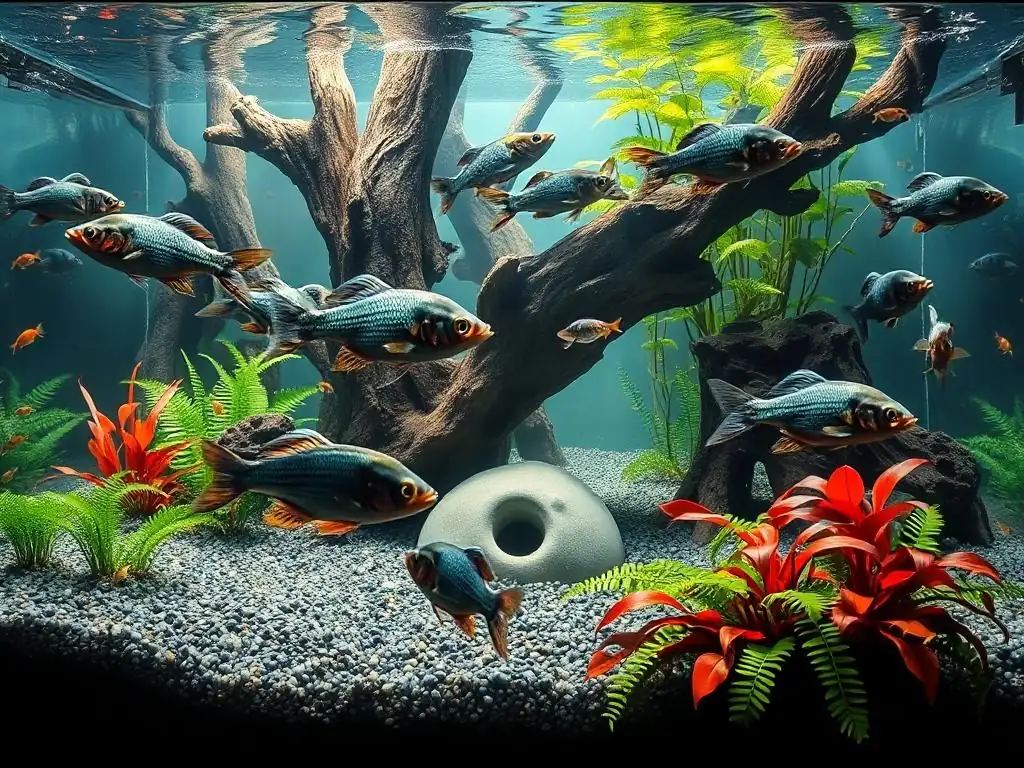
Welcome to Aquarium Mastery!
Ever wondered what your Corydoras are really thinking? Beyond their adorable "winking" eyes, these bottom-dwelling buddies have a fascinating language all their own. Dive in to discover the secrets behind Corydoras fish behavior patterns, unravel the mysteries of their social interactions, and learn how to ensure a happy and healthy life for these delightful members of your freshwater aquarium. Get ready to decode their quirky habits – you might be surprised by what you find!
- Understanding Corydoras Fish Behavior Patterns: An Introduction
- Key Corydoras Behaviors and What They Mean
- Common Corydoras Fish Behavior Patterns Explained
- Interpreting Unusual Corydoras Behavior: Signs of Stress or Illness
- Factors Influencing Corydoras Fish Behavior
- Optimizing Your Aquarium for Natural Corydoras Behaviors
- Advanced Corydoras Behavior Observation: Recognizing Subtle Cues
- Addressing Specific Corydoras Behavior Problems
- Conclusion: Mastering the Art of Understanding Corydoras Fish Behavior
-
Frequently Asked Questions
- What are some common Corydoras fish behavior patterns that aquarists should be aware of?
- Why do Corydoras fish sometimes "wink" or rapidly move their eyes?
- What does it mean when Corydoras fish suddenly "dash for air" at the surface of the aquarium?
- How does the behavior of Corydoras fish change in different aquarium environments (freshwater vs. saltwater – even though Corydoras are freshwater fish)?
- What are some signs of stress or illness in Corydoras fish, and how might their behavior change as a result?
- Final Reflection: Unveiling the Secrets of the Cory Cat
- Unleash Your Inner Cory Expert!
Understanding Corydoras Fish Behavior Patterns: An Introduction
Corydoras catfish, often affectionately called "Corys," are among the most popular and endearing freshwater aquarium inhabitants. Their peaceful demeanor, active foraging habits, and charming social interactions make them a cornerstone of many community tanks. However, truly understanding these delightful bottom-dwellers goes beyond simply admiring their appearance; it requires an appreciation for their unique Corydoras fish behavior patterns.
From their distinctive eye movements to their peculiar dashes to the surface for air, every action a Corydoras takes offers a glimpse into its well-being, social structure, and environmental needs. Observing these behaviors not only enhances the aquarist's enjoyment but also serves as a vital diagnostic tool, indicating everything from comfort and contentment to potential stress or illness. This article delves deep into the fascinating world of Corydoras behavior, providing insights to help you foster a thriving aquatic environment.
Key Corydoras Behaviors and What They Mean
Corydoras "Winking": The Mystery of Eye Movement
One of the most charming and often puzzling Corydoras fish behavior patterns observed by aquarists is what appears to be a "wink." This isn't a playful gesture, but rather a unique physiological action. When a Corydoras appears to "wink," it is actually lowering its eye into its socket, often accompanied by the upward movement of a specialized lower eyelid or a membrane.
This seemingly mysterious eye movement serves a crucial purpose: cleaning and protecting the eye. As bottom-dwellers, Corydoras constantly sift through substrate, stirring up fine particles of sand or detritus. The "winking" motion helps dislodge any debris that may have settled on the eye's surface, preventing irritation or potential infection. It's a perfectly normal and healthy behavior, indicating that your Corydoras are comfortably engaging with their environment.
Corydoras Barbels: Sensory Tools for Finding Food
The prominent whisker-like appendages surrounding a Corydoras's mouth are known as barbels, and they are indispensable sensory organs. These delicate filaments are packed with highly sensitive chemoreceptors and mechanoreceptors, making them incredibly effective tools for detecting food and navigating their environment in low light or murky conditions. They are constantly in motion, sifting through the substrate to locate morsels of food.
The health of these barbels is paramount to a Corydoras's well-being and its natural Corydoras fish behavior patterns related to foraging. Healthy barbels are straight and intact, allowing the fish to efficiently locate sinking foods like pellets or wafers. Damage to barbels, often caused by rough or sharp substrate (such as coarse gravel), can impair their ability to feed, leading to malnutrition and increased stress. Providing a soft, fine sand substrate is crucial for preserving these vital sensory tools.
Corydoras Schooling Behavior: Safety in Numbers
Corydoras are inherently social creatures, and one of their most characteristic Corydoras fish behavior patterns is schooling. While not always as tightly schooling as some pelagic species, Corydoras thrive in groups, exhibiting reduced stress and more natural interactions when kept with at least six or more of their own kind. For optimal well-being and to observe their full range of social behaviors, a group of 10-12 individuals is often recommended, especially for smaller species like Corydoras pygmaeus.
This schooling instinct is primarily a defense mechanism. In a group, individual fish are less likely to be targeted by predators, and the collective vigilance increases their chances of detecting threats. Furthermore, schooling promotes natural foraging competition, encourages breeding, and allows for the display of complex social hierarchies and bonding within the group. A lone Corydoras or one kept in too small a group will often appear shy, stressed, and may not exhibit its full range of natural behaviors.
Corydoras Dashing for Air: Understanding Oxygen Needs
A common and often alarming Corydoras fish behavior pattern for new aquarists is their sudden, rapid dash to the water surface to gulp air. While this might suggest a lack of oxygen in the tank, it's actually a perfectly normal physiological adaptation for these fish. Corydoras possess a unique ability known as intestinal breathing, where their modified gut lining can extract oxygen directly from swallowed atmospheric air.
This behavior is typically seen as an occasional gulp, especially after periods of activity or during feeding. However, if your Corydoras are frequently and repeatedly dashing to the surface, it could indicate low dissolved oxygen levels in the aquarium water. This could be due to inadequate aeration, high temperatures, overstocking, or excessive organic waste. Monitoring the frequency of this behavior is crucial for assessing water quality and ensuring your Corydoras's respiratory needs are met.
Common Corydoras Fish Behavior Patterns Explained
Exploring Corydoras Foraging Habits: Bottom-Dwelling Behavior
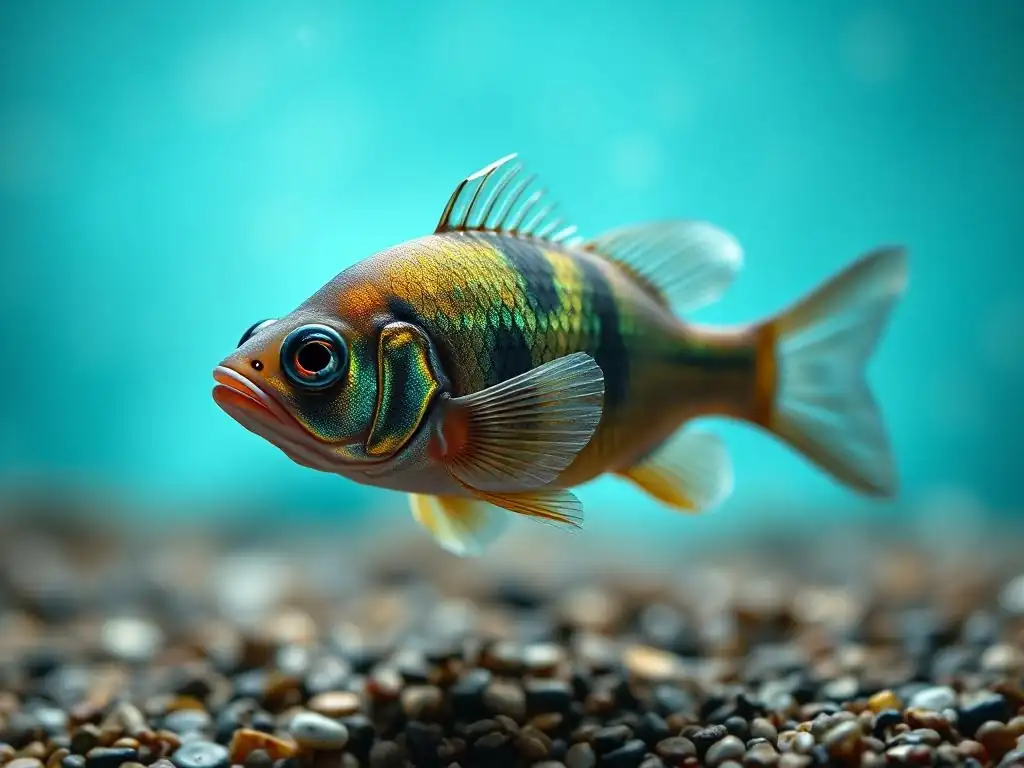
As their common name "bottom-dweller" suggests, Corydoras spend the majority of their time on or near the substrate, diligently searching for food. This fundamental Corydoras fish behavior pattern involves their constant "snuffling" or sifting through the top layer of sand or fine gravel using their sensitive barbels. They are opportunistic omnivores in the wild, feeding on small invertebrates, insect larvae, detritus, and decaying plant matter.
In the aquarium, this translates to a preference for sinking foods. While they may occasionally dart up to catch a stray flake, their primary feeding strategy involves scouring the tank floor. Providing high-quality sinking pellets, wafers, or specialized Corydoras foods ensures they receive adequate nutrition. Observing their active foraging is a good indicator of their health and comfort in the tank, as a healthy Corydoras will spend considerable time exploring and sifting.
Within their school, Corydoras exhibit a range of gentle and cooperative social interactions, reinforcing their peaceful nature. They often rest together in tight clusters, especially in sheltered areas, creating a sense of security. During foraging, while they may compete mildly for food, outright aggression among conspecifics is extremely rare. Instead, you might observe gentle nudging or following one another as they explore the substrate.
Some species, such as Corydoras sterbai, are known to form particularly cohesive groups, preferring the company of their own specific species even when other Corydoras types are present. These group dynamics are a cornerstone of healthy Corydoras fish behavior patterns. A strong, well-established school will appear more confident, active, and less prone to stress-related issues, demonstrating the benefits of their collective social structure.
Corydoras Resting Behavior: When and How They Sleep
While fish do not experience sleep in the same way mammals do, Corydoras have distinct resting behaviors where they enter periods of reduced activity and awareness. Typically, a Corydoras will rest by settling on the substrate, often nestled among plants, driftwood, or within a cave. They may also be observed resting on broad leaves or even clinging to aquarium glass, sometimes in seemingly unusual positions, such as tilted on their side.
These resting periods can occur at various times throughout the day and night, though they tend to be more active during daylight hours when food is often introduced. A healthy Corydoras will have consistent resting patterns, appearing calm and undisturbed. Sudden changes in resting behavior, such as constant hiding or an inability to settle, could be an indication of stress, illness, or an unsuitable environment disrupting their natural Corydoras fish behavior patterns.
Corydoras Breeding Behavior: Courtship and Egg Laying
Observing Corydoras breeding is a fascinating insight into their reproductive Corydoras fish behavior patterns. Spawning is often triggered by large, cool water changes mimicking a rainy season, combined with an increase in high-protein foods. During courtship, a male Corydoras will typically initiate a "T-position" with a female, where he positions himself perpendicular to her head, forming a 'T' shape.
In this position, the female collects sperm in her mouth or gills and then releases a small clutch of sticky eggs, often 2-4 at a time, which she then carries in a pouch formed by her pelvic fins. She will then swim to a suitable surface – such as aquarium glass, broad plant leaves, or decor – and carefully attach the eggs. This process is repeated until all eggs, sometimes numbering over 100, are laid. Corydoras exhibit no parental care after the eggs are deposited.
Interpreting Unusual Corydoras Behavior: Signs of Stress or Illness
Corydoras Erratic Swimming: Potential Causes and Solutions
Healthy Corydoras typically exhibit calm, purposeful movements as they forage or school across the bottom. Erratic swimming, characterized by darting, twitching, or swimming haphazardly without apparent direction, is a significant deviation from normal Corydoras fish behavior patterns and often signals distress. The primary causes are usually poor water quality, particularly elevated ammonia or nitrite levels, which are highly toxic to fish.
Other potential causes include disease (such as parasitic infections or neurological issues), bullying from aggressive tank mates, or severe stress due to an inadequate environment (e.g., overcrowded tank, lack of hiding spots). To address this, immediately test your water parameters (ammonia, nitrite, nitrate). Perform a partial water change (25-50%) if parameters are off. Observe for other symptoms of illness and consider isolating the affected fish if disease is suspected.
Corydoras Loss of Appetite: Identifying the Root Cause
A healthy Corydoras is an eager eater, constantly sifting for food. A noticeable loss of appetite or refusal to feed is a critical warning sign and a significant change in typical Corydoras fish behavior patterns. This can stem from a variety of issues, ranging from environmental stressors to serious health problems. Common causes include poor water quality, which makes fish feel unwell and reduces their metabolic drive.
Internal parasites or bacterial infections are also frequent culprits, impacting the fish's digestive system and overall vitality. Stress from incompatible tank mates or an insufficient group size can also lead to a shy, withdrawn fish that avoids feeding. To diagnose, first check water parameters. Then, observe for other symptoms like clamped fins, lethargy, or visible lesions. Offer a variety of high-quality sinking foods. If the issue persists, consider treating for common internal parasites or bacterial infections.
Corydoras Hiding Behavior: Is It Normal or a Cause for Concern?
Corydoras naturally seek shelter for resting or security, so occasional hiding is a normal Corydoras fish behavior pattern. They might retreat into caves, dense plant thickets, or behind driftwood, especially when first introduced to a new tank or during their resting phases. This is a sign they feel secure and have adequate cover in their environment.
However, if your Corydoras are constantly hiding, refusing to emerge even for food, or appearing unusually skittish, it's a cause for concern. This often indicates chronic stress. Possible reasons include aggressive tank mates constantly harassing them, insufficient group size leading to insecurity, overly bright lighting without adequate shaded areas, or persistently poor water quality. Reassessing tank mates, increasing group size to at least six or more, and providing ample hiding spots can help alleviate this stress and encourage more natural, outgoing behavior.
Factors Influencing Corydoras Fish Behavior
Water Quality and Its Impact on Corydoras Behavior
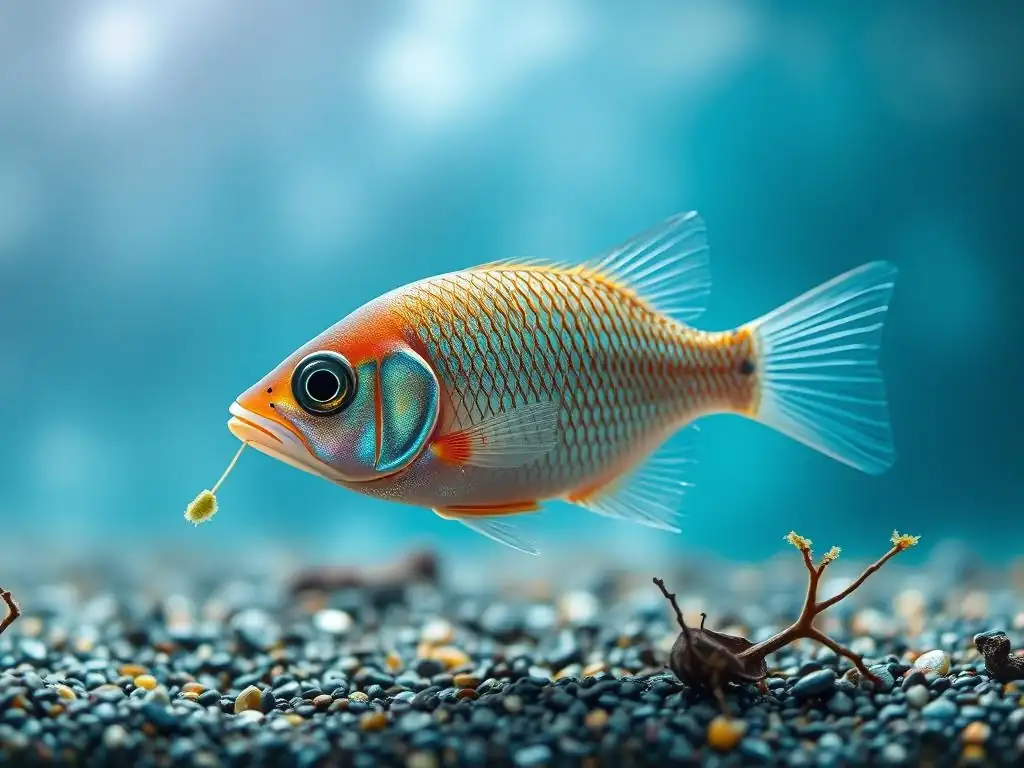
Water quality is arguably the single most influential factor affecting Corydoras fish behavior patterns. These fish are highly sensitive to fluctuating or poor water parameters. Ideal conditions typically include:
- Ammonia (NH3/NH4+): 0 ppm
- Nitrite (NO2-): 0 ppm
- Nitrate (NO3-): Below 20 ppm
- pH: Generally between 6.5 and 7.5, though specific species may prefer slightly more acidic or alkaline conditions.
- Temperature: 72-78°F (22-26°C).
Elevated levels of ammonia or nitrite will quickly lead to visible stress behaviors such as erratic swimming, rapid gill movement, lethargy, and loss of appetite. Chronic exposure to high nitrates, while less acutely toxic, can lead to stunted growth, reduced activity, and increased susceptibility to disease. Consistent partial water changes and proper filtration are paramount to maintaining the stable, pristine conditions necessary for healthy Corydoras behavior.
The size of the aquarium plays a critical role in shaping Corydoras fish behavior patterns, particularly their social dynamics. While a small group of pygmy Corydoras ( e.g., Corydoras pygmaeus) might comfortably inhabit a 10-gallon tank, larger species like Corydoras aeneus or Corydoras paleatus require at least a 20-gallon long aquarium for a group of six to eight individuals.
Insufficient tank size can lead to overcrowding, which directly contributes to stress, stunted growth, and even subtle aggression or competition for resources among the Corydoras themselves. In a larger tank, Corydoras have ample space to school, forage, and establish their territories without feeling confined. This freedom of movement allows them to exhibit their full spectrum of natural behaviors, including active exploration and cohesive group interactions, fostering a healthier and more engaging display.
Substrate and Its Influence on Corydoras Foraging
The type of substrate used in an aquarium has a profound influence on Corydoras fish behavior patterns, particularly their foraging habits and overall health. As dedicated bottom-dwellers, Corydoras use their delicate barbels to constantly sift through the substrate in search of food. The ideal substrate is fine sand, such as pool filter sand or specialized aquarium sand, which allows them to easily burrow and sift without injuring their sensitive barbels.
Coarse gravel or sharp, abrasive substrates, however, can cause significant damage to their barbels, leading to erosion, inflammation, and potentially bacterial infections. Such damage impairs their ability to feed effectively, causing stress and malnutrition. A suitable substrate not only protects their barbels but also encourages their natural sifting and rooting behaviors, which are essential for their well-being and a key aspect of their Corydoras fish behavior patterns.
Tank Mates and Their Role in Corydoras Stress Levels
The choice of tank mates is a critical consideration for maintaining peaceful and natural Corydoras fish behavior patterns. Corydoras are generally very peaceful and non-aggressive, making them ideal inhabitants for community tanks. However, they can become stressed or injured if housed with aggressive, fin-nipping, or overly boisterous species. Large, predatory fish that might view Corydoras as food should also be avoided.
Compatible tank mates include other peaceful, mid-to-upper dwelling fish such as small tetras (e.g., Neon Tetras, Cardinal Tetras), rasboras, dwarf gouramis, and peaceful livebearers. It's also important to avoid other bottom-dwelling fish that are highly competitive for food, unless the tank is large enough to support both and food is distributed widely. Stress from inappropriate tank mates can lead to hiding, reduced feeding, and increased susceptibility to disease, altering their normal Corydoras fish behavior patterns.
Optimizing Your Aquarium for Natural Corydoras Behaviors
Creating a Corydoras-Friendly Habitat: Substrate, Plants, and Hiding Places
To truly encourage and observe natural Corydoras fish behavior patterns, optimizing their habitat is paramount. The foundation of a Corydoras-friendly tank is a soft, fine sand substrate, at least 1-2 inches deep. This allows them to safely engage in their characteristic sifting and foraging behaviors without damaging their delicate barbels.
Beyond the substrate, providing ample cover and hiding places is crucial for their sense of security. Dense plantings of live or realistic artificial plants, such as Java Fern, Anubias, or Cryptocoryne species, offer excellent resting spots and visual barriers. Additionally, incorporating smooth-edged driftwood, rock caves, or ceramic decorations provides essential refuges where Corydoras can retreat when feeling stressed or for undisturbed rest. A well-furnished tank promotes confidence and reduces shyness, encouraging active exploration and social interaction.
Maintaining Optimal Water Parameters for Corydoras Well-being
Consistent maintenance of optimal water parameters is non-negotiable for the long-term health and display of natural Corydoras fish behavior patterns. Regular water testing, ideally weekly for nitrates and daily for ammonia/nitrite in new or recovering tanks, provides vital insights into water quality. Aim for undetectable levels of ammonia and nitrite, and keep nitrates below 20 ppm through routine partial water changes.
Performing weekly partial water changes of 25-30% is a cornerstone of good aquarium husbandry. This practice replenishes essential minerals, removes accumulated nitrates and other pollutants, and helps maintain a stable environment. Additionally, ensuring stable water temperature, ideally within the 72-78°F (22-26°C) range, and providing gentle but effective filtration (such as a sponge filter or a baffled hang-on-back filter) contributes significantly to their overall well-being, directly influencing their activity levels and behavioral expressions.
Choosing Compatible Tank Mates for Peaceful Coexistence
Selecting appropriate tank mates is vital for minimizing stress and fostering natural Corydoras fish behavior patterns. The goal is to create a peaceful community where Corydoras feel secure and can thrive without competition or harassment. Prioritize fish that are non-aggressive, relatively small to medium-sized, and occupy the mid-to-upper levels of the water column, thus avoiding direct competition for bottom space.
Excellent choices include small schooling tetras (e.g., Ember Tetras, Rummy-nose Tetras), peaceful rasboras (e.g., Harlequin Rasboras), Otocinclus catfish, and many species of dwarf gouramis. Avoid any fish known for fin-nipping (like Tiger Barbs), highly aggressive cichlids, or large species that could potentially view Corydoras as prey. A harmonious tank environment allows Corydoras to display their full range of natural behaviors, from active foraging to confident schooling.
Advanced Corydoras Behavior Observation: Recognizing Subtle Cues
Understanding Corydoras Body Language: Postures and Movements
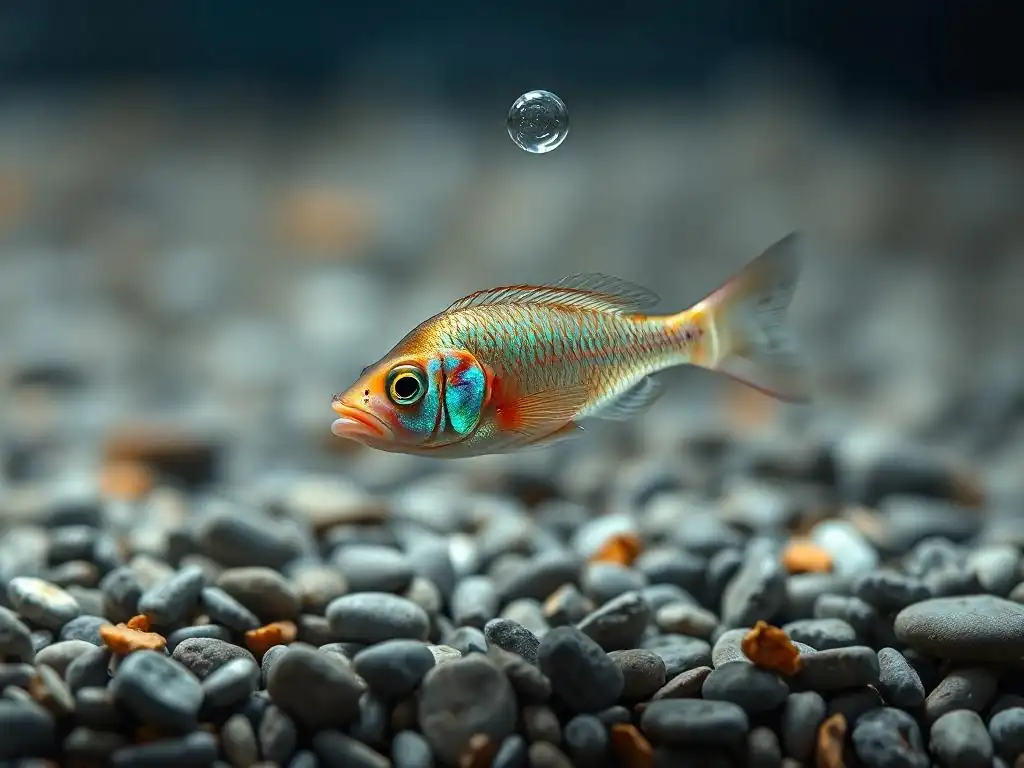
Beyond the obvious, Corydoras communicate their state of being through subtle body language, including specific postures and movements. A relaxed and healthy Corydoras will exhibit active foraging, gentle schooling, and confident exploration of the tank. Their fins will be held erect and open, and their colors will be vibrant. When resting, they will settle calmly, often in a loose group, indicating security.
Conversely, changes in their body language are key indicators of stress or illness. Clamped fins (held close to the body), rapid gill movement, faded coloration, and constant hiding are clear signs of distress. Erratic, jerky swimming or rubbing against tank decor can indicate irritation or parasitic issues. Observing these nuanced Corydoras fish behavior patterns requires a keen eye and consistent monitoring, allowing for early intervention before problems escalate.
Corydoras Vocalizations: Potential for Sound Production
While not commonly recognized for "vocalizations," Corydoras catfish are indeed capable of producing sounds, an often overlooked aspect of their Corydoras fish behavior patterns. They are known to emit faint "clicking" or "grinding" noises, particularly when stressed, startled, or during courtship and spawning. These sounds are produced by the rubbing of their pectoral fin spines against the bones of their shoulder girdle, a process known as stridulation.
The purpose of these sounds is believed to be a form of communication. In times of perceived danger, the clicking may serve as a distress signal to alert other Corydoras in the school. During breeding, the sounds may play a role in courtship rituals, helping to coordinate spawning activities. While often subtle and difficult to hear without close attention, recognizing these potential vocalizations adds another layer to understanding the complex Corydoras fish behavior patterns.
Documenting Corydoras Behavior Changes: Keeping a Log
To become truly adept at interpreting Corydoras fish behavior patterns, maintaining a detailed log of your observations can be incredibly beneficial. This systematic approach allows you to track changes over time, identify trends, and correlate specific behaviors with environmental factors or health status. A simple notebook or digital spreadsheet can serve this purpose effectively.
Documenting details such as feeding habits (e.g., how eagerly they eat, if food is left over), activity levels (e.g., more active or lethargic than usual), specific unusual movements (e.g., erratic swimming, rubbing), and any changes in coloration or appearance can provide invaluable data. By regularly reviewing your log, you can proactively identify subtle deviations from normal Corydoras behavior, enabling timely intervention and significantly improving your ability to diagnose and address potential issues.
Addressing Specific Corydoras Behavior Problems
Identifying and Resolving Bullying Behavior Among Corydoras
While Corydoras are generally peaceful, subtle bullying behavior can sometimes occur, typically stemming from environmental stress rather than true aggression. This is not a common Corydoras fish behavior pattern, but can manifest as one fish consistently chasing or nudging another, preventing it from accessing food or preferred resting spots. The root causes are usually an insufficient group size (leading to insecurity and competition), overcrowding in the tank, or a lack of adequate hiding places.
To resolve bullying, first ensure your Corydoras group consists of at least six, preferably 10 or more, individuals of the same species if possible. This larger group size disperses potential stress and reinforces their natural schooling instinct. Second, evaluate your tank size to ensure it's appropriate for the number and species of Corydoras you keep. Finally, add more visual barriers, dense plant thickets, and multiple hiding spots (caves, driftwood) to provide ample safe zones where all fish can retreat and feel secure.
Helping Shy Corydoras Feel More Comfortable: Providing Security
Shy or withdrawn Corydoras are often experiencing stress, which can manifest as constant hiding, reluctance to feed in the open, or avoiding interaction with their tank mates. This deviation from their naturally active Corydoras fish behavior patterns suggests they do not feel secure in their environment. Common reasons for shyness include being new to the aquarium, the presence of aggressive or overly active tank mates, insufficient hiding places, or an inadequate group size.
To help shy Corydoras become more comfortable, focus on providing a sense of security. Increase their group size to at least six or more, as a larger school offers safety in numbers. Ensure there are plenty of dense plants, driftwood, and caves where they can retreat and feel protected. Dimming the aquarium lights slightly, especially during initial acclimation, can also reduce stress. Reassess your tank mates to ensure they are truly peaceful and not contributing to the Corydoras's anxiety.
Managing Overfeeding and Its Impact on Corydoras Health
Overfeeding is a common mistake that can significantly impact Corydoras health and indirectly alter their Corydoras fish behavior patterns. When too much food is introduced, uneaten portions decompose, leading to a rapid deterioration in water quality, including dangerous spikes in ammonia and nitrite. This poor water quality directly stresses Corydoras, causing lethargy, erratic swimming, and increased susceptibility to disease.
Furthermore, overfeeding can lead to digestive issues and bloating in the fish themselves, as their systems are overwhelmed. To manage this, feed your Corydoras small amounts of high-quality sinking food once or twice daily, only what they can consume within 5-10 minutes. Observe their feeding behavior closely to gauge the appropriate quantity. Promptly remove any uneaten food to prevent water pollution. A healthy feeding routine supports their natural foraging behaviors and overall vitality.
Conclusion: Mastering the Art of Understanding Corydoras Fish Behavior
Understanding Corydoras fish behavior patterns is an enriching aspect of keeping these captivating bottom-dwellers. From the subtle "wink" of their eyes to their characteristic dashes for air, each action provides valuable insights into their health, comfort, and social dynamics. By diligently observing these behaviors, aquarists can move beyond mere maintenance to truly anticipating and meeting the nuanced needs of their Corydoras.
Mastering the art of interpreting these patterns involves providing an optimal habitat with appropriate substrate, ample hiding places, and compatible tank mates. Crucially, it demands a commitment to pristine water quality and a keen eye for subtle deviations from normal behavior. By becoming attuned to the intricate world of Corydoras behavior, you not only ensure the well-being of your fish but also unlock a deeper, more rewarding connection with your aquatic companions, fostering a truly thriving and harmonious aquarium ecosystem.
Frequently Asked Questions
What are some common Corydoras fish behavior patterns that aquarists should be aware of?
Corydoras exhibit several distinctive behaviors, including their characteristic "winking" (eye movement), bottom-dwelling foraging, and occasional "dashing for air" at the surface. These actions can indicate health or environmental concerns.
Why do Corydoras fish sometimes "wink" or rapidly move their eyes?
The "winking" behavior in Corydoras is likely due to their unique eye structure and allows them to better scan their surroundings for food. It's a natural behavior and typically not a cause for concern unless accompanied by other signs of illness.
What does it mean when Corydoras fish suddenly "dash for air" at the surface of the aquarium?
Dashing for air usually indicates low oxygen levels in the water. It could be due to poor water circulation, overpopulation, or a buildup of organic waste. Immediate action is often required to improve the water quality.
How does the behavior of Corydoras fish change in different aquarium environments (freshwater vs. saltwater – even though Corydoras are freshwater fish)?
Corydoras are strictly freshwater fish, and cannot survive in saltwater environments. Their behavior will not adapt; they will simply perish if introduced to saltwater.
What are some signs of stress or illness in Corydoras fish, and how might their behavior change as a result?
Signs of stress include lethargy, loss of appetite, clamped fins, and erratic swimming. Their typically active foraging may cease, and they might hide more frequently than usual.
Final Reflection: Unveiling the Secrets of the Cory Cat
The intricate world of Corydoras behavior, once a mystery to many aquarists, is now becoming increasingly accessible through dedicated observation and shared knowledge. Understanding these subtle cues, from the endearing "wink" to the urgent dash for air, is not just about keeping our Corydoras alive; it's about fostering a deeper connection with these fascinating creatures and providing them with the optimal environment to thrive. This newfound awareness transforms us from mere keepers into informed stewards of their well-being.
This journey into the nuances of Corydoras behavior has profoundly impacted how we perceive the aquarium ecosystem. It reminds us that even the smallest inhabitants possess a complex language and a rich inner life, deserving of our respect and understanding. The greatness of a nation and its moral progress can be judged by the way its animals are treated.
- Mahatma Gandhi. This quote, though often applied to larger animals, resonates deeply with the responsibility we bear towards our aquatic companions. Recognizing and responding to their needs is a testament to our own empathy and commitment to ethical aquascaping.
Now, armed with this knowledge of Corydoras fish behavior patterns, I encourage you to look anew at your own aquarium. Observe, learn, and adapt. Let the insights gained from this exploration inspire you to create a more enriching and stimulating environment for your Corydoras. By paying attention to their subtle signals, you'll not only become a better aquarist but also gain a deeper appreciation for the intricate beauty and delicate balance of the underwater world.
Unleash Your Inner Cory Expert!
Thanks for diving deep into the fascinating world of Corydoras behavior! We hope you've gained valuable insights to help you better understand and care for these adorable little fish. Now, let's put that knowledge into action:
- Observe your Corydoras closely for a week, noting any unusual or new behaviors and researching their potential causes. This is the most impactful action you can take!
- Share your new understanding! Teach a friend or family member one interesting fact you learned about Corydoras.
- Take a photograph or a short video of your Corydoras displaying a unique behavior and post it on a relevant forum or social media group, asking for others' observations.
What's the first Corydoras quirk you're going to investigate further in your own aquarium?