
Peppered Corydoras (C. paleatus): A Hardy Favorite for Community Tanks

Welcome to Aquarium Mastery!
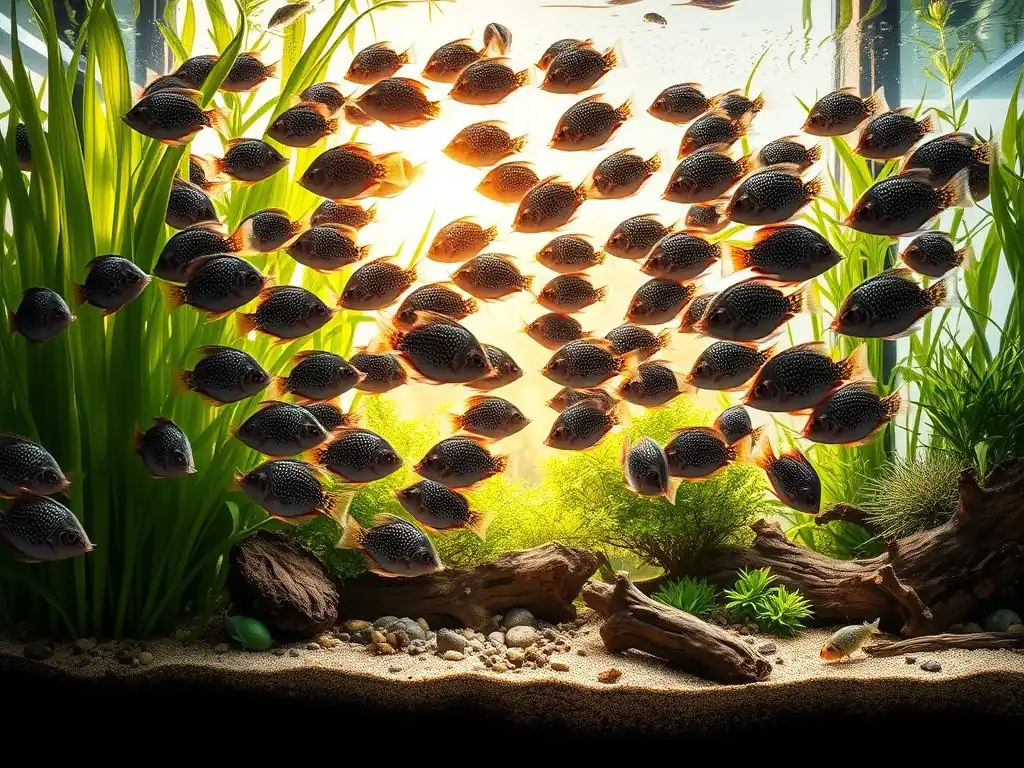
Ever wondered how to keep those adorable Peppered Corydoras thriving in your freshwater aquarium? You've come to the right place! Dive into our comprehensive guide for essential Peppered Corydoras care tips and discover everything you need to know about these hardy and captivating fish. From tank setup to feeding habits, we'll unlock the secrets to ensuring a happy and healthy life for your C. paleatus. Ready to master the art of Corydoras care? Let's get started!
- Understanding the Peppered Corydoras: An Introduction to Corydoras paleatus
- Peppered Corydoras Care Tips: Essential Guidelines for a Healthy Life
- Peppered Corydoras Breeding: A Guide to Successful Reproduction
- Common Health Issues in Peppered Corydoras and Their Prevention
- Purchasing Peppered Corydoras: Selecting Healthy Specimens
- Peppered Corydoras: A Comprehensive Care Guide Summary
- Frequently Asked Questions
- Final Reflection: Appreciating the Enduring Charm of the Peppered Corydoras
- Cultivate Your Cory Community!
Understanding the Peppered Corydoras: An Introduction to Corydoras paleatus
Origin and Natural Habitat of Peppered Corydoras
The Peppered Corydoras, scientifically known as Corydoras paleatus, hails from the temperate and sub-tropical regions of South America. Its natural range encompasses the Paraná River basin, extending across countries like Brazil, Argentina, Uruguay, and Paraguay. These charming fish are typically found in slow-moving streams, rivers, and tributaries, inhabiting waters that can range from clear to slightly murky, often with moderate currents.
In their native environment, Peppered Corydoras thrive in areas with soft, sandy, or silty bottoms, which they constantly explore for food. Their habitat is frequently adorned with abundant leaf litter, submerged driftwood, and dense aquatic vegetation, providing both shelter from predators and rich foraging grounds. They are accustomed to living in large schools, a behavior that offers safety in numbers and is crucial for their well-being in the wild.
Peppered Corydoras Appearance: Identifying Features and Variations
The Peppered Corydoras is easily recognizable by its distinctive mottled grey or brown body, adorned with darker, irregular spots and patches that give it a "peppered" appearance. Many specimens exhibit a subtle, iridescent sheen that can shimmer under proper lighting conditions. A key identifying feature, common to all Corydoras species, is their pair of delicate barbels located around their mouth, which they use to sift through the substrate for food.
Unlike many fish, they possess bony plates, or scutes, along their flanks instead of scales, providing a degree of natural armor. Adult Peppered Corydoras typically reach a size of 2 to 3 inches (approximately 5 to 7.5 cm) in length.
While the classic "peppered" pattern is most common, variations do exist. Albino forms, characterized by their pink eyes and white or pale bodies, are also popular in the aquarium trade. It's worth noting that the "Bronze Corydoras" ( Corydoras aeneus) is sometimes mistakenly identified as a variation of C. paleatus due to similar body shapes, though they are distinct species. Sexual dimorphism is present: females are generally larger and noticeably broader than males, particularly when they are gravid with eggs, making them appear more robust.
Why Choose Peppered Corydoras for Your Aquarium? Key Benefits
Peppered Corydoras are an excellent choice for community aquariums due to a multitude of appealing characteristics. They are renowned for their hardiness, making them relatively forgiving for novice aquarists, and their peaceful temperament ensures they coexist harmoniously with a wide array of other non-aggressive fish species. As dedicated bottom-dwellers, their constant foraging activity helps keep the substrate clean by consuming leftover food particles, acting as a natural clean-up crew in the aquarium. Their active and engaging behavior, often seen schooling together and sifting through the substrate, adds dynamic visual interest to any tank.
Beyond their practical benefits, Peppered Corydoras offer significant long-term appeal. With proper Peppered Corydoras care tips, these fish can live for 3 to 5 years, with some well-documented cases reaching up to 8 years in exceptional conditions. Their adaptability to a relatively wide range of water parameters, within suitable limits, further contributes to their beginner-friendly nature. Their resilience and charming personalities make them a consistently popular and rewarding addition to freshwater setups.
Peppered Corydoras Care Tips: Essential Guidelines for a Healthy Life
Ideal Tank Setup for Peppered Corydoras: Creating the Perfect Environment
Tank Size Requirements for a School of Peppered Corydoras
When considering Peppered Corydoras care tips, tank size is a critical factor, especially given their schooling nature. While a minimum of a 10-gallon tank can theoretically house a small group of 3-4 individuals, a 20-gallon long aquarium or larger is highly recommended for a healthy school of 6 or more Peppered Corydoras. This increased footprint provides ample swimming and foraging space, reducing stress and allowing them to exhibit their natural schooling behaviors more effectively.
For larger schools, say 10 to 12 individuals, a 30-gallon or even a 40-gallon breeder tank would be ideal. Larger tanks offer greater stability in water parameters, which is paramount for the long-term health of any fish. The additional space also allows for more diverse aquascaping, providing various hiding spots and open areas that cater to their exploratory instincts, contributing significantly to their overall well-being.
Substrate Selection: What's Best for Corydoras Barbels?
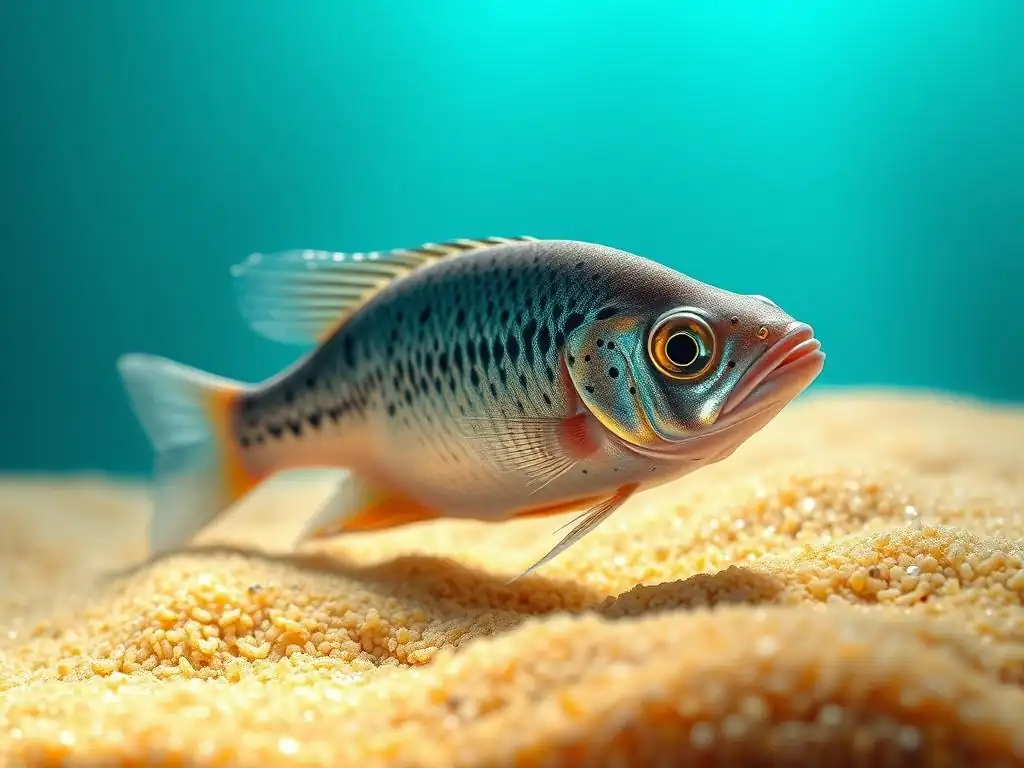
One of the most crucial Peppered Corydoras care tips involves the selection of appropriate substrate. Their delicate barbels, which they use extensively to sift through the bottom for food, are highly susceptible to damage from sharp or coarse materials. Therefore, a fine, soft substrate such as aquarium sand or very smooth, small-grain gravel is absolutely essential. Using rough gravel can lead to barbel erosion, making the fish vulnerable to bacterial infections and hindering their ability to feed naturally.
A substrate depth of at least 1 to 2 inches (2.5 to 5 cm) is beneficial, allowing the Corydoras to engage in their natural sifting and digging behaviors without impediment. Observing them bury their entire heads into the sand is a sign of a comfortable and healthy environment. This natural foraging behavior is not only enriching for the fish but also helps in aerating the substrate, preventing the buildup of anaerobic pockets.
Water Parameters: Maintaining Optimal Conditions for C. paleatus
Maintaining stable and appropriate water parameters is fundamental to successful Peppered Corydoras care tips. These fish thrive in temperatures ranging from 72-78°F (22-25.5°C). The ideal pH level is slightly acidic to neutral, typically between 6.0 and 7.5, and water hardness (dGH) should be kept between 2-15 dGH. While these ranges provide a guideline, consistency is more important than hitting exact numbers; sudden fluctuations can be far more detrimental than slight deviations.
Regular water testing is paramount to ensure these parameters remain stable. Ammonia and nitrite levels must always be at 0 ppm, as any presence of these toxins can quickly lead to severe health issues or death. Nitrate levels should be kept below 20 ppm through consistent maintenance. Weekly or bi-weekly water tests using a reliable liquid test kit are a non-negotiable part of effective Peppered Corydoras care tips.
Plants and Decorations: Enhancing the Corydoras Habitat
Enhancing the tank environment with appropriate plants and decorations significantly contributes to the well-being of Peppered Corydoras. Providing plenty of hiding spots and shaded areas helps them feel secure and reduces stress. Live plants such as Java Fern ( Microsorum pteropus), Anubias species, and Amazon Swords ( Echinodorus amazonicus) are excellent choices, offering natural cover and contributing to overall water quality by absorbing nitrates.
In addition to plants, smooth driftwood and rounded, non-abrasive rocks can create natural-looking caves and crevices for them to explore and rest in. It is crucial to ensure that all decorations have no sharp edges or rough surfaces that could injure their delicate barbels or bodies. While providing cover, remember to also leave open areas of soft substrate at the bottom, allowing them ample space for their characteristic foraging and sifting activities.
Peppered Corydoras Diet and Feeding: Ensuring Proper Nutrition
What to Feed Your Peppered Corydoras: A Balanced Diet
A balanced and varied diet is a cornerstone of effective Peppered Corydoras care tips. As omnivores, they require a mix of plant and animal matter. Their primary diet should consist of high-quality sinking pellets or wafers specifically formulated for bottom feeders, as these will reach them before being consumed by faster-swimming tank mates. Look for products that list fish meal, spirulina, or other nutritious ingredients.
To supplement their staple diet and provide essential nutrients, offer frozen or live foods regularly. Excellent choices include bloodworms, brine shrimp, daphnia, and tubifex worms. These provide crucial protein and stimulate natural foraging behaviors. Occasionally, blanched vegetables like zucchini or spinach can be offered to provide additional roughage and vitamins. Ensure that any food offered is small enough for them to consume easily.
Feeding Frequency and Portion Control for Corydoras
Proper feeding frequency and portion control are vital Peppered Corydoras care tips to prevent overfeeding and maintain water quality. Peppered Corydoras should be fed once or twice daily. The amount of food offered at each feeding should be consumed entirely within 5 to 10 minutes. Overfeeding not only leads to wasted food, which can decompose and foul the water, but also contributes to obesity and potential health issues in the fish.
Observe your Corydoras during feeding to gauge if they are receiving enough food, especially in a community tank where other fish might outcompete them. If you notice uneaten food after the recommended time, reduce the portion size for subsequent feedings. Varying their diet throughout the week, alternating between dry foods and frozen/live supplements, ensures they receive a comprehensive range of nutrients and keeps them engaged.
Best Tank Mates for Peppered Corydoras in a Community Aquarium
Selecting appropriate tank mates is a crucial aspect of Peppered Corydoras care tips, ensuring a peaceful and thriving community. The best companions are peaceful, mid-to-upper dwelling fish that will not compete aggressively for food or stress the Corydoras. Excellent choices include small tetras such as Neon Tetras, Cardinal Tetras, or Ember Tetras, as well as various rasboras like Harlequin Rasboras or Chili Rasboras. Dwarf gouramis, peaceful livebearers like guppies, platies, and mollies also make suitable companions.
Other peaceful bottom dwellers, such as Kuhli Loaches, can also coexist, provided there is ample space and food for all. It is paramount to remember that Peppered Corydoras are schooling fish and should always be kept in groups of at least 6 individuals. Keeping them in sufficient numbers significantly reduces their stress levels, encourages natural behaviors, and allows them to feel more secure in the aquarium environment.
Fish to Avoid: Incompatible Species for Corydoras
To maintain a stress-free and safe environment, certain fish species should be avoided as tank mates for Peppered Corydoras. Large, aggressive, or fin-nipping fish can pose a significant threat. This includes most larger cichlids (with the exception of very small, peaceful dwarf species), large barbs like Tiger Barbs, and aggressive species such as Red Tail Sharks or some types of gouramis. These fish can injure the Corydoras, stress them to the point of illness, or outcompete them for food, leading to malnutrition.
Additionally, avoid fish that require significantly different water parameters, such as very high pH or temperature, as this would compromise the health of either the Corydoras or the incompatible species. Highly competitive bottom feeders should also be avoided, as they can prevent the slower-moving Corydoras from getting adequate nutrition. Researching compatibility before introducing new fish is a vital part of proactive Peppered Corydoras care tips.
Maintaining Water Quality for Peppered Corydoras: A Crucial Aspect of Care
Regular Water Changes: The Key to a Healthy Aquarium
Regular water changes are arguably the single most important component of Peppered Corydoras care tips, directly impacting their health and longevity. Performing weekly or bi-weekly partial water changes of 25-30% is essential to remove accumulated nitrates, phosphates, and other dissolved organic compounds that can build up over time. During water changes, use a gravel vacuum to thoroughly clean the substrate, removing uneaten food and waste that accumulates at the bottom, which is particularly important for bottom-dwelling fish.
Always remember to use a high-quality dechlorinator or water conditioner when adding new tap water to the aquarium. This neutralizes harmful chlorine, chloramines, and heavy metals that are often present in municipal water supplies and are toxic to fish. Consistent adherence to a water change schedule prevents the buildup of toxins, reduces stress on the fish, and is a primary defense against common diseases.
Filtration and Aeration for Peppered Corydoras
A robust and appropriate filtration system is indispensable for maintaining pristine water quality for Peppered Corydoras. A good filter (such as a hang-on-back, canister, or sponge filter) will provide mechanical filtration to remove particulate matter, chemical filtration to absorb dissolved impurities, and biological filtration to process harmful ammonia and nitrites. When selecting a filter, ensure that its output flow is not excessively strong, as Corydoras prefer calmer water conditions and can be stressed by powerful currents.
Adequate aeration is also crucial to maintain high dissolved oxygen levels in the water. This can be achieved through the surface agitation created by the filter's outflow or by adding an air stone connected to an air pump. While Corydoras are capable of gulping air from the surface if oxygen levels are low, this behavior can also be a sign of insufficient oxygen. Providing consistent, high oxygen levels is a fundamental aspect of comprehensive Peppered Corydoras care tips.
Peppered Corydoras Breeding: A Guide to Successful Reproduction
Creating Breeding Conditions for Peppered Corydoras
To encourage Peppered Corydoras to breed, aquarists often simulate the conditions of their natural rainy season. This typically involves performing large, cool water changes daily for several days. For instance, replacing 50% of the tank water with water that is a few degrees cooler (e.g., 68-70°F or 20-21°C) than the tank temperature can trigger spawning. Simultaneously, increasing the frequency and protein content of their diet, perhaps by offering more live or frozen bloodworms and brine shrimp, also stimulates breeding readiness.
A slightly lower pH, around 6.5-7.0, and softer water, approximately 4-8 dGH, can further enhance breeding success. It is essential to have a healthy, well-fed group of at least 6 individuals, as they are schooling spawners. A good male-to-female ratio, often two males for every female, tends to yield the best results. Providing broad-leafed plants or smooth surfaces like tank glass for egg deposition is also beneficial.
Peppered Corydoras Spawning Behavior: What to Expect
When Peppered Corydoras are ready to spawn, the female will become noticeably rounder due to the presence of eggs, and the males will become more active, often chasing and nudging her. The characteristic "T-position" is central to Corydoras spawning: a male positions himself perpendicular to the female's head, stimulating her to release eggs into a pouch formed by her pelvic fins. As the female holds the eggs, the male releases milt, fertilizing them externally.
After fertilization, the female swims to a chosen flat surface—which could be the tank glass, a broad plant leaf, or a piece of decor—and meticulously attaches a small cluster of sticky eggs, typically 2 to 4 at a time. This process is repeated numerous times over several hours. A single female Peppered Corydoras can lay anywhere from 100 to 300 eggs during a successful spawning event, carefully placing them around the tank.
Raising Peppered Corydoras Fry: From Eggs to Juvenile
Once Peppered Corydoras eggs are laid, they typically hatch within 3 to 5 days if the water temperature is maintained around 75°F (24°C). To maximize fry survival, it is highly recommended to gently remove the eggs from the main tank and transfer them to a separate breeding or grow-out tank. This protects them from being eaten by adult fish or other tank inhabitants. The newly hatched fry are tiny and will primarily absorb nutrients from their yolk sacs for the first 2-3 days, remaining largely immobile.
Once the fry become free-swimming and their yolk sacs are absorbed, they require very small, frequent feedings. Initial foods should include infusoria, liquid fry food, or extremely fine powdered fry food. After about a week, they will be large enough to consume newly hatched brine shrimp or microworms, which provide essential protein for rapid growth. Maintaining pristine water quality in the fry tank through small, frequent water changes (e.g., 10% daily) is critical for their survival and development.
Common Health Issues in Peppered Corydoras and Their Prevention
Recognizing Signs of Illness in Peppered Corydoras
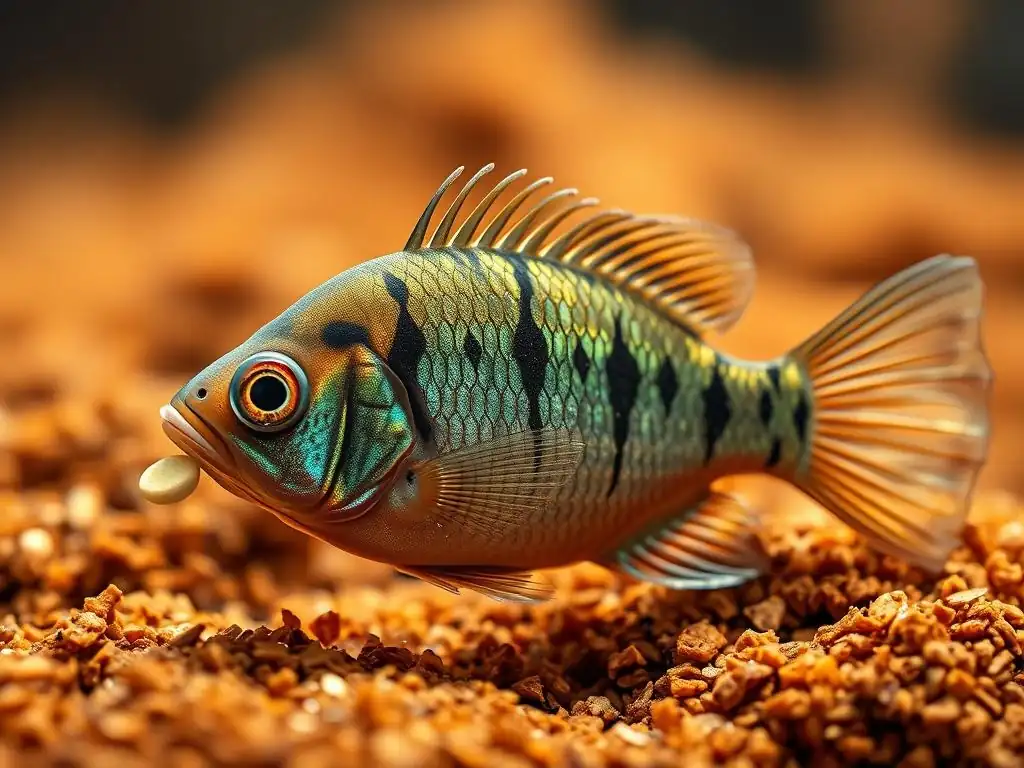
Recognizing early signs of illness is a vital component of proactive Peppered Corydoras care tips. Changes in behavior are often the first indicator: watch for unusual lethargy, erratic swimming, excessive hiding, or gasping at the surface (though some surface gulping is natural for Corydoras). Physical changes can include clamped fins, ragged or deteriorating fins, visible white spots (Ich), cloudy eyes, bloating, or any unusual growths or redness on the body. A significant loss of appetite is also a key warning sign.
Specifically for Corydoras, damaged or eroded barbels are a common issue, often indicative of an inappropriate, rough substrate or a bacterial infection stemming from poor water quality. White, cottony growths on the body or fins might signal a fungal infection. Any deviation from their normal active and inquisitive behavior should prompt a closer inspection of water parameters and the fish's overall condition.
Treating Common Corydoras Diseases: Ich, Fin Rot, and Bacterial Infections
Common diseases affecting Peppered Corydoras include Ich (White Spot Disease), fin rot, and various bacterial infections. For Ich, treatment typically involves slowly raising the tank temperature to 82°F (28°C) over 24 hours (if compatible with other tank inhabitants) and using a commercial Ich medication as directed. Fin Rot and general bacterial infections are often exacerbated by, or directly caused by, poor water quality. Treatment usually involves broad-spectrum antibacterial medications or antibiotics, strictly following the manufacturer's instructions.
Always ensure you accurately diagnose the disease before administering treatment, as incorrect medication can be harmful. If possible, isolate affected fish in a hospital tank to prevent the spread of disease to healthy tank mates and to reduce stress on the sick individual. Maintaining stable water parameters in the hospital tank is just as crucial as in the main display tank.
Preventing Health Problems: Proactive Corydoras Care
The most effective strategy for managing common health issues in Peppered Corydoras is prevention, a core tenet of advanced Peppered Corydoras care tips. The cornerstone of prevention is maintaining stable, pristine water parameters through regular partial water changes and efficient filtration. A balanced, high-quality diet, varied with sinking pellets, frozen, and live foods, ensures strong immune systems. Avoiding overstocking the aquarium is crucial, as it reduces stress and prevents rapid accumulation of waste.
Quarantining all new fish for 2-4 weeks in a separate tank before introducing them to the main display tank is a highly recommended preventative measure. This allows time to observe new arrivals for signs of disease and treat them if necessary, preventing the introduction of pathogens to your established community. Ensuring appropriate tank mates and providing a well-structured, stress-free environment further reduces the likelihood of health problems, promoting long-term vitality.
Purchasing Peppered Corydoras: Selecting Healthy Specimens
Where to Buy Peppered Corydoras: Reputable Sources
When looking to purchase Peppered Corydoras, choosing a reputable source is crucial for acquiring healthy specimens and ensuring successful Peppered Corydoras care tips from the start. Established local fish stores with clean tanks, knowledgeable staff, and healthy-looking fish are generally a good option. Observe the store's overall tank maintenance; if their tanks are dirty or show signs of sick fish, it's best to look elsewhere. Online retailers are also a viable option, but thoroughly research their reputation for ethical practices, safe shipping, and the health of their livestock through customer reviews and forums.
Another excellent source can be local aquarium clubs or dedicated fish breeders. These sources often provide healthier, locally bred specimens that are already acclimated to tap water conditions, potentially reducing stress upon introduction to your tank. They can also offer invaluable advice specific to Peppered Corydoras care tips based on their direct experience, making them a great resource for both beginners and experienced aquarists.
Identifying Healthy Peppered Corydoras: What to Look For
When selecting Peppered Corydoras, a careful visual inspection is essential to identify healthy specimens. Healthy Peppered Corydoras are active and alert, constantly foraging and sifting through the substrate, often in a cohesive school. Their fins should be fully extended and intact, not clamped against their body, tattered, or showing any signs of fin rot. Look for a clear, unblemished body with no visible white spots, fungal growths, redness, or signs of physical injury.
Pay close attention to their barbels; they should be long and undamaged, indicating proper care and suitable substrate in the holding tank. Avoid fish that are listless, sitting motionless for extended periods, gasping at the surface, or exhibiting a sunken belly, which can be a sign of malnourishment or internal parasites. Observing them for a few minutes before purchase will give you a good indication of their overall health and vitality.
Peppered Corydoras: A Comprehensive Care Guide Summary
Essential Peppered Corydoras Care Tips Checklist
- Tank Size: Minimum 20-gallon long aquarium for a school of 6+ individuals.
- Substrate: Fine, soft sand or smooth, small-grain gravel to protect barbels.
- Water Parameters:
- Temperature: 72-78°F (22-25.5°C)
- pH: 6.0-7.5
- Hardness: 2-15 dGH
- Ammonia/Nitrite: 0 ppm; Nitrates: below 20 ppm.
- Water Changes: Perform 25-30% partial water changes weekly or bi-weekly.
- Diet: High-quality sinking pellets/wafers supplemented with frozen/live foods (bloodworms, brine shrimp).
- Tank Mates: Peaceful, mid-to-upper dwelling fish; always keep Corydoras in schools of at least 6.
- Aquascaping: Provide plenty of hiding spots with live plants, driftwood, and smooth rocks; ensure open foraging areas.
- Quarantine: Always quarantine new fish for 2-4 weeks before introducing them to the main tank.
The Enduring Appeal of Peppered Corydoras in the Aquarium Hobby
The Peppered Corydoras stands out as a truly beloved and enduring favorite in the freshwater aquarium hobby. Its appealing combination of hardiness, peaceful temperament, and active, engaging behavior makes it an ideal inhabitant for a wide range of community tanks. Their diligent bottom-dwelling habits, constantly sifting through the substrate, not only provide visual interest but also contribute to the cleanliness of the aquarium environment.
With diligent adherence to comprehensive Peppered Corydoras care tips—including providing a spacious tank with appropriate substrate, maintaining stable and pristine water quality, offering a balanced diet, and ensuring suitable tank mates—these charming fish can thrive for many years. Their ease of care, coupled with their delightful personalities, ensures that Peppered Corydoras will continue to be a popular and rewarding choice for both novice and experienced aquarists alike, bringing continuous enjoyment to any freshwater setup.
Frequently Asked Questions
What are the ideal water parameters for Peppered Corydoras?
Peppered Corydoras thrive in slightly acidic to neutral water with a pH between 6.0 and 7.5. The ideal temperature range is 72-78°F (22-26°C). Maintaining stable water conditions is crucial for their health.
What is the best type of substrate for a Peppered Corydoras aquarium?
A smooth, sandy substrate is ideal. This prevents damage to their delicate barbels which they use to forage for food. Avoid sharp gravel or abrasive materials.
What should I feed my Peppered Corydoras?
They are omnivores and will accept a variety of foods. Offer sinking pellets or wafers formulated for bottom feeders, supplemented with occasional live or frozen foods like bloodworms and daphnia to ensure a balanced diet.
How many Peppered Corydoras should I keep together?
Peppered Corydoras are social fish and should be kept in groups of at least six. This allows them to display their natural behaviors and reduces stress, which contributes to their overall health and well-being.
What are some common health problems that affect Peppered Corydoras?
They are generally hardy, but susceptible to diseases like ich (white spot disease) and fin rot. Maintaining good water quality and quarantining new fish can help prevent these issues.
Final Reflection: Appreciating the Enduring Charm of the Peppered Corydoras
The journey through understanding Peppered Corydoras care reveals more than just the practicalities of aquarium keeping; it highlights the enduring appeal of a species that brings joy and balance to countless aquatic ecosystems. These little armored catfish, with their playful personalities and resilience, remind us of the simple beauty and interconnectedness found within the natural world, even within the confines of our own homes.
The Peppered Corydoras, often overlooked in favor of flashier species, quietly demonstrates the profound impact even the smallest creatures can have. My own experiences observing these fish have instilled a deep appreciation for their subtle elegance and the crucial role they play in maintaining a healthy aquarium environment. The greatness of a nation and its moral progress can be judged by the way its animals are treated.
- Mahatma Gandhi. This quote, while broad, resonates deeply when considering the responsibility we undertake when caring for any living being, including our beloved Peppered Corydoras.
Now, as you embark on your own journey with these delightful fish, remember that providing proper Peppered Corydoras care is more than just following a set of instructions. It's about fostering a connection with nature, creating a thriving ecosystem, and appreciating the quiet beauty that these hardy favorites bring to our lives. Let the lessons learned here inspire you to create a welcoming and enriching environment, not just for your Peppered Corydoras, but for all the creatures that share our planet.
Cultivate Your Cory Community!
Thank you for diving into the fascinating world of Peppered Corydoras! We hope this article has equipped you with valuable insights into keeping these delightful fish thriving. Ready to take the next step?
Here's how to amplify your Corydoras experience:
- Reassess your tank's substrate. Is it truly Cory-friendly? Consider upgrading to fine sand to protect their delicate barbels and encourage natural foraging behavior. This is the most important action.
- Join our vibrant community forum at Aquarium Mastery to share your Corydoras experiences, ask questions, and learn from fellow enthusiasts.
- Observe your Corydoras closely this week. Can you identify any individual personalities or unique behaviors within your group?
What small change can you make this week to significantly improve the life of your Peppered Corydoras?