
Julii Corydoras (C. julii) vs. Trilineatus: Spot the True Leopard Catfish

Welcome to Aquarium Mastery!
Ever been captivated by the charming spots of a Leopard Corydoras? Dive into our latest guide and learn the secrets to correctly identifying and caring for these delightful bottom-dwellers. But are you sure it's a Leopard Cory? Julii and Trilineatus Corydoras are often mistaken for them! Discover how to tell the difference and unlock the knowledge you need to provide the best possible environment for your freshwater friends. Ready to become a true Corydoras connoisseur? Let's get started!
- Understanding Leopard Corydoras: An Introduction to Corydoras julii and Corydoras trilineatus
- Identifying Key Differences: C. julii vs. C. trilineatus Visual Guide
- Leopard Corydoras Care Guide: Ensuring a Healthy Aquarium Environment
- Leopard Corydoras Breeding: A Challenging but Rewarding Endeavor
- Common Health Issues in Leopard Corydoras and Their Treatment
- Purchasing Leopard Corydoras: Ensuring You Get the Right Species
- Advanced Leopard Corydoras Care: Tips and Tricks for Experienced Aquarists
- Conclusion: Appreciating the Beauty and Uniqueness of Leopard Corydoras
-
Frequently Asked Questions
- How can I definitively identify a true Julii Corydoras from a Trilineatus, also known as a Leopard Corydoras?
- What are the ideal water parameters for keeping Leopard Corydoras healthy and thriving in my aquarium?
- What type of substrate is best suited for Leopard Corydoras to prevent damage to their delicate barbels?
- What should I feed my Leopard Corydoras to ensure they receive a balanced and nutritious diet?
- How many Leopard Corydoras should I keep together, and what tank size is recommended for a healthy and happy group?
- Final Reflection: Appreciating the Nuances of Nature
- Unleash Your Inner Fish Detective!
Understanding Leopard Corydoras: An Introduction to Corydoras julii and Corydoras trilineatus
Defining Leopard Corydoras: More Than Just Spots
The term "Leopard Corydoras" is widely used in the aquarium hobby, often referring to a charming and active bottom-dwelling catfish. While many associate this name with Corydoras julii, the true C. julii is a specific species known for its distinct, relatively sparse spotting pattern. These peaceful fish originate from South America, typically found in slow-moving tributaries and flooded forest areas, where their natural camouflage helps them blend with the substrate. Their small size, generally reaching about 2 to 2.5 inches (5 to 6.5 cm) in adulthood, makes them suitable for a variety of freshwater aquarium setups.
Beyond their attractive appearance, Leopard Corydoras exhibit fascinating schooling behaviors, preferring to live in groups of six or more individuals. They are diligent substrate sifters, constantly foraging for food with their sensitive barbels. This natural behavior highlights their need for appropriate substrate and clean water conditions in captivity. Understanding the nuances of their care, as outlined in this comprehensive Leopard Corydoras care guide, is crucial for their long-term health and vitality.
The Confusion: Why C. trilineatus is Often Mistaken for C. julii
A significant source of confusion in the aquarium trade stems from the frequent misidentification of Corydoras trilineatus as Corydoras julii. This mislabeling is pervasive, with C. trilineatus being far more commonly available in pet stores and online, often sold under the "Julii Corydoras" or "Leopard Corydoras" moniker. Both species share a similar body shape, size, and general coloration, making casual identification challenging for the untrained eye. Their shared peaceful temperament and similar care requirements further contribute to this widespread mix-up.
The primary reason for this confusion lies in their superficial resemblance and the commercial convenience of grouping similar-looking species. However, for dedicated aquarists and those aiming for species-specific breeding, accurate identification is paramount. While both are excellent additions to a community tank, recognizing the subtle yet distinct differences in their patterning is key to truly understanding which "Leopard Corydoras" you are acquiring and ensuring the most precise Leopard Corydoras care guide application.
Identifying Key Differences: C. julii vs. C. trilineatus Visual Guide
Spotting the Difference: Pattern Variations in Julii Corydoras
The true Corydoras julii exhibits a distinctive pattern characterized by small, irregular black spots scattered across a lighter, often silver-grey or cream-colored body. These spots are generally discrete and do not connect to form a network or maze-like pattern. On the dorsal fin, you will typically observe a prominent black blotch or a series of connected spots that create a broken stripe, while the caudal fin often features several vertical bands of spots. The overall impression is one of clean, distinct spotting.
While there can be slight variations in spot density among individual C. julii, the defining characteristic remains the separation of these spots rather than their fusion into lines or reticulations. This clean, dotted appearance is what truly sets C. julii apart from its commonly mistaken counterpart. Observing this pattern closely, especially on the flanks and fins, is a primary method for accurate identification when following a detailed Leopard Corydoras care guide.
Distinguishing Features: Examining the Reticulations on C. trilineatus
In contrast to C. julii, Corydoras trilineatus features a more pronounced and interconnected pattern. Its markings often form a distinct reticulated, or "net-like," pattern, particularly evident on the flanks. This pattern consists of dark lines that connect to enclose lighter areas, creating a mosaic or labyrinthine appearance. Additionally, C. trilineatus frequently displays a prominent dark stripe or series of merged spots running horizontally along its lateral line, which is less common or absent in C. julii.
The spots on C. trilineatus, while present, are typically larger and more elongated, often merging with the reticulated lines rather than appearing as isolated dots. This denser, more interconnected pattern, particularly the presence of the lateral line stripe and the overall "netted" look, is the most reliable visual cue for distinguishing C. trilineatus from the true C. julii. Understanding these nuances is a fundamental aspect of any comprehensive Leopard Corydoras care guide.
Head Markings: A Crucial Identifier for Leopard Catfish
Examining the markings on the head provides another critical point of differentiation between Corydoras julii and Corydoras trilineatus. The true C. julii typically displays a continuation of its body's spotted pattern onto the head, with clear, separate spots. Often, there might be a relatively unspotted or lightly spotted area around the operculum (gill cover), offering a clearer contrast. The spots on the head usually mirror the distinct, non-connected nature seen on the rest of its body.
Conversely, Corydoras trilineatus often presents a more intricate and denser pattern on its head. This can include a continuation of the reticulated body pattern, or a more solid dark area, sometimes forming a distinct "mask" or dark band that runs through the eye. The head markings of C. trilineatus tend to be more integrated and less discreet than those of C. julii, making this a vital feature to scrutinize when attempting to correctly identify your Leopard Corydoras.
Body Shape Comparison: Subtle Differences in Silhouette
While both Corydoras julii and Corydoras trilineatus share the characteristic stout, compact body shape typical of most Corydoras species, subtle differences in their silhouette can sometimes be observed, though these are less reliable for identification than their patterns. C. julii tends to have a slightly more robust or "chunky" appearance, with a generally more rounded profile from head to tail. This gives them a somewhat more compact look in comparison to their counterparts.
C. trilineatus, on the other hand, might sometimes appear marginally more elongated or slender, particularly when viewed from above or the side, though this difference is often very subtle and can vary between individual specimens. Both species typically reach a similar adult size of approximately 2 to 2.5 inches (5 to 6.5 cm). Therefore, while body shape can offer a hint, the intricate details of their spot and line patterns remain the most definitive indicators when differentiating between these two popular Leopard Corydoras.
Leopard Corydoras Care Guide: Ensuring a Healthy Aquarium Environment
Tank Setup for Leopard Corydoras: Creating an Ideal Habitat
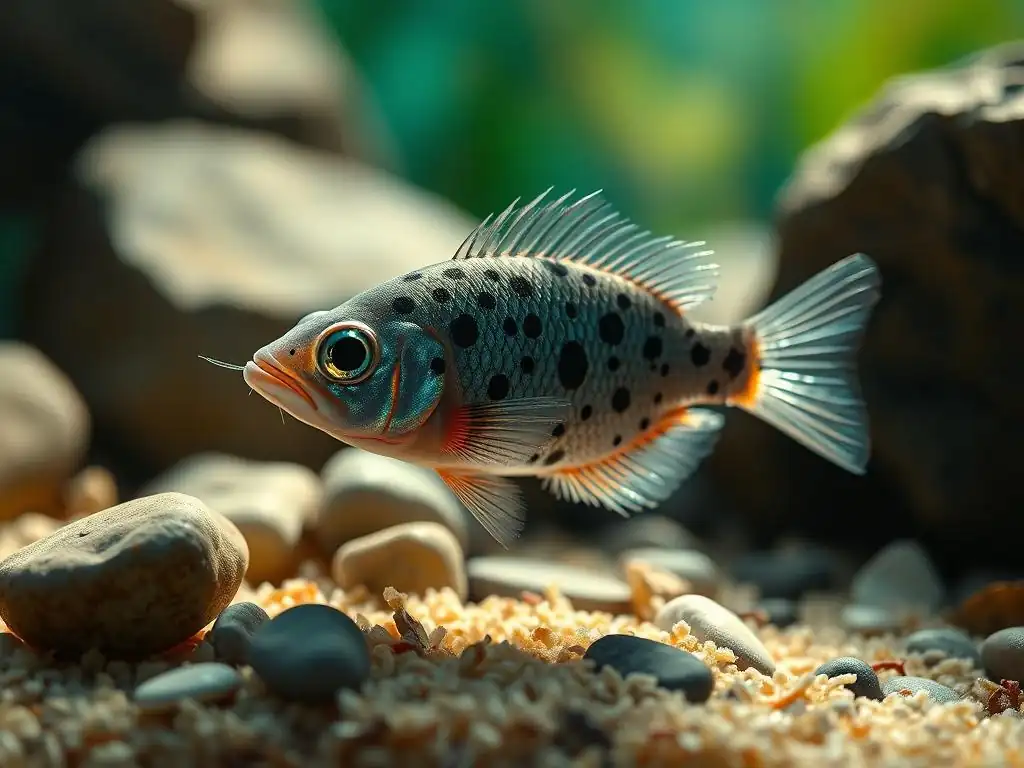
A well-planned aquarium setup is paramount for the health and well-being of Leopard Corydoras, whether you have C. julii or C. trilineatus. These active bottom-dwellers thrive in established tanks that mimic aspects of their natural South American habitats. They are highly social fish and absolutely require the company of their own kind; a minimum group of six to eight individuals is recommended to promote their natural schooling behaviors and reduce stress. Providing a stable and clean environment is the foundation of any effective Leopard Corydoras care guide.
The tank should be fully cycled before introducing any fish, ensuring that ammonia and nitrite levels are at zero and nitrates are kept low. A mature filter system that provides good biological filtration is essential. While they are peaceful, their constant foraging means they appreciate a tank that is designed with their bottom-dwelling habits in mind, including appropriate substrate and plenty of hiding spots.
Tank Size Considerations for C. julii and C. trilineatus
For a small group of 6-8 Leopard Corydoras, a minimum tank size of 10 gallons (approximately 38 liters) is often cited, though a 20-gallon (76-liter) long tank is significantly better. The "long" dimension is crucial as it provides more floor space for these active bottom-dwellers to forage and swim, which is more important than tank height. For larger groups or a community setup, a 30-gallon (114-liter) or larger tank is highly recommended to ensure ample swimming room and stable water parameters.
While they are small, their energetic nature and schooling requirements mean that they will utilize all available bottom space. Overcrowding can lead to stress, stunted growth, and increased susceptibility to disease. Providing adequate space is a cornerstone of responsible Leopard Corydoras care guide practices.
Substrate and Decor: Mimicking Their Natural Environment
The choice of substrate is perhaps one of the most critical elements for Leopard Corydoras. They possess delicate barbels, which they use extensively for sifting through the substrate to find food. Therefore, a fine, soft substrate such as sand or very fine, smooth gravel is essential. Coarse or sharp gravel can damage their barbels, leading to infections and a reduced ability to feed, ultimately impacting their health.
In terms of decor, provide plenty of hiding spots and visual barriers using driftwood, smooth rocks, and dense live plants. Plants like Anubias, Java Fern, and various Swords are excellent choices. Leaf litter, such as Indian almond leaves, can also be beneficial, releasing tannins that create a more natural, slightly acidic environment and offer additional hiding places. These elements contribute to a secure and stimulating habitat, enhancing the effectiveness of your Leopard Corydoras care guide.
Water Parameters: Maintaining Optimal Conditions for Leopard Corydoras
Maintaining stable and appropriate water parameters is fundamental to the long-term health and vibrancy of Leopard Corydoras. These fish are relatively hardy, but they are sensitive to fluctuating or poor water quality, which can quickly lead to stress and susceptibility to illness. Regular testing of water parameters is a non-negotiable part of their care routine.
Clean, well-oxygenated water is paramount. Ensure your filtration system is adequately sized for your tank and fish load, providing both mechanical and biological filtration. A gentle flow is preferred, as strong currents can stress these fish. Consistent monitoring and adjustment of water chemistry will significantly contribute to a successful Leopard Corydoras care guide.
Temperature, pH, and Hardness: The Ideal Water Chemistry
Leopard Corydoras thrive in water temperatures ranging from 72-79°F (22-26°C). Maintaining a stable temperature within this range is more important than hitting an exact number, as sudden fluctuations can be detrimental. The ideal pH level for these species is slightly acidic to neutral, typically between 6.0 and 7.5. While they can tolerate a slightly wider range, consistency prevents unnecessary stress.
For water hardness, a general hardness (GH) of 2-15 dGH is generally acceptable. Soft to moderately hard water mimics their natural South American river environments. Regular testing with a reliable aquarium test kit will help you monitor these parameters and make necessary adjustments, ensuring the water chemistry supports their optimal health as part of a comprehensive Leopard Corydoras care guide.
Importance of Water Changes for Corydoras Health
Regular water changes are arguably the most crucial aspect of maintaining optimal water quality for Leopard Corydoras. Weekly water changes of 20-30% are highly recommended. This practice helps to remove accumulated nitrates, phosphates, and other dissolved organic compounds that can build up over time, even with efficient filtration. Neglecting water changes is a common cause of stress and illness in these bottom-dwelling fish.
When performing water changes, use a gravel vacuum to gently clean the surface of the substrate, removing any uneaten food or detritus that can decompose and foul the water. Always ensure that the new water is dechlorinated and temperature-matched to avoid shocking the fish. Consistent, routine water changes are a cornerstone of any effective Leopard Corydoras care guide, preventing common health issues and promoting a thriving environment.
Feeding Leopard Corydoras: A Balanced Diet for Bottom Dwellers
While Leopard Corydoras are known for constantly sifting through the substrate, it's a common misconception that they can survive solely on leftover food from other tank inhabitants. They are not scavengers in the true sense and require a dedicated, balanced diet to thrive. Their unique feeding behavior, using their sensitive barbels to locate food, means that sinking foods are essential to ensure they receive adequate nutrition.
A varied diet is key to their long-term health and vibrancy. Offering a range of food types ensures they receive all necessary vitamins and nutrients. Proper feeding is a critical component of any comprehensive Leopard Corydoras care guide.
What to Feed: Diet Recommendations for Corydoras julii and Corydoras trilineatus
A high-quality diet for Corydoras julii and Corydoras trilineatus should primarily consist of sinking pellets or wafers specifically designed for bottom-feeding fish. Look for options rich in protein and spirulina. Supplement this staple with frozen foods such as bloodworms, brine shrimp, and daphnia, which provide essential proteins and fats. Live foods, like microworms or newly hatched brine shrimp, are also excellent for conditioning and promoting natural hunting behaviors.
Occasionally, blanched vegetables like zucchini or cucumber can be offered, though they may not be as readily accepted as protein-rich options. Ensure that food reaches the bottom of the tank, especially in community setups where faster-moving fish might outcompete them. Feeding at night, after the main tank lights are off, can help ensure the Corydoras get their share.
Feeding Frequency and Portion Control
Leopard Corydoras should be fed once or twice daily. The key is to offer small portions that can be consumed within a few minutes. Overfeeding is detrimental as it leads to uneaten food decaying in the substrate, which can quickly foul the water and contribute to elevated nitrate levels and other water quality issues. This, in turn, can stress the fish and lead to health problems.
Observe your fish during feeding time to gauge how much they consume. If there is significant food left after 5-10 minutes, reduce the portion size for the next feeding. A healthy Leopard Corydoras care guide emphasizes judicious feeding to maintain water quality and prevent obesity in the fish.
Leopard Corydoras Tank Mates: Choosing Compatible Species
Leopard Corydoras are renowned for their peaceful and sociable nature, making them ideal inhabitants for a community aquarium. Their calm demeanor means they generally pose no threat to other fish and are unlikely to be aggressive themselves. However, selecting appropriate tank mates is crucial to ensure their well-being and prevent them from being stressed or outcompeted for food.
The best tank mates are those that share similar water parameter requirements and a calm temperament. Avoiding overly boisterous or aggressive species is a key consideration in any Leopard Corydoras care guide.
Ideal Tank Companions for Peaceful Coexistence
Excellent tank companions for Leopard Corydoras include small to medium-sized, peaceful schooling fish that primarily inhabit the middle and upper water columns. Good examples are various types of tetras (e.g., Neon Tetras, Cardinal Tetras, Ember Tetras), rasboras (e.g., Harlequin Rasboras, Chili Rasboras), and peaceful livebearers like Guppies or Endler's Livebearers. Dwarf Gouramis and small, non-aggressive species of Otocinclus catfish also make suitable companions.
These species complement the Corydoras by occupying different areas of the tank, reducing competition for space and resources. They also contribute to a dynamic and visually appealing aquarium environment while respecting the peaceful nature of the Corydoras.
Fish to Avoid: Species That May Stress or Harm Your Corydoras
When choosing tank mates, it's important to avoid any species that are known to be aggressive, fin-nippers, or excessively boisterous. Large Cichlids, aggressive Barbs (like Tiger Barbs if not in a large school), or other predatory fish should be strictly avoided, as they can intimidate, injure, or even prey upon the smaller Corydoras. Fish that are highly territorial or require vastly different water parameters are also unsuitable.
Additionally, avoid very large or powerful bottom-dwelling fish that might inadvertently crush or stress the delicate Corydoras during their foraging activities. Ensuring that tank mates are compatible in temperament and size is vital for a thriving Leopard Corydoras care guide setup.
Leopard Corydoras Breeding: A Challenging but Rewarding Endeavor
Breeding Leopard Corydoras can be a truly rewarding experience for the dedicated aquarist, though it often requires specific conditions and patience. Both Corydoras julii and Corydoras trilineatus follow similar breeding patterns, typically exhibiting a "T-position" spawning embrace. Success often hinges on replicating environmental cues that signal the onset of the rainy season in their natural habitats.
While not always straightforward, observing the intricate courtship and spawning behaviors of these charming catfish is a highlight of advanced Leopard Corydoras care guide practices.
Creating Breeding Conditions: Simulating the Rainy Season
To encourage Leopard Corydoras to spawn, aquarists often simulate the conditions of the rainy season. This involves performing large, frequent water changes (50% or more, several times a week) with water that is slightly cooler than the tank's ambient temperature, often by 5-10°F (3-6°C). This drop in temperature, combined with the influx of fresh water, mimics the cooler, oxygen-rich floodwaters of their native rivers.
Increasing the protein content in their diet with live or frozen foods like bloodworms, brine shrimp, and microworms can also condition them for breeding. Additionally, some aquarists find success by slightly lowering the pH and increasing water flow in the tank. Providing broad-leafed plants (like Anubias or Java Fern) or smooth surfaces (like tank glass or slate) offers ideal sites for egg deposition.
Identifying Male and Female Leopard Corydoras
Distinguishing between male and female Leopard Corydoras can be challenging, especially when they are not in breeding condition. However, there are some general indicators. Females are typically larger and noticeably rounder in the belly, particularly when gravid (full of eggs), appearing much plumper than the males. Their body shape might appear broader when viewed from above.
Males, in contrast, tend to be smaller, more slender, and often have a more pointed dorsal fin. During breeding periods, males may also appear more active and pursue females persistently. Observing a group for these subtle differences over time is usually the best approach to sexing your Leopard Corydoras.
Spawning Behavior and Egg Care
When ready to spawn, Leopard Corydoras typically engage in a characteristic "T-position" embrace. The male positions himself perpendicular to the female's head, fertilizing eggs that the female holds cupped in her pelvic fins. After fertilization, the female deposits these adhesive eggs, usually in small batches of 2-5, onto various surfaces such as plant leaves, aquarium glass, decor, or even filter tubes. This process can continue for several hours, with a single female laying anywhere from 20 to 100 eggs.
Once laid, the eggs typically hatch within 3-5 days, depending on the water temperature. Many adult Corydoras will consume their own eggs, so for successful fry rearing, it is often necessary to either remove the eggs to a separate rearing tank or remove the adult fish from the spawning tank after they have finished laying.
Raising Leopard Corydoras Fry: From Hatching to Maturity
Leopard Corydoras fry are tiny and delicate upon hatching. For the first 2-3 days, they will absorb their yolk sac and do not require external feeding. After this period, they need microscopic foods. Initial foods should include infusoria, liquid fry food, or very finely crushed high-quality flake food. As they grow, typically after a week or so, they can be transitioned to newly hatched brine shrimp, microworms, or finely powdered sinking pellets.
Maintaining pristine water quality in the fry rearing tank is paramount. Perform small, frequent water changes (10-20% daily) using a gentle air stone for aeration. Ensure the substrate is soft (e.g., bare bottom or fine sand) to protect their developing barbels. Consistent feeding and meticulous water management are crucial for the successful growth of Leopard Corydoras fry, marking an advanced stage in your Leopard Corydoras care guide journey.
Common Health Issues in Leopard Corydoras and Their Treatment
Despite their general hardiness, Leopard Corydoras can be susceptible to various health issues, particularly if their aquarium environment is not maintained optimally. Poor water quality, inappropriate substrate, and inadequate diet are common culprits behind stress and disease. Early detection of illness is crucial for successful treatment and preventing the spread of disease within the tank.
A proactive approach to aquarium maintenance and careful observation of your fish are the best defenses against common ailments. Understanding the signs of distress is a vital part of any effective Leopard Corydoras care guide.
Recognizing Signs of Illness: Early Detection is Key
Observing your Leopard Corydoras daily is the first step in identifying potential health problems. Look for changes in behavior such as lethargy, hiding more than usual, erratic swimming, or gasping at the surface. Physical signs of illness can include clamped fins, frayed or rotting fins, white spots (Ich), fuzzy growths (fungus), reddening of the body or fins, and damaged or shortened barbels. Loss of appetite or refusal to eat is also a strong indicator of an issue.
Healthy Leopard Corydoras are typically active, constantly sifting the substrate, and display vibrant, clear coloration. Any deviation from these normal behaviors or appearances warrants immediate investigation into water parameters and overall tank conditions.
Treating Common Corydoras Diseases: A Practical Guide
Common diseases affecting Leopard Corydoras include Ich (white spot disease), fin rot, and bacterial infections. Ich, characterized by small white spots resembling salt grains, is often treated by gradually raising the water temperature to 82-86°F (28-30°C) for several days (if compatible with tank mates) and using an Ich-specific medication. Fin rot and other bacterial infections typically manifest as ragged or deteriorating fins and can be treated by improving water quality (large water changes) and using broad-spectrum antibacterial medications.
Always follow medication instructions carefully, and remember to remove activated carbon from your filter during treatment, as it will absorb the medication. In cases of damaged barbels, which are often caused by coarse substrate or poor water quality, improving the substrate and maintaining pristine water conditions are the primary "treatments" to allow them to heal.
Preventing Health Problems: Maintaining a Healthy Aquarium
Prevention is always better than cure, especially when it comes to the delicate nature of Leopard Corydoras. The most effective way to prevent health issues is to maintain consistently excellent water quality through regular weekly water changes (20-30%) and efficient filtration. Avoid overfeeding, as uneaten food contributes to poor water conditions. Ensure your tank is not overstocked, which can lead to increased waste and stress.
Quarantining new fish for at least 2-4 weeks in a separate tank before introducing them to your main aquarium is a crucial preventative measure. This allows you to observe new arrivals for any signs of disease and treat them if necessary, preventing the introduction of pathogens to your established community. A comprehensive Leopard Corydoras care guide emphasizes these preventative steps as the cornerstone of long-term health.
Purchasing Leopard Corydoras: Ensuring You Get the Right Species
When adding Leopard Corydoras to your aquarium, the initial purchase decision is critical. Not only do you want to ensure you are acquiring healthy specimens, but if you have a specific preference for Corydoras julii or Corydoras trilineatus, careful identification at the point of sale is essential due to the common mislabeling in the hobby. Taking the time to research reputable sources and inspect the fish thoroughly will save you potential headaches down the line.
A well-informed purchase contributes significantly to a successful Leopard Corydoras care guide experience.
Where to Buy: Reputable Sources for C. julii and C. trilineatus
To increase your chances of acquiring healthy Corydoras julii or Corydoras trilineatus, seek out reputable local fish stores or established online retailers. A good local fish store will have knowledgeable staff, clean tanks, and fish that appear active and well-cared for. Ask about their sourcing practices; some stores specialize in wild-caught or ethically bred specimens.
For online purchases, research reviews from other aquarists regarding the seller's reputation for healthy fish and accurate species identification. While C. trilineatus is far more common, some specialized retailers might explicitly stock true C. julii. Be prepared to pay a premium for accurately identified and healthy specimens, as it's an investment in the long-term well-being of your aquarium.
Identifying Healthy Specimens: What to Look For Before Buying
Before making a purchase, take the time to carefully observe the fish in the store tank. Healthy Leopard Corydoras should be active, constantly sifting the substrate, and exhibiting their characteristic schooling behavior. Look for clear eyes, intact and unfrayed fins, and a full, rounded belly. Their barbels should be long, straight, and undamaged; shortened or stubby barbels can indicate poor water quality or rough substrate in their previous environment.
Avoid fish that are lethargic, hiding excessively, gasping at the surface, or showing any visible signs of disease such as white spots, fungus, reddening, or open sores. Do not purchase from tanks that contain dead or obviously sick fish, as this indicates poor husbandry and a high risk of disease transmission to your home aquarium.
Acclimation Process: Introducing Your New Corydoras to the Tank
Once you've brought your new Leopard Corydoras home, a proper acclimation process is crucial to minimize stress and prevent shock from sudden changes in water parameters. The drip acclimation method is highly recommended for sensitive species like Corydoras. This involves placing the fish and their transport water in a bucket or separate container and slowly dripping water from your main aquarium into the container using airline tubing and a knot or valve to control the flow.
This slow equalization process, typically taking 30-60 minutes or longer depending on the initial parameter differences, allows the fish to gradually adjust to your tank's temperature, pH, and hardness. Once acclimated, gently net the fish and introduce them to your aquarium, discarding the bag water to prevent introducing any potential pathogens from the store. This careful introduction is a final, vital step in ensuring a successful Leopard Corydoras care guide experience.
Advanced Leopard Corydoras Care: Tips and Tricks for Experienced Aquarists
For experienced aquarists looking to take their Leopard Corydoras care guide to the next level, optimizing tank conditions and understanding subtle behavioral cues can unlock even greater success, particularly in breeding and maintaining vibrant, long-lived specimens. Moving beyond basic care, these advanced tips focus on fine-tuning the environment to truly cater to the specific needs of Corydoras julii and Corydoras trilineatus.
These insights are especially valuable for those aiming for consistent breeding or simply wishing to observe their Corydoras exhibiting their most natural behaviors.
Optimizing Tank Conditions for Breeding Success
For dedicated breeding efforts, setting up a species-specific breeding tank for Leopard Corydoras can significantly increase success rates. This allows for precise control over water parameters without affecting other tank inhabitants. Consider utilizing a reverse osmosis (RO) system to produce soft water, which can then be remineralized to achieve specific hardness levels (e.g., GH 2-8 dGH) that mimic their natural breeding grounds. A slightly acidic pH (6.0-6.5) can also be beneficial.
Beyond water chemistry, increasing the frequency of cool water changes and providing a highly protein-rich diet (e.g., daily feedings of live blackworms or high-quality frozen foods) will further condition the fish for spawning. Some aquarists also employ a gentle powerhead to create specific flow patterns, mimicking the increased currents during rainy seasons, which can stimulate breeding behavior.
Enhancing the Natural Behavior of Your Corydoras
To truly observe the full range of natural behaviors in your Leopard Corydoras, consider increasing their group size to 10 or more individuals. A larger school promotes greater confidence, more active foraging, and more pronounced schooling displays. Design the aquarium with both open sand areas for sifting and densely planted zones or driftwood structures for hiding and exploration.
Incorporating natural botanicals like Indian almond leaves, alder cones, or even small pieces of driftwood can create a blackwater effect, releasing beneficial tannins that can enhance their comfort and coloration. A gentle, consistent water flow, perhaps from a well-placed filter output or small powerhead, can also encourage active swimming patterns reminiscent of their riverine habitats, allowing them to exhibit more natural behaviors than in stagnant conditions.
Addressing Fading Colors and Loss of Appetite in Leopard Corydoras
Fading colors and a persistent loss of appetite in Leopard Corydoras are significant indicators that something is amiss, even in otherwise seemingly healthy tanks. These are often early warning signs of chronic stress or an underlying health issue. The first step is always to meticulously re-evaluate all water parameters: ammonia, nitrite, nitrate, pH, and temperature. Even slight deviations or fluctuations outside their ideal range can lead to these symptoms.
If water quality is confirmed to be excellent, consider their diet. Are they receiving enough varied, high-quality sinking foods, or are they being outcompeted by faster tank mates? Increasing the frequency of live or frozen food offerings can often stimulate appetite and improve coloration. Persistent symptoms, despite optimal water and diet, may point to internal parasites or a more serious disease, requiring further investigation and potentially targeted treatment, highlighting the continuous vigilance required in advanced Leopard Corydoras care guide practices.
Conclusion: Appreciating the Beauty and Uniqueness of Leopard Corydoras
The Joy of Keeping Corydoras julii and Corydoras trilineatus
Whether you ultimately keep the true Corydoras julii or the more commonly available Corydoras trilineatus, both species offer immense joy and fascination to the freshwater aquarist. Their peaceful demeanor, active bottom-dwelling habits, and charming personalities make them outstanding additions to a well-maintained community aquarium. Observing their constant sifting through the substrate, their synchronized schooling, and their distinct patterns provides endless hours of enjoyment.
These delightful catfish are not only aesthetically pleasing but also play a beneficial role in the aquarium ecosystem by helping to keep the substrate clean. Their hardiness, combined with their relatively small size, makes them accessible to both novice and experienced hobbyists, provided the fundamental principles of the Leopard Corydoras care guide are faithfully followed.
Further Resources for Leopard Corydoras Care
For those eager to delve even deeper into the world of Leopard Corydoras, Aquarium Mastery offers a wealth of additional resources. Explore our detailed species profiles for more in-depth information on specific Corydoras types, including their precise origins and unique characteristics. Our comprehensive guides on freshwater aquarium setup, water chemistry management, and troubleshooting common tank issues provide invaluable support for maintaining optimal conditions.
Consider joining online aquarium forums or local fish-keeping clubs to connect with other enthusiasts. Sharing experiences, asking questions, and learning from the collective knowledge of the hobbyist community can significantly enhance your understanding and success in providing the best possible Leopard Corydoras care guide for your beloved aquatic companions.
Frequently Asked Questions
How can I definitively identify a true Julii Corydoras from a Trilineatus, also known as a Leopard Corydoras?
The key is in the spot pattern! Julii Corydoras have irregular spots on their head, while Trilineatus (Leopard Corydoras) have reticulated or web-like markings.
What are the ideal water parameters for keeping Leopard Corydoras healthy and thriving in my aquarium?
Leopard Corydoras prefer slightly acidic to neutral water, with a pH of 6.0-7.0, a temperature of 72-78°F (22-26°C), and good water quality achieved through regular water changes.
What type of substrate is best suited for Leopard Corydoras to prevent damage to their delicate barbels?
A smooth, sandy substrate is ideal for Leopard Corydoras. Avoid sharp gravel that can damage their barbels, making it difficult for them to forage for food.
What should I feed my Leopard Corydoras to ensure they receive a balanced and nutritious diet?
Offer a varied diet including sinking pellets or wafers specifically formulated for bottom-feeding fish, supplemented with live or frozen foods like bloodworms and daphnia.
How many Leopard Corydoras should I keep together, and what tank size is recommended for a healthy and happy group?
Leopard Corydoras are social fish and should be kept in groups of at least 6 individuals. A 20-gallon tank is generally recommended for a small group, providing ample space for swimming and foraging.
Final Reflection: Appreciating the Nuances of Nature
The subtle differences between Corydoras julii and Corydoras trilineatus might seem trivial, but as we've explored in this Leopard Corydoras care guide, understanding these nuances is crucial for responsible aquarium keeping and appreciating the intricate beauty of the natural world. This distinction goes beyond mere identification; it speaks to the importance of accurate information and informed decisions in the hobby.
This journey into the world of Leopard Corydoras has highlighted the need for careful observation and continuous learning. It reminds us that even seemingly simple creatures possess a complexity that deserves our respect and attention. The devil is in the details,
as they say, and in the case of these charming catfish, the details are what make them truly special. The ongoing popularity of Corydoras species in aquariums underscores our innate desire to connect with nature, but that connection must be built on a foundation of knowledge and ethical practice.
Now, armed with the knowledge to confidently identify and care for your Leopard Corydoras, I encourage you to look beyond the spots and stripes. Consider the broader implications of your choices as an aquarist. Let's strive to create thriving environments for these fascinating creatures, ensuring their well-being and contributing to a more sustainable and informed aquarium hobby for generations to come.
Unleash Your Inner Fish Detective!
Thank you for diving into the world of Corydoras with us! We hope you’ve enjoyed sharpening your eye for detail and uncovering the subtle differences between C. julii and C. trilineatus. Now it’s time to put your knowledge to the test and take action!
Here's how you can further explore the captivating world of these adorable catfish:
- Challenge yourself to correctly identify every "leopard" Corydoras you encounter online or in local fish stores! Pay close attention to the spot patterns and reticulation to confirm their true identity.
- Share your newfound expertise! Educate fellow aquarists about the confusion surrounding these two species and help prevent mislabeling in the hobby.
- Looking for a fun, hands-on project? Create an illustrated guide highlighting the key differences between C. julii and C. trilineatus, and share it with your local aquarium club or online community.
Ready to share your spot-the-difference skills? How many mislabeled C. julii or C. trilineatus have you spotted so far?