
Sterbai Corydoras (C. sterbai): Dazzling Spots & How to Care for Them

Welcome to Aquarium Mastery!
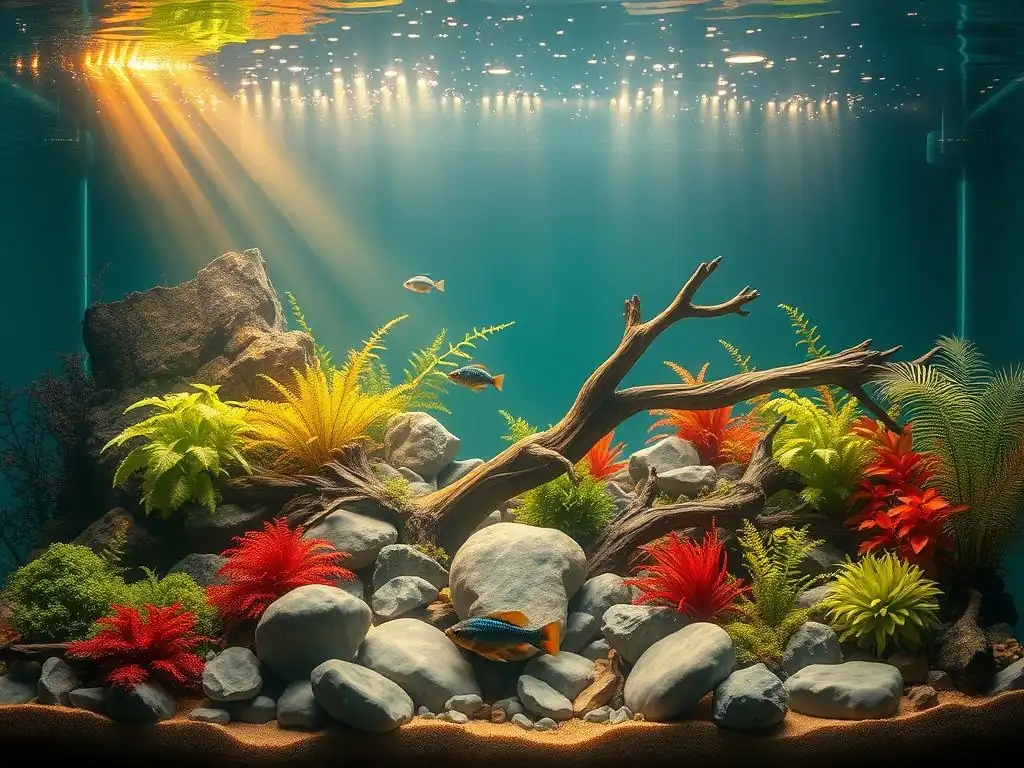
Curious about those dazzling orange spots and playful personalities you've seen in the aquarium world? You've come to the right place! Dive in and discover the secrets to thriving Sterbai Corydoras. Our comprehensive Sterbai Corydoras care guide will equip you with everything you need to know to keep these delightful bottom-dwellers happy and healthy. So, are you ready to unlock the secrets to their care and bring some vibrant life to your freshwater aquarium? Let's explore!
- Introduction to the Sterbai Corydoras: A Dazzling Addition to Your Aquarium
- Sterbai Corydoras Care Guide: Essential Information for Thriving Fish
- Setting Up a Sterbai Corydoras Aquarium: A Step-by-Step Guide
- Sterbai Corydoras Health: Identifying and Treating Common Issues
- Breeding Sterbai Corydoras: A Challenging but Rewarding Endeavor
- Differentiating Sterbai Corydoras from Similar Species
- Troubleshooting Common Sterbai Corydoras Problems
- Conclusion: Mastering Sterbai Corydoras Care for a Vibrant Aquarium.
- Frequently Asked Questions
- Final Reflection: Appreciating the Sterbai's Enduring Charm
- Unleash the Sterbai Cory's Sparkle in Your Aquarium!
Introduction to the Sterbai Corydoras: A Dazzling Addition to Your Aquarium
Why Choose Sterbai Corydoras for Your Freshwater Tank?
The Sterbai Corydoras, scientifically known as Corydoras sterbai, is an exceptionally popular and highly sought-after species among freshwater aquarists. Renowned for their peaceful demeanor and active bottom-dwelling habits, they make an ideal addition to most community tanks. Their hardiness and relatively straightforward Sterbai Corydoras care guide requirements also make them an excellent choice for both novice and experienced fish keepers looking to introduce dynamic activity to the lower levels of their aquarium.
Beyond their amiable temperament, Sterbai Corydoras contribute significantly to the overall health of an aquarium. As diligent scavengers, they constantly sift through the substrate, helping to aerate it and consume leftover food particles that might otherwise decompose and foul the water. This natural behavior not only keeps the tank cleaner but also stimulates their natural foraging instincts, providing engaging viewing for the hobbyist.
Understanding the Appeal of Sterbai Corydoras' Unique Markings
The primary allure of the Sterbai Corydoras lies in its striking visual appeal. They possess a captivating pattern of bright white or yellowish spots against a dark, often black or deep brown, body. These dazzling spots extend elegantly onto their head, creating a truly distinctive appearance that sets them apart from many other Corydoras species.
Adding to their charm are their vibrant fins, particularly the pectoral fins, which often display a brilliant orange or yellow hue. This splash of color provides a stunning contrast against their spotted bodies, making them stand out beautifully, especially when schooling against a lush green planted backdrop or a dark substrate. This unique combination of patterns and colors ensures the Sterbai Corydoras remains a focal point in any well-maintained aquarium.
Sterbai Corydoras Care Guide: Essential Information for Thriving Fish
Optimal Tank Conditions for Sterbai Corydoras
Providing optimal tank conditions is the cornerstone of any successful Sterbai Corydoras care guide. These fish thrive in environments that closely mimic their natural South American habitats, characterized by clean, well-oxygenated water and soft, fine substrates. Establishing and maintaining these conditions is crucial for their long-term health, vitality, and natural behavior.
Consistency in water parameters is paramount. While Corydoras sterbai are relatively adaptable, sudden or drastic fluctuations in temperature, pH, or hardness can cause significant stress, weakening their immune systems and making them susceptible to disease. A stable environment ensures they feel secure and allows them to exhibit their full range of natural behaviors, from foraging to schooling.
Ideal Water Parameters: Temperature, pH, and Hardness
For Sterbai Corydoras to truly thrive, maintaining specific water parameters is essential. The ideal temperature range is between 73-82°F (23-28°C), reflecting the warm waters of their native South American rivers. A stable temperature within this range promotes active metabolism and overall well-being.
Regarding pH, a range of 6.0-7.5 is generally recommended, with slightly acidic to neutral conditions often preferred. Water hardness should be soft to moderately hard, typically between 2-15 dGH (35-267 ppm). While they can tolerate slight deviations, consistent parameters within these ranges are more important than hitting exact mid-points, as stability minimizes stress and prevents health issues.
Substrate Recommendations for Corydoras Sterbai
The choice of substrate is a critical aspect of Corydoras sterbai care. Due to their delicate barbels, which they use extensively for foraging, a fine, soft substrate is absolutely necessary. Options such as aquarium-specific sand (e.g., pool filter sand, play sand, or specialized aquarium sands) or very smooth, small-grained gravel are ideal.
Rough or sharp gravel can easily damage their sensitive barbels, leading to infections and loss of their primary sensory organs. A soft substrate also allows them to exhibit their natural sifting behavior, where they burrow their faces into the sand to search for food particles. Regular, gentle cleaning of the substrate surface is also important to prevent detritus buildup, which can contribute to barbel erosion.
Importance of Water Quality: Avoiding Common Problems
Pristine water quality is non-negotiable for the health of Sterbai Corydoras. Ammonia and nitrite levels must consistently be at 0 parts per million (ppm), as these are highly toxic to fish. Nitrate levels should be kept below 20 ppm, and ideally under 10 ppm, through regular water changes. Utilizing a reliable liquid test kit to monitor these parameters weekly is crucial.
Poor water quality is a leading cause of stress and disease in Corydoras sterbai, manifesting as issues like fin rot, barbel erosion, lethargy, and susceptibility to parasitic infections. A well-cycled aquarium with adequate filtration, combined with consistent maintenance, forms the backbone of a successful Sterbai Corydoras care guide, ensuring a healthy and vibrant environment for these charming bottom dwellers.
Feeding Sterbai Corydoras: Ensuring a Balanced Diet
Sterbai Corydoras are omnivores with a natural inclination towards scavenging, constantly sifting through the substrate for food. While they will readily consume leftover flakes or pellets from surface feeders, it is crucial not to rely solely on these. A varied and balanced diet specifically designed for bottom feeders is essential to meet their nutritional needs and ensure their long-term health.
Their foraging behavior means that food must reach the bottom of the tank quickly. Flakes tend to dissolve or be consumed by faster-swimming fish before they settle, leaving the Corydoras sterbai underfed. Providing sinking foods ensures that these industrious fish receive adequate nutrition, preventing competition and promoting their natural feeding habits.
What to Feed Sterbai Corydoras: Best Food Options
A diverse diet is key for a healthy Sterbai Corydoras. High-quality sinking pellets or wafers specifically formulated for bottom feeders should form the staple of their diet. Reputable brands offer products designed to provide comprehensive nutrition for corydoras species.
Supplementing their diet with frozen foods like bloodworms, brine shrimp, and daphnia (thawed before feeding) provides essential protein and variety. Live foods, such as grindal worms or microworms, can be offered as occasional treats, stimulating their predatory instincts. While primarily carnivorous, blanched vegetables like zucchini or cucumber can also be offered periodically to provide some plant matter.
Feeding Schedule and Portion Control for Corydoras
Sterbai Corydoras should be fed once or twice daily, with small portions that they can consume within 2-3 minutes. Overfeeding is a common mistake that leads to excess waste, deteriorating water quality, and potential health problems for all tank inhabitants. It's better to underfeed slightly than to overfeed.
In community tanks, it's important to ensure that the food actually reaches the bottom where the Corydoras reside, as faster-swimming, mid-water fish can quickly snatch up most of the offerings. Target feeding, where sinking foods are dropped directly into their foraging areas, can be beneficial to ensure your Corydoras sterbai receive their fair share, an important aspect of diligent Sterbai Corydoras care.
Sterbai Corydoras are highly social fish and thrive when kept in groups. A minimum school of six individuals is recommended, but a larger group of 10 or more will allow them to exhibit their most natural and engaging behaviors, such as synchronized foraging and playful interactions. Keeping them in insufficient numbers can lead to stress and shyness.
Their peaceful and non-aggressive nature makes them ideal candidates for a wide variety of community aquariums. They pose no threat to other fish and are generally unbothered by other peaceful species, making them a cornerstone for a harmonious freshwater setup. This compatibility is a key reason for their popularity in a comprehensive Sterbai Corydoras care guide.
Best Tank Mates for Peaceful Coexistence
When selecting tank mates for Sterbai Corydoras, prioritize small, peaceful fish that primarily inhabit the mid to upper water columns, thus avoiding direct competition for space and food at the bottom. Excellent choices include various species of Tetras, such as Neon Tetras, Cardinal Tetras, Rummy Nose Tetras, and Ember Tetras, which are all known for their calm dispositions and similar water parameter requirements.
Other suitable companions include peaceful Rasboras (e.g., Harlequin Rasboras, Chili Rasboras), Dwarf Gouramis, small, placid Barbs like Cherry Barbs, and other small, non-aggressive catfish such as Otocinclus. Ensuring tank mates have similar temperature and water chemistry needs is crucial for the well-being of all inhabitants alongside your Corydoras sterbai.
Fish to Avoid When Keeping Sterbai Corydoras
Certain fish species are unsuitable as tank mates for Sterbai Corydoras due to their aggressive nature, predatory instincts, or vastly different environmental requirements. Avoid large, predatory cichlids (e.g., Oscars, Jack Dempseys) that could view the smaller Corydoras as food. Similarly, highly aggressive or fin-nipping fish, such as some larger Barb species (e.g., adult Tiger Barbs, unless in very large schools in a spacious tank), should be avoided as they can stress or injure the peaceful Corydoras.
Fish that require very different water parameters, such as extremely high pH or very cold temperatures, should also be excluded. Additionally, species that aggressively compete for bottom-dwelling food, or those that might disturb the Corydoras' preferred soft substrate, should be carefully considered or avoided altogether to maintain a peaceful and healthy environment for your Corydoras sterbai.
Setting Up a Sterbai Corydoras Aquarium: A Step-by-Step Guide
Choosing the Right Tank Size for Your Corydoras School
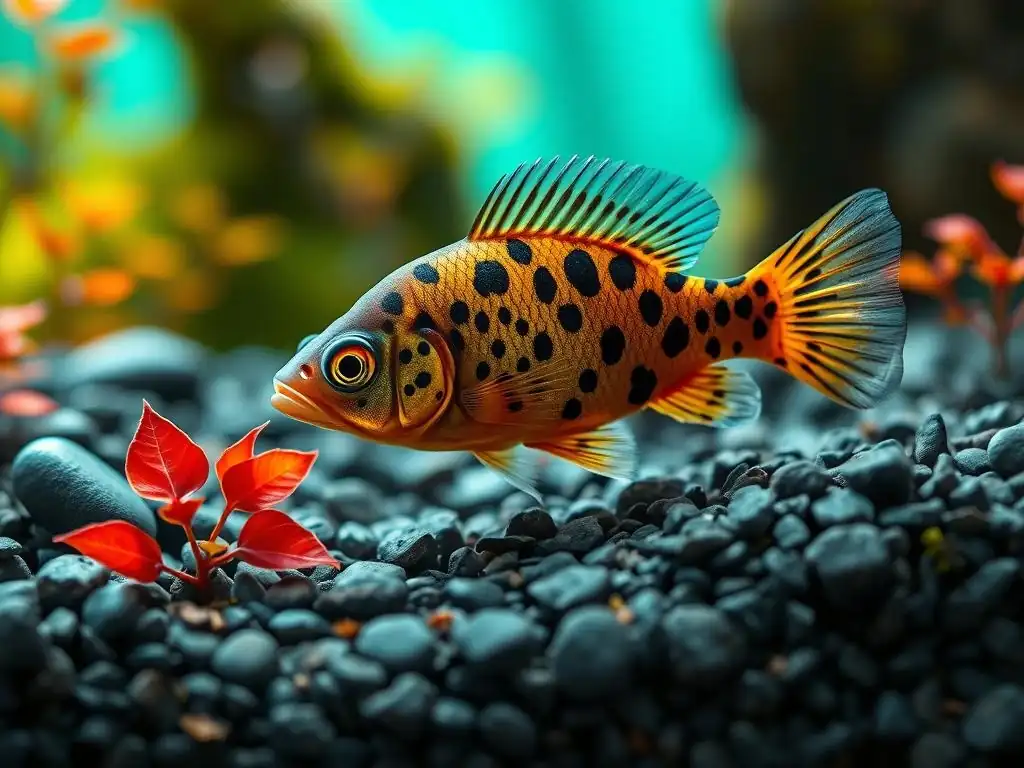
The minimum tank size for a healthy school of Sterbai Corydoras is generally considered to be a 20-gallon long aquarium. The "long" dimension is crucial because these active bottom dwellers require ample floor space for foraging and schooling, more so than vertical height. A 20-gallon long offers approximately 24x12 inches of footprint, which is sufficient for a group of 6-8 individuals.
For larger schools of 10 or more Sterbai Corydoras, or if you plan to include other community fish, a 30-gallon or 40-gallon breeder tank is highly recommended. These larger tanks provide even more bottom surface area, reducing potential stress from overcrowding and allowing the fish to exhibit their natural behaviors more freely. Adequate space is a foundational element in any effective Sterbai Corydoras care guide.
Essential Equipment for a Sterbai Corydoras Tank
Setting up an aquarium for Sterbai Corydoras requires several key pieces of equipment to ensure a stable and healthy environment. The core essentials include a reliable filtration system, an appropriately sized heater, a thermometer for monitoring water temperature, and suitable lighting. An air pump with an airstone can also be beneficial for increasing oxygenation, especially in warmer temperatures.
Beyond these, a quality water test kit (liquid kits are generally more accurate than strips) is indispensable for monitoring water parameters. A gravel vacuum for cleaning the substrate, a net for fish handling, and buckets for water changes complete the basic toolkit. Investing in good equipment from the start is a wise decision for successful Sterbai Corydoras care.
Filtration Systems for Maintaining Water Quality
Effective filtration is paramount for maintaining the pristine water quality that Sterbai Corydoras require. Hang-on-Back (HOB) filters are a popular choice for their ease of use and good mechanical and biological filtration. Canister filters offer superior filtration capacity and are excellent for larger tanks, providing robust mechanical, biological, and often chemical filtration.
Sponge filters are also a great option, especially for smaller tanks or breeding setups, as they provide gentle flow and excellent biological filtration without posing a risk to delicate fish or fry. Regardless of the type, ensure the filter is appropriately sized for your tank volume, providing a water turnover rate of at least 4-5 times the tank volume per hour, while ensuring the current is not too strong, as Corydoras sterbai prefer calmer waters.
Heating and Lighting Considerations
Maintaining a stable temperature within the 73-82°F (23-28°C) range is vital for Sterbai Corydoras. A reliable submersible heater with an integrated thermostat is essential to achieve this. The heater should be correctly sized for your tank volume to ensure consistent temperature control, preventing fluctuations that can stress fish.
Regarding lighting, Sterbai Corydoras do not have specific high-intensity light requirements. Moderate lighting is generally sufficient for their well-being and to support any live plants you might include. Avoid extremely bright or direct light, as they are naturally found in shaded, dimly lit areas of rivers and can become stressed by excessive illumination. A regular light cycle, typically 8-10 hours per day, is recommended.
Decorating Your Sterbai Corydoras Habitat: Creating a Natural Environment
Decorating a Sterbai Corydoras tank should focus on mimicking their natural habitat and providing comfort and security. The goal is to create an environment that encourages their natural behaviors while being aesthetically pleasing. All decor should be smooth and free of sharp edges to protect their delicate barbels.
A well-decorated tank not only looks good but also significantly contributes to the fish's well-being. It provides visual barriers, reduces stress, and offers enrichment, allowing your Corydoras sterbai to explore and interact with their surroundings in a way that promotes their health and natural instincts.
Plants and Decorations for a Comfortable Environment
Live plants are highly recommended for a Sterbai Corydoras tank. Species like Anubias, Java Fern, Cryptocoryne, and Amazon Swords are excellent choices as they are hardy, provide natural shade, and contribute to water quality by absorbing nitrates. Plants offer vital hiding spots and a sense of security for these shy fish.
In addition to plants, smooth rocks, driftwood, and ceramic caves or pipes are ideal decorations. These elements offer varied textures and shapes that enrich the environment. Ensure any rocks or wood are thoroughly cleaned and inert to avoid altering water parameters. Arranging these decorations to create both open swimming areas and secluded retreats is crucial for proper Sterbai Corydoras care.
Creating Hiding Places for Your Corydoras
Providing ample hiding places is a critical aspect of creating a comfortable and secure environment for your Sterbai Corydoras. These fish are naturally shy and appreciate areas where they can retreat and feel safe, especially when initially introduced to a new tank or during periods of stress.
Hiding places can be created using dense plant thickets, caves formed by smooth rocks or ceramic decor, and crevices within driftwood. The presence of such retreats reduces stress, encourages natural behaviors, and makes the fish feel more secure, ultimately leading to a more vibrant and active display of your Corydoras sterbai.
Sterbai Corydoras Health: Identifying and Treating Common Issues
Recognizing Signs of Illness in Sterbai Corydoras
Early detection of illness is crucial for successful treatment and the overall health of your Sterbai Corydoras. Keep a close eye on any changes in their behavior, such as unusual lethargy, hiding excessively when they are typically active, rapid gill movement, or erratic swimming patterns. These can all be indicators of stress or disease.
Physically, inspect your fish for signs like fin rot (frayed or decaying fins), discolored patches, lesions, white spots (Ich), clamped fins, or a swollen abdomen. A healthy Sterbai Corydoras will be actively foraging, display vibrant coloration, and maintain a robust appetite. Any deviation from this norm warrants immediate investigation and potential intervention, forming a key part of your Sterbai Corydoras care guide.
Common Diseases Affecting Corydoras Sterbai
Sterbai Corydoras, like all fish, can be susceptible to common freshwater diseases, especially if water quality is poor or they are stressed. One prevalent issue is Barbel Erosion, often caused by rough substrate or chronic exposure to high nitrate levels. This manifests as shortened, inflamed, or absent barbels, hindering their ability to forage.
Another serious concern is Red Blotch Disease, a bacterial infection that appears as red, inflamed sores or patches, particularly on the belly or flanks. This is frequently a symptom of severe stress or extremely poor water conditions. Other common ailments include Ich (white spot disease), a parasitic infection, and various forms of fin rot, often bacterial, which are typically preventable with diligent Sterbai Corydoras care and pristine water quality.
Quarantine Procedures for New Fish
Implementing a strict quarantine procedure for all new fish, including Sterbai Corydoras, is one of the most effective ways to prevent the introduction of diseases into your established aquarium. New arrivals should be placed in a separate, fully cycled quarantine tank for a period of 2-4 weeks before being introduced to the main display tank.
During this quarantine period, observe the new fish closely for any signs of illness, parasites, or unusual behavior. This allows you to treat any potential issues in isolation, preventing the spread of pathogens to your existing fish population. The quarantine tank should be equipped with basic filtration, heating, and hiding spots to minimize stress for the new Corydoras sterbai during this crucial acclimation phase.
Preventing Health Problems in Your Sterbai Corydoras Tank
Prevention is undeniably superior to cure when it comes to fish health. Adhering to a robust regimen of good husbandry practices is the most critical component of any effective Sterbai Corydoras care guide. Proactive measures to maintain a stable and clean environment will significantly reduce the likelihood of disease outbreaks and ensure your fish thrive.
Focusing on consistent environmental factors, appropriate nutrition, and minimizing stress are the pillars of disease prevention. By regularly monitoring water parameters and performing routine maintenance, you create a resilient environment that helps your Corydoras sterbai maintain strong immune systems and resist common ailments.
Maintaining Optimal Water Quality to Prevent Illness
Consistently maintaining optimal water quality is the single most important factor in preventing health problems in your Sterbai Corydoras. This involves weekly or bi-weekly testing of ammonia, nitrite, and nitrate levels using a reliable liquid test kit, and promptly addressing any undesirable readings. Ammonia and nitrite should always be zero, and nitrates kept below 20 ppm.
Avoid overfeeding, as uneaten food quickly decomposes, leading to spikes in toxic compounds. Ensure your filtration system is adequately sized and properly maintained to handle the biological load of your tank. Adequate oxygenation, possibly supplemented with an airstone, also contributes to a healthier environment and stronger fish, reducing stress which is often a precursor to illness for Corydoras sterbai.
Regular Tank Maintenance and Water Changes
Regular tank maintenance, particularly consistent water changes, is fundamental to preventing health issues in your Sterbai Corydoras. A weekly water change of 20-30% of the tank volume is highly recommended to dilute nitrates, remove accumulated organic waste, and replenish essential minerals. When performing water changes, use a gravel vacuum to gently clean the surface of the substrate, removing detritus without excessively disturbing the beneficial bacterial colonies within the sand.
Beyond water changes, regularly clean filter media (rinsing in old tank water to preserve beneficial bacteria), inspect all equipment for proper function, and keep the tank glass clean. Consistency in these routines ensures a stable and clean environment, which is the best defense against disease and promotes the long-term health and vibrancy of your Corydoras sterbai.
Breeding Sterbai Corydoras: A Challenging but Rewarding Endeavor
Creating the Right Conditions for Sterbai Corydoras Breeding
Breeding Sterbai Corydoras can be a challenging yet incredibly rewarding experience for dedicated aquarists. To encourage spawning, a dedicated breeding tank, typically 10-20 gallons, is often beneficial. Condition a group of healthy, mature fish, ideally with a ratio of at least two males per female, by feeding them a high-protein diet consisting of frozen or live foods like bloodworms, brine shrimp, and daphnia for several weeks.
Spawning is frequently triggered by environmental cues that mimic the onset of the rainy season in their natural habitat. This often involves performing large, cool water changes, typically 50% or more of the tank volume, using water that is 5-10°F (3-5°C) cooler than the tank's current temperature. Increased aeration, simulating turbulent conditions, can also act as a stimulus for breeding Corydoras sterbai.
Water Parameters and Stimuli for Spawning
While Sterbai Corydoras can sometimes spawn in a range of water conditions, optimizing parameters can significantly increase breeding success. Slightly acidic to neutral water, with a pH between 6.5-7.0, and soft water, ranging from 2-8 dGH (35-140 ppm), are often cited as ideal for stimulating spawning. The temperature should be maintained around 75-78°F (24-26°C), with the cool water changes acting as the primary trigger.
During spawning, the male and female often engage in a characteristic "T-position," where the male clasps the female's barbels, and she releases a few eggs into a pouch formed by her pelvic fins. These adhesive eggs, typically numbering between 20-100 or more, are then deposited by the female onto various surfaces such as broad plant leaves, the tank glass, or smooth decorations.
Caring for Sterbai Corydoras Eggs and Fry
Once Sterbai Corydoras eggs have been laid, it is crucial to protect them from predation, as both the parents and other tank mates will readily consume them. The most effective method for ensuring high hatch rates is to gently remove the adhesive eggs and transfer them to a separate hatching tank. This tank should be clean, filled with water from the breeding tank, and equipped with gentle aeration, such as a small sponge filter or an airstone.
Fungus is a common threat to Corydoras sterbai eggs. To prevent fungal growth, a few drops of Methylene Blue or a very dilute solution of hydrogen peroxide can be added to the hatching tank water. Eggs typically hatch within 3-5 days, depending on the water temperature, revealing tiny, delicate fry.
Protecting Eggs from Predation
The primary challenge in breeding Sterbai Corydoras is ensuring the eggs survive to hatch. Both the adult Corydoras themselves and any other fish in a community tank will readily predate on the freshly laid eggs. Therefore, immediate removal of the eggs or the adult fish to a separate setup is essential for successful propagation.
Using a soft brush, a credit card, or even gently rolling them off with your fingers, carefully detach the adhesive eggs from the surfaces they were laid on. Transfer them to the dedicated hatching tank, ensuring the water parameters in the hatching tank are identical to those in the spawning tank to minimize stress on the developing embryos, a vital step in successful Sterbai Corydoras care for breeding.
Feeding Fry and Ensuring Their Survival
Sterbai Corydoras fry are incredibly small and delicate upon hatching, initially surviving on their yolk sacs for the first 2-3 days. Once the yolk sac is absorbed, they require microscopic food sources. Infusoria, liquid fry food formulations, or very fine powdered fry food (such as finely crushed spirulina flakes or specialized fry powders) should be offered several times a day in very small amounts.
As the fry grow, typically after about a week, they can graduate to slightly larger foods. Newly hatched brine shrimp nauplii and microworms are excellent next-stage foods, providing essential protein for rapid growth. Maintaining pristine water quality in the fry tank through small, frequent water changes (e.g., 10% daily) is absolutely critical for their survival and development.
Differentiating Sterbai Corydoras from Similar Species
Identifying Key Characteristics of Sterbai Corydoras
The Sterbai Corydoras ( Corydoras sterbai) is easily identifiable by several distinct characteristics. Its most prominent feature is the pattern of bright white or creamy yellow spots against a dark, often black or deep brown, body. These spots are typically uniform in size and distribution, extending across the body and onto the head.
Another key identifier is the coloration of its pectoral fins, which often display a vibrant yellowish-orange hue, particularly noticeable in mature specimens. Like other Corydoras species, they possess a typical body shape with a flattened belly, an arched back, and prominent barbels around their mouth, which they use for sensing. Adult Sterbai Corydoras typically reach a size of 2 to 2.5 inches (5-6 cm).
Comparing Sterbai Corydoras to Other Corydoras Varieties
Sterbai Corydoras are sometimes confused with other spotted Corydoras species, particularly Corydoras haraldschultzi, often marketed as "Super Sterbai." While visually similar with spots, C. haraldschultzi typically has larger, more irregular spots on its body and head, and generally lacks the distinct orange pectoral fin coloration characteristic of C. sterbai.
Another species that can cause confusion is Corydoras duplicareus, which also has a spotted pattern but usually features a more pronounced black band along the top of its dorsal fin and a slightly more elongated body shape. Unlike C. sterbai, C. duplicareus generally does not exhibit the vibrant orange pectoral fins. Recognizing these subtle yet important distinctions is part of mastering advanced Sterbai Corydoras care and identification.
Troubleshooting Common Sterbai Corydoras Problems
Addressing Loss of Barbels
The loss or erosion of barbels in Sterbai Corydoras is a common issue, often indicative of underlying environmental problems. The primary cause is typically a rough or sharp substrate, such as coarse gravel, which abrades their delicate sensory organs as they forage. Additionally, chronically poor water quality, especially high nitrate levels or the presence of decaying organic matter (detritus) in the substrate, can lead to bacterial infections that cause barbel erosion.
To address this, immediately switch to a fine, soft sand substrate if you are not already using one. Improve water quality through larger, more frequent water changes (e.g., 30-50% twice weekly) and ensure thorough, but gentle, cleaning of the substrate surface with a gravel vacuum. If signs of bacterial infection are present (redness, inflammation), a broad-spectrum antibiotic treatment in a hospital tank may be necessary. With improved conditions, barbels can often regenerate over time.
Addressing Red Blotch Disease
Red Blotch Disease, also known as Red Pest, is a severe bacterial infection that can affect Sterbai Corydoras and other bottom-dwelling fish. It typically manifests as angry red, inflamed patches or sores on the fish's body, often on the belly or flanks, and can rapidly progress if left untreated. This condition is almost always a symptom of extreme stress, very poor water quality, or pre-existing injuries that allow bacteria to enter.
Immediate action is crucial. Isolate the affected fish in a hospital tank with pristine water conditions. In the main tank, perform a large water change (50% or more) and thoroughly clean the substrate to improve overall water quality. Treat the affected fish with a strong antibacterial medication, such as Furan-2 or Maracyn 2, following the manufacturer's instructions carefully. Maintaining optimal water quality and a low-stress environment is the best preventative measure against this serious condition for your Corydoras sterbai.
Conclusion: Mastering Sterbai Corydoras Care for a Vibrant Aquarium.
Frequently Asked Questions
What are the ideal water parameters for Sterbai Corydoras?
Sterbai Corydoras thrive in stable water conditions. Aim for a temperature of 72-79°F (22-26°C), a pH of 6.0-7.5, and soft to moderately hard water. Regular water changes are crucial.
What should I feed my Sterbai Corydoras?
Sterbai Corydoras are bottom-feeding omnivores. Offer them sinking pellets, flakes, and frozen foods like bloodworms and daphnia. Ensure they get enough food as they are not efficient competitors.
How many Sterbai Corydoras should I keep together?
Sterbai Corydoras are social fish and should be kept in groups. A minimum of six is recommended to ensure they feel secure and exhibit natural behaviors.
What tankmates are suitable for Sterbai Corydoras?
Sterbai Corydoras are peaceful and can be kept with other peaceful community fish. Avoid aggressive or boisterous species that might outcompete them for food or stress them out. Ideal tankmates include tetras, rasboras, and other non-aggressive small fish.
What are some common health issues that affect Sterbai Corydoras?
Sterbai Corydoras can be susceptible to common freshwater fish diseases like ich and fin rot. Maintaining excellent water quality and quarantine new fish are key to prevention. Monitor for signs of illness like lethargy, clamped fins, or white spots.
Final Reflection: Appreciating the Sterbai's Enduring Charm
The information presented throughout this guide underscores the lasting appeal of the Sterbai Corydoras and its continued popularity within the aquarium hobby. These dazzling, spotted fish offer not just aesthetic beauty, but also a rewarding experience for aquarists willing to understand and cater to their specific needs. Their presence in our tanks serves as a reminder of the delicate balance within aquatic ecosystems and our responsibility to maintain it.
The Sterbai Corydoras, with its vibrant colors and playful demeanor, has undoubtedly left its mark on the aquascaping world. My own journey with these captivating creatures has instilled in me a deeper appreciation for the intricacies of responsible fishkeeping and the joy of creating a thriving aquatic environment. As the renowned aquarist Takashi Amano once said: To know Mother Nature, is to love her smallest creations.
This sentiment perfectly encapsulates the connection we forge with these miniature wonders.
Now, as you embark on, or continue, your journey with Sterbai Corydoras, I encourage you to reflect on the lessons learned here. Consider how you can further refine your care practices, contribute to the responsible breeding and distribution of these fish, and share your knowledge with others. By embracing a commitment to informed and compassionate care, you not only ensure the well-being of your Sterbai Corydoras but also contribute to the preservation of the natural world that inspires us all.
Unleash the Sterbai Cory's Sparkle in Your Aquarium!
Thank you for diving into the world of Sterbai Corydoras! We hope you’ve discovered the joy these dazzling fish can bring to your aquarium. Now, let’s turn that knowledge into action!
- Boldly introduce at least six Sterbai Corydoras into your established, cycled aquarium. Watch their playful behavior bring your tank to life.
- Share this article with fellow aquarium enthusiasts who might appreciate the beauty and charm of Sterbai Corydoras. Let's spread the Cory love!
- Surprise your Sterbais with a rare treat of live blackworms this week. Observe their feeding frenzy and enjoy the natural behavior.
What's one creative way you plan to enhance your Sterbai Corydoras' habitat this weekend? Share your ideas in the comments below!