
What Do Corydoras Eat? A Complete Feeding Guide for Optimal Health

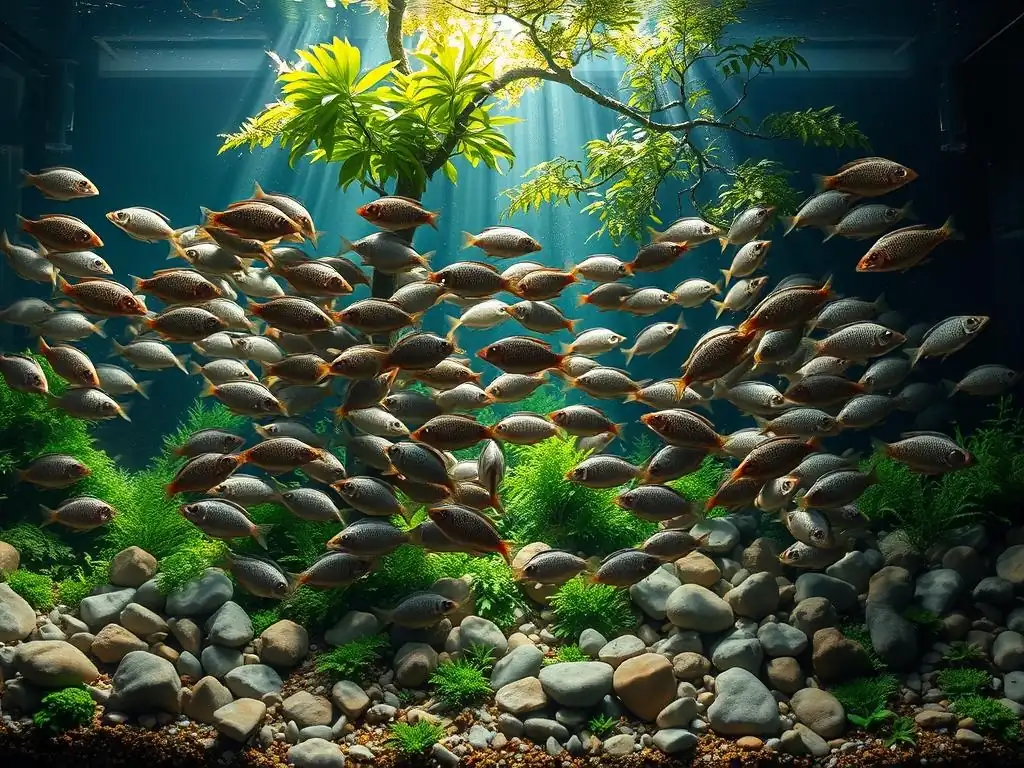
Welcome to Aquarium Mastery!
Ever wondered what the secret is to keeping your adorable Corydoras thriving? You've come to the right place! Dive into our comprehensive Corydoras fish food guide and unlock the secrets to optimal health and vibrant life for these fascinating bottom-dwellers. Discover the ideal diet, feeding schedules, and even some surprising treats they'll adore. Get ready to transform your Corydoras care and create a truly flourishing freshwater aquarium!
- Understanding Corydoras Dietary Needs: A Comprehensive Guide
- The Best Corydoras Fish Food Options: A Detailed Breakdown
- Creating a Corydoras Feeding Schedule: Maintaining Optimal Health
- Avoiding Common Corydoras Feeding Mistakes: A Prevention Guide
- Recognizing Signs of Nutritional Deficiency in Corydoras
- Specific Dietary Considerations for Corydoras Species
- Advanced Corydoras Feeding Techniques: Promoting Breeding and Health
- Troubleshooting Corydoras Feeding Problems: A Quick Guide
- Conclusion: Mastering Corydoras Nutrition for a Thriving Aquarium
- Frequently Asked Questions
- Final Reflection: Nurturing the Bottom Dwellers
- Unleash Your Corydoras' Happiness!
Understanding Corydoras Dietary Needs: A Comprehensive Guide
Why Proper Corydoras Fish Food is Crucial
Providing the correct Corydoras fish food is paramount for their longevity, vibrant health, and resistance to common diseases. Unlike many mid-water or top-dwelling fish, Corydoras are specialized bottom dwellers, equipped with sensitive barbels to forage for food within the substrate. Standard flake foods, which often float or dissolve before reaching the bottom, are largely inadequate for meeting their nutritional requirements. A well-balanced diet directly impacts their immune system, preventing issues like fin rot or internal infections that can significantly reduce their typical lifespan of 3-5 years in a well-maintained aquarium.
Furthermore, proper nutrition directly supports their natural behaviors, such as schooling and active foraging, and is essential for successful breeding. A diet lacking in essential proteins or vitamins can lead to stunted growth, dull coloration, and even organ failure, potentially cutting their lifespan by half or more. For instance, a Corydoras aeneus that should reach 2.5-3 inches might only grow to 1.5 inches if consistently underfed or fed an inappropriate diet. Therefore, understanding and implementing a targeted Corydoras fish food guide is foundational to their well-being.
Corydoras Natural Diet in the Wild: Mimicking Their Origins
In their natural habitats, primarily the slow-moving rivers and tributaries of South America, Corydoras are opportunistic omnivores with a strong preference for protein-rich items. They meticulously sift through sand, leaf litter, and detritus using their highly sensitive barbels to locate small invertebrates. Their wild diet commonly includes mosquito larvae, small crustaceans like copepods and daphnia, insect larvae, worms, and decaying organic matter, alongside some incidental plant material. This active foraging behavior is integral to their survival and development.
Mimicking this diverse natural diet in the home aquarium is key to their optimal health. This means providing a variety of sinking foods that readily reach the tank bottom, where these fish spend most of their time. Focusing on high-quality, protein-rich options, supplemented with occasional vegetable matter, most closely replicates the nutritional profile they would acquire in the wild. For example, a natural riverbed might offer hundreds of tiny organisms per square foot, a diversity that flakes alone cannot replicate.
The Best Corydoras Fish Food Options: A Detailed Breakdown
Sinking Pellets and Wafers: The Staple Corydoras Diet
Sinking pellets and wafers form the cornerstone of a balanced Corydoras fish food guide, as they are specifically designed to sink quickly to the bottom, making them accessible to these diligent scavengers. These commercially prepared foods are formulated to provide a comprehensive nutritional profile, often containing a blend of proteins, fats, carbohydrates, vitamins, and minerals. Many reputable aquatic nutrition brands offer specialized "bottom feeder" or "Corydoras formula" pellets and wafers that are ideal for their specific needs, typically boasting protein levels between 35-45%.
The quality of these staple foods is paramount; cheaper alternatives often contain excessive fillers, leading to poor digestibility and increased water pollution. Look for ingredients like fish meal, spirulina, shrimp meal, and various essential vitamins (e.g., Vitamin C for immune support, Vitamin E for reproductive health) listed prominently. For instance, a high-quality Corydoras wafer might list salmon meal or krill meal as the primary ingredient, ensuring a robust protein source crucial for muscle development and energy.
Choosing the Right Sinking Pellets for Corydoras
When selecting sinking pellets for your Corydoras, several factors should be considered to ensure optimal consumption and health. Firstly, the size of the pellet is crucial; it must be small enough for the Corydoras to easily ingest, typically ranging from 1mm to 3mm for adult specimens, with micro-pellets or crushed options for smaller species or juveniles. Secondly, prioritize pellets with a high protein content, ideally above 40%, and a low ash content, indicating better digestibility and less waste.
Furthermore, consider the pellet's sinking rate and how long it maintains its integrity. Fast-sinking pellets ensure the food reaches the bottom quickly, minimizing competition from mid-water fish. Pellets designed to break down slowly allow ample time for all Corydoras in a group to feed without dissolving too rapidly and clouding the water. Always check the ingredient list for essential vitamins and minerals, which are vital for overall health and disease resistance.
Considerations for Wafer Size and Composition
Wafers, often flat and disc-shaped, are another excellent staple in a Corydoras fish food guide because their shape allows multiple fish to graze on them simultaneously, and they remain intact for longer periods. While many are marketed as "algae wafers," it's important to differentiate; some are primarily vegetable-based, while others are formulated with a significant protein component better suited for the omnivorous diet of Corydoras. For a balanced diet, opt for wafers that contain both protein (e.g., 30-40% crude protein) and some vegetable matter.
The density of the wafer is also important; it should sink immediately upon being introduced to the tank to ensure it reaches the bottom before being swept away by currents or consumed by other fish. Avoid wafers that crumble too easily or dissolve quickly, as this can lead to water cloudiness and poor water quality. For instance, a high-quality spirulina and protein wafer will provide both essential amino acids and beneficial plant-based nutrients.
Live Foods for Corydoras: Enhancing Natural Feeding Behaviors
The Benefits of Feeding Corydoras Live Foods
Live foods are an exceptional addition to any Corydoras fish food guide, offering unparalleled nutritional value and stimulating their natural hunting and foraging instincts. The movement of live prey encourages even shy or hesitant Corydoras to feed, promoting higher activity levels and overall vitality. This enrichment mimics the varied and dynamic diet they would encounter in their wild habitats, contributing significantly to their mental and physical well-being.
Beyond behavioral benefits, live foods are typically rich in essential proteins, amino acids, and fatty acids that are crucial for robust growth, vibrant coloration, and successful breeding. For example, feeding live foods once or twice a week can provide a significant boost, helping to condition breeding pairs or enhance the immune response of stressed fish. The high moisture content and digestibility of live foods also make them an excellent choice for finicky eaters.
Popular Live Food Options: Bloodworms, Daphnia, and Brine Shrimp
Among the most popular and beneficial live food options for Corydoras are bloodworms, Daphnia, and brine shrimp. Bloodworms, the larvae of midge flies, are highly nutritious, rich in iron, and a favorite among most freshwater fish due to their soft texture and high protein content. They are readily available from reputable aquatic stores, though care should be taken to source them from clean environments to avoid introducing parasites.
Daphnia, small freshwater crustaceans, are excellent for smaller Corydoras species and fry, offering good protein and acting as a natural laxative. Brine shrimp (Artemia), especially newly hatched or gut-loaded adults, are highly nutritious and their erratic swimming motions strongly stimulate feeding responses. Both Daphnia and brine shrimp are available live or as convenient frozen options, making them versatile components of a comprehensive Corydoras fish food regimen.
Frozen Foods: A Convenient and Nutritious Option for Corydoras
Selecting High-Quality Frozen Foods for Corydoras
Frozen foods offer a superb alternative to live foods, providing similar nutritional benefits without the associated risks of introducing parasites or diseases. They are exceptionally convenient for storage and portioning, making them a staple for many aquarists. When selecting frozen foods for your Corydoras, always opt for high-quality, flash-frozen products from reputable brands. Flash-freezing helps to preserve the delicate nutritional integrity of the food items, ensuring maximum benefit for your fish.
Look for clear packaging that allows you to see the food items, and ensure the ingredients list is transparent, free from artificial colors, and minimal in preservatives. Excellent choices include frozen bloodworms, brine shrimp, daphnia, mysis shrimp, and various mixed formulas designed for bottom feeders. A good quality frozen food will thaw into distinct, recognizable pieces rather than a mushy, indistinct mass, indicating proper processing and freshness.
Tips for Thawing and Feeding Frozen Foods
Proper preparation of frozen foods is crucial to prevent digestive issues in your Corydoras and maintain water quality. Always thaw frozen foods in a small amount of tank water or dechlorinated water in a separate container before introducing them to the aquarium. Never place frozen food directly into the tank, as the sudden temperature drop can shock the fish and lead to internal digestive problems.
Once thawed, it's advisable to rinse the food using a fine-mesh net to remove any excess liquid or preservatives that might contribute to water pollution. Portion control is also key: only feed what your Corydoras can consume within 2-3 minutes. For a group of 6-8 adult Corydoras, a quarter of a standard frozen cube, once thawed and rinsed, is often a sufficient amount. Overfeeding frozen foods can quickly foul the water due to their high protein content.
Vegetable Matter: Supplementing Your Corydoras' Diet
Why Corydoras Need Vegetables
While Corydoras are primarily carnivorous and excel at consuming protein-rich foods, they are omnivores and do benefit from the occasional inclusion of vegetable matter in their diet. In their natural habitat, they would incidentally consume some plant detritus and algae as they sift through the substrate. Supplementing their diet with blanched vegetables or high-quality algae wafers provides essential vitamins, minerals, and fiber that might be less abundant in an exclusively meat-based diet.
This dietary diversity aids in digestion, helps prevent constipation, and ensures a broader spectrum of nutrients, contributing to overall well-being. Although vegetable matter should not be the primary component of their Corydoras fish food, a small supplement once or twice a week can significantly contribute to their health and vitality, rounding out their nutritional intake.
Suitable Vegetable Options: Blanched Vegetables and Algae Wafers
Several common vegetables can be prepared for your Corydoras. Zucchini, cucumber, shelled peas, and spinach are excellent choices. These vegetables should be blanched (briefly boiled and then cooled) to soften them, making them easier for the fish to consume and ensuring they sink to the bottom. For instance, a thin slice of blanched zucchini can be weighed down with an aquarium-safe clip or rock. It's important to remove any uneaten vegetable matter after 2-4 hours to prevent it from decaying and polluting the water.
In addition to blanched vegetables, certain algae wafers can serve as a suitable supplement. While many algae wafers are formulated primarily for herbivorous fish like plecos, those that are dense and sink quickly can be a good option for Corydoras. Always check the ingredients to ensure they don't contain high levels of copper, which can be toxic to sensitive fish and invertebrates. Look for wafers that contain spirulina, kelp, or other beneficial plant-based ingredients alongside some protein.
Creating a Corydoras Feeding Schedule: Maintaining Optimal Health
How Often to Feed Corydoras: Finding the Right Balance
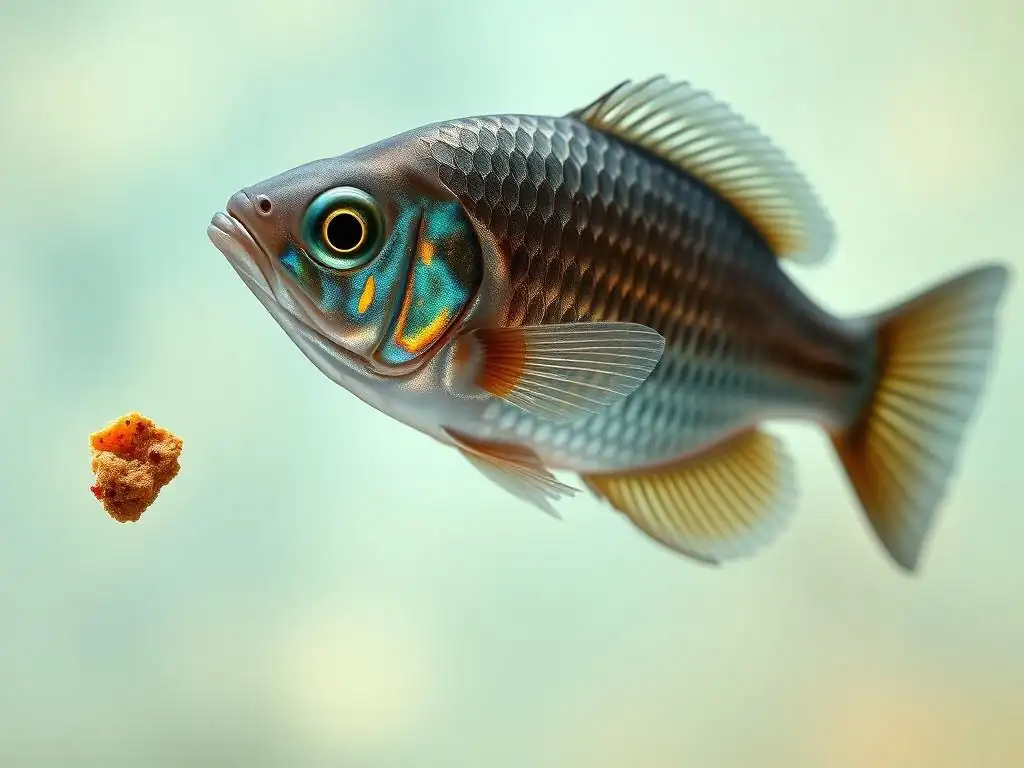
Establishing a consistent feeding schedule is crucial for the optimal health of your Corydoras. For adult Corydoras, feeding once a day is generally sufficient. However, for juveniles undergoing rapid growth or breeding pairs being conditioned, two smaller feedings per day can be beneficial. Consistency is key, as irregular feeding can lead to stress and competition. Overfeeding is one of the most common mistakes in aquarium keeping, leading to a cascade of negative effects on water quality and fish health.
Observing your fish after feeding will help you fine-tune the frequency. If food remains after 5 minutes, you are likely feeding too much. For example, a group of six adult Corydoras panda in a 20-gallon tank might thrive on one daily feeding of a small pinch of sinking pellets, whereas a dozen Corydoras pygmaeus fry in a 10-gallon grow-out tank would benefit from two to three tiny feedings per day.
Determining the Correct Portion Size: Avoiding Overfeeding
The "5-minute rule" is a widely accepted guideline for determining the correct portion size for most aquarium fish, including Corydoras. This rule dictates that you should only feed what your Corydoras can consume within a 3-5 minute timeframe. Any uneaten Corydoras fish food beyond this period will begin to decompose, releasing ammonia and nitrites into the water, which are highly toxic to fish and can lead to dangerous water parameter spikes.
It is always better to slightly underfeed than to significantly overfeed. Start with a very small amount, observe how quickly it is consumed, and adjust accordingly. For instance, for a group of six adult Corydoras, start with about 10-15 sinking micro-pellets or half of a small sinking wafer. If it's gone within 3 minutes, you can slightly increase the amount next time. This iterative approach helps prevent water quality issues and ensures your fish receive adequate nutrition without excess waste.
When to Feed Corydoras: Optimizing Feeding Times
Corydoras are naturally crepuscular, meaning they are most active during dawn and dusk. Mimicking this natural rhythm by feeding them during these times can encourage more natural foraging behaviors and reduce competition. Many aquarists find success feeding their Corydoras once in the evening, shortly after the main aquarium lights have been dimmed or turned off. This timing allows the Corydoras to forage in relative darkness, which is when they feel most secure.
The benefit of evening feeding is particularly pronounced in community tanks. Faster, more aggressive mid-water or top-dwelling fish are often less active in dim light, giving the slower-moving Corydoras a better chance to access the sinking Corydoras fish food without being outcompeted. This ensures that the food actually reaches the bottom where it's intended to be consumed, rather than being snatched up by other tank inhabitants.
Avoiding Common Corydoras Feeding Mistakes: A Prevention Guide
Overfeeding: The Dangers of Excess Food
Overfeeding is arguably the most detrimental mistake an aquarist can make, leading to a cascade of negative consequences for both the fish and the aquarium environment. Excess Corydoras fish food that remains uneaten quickly decomposes, releasing harmful ammonia and nitrites into the water. This leads to poor water quality, characterized by elevated nitrogen compounds, increased algae growth, and a cloudy appearance. Prolonged exposure to poor water quality causes chronic stress in fish, weakening their immune systems and making them highly susceptible to diseases like fin rot, bacterial infections, and parasitic infestations.
Beyond water quality, overfeeding can directly harm the Corydoras themselves. It can lead to internal health issues such as fatty liver disease, digestive blockages, and bloat, which can be fatal. Uneaten food can also accumulate in the substrate, creating anaerobic (oxygen-depleted) pockets that foster the growth of harmful bacteria, potentially releasing toxic hydrogen sulfide gas. A single instance of significant overfeeding can trigger an ammonia spike severe enough to stress or even kill fish in a matter of hours.
Competition with Other Tank Mates: Ensuring Corydoras Get Enough Food
In a community aquarium, Corydoras often face stiff competition for food from faster, more aggressive, or more sight-oriented tank mates. Fish like mollies, platies, tetras, or even some gouramis can quickly dart down and consume sinking food before it has a chance to reach the bottom where Corydoras forage. This means that even if you are providing ample Corydoras fish food, your bottom dwellers may not be receiving adequate nutrition, leading to malnourishment and health issues over time.
To mitigate this, several strategies can be employed. One effective method is target feeding, where food is delivered directly to the Corydoras' preferred feeding spot using a long pipette or turkey baster. Another approach is to feed the main tank inhabitants with floating or mid-water foods first, distracting them while simultaneously dropping sinking pellets or wafers for the Corydoras. Feeding after the main lights are dimmed or off can also reduce competition, as many mid-water fish become less active, giving Corydoras exclusive access to the bottom.
Ignoring Water Quality: The Impact of Uneaten Food
The direct link between uneaten Corydoras fish food and deteriorating water quality cannot be overstated. Decaying organic matter, whether it's uneaten food or fish waste, is the primary source of ammonia in an aquarium. Ammonia is highly toxic to fish, causing gill damage, internal organ failure, and severe stress. Even at low levels, it compromises a fish's immune system, making it vulnerable to various diseases. Bacteria in the filter then convert ammonia to nitrite (also toxic), and then to nitrate (less toxic, but still harmful in high concentrations).
Therefore, regular monitoring of water parameters (ammonia, nitrite, nitrate) is crucial. Prompt removal of any uneaten food using a siphon or net is essential after feeding. This, combined with consistent partial water changes (e.g., 25% weekly) and proper biological filtration, forms an integral part of maintaining a healthy environment for your Corydoras. Neglecting these aspects, even with the best feeding practices, will undermine all efforts to keep your fish healthy.
Recognizing Signs of Nutritional Deficiency in Corydoras
Identifying Common Deficiency Symptoms
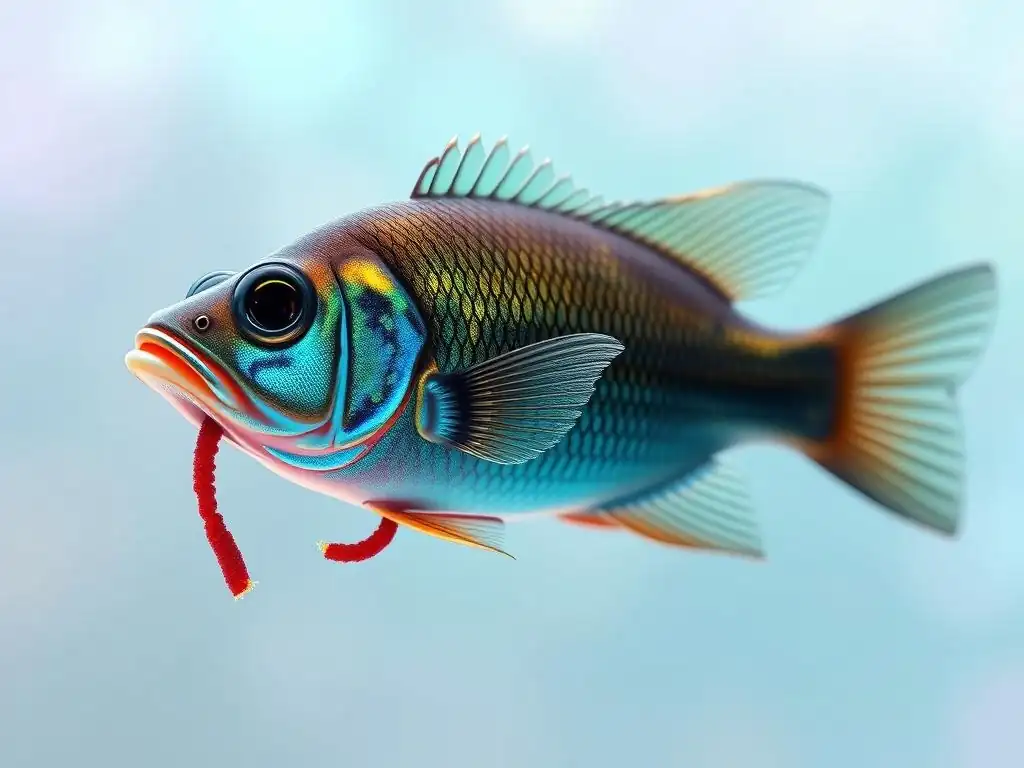
Recognizing the signs of nutritional deficiency in your Corydoras is crucial for prompt intervention and ensuring their long-term health. One of the most apparent physical symptoms is faded or dull coloration; healthy Corydoras typically display vibrant patterns and hues, but a deficient diet can lead to a washed-out appearance. Stunted growth is another key indicator; for example, an adult Corydoras sterbai typically grows to 2.5 inches, but a malnourished one might only reach 1.5 inches.
Emaciation, characterized by a sunken belly or a noticeably thin body profile, is a severe sign of inadequate food intake or absorption. Poor fin development, including frayed or underdeveloped fins, can also signal a lack of essential nutrients.
Behavioral symptoms are equally important to observe. Lethargy, reduced activity levels, and a lack of their characteristic constant foraging indicate something is amiss. Healthy Corydoras are usually active, constantly sifting through the substrate in search of food. A consistent lack of appetite or refusal of previously accepted foods is a red flag. Furthermore, nutritionally deficient Corydoras often exhibit increased susceptibility to common aquarium diseases like Ich (white spot disease) or fin rot, as their weakened immune systems struggle to fight off pathogens. They may also fail to engage in natural schooling behaviors, appearing isolated or withdrawn.
Addressing Nutritional Deficiencies: Corrective Feeding Strategies
Once nutritional deficiencies are identified, corrective feeding strategies must be implemented promptly to restore your Corydoras' health. The primary approach is to introduce a wider variety of high-quality Corydoras fish food options that are rich in essential nutrients. This means moving beyond a single staple food and incorporating a diverse range of sinking pellets, wafers, and a generous rotation of live and frozen foods. For instance, if you've been relying solely on one type of pellet, introduce different brands or formulations, ensuring they have a high protein content (e.g., 45-50% for recovery) and a comprehensive vitamin profile.
Consider supplementing their diet with specialized liquid vitamin supplements designed for aquarium fish. These can be added directly to the tank water or, more effectively, used to soak dried or frozen foods before feeding, allowing the vitamins to be directly ingested. Follow product instructions carefully for dosage, typically a few drops per food portion or per gallon.
Increasing the frequency of feeding to two or three smaller meals per day can also help ensure consistent nutrient intake without overfeeding. Always ensure that the food is reaching the bottom and that the deficient fish are actually consuming it, possibly through target feeding if competition is an issue.
Specific Dietary Considerations for Corydoras Species
Feeding Different Corydoras Varieties
While general Corydoras fish food guidelines apply broadly, slight variations exist in the dietary needs and preferences of different Corydoras varieties. Smaller species, such as Corydoras pygmaeus, C. hastatus, or C. habrosus, have smaller mouths and require much finer food particles. Micro-pellets, finely crushed flakes, or newly hatched brine shrimp are ideal for these miniature species, as larger pellets or wafers might be too cumbersome for them to ingest effectively.
Conversely, larger Corydoras species, like Corydoras sterbai, C. panda, or the popular C. aeneus, can comfortably handle standard small sinking pellets and wafers. It's also important to consider the delicacy of their barbels; some species, particularly those with longer, more sensitive barbels, may prefer softer substrates like sand over coarse gravel, which can damage their feeding apparatus. This preference for softer substrate often correlates with a preference for softer foods, making high-quality frozen bloodworms or finely ground pellets more suitable.
Adjusting Diet for Corydoras Fry and Juveniles
The dietary requirements for Corydoras fry and juveniles differ significantly from those of adult fish due to their rapid growth rate and developing digestive systems. Fry, immediately after hatching, require extremely small, highly nutritious, and easily digestible food sources. Infusoria, liquid fry food, microworms, and newly hatched brine shrimp are excellent initial foods. Newly hatched brine shrimp, in particular, are packed with protein and essential fatty acids, crucial for early development, and their wiggling motion stimulates feeding.
As the fry grow into juveniles, typically after a few weeks, their diet can gradually transition to finely crushed high-quality flakes and then to micro-pellets specifically designed for fry or small fish. For example, Corydoras aeneus fry can double in size within their first month with proper feeding. Due to their high metabolism and constant need for energy for growth, fry and juveniles should be fed more frequently than adults – ideally 3-4 small meals per day – to ensure continuous nutrient intake and support their rapid development.
Advanced Corydoras Feeding Techniques: Promoting Breeding and Health
Target feeding is an advanced technique particularly beneficial in community aquariums or for ensuring that shy or less dominant Corydoras receive adequate nutrition. This method involves using a long pipette, turkey baster, or specialized feeding stick to deliver sinking Corydoras fish food directly to the specific area where your Corydoras are gathered or to individual fish. This bypasses faster-moving, more aggressive tank mates that might otherwise snatch the food before it reaches the bottom.
The benefits of target feeding are manifold: it ensures that all individuals in a group, regardless of their position in the pecking order, receive their share of food, preventing malnourishment. It also significantly reduces the amount of uneaten food scattered throughout the tank, thereby contributing to better water quality. This technique is highly effective for conditioning breeding pairs, as you can ensure they receive a concentrated dose of high-protein foods necessary for spawning.
Enriching Foods: Adding Vitamins and Supplements to the Corydoras Diet
Food enrichment involves boosting the nutritional value of standard Corydoras fish food by adding liquid vitamins or other supplements. This technique is especially useful for fish that are recovering from illness, breeding, or simply to ensure a more comprehensive nutritional intake. High-quality liquid vitamin complexes designed for aquarium fish can be used to soak frozen or dried foods for a few minutes before feeding. Some aquarists also use garlic guard, which not only adds beneficial compounds but can also act as an appetite stimulant.
The specific benefits of enriching foods include strengthening the immune system, enhancing vibrant coloration, and supporting reproductive health. For instance, soaking a cube of frozen bloodworms in a few drops of a vitamin complex before thawing and feeding can deliver a concentrated dose of essential nutrients. Always use products specifically formulated for aquarium use and follow the manufacturer's instructions for dosage to prevent over-supplementation.
Troubleshooting Corydoras Feeding Problems: A Quick Guide
Corydoras Refusing Food: Potential Causes and Solutions
When Corydoras refuse to eat, it's a significant indicator that something is amiss, requiring prompt investigation. Several factors can lead to a loss of appetite. Stress is a common culprit, which can be caused by a new tank environment, aggressive tank mates, or recent changes in the aquarium. Illness, such as internal parasites or bacterial infections, will also often manifest as a refusal to eat. Most critically, poor water quality—specifically elevated levels of ammonia, nitrite, or extreme pH fluctuations—can rapidly cause fish to stop feeding.
To address this, first, immediately test your water parameters (ammonia, nitrite, nitrate, pH) and correct any imbalances through water changes and filter maintenance. If water quality is stable, observe for signs of illness (e.g., clamped fins, labored breathing, visible spots). Try offering a different type of highly palatable food, such as live or frozen bloodworms, which are often irresistible to even finicky eaters. Ensure the offered Corydoras fish food is appropriate for their size and species. If the issue persists, consider isolating the fish for closer observation and potential treatment.
Corydoras Eating Too Quickly: Preventing Bloat
Corydoras eating too quickly can be a sign of high competition for food, infrequent feeding leading to extreme hunger, or simply a highly palatable food item that encourages rapid consumption. While seemingly harmless, eating too fast can lead to digestive issues, including bloat, where the fish appears swollen due to gas or internal blockages. Ingesting air while frantically feeding at the surface can also contribute to buoyancy problems or bloat.
To prevent this, adjust your feeding strategy. Instead of one large meal, try feeding smaller portions more frequently throughout the day (e.g., two or three smaller meals). This reduces the urgency to gorge. Spreading the Corydoras fish food over a wider area of the substrate can also encourage slower, more natural foraging behavior, as the fish have to search for their food rather than consuming a concentrated pile. If competition is severe, consider target feeding to ensure your Corydoras can eat at a more relaxed pace.
Conclusion: Mastering Corydoras Nutrition for a Thriving Aquarium
Key Takeaways for a Healthy Corydoras Diet
Mastering Corydoras nutrition is fundamental to ensuring a thriving, healthy, and long-lived population in your aquarium. The primary takeaway is that variety is not just the spice of life but a crucial component of their diet, mirroring their natural foraging habits. Rely on a foundation of high-quality sinking pellets and wafers specifically designed for bottom feeders, ensuring they are rich in protein and essential nutrients.
Supplement this staple with a regular rotation of live and frozen foods, such as bloodworms, Daphnia, and brine shrimp, which stimulate natural behaviors and provide superior nutritional benefits. Occasional offerings of blanched vegetables will further round out their diet.
Equally important is adhering to a proper feeding schedule and portion control. Feed your Corydoras once daily, or twice for juveniles, ensuring they consume all food within 3-5 minutes to prevent overfeeding and maintain pristine water quality. Always remember that the health of your Corydoras is inextricably linked to the quality of their diet and their environment. By consistently providing a diverse, high-quality Corydoras fish food guide and maintaining excellent water parameters, you will foster active, vibrant, and long-lived Corydoras, a true joy to observe in any freshwater aquarium.
Frequently Asked Questions
What is the best type of food to feed Corydoras catfish?
Corydoras are omnivores and thrive on a varied diet. Offer them sinking pellets or wafers specifically formulated for bottom-dwelling fish, supplemented with occasional live or frozen foods like bloodworms or daphnia. A high-quality sinking food is essential.
How often should I feed my Corydoras?
Feed Corydoras once or twice a day, providing only what they can consume within a few minutes. Overfeeding can lead to poor water quality and health issues, so portion control is crucial.
What are some good live or frozen food options for Corydoras?
Excellent choices include bloodworms, daphnia, brine shrimp, and tubifex worms. These provide essential nutrients and stimulate their natural foraging behavior. Remember to thaw frozen foods before feeding.
How can I ensure my Corydoras are getting enough food, especially in a community tank?
Observe their behavior and ensure they are actively feeding. Consider feeding at night when other fish are less active. Using a feeding tube can also help deliver food directly to the bottom.
What foods should I avoid feeding Corydoras?
Avoid feeding flake food intended for surface feeders, as it may not reach the bottom. Also, avoid overfeeding them high-protein food as it can cause digestive issues and avoid excessive algae wafers.
Final Reflection: Nurturing the Bottom Dwellers
The comprehensive guide you've just absorbed underscores the crucial link between proper nutrition and the vibrant health of Corydoras catfish. Understanding their dietary needs is not merely about keeping them alive, but about enabling them to thrive, contributing to a balanced and aesthetically pleasing aquarium ecosystem. Neglecting this aspect can lead to diminished coloration, weakened immune systems, and ultimately, a shortened lifespan for these delightful bottom dwellers.
This understanding of Corydoras nutrition extends beyond the aquarium glass. It highlights the broader responsibility we have as caretakers of any living creature, emphasizing the importance of informed and conscientious care. The greatness of a nation and its moral progress can be judged by the way its animals are treated.
- Mahatma Gandhi. This quote, while often applied to larger animals, resonates deeply with the care we provide even the smallest members of our aquatic communities.
Now, armed with this knowledge, consider the impact you can have on the lives of your Corydoras. Take a moment to reflect on your current feeding practices. Are you providing a varied and balanced diet that caters to their specific needs? Are you observing their feeding behavior to ensure they are receiving adequate nutrition? By embracing the principles outlined in this guide, you can unlock the full potential of these charming fish and create a truly thriving underwater world.
Unleash Your Corydoras' Happiness!
Thank you for diving into the world of Corydoras feeding! Now that you're armed with the knowledge to keep your Corydoras thriving, let's put that expertise into action.
Here are a few next steps to ensure your Corydoras get the best possible care:
- Craft the Perfect Corydoras Menu: Based on what you've learned, create a weekly feeding plan that incorporates a variety of foods to meet their nutritional needs.
- Share this guide with fellow Corydoras enthusiasts to spread the knowledge and help others optimize their Corydoras care.
- Consider observing your Corydoras during feeding times, documenting their preferences and behaviors to refine your feeding strategy over time.
What exciting new food will you introduce to your Corydoras' diet this week to ensure they're getting a balanced and enriching meal?