
The Moral Compass of the Aquarist: Ethically Sourcing Your Next Aquatic Jewel

Welcome to Aquarium Mastery!
Ever wondered if your passion for vibrant aquariums can also contribute to a more sustainable and ethical future for our aquatic friends? Dive into our latest article, " The Moral Compass of the Aquarist: Ethically Sourcing Your Next Aquatic Jewel," where we explore the vital importance of ethical fish sourcing practices. Discover how your choices can make a real difference and learn how to ensure your next finned friend comes from a responsible and conservation-minded source. Intrigued? Let's explore the waters together!
- Understanding Ethical Fish Sourcing Practices in Aquariums
- Unethical Practices in the Aquarium Fish Trade: What to Avoid
- Identifying Ethically Sourced Fish: Key Indicators
- Supporting Sustainable Fish Breeding Programs
- Alternatives to Wild-Caught and Unsustainably Farmed Fish
- The Role of the Aquarist in Promoting Ethical Practices
- Building a Sustainable Aquarium: Beyond Ethical Fish Sourcing
- Case Studies: Success Stories in Ethical Fish Sourcing
- Resources for Finding Ethically Sourced Aquarium Fish
- The Future of Ethical Aquariums: A Call to Action
-
Frequently Asked Questions
- How can I ensure I'm practicing ethical fish sourcing?
- What are the potential environmental impacts of unethical fish sourcing?
- What does "captive-bred" mean in the context of ethical fish sourcing?
- Are there certifications or labels that indicate ethical fish sourcing?
- Why is ethical fish sourcing important for the long-term health of the aquarium hobby?
- Final Reflection: Navigating the Waters of Ethical Aquariums
- Dive Deeper: Cultivate an Ethical Reef!
Understanding Ethical Fish Sourcing Practices in Aquariums
Why Ethical Sourcing Matters for Aquarium Hobbyists
Ethical fish sourcing practices are not merely a moral consideration but a practical one, profoundly impacting the health and longevity of your aquatic ecosystem. When fish are sourced unethically, they often arrive stressed, diseased, or carrying parasites, which can quickly spread to other inhabitants in your carefully established aquarium. This not only leads to disheartening losses but also creates a cycle of replacement, perpetuating the demand for potentially unsustainably collected specimens.
Beyond the immediate health of your tank, choosing ethically sourced aquatic life aligns your hobby with broader conservation goals. It ensures that the beauty you bring into your home does not come at the expense of wild populations or their delicate habitats. By making informed choices about ethical fish sourcing practices, aquarists contribute to the sustainability of the hobby, fostering a responsible approach that benefits both individual fish and the global aquatic environment.
The Impact of Aquarium Trade on Wild Fish Populations
The global aquarium trade, while providing enjoyment to millions, exerts significant pressure on wild fish populations, particularly for marine ornamental species. For instance, an estimated 11 million marine ornamental fish are collected from coral reefs annually, with a substantial portion originating from Southeast Asia. This high volume of collection, often unregulated, can lead to localized depletion of popular species, disrupting the ecological balance of reef systems.
Furthermore, the methods used for wild capture can be highly destructive. Techniques like using fine-mesh nets can inadvertently catch and kill non-target species, including juveniles of larger food fish, while the physical act of chasing and collecting fish can damage fragile coral structures. The cumulative effect of these practices, combined with habitat degradation from climate change and pollution, exacerbates the vulnerability of many wild populations, making ethical fish sourcing practices crucial for their survival.
Defining Sustainable and Ethical Fish Collection
Sustainable fish collection refers to methods that ensure the long-term viability of wild populations and their habitats, without causing undue ecological harm. This involves practices such as establishing catch quotas, using non-destructive gear like barrier nets or hand nets, and ensuring that collectors are trained in methods that minimize stress and injury to the fish. It also extends to ensuring fair wages and safe working conditions for local collectors, fostering community involvement in conservation efforts.
Ethical fish sourcing practices, in a broader sense, encompass sustainability but also prioritize the welfare of the animals throughout the entire supply chain, from capture or breeding to the point of sale. This means minimizing transit times, maintaining optimal water quality during transport, and ensuring proper acclimation at each stage. The goal is to reduce mortality rates, improve fish health, and promote a responsible trade that benefits both the environment and the animals involved.
Unethical Practices in the Aquarium Fish Trade: What to Avoid
Wild-Caught Fish: The Controversy and Potential Harm
While not all wild-caught fish are unethically sourced, a significant portion enters the trade through methods that cause considerable harm. For many species, particularly delicate marine fish, mortality rates during capture, holding, and transit can be alarmingly high, often exceeding 50% before they even reach a retail store. These fish often endure immense stress from capture, confinement in small containers, and rapid changes in water parameters and temperature, leading to weakened immune systems and susceptibility to disease.
Beyond individual fish welfare, unregulated wild collection contributes to the decline of natural populations and the degradation of ecosystems. For example, some popular species like certain tangs or angelfish face significant pressure in their native habitats due to over-collection, which can disrupt their ecological roles in reef systems. Understanding these risks is fundamental to adopting ethical fish sourcing practices.
Cyanide Fishing: A Devastating Practice for Reef Ecosystems
Cyanide fishing is one of the most destructive and unethical methods used to capture live fish for the aquarium and restaurant trades, predominantly in Southeast Asia. Fishermen squirt sodium cyanide into coral crevices to stun fish, making them easy to collect by hand. While seemingly efficient, the chemical causes severe internal damage to the fish, leading to high mortality rates within days or weeks of capture, even if they appear healthy initially.
The collateral damage to the coral reef ecosystem is immense. Cyanide kills coral polyps, algae, and other invertebrates, turning vibrant, biodiverse reefs into barren wastelands. A single application can destroy an area of coral reef roughly the size of a dinner table, and repeated use over time can decimate entire reef systems, eliminating critical habitats for countless marine species. Avoiding fish caught via this method is a cornerstone of ethical fish sourcing practices.
Fish Farms and Ethical Concerns: Overcrowding and Disease
While aquaculture (fish farming) offers a promising alternative to wild collection, not all fish farms adhere to ethical standards. Some large-scale commercial operations prioritize volume over welfare, leading to severe overcrowding in tanks or ponds. Such conditions cause chronic stress, aggression, and poor water quality due to excessive waste buildup, which in turn compromises the fish's immune systems.
These overcrowded, stressful environments are breeding grounds for disease. Pathogens can spread rapidly through the densely packed populations, often requiring the use of antibiotics or other chemicals that can then enter the wider environment. Furthermore, disease outbreaks in poorly managed farms pose a risk to wild fish populations if effluent is discharged without proper treatment, highlighting the need for careful consideration of even farmed fish as part of ethical fish sourcing practices.
Identifying Ethically Sourced Fish: Key Indicators
Signs of Healthy and Ethically Obtained Fish
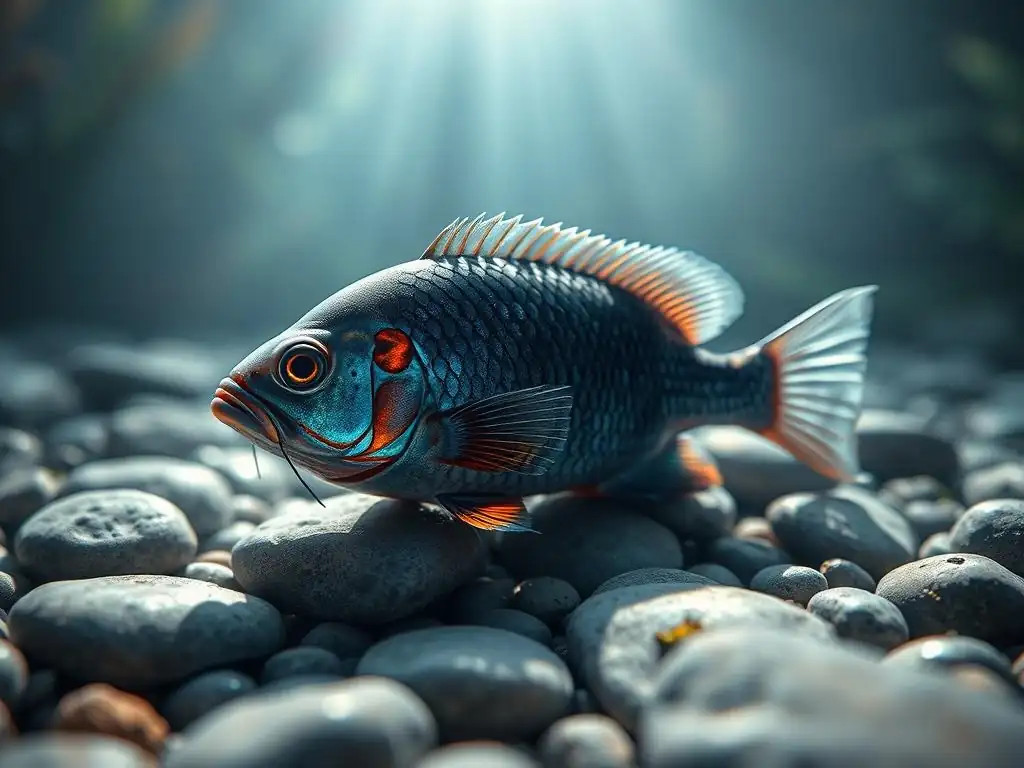
When seeking ethically sourced fish, the initial assessment of their health and appearance is paramount. Healthy fish exhibit vibrant, natural coloration that is not faded or patchy. Their fins should be fully intact, without tears, nips, or signs of fin rot, and their eyes should be clear and bright, not cloudy or sunken. Observe their swimming patterns; they should be active and alert, swimming naturally for their species, rather than listlessly hovering, gasping at the surface, or clamped in the corners of the tank.
Beyond physical signs, pay attention to their behavior. Ethically obtained fish, having experienced less stress during capture and transport, are often more curious and less skittish. They should respond to activity around the tank and show interest in food. Any signs of rapid breathing, white spots (ich), fungal growths, or open sores are red flags that indicate stress, disease, or poor husbandry, suggesting that the ethical fish sourcing practices of the supplier may be questionable.
Checking for Reputable Fish Breeders and Suppliers
A key step in ensuring ethical fish sourcing practices is to identify reputable breeders and suppliers. Reputable entities are transparent about the origin of their fish, clearly stating whether they are wild-caught (and if so, sustainably), captive-bred, or aquacultured. They should be knowledgeable about the specific needs of the species they sell and willing to answer detailed questions about their husbandry, quarantine procedures, and the source of their livestock. Look for suppliers who prioritize animal welfare over profit, evident in clean, well-maintained tanks, appropriate stocking levels, and attentive staff.
Online reviews and community forums within the aquarium hobby can offer valuable insights into a supplier's reputation. Look for consistent positive feedback regarding fish health, accurate species identification, and customer service. A truly ethical supplier will also offer clear guarantees on their livestock and demonstrate a commitment to supporting the long-term sustainability of the hobby, often by participating in or promoting conservation initiatives.
Understanding Fish Certifications and Labels
While a universal, widely recognized certification for ethically sourced aquarium fish is still developing, several labels and initiatives are emerging that can guide responsible aquarists. The most straightforward indicator is "captive-bred" or "aquacultured," which signifies that the fish were born and raised in a controlled environment, eliminating the pressures on wild populations. Many reputable breeders and suppliers proudly label their fish as such, often providing details about their breeding facilities.
For wild-caught species, look for programs or labels that denote sustainable collection practices. While less common at the individual fish level in retail, some regions or co-operatives have adopted certifications for their collection methods, focusing on non-destructive techniques and fair trade for collectors. Asking your retailer about their suppliers' commitment to these standards, even without a specific label, encourages greater transparency and helps promote ethical fish sourcing practices across the industry.
Supporting Sustainable Fish Breeding Programs
The Benefits of Purchasing Captive-Bred Fish
Purchasing captive-bred fish offers numerous benefits for both the aquarist and the environment, making it a cornerstone of ethical fish sourcing practices. Firstly, it significantly reduces the demand for wild-caught specimens, thereby alleviating pressure on natural populations and fragile ecosystems. This helps to conserve biodiversity and protect critical habitats like coral reefs and freshwater rivers.
Secondly, captive-bred fish are generally hardier and better adapted to aquarium life. They are accustomed to captive diets and water parameters, leading to lower stress levels, reduced susceptibility to disease, and higher survival rates in the home aquarium. Their consistent availability also means less variability in quality and fewer ethical concerns related to collection methods, providing a reliable and responsible option for hobbyists.
How to Find and Support Responsible Fish Breeders
Finding responsible fish breeders requires a bit of research and networking within the aquarium community. Start by attending local aquarium club meetings or expos, where breeders often showcase their stock and share their expertise. These events provide an excellent opportunity to meet breeders directly, observe their fish, and ask about their husbandry practices. Online forums and dedicated social media groups are also invaluable resources, as experienced hobbyists often share recommendations for reputable sources.
When evaluating a breeder, look for those who specialize in specific species, demonstrating deep knowledge and passion for their work. They should be transparent about their breeding methods, water parameters, and the lineage of their fish. Responsible breeders prioritize the health and welfare of their fish above all else, often providing comprehensive care guides and ongoing support, which are hallmarks of ethical fish sourcing practices.
Contributing to Conservation Efforts Through Ethical Purchases
Every purchase of a captive-bred fish is a direct contribution to conservation efforts, reinforcing ethical fish sourcing practices. By supporting breeders, aquarists help to fund the research and development necessary to propagate more species in captivity, further reducing reliance on wild populations. This financial support enables breeders to invest in advanced techniques, larger facilities, and the specialized care required for successful breeding programs.
Moreover, a thriving captive-bred market can reduce the economic incentive for destructive wild collection practices. When local communities dependent on the aquarium trade have viable, sustainable alternatives, such as participating in managed collection programs or transitioning to aquaculture, it provides a pathway for long-term conservation. Your choice to buy ethically sourced fish sends a powerful message to the industry, driving a positive shift towards sustainability.
Alternatives to Wild-Caught and Unsustainably Farmed Fish
Exploring Captive-Bred Alternatives for Popular Aquarium Species
The market for captive-bred fish has expanded significantly, offering ethical alternatives for many popular aquarium species that were once predominantly wild-caught. For marine aquarists, numerous varieties of clownfish, gobies, dottybacks, and even some angelfish are now routinely bred in captivity. Freshwater enthusiasts have a vast array of captive-bred options, including guppies, mollies, platies, swordtails, many cichlids (like angelfish and discus), tetras, and barbs.
When considering a new fish, it is always advisable to first research if a captive-bred option exists. While they might occasionally be slightly more expensive upfront, the increased hardiness, reduced risk of disease, and the knowledge that your purchase supports ethical fish sourcing practices often make them a superior long-term investment. This conscious choice helps to shift the market towards more sustainable practices.
Focusing on Locally Bred Fish and Plants
Opting for locally bred fish and plants offers additional layers of ethical and environmental benefits. Local sourcing significantly reduces the carbon footprint associated with transportation, as fish do not need to travel across continents. This also minimizes stress on the animals, leading to healthier specimens that are already acclimated to local water parameters, potentially reducing their susceptibility to stress-related diseases upon introduction to your tank.
Connecting with local fish clubs, independent aquatic stores, and small-scale hobbyist breeders can uncover a wealth of locally bred options. These sources often provide unique strains or species not found in larger chain stores, alongside invaluable advice tailored to your specific region. Supporting local breeders strengthens the community, promotes knowledge sharing, and fosters a more resilient and ethical fish sourcing network.
Responsible Introduction of New Species to Your Aquarium
Even with ethically sourced fish, responsible introduction practices are crucial for the well-being of your new inhabitants and your existing aquarium ecosystem. A mandatory quarantine period of at least two to four weeks in a separate tank is highly recommended for all new arrivals. This allows you to observe the new fish for signs of disease, treat any potential issues, and ensure they are eating well before introducing them to your main display tank, preventing the spread of pathogens.
Proper acclimation is also vital to minimize stress. Techniques like drip acclimation, where water from the main tank is slowly added to the new fish's transport bag or container, gradually equalize water parameters such as temperature, pH, and salinity. This careful approach, combined with selecting healthy, ethically sourced fish, significantly increases their chances of thriving in their new home and exemplifies responsible aquaristics.
The Role of the Aquarist in Promoting Ethical Practices
Educating Yourself and Others About Ethical Fish Sourcing
As an aquarist, your most fundamental role in promoting ethical fish sourcing practices is continuous self-education. Stay informed about the origins of popular aquarium species, the methods used for their collection or breeding, and the environmental impacts of the trade. Read reputable articles, join online forums, and engage with experienced hobbyists and conservation organizations to deepen your understanding.
Equally important is sharing this knowledge with others. Engage in polite, informative conversations with fellow hobbyists, friends, and family about the importance of ethical choices. By raising awareness about issues like cyanide fishing or the benefits of captive breeding, you empower others to make more responsible decisions, collectively shifting the demand towards sustainable and ethical options within the aquarium community.
Demanding Transparency from Fish Retailers
Aquarists have significant power to influence the market by demanding transparency from fish retailers. When purchasing fish, ask specific questions about their origin: Is the fish wild-caught or captive-bred? If wild-caught, what are the collection methods and is the source sustainable? Inquire about their suppliers and their commitment to ethical fish sourcing practices. A reputable retailer will be able to provide this information or will be willing to find it for you.
If a retailer is evasive or unable to provide satisfactory answers, consider taking your business elsewhere. Your purchasing decisions send a clear message. When enough consumers demand ethically sourced products, retailers are incentivized to improve their supply chains and prioritize responsible sourcing to meet customer expectations. This collective consumer pressure is a powerful tool for positive change.
Advocating for Sustainable Practices in the Aquarium Industry
Beyond individual purchases, aquarists can advocate for broader sustainable practices within the aquarium industry. Support and donate to conservation organizations that work to protect aquatic habitats and promote responsible trade. Participate in citizen science projects that monitor local aquatic ecosystems or contribute to research on sustainable aquaculture.
Engage with industry associations or participate in discussions about policy changes that could regulate collection methods, improve animal welfare standards, or promote eco-friendly technologies. By using your voice and resources, you contribute to a larger movement that pushes the entire industry towards a more ethical and sustainable future, ensuring that the hobby can be enjoyed for generations to come.
Building a Sustainable Aquarium: Beyond Ethical Fish Sourcing
Choosing Eco-Friendly Aquarium Equipment
Building a sustainable aquarium extends beyond ethical fish sourcing practices to include the equipment you choose. Opt for energy-efficient heaters, which can significantly reduce electricity consumption; modern models often feature precise thermostats and lower wattage. LED lighting is another eco-friendly choice, consuming substantially less power than traditional fluorescent or incandescent bulbs, while also offering longer lifespans and often better light spectrums for plant growth or coral health.
Consider the longevity and materials of your filtration systems and pumps. Investing in durable, high-quality equipment that lasts for many years reduces waste and the need for frequent replacements. For decorations, prioritize natural materials like sustainably sourced driftwood or inert rocks, or choose artificial decor made from recycled or non-toxic materials, minimizing your environmental impact.
Implementing Sustainable Aquarium Maintenance Practices
Sustainable aquarium maintenance practices aim to minimize resource consumption and waste. Instead of large, infrequent water changes, opt for smaller, more frequent changes (e.g., 10-20% weekly) to maintain stable water parameters and reduce the volume of water needed at once. This also helps prevent drastic shifts that can stress fish. When performing water changes, consider using the old aquarium water, which is rich in nutrients, to water houseplants or outdoor gardens, effectively recycling a valuable resource.
Responsible feeding is another key aspect. Avoid overfeeding, as uneaten food breaks down, pollutes the water, and contributes to excessive nitrates and phosphates. Feed high-quality foods in appropriate quantities that fish can consume within a few minutes. Incorporating live plants into your aquarium also contributes to sustainability by naturally absorbing nitrates and improving water quality, reducing the burden on filtration and water changes.
Responsible Disposal of Aquarium Water and Waste
Proper disposal of aquarium water and waste is crucial to prevent environmental harm. Never dispose of aquarium water directly into natural waterways, storm drains, or down outdoor sinks that lead to them. This can introduce non-native organisms, diseases, or chemicals into sensitive ecosystems, potentially harming local flora and fauna. Instead, dispose of water down indoor household drains, where it will be processed by municipal wastewater treatment plants.
Similarly, never release unwanted aquarium fish, invertebrates, or plants into the wild. Non-native species can become invasive, outcompeting native species, introducing diseases, or disrupting local food webs. If you can no longer care for an aquatic pet, explore options like rehoming it through local fish clubs, reputable aquatic stores that accept surrenders, or educational institutions. Discard dead fish or plants responsibly as biological waste, typically in household trash, to prevent ecological contamination.
Case Studies: Success Stories in Ethical Fish Sourcing
Project Piaba: Sustainable Harvest of Amazonian Fish
Project Piaba is a remarkable initiative demonstrating that the sustainable harvest of wild ornamental fish can directly support conservation and local livelihoods in the Amazon. Operating in the Rio Negro basin, Brazil, the project promotes the "Buy a Fish, Save a Tree" philosophy. Local communities, primarily subsistence fishermen, are incentivized to collect small, colorful fish for the aquarium trade using non-destructive methods. This provides them with a sustainable income that is often more lucrative and less environmentally damaging than logging, cattle ranching, or other destructive practices.
The project ensures that fish are collected responsibly, maintaining healthy wild populations, and that the economic benefits flow directly to the communities, giving them a vested interest in preserving the rainforest and its aquatic ecosystems. Project Piaba stands as a powerful example of how ethical fish sourcing practices can be a tool for ecological and social sustainability, directly connecting hobbyist choices to tangible conservation outcomes.
ORA (Oceans, Reefs & Aquariums): A Leader in Captive Breeding
ORA (Oceans, Reefs & Aquariums) is widely recognized as one of the largest and most successful marine ornamental fish and coral aquaculture facilities in the world. Based in Florida, ORA has pioneered the captive breeding of numerous marine species that were once almost exclusively wild-caught, including over 25 varieties of clownfish, many species of gobies, dottybacks, and even certain seahorses and angelfish. Their extensive breeding programs significantly reduce the demand for wild specimens, thereby alleviating pressure on vulnerable coral reefs.
ORA's success has made previously rare or delicate species widely available, healthier, and better adapted to aquarium life, setting a high standard for ethical fish sourcing practices in the marine hobby. Their commitment to research and development in aquaculture has not only provided a sustainable alternative but also contributed valuable knowledge that benefits the entire industry, showcasing the immense potential of captive breeding for conservation.
Sustainable Aquatics: Pioneering Marine Fish Aquaculture
Sustainable Aquatics is another leading aquaculture facility dedicated to the captive breeding of marine ornamental fish and corals. Located in Tennessee, they have made significant strides in propagating a wide array of species, including various clownfish, damselfish, gobies, and even some more challenging species like certain blennies and dottybacks. Their state-of-the-art facility utilizes advanced breeding techniques and strict biosecurity protocols to produce healthy, robust, and disease-free fish.
By consistently expanding the range of species they can breed in captivity, Sustainable Aquatics plays a crucial role in reducing the reliance on wild collection from sensitive reef ecosystems. Their efforts contribute directly to the long-term sustainability of the marine aquarium hobby, providing aquarists with high-quality, ethically sourced fish that are well-suited for life in home aquariums. Their work exemplifies how commercial aquaculture can align with conservation goals and promote ethical fish sourcing practices.
Resources for Finding Ethically Sourced Aquarium Fish
Reputable Fish Breeders and Suppliers Directory
Finding reputable fish breeders and suppliers committed to ethical fish sourcing practices often begins with reliable directories and community recommendations. Many online aquarium forums, specialized hobbyist websites, and local fish club portals maintain lists or directories of breeders and retailers known for their high standards. These resources often include reviews and contact information, allowing you to directly inquire about their sourcing methods.
Look for suppliers who specialize in captive-bred fish and are transparent about their breeding operations or wild collection practices. Websites that detail the lineage of their fish, provide pictures of their facilities, or offer detailed care sheets are often good indicators of a responsible and ethical supplier. Always cross-reference information and seek multiple opinions within the hobbyist community.
Conservation Organizations Working to Protect Fish Populations
Several conservation organizations are actively working to protect fish populations and promote sustainable practices within the aquarium trade. While they may not directly sell fish, their websites are invaluable resources for education, sustainable species lists, and information on ethical fish sourcing practices. Organizations like the Marine Aquarium Council (MAC – though its certification program has evolved), Project Piaba, and various regional reef conservation groups often publish guidelines or highlight responsible initiatives.
By exploring their websites, you can learn about the specific challenges facing different species and ecosystems, discover which collection methods are considered sustainable, and find ways to support their conservation efforts. Many also provide information on how to identify and avoid fish sourced through destructive means, empowering aquarists to make informed choices that contribute to global conservation.
Further Reading on Ethical Aquariums
For aquarists dedicated to deepening their understanding of ethical fish sourcing practices, a wealth of further reading exists. Academic journals often publish research on aquaculture techniques, fish welfare, and the impact of the ornamental trade. Reputable aquarium hobby magazines and online blogs frequently feature articles on sustainable species, responsible breeding, and conservation initiatives.
Consider books dedicated to topics like sustainable aquaculture, marine biology, or freshwater ecosystem conservation. These resources can provide in-depth knowledge about the complex issues surrounding the aquarium trade and offer actionable advice for making more ethical choices. Continuously educating yourself ensures that your hobby remains both enjoyable and environmentally responsible.
The Future of Ethical Aquariums: A Call to Action
Embracing a More Sustainable and Responsible Aquarium Hobby
The future of the aquarium hobby hinges on a collective embrace of more sustainable and responsible practices, with ethical fish sourcing practices at its core. This means moving beyond simply admiring the beauty of aquatic life to understanding its origins and the impact of our choices. It's a shift towards a hobby where the well-being of the animals and the health of their natural environments are paramount, alongside the joy of keeping a thriving aquarium.
Every decision, from the species chosen to the equipment purchased and the maintenance routines adopted, contributes to this larger vision. By prioritizing captive-bred options, supporting responsible wild collection, and advocating for transparency, aquarists can transform the hobby into a powerful force for conservation, ensuring its vitality for generations to come.
The Importance of Collaboration and Education
Achieving a truly ethical and sustainable aquarium industry requires widespread collaboration among all stakeholders: hobbyists, breeders, retailers, scientists, and conservation organizations. Shared knowledge, best practices, and innovative solutions are essential to overcome challenges like illegal collection, disease transmission, and habitat destruction. Education is the cornerstone of this collaboration, empowering individuals with the understanding and tools to make responsible choices.
By fostering open dialogue, participating in community initiatives, and continuously learning, aquarists can contribute significantly to this collective effort. The more informed and interconnected the community becomes, the greater its capacity to drive positive change and ensure that ethical fish sourcing practices become the norm, not the exception.
A Personal Pledge to Ethical Aquaristics
As an aquarist, you hold a unique position to influence the future of aquatic life. Making a personal pledge to ethical aquaristics means committing to continuously seek out and support ethical fish sourcing practices in all your hobby endeavors. It involves prioritizing the health and welfare of your fish, understanding their natural history, and recognizing your role as a steward of aquatic ecosystems.
This pledge extends beyond your own tank, encouraging you to advocate for sustainable practices, educate others, and support initiatives that protect aquatic biodiversity. By embracing this moral compass, you not only enhance your own enjoyment of the hobby but also contribute meaningfully to the preservation of the world's precious aquatic resources.
Frequently Asked Questions
How can I ensure I'm practicing ethical fish sourcing?
Look for fish that are captive-bred or sustainably harvested. Research the supplier and ask questions about their sourcing practices to ensure responsible handling and minimal impact on wild populations.
What are the potential environmental impacts of unethical fish sourcing?
Unethical sourcing can lead to overfishing, habitat destruction, and the introduction of invasive species. This disrupts delicate ecosystems and threatens the survival of various aquatic organisms.
What does "captive-bred" mean in the context of ethical fish sourcing?
"Captive-bred" means that the fish were born and raised in an aquarium or controlled environment, rather than being taken from the wild. This reduces the pressure on wild fish populations and supports sustainable practices.
Are there certifications or labels that indicate ethical fish sourcing?
While there isn't a single universal certification, look for suppliers who are transparent about their sourcing and follow best practices outlined by reputable organizations. Research and ask questions!
Why is ethical fish sourcing important for the long-term health of the aquarium hobby?
Ethical fish sourcing ensures the sustainability of the hobby by protecting wild populations and promoting responsible practices. This allows future generations to enjoy the wonders of the aquatic world.
The journey through ethical fish sourcing practices, as explored in this article, is not merely an academic exercise; it's a vital imperative for the modern aquarist. The choices we make in populating our tanks directly impact the health of wild populations, the livelihoods of communities, and the overall sustainability of the aquatic world. Ignoring these considerations is no longer an option; conscious consumerism is the only responsible path forward.
The influence of ethical sourcing extends far beyond the individual aquarium. It's about fostering a culture of respect and responsibility within the aquascaping community, shifting the focus from mere acquisition to genuine stewardship. This shift is crucial for the long-term health of our planet's aquatic ecosystems. We are tied to the ocean. And when we go back to the sea, whether it is to sail or to watch it, we are going back from whence we came.
- John F. Kennedy. This quote reminds us of our inherent connection to the aquatic world and the moral obligation we have to protect it.
As you contemplate your next aquatic jewel, I urge you to reflect on the principles outlined in this article. Let your passion for aquariums be guided by a commitment to ethical sourcing. By demanding transparency, supporting sustainable practices, and educating others, you can become a powerful advocate for the well-being of our oceans and rivers. Your choices, however small they may seem, can ripple outwards, creating a wave of positive change that ensures the beauty and biodiversity of our aquatic ecosystems for generations to come.
Dive Deeper: Cultivate an Ethical Reef!
Thanks for exploring the vital importance of ethical sourcing in the aquarium hobby! We hope you found valuable insights to guide your decisions. Now, let's transform awareness into action.
Here's how you can champion ethical aquariums:
- Commit to researching the origins of your next aquatic addition. Inquire about collection methods and certifications to ensure sustainable practices.
- Share this article with fellow aquarists! Let's spread awareness and inspire responsible choices throughout the community.
- Explore local aquarium societies and participate in discussions on ethical sourcing.
What steps will you take to ensure your aquarium reflects a commitment to sustainability?