
Decoding Algae Types: Matching Your Pleco, Ancistrus, or Oto to the Problem

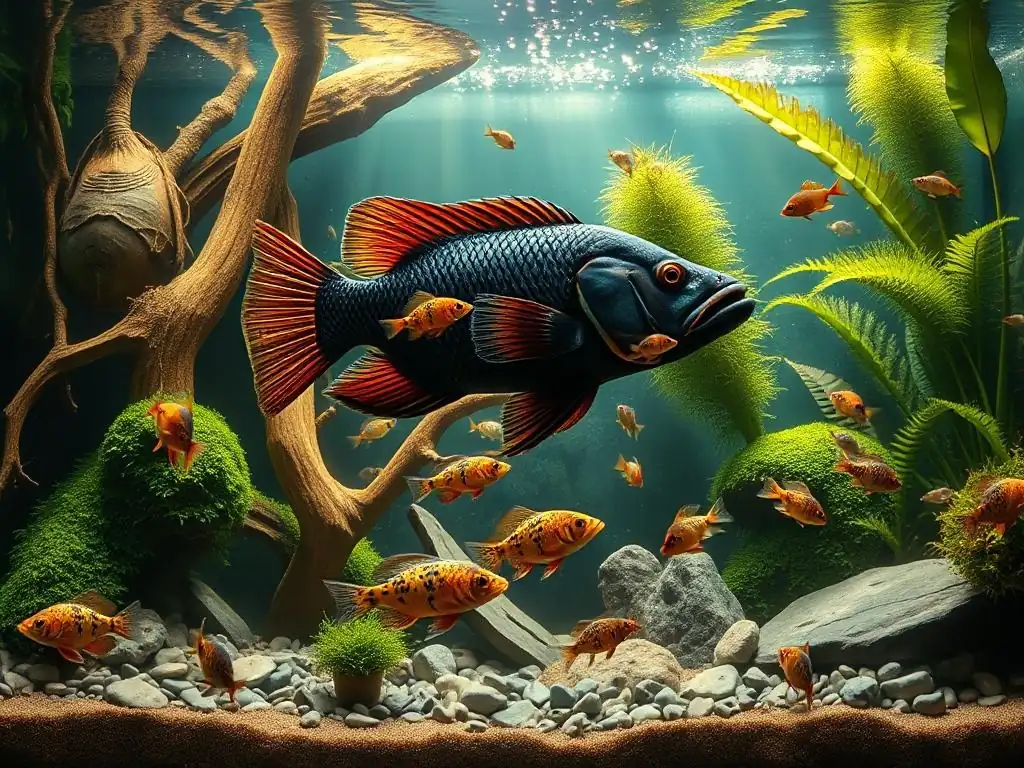
Welcome to Aquarium Mastery!
Ever wondered if your Pleco is really pulling its weight against that unsightly algae bloom? Or perhaps you're unsure if it's even the right Pleco for the job? Dive into "Decoding Algae Types: Matching Your Pleco, Ancistrus, or Oto to the Problem" and unlock the secrets to effective algae control. Discover which Pleco algae control methods work best for your specific tank and algae type, and get ready to say goodbye to green gunk for good! Ready to level up your freshwater aquarium game? Let's get started!
- Understanding Algae in Your Aquarium: A Guide for Pleco, Ancistrus, and Otocinclus Keepers
- Algae Eaters: Plecos, Ancistrus, and Otocinclus as Natural Algae Control
- Matching the Algae Eater to the Algae Type: A Practical Guide
- Optimizing Tank Conditions for Algae Control: Beyond Algae Eaters
- Supplemental Algae Control Methods: Supporting Your Algae Eaters
- Maintaining a Healthy Algae-Eating Team: Pleco, Ancistrus, and Otocinclus Care
- Preventing Future Algae Blooms: Long-Term Strategies for a Clear Aquarium
-
Frequently Asked Questions
- What types of algae do Plecos typically eat?
- How effective are Plecos for controlling algae in a saltwater aquarium?
- If my Pleco isn't eating the algae in my tank, what could be the reason?
- How many Plecos should I add to my aquarium for effective algae control?
- What are some alternative algae control methods if my Pleco isn't enough?
- Final Reflection: The Symbiotic Dance of Algae and Aquarium Life
- Unleash Your Inner Aquascaper: Conquer Algae Today!
Understanding Algae in Your Aquarium: A Guide for Pleco, Ancistrus, and Otocinclus Keepers
Why Algae Grows in Aquariums: Common Causes and Contributing Factors
Algae growth is a natural phenomenon in any aquatic environment, including a freshwater aquarium. It primarily flourishes due to an imbalance in the ecosystem, often stemming from excess light, an abundance of nutrients, or a combination of both. When these factors are not properly managed, algae can quickly proliferate, turning from a natural presence into an unsightly nuisance that competes with your desired aquatic plants and can even impact water quality.
Specific contributing factors to excessive algae include prolonged periods of lighting (e.g., more than 8-10 hours daily), direct sunlight exposure, and overfeeding, which leads to uneaten food decaying and releasing nutrients. Insufficient water changes and inadequate filtration also allow waste products like nitrates and phosphates to accumulate. For instance, nitrate levels consistently above 20 ppm or phosphate levels exceeding 0.5 ppm are common triggers for significant algae blooms, indicating an environment ripe for rapid growth.
Identifying Common Algae Types in Freshwater Tanks
Various types of algae can appear in freshwater aquariums, each often indicating a specific imbalance. Green spot algae presents as small, hard, dark green dots primarily on glass and slow-growing plant leaves, typically signaling high light intensity and potentially low phosphates or CO2. Green dust algae, conversely, forms a fine, powdery green layer on surfaces, which can be easily wiped away and often suggests unstable CO2 levels or fluctuating nutrient availability.
Other prevalent types include hair algae, which manifests as long, stringy, green strands clinging to plants and decor, commonly caused by nutrient imbalances (e.g., low nitrates, low CO2) or excessive light. Brown diatom algae, a brownish, slimy film, is frequently seen in new tanks and is linked to excess silicates (from tap water or substrate) and often low light conditions. Finally, black beard algae (BBA) is a tenacious, dark, fuzzy, brush-like growth that is notoriously difficult to eradicate and typically points to fluctuating CO2, unstable nutrient levels, or high organic waste in the water column.
Algae Eaters: Plecos, Ancistrus, and Otocinclus as Natural Algae Control
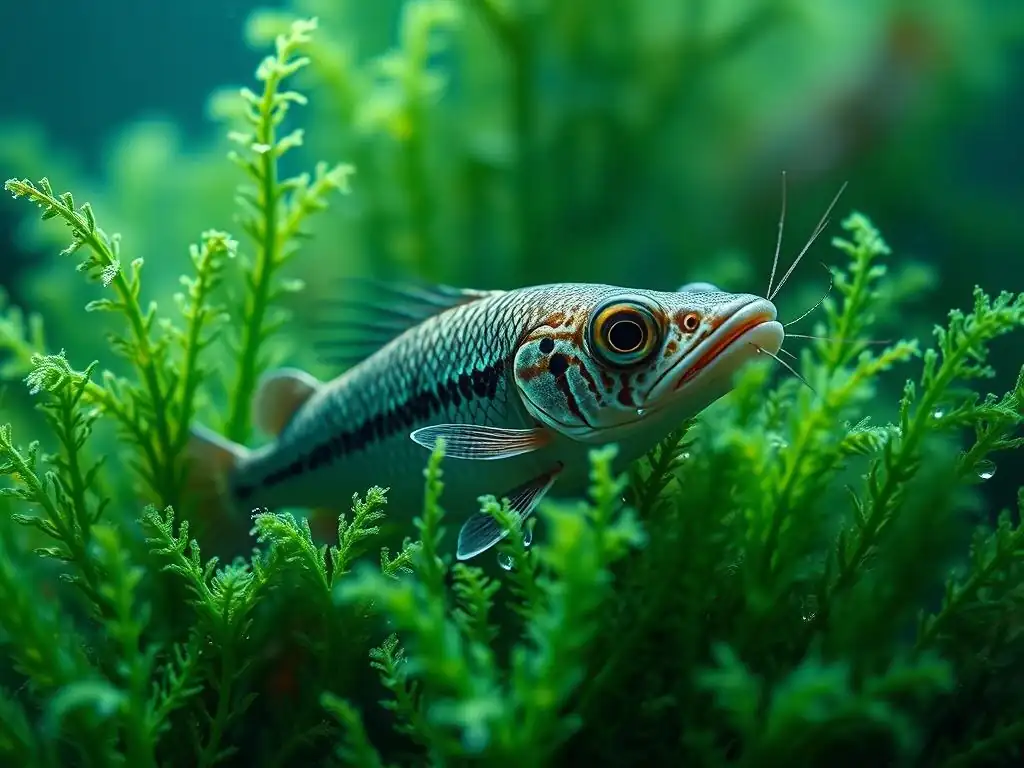
Pleco Algae Control Methods: A Species-Specific Approach
Plecos, or more accurately, Loricariidae catfish, are often heralded as the ultimate algae eaters, but their effectiveness varies significantly by species and age. While a common Pleco (Hypostomus plecostomus) may consume algae voraciously when juvenile, it often grows too large for most home aquariums and shifts its diet away from algae as it matures, preferring prepared foods and detritus. Therefore, focusing on smaller, specialized species is key for effective Pleco algae control methods.
For optimal algae consumption, species like the Bristlenose Pleco (Ancistrus spp.) are far superior for most home aquariums. Other smaller L-number Plecos, such as the Clown Pleco (Panaqolus maccus) or Rubberlip Pleco (Chaetostoma spp. ), also contribute to algae reduction, though some, like the Royal Pleco (Panaque nigrolineatus), primarily consume driftwood rather than algae. Even excellent algae-eating Plecos require supplemental nutrition, such as blanched zucchini or high-quality algae wafers, to maintain their health and continue their valuable algae control efforts, especially as the tank becomes cleaner.
Ancistrus Algae Control: Optimizing Their Diet for Maximum Effectiveness
Ancistrus, commonly known as Bristlenose Plecos, are among the most effective and popular choices for algae control in freshwater tanks. Their unique bristly mouthparts are perfectly adapted for rasping tough algae, including stubborn green spot algae, from glass, rocks, and plant leaves. Their relatively small size, typically reaching 4-5 inches, makes them suitable for aquariums as small as 20-30 gallons, allowing many hobbyists to benefit from their diligent grazing.
To maximize their effectiveness in Ancistrus algae control, it's crucial to ensure they receive a balanced diet. While they are excellent algae consumers, a diet solely reliant on tank algae is often insufficient for their long-term health. Supplementation with sinking algae wafers, spirulina flakes, and blanched vegetables like zucchini, cucumber, or green beans is essential. A well-fed Bristlenose will be more active and robust in its grazing efforts; for instance, a single adult Bristlenose can maintain a 20-gallon tank largely free of significant algae build-up if conditions are otherwise optimized.
Otocinclus Algae Control: Creating the Ideal Environment for These Algae-Eating Fish
Otocinclus catfish, or "Otos," are small, peaceful, and highly efficient algae eaters, particularly adept at consuming softer algae types such as diatoms (brown algae) and green dust algae. Their diminutive size, usually no more than 2 inches, makes them perfect for smaller aquariums (10 gallons and up), and they thrive when kept in groups of at least six individuals, as they are schooling fish by nature.
Creating the ideal environment is paramount for effective Otocinclus algae control. Otos are sensitive to fluctuating water parameters and poor water quality, preferring well-established, mature tanks with stable conditions. They require plenty of surface area for grazing, such as plant leaves, driftwood, and rocks. A healthy group of 6-8 Otocinclus can significantly reduce a moderate brown algae outbreak in a 10-gallon tank within a few weeks, making them an excellent natural solution. Ensuring their tank is cycled and stable before introduction is vital for their survival and their ability to contribute to algae control.
Matching the Algae Eater to the Algae Type: A Practical Guide
Hair Algae and Plecos: Which Species are Most Effective?
Hair algae, characterized by its long, stringy, green strands, is one of the more challenging algae types to control using fish, and most Pleco species are generally not highly effective against it. While some juvenile Bristlenose Plecos or other smaller Loricariids might occasionally nibble on very young, soft hair algae strands, they rarely make a significant impact on an established bloom. Their mouthparts are better suited for scraping surfaces rather than consuming filamentous algae.
For significant hair algae infestations, relying solely on Pleco algae control methods will likely lead to disappointment. Other biological controls, such as Amano shrimp (Caridina multidentata) or Siamese Algae Eaters (Crossocheilus oblongus), are far more renowned for their appetite for hair algae. While a Pleco might provide minor assistance, addressing the root cause of hair algae (often nutrient imbalance or unstable CO2) and utilizing more specialized algae eaters or manual removal are typically the most successful strategies.
Green Spot Algae and Ancistrus: A Winning Combination?
Green spot algae, which appears as tough, dark green, circular spots firmly adhered to glass, rocks, and slow-growing plant leaves, is notoriously difficult for many fish to remove. However, Ancistrus (Bristlenose Plecos) possess specialized rasping mouthparts that make them exceptionally effective at scraping these stubborn spots. Their constant grazing activity helps to keep these surfaces clear, making them a prime choice for this specific algae problem.
When conditions are right, the combination of Green Spot Algae and Ancistrus is indeed a winning one. A healthy, well-fed Bristlenose Pleco will actively work to remove these spots, significantly reducing their presence over time. While they are highly efficient, it's important to remember that if the underlying causes of green spot algae (e.g., high light intensity, low phosphate levels) are not addressed, the algae may return. Nevertheless, the diligent work of an Ancistrus remains a cornerstone of successful algae control against this particular type.
Brown Algae (Diatoms) and Otocinclus: The Perfect Solution?
Brown algae, or diatoms, typically present as a brownish, dusty film that coats almost all surfaces in a new aquarium, including glass, substrate, decor, and plant leaves. This type of algae is common in newly set up tanks due to the presence of silicates and is relatively soft and easy to remove. Otocinclus catfish are exceptionally well-suited to consuming diatoms, making them an ideal solution for this common tank issue.
A healthy group of Otocinclus catfish can rapidly clear a tank of brown algae. Their small size allows them to access tight spaces, and their constant grazing activity makes them highly efficient. For example, a group of 6-8 Otocinclus can noticeably reduce a moderate diatom bloom in a 10-gallon tank within a week or two. While diatoms often recede on their own as a tank matures and silicates deplete, Otocinclus provide a swift and natural algae control mechanism, ensuring your tank looks clean during the cycling process.
Dealing with Stubborn Algae: When Algae Eaters Need Help
Not all algae types are equally palatable or manageable for even the most dedicated algae-eating fish. Stubborn varieties like Black Beard Algae (BBA), Staghorn Algae, or some forms of green hair algae are often ignored by Plecos, Ancistrus, and Otocinclus due to their tough texture or chemical composition. These algae types typically require more intensive intervention than just relying on biological algae control methods.
When faced with these persistent algae, it becomes clear that algae eaters are a part of the solution, not the sole answer. A multi-pronged approach is essential, involving rigorous manual removal (e.g., spot treating BBA with hydrogen peroxide or liquid carbon, scraping), addressing the fundamental environmental imbalances (e.g., unstable CO2, nutrient deficiencies or excesses), and potentially introducing other highly specialized algae eaters like Amano shrimp or Siamese Algae Eaters. For instance, a severe BBA outbreak will not resolve itself with just a Bristlenose Pleco; it requires direct action and system adjustments.
Optimizing Tank Conditions for Algae Control: Beyond Algae Eaters
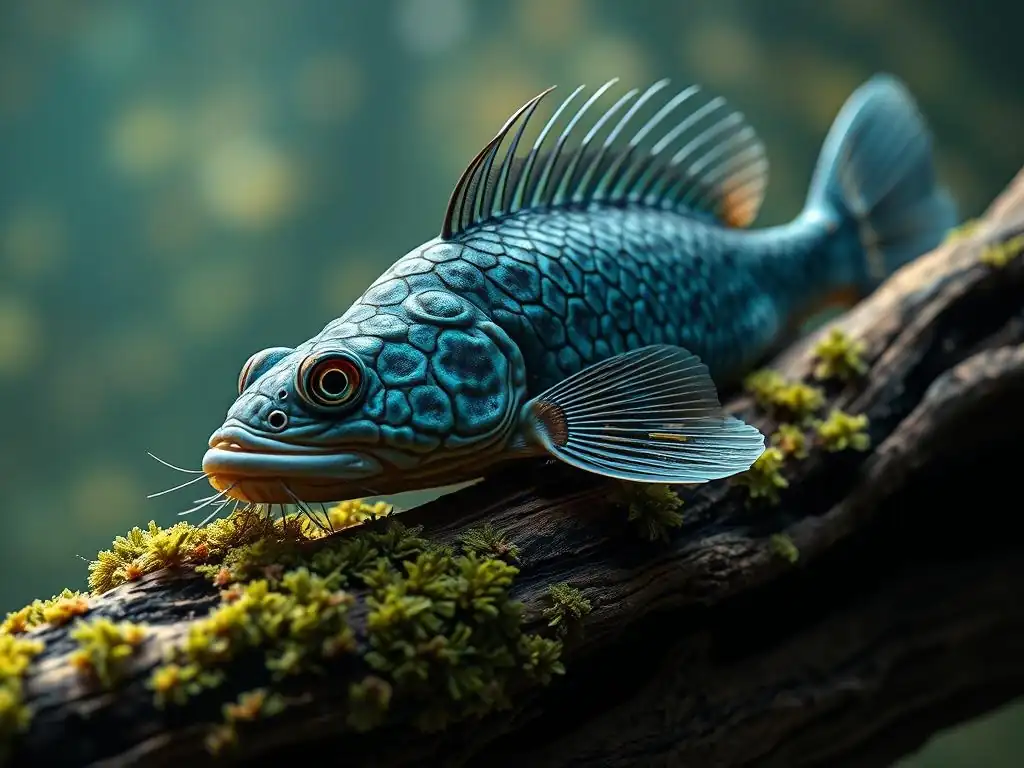
Water Parameters and Algae Growth: Achieving the Right Balance
The chemical composition of your aquarium water plays a critical role in controlling algae growth. High levels of certain nutrients, such as nitrates and phosphates, are primary fuels for algae. For example, if nitrate levels consistently exceed 20 parts per million (ppm) or phosphate levels are above 0.5 ppm, algae is likely to thrive, even with the presence of diligent algae eaters. Silicates, often present in tap water or certain substrates, also contribute to diatom (brown algae) growth, especially in new setups.
Maintaining stable and appropriate water parameters through consistent testing and regular water changes is paramount for effective algae control. Aim to keep nitrates below 10-20 ppm in a planted tank (or near zero in a non-planted tank) and phosphates as low as possible. Regular partial water changes (e.g., 25-30% weekly) dilute accumulated nutrients, significantly reducing the available food source for algae and thereby supporting the efforts of your Pleco, Ancistrus, and Otocinclus.
Lighting and Algae Blooms: Finding the Sweet Spot
Lighting is a fundamental driver of photosynthesis for both desirable aquatic plants and undesirable algae. Too much light, whether in terms of intensity or duration, is one of the most common causes of rampant algae blooms in freshwater aquariums. Algae can adapt to and exploit excess light far more rapidly than most aquatic plants, quickly outcompeting them for resources.
To prevent algae blooms, it is crucial to find the "sweet spot" for your aquarium's lighting. For most freshwater planted tanks, a photoperiod of 6-8 hours per day is sufficient. Leaving lights on for 10-12 hours or more daily almost guarantees an algae problem, as this extended period provides ample energy for algae proliferation, overwhelming any Pleco algae control methods. Utilizing a timer to ensure a consistent and appropriate light cycle is a simple yet highly effective preventative measure against excessive algae growth.
Nutrient Levels and Algae Control: Reducing Excess Nutrients
Excess nutrients in the water column are a primary catalyst for algae growth. The most common sources of these excess nutrients are overfeeding, decaying organic matter (such as uneaten food, dead plant leaves, or fish waste), and insufficient filtration. When food is left uneaten, it breaks down, releasing ammonia, which is then converted to nitrites and finally nitrates, alongside phosphates.
To effectively manage nutrient levels and support algae control, several strategies are crucial. First, feed your fish sparingly, only what they can consume within 2-3 minutes, and remove any uneaten food promptly. Second, perform regular gravel vacuuming to remove accumulated detritus from the substrate. Third, ensure your filtration system is adequately sized and maintained, cleaning or replacing filter media as needed to efficiently remove waste products. Reducing feeding by just 10-15% for a few weeks can often lead to a noticeable reduction in algae, demonstrating the direct impact of nutrient control.
Supplemental Algae Control Methods: Supporting Your Algae Eaters
Manual Algae Removal: Tools and Techniques
Manual algae removal is the most direct and often the first line of defense against algae build-up in an aquarium. While your algae-eating fish like Plecos and Otocinclus work diligently, they cannot always keep pace with rapid growth or tackle every surface. Regularly scraping algae from the glass, scrubbing decor, and carefully wiping or siphoning algae from plant leaves is crucial for maintaining a clean tank.
Various tools facilitate manual removal, including magnetic algae cleaners for quick glass cleaning, razor blade scrapers for tougher spots on glass (avoiding acrylic), and soft brushes or toothbrushes for decor. For instance, dedicating 10-15 minutes once or twice a week to manually scrape the front and side glass panels can prevent significant algae accumulation, making the task easier and reducing the overall burden on your Pleco algae control methods. Consistent manual removal also provides an opportunity to inspect your tank closely for other issues.
Chemical Algae Control: Using Algaecides Responsibly
Chemical algaecides should generally be considered a last resort in algae control due to their potential risks to the aquarium ecosystem. While they can provide a rapid solution to severe algae blooms, many algaecides work by inhibiting photosynthesis or directly poisoning algae cells, which can also negatively impact sensitive fish, invertebrates (like shrimp and snails), and even beneficial nitrifying bacteria in the filter.
If chemical treatment is deemed necessary, it is absolutely critical to follow the manufacturer's dosage instructions precisely. Overdosing can lead to a rapid depletion of oxygen in the water as large amounts of algae die off, potentially suffocating fish. For example, a 25% overdose of certain algaecides can cause acute distress or even fatalities in sensitive species like Otocinclus or all shrimp within hours. Always ensure good aeration during treatment and be prepared for potential follow-up water changes to remove dead algae and residual chemicals.
Biological Algae Control: Introducing Algae-Eating Snails or Shrimp
Beyond fish, other invertebrates can serve as highly effective biological algae control agents, complementing the efforts of your Plecos, Ancistrus, and Otocinclus. Algae-eating snails, particularly Nerite snails (e.g., Neritina natalensis), are voracious consumers of various algae types, including green spot algae and diatoms, and have the added benefit of not reproducing uncontrollably in freshwater.
Amano shrimp (Caridina multidentata) are another excellent choice, renowned for their appetite for filamentous algae, especially hair algae, which many fish avoid. A group of 5-10 Amano shrimp can make a significant dent in a moderate hair algae outbreak in a 20-gallon tank within a couple of weeks. These invertebrates fill niches that fish may miss, providing a comprehensive natural algae control solution. Always ensure compatibility with your existing fish and avoid species that might prey on them.
Maintaining a Healthy Algae-Eating Team: Pleco, Ancistrus, and Otocinclus Care
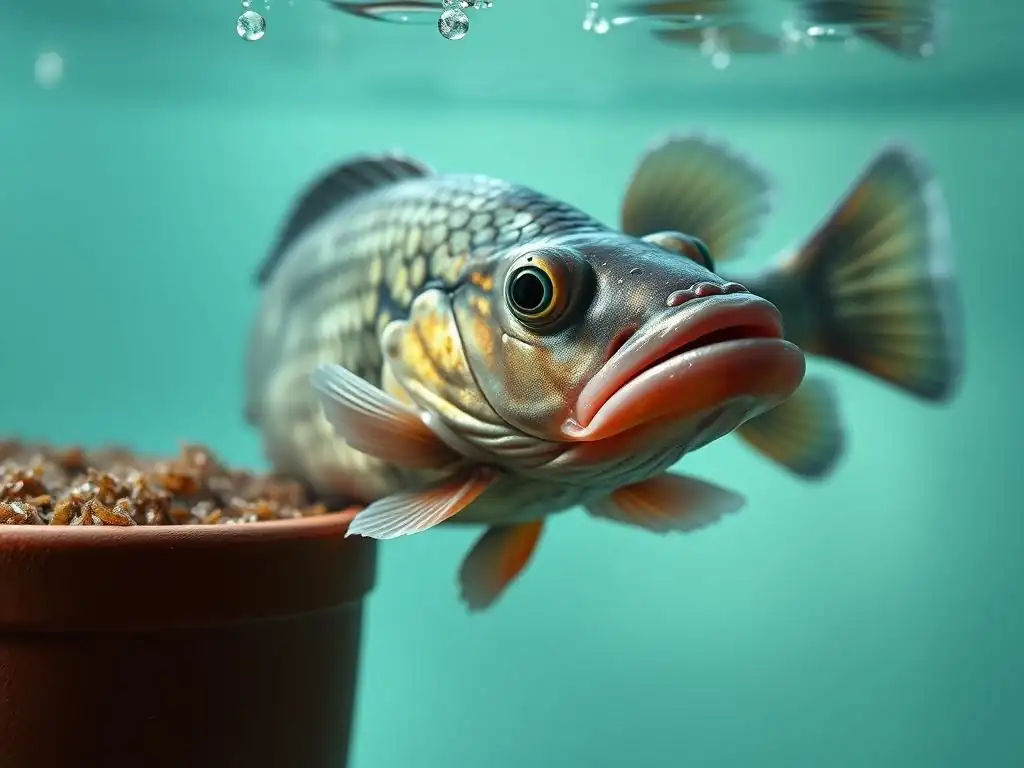
Proper Diet and Supplementation for Algae-Eating Fish
While Plecos, Ancistrus, and Otocinclus are celebrated for their algae-eating capabilities, it's a common misconception that algae alone can sustain them. In a well-maintained, relatively clean aquarium, the natural algae growth is often insufficient to meet their full nutritional requirements. A varied and balanced diet is crucial for their long-term health, growth, and continued effectiveness as algae control agents.
Their diet should primarily consist of high-quality sinking algae wafers or pellets rich in spirulina and other plant matter. Supplementation with blanched fresh vegetables like zucchini slices, cucumber, spinach, or shelled peas is highly beneficial. For Plecos, especially wood-eating species, providing driftwood is also essential as it provides lignin, which aids in their digestion. For instance, offering a blanched zucchini slice 2-3 times a week can ensure your Bristlenose Pleco remains robust and actively grazing.
Tank Mates and Compatibility: Ensuring a Peaceful Environment
The success of your algae-eating team heavily relies on a peaceful and stress-free environment. Aggressive or overly boisterous tank mates can harass Plecos, Ancistrus, and especially the more delicate Otocinclus, leading to stress, injury, and a reluctance to graze openly. A stressed fish is a less effective algae control agent and is more susceptible to disease.
Choose tank mates that are similarly peaceful and do not exhibit fin-nipping tendencies. Otocinclus thrive in community tanks with small, calm fish like tetras (e.g., Neon Tetras, Ember Tetras) or rasboras. Bristlenose Plecos are generally robust but can become shy if constantly bothered. Avoid keeping large, aggressive cichlids or very active, boisterous species with your algae eaters. A harmonious community ensures your fish feel secure enough to actively search for and consume algae throughout the day.
Recognizing and Treating Illness in Your Algae Eaters
Maintaining the health of your algae-eating fish is paramount for their continued role in algae control. Recognizing the early signs of illness is crucial for prompt treatment and preventing the spread of disease. Common indicators of poor health include lethargy, clamped fins, refusal to eat even preferred foods, faded coloration, visible spots (like Ich), fungal growths, or open sores.
Upon noticing signs of illness, it's often advisable to isolate the affected fish in a separate quarantine tank to prevent contagion and allow for targeted treatment without impacting the main display tank's water parameters or beneficial bacteria. Many common ailments can be treated with specific aquarium medications, often combined with improved water quality and stable temperatures. A healthy, robust fish is naturally more resilient and more effective at its daily task of algae control; a sick fish, for instance, suffering from severe fin rot, will not be actively grazing.
Preventing Future Algae Blooms: Long-Term Strategies for a Clear Aquarium
Regular Water Changes and Maintenance Schedules
The single most effective long-term strategy for preventing future algae blooms is consistent and diligent aquarium maintenance, particularly regular water changes. Water changes remove accumulated nitrates, phosphates, and other dissolved organic compounds that serve as primary nutrients for algae growth. Without this regular removal, these compounds build up, creating an environment highly conducive to algae proliferation.
A typical maintenance schedule for a freshwater aquarium involves performing a 25-30% partial water change weekly or bi-weekly, depending on stocking levels and feeding habits. This flushes out excess nutrients, preventing them from reaching levels that can trigger significant algae growth. Coupled with regular gravel vacuuming to remove solid waste and uneaten food, consistent water changes drastically reduce the need for reactive algae control methods and ensure a cleaner, healthier environment for your fish and plants.
Planted Aquariums and Algae Control: A Symbiotic Relationship
Introducing live aquatic plants into your aquarium creates a powerful biological defense against algae, establishing a symbiotic relationship where both thrive. Plants directly compete with algae for essential nutrients (like nitrates and phosphates) and light. A densely planted tank will naturally absorb these excess nutrients, starving algae of their primary food source and significantly inhibiting their growth.
Fast-growing stem plants, such as Hornwort (Ceratophyllum demersum), Water Wisteria (Hygrophila difformis), or Anacharis (Egeria densa), are particularly effective at nutrient uptake. A tank with 70-80% plant coverage will generally experience far fewer algae issues compared to a sparsely planted or unplanted tank. This natural competition reduces the overall algae load, allowing your Pleco algae control methods and other algae eaters to be even more effective and focus on the minor remnants.
Monitoring and Adjusting Your Aquarium Setup
Long-term algae control is an ongoing process that requires continuous monitoring and occasional adjustments to your aquarium setup. The dynamic nature of an aquatic ecosystem means that what works perfectly one month might need slight tweaks the next. Regularly observing your tank for early signs of algae, testing water parameters, and assessing the health of your fish and plants can provide crucial insights.
If you notice a slight increase in algae, don't wait for a full-blown bloom. Test your water parameters (nitrates, phosphates), check your lighting duration, and review your feeding habits. Small, incremental adjustments are far more effective than drastic measures. For example, if nitrates creep up from a healthy 10 ppm to 30 ppm, increasing your weekly water change volume by 5-10% or reducing feeding slightly can often bring things back into balance without resorting to more aggressive algae control methods.
Frequently Asked Questions
What types of algae do Plecos typically eat?
Plecos are known for consuming various types of algae, but they prefer soft, green algae and brown algae. They are less effective on tougher algae like black beard algae or hair algae.
How effective are Plecos for controlling algae in a saltwater aquarium?
Plecos are generally not recommended for saltwater aquariums. They are freshwater fish and cannot survive in saltwater environments. Other algae-eating options are more suitable.
If my Pleco isn't eating the algae in my tank, what could be the reason?
Several factors could be at play, including overfeeding (they may prefer prepared foods), lack of suitable algae (the type may not appeal to them), or poor water quality which can inhibit their appetite.
How many Plecos should I add to my aquarium for effective algae control?
The number of Plecos depends on the size of your tank and the algae growth rate. Overstocking can lead to poor water quality. Research the specific Pleco species' size and requirements before adding any.
What are some alternative algae control methods if my Pleco isn't enough?
Besides Plecos, consider manual removal of algae, adjusting lighting, optimizing water chemistry (like nitrates and phosphates), and introducing other algae-eating species (like snails or shrimp, depending on the aquarium type).
Final Reflection: The Symbiotic Dance of Algae and Aquarium Life
The journey through the diverse world of algae, and its intricate relationship with our beloved Plecos, Ancistrus, and Otos, reveals that effective algae control is less about eradication and more about understanding and balance. The insights shared in this article highlight the importance of observation, identification, and tailored solutions, moving away from generic treatments towards a more nuanced approach to aquarium management.
This understanding extends beyond the glass walls of our tanks. The delicate ecosystem within our aquariums mirrors the larger environmental challenges we face, reminding us that sustainable solutions require a deep understanding of the interconnectedness of life. In nature, nothing exists alone.
- Rachel Carson. This quote resonates deeply when considering the complex interactions between algae, fish, and the overall health of an aquarium. Just as in the natural world, disrupting one element can have cascading effects, emphasizing the need for responsible and informed action.
Now, armed with the knowledge of different algae types and the specific preferences of your algae-eating companions, I invite you to reflect on your own aquarium practices. Consider how you can foster a healthier, more balanced environment, not just for your Plecos, Ancistrus, and Otos, but for the entire ecosystem within your care. By embracing a mindful approach to algae management, you contribute to the well-being of your aquatic friends and deepen your appreciation for the intricate beauty of the natural world.
Unleash Your Inner Aquascaper: Conquer Algae Today!
Thank you for diving into the world of algae identification! We hope you've gained valuable insights into keeping your aquarium pristine and your fish thriving. Now it's time to put that knowledge into action.
Here are a few things you can do next:
- Take the Algae ID Challenge! Based on what you've learned, can you correctly identify the algae in your aquarium? Document your findings and plan your algae-busting strategy.
- Experiment with lighting adjustments. Try slightly reducing the duration or intensity of your aquarium lights. Observe how this impacts algae growth over the next week.
- Share your algae success stories (or struggles!) on social media using #AquariumAlgaeMastery. Let's learn from each other!
What's the first step you'll take to tackle your aquarium's algae issues?