
The Role of Infusoria: Aquarium Mastery on Culturing for Tiny Tetra Fry Success

Welcome to Aquarium Mastery!
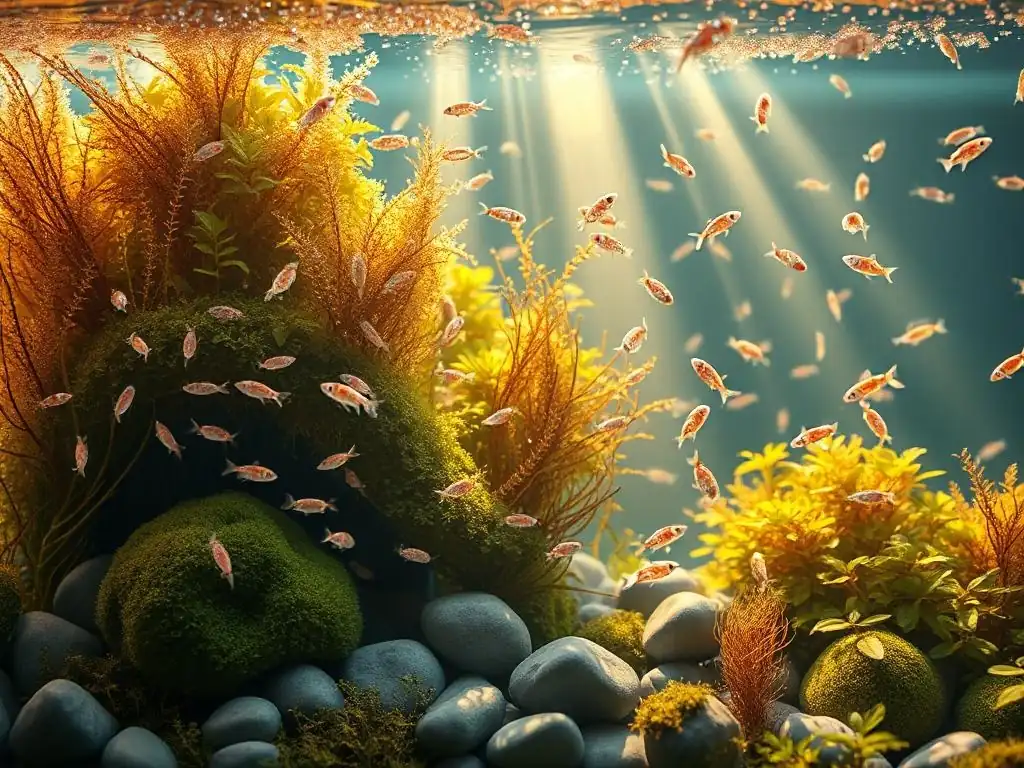
Ever wondered how to give your newly hatched tiny tetra fry the absolute best start in life? We're diving deep into the fascinating world of Infusoria culture – a crucial step for ensuring their survival and thriving in your freshwater aquarium. Let's unlock the secrets to cultivating this microscopic marvel and watch your fry flourish. Ready to become an Infusoria expert and guarantee the success of your tetra breeding program? Keep reading to find out how!
- The Role of Infusoria: Aquarium Mastery for Neon Tetra Fry Success
- Understanding Infusoria: The Essential First Food for Neon Tetra Fry
- Setting Up Your Infusoria Culture: A Step-by-Step Guide
- Maintaining a Thriving Infusoria Culture for Neon Tetra Fry
- Harvesting Infusoria: Feeding Your Tiny Neon Tetra Fry
- Feeding Infusoria to Neon Tetra Fry: Best Practices for Optimal Growth
- Beyond Infusoria: Supplementing the Fry Diet
- Troubleshooting Common Issues: Raising Healthy Neon Tetra Fry with Infusoria
- Advanced Infusoria Culturing Techniques for Neon Tetra Breeding
- The Future of Fry Feeding: Exploring New Advancements in Fry Nutrition
- Conclusion: Mastering Infusoria Culture for Neon Tetra Fry Success.
-
Frequently Asked Questions
- What exactly is Infusoria, and why is it important for raising tiny tetra fry?
- How do I start an Infusoria culture for my tetra fry?
- How do I know if my Infusoria culture is successful and ready to feed to my fry?
- How often and in what quantity should I feed my tetra fry with Infusoria?
- Are there any potential problems or risks associated with using Infusoria cultures?
- Final Reflection: The Microscopic Key to Growth
- Unleash the Power of Infusoria for Thriving Tetra Fry!
The Role of Infusoria: Aquarium Mastery for Neon Tetra Fry Success
Understanding Infusoria: The Essential First Food for Neon Tetra Fry
What are Infusoria and Why are They Crucial for Tiny Fry?
Infusoria refer to a collective group of microscopic aquatic organisms, primarily protozoa such as Paramecium, Euglena, and various ciliates, along with tiny rotifers. These organisms typically range in size from 50 to 300 micrometers, making them perfectly sized for the incredibly small mouths of newly hatched fish fry, especially species like the Neon Tetra. Neon Tetra fry are exceptionally small at hatching, often measuring only 2-3 millimeters in length, and their buccal cavity (mouth opening) is too tiny to accept standard fry foods like newly hatched brine shrimp nauplii, which are around 400-500 micrometers.
The crucial role of infusoria lies in their immediate availability as a first food source once the fry have absorbed their yolk sacs, which typically occurs within 2-3 days post-hatch for Neon Tetras. Without these microscopic organisms, the delicate fry would literally starve to death, as they lack the ability to consume larger food particles. Infusoria provide the initial sustenance required for their rapid development during this critical early stage, bridging the gap until they are large enough to accept more conventional fry foods.
Infusoria as a Natural Food Source for Newly Hatched Neon Tetra
In their natural Amazonian habitats, newly hatched Neon Tetra fry would instinctively seek out and consume a myriad of microscopic organisms present in the water column. Infusoria cultures effectively replicate this natural feeding environment within a controlled aquarium setting. These free-swimming protozoa and rotifers provide the necessary movement and size to trigger the fry's feeding response.
The fry, being filter feeders at this stage, constantly sift the water for these minute particles. Providing a dense, consistent supply of infusoria ensures that the fry expend minimal energy searching for food, allowing them to channel more energy into growth and development. This mimicry of their natural diet is paramount for achieving high survival rates and robust health in captive-bred Neon Tetra fry, often leading to survival rates exceeding 70% in well-managed setups compared to negligible rates without appropriate first foods.
The Nutritional Value of Infusoria: Fueling Early Neon Tetra Growth
Despite their minute size, infusoria are remarkably rich in essential nutrients vital for the rapid growth and development of Neon Tetra fry. They are packed with high-quality protein, which is fundamental for tissue and muscle formation, and contain critical essential fatty acids (EFAs) like DHA and EPA, crucial for neurological development and overall health. These EFAs are often lacking in non-live commercial fry foods.
Beyond proteins and fats, infusoria also provide a spectrum of vitamins and trace elements that contribute to robust skeletal development, organ maturation, and a strengthened immune system during the fry's most vulnerable weeks. For instance, a well-fed Neon Tetra fry can double its body mass within the first week of life, reaching approximately 4-5 mm, a growth rate heavily dependent on the consistent supply of nutrient-dense infusoria. This early nutritional boost sets the foundation for healthy, vibrant adult fish.
Setting Up Your Infusoria Culture: A Step-by-Step Guide
Choosing the Right Container for Your Infusoria Culture
Selecting an appropriate container is the first step in establishing a successful infusoria culture. Ideal choices include clear glass jars, such as 1 to 2-liter canning jars, or clean plastic bottles. Small, dedicated aquariums, typically 5 to 10 gallons in size, can also be utilized for larger-scale production. The key attributes for a suitable container are transparency, which allows for easy visual monitoring of the culture's density and health, and a wide mouth, facilitating aeration, feeding, and harvesting.
The chosen container should be placed in an area with stable temperatures, ideally between 20-25°C (68-77°F), and exposed to indirect natural light. Direct sunlight should be avoided as it can promote excessive algae growth, which competes with infusoria for nutrients and can lead to culture imbalances. A consistent environment helps maintain a steady population of infusoria, crucial for the ongoing "infusoria culture for tiny fry" supply.
Preparing the Culture Medium: Recipes for Successful Infusoria Growth
The culture medium provides the organic matter that breaks down into nutrients, fueling bacterial growth, which in turn feeds the infusoria. The water used for the culture should always be dechlorinated tap water or aged aquarium water.
Using Vegetable Matter for Infusoria Culture (e.g., Lettuce, Banana Peel)
Vegetable matter offers a slow-release food source for bacteria, promoting a more stable and sustainable infusoria culture. For a 1-liter jar, you can use 2-3 small pieces of dried lettuce leaf (e.g., a 1-inch square piece per liter), or a quarter of a small, dried banana peel. Alternatively, a small handful (approximately 10-20 strands) of dried hay or straw can be used, which is a traditional and highly effective method.
To prepare, boil the vegetable matter for 5-10 minutes to sterilize it and help it sink, then allow it to cool completely before adding it to the dechlorinated water. As the organic material slowly decomposes, it releases compounds that support a thriving bacterial population, which the infusoria then graze upon.
Another effective approach involves using a small, dried piece of potato peel, roughly 1 square inch for every 2 liters of water. This method provides a prolonged nutrient release, allowing the culture to sustain itself for weeks with minimal intervention. The decomposition process ensures a consistent food supply for the bacteria, which are the primary food source for the infusoria, making this a reliable method for continuous "infusoria culture for tiny fry."
Utilizing Milk as an Infusoria Culture Medium
Milk can be used as a rapid method to initiate an infusoria culture, though it requires more careful management due to its high nutrient content. For a 1-liter culture, add just 3-5 drops of whole milk to the dechlorinated water. The milk provides readily available organic compounds that quickly fuel bacterial growth, leading to a visible infusoria bloom within 24-48 hours.
However, the rapid decomposition of milk can quickly deplete oxygen and lead to an anaerobic environment, resulting in a culture crash if not monitored closely. Overfeeding with milk is a common mistake that causes the water to become excessively cloudy and foul-smelling, indicating a severe bacterial bloom that consumes all available oxygen. This method is best for experienced aquarists who can manage its volatility, as maintaining a stable "infusoria culture for tiny fry" is paramount.
Introducing an Infusoria Starter Culture
While it is possible for infusoria to colonize a new medium naturally from airborne spores, introducing a starter culture significantly accelerates the process and ensures a robust initial population. An excellent source for a starter culture is established aquarium water, particularly water squeezed from a well-cycled sponge filter, or detritus collected from a gravel vacuum in an active tank. These sources contain existing infusoria and the beneficial bacteria that form the base of the food chain.
Alternatively, commercial infusoria starter cultures are available from specialty aquatic suppliers, offering a guaranteed initial population. If using a wild source, add a few milliliters of the chosen starter material to your prepared culture medium. With a starter, a visible infusoria bloom can often be observed within 1-2 days, whereas a naturally colonized culture might take 3-7 days to become established. This immediate boost is vital when Neon Tetra fry are expected to hatch imminently, ensuring a ready "infusoria culture for tiny fry" supply.
Maintaining a Thriving Infusoria Culture for Neon Tetra Fry
Monitoring Infusoria Density: Ensuring Adequate Food for Fry
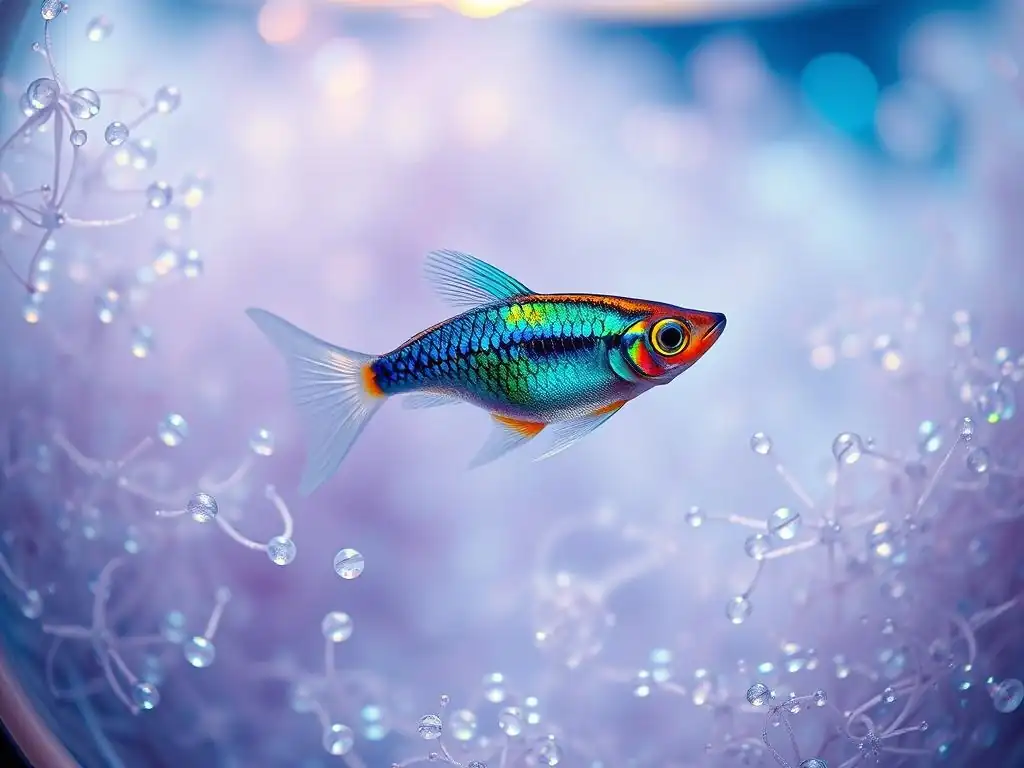
Regularly monitoring the density of your infusoria culture is critical to ensure a continuous and sufficient food supply for your Neon Tetra fry. Visually, a healthy infusoria culture often appears slightly cloudy, but not milky white. When viewed under direct light, you might observe a shimmering or swirling effect as the countless microscopic organisms move. A simple flashlight test can also be effective: shine a strong light through the culture in a darkened room, and you'll see tiny specks moving against the beam.
For precise monitoring, especially for dedicated breeders, a low-power microscope (e.g., 40x or 100x magnification) is invaluable. A single drop of water from a thriving culture should reveal hundreds, if not thousands, of active infusoria. Aim for a consistent, moderate density rather than dramatic boom-and-bust cycles, as this provides a more stable and reliable "infusoria culture for tiny fry" supply. If the culture appears too clear, it may indicate a need for more food; if it's excessively cloudy and smells foul, it could be on the verge of crashing.
Aeration and Temperature: Optimizing Infusoria Growth Conditions
Maintaining optimal aeration and temperature is paramount for a thriving infusoria culture. Infusoria are aerobic organisms, meaning they require oxygen to survive and reproduce. Gentle aeration, provided by a very small air stone or by simply stirring the culture once or twice daily, helps prevent anaerobic conditions, especially in densely populated cultures. However, excessive aeration can physically damage the delicate infusoria, so a very fine stream of bubbles is ideal.
Temperature significantly influences the metabolic rate and reproductive speed of infusoria. The ideal range for most common infusoria species is between 20-25°C (68-77°F). Consistent temperature within this range promotes steady and robust growth. Cooler temperatures will slow down the reproductive cycle, reducing the yield, while warmer temperatures, although initially accelerating growth, can also lead to rapid oxygen depletion and subsequent culture crashes if not managed carefully.
Preventing Culture Crashes: Troubleshooting Common Infusoria Problems
Culture crashes are a common frustration when culturing infusoria, often leading to a sudden loss of the entire population. Understanding the causes and implementing preventative measures is key to maintaining a stable "infusoria culture for tiny fry."
Recognizing and Addressing Overfeeding in Infusoria Cultures
Overfeeding is the most frequent cause of culture crashes. Symptoms include the water turning milky white or green, developing a foul, putrid smell, and often a thick, slimy film forming on the surface or sides of the container. This indicates an explosive bacterial bloom that rapidly consumes all available oxygen, suffocating the infusoria.
To address this, immediately perform a significant partial water change (e.g., 25-50%) using dechlorinated water. Stop adding any food source, and if possible, increase gentle aeration. Sometimes, it's more efficient to start a new, smaller culture from a healthy portion of the struggling one or from a backup.
Dealing with Bacterial Blooms in Infusoria Cultures
Bacterial blooms, often a direct result of overfeeding or excessive organic matter, manifest as a dense, milky cloudiness in the water. While bacteria are the food source for infusoria, an uncontrolled bloom depletes oxygen and can release harmful metabolic byproducts. If a bloom occurs, the primary action is to reduce or cease feeding the culture. Performing partial water changes helps dilute the concentration of organic matter and bacteria.
Ensuring adequate oxygenation through gentle aeration is also vital. If the bloom is severe and persistent, it may be necessary to start a fresh culture, taking care to use less organic material initially and monitor the water clarity closely. A healthy "infusoria culture for tiny fry" should have a light, hazy appearance, not a dense, opaque cloud.
Harvesting Infusoria: Feeding Your Tiny Neon Tetra Fry
Methods for Harvesting Infusoria: Selective Collection Techniques
Harvesting infusoria effectively ensures that you transfer a concentrated amount of these vital organisms to your fry tank without introducing excessive decaying organic matter. One popular method leverages the phototactic nature of many infusoria species: they are attracted to light. In a darkened room, shine a flashlight directly onto one side of the culture container. Within 15-30 minutes, many infusoria will congregate in the illuminated area. You can then gently siphon or pipette the concentrated infusoria from this region.
Alternatively, a clean turkey baster or a fine-tipped pipette can be used to draw water directly from the densest parts of the culture, typically just below the surface or where the shimmery effect is most visible. For very precise control, especially with smaller fry tanks, a length of airline tubing can be used for siphoning, allowing for extremely slow and controlled collection of the "infusoria culture for tiny fry."
Separating Infusoria from Culture Medium: Ensuring Water Quality
While the goal is to transfer infusoria, it's equally important to minimize the transfer of the decaying organic matter and excess bacteria from the culture medium into the fry tank. Introducing too much organic waste can rapidly foul the delicate water parameters of a fry tank, leading to ammonia spikes and potential fry mortality. A simple and effective separation technique involves using a very fine mesh net, such as a coffee filter or a dedicated plankton net with a mesh size of 50-100 microns.
Pour the harvested culture water through this fine mesh. The infusoria, being smaller than the mesh openings, will pass through with the water, while larger debris and significant bacterial clumps will be retained in the filter. The filtered water, now rich in infusoria and relatively clean, can then be safely added to the fry tank. Another simpler method, if the culture is very clean, is to carefully siphon only the upper clear layer of the culture where infusoria are most abundant, avoiding any sediment at the bottom.
Determining the Right Amount of Infusoria to Feed Neon Tetra Fry
Determining the correct amount of infusoria to feed is crucial for optimal fry growth and to prevent water quality issues. It’s always better to start with small quantities and increase as needed. For a small brood of 50-100 Neon Tetra fry, begin by adding 2-5 milliliters of concentrated infusoria culture per feeding. The key is to observe the fry's behavior and the water clarity in the fry tank.
The water in the fry tank should become slightly hazy with infusoria but should clear within 30-60 minutes as the fry consume them. If the water clears too quickly, the fry are likely underfed, and you should increase the amount at the next feeding. If the water remains cloudy for longer than an hour or develops a foul odor, you are overfeeding, and subsequent feedings should be reduced. Consistent, small feedings are far superior to large, infrequent ones, ensuring a continuous supply of "infusoria culture for tiny fry" without compromising water quality.
Feeding Infusoria to Neon Tetra Fry: Best Practices for Optimal Growth
Frequency of Feeding: How Often to Feed Infusoria to Fry
Neon Tetra fry, like most newly hatched fish, possess incredibly high metabolisms and tiny stomachs that can only hold a minute amount of food. This necessitates frequent feedings to ensure continuous nourishment and rapid growth. Ideally, infusoria should be fed to Neon Tetra fry every 2-4 hours during daylight hours, or at a minimum of 4-6 times daily. The goal is to maintain a constant, low-level presence of infusoria in the water column so that the fry can graze continuously.
This consistent availability prevents periods of starvation, which can lead to stunted growth, increased mortality rates, and weakened immune systems. A dedicated feeding schedule, perhaps every 3 hours from early morning until late evening, will significantly improve survival rates and the overall health of your brood. This ensures that the "infusoria culture for tiny fry" is always available for consumption.
Observing Fry Behavior: Adjusting Feeding Based on Needs
Observing the behavior and physical condition of your Neon Tetra fry is the most reliable way to gauge if they are receiving adequate nutrition. Well-fed fry will appear active, swimming purposefully throughout the tank, and will have noticeably rounded bellies. Their bodies will look plump and healthy, with visible growth from day to day.
Conversely, underfed fry may appear lethargic, swim weakly, or exhibit "pinched" bellies, indicating a lack of food. If you notice these signs, immediately increase the quantity and frequency of your infusoria feedings. Adjusting your feeding regimen based on direct observation ensures that the fry receive precisely what they need for optimal development, maximizing the benefit derived from your "infusoria culture for tiny fry."
Transitioning Fry to Larger Food Sources: A Gradual Approach
As Neon Tetra fry grow, their mouths will enlarge, allowing them to consume larger food particles. This transition typically begins around 7-10 days post-hatch, when the fry have reached a size of approximately 5-6 mm. The key to a successful transition is gradual introduction of new foods alongside the continued feeding of infusoria. Start by introducing tiny microworms, vinegar eels, or newly hatched brine shrimp nauplii (which are slightly larger than infusoria) in small quantities, perhaps one new food type per day.
Over the next week or two, gradually decrease the amount of infusoria while increasing the quantity of the new, larger food sources. This allows the fry to adapt to the new food's size and texture without experiencing a nutritional gap. By the time they are 2-3 weeks old, most Neon Tetra fry should be able to subsist entirely on newly hatched brine shrimp or other appropriate larger fry foods, effectively concluding the critical "infusoria culture for tiny fry" phase.
Beyond Infusoria: Supplementing the Fry Diet
Introducing Microworms and Vinegar Eels as Supplementary Food
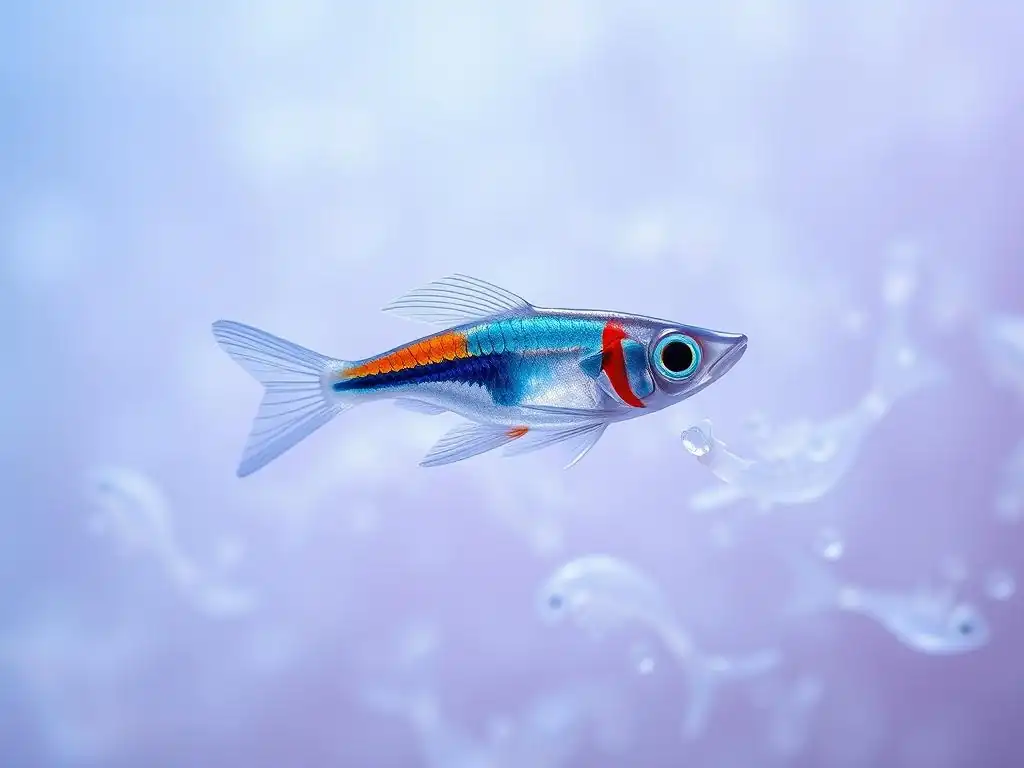
Once Neon Tetra fry are approximately 7-10 days old and have grown sufficiently to accept slightly larger prey, microworms ( Panagrellus redivivus) and vinegar eels ( Turbatrix aceti) become excellent supplementary food sources. Microworms typically range from 50 to 250 micrometers in length, while vinegar eels are slightly larger, up to 300 micrometers. Both are easily cultured at home and offer a wriggling motion that actively stimulates the fry's feeding response.
These live foods are rich in protein and essential fatty acids, providing a crucial nutritional bridge between the microscopic infusoria and larger foods like newly hatched brine shrimp. Microworms are often cultured on an oatmeal medium, while vinegar eels thrive in an apple cider vinegar solution. Their continuous movement in the water column makes them readily available to fry for extended periods compared to dry foods, ensuring consistent nutrition.
The Role of Liquid Fry Food in a Neon Tetra Fry Diet
Commercial liquid fry foods can serve as a convenient supplement or an emergency backup, particularly if your live "infusoria culture for tiny fry" unexpectedly crashes. These products typically contain finely ground particles of protein, vitamins, and minerals, sometimes suspended in a liquid or encapsulated. They are designed to be small enough for very young fry to consume.
However, liquid fry foods generally offer less nutritional value and lack the stimulating movement of live infusoria. They can also quickly foul the water if overused, as uneaten particles rapidly decompose. While they can provide some sustenance, they are rarely as effective as live infusoria for robust initial growth and high survival rates. If used, strict adherence to dosing instructions and diligent water quality monitoring are essential.
Ensuring a Balanced Diet for Healthy Neon Tetra Fry Development
A balanced diet is paramount for ensuring the healthy development of Neon Tetra fry beyond the initial infusoria phase. Relying solely on one type of food, even a good one, can lead to nutritional deficiencies. As the fry grow, combining various live foods such as infusoria, microworms, vinegar eels, and eventually newly hatched brine shrimp nauplii, alongside high-quality dry fry foods (like finely powdered flakes or specialized fry pellets), provides a comprehensive spectrum of nutrients.
This varied approach ensures the fry receive all necessary proteins, lipids, carbohydrates, vitamins, and minerals required for strong bone structure, vibrant coloration (which is a hallmark of Neon Tetras), and a robust immune system. A diverse diet can significantly improve overall health outcomes, leading to higher survival rates and more vigorous, well-developed adult fish. For instance, fry fed a diverse diet often show 15-20% faster growth rates compared to those on a monotonous diet.
Troubleshooting Common Issues: Raising Healthy Neon Tetra Fry with Infusoria
Fry Mortality: Identifying and Addressing Potential Causes
High fry mortality is a disheartening but common challenge in fish breeding. When raising Neon Tetra fry with infusoria, the primary causes of mortality typically include starvation, poor water quality, disease, and genetic weaknesses. Starvation is often due to an insufficient or inconsistent supply of "infusoria culture for tiny fry" or the fry being too small to consume the available food. Ensure a continuous, dense supply of appropriately sized infusoria.
Poor water quality, characterized by spikes in ammonia (NH3/NH4+ should be 0 ppm) or nitrite (NO2- should be 0 ppm), is highly toxic to delicate fry. This usually results from overfeeding the fry tank or infrequent water changes. Implement small, daily water changes (e.g., 10-20% with aged, temperature-matched, dechlorinated water) and siphon out any uneaten food promptly. Disease outbreaks are less common in a clean, well-maintained fry tank but can occur; pristine water conditions are the best preventative measure.
Slow Growth Rates: Optimizing Infusoria Feeding and Water Quality
If your Neon Tetra fry are growing slowly, it often points to either underfeeding or suboptimal water parameters. Underfeeding means the fry are not receiving enough "infusoria culture for tiny fry" to support their rapid metabolic needs. Increase the frequency and quantity of infusoria feedings, ensuring the water in the fry tank clears within 30-60 minutes, indicating consumption. Also, verify that your infusoria culture itself is thriving and dense, producing high-quality food.
Suboptimal water quality can also stunt growth. Even low levels of nitrates (NO3- should ideally be below 10 ppm for fry) can impede development. Consistent temperature within the optimal range (around 24-26°C or 75-79°F for Neon Tetra fry) is also vital, as fluctuations stress the fry and divert energy from growth. Regular testing of water parameters and consistent maintenance are key to fostering rapid and healthy development.
Preventing Disease Outbreaks in Neon Tetra Fry Tanks
Preventing disease outbreaks in Neon Tetra fry tanks primarily revolves around maintaining impeccable hygiene and stable water conditions. Fry are extremely susceptible to pathogens due to their underdeveloped immune systems. Firstly, practice strict cleanliness: remove any uneaten food promptly, as decaying organic matter fosters harmful bacteria and fungi. A small air stone providing gentle aeration ensures good oxygenation, which also inhibits anaerobic pathogens.
Secondly, never introduce unquarantined fish, plants, or even tools from other tanks into the fry rearing setup. Cross-contamination is a major risk. Thirdly, and most importantly, pristine water quality is the best defense against disease. Daily small water changes dilute any accumulated toxins and reduce the pathogen load. Maintaining stable temperature and pH (around 6.5-7.0 for Neon Tetras) minimizes stress, allowing the fry's natural defenses to function optimally.
Advanced Infusoria Culturing Techniques for Neon Tetra Breeding
Continuous Culture Systems for Consistent Infusoria Production
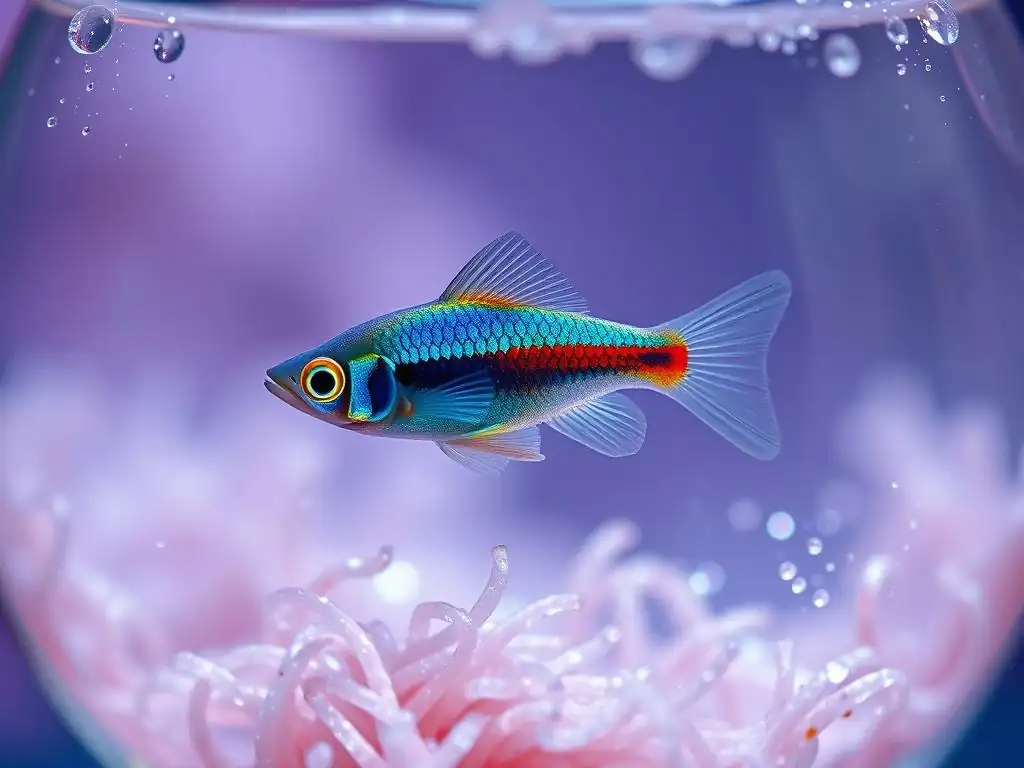
For serious Neon Tetra breeders or those with multiple spawning projects, a continuous infusoria culture system is invaluable. This approach ensures an uninterrupted supply of "infusoria culture for tiny fry." The most effective method involves setting up multiple culture containers (e.g., 3-5 jars or small tanks) and staggering their initiation. For example, start a new 1-liter culture every 2-3 days.
Once a culture reaches its peak density (typically 3-5 days after setup), begin harvesting from it. As one culture starts to decline, another newly matured culture is ready for harvesting, creating a perpetual cycle. This system minimizes the risk of completely running out of infusoria if one culture crashes and provides a steady, reliable source of food for large or successive broods of fry.
Scaling Up Infusoria Production for Larger Fry Broods
A single successful Neon Tetra spawn can yield hundreds of fry, demanding a significantly larger volume of infusoria than a small, single-jar culture can provide. Scaling up infusoria production involves increasing the capacity of your cultures. Instead of 1-liter jars, consider using 5-gallon buckets or multiple 2-3 gallon plastic containers. The principle remains the same, but the quantities of organic matter and water are proportionally increased.
For example, a 5-gallon bucket might require 10-15 pieces of dried lettuce or a larger handful of hay. Ensure adequate gentle aeration in larger containers to prevent anaerobic zones. Maintaining ideal temperature and light conditions across all cultures is crucial for synchronized growth. With a large brood (e.g., 200+ fry), you might need to harvest 50-100 ml of dense infusoria culture multiple times a day to meet their demands.
Selecting Specific Infusoria Strains for Enhanced Nutritional Value
While most home-cultured infusoria are a mix of various protozoa and rotifers, advanced culturing can involve selecting or even purchasing specific strains known for their ideal size and nutritional profile. For instance, species like Paramecium caudatum or Paramecium aurelia are often favored due to their relatively large size (up to 300 micrometers) and high protein content. These are particularly digestible and nutrient-dense for small fry.
Achieving a culture dominated by a specific strain typically involves isolating them under a microscope and then culturing them separately, or purchasing pure starter cultures from biological supply houses. While more complex than general "infusoria culture for tiny fry," this specialized approach can lead to even more robust fry growth and higher survival rates by optimizing the nutritional intake during the critical early stages.
The Future of Fry Feeding: Exploring New Advancements in Fry Nutrition
Research on Rotifers as an Alternative First Food
While infusoria (primarily protozoa) have been a staple first food for tiny fry, ongoing research in aquaculture is increasingly focusing on rotifers, particularly Brachionus plicatilis, as a superior alternative. Rotifers are multicellular organisms, slightly larger than many protozoa (typically 100-300 micrometers), and possess a more complex nutritional profile. They can also be "gut-loaded" with specific nutrients, such as highly unsaturated fatty acids (HUFA), by feeding them microalgae or enriched yeasts before being fed to fry.
This bio-encapsulation technique allows for the direct delivery of essential nutrients that might otherwise be deficient in the fry's diet. While culturing rotifers can be more demanding than basic infusoria, requiring specific salinity, temperature, and food sources (like Nannochloropsis algae), their enhanced nutritional value and consistent size make them a promising advancement for the future of fry rearing, potentially offering even greater success than traditional "infusoria culture for tiny fry."
Innovations in Culturing Techniques for Improved Fry Food Yield
The field of aquaculture is continuously innovating culturing techniques to improve the yield and consistency of live fry foods. Advancements include the development of automated feeding systems for infusoria and rotifer cultures, which maintain stable nutrient levels and prevent crashes due to over or underfeeding. Researchers are also developing optimized media formulations, moving beyond simple vegetable matter or milk to include specific yeast strains, bacterial concoctions, or algae-based feeds that promote higher densities and more nutritious infusoria.
Furthermore, bio-encapsulation techniques are being refined not just for rotifers but also for infusoria, allowing aquarists to enrich these tiny organisms with specific vitamins, minerals, or fatty acids before they are consumed by fry. These innovations aim to make the process of providing high-quality, readily available "infusoria culture for tiny fry" more efficient, sustainable, and nutritionally superior, ultimately boosting the success rates in breeding delicate fish species.
Conclusion: Mastering Infusoria Culture for Neon Tetra Fry Success.
Mastering the art of infusoria culture is not merely a technique; it is a cornerstone of successful Neon Tetra breeding. From understanding their crucial role as the essential first food to diligently setting up and maintaining their cultures, every step contributes to the survival and robust growth of these delicate fry. The detailed guidance on preparing culture mediums, monitoring density, and troubleshooting common issues empowers aquarists to consistently provide this vital sustenance.
Effective harvesting and precise feeding practices ensure that the tiny Neon Tetra fry receive optimal nutrition during their most vulnerable stage, bridging the gap until they can transition to larger food sources. While other supplementary foods exist, the foundational importance of a thriving "infusoria culture for tiny fry" cannot be overstated. By embracing these practices, breeders can significantly increase their success rates, transforming the challenging endeavor of raising Neon Tetra fry into a rewarding display of aquarium mastery.
Frequently Asked Questions
What exactly is Infusoria, and why is it important for raising tiny tetra fry?
Infusoria is a general term for microscopic organisms, like protozoa, that serve as vital first food for newly hatched tetra fry. They provide the necessary nutrients for survival and growth.
How do I start an Infusoria culture for my tetra fry?
You can start a culture by placing organic matter, such as dried lettuce or banana peel, in a jar of dechlorinated water and allowing it to sit. This process allows Infusoria to naturally develop, creating a sustainable food source.
How do I know if my Infusoria culture is successful and ready to feed to my fry?
A successful culture will often appear cloudy or slightly opaque, indicating a high concentration of Infusoria. You can also observe it under a microscope to confirm the presence of these microorganisms.
How often and in what quantity should I feed my tetra fry with Infusoria?
Feed your fry small amounts of Infusoria multiple times a day, ensuring the water doesn't become overly polluted. Monitor their bellies; they should appear slightly full after feeding.
Are there any potential problems or risks associated with using Infusoria cultures?
Overfeeding can lead to water quality issues. Also, an unbalanced culture can sometimes harbor harmful bacteria, so it's crucial to maintain a clean and healthy culture environment.
Final Reflection: The Microscopic Key to Growth
The journey into the world of infusoria, as we've explored, is not merely a technical exercise in aquarium keeping, but a testament to the power of understanding the foundational building blocks of life. The success of raising tiny tetra fry hinges directly on our ability to cultivate these microscopic organisms, highlighting the profound impact even the smallest creatures can have on an entire ecosystem, even one contained within a glass tank.
This seemingly niche topic has far-reaching implications, influencing not only the survival rates of delicate fish but also our broader understanding of interconnectedness within natural systems. My own fascination with infusoria stems from a deep appreciation for the intricate dance of life at the microscopic level, a dance that underpins the health and vitality of larger organisms. In nature, nothing exists alone.
- Rachel Carson. This quote perfectly encapsulates the essence of infusoria's role; they are not isolated entities but integral components of a food web that sustains life.
Now, armed with this knowledge, I encourage you to reflect on the power of small actions. Cultivating infusoria is a microcosm of larger efforts to nurture and sustain life. Consider how you can apply this principle of attentive care and understanding of fundamental needs to other areas of your life, fostering growth and resilience in all that you do. Embrace the microscopic, and you may unlock the secrets to macroscopic success.
Unleash the Power of Infusoria for Thriving Tetra Fry!
Thank you for diving into the world of infusoria and discovering its vital role in raising healthy tetra fry. Now, let's turn this knowledge into action and witness your fry flourish!
Here’s how you can take the next step:
- Start Your Own Infusoria Culture Today: Don't wait! Gather your supplies and initiate your first culture using our simple, step-by-step guide.
- Explore Advanced Culturing Techniques: Research various mediums like hay infusions or lettuce-based cultures to enhance your infusoria production.
- Share Your Tetra Fry Success Stories: Join our Aquarium Mastery community forum and post photos and stories of your fry thriving on infusoria – inspire others!
What unique medium will you experiment with to cultivate an even richer infusoria culture for your growing tetra fry?