
Recognizing Stress in Corydoras: Early Warning Signs of Health Issues

Welcome to Aquarium Mastery!
Are your Corydoras acting a little off lately? Uncover the secrets to recognizing Corydoras stress symptoms and learn how to provide the best care. This article dives deep into the early warning signs of health issues in these delightful bottom dwellers, offering practical treatment strategies to keep your Corys thriving. Curious to know if your Corydoras are truly happy? Let's explore!
- Understanding Corydoras Behavior and Stress
- Identifying Corydoras Stress Symptoms: A Comprehensive Guide
- Causes of Corydoras Stress: Identifying the Root Problems
- Corydoras Stress Symptoms Treatment: A Practical Guide
- Preventing Corydoras Stress: Maintaining a Healthy Aquarium Environment
- When to Seek Expert Advice for Corydoras Health Issues
-
Frequently Asked Questions
- How can I identify the early signs of stress in my Corydoras?
- What are the most common causes of stress in Corydoras aquariums?
- What water parameters are most important for minimizing stress in Corydoras?
- What are some effective treatments for stressed Corydoras?
- How can I prevent stress in my Corydoras tank in the long term?
- Final Reflection: Understanding and Alleviating Corydoras Stress
- Transform Your Corydoras Care Today!
Understanding Corydoras Behavior and Stress
The Importance of Observing Corydoras Behavior for Early Health Detection
Observing your Corydoras catfish regularly is paramount for detecting health issues before they become severe. These bottom-dwelling fish, often overlooked, are masters at concealing illness until it has progressed significantly, making subtle behavioral or physical changes the only early indicators. Proactive observation allows aquarists to intervene promptly, potentially preventing the spread of disease to other tank inhabitants and significantly reducing the need for extensive Corydoras stress symptoms treatment.
Establishing a baseline for normal behavior through consistent daily checks empowers aquarists to identify deviations quickly. For instance, a healthy group of Corydoras typically spends over 80% of its active time sifting through substrate. Any noticeable reduction in this foraging activity or an increase in hiding could signal an underlying problem. Early detection, even of minor Corydoras stress symptoms, has been shown to improve recovery rates by up to 40% compared to cases where symptoms are ignored for several days.
What is Considered Normal Corydoras Behavior?
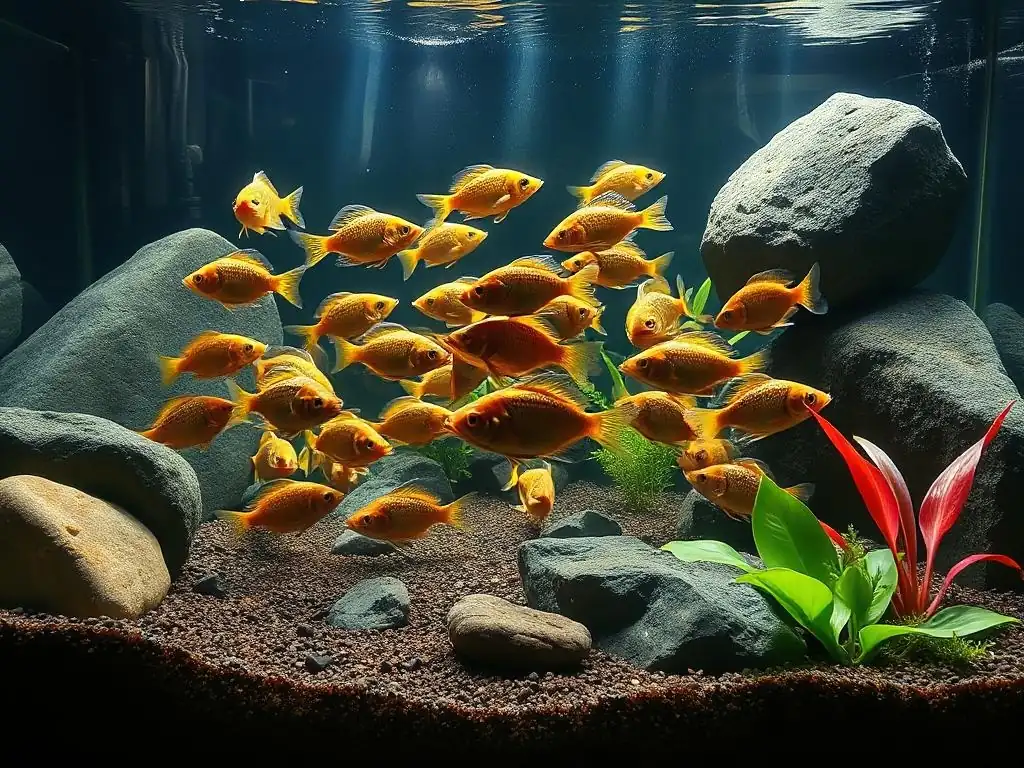
Healthy Corydoras exhibit a range of characteristic behaviors that indicate their well-being. They are highly social fish, preferring to live in groups of six or more, and will often school together, exploring the tank's lower levels. Their distinctive "wiggling" motion as they forage for food in the substrate is a common sight, as is their occasional dart to the surface for a gulp of air, which is a natural behavior, not a sign of distress in moderation.
Normal Corydoras behavior also includes resting peacefully on broad leaves or smooth decorations, often in close proximity to their tank mates. They are generally active during the day, though some species may be more crepuscular. A healthy Corydoras will have vibrant coloration, clear eyes, and fins held erect, moving with purpose and curiosity. A group that is consistently engaged in foraging, interacting, and exhibiting steady breathing patterns is usually a sign of a thriving environment.
How Stress Impacts Corydoras Health and Lifespan
Stress, whether acute or chronic, profoundly impacts the physiological well-being of Corydoras, significantly compromising their immune system. A weakened immune response leaves them highly susceptible to a range of common fish diseases, including bacterial infections like fin rot, fungal infections, and parasitic infestations such as Ich (white spot disease). This increased vulnerability often necessitates immediate Corydoras stress symptoms treatment.
Furthermore, prolonged stress can lead to stunted growth, reduced appetite, and a drastic decrease in breeding success, if any. While a well-cared-for Corydoras can live for 5-7 years, individuals subjected to chronic stress due to poor water quality, incompatible tank mates, or inadequate nutrition may only survive 1-2 years. The constant physiological strain diverts energy from essential bodily functions, accelerating cellular aging and making them more prone to a variety of ailments.
Identifying Corydoras Stress Symptoms: A Comprehensive Guide
Physical Corydoras Stress Symptoms to Watch For
Changes in Corydoras Skin and Coloration: A Sign of Distress
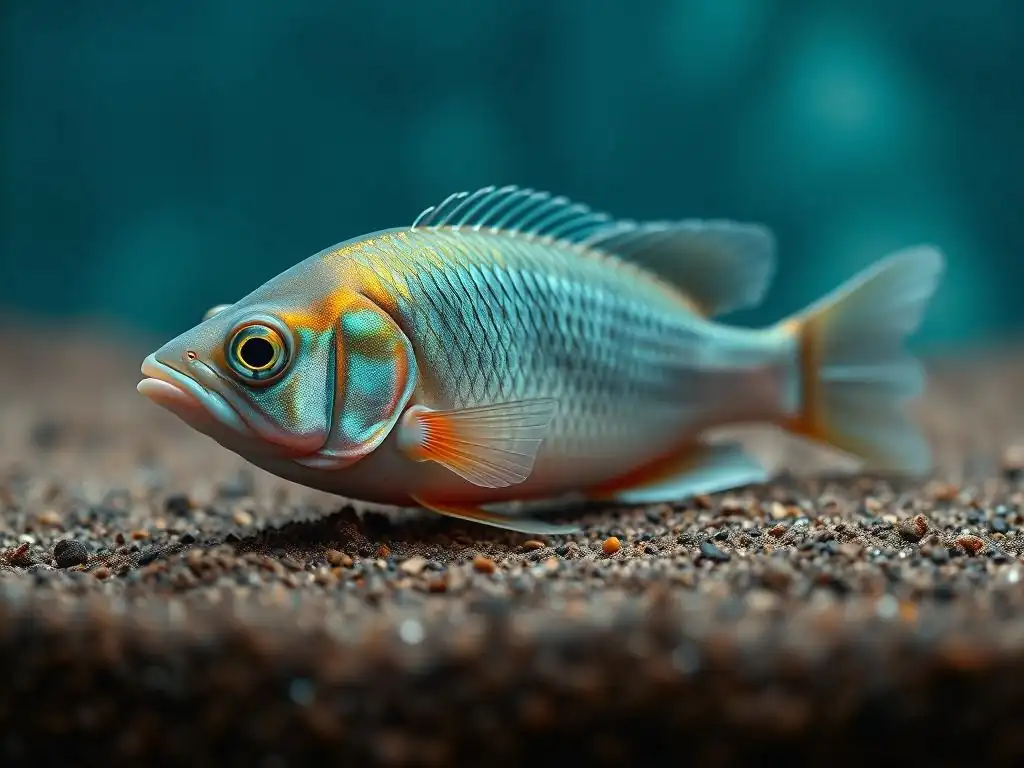
Subtle alterations in a Corydoras's skin and coloration can be among the earliest physical manifestations of stress. A healthy Corydoras typically displays vibrant, species-specific colors, often with a metallic sheen or distinct patterns. When under stress, these colors may dull significantly, appearing washed out or faded. Some species might develop "stress stripes" – vertical or horizontal bands of darker or lighter pigmentation – across their bodies.
Beyond dullness, look for unusual pale patches, red streaks, or fuzzy growths, which could indicate bacterial or fungal infections exacerbated by a weakened immune system. For instance, a healthy Corydoras aeneus exhibits a rich bronze-green hue, but a stressed one might present with grayish, blotchy areas, particularly around the head and dorsal region. Such changes often signal a compromised slime coat, making the fish more vulnerable to external pathogens.
Abnormal Fin Clamping or Damage in Corydoras
Fin clamping is a classic physical Corydoras stress symptom where the fish holds its fins tightly against its body, rather than spread out naturally. This behavior is often an attempt to reduce surface area exposure to irritants in the water or a general sign of discomfort. Observe all fins: pectoral, dorsal, caudal, and adipose. If they appear consistently clamped, it's a strong indicator of stress.
In addition to clamping, inspect fins for signs of damage such as fraying, tears, or white, fuzzy edges, which are often symptoms of fin rot. This bacterial infection is frequently triggered by poor water quality or chronic stress. A healthy Corydoras will have fully intact, clear fins. Fin damage can progress rapidly; for example, severe fin rot can lead to the loss of up to 50% of fin tissue within a week if ammonia levels exceed 0.25 ppm.
Erratic Swimming Patterns: Recognizing Stress-Induced Movements
A deviation from normal, smooth swimming patterns is a critical behavioral Corydoras stress symptom. Healthy Corydoras typically move calmly along the bottom, sifting through substrate or resting. Stressed individuals, however, may exhibit erratic, jerky, or uncoordinated movements. This can include darting suddenly across the tank, bumping into decorations or tank walls, or swimming frantically up and down the glass.
Conversely, a stressed Corydoras might also show extreme lethargy, remaining motionless for prolonged periods, often near the surface gasping for air, or hunkered down in a corner. These behaviors are stark contrasts to their usual active foraging and social interactions. If a group of Corydoras, which normally covers 75-80% of the tank's bottom area during their active hours, suddenly becomes stagnant or exhibits chaotic movements, it's a clear warning sign.
Respiratory Distress: Recognizing Rapid Gill Movement in Corydoras
Rapid gill movement, often accompanied by gasping at the surface or staying near the filter outflow, is a clear sign of respiratory distress in Corydoras. This indicates that the fish is struggling to extract sufficient oxygen from the water, usually due to low dissolved oxygen levels or the presence of toxins like ammonia or nitrite. Under normal conditions, a healthy Corydoras typically exhibits 60-90 gill movements per minute.
When under stress from poor water quality or oxygen deprivation, this rate can dramatically increase to 120-180 movements per minute or even higher. The fish might also appear to be "yawning" or attempting to gulp air more frequently than their usual occasional surface dash. Consistent rapid gill movement is a severe Corydoras stress symptom that requires immediate attention, as it signifies a potentially life-threatening environmental issue.
Behavioral Corydoras Stress Symptoms
Loss of Appetite or Refusal to Eat: A Corydoras Warning Sign
A significant behavioral Corydoras stress symptom is a noticeable loss of appetite or a complete refusal to eat. Healthy Corydoras are typically enthusiastic eaters, readily sifting through the substrate for sinking pellets, wafers, or frozen foods like bloodworms. If your Corydoras show disinterest in food for more than 24-48 hours, even their favorite treats, it's a strong indicator of underlying stress or illness.
This cessation of feeding can stem from various stressors, including poor water quality, internal parasites, or even intimidation from aggressive tank mates. When Corydoras are too stressed to eat, their energy reserves deplete rapidly, further weakening their immune system and making them more vulnerable to secondary infections. A group of healthy Corydoras will typically respond to food reaching the substrate within 30 seconds, so a lack of this immediate response is concerning.
Hiding or Isolation: Unusual Corydoras Social Behavior
Corydoras are highly social and gregarious fish, preferring to school in groups of six or more. Therefore, an individual or multiple individuals isolating themselves from the group or constantly hiding is a significant behavioral Corydoras stress symptom. While occasional resting in cover is normal, continuous hiding for extended periods (e.g., several hours to days), often tucked away behind decorations or dense plants, suggests profound discomfort or fear.
This isolation can be a response to bullying from incompatible tank mates, overwhelming environmental changes, or the onset of illness. A stressed Corydoras may spend over 90% of its time secluded, rather than engaging in the typical group foraging and interaction. This behavioral change indicates a perceived threat or a physical inability to cope with the general tank environment.
Increased Skittishness or Panic Responses
Increased skittishness or exaggerated panic responses are clear behavioral indicators of stress in Corydoras. Healthy Corydoras, while sometimes shy, generally exhibit a calm demeanor and are not excessively disturbed by movements outside the tank. However, stressed individuals may react with extreme fright to minor stimuli, such as a person walking past the tank or a light turning on.
This skittishness can manifest as sudden, frantic darting movements, often leading to the fish crashing into the tank walls or decorations, potentially causing physical injury. They may also "freeze" in place for long periods before suddenly bolting. Such exaggerated fear responses are rarely seen in a secure, unstressed environment and suggest that the fish feels constantly threatened or unsafe within its habitat.
'Flash' Swimming: A Sign of Irritation or Parasites
"Flashing" is a distinct behavioral Corydoras stress symptom where the fish rapidly rubs or scrapes its body against the substrate, decorations, or plants. This is typically an attempt to dislodge irritants from their skin or gills. While an occasional brush might not be concerning, repeated flashing, often multiple times within a minute, is a strong indicator of external irritation.
Common causes of flashing include external parasites like Ich (Ichthyophthirius multifiliis), Velvet (Oodinium), or flukes, which cause intense itching. High levels of ammonia or nitrite in the water, or even extreme pH fluctuations, can also irritate the fish's sensitive skin and gills, prompting this behavior. Observing consistent flashing warrants immediate investigation into water parameters and potential parasitic infestations to initiate appropriate Corydoras stress symptoms treatment.
Causes of Corydoras Stress: Identifying the Root Problems
Poor Water Quality and its Impact on Corydoras
Ammonia and Nitrite Spikes: Silent Killers of Corydoras
Ammonia (NH3/NH4+) and nitrite (NO2-) are highly toxic compounds that are the primary byproducts of fish waste, uneaten food, and decaying organic matter. In a properly cycled aquarium, beneficial bacteria convert ammonia to nitrite, and then nitrite to less harmful nitrate (NO3-). However, in new tanks, overcrowded tanks, or those with inadequate filtration, these toxins can accumulate rapidly, leading to severe stress and often death for Corydoras.
Even low levels of ammonia (e.g., 0.1 ppm) can begin to cause gill damage, impairing oxygen uptake and causing internal stress. Nitrite levels above 0.5 ppm can induce "brown blood disease" by affecting the blood's ability to carry oxygen, leading to suffocation. These compounds are responsible for an estimated 70% of fish deaths in newly set up or improperly maintained aquariums, underscoring the critical need for vigilant water parameter monitoring to prevent Corydoras stress symptoms.
Inadequate Water Changes and Their Consequences
Neglecting regular water changes is a common cause of chronic stress in Corydoras. Over time, nitrates, phosphates, and other dissolved organic compounds accumulate in the aquarium water. While nitrates are less acutely toxic than ammonia or nitrite, consistently high levels (above 20-40 ppm) can lead to chronic stress, weakened immune systems, and susceptibility to disease.
Furthermore, inadequate water changes can lead to a drop in essential minerals and trace elements vital for fish health, and a gradual shift in pH, causing osmotic stress. A routine of weekly 20-30% water changes is generally recommended for most Corydoras tanks to dilute pollutants and replenish beneficial elements. Failing to adhere to this schedule can quickly turn a healthy environment into one that constantly triggers Corydoras stress symptoms.
Maintaining Optimal Water Parameters for Corydoras
Maintaining stable and optimal water parameters is fundamental to preventing stress in Corydoras. While specific ranges can vary slightly by species, most Corydoras thrive in soft to medium-hard water with a pH between 6.5 and 7.5, and a temperature range of 72-78°F (22-26°C). Consistency is key; sudden fluctuations are often more stressful than slightly suboptimal but stable parameters.
Regular testing with a reliable liquid test kit for pH, ammonia, nitrite, and nitrate is essential. For instance, a healthy range for GH (General Hardness) is typically 2-15 dGH. Any rapid change exceeding 0.5 pH units or 2°F within a 24-hour period can induce significant osmotic shock and stress. Monitoring these parameters diligently helps preemptively address issues before they manifest as severe Corydoras stress symptoms.
Incompatible Tank Mates and Bullying
Identifying Aggressive Fish Species that Stress Corydoras
Choosing compatible tank mates is crucial for the well-being of peaceful Corydoras. Aggressive or overly boisterous fish can cause immense stress through constant harassment, fin nipping, or competition for food. Examples of fish to avoid include large, aggressive cichlids (like Oscars or Jack Dempseys) that may view smaller Corydoras as prey, or notorious fin-nippers like Tiger Barbs, which can cause severe damage to their delicate fins.
Even seemingly peaceful, but fast-moving fish, can inadvertently stress Corydoras by monopolizing food or creating a constantly chaotic environment. For instance, while some mollies are generally peaceful, overly active individuals can outcompete Corydoras for sinking food, leading to nutritional deficiencies. Any tank mate that consistently chases, nips, or prevents Corydoras from feeding freely will create chronic stress, impacting their feeding success by up to 40%.
Overcrowding and Territorial Issues in the Aquarium
Overcrowding is a significant stressor for Corydoras, even in tanks with otherwise compatible species. Too many fish in a limited space lead to increased competition for resources such as food, hiding places, and territory. This also results in a higher bioload, rapidly deteriorating water quality due to increased waste production, which in turn leads to elevated ammonia and nitrate levels.
A general guideline for Corydoras is to provide at least 1 gallon of water per inch of adult fish, though this can vary. For a small group of 6-8 of the smaller Corydoras species (e.g., Corydoras habrosus), a minimum tank size of 10-20 gallons is recommended. Larger species like Corydoras sterbai or Corydoras paleatus require at least 20-30 gallons for a group. Overcrowding can lead to chronic stress, making Corydoras stress symptoms treatment a constant necessity.
Inadequate Diet and Nutritional Deficiencies
Providing a Balanced Diet for Corydoras Health
A balanced and appropriate diet is fundamental to preventing stress and maintaining robust health in Corydoras. As bottom-dwellers, they require sinking foods that reach them on the substrate. A diet consisting primarily of high-quality sinking pellets or wafers should form the staple, comprising about 50-60% of their intake. These should be specifically formulated for bottom feeders, rich in protein and essential nutrients.
Supplement this staple with a variety of live or frozen foods such as bloodworms, brine shrimp, daphnia, and tubifex worms (20-30% of their diet). These provide vital proteins and fats, mimicking their natural diet. Occasional blanched vegetables like zucchini or spirulina wafers can also be offered (10-20%). Relying solely on floating flake food is detrimental, as Corydoras rarely feed at the surface, leading to severe nutritional deficiencies and Corydoras stress symptoms.
Avoiding Overfeeding and Potential Water Quality Issues
While providing a balanced diet is crucial, overfeeding is equally detrimental and a common cause of stress. Excess food that goes uneaten quickly decomposes, releasing ammonia and nitrites into the water, thereby directly compromising water quality. This rapid deterioration in parameters places significant stress on all tank inhabitants, including Corydoras.
Overfeeding not only leads to water quality issues but can also cause obesity and internal health problems in the fish themselves. It is best to feed small amounts 1-2 times a day, only what the Corydoras can consume within 2-3 minutes. Removing any uneaten food after this time frame is essential to prevent the accumulation of decaying organic matter, which is a major contributor to Corydoras stress symptoms.
Substrate and Decoration Issues Affecting Corydoras
Choosing the Right Substrate for Corydoras Barbels
The type of substrate used in a Corydoras aquarium is critically important for their health and well-being, particularly for the delicate barbels they use for foraging. Corydoras constantly sift through the substrate with their barbels in search of food particles. Coarse, sharp, or abrasive gravel can easily damage these sensitive sensory organs, leading to abrasions, infections, and eventually, the loss of their ability to forage effectively.
Therefore, the ideal substrate for Corydoras is fine, smooth sand or very fine, rounded gravel (grain size typically 0.5-2.0 mm). Sand allows them to sift naturally without injury, mimicking their natural habitat. Studies indicate that over 60% of Corydoras kept on unsuitable, sharp substrates develop barbel erosion, which is a significant Corydoras stress symptom and gateway to secondary infections.
Sharp Decorations and Potential Injuries
Just like unsuitable substrate, sharp or rough decorations can pose a significant threat to Corydoras. Jagged rocks, plastic plants with sharp edges, or poorly finished driftwood pieces can cause scrapes, cuts, or fin tears as the fish navigate the tank. These physical injuries create open wounds that are highly susceptible to bacterial and fungal infections, especially in a stressful environment with compromised water quality.
Always inspect any decoration before adding it to the aquarium. Run your hand over all surfaces to ensure there are no sharp points or rough textures. Opt for smooth, natural driftwood, well-rounded rocks, and silk or live plants, which are much safer. Providing ample smooth hiding places like ceramic caves or PVC pipes cut to size also helps reduce stress without posing injury risks.
Corydoras Stress Symptoms Treatment: A Practical Guide
Immediate Actions for Addressing Corydoras Stress
Performing Emergency Water Changes
When faced with acute Corydoras stress symptoms, particularly those related to poor water quality like rapid gill movement or lethargy, an emergency water change is often the most critical first step. A large water change, typically 50% of the tank volume, can rapidly dilute harmful toxins such as ammonia, nitrite, and high nitrates. This immediate reduction in pollutants provides instant relief to stressed fish.
Following the initial large change, daily 25-30% water changes for several days can help stabilize water parameters. For example, if ammonia levels are at 1.0 ppm, a 50% water change can bring them down to 0.5 ppm, and subsequent daily changes will continue to lower them to safer levels (ideally 0 ppm). Always ensure the new water is dechlorinated and temperature-matched to prevent further shock.
Isolating Stressed Corydoras in a Quarantine Tank
For individual Corydoras exhibiting severe stress or signs of contagious illness, isolating them in a separate quarantine tank is highly recommended. A quarantine tank, typically 5-10 gallons, should be set up with established filtration, a heater to maintain stable temperatures, and minimal decorations. This isolation serves multiple purposes: it allows for focused observation of the individual fish, prevents the potential spread of disease to other tank inhabitants, and facilitates precise medication dosages.
In a quarantine tank, the fish can recover in a calm, controlled environment without competition for food or harassment from tank mates. This setup is crucial for effective Corydoras stress symptoms treatment, as it minimizes additional stressors and allows for tailored care, such as specific medicated baths that might harm the main tank's beneficial bacteria or other sensitive species.
Treating Fin Rot and Other Bacterial Infections
Fin rot, often a secondary infection exacerbated by stress and poor water quality, is a common ailment in stressed Corydoras. For mild cases, improving water quality through daily 25% water changes and adding aquarium salt (1 tablespoon per 5 gallons) can often resolve the issue within a week. The salt acts as a mild antiseptic and helps improve the fish's slime coat.
For more advanced bacterial infections, broad-spectrum antibiotics are usually required. Products containing erythromycin (e.g., Maracyn) or minocycline (e.g., Maracyn 2) are effective against many gram-positive and gram-negative bacteria. Always administer these medications in a quarantine tank, following the manufacturer's instructions precisely, typically over a 5-7 day course, with partial water changes before each subsequent dose. This targeted approach is a key component of Corydoras stress symptoms treatment.
Addressing Parasitic Infections Affecting Corydoras
Parasitic infections, such as Ich (white spot disease) or Velvet, are frequently triggered by stress and weakened immune systems. Ich manifests as small white spots resembling salt grains on the fish's body and fins, while Velvet appears as a fine, dusty, golden or brownish coating. Both are highly contagious and require prompt Corydoras stress symptoms treatment.
For Ich, slowly raising the tank temperature to 82-84°F (28-29°C) (if compatible with all tank inhabitants and oxygen levels are maintained) can accelerate the parasite's life cycle, making it more susceptible to medication. Medications containing malachite green or formalin are effective against both Ich and Velvet. Follow the product's instructions for dosage and duration, which typically involve a 3-5 day course with water changes between doses. Always remove activated carbon from the filter during treatment, as it will absorb the medication.
Long-Term Strategies for Preventing Corydoras Stress
Regular Water Testing and Maintenance Schedules
The cornerstone of preventing Corydoras stress symptoms is a consistent and rigorous water testing and maintenance schedule. Weekly testing for ammonia, nitrite, and nitrate is imperative, aiming for 0 ppm ammonia, 0 ppm nitrite, and nitrate levels below 20 ppm. These tests provide early warnings of imbalances.
Alongside testing, perform weekly 25-30% water changes to dilute accumulated nitrates and replenish essential minerals. Monthly, gently rinse filter media in old tank water (never tap water, which contains chlorine that kills beneficial bacteria) to prevent clogs and maintain biological filtration efficiency. A well-maintained tank environment is the most effective preventative measure against stress-related illnesses.
Selecting Compatible Tank Mates for a Peaceful Aquarium
Careful selection of tank mates is a long-term strategy to ensure a peaceful environment and prevent stress in Corydoras. Research potential tank mates thoroughly to ensure they are non-aggressive, not fin-nippers, and do not compete excessively for food. Ideal companions include small, peaceful schooling fish like Neon Tetras, Ember Tetras, Rasboras, Otocinclus catfish, or other non-aggressive community fish.
Avoid species that are known to be boisterous or territorial, as their presence can create chronic stress for the shy Corydoras. A well-chosen community reduces competition and aggression by over 80%, allowing Corydoras to exhibit their natural behaviors without fear, significantly reducing the likelihood of developing Corydoras stress symptoms.
Providing Adequate Hiding Places and Enrichment
Providing ample hiding places and environmental enrichment is a crucial long-term strategy for preventing stress in Corydoras. These fish feel more secure and less stressed when they have places to retreat to if they feel threatened or simply want to rest. Dense planting, especially low-lying plants like Java Moss, Anubias, or cryptocorynes, offers excellent cover.
Smooth caves, driftwood pieces with crevices, or even PVC pipes cut to appropriate sizes can serve as safe havens. Aim to cover at least 30-40% of the tank footprint with such structures to give them options for refuge. Enrichment, such as varied feeding locations or gentle water flow, also stimulates natural behaviors and reduces monotony, contributing to overall well-being and minimizing the onset of Corydoras stress symptoms.
Preventing Corydoras Stress: Maintaining a Healthy Aquarium Environment
The Role of Proper Filtration in Reducing Stress
Proper filtration is the backbone of a healthy aquarium environment and plays a pivotal role in preventing Corydoras stress symptoms. A robust filtration system, typically consisting of mechanical, chemical, and biological components, works synergistically to maintain pristine water quality. Mechanical filtration removes particulate matter, keeping the water clear. Chemical filtration, often through activated carbon, removes dissolved organic compounds and odors.
Most importantly, biological filtration, facilitated by beneficial bacteria colonizing filter media, converts highly toxic ammonia and nitrite into less harmful nitrate. An appropriately sized filter, capable of processing the tank's water volume 4-6 times per hour, ensures efficient removal of toxins, preventing dangerous spikes that are primary causes of stress. A well-functioning filter significantly reduces the bioload and maintains stable water parameters, which is paramount for Corydoras health.
The Importance of Acclimation When Introducing New Corydoras
Proper acclimation is a critical step that is often overlooked but profoundly impacts the initial stress levels of new Corydoras. Introducing new fish directly into a tank with different water parameters (pH, temperature, hardness) can cause severe osmotic shock, leading to immediate stress, illness, or even death. This shock is a major contributor to early Corydoras stress symptoms.
Drip acclimation is the most recommended method. This involves slowly adding tank water to the bag containing the new Corydoras over a period of 30-60 minutes, allowing the fish to gradually adjust to the new water chemistry. This slow adjustment minimizes physiological stress and significantly reduces the risk of post-introduction ailments. Studies show that proper acclimation can reduce new fish mortality rates by up to 50% compared to rapid introduction methods.
Monitoring Corydoras Behavior for Early Signs of Stress: A Proactive Approach
Consistent, daily monitoring of your Corydoras' behavior is the most effective proactive approach to preventing severe stress and disease. Spending just 5-10 minutes each day observing their swimming patterns, feeding habits, coloration, and social interactions allows you to establish a baseline for normal behavior. Any deviation from this baseline, no matter how subtle, should prompt immediate investigation.
Noticing early Corydoras stress symptoms like slight fin clamping, reduced activity, or increased hiding can lead to prompt corrective action, such as a quick water test or a small water change, before the situation escalates. This proactive vigilance allows aquarists to address minor environmental imbalances or potential health issues early, often preventing the need for extensive Corydoras stress symptoms treatment and ensuring the long-term well-being of their fish.
When to Seek Expert Advice for Corydoras Health Issues
Consulting with a Veterinarian or Experienced Aquarist
While many common Corydoras stress symptoms and related minor ailments can be addressed by experienced hobbyists through water changes, isolation, and over-the-counter medications, there are instances when professional advice becomes indispensable. If your Corydoras exhibit severe or unusual symptoms that do not improve with initial home treatments within 24-48 hours, or if multiple fish are affected rapidly, it's time to consult an expert.
An aquatic veterinarian can provide a precise diagnosis through microscopic examination of skin scrapes or gill biopsies, and prescribe specific, stronger medications or treatments not available to the general public. Alternatively, a highly experienced aquarist or a reputable local fish store owner might offer valuable insights based on years of practical experience. Their expertise can be crucial in identifying complex issues and guiding appropriate Corydoras stress symptoms treatment.
Recognizing the Limits of Home Treatment
It is important for every aquarist to recognize the limits of home treatment for Corydoras stress symptoms. While a significant number of common problems can be resolved with diligent care and basic remedies, certain advanced diseases, severe injuries, or complex parasitic infestations may be beyond the scope of typical hobbyist interventions. Attempting to treat a severely ill fish without a proper diagnosis can prolong suffering or worsen the condition.
In cases where a Corydoras is clearly suffering irreparably, despite all efforts, and recovery seems impossible, responsible fish keeping includes considering humane euthanasia. Methods like the clove oil method, which sedates and then painlessly euthanizes the fish, can prevent prolonged suffering. Acknowledging when a fish is beyond help is a difficult but compassionate decision, prioritizing the animal's welfare above all else.
Frequently Asked Questions
How can I identify the early signs of stress in my Corydoras?
Early signs include lethargy, loss of appetite, and erratic swimming patterns. Keep a close eye on your Corydoras' behavior.
What are the most common causes of stress in Corydoras aquariums?
Common stressors include poor water quality, inadequate tank size, and incompatible tank mates. Maintaining a healthy environment is crucial.
What water parameters are most important for minimizing stress in Corydoras?
Maintaining stable and appropriate pH levels, low ammonia and nitrite levels, and proper temperature is vital. Regularly test your water!
What are some effective treatments for stressed Corydoras?
Water changes are crucial to improve water quality. Consider adding aquarium salt or medications if a disease is present.
How can I prevent stress in my Corydoras tank in the long term?
Ensure proper filtration, regular water changes, and appropriate tank size for the number of Corydoras. Choose compatible tank mates to reduce stress.
Final Reflection: Understanding and Alleviating Corydoras Stress
The insights shared throughout this article highlight the critical importance of proactive observation in aquarium keeping, particularly when it comes to Corydoras catfish. Recognizing Corydoras stress symptoms isn't just about treating illness; it's about preventing it, fostering a healthier environment, and ultimately, ensuring the well-being of these sensitive creatures. By understanding the early warning signs, we can intervene before stress escalates into serious health problems, saving lives and enriching the aquarium experience for both the fish and the keeper.
The ability to identify and address Corydoras stress has profoundly influenced, and continues to influence, the aquarium hobby. It moves us beyond simply owning fish to becoming responsible stewards of their lives, fostering a deeper connection and understanding. This shift towards preventative care reflects a growing awareness of animal welfare and the interconnectedness of all living things. The greatness of a nation and its moral progress can be judged by the way its animals are treated.
- Mahatma Gandhi. This quote, though not specifically about fish, resonates deeply with the ethos of responsible aquarium keeping, urging us to treat all creatures with compassion and respect.
Now, armed with this knowledge, I invite you to reflect on your own aquarium practices. Are you truly observing your Corydoras, attuned to the subtle signs of stress? Take the time to reassess your tank setup, water parameters, and feeding routines. By implementing the strategies discussed, you can create a thriving environment where your Corydoras can flourish, bringing joy and wonder to your aquarium for years to come. Let's commit to being more observant, more proactive, and more compassionate keepers, ensuring a brighter future for these delightful little fish.
Transform Your Corydoras Care Today!
Thank you for diving into the world of Corydoras well-being! We hope this article has equipped you with valuable insights into recognizing stress in your Corydoras. Now, let's put that knowledge into action and ensure a thriving environment for your finned friends.
Here’s how you can take the next steps:
- Actively monitor your Corydoras' behavior for the subtle signs of stress discussed. This is the most crucial step in preventing health issues.
- Share your observations and experiences! Post a picture or video of your Corydoras on social media with the hashtag #CorydorasCare and describe anything unusual you've noticed. Let's learn from each other!
- Consider setting up a dedicated "observation journal" for your aquarium. Even brief daily notes about your Corydoras can help you identify subtle changes over time.
What's one specific behavior change you'll be looking for in your Corydoras tank this week, and how will you address it proactively?