
Tank to Tributary: Leveraging Your Hobby for RealWorld Aquatic Conservation

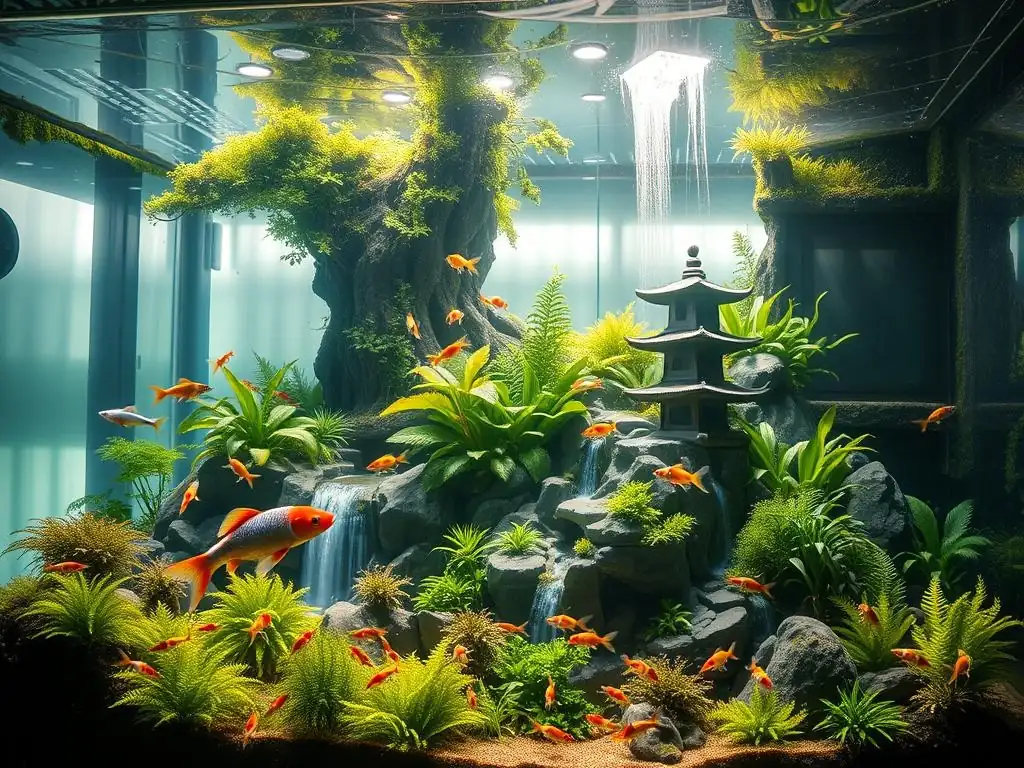
Welcome to Aquarium Mastery!
Ever wondered if your passion for shimmering scales and vibrant coral could extend beyond the glass? Dive in and discover how your beloved hobby can become a powerful force for good! In this article, we'll explore sustainable aquarium conservation practices, revealing how you can contribute to the preservation of our planet's precious aquatic ecosystems. Intrigued? Let's unlock the secrets of responsible aquascaping, ethical sourcing, and more!
- From Aquarium Hobbyist to Aquatic Conservationist: Bridging the Gap
- Sustainable Aquarium Conservation Practices: A Deep Dive
- Implementing Conservation Strategies in Your Aquarium
- Contributing to Real-World Aquatic Conservation Efforts
- Breeding Programs and Species Conservation in Aquariums
- Water Quality and Conservation: Minimizing Waste
- The Future of Aquarium Keeping: A Focus on Sustainability
- Case Studies: Aquarium Hobbyists Making a Difference
- Overcoming Challenges in Sustainable Aquarium Practices
- Conclusion: Embracing Sustainable Aquarium Conservation Practices for a Healthier Planet
-
Frequently Asked Questions
- How can my aquarium hobby contribute to sustainable aquarium conservation practices?
- What are some specific examples of sustainable aquarium conservation practices I can implement?
- Where can I find information on ethically sourced fish and invertebrates for my aquarium?
- How can I reduce the environmental impact of my aquarium's water usage?
- What are some organizations that support aquatic conservation that I can support through my hobby?
- Final Reflection: Ripples of Responsibility
- Dive Deeper: Unleash Your Aquatic Passion!
From Aquarium Hobbyist to Aquatic Conservationist: Bridging the Gap
Understanding the Power of the Aquarium Hobby for Conservation
The aquarium hobby, often perceived as a niche pastime, holds immense potential as a powerful force for aquatic conservation. With an estimated 10 to 15 million households in the United States alone maintaining aquariums, and millions more globally, the sheer scale of this community presents a unique opportunity.
This vast network of enthusiasts is inherently connected to aquatic environments, fostering a direct appreciation for the intricate beauty and delicate balance of underwater ecosystems. Through the daily care of their tanks, hobbyists gain firsthand insight into the necessities of clean water, stable parameters, and the specific needs of various aquatic species, laying a foundation for broader environmental awareness.
This widespread engagement means that even small shifts towards sustainable aquarium conservation practices can have a significant cumulative impact. For instance, if just 10% of these hobbyists choose captive-bred fish over wild-caught, the reduction in collection pressure on natural habitats could be substantial. Furthermore, the collective purchasing power of this community can drive demand for ethically sourced livestock and eco-friendly equipment, influencing the entire industry towards more responsible operations. The hobby, therefore, serves not just as a source of personal enjoyment but as a crucial educational platform, capable of transforming passive observers into active stewards of aquatic life.
Aquarium Keeping: A Gateway to Environmental Stewardship
Caring for an aquarium transcends simple pet ownership; it cultivates a profound sense of environmental stewardship. Hobbyists meticulously monitor water chemistry, understand the nitrogen cycle, and observe fish behavior, all of which are fundamental principles of aquatic ecology. This practical, hands-on experience provides a tangible connection to the challenges faced by aquatic ecosystems worldwide, from pollution to habitat degradation. For example, maintaining stable pH levels or managing nitrate buildup in a tank directly mirrors the importance of water quality in natural rivers and oceans, making abstract environmental concepts concrete and relatable.
The journey of an aquarium keeper often evolves from basic maintenance to a deeper understanding of biodiversity and ecological balance. This progression naturally leads to an interest in sustainable aquarium conservation practices.
When hobbyists learn about the origins of their fish or corals, they become more aware of the impact of unsustainable collection methods, such as cyanide fishing, which can destroy up to 90% of non-target organisms in a reef area. This awareness can then translate into a commitment to supporting ethical suppliers, participating in captive breeding efforts, and advocating for responsible environmental policies, effectively transforming a personal passion into a pathway for genuine environmental action.
Sustainable Aquarium Conservation Practices: A Deep Dive
Defining Sustainable Practices in the Aquarium Hobby
Sustainable practices in the aquarium hobby encompass a holistic approach aimed at minimizing the ecological footprint of tank keeping while promoting the health and longevity of aquatic life. At its core, it means making choices that do not deplete natural resources, harm ecosystems, or contribute to environmental degradation. This involves conscious decisions about everything from livestock sourcing to energy consumption and waste management. For instance, opting for energy-efficient LED lighting, which can reduce energy consumption by 50-70% compared to traditional fluorescent or incandescent bulbs, is a clear step towards sustainability.
Beyond energy, sustainable aquarium conservation practices also focus on reducing waste and pollution. This includes minimizing the use of single-use plastics, properly disposing of chemicals, and even reusing aquarium water. A truly sustainable approach also advocates for the long-term health and well-being of the aquatic inhabitants, ensuring they thrive in conditions that closely mimic their natural habitats. This emphasis on responsible care not only benefits the animals but also educates the hobbyist on the delicate balance required for flourishing ecosystems, reinforcing the broader message of environmental conservation.
The Importance of Ethical Sourcing in Aquarium Fishkeeping
Ethical sourcing stands as a cornerstone of sustainable aquarium conservation practices, directly addressing the impact of the ornamental fish trade on wild populations and their habitats. The distinction between wild-caught and captive-bred specimens is critical. While an estimated over 90% of freshwater ornamental fish are now captive-bred, offering a more sustainable option, a significant portion of marine ornamental fish are still sourced from the wild. Unfortunately, some wild collection methods, like the use of cyanide to stun fish, inflict devastating damage on coral reefs, killing vast numbers of non-target organisms and degrading critical habitats.
Supporting suppliers who adhere to ethical and sustainable collection methods, or even better, prioritizing captive-bred or aquacultured species, is paramount. Although organizations like the Marine Aquarium Council (MAC) have faced challenges, their initial efforts helped establish benchmarks for responsible collection. By choosing fish from reputable breeders, hobbyists not only ensure healthier, hardier animals better adapted to aquarium life but also directly reduce the demand for destructive wild collection. This conscious consumer choice sends a powerful message to the industry, encouraging a shift towards practices that protect, rather than exploit, our precious aquatic environments.
Implementing Conservation Strategies in Your Aquarium
Choosing Sustainable Aquarium Products and Equipment
Implementing conservation strategies in your aquarium begins with thoughtful selection of products and equipment, prioritizing sustainability and efficiency. This means looking beyond initial cost to consider the long-term environmental impact. For example, investing in high-quality, energy-efficient pumps and heaters can significantly reduce electricity consumption, which contributes to a lower carbon footprint.
While the upfront cost might be slightly higher, the operational savings over time, coupled with reduced environmental impact, make them a superior choice. Similarly, selecting LED lighting, which consumes considerably less power and has a longer lifespan than traditional alternatives, minimizes both energy waste and the frequency of equipment replacement.
Beyond energy efficiency, the choice of materials and reusability also plays a crucial role in sustainable aquarium conservation practices. Opt for durable, long-lasting equipment made from recycled or sustainably sourced materials whenever possible. Consider reusable filter media instead of disposable cartridges, which generate unnecessary plastic waste. Even seemingly small choices, like using natural, sustainably harvested decor (e.g., driftwood from managed forests or responsibly collected rocks), contribute to a more eco-friendly setup. These deliberate choices transform your aquarium from a mere display into a model of responsible resource management.
Replicating Natural Habitats: Creating a Conservation-Focused Aquarium
Creating a conservation-focused aquarium often involves replicating natural habitats, a practice known as biotope aquascaping. This approach not only enhances the welfare of your aquatic inhabitants by providing conditions that closely match their native environments but also serves as a powerful educational tool. By meticulously researching and recreating a specific aquatic ecosystem—be it a blackwater stream in the Amazon or a rocky shore of an African Rift Lake—hobbyists gain a deeper understanding of the intricate relationships between species and their environment.
For instance, establishing a South American biotope for Discus ( Symphysodon spp.) with soft, acidic blackwater conditions and appropriate plant species educates about the delicate balance of the Amazon basin.
This immersive approach to aquarium keeping fosters a greater appreciation for the biodiversity and unique adaptations found in various aquatic regions. A well-executed biotope tank, such as one mimicking Lake Tanganyika for Tropheus cichlids, illustrates how specific water parameters (e.g., high pH, hard water) and substrate types (e.g., rocky outcrops) dictate species distribution and behavior. By understanding these specific requirements, hobbyists become more attuned to the threats faced by these natural habitats, such as pollution or habitat destruction, reinforcing the importance of broader sustainable aquarium conservation practices.
Responsible Fishkeeping: Minimizing Your Ecological Footprint
Responsible fishkeeping is fundamental to minimizing your ecological footprint and is a critical component of sustainable aquarium conservation practices. This involves a commitment to the well-being of your aquatic inhabitants and the prevention of negative impacts on natural ecosystems. A primary aspect is avoiding overstocking, which leads to poor water quality, stressed fish, and increased resource consumption for filtration and maintenance. Adhering to the "inch per gallon" rule (or more conservative guidelines for larger fish) helps ensure a healthy, balanced system that requires fewer interventions.
Another crucial responsibility is the proper disposal of aquarium waste and, most importantly, unwanted livestock. Never release aquarium fish, plants, or invertebrates into local waterways. Non-native species can become invasive, outcompeting native species, introducing diseases, and disrupting delicate ecosystems, as seen with the devastating impact of released Lionfish ( Pterois volitans) in the Atlantic or various species of Plecos ( Hypostomus plecostomus) in freshwater systems across the globe. Instead, hobbyists should explore rehoming options through local fish clubs, reputable pet stores, or, as a last resort, humane euthanasia, ensuring that their hobby does not inadvertently contribute to ecological harm.
Contributing to Real-World Aquatic Conservation Efforts
Supporting Conservation Organizations Through Your Aquarium Hobby
Your passion for the aquarium hobby can directly translate into meaningful support for real-world aquatic conservation efforts. One of the most impactful ways to contribute is by financially supporting reputable conservation organizations. Groups such as the Coral Reef Alliance, Project AWARE, or local watershed protection agencies rely heavily on public donations to fund their vital work, from restoring damaged reefs to cleaning up rivers and advocating for protective legislation. Many such organizations ensure that a significant portion—often 80-90%—of donations goes directly into their program services, maximizing the impact of your contribution.
Beyond monetary contributions, hobbyists can leverage their expertise and enthusiasm to raise awareness and volunteer. Sharing information about the threats facing aquatic environments and the importance of sustainable aquarium conservation practices with friends, family, and fellow hobbyists can create a ripple effect. Participating in fundraising events, even if just by attending or promoting them, can amplify an organization's reach. Your engagement, whether through a direct donation or by simply spreading the word, helps these organizations continue their critical work in safeguarding the aquatic ecosystems that inspire our hobby.
Citizen science projects offer a unique and accessible avenue for aquarium hobbyists to contribute directly to aquatic conservation research and monitoring. These initiatives empower individuals to collect valuable data that can inform scientific studies, environmental policies, and conservation strategies. For example, hobbyists can participate in local stream monitoring programs, regularly testing water quality parameters like pH, dissolved oxygen, and nitrate levels, and submitting their findings to environmental agencies or university research teams. The aggregated data from thousands of citizen scientists provides a comprehensive picture of water health that would be impossible for professional scientists to gather alone.
Another way to contribute is by documenting and reporting sightings of native aquatic species in local waterways through platforms like iNaturalist. By simply taking photos of fish, amphibians, or aquatic invertebrates and uploading them with location data, hobbyists can help track species distribution, identify invasive species early, and monitor population trends. This valuable data, collected by a vast network of enthusiasts, fills critical gaps in scientific understanding and directly aids conservation efforts, turning your observational skills developed in the aquarium into a powerful tool for environmental protection.
Documenting and Sharing Your Sustainable Aquarium Practices
Documenting and sharing your sustainable aquarium practices is a powerful way to inspire and educate others, creating a ripple effect of positive change within the hobby community. By openly detailing your choices—from selecting captive-bred fish to implementing water-saving techniques—you provide tangible examples of how to maintain a beautiful and thriving aquarium with a minimal ecological footprint.
This can involve creating detailed blog posts, sharing photos and videos on social media platforms, or giving presentations at local aquarium club meetings. For instance, a well-documented account of successfully breeding a difficult species or maintaining a low-impact planted tank can influence dozens of other hobbyists to adopt similar sustainable aquarium conservation practices.
The transparency in sharing both successes and challenges allows others to learn from your experiences, accelerating the adoption of more responsible habits. When hobbyists see real-world examples of how energy-efficient equipment performs or how a planted tank reduces the need for frequent water changes, they are more likely to make those investments themselves. This peer-to-peer education fosters a culture of sustainability, where collective knowledge and shared experiences drive the hobby towards a more environmentally conscious future.
Breeding Programs and Species Conservation in Aquariums
The Role of Aquariums in Preserving Endangered Fish Species
Aquariums, both public and private, play a critical and often underestimated role in the preservation of endangered fish species. They serve as vital "ark populations," providing a safe haven for species that are facing severe threats or are already extinct in the wild.
These captive breeding programs maintain genetic diversity, ensuring a viable population exists should reintroduction efforts become possible. For example, public aquariums and private hobbyists have maintained assurance colonies for critically endangered species such as the Devils Hole Pupfish ( Cyprinodon diaboli) and various Goodeid species from Mexico, some of which are now entirely reliant on captive populations for survival.
Beyond simply maintaining populations, these programs also offer invaluable opportunities for research into species' biology, behavior, and reproductive strategies—knowledge that is often difficult or impossible to obtain in the wild. This scientific understanding is crucial for developing effective conservation strategies, whether for reintroduction programs or for protecting remaining wild habitats. The American Killifish Association (AKA), for instance, has long fostered hobbyist involvement in maintaining numerous endangered killifish species, demonstrating the collective power of the hobby in safeguarding global aquatic biodiversity.
Setting Up a Breeding Program for Conservation Purposes (Example: Xenotoca eiseni)
Setting up a breeding program for conservation purposes requires dedication, specific knowledge, and often collaboration, but it can yield profoundly rewarding results. A prime example is the Red-tailed Splitfin ( Xenotoca eiseni), a viviparous Goodeid from Mexico that was once thought extinct in the wild.
Thanks to the efforts of hobbyists and conservationists, this species has been successfully maintained and bred in captivity, leading to reintroduction efforts in its native habitat. For a species like Xenotoca eiseni, a dedicated breeding setup involves specific conditions: cooler temperatures (e.g., 68-72°F or 20-22°C), a varied diet, and sufficient space to accommodate their live-bearing nature.
The process typically involves establishing a healthy colony, carefully selecting breeding pairs to maintain genetic diversity, and providing optimal conditions for fry survival. Documenting breeding successes, growth rates, and any unique behaviors contributes valuable data to the broader conservation community. Hobbyists engaging in such programs actively participate in sustainable aquarium conservation practices by reducing pressure on wild populations, providing healthy specimens for potential reintroduction, and educating others about the importance of preserving these unique species.
Collaborating with Zoos and Research Institutions for Conservation
Collaboration between aquarium hobbyists and professional zoos and research institutions is a powerful synergy for aquatic conservation. Hobbyists often possess specialized knowledge and practical experience with specific species, particularly those that are less common in public displays, and can maintain large numbers of certain species more cost-effectively than large institutions. This allows for the sharing of expertise, genetic stock, and even excess captive-bred specimens, strengthening overall conservation efforts. For example, a hobbyist might provide rare, captive-bred fish to a public aquarium for display or for inclusion in their own breeding programs, ensuring genetic diversity and public education.
Furthermore, research institutions can benefit from hobbyists' long-term observations and breeding records, which can provide valuable data on species longevity, reproductive cycles, and behavioral patterns that might be difficult to obtain in a laboratory setting. This collaboration can also extend to coordinated conservation initiatives, where hobbyists might participate in data collection for field studies or assist in the propagation of specific plant or invertebrate species. This interdisciplinary approach enhances the effectiveness of sustainable aquarium conservation practices by leveraging the unique strengths of both the amateur and professional communities.
Water Quality and Conservation: Minimizing Waste
Sustainable Water Management Techniques for Aquariums
Sustainable water management techniques are paramount in minimizing waste and promoting environmental responsibility within the aquarium hobby. Beyond simply performing water changes, a comprehensive approach involves understanding your water source and optimizing its use. Regular and accurate water testing is crucial for maintaining stable parameters and identifying issues before they necessitate large, emergency water changes.
For instance, knowing the dissolved solids in your tap water can guide decisions on filtration or the need for reverse osmosis (RO) purification. If using RO water, responsibly managing the wastewater is key; while RO units can produce pure water, they also generate significant wastewater (e.g., 3-4 gallons of waste for every 1 gallon of pure water), which should ideally be reused rather than simply discarded.
Implementing techniques such as rainwater harvesting, with proper filtration and treatment, can also reduce reliance on municipal water supplies for top-offs or even water changes. For planted tanks, consistent dosing of macro and micronutrients can help maintain plant health, which in turn helps absorb nitrates and reduces the frequency of large water changes. These proactive measures not only ensure a healthier aquarium environment but also significantly contribute to sustainable aquarium conservation practices by conserving a precious resource.
Reducing Water Changes and Optimizing Filtration Systems
Reducing the frequency and volume of water changes is a key component of sustainable aquarium conservation practices, achievable through optimized filtration and careful tank management. An efficient biological and mechanical filtration system is fundamental, effectively removing waste products and maintaining water clarity. Heavily planted aquariums, for example, can significantly reduce the need for large, frequent water changes. Lush aquatic plants absorb nitrates, phosphates, and other nutrients that would otherwise accumulate, often reducing nitrate levels by 50% or more compared to unplanted tanks, thereby extending the time between necessary water replacements.
Furthermore, incorporating specialized filtration methods, such as deep sand beds or refugiums (in marine systems), can enhance nutrient cycling and denitrification. A well-established deep sand bed (typically 4-6 inches deep) creates anaerobic zones where beneficial bacteria convert nitrates into harmless nitrogen gas, effectively removing them from the water column. This natural process minimizes nitrate accumulation, allowing for less frequent and smaller water changes, thereby conserving water and reducing the effort involved in maintaining stable water parameters.
Utilizing Aquarium Water for Plant Irrigation
One of the simplest yet most effective sustainable aquarium conservation practices is the repurposing of aquarium water for plant irrigation. Water removed during routine water changes is not simply "waste" but a nutrient-rich resource, effectively acting as a natural fertilizer for terrestrial plants. This water contains nitrates, phosphates, potassium, and various trace elements that are beneficial for plant growth, promoting healthier foliage and more vibrant blooms in your garden or houseplants.
Instead of pouring 10-20 gallons of weekly water change water down the drain, redirecting it to potted plants, garden beds, or even a small compost pile can significantly reduce your household's tap water consumption for irrigation. This practice creates a closed-loop system where the "waste" from one hobby becomes a valuable input for another, demonstrating a tangible commitment to resource conservation. It’s a straightforward, zero-cost method that embodies the spirit of sustainability, turning a routine aquarium chore into an eco-friendly act.
The Future of Aquarium Keeping: A Focus on Sustainability
The Growing Trend of Eco-Friendly Aquariums
The future of aquarium keeping is increasingly trending towards eco-friendly and sustainable practices, driven by a growing awareness among hobbyists and advancements in technology. There is a noticeable shift away from purely aesthetic setups towards systems that prioritize ecological balance, animal welfare, and minimal environmental impact. Online forums and local aquarium clubs are seeing a significant increase in discussions and dedicated sections focused on "low-tech," "nano," or "eco-friendly" aquariums, reflecting this burgeoning interest. Retailers are also responding by stocking a wider array of sustainable options, from captive-bred fish to energy-efficient equipment and biodegradable filter media.
This growing trend is not just about individual tanks; it reflects a broader community commitment to responsible aquarism. Many hobbyists are actively seeking ways to reduce their carbon footprint, conserve water, and support ethical sourcing. This collective movement towards sustainable aquarium conservation practices suggests a bright future where the hobby continues to thrive while simultaneously contributing positively to global aquatic health.
Technological Advancements in Sustainable Aquarium Equipment
Technological advancements are rapidly transforming the aquarium industry, making sustainable aquarium conservation practices more accessible and efficient than ever before. Smart controllers and automated systems are at the forefront, allowing hobbyists to precisely manage lighting cycles, temperature, and filtration, often optimizing energy use and reducing waste. For instance, smart power strips can integrate with tank controllers to ensure pumps and lights operate only when needed, potentially saving 10-20% on energy bills annually.
Further innovations include advanced filtration media designed for longer lifespans and greater efficiency, reducing the frequency of replacements and the associated waste. Recirculating Aquaculture Systems (RAS) principles, traditionally used in large-scale fish farming, are being adapted for home aquariums, enabling highly efficient water reuse and waste removal. These technological leaps empower hobbyists to create more stable, healthier environments for their aquatic life while significantly lowering their environmental impact, solidifying the role of technology in fostering sustainable aquarism.
Educating Others: Spreading Awareness About Sustainable Aquarium Conservation Practices
Educating others is perhaps the most powerful tool in spreading awareness about sustainable aquarium conservation practices and shaping the future of the hobby. Experienced hobbyists have a unique opportunity to mentor newcomers, guiding them towards responsible choices from the outset.
This can take many forms: creating engaging online content such as YouTube videos or blog posts that reach hundreds of thousands of viewers, leading discussions in online forums, or giving presentations at local aquarium club meetings. A survey of aquarium clubs might reveal a 30-40% increase in conservation-related topics discussed in the last five years, indicating a growing appetite for this knowledge.
By sharing personal experiences, demonstrating practical sustainable methods, and highlighting the benefits of eco-friendly aquariums, hobbyists can inspire a new generation of aquarists committed to conservation. This active dissemination of knowledge creates a ripple effect, multiplying the positive impact far beyond individual tanks and fostering a collective commitment to protecting aquatic ecosystems worldwide.
Case Studies: Aquarium Hobbyists Making a Difference
Hobbyist Focused on Native Species Conservation (Example: Notropis lutrensis)
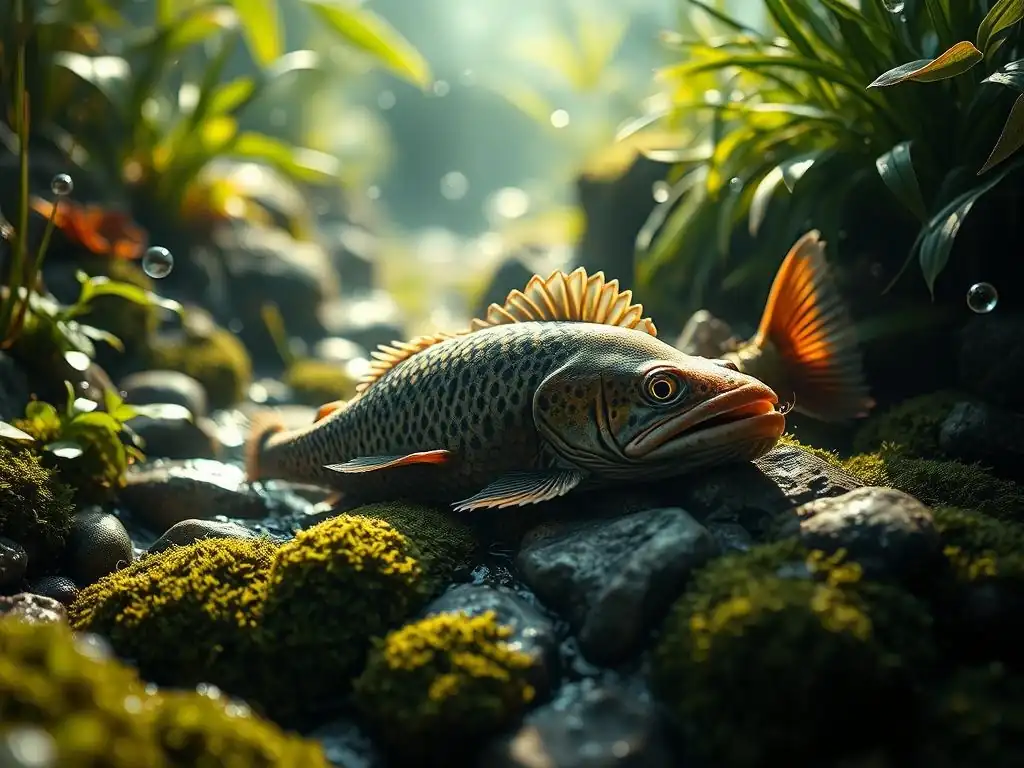
A compelling example of a hobbyist making a tangible difference in aquatic conservation is Sarah M., a dedicated aquarist in Texas, who focuses on the Red Shiner ( Notropis lutrensis). While Notropis lutrensis is a common and widespread species, Sarah's dedication highlights the importance of appreciating and conserving local biodiversity. She maintains a meticulously crafted biotope tank that replicates a section of a local Texas stream, complete with native substrate, river stones, and appropriate aquatic plants. This setup not only provides an ideal environment for the shiners but also serves as a living educational exhibit.
Sarah actively documents her tank's ecosystem, including the shiners' breeding behaviors and dietary needs, and shares her insights with local schools and community groups. By fostering an appreciation for native fish species, she helps to shift focus from exotic imports to the often-overlooked aquatic life in our own backyards. Her efforts exemplify how sustainable aquarium conservation practices can extend beyond the global trade to fostering local ecological awareness and stewardship.
Hobbyist Focused on Coral Reef Conservation in a Nano Tank
Another inspiring case study is Mark T., a reef hobbyist in California, who dedicates his 20-gallon nano tank to coral reef conservation. Mark exclusively sources aquacultured corals and captive-bred fish, such as clownfish, ensuring that his hobby does not contribute to the depletion of wild reef populations. He meticulously manages his tank parameters to encourage coral growth and fragging (propagating corals by breaking off pieces), which he then shares or trades with other hobbyists through local "frag swaps." This practice reduces the demand for wild-collected corals and promotes sustainable acquisition within the community.
Mark actively documents his tank's journey on social media, showcasing the vibrant health of his aquacultured corals and emphasizing the ethical choices he makes. His commitment to a low-impact reef system demonstrates that even small aquariums can be powerful tools for conservation education, illustrating how sustainable aquarium conservation practices can directly support the recovery and resilience of global coral reefs.
Lessons Learned and Best Practices from Successful Conservation Aquariums
The experiences of hobbyists like Sarah and Mark offer invaluable lessons and best practices for anyone looking to embrace sustainable aquarium conservation practices. A common theme is the importance of thorough research before acquiring any livestock or equipment. Understanding the specific needs of species and the environmental impact of products allows for informed, responsible choices. Another key lesson is the power of community engagement; actively participating in local fish clubs or online forums provides a wealth of shared knowledge, support, and opportunities for collaboration on conservation projects.
Furthermore, successful conservation aquariums demonstrate the importance of adaptability and a long-term perspective. Issues will inevitably arise, but a commitment to continuous learning and problem-solving, often informed by ecological principles, leads to more stable and sustainable systems. These case studies underscore that the most effective conservation efforts are often driven by passion, informed by knowledge, and amplified through shared experience, proving that individual hobbyists can indeed make a significant collective difference.
Overcoming Challenges in Sustainable Aquarium Practices
Addressing Common Misconceptions about Aquarium Conservation
One of the primary challenges in promoting sustainable aquarium conservation practices is addressing pervasive misconceptions about the hobby's environmental impact. A common belief is that "aquariums are inherently bad for the environment," leading to blanket condemnations. This overlooks the significant progress made in sustainable sourcing, captive breeding, and energy efficiency within the hobby. It's crucial to counter this by highlighting that responsible aquarism, far from being detrimental, can be a powerful educational tool and a direct contributor to conservation efforts, as demonstrated by successful breeding programs for endangered species.
Another misconception is that "captive breeding is too difficult or expensive" for the average hobbyist. While some species are indeed challenging, many popular aquarium fish are routinely bred by hobbyists, and the market for captive-bred specimens is growing. Similarly, the idea that "sustainable products are too expensive" often ignores the long-term savings from energy-efficient equipment or the ethical value of supporting responsible suppliers. By providing accurate information and showcasing accessible, cost-effective sustainable options, these misconceptions can be effectively dispelled, encouraging more hobbyists to adopt eco-friendly practices.
Finding Resources and Support for Sustainable Aquarium Keeping
Navigating the path to sustainable aquarium keeping can seem daunting without the right resources and support. However, the hobby community offers a wealth of information and assistance for those committed to sustainable aquarium conservation practices. Online communities and forums, such as Reef2Reef or Fishlore, have dedicated sections and knowledgeable members who share advice on ethical sourcing, energy-saving techniques, and responsible waste management. These platforms provide a global network for troubleshooting and sharing best practices.
Local fish clubs are another invaluable resource, offering in-person meetings, guest speakers, and opportunities to connect with experienced hobbyists. Many larger cities boast several fish clubs, with an average membership of 50-200 active members, fostering a vibrant exchange of knowledge. Specialized aquarium retailers who prioritize sustainable products and ethical sourcing can also provide expert guidance and access to high-quality, eco-friendly equipment and livestock. Leveraging these community resources can significantly ease the transition to a more sustainable aquarium setup.
Long-Term Planning for a Sustainable and Conservation-Oriented Aquarium
Long-term planning is essential for maintaining a truly sustainable and conservation-oriented aquarium, moving beyond initial setup to ensure lasting positive impact. This involves considering the lifespan of equipment, the growth and longevity of livestock, and continuous learning. Investing in high-quality, durable equipment, even if initially more expensive, often proves more sustainable in the long run by reducing the need for frequent replacements and minimizing waste. For instance, a premium LED light fixture might have a 5-10 year lifespan, far exceeding cheaper alternatives.
Furthermore, responsible hobbyists plan for the entire life cycle of their aquatic inhabitants. Many fish species can live for 10-20 years or more (e.g., certain cichlids, plecos), requiring a commitment to their long-term care or a clear plan for rehoming if circumstances change. Continuous education through reading, attending seminars, and engaging with the community ensures that hobbyists remain informed about the latest sustainable aquarium conservation practices and adapt their methods as new research or technologies emerge. This forward-thinking approach solidifies the aquarium's role as a model of environmental stewardship.
Conclusion: Embracing Sustainable Aquarium Conservation Practices for a Healthier Planet
Frequently Asked Questions
How can my aquarium hobby contribute to sustainable aquarium conservation practices?
Your aquarium can contribute by sourcing sustainably bred or collected species, practicing responsible water usage, and supporting organizations dedicated to aquatic conservation. Focusing on captive-bred fish reduces pressure on wild populations.
What are some specific examples of sustainable aquarium conservation practices I can implement?
Examples include using eco-friendly filtration systems, reducing water changes by maintaining a balanced ecosystem, and researching the origin of your fish to avoid supporting destructive collection methods. You can also support coral propagation efforts.
Where can I find information on ethically sourced fish and invertebrates for my aquarium?
Reputable aquarium stores and online vendors often provide information on the origin and collection methods of their livestock. Look for certifications or labels indicating sustainable collection practices or captive breeding programs. Researching species needs also helps.
How can I reduce the environmental impact of my aquarium's water usage?
Implement techniques like using reverse osmosis (RO) or deionized (DI) water and reusing water for plant irrigation after testing. Maintaining a healthy and balanced aquarium ecosystem also reduces the frequency of water changes.
What are some organizations that support aquatic conservation that I can support through my hobby?
Many organizations focus on coral reef restoration, habitat preservation, and sustainable fisheries. Research groups like the Coral Restoration Foundation or local aquarium societies that promote responsible aquarium keeping and conservation efforts. Donations are always welcome.
Final Reflection: Ripples of Responsibility
The journey from hobbyist aquarium keeper to active conservationist is not just a theoretical possibility; it's a tangible path, increasingly vital in a world facing unprecedented aquatic ecosystem challenges. The principles of sustainable aquarium conservation practices, as explored throughout this article, are not confined to glass tanks; they are scalable, adaptable, and deeply relevant to the health of our planet's waterways.
This connection between our personal passions and global well-being is profound. Understanding the intricate balance within our aquariums allows us to appreciate, and ultimately protect, the delicate ecosystems that exist on a much grander scale. It's a responsibility we inherit the moment we choose to bring a piece of nature into our homes. We are tied to the ocean. And when we go back to the sea, whether it is to sail or to watch it, we are going back from whence we came.
- John F. Kennedy. This quote reminds us that our connection to water is fundamental, and our actions, however small, have a ripple effect.
So, let us not underestimate the power of our individual contributions. Consider how you can further integrate sustainable aquarium conservation practices into your own life, and how you can inspire others to do the same. The future of our aquatic ecosystems depends on a collective shift in mindset, a recognition that every drop counts, and that even the smallest tank can be a powerful catalyst for change. Embrace your role as a steward of the aquatic world, and let your passion flow into meaningful action.
Dive Deeper: Unleash Your Aquatic Passion!
Thank you for exploring how your aquarium hobby can contribute to real-world aquatic conservation. Now that you're equipped with these insights, let's turn inspiration into action!
- Take the Plunge: Begin a Detailed Log of Your Aquarium's Health!: Track parameters, inhabitants, and changes—this data can be invaluable for understanding aquatic ecosystems and informing responsible practices.
- Share Your Knowledge:Engage in Local Aquarium Societies and Online Forums. Help others learn about responsible aquarium keeping and conservation efforts.
- Challenge Yourself: Research a Specific Aquatic Species and Its Conservation Status. Then, share your findings with others and explore ways to support related conservation initiatives.
What's one small change you can make today to turn your aquarium hobby into a force for aquatic conservation?