
Temperature Control for Discus: Why Precision is Crucial for Their Health

Welcome to Aquarium Mastery!
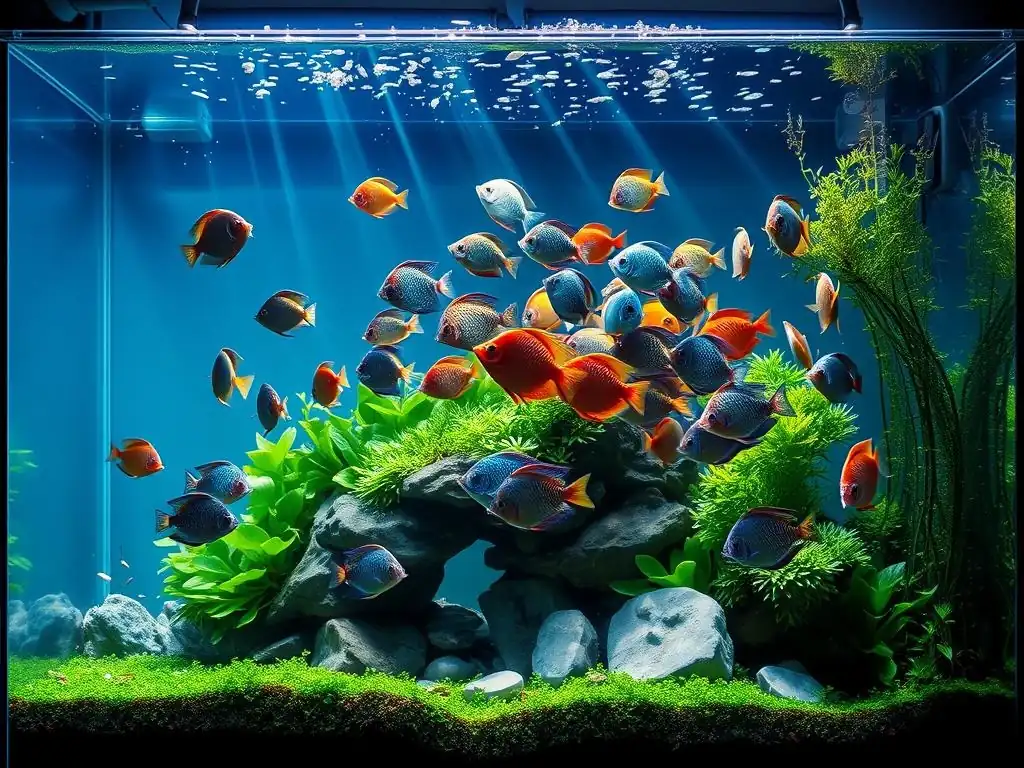
Thinking about keeping Discus, the "King of Aquarium"? Ensuring the perfect environment is paramount. Dive into our comprehensive guide on Discus tank temperature control and discover why pinpoint accuracy is absolutely crucial for their health and vibrant colors. Curious to learn the secrets to keeping these majestic fish thriving? Let's explore!
- Understanding the Importance of Discus Tank Temperature Control
- Optimal Discus Tank Temperature: A Detailed Guide
- The Risks of Incorrect Discus Tank Temperature
- Choosing the Right Heater for Discus Tank Temperature Stability
- Maintaining Consistent Discus Tank Temperature: Best Practices
- Troubleshooting Temperature Issues in Discus Tanks
- Long-Term Benefits of Proper Discus Tank Temperature Management
- Discus Tank Temperature and Water Parameters: A Holistic Approach
- Frequently Asked Questions
- Final Reflection: The Delicate Balance of Life
- Ignite Discus Health: Take Control Now!
Understanding the Importance of Discus Tank Temperature Control
Why Precise Temperature Matters for Discus Health and Well-being
Discus fish, often hailed as the "King of the Aquarium," originate from the warm, stable waters of the Amazon basin. Their natural habitat, characterized by minimal temperature fluctuations, has made them exquisitely sensitive to changes in their environment. Even slight deviations from their preferred temperature range can induce significant stress, compromising their delicate immune systems and making them highly susceptible to disease. Maintaining precise Discus tank temperature control is not merely a recommendation; it is a fundamental requirement for their survival and thriving.
This consistent warmth directly impacts every physiological process within a Discus, from their metabolic rate and digestive efficiency to nutrient absorption and waste excretion. When temperatures are stable and within their optimal zone, Discus experience less stress, which is a primary precursor to illness in these magnificent cichlids. A steady thermal environment ensures that their internal systems function optimally, allowing them to allocate energy towards growth, vibrant coloration, and reproduction rather than constantly battling environmental stressors.
The Delicate Nature of Discus and Temperature Sensitivity
Discus possess a unique and delicate physiology that sets them apart from many other freshwater fish. Unlike hardier species, their immune response is highly dependent on environmental stability. Rapid temperature swings, even as minor as 2-3°F (1-1.5°C) over a few hours, can induce thermal shock, leading to visible signs of distress such as clamped fins, labored breathing, and a loss of appetite. These immediate reactions are indicative of a system under severe strain.
Furthermore, these fluctuations can severely suppress the Discus's already sensitive immune system. A compromised immune system leaves them vulnerable to common aquarium ailments like Ich ( Ichthyophthirius multifiliis), external bacterial infections, and internal flagellates. For instance, a tank experiencing daily temperature drops due to a faulty heater might see its Discus population break out with Ich within days, even if water quality is otherwise pristine. The consistent challenge of maintaining optimal Discus tank temperature control is a testament to their fragile nature.
Optimal Discus Tank Temperature: A Detailed Guide
Recommended Temperature Range for Discus Fish
For adult Discus, the universally recommended temperature range is between 82-86°F (28-30°C). This range closely mimics the stable, warm conditions found in their native Amazonian waters, promoting robust health and natural behavior. While some aquarists might keep them slightly cooler for short periods, prolonged exposure to temperatures below 80°F (27°C) is generally considered detrimental, predisposing them to stress and illness.
For breeding pairs or very young fry, many experienced Discus keepers opt for a slightly elevated temperature, often in the range of 84-88°F (29-31°C). This warmer environment can stimulate spawning activity, accelerate the metabolism of the fry for faster growth, and potentially reduce the life cycle of certain external parasites, offering an added layer of protection during a vulnerable stage. Maintaining this precise range is key to successful Discus tank temperature control for breeding purposes.
How to Measure Discus Tank Temperature Accurately
Accurate temperature measurement is paramount for effective Discus tank temperature control. While adhesive strip thermometers offer a quick glance, they are often inaccurate, measuring the glass surface temperature rather than the water itself. Digital thermometers with submersible probes are generally the most reliable option, offering precise readings within +/- 0.5°F (0.3°C) and often featuring alarms for out-of-range temperatures. It is advisable to use at least two thermometers placed at different ends of the tank to ensure uniformity and cross-reference readings.
When placing your thermometer, avoid positioning it directly next to the heater, as this will give an artificially high reading. Instead, place it in a central location or near the opposite end of the heater to get a true average of the tank's water temperature. For larger tanks, checking the temperature at various depths can also help identify any stratification or "cold spots" that might occur due to insufficient water circulation, which can compromise overall Discus tank temperature control.
Recognizing Signs of Temperature Stress in Discus
Discus fish are highly expressive, and recognizing signs of temperature stress is crucial for prompt intervention. Behavioral indicators include clamped fins (fins held tightly against the body), rapid gilling even in well-oxygenated water, shying away from the front of the tank, lethargy, or darting erratically. A sudden loss of appetite, where the fish refuses food it normally relishes, is also a strong indicator of discomfort, often linked to thermal issues.
Physical signs can also manifest. Discus under temperature stress may exhibit a dulling of their vibrant colors, appearing faded or washed out. The prominent "stress bars" (dark vertical stripes) may become more pronounced and constant, rather than appearing only momentarily in response to fleeting fright. In severe cases of prolonged incorrect Discus tank temperature, fish may show labored breathing, loss of balance, or even rub against tank decorations in an attempt to alleviate discomfort from parasites that thrive in suboptimal temperatures.
The Risks of Incorrect Discus Tank Temperature
High Temperatures and Their Impact on Discus
Increased Metabolism and Oxygen Depletion
Maintaining Discus tank temperature above the optimal range, for instance, consistently over 88°F (31°C), can have severe repercussions. Elevated temperatures significantly increase the metabolic rate of Discus. This means their bodies process food and expend energy at an accelerated pace, leading to a higher demand for oxygen and an increased production of metabolic waste. While this might seem beneficial for growth, it puts an immense strain on their internal organs and the tank's biological filtration system.
Crucially, warmer water holds less dissolved oxygen. For example, water at 86°F (30°C) can hold approximately 7.5 mg/L of dissolved oxygen, whereas at 90°F (32°C), this drops to about 7.0 mg/L. This reduction, combined with the Discus's heightened oxygen demand due to increased metabolism, creates a dangerous oxygen deficit. In heavily stocked tanks or those with inadequate aeration, this can quickly lead to oxygen deprivation, manifesting as rapid gilling and gasping at the surface, even in seemingly healthy fish.
Susceptibility to Diseases at Higher Temperatures
While short-term elevation of temperature is sometimes used as a treatment for certain parasites like Ich, prolonged exposure to high temperatures (consistently above 88°F/31°C) can paradoxically weaken Discus. The continuous metabolic stress depletes their energy reserves, making them less resilient to various pathogens. Their immune system, designed for a specific temperature range, becomes less effective when pushed beyond its natural parameters.
Certain bacterial infections, such as those caused by Aeromonas or Pseudomonas species, can proliferate more rapidly in warmer water conditions. For instance, the growth rate of many pathogenic bacteria can double for every 10°C (18°F) increase in temperature, making outbreaks more severe and harder to control in an overheated Discus tank. This highlights the importance of precise Discus tank temperature control to prevent the escalation of common bacterial ailments.
Weakened Immune System and Illness
Consistently low temperatures, typically below 80°F (27°C), are highly detrimental to Discus health. Their immune system, which has evolved to function optimally in warm, stable tropical waters, becomes sluggish and inefficient in cooler conditions. This significantly impairs their ability to fight off common pathogens, making them highly susceptible to parasitic infestations like Ich ( Ichthyophthirius multifiliis) and internal flagellates ( Hexamita or Spironucleus).
Experienced aquarists often report that Discus maintained even slightly below their optimal range, say at 78°F (26°C), are markedly more prone to developing white spot disease within a few weeks compared to those consistently kept at 84°F (29°C). Their natural resistance is severely compromised, turning minor stressors into major health crises. This underscores why diligent Discus tank temperature control is not just about comfort, but about fundamental disease prevention.
Digestive Problems and Slowed Growth
Discus digestion relies on enzymes that function best within their preferred warm temperature range. If the water temperature is too cool, these enzymatic processes slow dramatically. Food may pass through their digestive system undigested, leading to internal blockages, bloat, or nutrient deficiencies despite adequate feeding. This can manifest as stringy white feces, a common sign of internal issues.
For juvenile Discus, warm temperatures are absolutely critical for rapid and healthy growth. Studies on tropical fish growth consistently demonstrate a direct correlation between optimal temperature and growth rate. A persistent drop of just 2-3°F (1-1.5°C) from the ideal can significantly stunt the growth of young Discus, preventing them from reaching their full adult size of 6-8 inches (15-20 cm). This illustrates why precise Discus tank temperature control is vital from fry to adulthood.
Choosing the Right Heater for Discus Tank Temperature Stability
Types of Aquarium Heaters Suitable for Discus Tanks
Submersible Heaters: Pros and Cons
Submersible heaters are the most common type of aquarium heater and are widely used for Discus tanks. They are designed to be fully immersed in the water, allowing for flexible placement within the aquarium. Most come equipped with an integrated thermostat, enabling users to set a desired temperature. Their widespread availability and relatively low cost make them an accessible option for many aquarists seeking Discus tank temperature control.
While convenient, submersible heaters do have drawbacks. They can sometimes create "hot spots" in the tank if water circulation is poor, leading to uneven heating. Their internal thermostats may also be less precise than external controllers, sometimes deviating by a few degrees from the set point. Furthermore, many are made of glass, making them susceptible to breakage, which can be particularly concerning in a high-value Discus setup. For a 75-gallon Discus tank, using two 150-watt submersible heaters, rather than one large one, is often recommended for better heat distribution and redundancy.
In-Line Heaters: A Premium Option for Precise Control
In-line heaters represent a more advanced and often premium option for Discus tank temperature control. These heaters are external units that connect to the return line of a canister filter or sump pump, heating the water as it circulates outside the main display tank. This design eliminates any equipment from being visible within the aquarium, contributing to a cleaner aesthetic and reducing the risk of Discus bumping into hot surfaces.
The primary advantages of in-line heaters are their exceptional precision and uniform heat distribution. By heating the water as it flows through the filter system, they ensure that the entire tank maintains a consistent temperature without localized hot or cold spots. While they are generally more expensive and require an external filtration setup, their superior performance and safety features, such as built-in thermal cut-offs, make them an excellent investment for dedicated Discus keepers. Brands like Hydor ETH offer models ranging from 200W to 600W, suitable for various tank sizes.
Heater Wattage: Determining the Correct Size for Your Discus Tank
Determining the correct heater wattage is crucial for effective Discus tank temperature control. A commonly cited rule of thumb is to use 3-5 watts of heating power per gallon of water. For example, a 100-gallon Discus tank would ideally require 300-500 watts of total heating capacity. It is generally advised to use two smaller heaters rather than a single large one. This strategy provides redundancy (if one fails, the other can still maintain temperature) and ensures more even heat distribution throughout the aquarium.
Several factors can influence the required wattage, including the ambient room temperature (a cooler room demands more heating power), the tank material (acrylic tanks offer better insulation than glass), and whether the tank is covered (uncovered tanks lose significant heat through evaporation). For instance, a 75-gallon Discus tank in a room consistently at 68°F (20°C) aiming for 84°F (29°C) might require two 200-watt heaters to comfortably maintain the necessary 16°F (9°C) temperature differential, especially during colder months.
Ensuring Even Heat Distribution in the Discus Aquarium
Even heat distribution is as important as the correct wattage for optimal Discus tank temperature control. Without proper circulation, heated water can stratify, creating warmer areas near the heater and cooler zones elsewhere in the tank. This unevenness can stress Discus that move between these temperature gradients. Good water flow, typically achieved with an appropriately sized external canister filter or carefully positioned powerheads, is essential to circulate heated water uniformly throughout the entire aquarium.
For larger Discus aquariums, such as those 100 gallons or more, relying on a single heater can be insufficient for even distribution. In these setups, deploying multiple heaters at opposite ends or in different corners of the tank is highly recommended. This multi-heater approach not only ensures more uniform heating across the entire water column but also provides a critical safety net: if one heater unexpectedly fails, the remaining heater(s) can still prevent a rapid and dangerous temperature drop, safeguarding your valuable Discus collection.
Maintaining Consistent Discus Tank Temperature: Best Practices
Regular Temperature Monitoring and Adjustment
Consistent Discus tank temperature control hinges on vigilant monitoring. Daily temperature checks using a reliable thermometer are essential, particularly during the initial setup phase, after significant water changes, or following any maintenance. Digital thermometers with high accuracy and an audible alarm function for out-of-range temperatures are highly recommended, providing peace of mind and immediate alerts to potential issues.
If any adjustments to the heater's thermostat are necessary, they should always be made incrementally. Rapid temperature changes can shock Discus, triggering stress and making them susceptible to disease. A good rule of thumb is to adjust the temperature by no more than 1°F (0.5°C) per hour. After an adjustment, allow several hours for the tank to stabilize and recheck the temperature before making further changes, ensuring a gradual and safe transition for your sensitive fish.
Preventing Temperature Fluctuations in Discus Tanks
Insulating the Aquarium
Preventing external heat loss is a key aspect of maintaining stable Discus tank temperature control. Placing a foam mat or polystyrene sheet underneath the aquarium can significantly reduce heat loss through the bottom, especially if the tank rests on a cold surface. For the external sides of the tank, applying thin insulation panels (e.g., rigid foam sheets or reflective insulation) can dramatically minimize heat transfer to the surrounding air, particularly in cooler rooms.
A well-insulated Discus tank can reduce heating energy consumption by 10-20%, leading to lower electricity bills. More importantly, it creates a more thermally stable environment, buffering against rapid temperature swings caused by ambient room temperature changes. This proactive insulation helps maintain the precise conditions that Discus require, reducing stress and promoting long-term health.
Avoiding Placement Near Drafts or Sunlight
The placement of a Discus aquarium within a room plays a critical role in preventing temperature fluctuations. Direct sunlight exposure, for instance, can cause rapid and significant temperature spikes during the day, followed by drops as the sun sets. Similarly, positioning the tank near a window, air conditioning vent, or an exterior door exposes it to cold drafts, leading to inconsistent heating and cooling cycles.
A Discus tank located near a drafty window might experience daily temperature shifts of 3-5°F (1.5-2.5°C), which is highly detrimental to the fish's health and can lead to chronic stress and disease. Strategic placement in an interior room, away from direct thermal influences and areas with frequent foot traffic that can create drafts, is vital for maintaining a consistent and stable Discus tank temperature.
Using a Thermostat Controller for Enhanced Stability
For the ultimate in Discus tank temperature control, an external thermostat controller is an invaluable investment. These devices, such as those from Inkbird or Finnex, operate independently of the heater's built-in thermostat. You plug the controller into a wall outlet, and your heater plugs into the controller. A separate, highly accurate probe from the controller is then placed in the aquarium to measure the water temperature.
These controllers offer superior precision, often maintaining the set temperature within a +/- 0.5°F (0.3°C) accuracy, far surpassing the typical +/- 2-3°F (1-1.5°C) variance of integrated heater thermostats. Furthermore, they provide a crucial safety net by cutting power to the heater if its internal thermostat malfunctions and causes overheating. This dual layer of control and protection makes an external thermostat controller an essential tool for any serious Discus aquarist aiming for optimal Discus tank temperature stability.
Troubleshooting Temperature Issues in Discus Tanks
Diagnosing Temperature Spikes and Dips
Diagnosing temperature spikes or dips in a Discus tank requires systematic investigation. First, always confirm the reading with a second, reliable thermometer, as a faulty thermometer can give misleading information. Observe your Discus for any signs of stress, such as rapid gilling, clamped fins, or unusual lethargy, which often accompany temperature fluctuations. Check the heater's indicator light: is it on continuously when it shouldn't be (suggesting overheating), or is it off when the tank is cold (suggesting a heater failure)?
Consider any recent changes to the tank or its environment. Have you performed a large water change with water that was significantly different in temperature? Has there been a power outage? Has the room temperature drastically changed? A sudden 5°F (2.8°C) drop after a water change typically indicates the new water added was too cool, requiring immediate, gradual adjustment to prevent shock.
Common Causes of Temperature Instability and How to Fix Them
Heater Malfunctions
Cause: The most common cause of temperature instability in a Discus tank is a malfunctioning heater. This could involve a complete failure where the heater stops working, an internal thermostat failure causing it to either remain constantly on (leading to overheating) or constantly off, or simply an old, inefficient heater struggling to cope with the tank's volume or ambient conditions.
Fix: If you suspect a heater malfunction, remove it from the tank and test it in a separate bucket of water with a known accurate thermometer. If it fails to heat the water or overheats it, the heater needs to be replaced immediately. Always have a spare, appropriately sized heater on hand for your Discus tank; this is a critical emergency preparedness measure for sensitive fish. An external thermostat controller can also prevent overheating even if the heater's internal thermostat fails.
Power Outages
Cause: A loss of electricity, even for a few hours, can be catastrophic for Discus tanks, especially in cooler environments. Without power, heaters cease to function, leading to a rapid decline in water temperature. The rate of temperature drop depends on tank size, insulation, and ambient room temperature.
Fix: For short power outages, the insulation of the aquarium (as discussed earlier) can significantly slow heat loss. For longer durations, consider investing in a battery backup system that can power at least one heater, or for very serious aquarists, a small generator. In emergency situations, wrapping the entire tank in blankets or towels can provide temporary insulation. A 50-gallon Discus tank in a 60°F (15°C) room can drop by 10°F (5.5°C) in just 4-6 hours during a power outage.
Overcrowding
Cause: While not a direct cause of temperature fluctuation, an overcrowded Discus tank indirectly contributes to instability and stress, making fish more vulnerable to any temperature issues. An excessive bioload leads to increased waste production, which can slightly elevate water temperature due to heightened bacterial activity and can stress fish, compromising their ability to cope with environmental changes.
Fix: Ensure appropriate stocking levels for your Discus. A general guideline is to allow at least 10 gallons per adult Discus, with a minimum group size of 4-6 fish in a tank no smaller than 55-60 gallons. Overcrowding also necessitates more frequent and larger water changes (e.g., 30-50% weekly for a 75-gallon tank) to dilute waste products and maintain pristine water quality, which in turn helps stabilize overall parameters, including Discus tank temperature.
Long-Term Benefits of Proper Discus Tank Temperature Management
Promoting Discus Health and Longevity
Consistent and optimal Discus tank temperature control is paramount for their long-term health and significantly contributes to their longevity. By eliminating chronic thermal stress, the Discus's immune system can operate at peak efficiency, making them far less susceptible to common aquarium diseases such as fin rot, internal parasites, and bacterial infections. A stable environment fosters robust physiological functions, allowing the fish to thrive rather than merely survive.
Discus kept under ideal temperature conditions, alongside other crucial parameters, often enjoy a significantly extended lifespan, frequently exceeding 8-10 years in well-maintained aquariums. In contrast, Discus subjected to fluctuating or suboptimal temperatures typically exhibit a much shorter lifespan, often living only 3-5 years, due to the cumulative effects of stress and disease. This direct correlation highlights the profound impact of precise temperature management on their overall well-being.
Enhancing Discus Coloration and Breeding Potential
One of the most captivating aspects of Discus fish is their vibrant and diverse coloration. When these fish are comfortable, stress-free, and maintained within their optimal Discus tank temperature range, their natural colors intensify dramatically, displaying their full spectrum of brilliant blues, fiery reds, and rich yellows. Stress, often induced by incorrect temperatures, leads to faded colors, dull appearances, and the constant display of prominent "stress bars."
Furthermore, optimal and stable temperature is a crucial environmental cue for successful Discus breeding. For instance, raising the temperature slightly from 82°F to 84-86°F (28-30°C) can often stimulate spawning behavior in mature Discus pairs. Consistent conditions also ensure the viability and healthy development of their delicate eggs and fry. Aquarists aiming for successful breeding programs understand that meticulous Discus tank temperature control is a non-negotiable factor in encouraging natural reproductive behaviors and ensuring the survival of the next generation.
Creating a Thriving Discus Aquarium Environment
Proper Discus tank temperature control extends beyond just the fish; it contributes significantly to the overall health and stability of the entire aquarium ecosystem. A consistent temperature ensures that beneficial nitrifying bacteria in the filter media can thrive and efficiently process ammonia and nitrite, maintaining stable water chemistry. These bacteria, crucial for the nitrogen cycle, are temperature-sensitive, and fluctuations can impair their performance, leading to dangerous spikes in toxins.
This holistic stability translates into a more harmonious and enjoyable experience for the aquarist. Fewer disease outbreaks, less need for emergency interventions, and a more predictable environment mean more time spent observing the natural behaviors of these magnificent fish, from schooling and foraging to intricate social interactions. A well-managed Discus aquarium, anchored by precise Discus tank temperature control, truly becomes a captivating and thriving aquatic display.
Discus Tank Temperature and Water Parameters: A Holistic Approach
The Interplay Between Temperature, pH, and Water Hardness
While temperature is a distinct parameter, it shares an intricate relationship with other vital water parameters such as pH and water hardness. For instance, higher temperatures can slightly decrease the solubility of gases like carbon dioxide (CO2) in water, which can subtly influence pH levels over time. More significantly, maintaining a stable Discus tank temperature helps to prevent rapid shifts in pH and hardness by reducing metabolic stress on the fish and, crucially, on the beneficial bacteria that maintain the nitrogen cycle.
Discus generally thrive in soft, acidic to neutral water (pH 6.0-7.0, GH 1-5 dGH or 18-90 ppm). While temperature doesn't directly alter these chemical properties, rapid temperature swings can indirectly destabilize the entire biological system. A stressed biological filter, struggling with fluctuating temperatures, may become less efficient, potentially leading to ammonia or nitrite spikes that can then cause sudden pH crashes or swings. Maintaining a consistent 84°F (29°C) helps ensure the stability of the entire aquatic environment, allowing all parameters to remain within their optimal ranges.
Maintaining a Stable Environment for Optimal Discus Health
Temperature is undeniably a cornerstone of Discus husbandry, but it is one pillar within a comprehensive framework of environmental stability. Optimal Discus health requires a holistic approach that integrates precise Discus tank temperature control with other critical factors: regular and substantial water changes (e.g., 50% weekly for a 75-gallon tank), robust filtration, a high-quality and varied diet, and minimizing overall stress from external factors.
For Discus, consistency is paramount. An aquarium with slightly less than "ideal" pH or hardness, but which remains perfectly stable over time, is often far more beneficial than one that constantly fluctuates between "ideal" and suboptimal ranges. The ultimate goal is to replicate the stable conditions of their Amazonian home, where all parameters, including Discus tank temperature, are harmoniously maintained, fostering a predictable and thriving habitat for these exquisite fish.
Frequently Asked Questions
How critical is temperature control for Discus fish?
Temperature control is absolutely critical. Discus are very sensitive to temperature fluctuations, and keeping it stable is essential for their health and longevity. Failure to do so will cause weakened immunity and increased susceptibility to disease.
What is the ideal temperature range for a Discus tank?
The ideal temperature range for a Discus tank is typically between 82°F and 86°F (28°C and 30°C). Maintaining a constant temperature within this range will promote optimal health and breeding conditions.
What type of heater is recommended for a Discus tank?
A submersible heater with a built-in thermostat is highly recommended. Look for a reliable brand with accurate temperature control to avoid dangerous temperature swings.
What are the signs that the Discus tank temperature is incorrect?
Signs of incorrect temperature include lethargy, loss of appetite, clamped fins, and rapid breathing. You may also notice them huddling near the heater or at the bottom of the tank.
How often should I check the Discus tank temperature?
You should check the tank temperature at least once a day, preferably twice. Use a reliable thermometer separate from the heater's thermostat to ensure accuracy, and avoid temperature fluctuations.
Okay, here's a final reflection designed to close your article "Temperature Control for Discus: Why Precision is Crucial for Their Health," optimized for the keyword "Discus tank temperature control" and following the structure you outlined.
Final Reflection: The Delicate Balance of Life
The intricacies of Discus tank temperature control, as we've explored, are not merely about numbers on a thermometer; they represent a commitment to providing the optimal environment for these magnificent creatures to thrive. Understanding and implementing precise temperature management is paramount, not just for their survival, but for their vibrant health and stunning display of natural beauty.
The dedication required for maintaining a stable Discus tank temperature reflects a deeper appreciation for the delicate balance of aquatic ecosystems. This journey into the specifics of Discus care has reinforced my belief that responsible aquarists are, in essence, miniature ecosystem managers, understanding and respecting the needs of their inhabitants. In nature, nothing exists alone.
- Rachel Carson. This quote perfectly encapsulates the interconnectedness within a Discus tank, where temperature acts as a linchpin for overall well-being.
As you consider the information presented, I encourage you to reflect on your own role in creating a thriving aquatic environment. Take the knowledge you've gained about Discus tank temperature control and apply it with diligence and care. By embracing precision and understanding, you're not just keeping fish alive; you're nurturing life and contributing to the preservation of these captivating creatures for generations to come.
Ignite Discus Health: Take Control Now!
Thank you for diving into the world of discus care! We hope you've gained a solid understanding of why precise temperature control is paramount to their well-being. Now, let's translate that knowledge into action.
- Invest in a reliable aquarium heater and thermometer. This is non-negotiable for successful discus keeping.
- Share this article with fellow discus enthusiasts to spread awareness about the importance of stable temperatures!
- Consider joining an online discus forum to learn from experienced keepers and share your progress.
What immediate step will you take to ensure your discus aquarium maintains optimal temperature stability?