
Beyond the Glass Box: Are Your Fishkeeping Practices Truly Responsible?

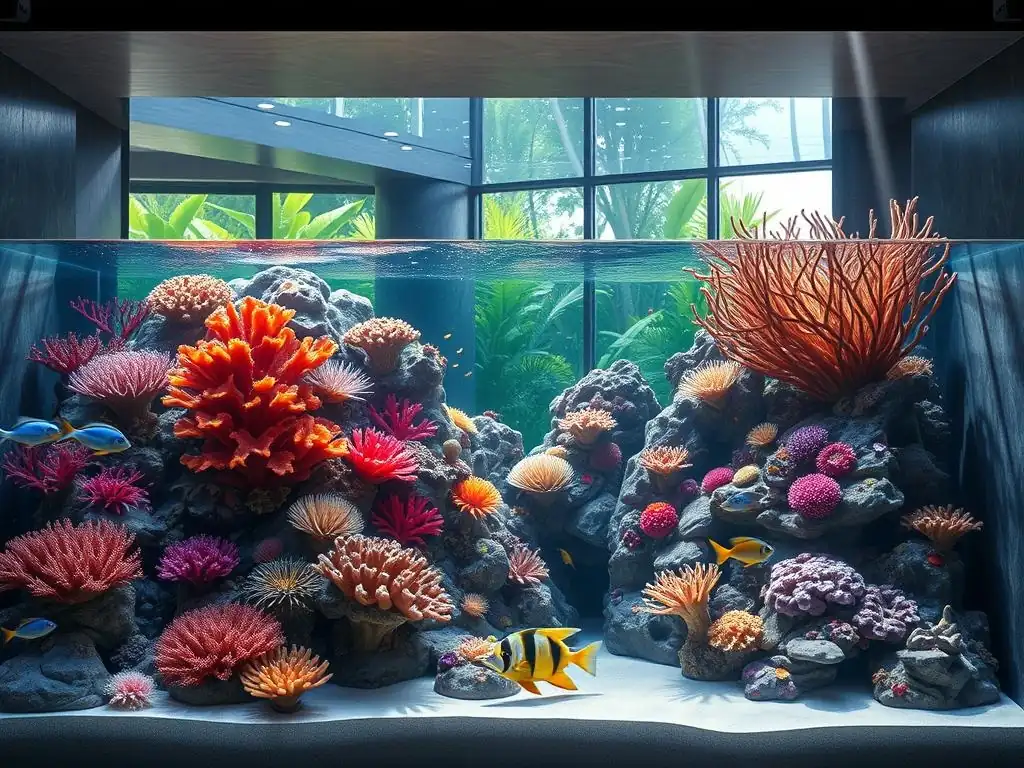
Welcome to Aquarium Mastery!
Ever wondered if you're really providing the best possible life for your saltwater companions? Dive into "Beyond the Glass Box," our exploration of responsible fishkeeping practices saltwater aquarium, and unlock the secrets to a thriving, ethical underwater world. Are you ready to go beyond just keeping fish, and truly master the art of responsible aquarium ownership? Let's explore together...
- Introduction: The Ethical Dimensions of Saltwater Aquarium Keeping
- Sourcing Your Saltwater Specimens: A Critical Examination
- Maintaining Optimal Water Quality: The Foundation of Responsible Fishkeeping
- Providing a Suitable Habitat: Mimicking Natural Environments
- Responsible Feeding Practices: Avoiding Overfeeding and Nutrient Imbalance
- Preventing and Treating Diseases: A Proactive Approach to Fish Health
- The Environmental Impact of Saltwater Aquarium Keeping
- Promoting Responsible Fishkeeping: Education and Advocacy
- Conclusion: Embracing a Culture of Responsibility in Saltwater Aquariums
-
Frequently Asked Questions
- How can I ensure I'm following responsible fishkeeping practices in my saltwater aquarium?
- What are some common mistakes that new saltwater aquarium keepers make?
- How important is water chemistry in a saltwater aquarium, and what should I monitor?
- Where can I find reliable information about specific saltwater fish species and their care requirements?
- How often should I perform maintenance tasks like water changes and filter cleaning in my saltwater aquarium?
- Final Reflection: Cultivating a Sustainable Aquatic Future
- Transform Your Tank: Embrace Ethical Fishkeeping!
Introduction: The Ethical Dimensions of Saltwater Aquarium Keeping
Why Responsible Fishkeeping Matters: A Deeper Look
The allure of vibrant coral reefs and exotic marine life captured within a home aquarium is undeniable. However, modern fishkeeping extends far beyond simply admiring beautiful aquatic displays. It carries a profound ethical dimension, demanding that hobbyists consider their impact on the animals they keep and the fragile marine ecosystems from which many originate. As public awareness of environmental conservation grows, so too does the scrutiny on hobbies that interact with natural resources.
At a global scale, the marine ornamental trade is a multi-million dollar industry, with estimates suggesting that tens of millions of marine fish are collected annually from coral reefs worldwide. While this provides livelihoods for many coastal communities, it also poses significant ecological risks if not managed sustainably.
Every decision, from the species chosen to the maintenance routines employed, collectively shapes the hobby's footprint. Understanding and embracing responsible fishkeeping practices saltwater aquarium enthusiasts can adopt is crucial not only for the well-being of the captive animals but also for the long-term health of wild populations and the very future of the hobby.
Defining "Responsible": Balancing Hobby and Conservation
Defining "responsible" in the context of saltwater aquariums means adopting a holistic approach that prioritizes animal welfare, minimizes environmental impact, and promotes long-term sustainability. It transcends merely keeping fish alive; it's about ensuring they thrive in conditions that closely mimic their natural habitat, while simultaneously ensuring that the pursuit of the hobby does not deplete wild resources or harm delicate marine environments. This involves making informed choices at every stage, from initial setup to ongoing care.
Achieving this balance requires continuous learning and adaptation. Responsible fishkeeping practices saltwater aquarium owners embrace involve a commitment to ethical sourcing, meticulous water quality management, providing appropriate habitats, and understanding species-specific needs. By consciously making these choices, aquarists become active participants in marine conservation, demonstrating that the enjoyment of the hobby can coexist harmoniously with a deep respect for the natural world.
Sourcing Your Saltwater Specimens: A Critical Examination
Wild-Caught vs. Captive-Bred: Understanding the Impact on Marine Ecosystems
The origin of your saltwater specimens significantly impacts marine ecosystems. Wild-caught fish are collected directly from natural coral reefs, which, if done unsustainably, can lead to overfishing, habitat destruction, and stress on wild populations. Methods like cyanide fishing, though illegal in many areas, can stun fish for easier collection but cause widespread coral mortality and long-term ecosystem damage. In contrast, captive-bred specimens are raised in controlled aquarium environments, eliminating the need to collect from the wild and thus reducing pressure on natural reefs.
The shift towards captive breeding represents a significant step forward for responsible fishkeeping practices saltwater aquarium enthusiasts advocate. For example, a vast majority of marine clownfish species, such as Ocellaris and Percula clownfish, are now readily available as captive-bred specimens, greatly reducing the demand for their wild counterparts. While many popular species like various tangs, angelfish, and some wrasses are still predominantly wild-caught, the increasing availability of captive-bred alternatives for species like dottybacks, gobies, and certain damselfish offers ethical choices that directly support conservation.
The Importance of Sustainable Aquarium Fish Collection Practices
For species that are still primarily wild-caught, the method of collection is paramount. Sustainable aquarium fish collection practices involve selective harvesting, ensuring that only a small percentage of a population is removed from a given area, allowing for rapid natural replenishment. These practices also emphasize minimal disturbance to the coral reef habitat, avoiding destructive tools or chemicals. Furthermore, ethical collection often involves fair wages and safe working conditions for local collectors, fostering a symbiotic relationship between the industry and the communities that depend on the reefs.
Initiatives and certifications, such as those promoted by various non-governmental organizations, aim to ensure that collected fish are sourced responsibly. These programs often involve rigorous auditing of collection sites and supply chains to verify adherence to environmental and ethical standards. Supporting suppliers who can demonstrate their commitment to these principles is a cornerstone of responsible fishkeeping practices saltwater aquarium hobbyists should prioritize, helping to drive demand for methods that protect marine biodiversity.
Supporting Local Fish Stores and Reputable Breeders
The choice of where to purchase your saltwater specimens is a critical component of responsible sourcing. Reputable local fish stores (LFS) often have established relationships with ethical wholesalers and breeders, ensuring that the animals they sell have been handled with care and sourced sustainably. These stores typically maintain high standards of animal husbandry, quarantine new arrivals, and can provide valuable, species-specific advice based on their experience. They are also more likely to be transparent about the origin of their livestock.
Conversely, purchasing from unknown online vendors or large chain stores with questionable sourcing practices can inadvertently support unsustainable or unethical collection methods. Supporting reputable captive breeders directly contributes to the expansion of captive-bred options, which is the most sustainable way to acquire marine life. These breeders often specialize in specific species, possess deep knowledge of their needs, and are dedicated to producing healthy, robust specimens, thereby advancing responsible fishkeeping practices saltwater aquarium keeping.
Maintaining Optimal Water Quality: The Foundation of Responsible Fishkeeping
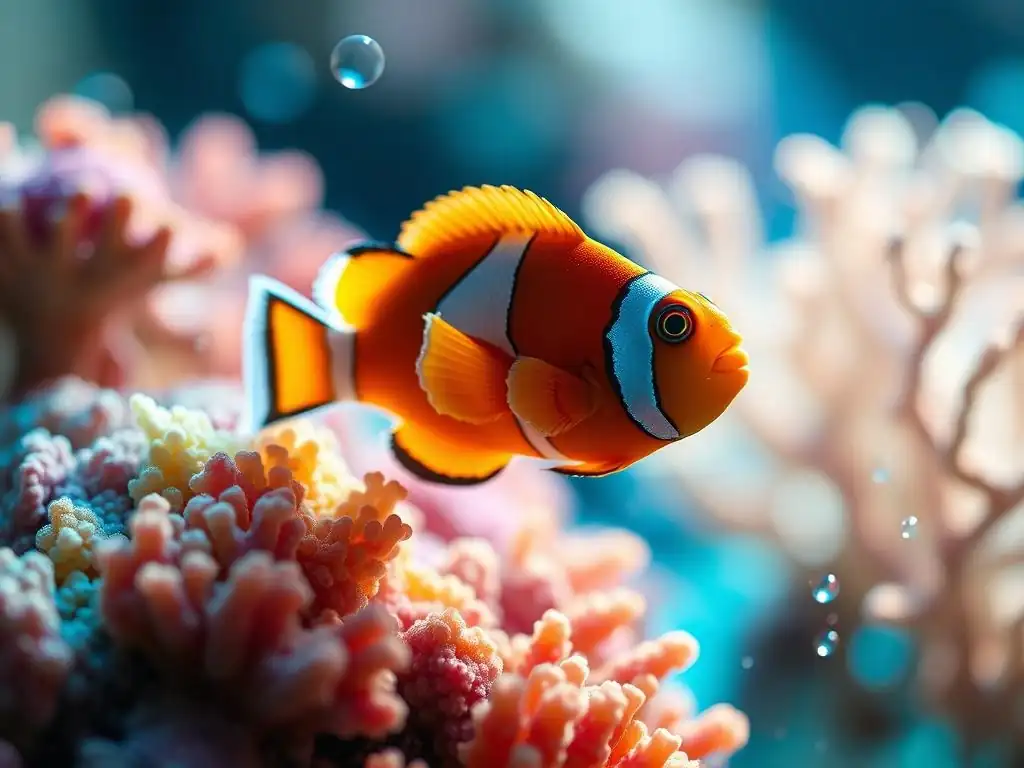
The Crucial Role of Water Chemistry in a Saltwater Environment
Maintaining pristine and stable water chemistry is the single most critical factor for the health and longevity of a saltwater aquarium. Marine organisms are highly sensitive to fluctuations in their environment, and even minor deviations can cause significant stress, leading to weakened immune systems, disease, and ultimately, mortality.
Key parameters that demand vigilant monitoring include salinity (specific gravity typically maintained between 1.023 and 1.026), temperature (ideally 75-82°F or 24-28°C), pH (stable between 8.0 and 8.4), alkalinity (8-12 dKH), calcium (400-450 ppm), and magnesium (1250-1350 ppm). Consistent testing and precise adjustments are fundamental responsible fishkeeping practices saltwater aquarium owners must master.
Failure to maintain these parameters within optimal ranges can have dire consequences. For instance, ammonia and nitrite, even at concentrations as low as 0.1 ppm, are highly toxic to fish and invertebrates. Elevated nitrates, while less acutely toxic, contribute to excessive algae growth and chronic stress, impacting long-term health and vibrant coloration. Imbalances in calcium and alkalinity can hinder coral growth and overall reef health. Regular testing, ideally weekly for key parameters, provides the data necessary to proactively address issues before they escalate, ensuring a stable and healthy environment.
Effective Filtration Methods for a Healthy Saltwater Aquarium
A robust and multifaceted filtration system is indispensable for a healthy saltwater aquarium. This typically involves a combination of mechanical, biological, and chemical filtration. Mechanical filtration, often achieved with filter socks or sponges, physically removes particulate matter like uneaten food and detritus, preventing it from breaking down and polluting the water. Biological filtration, primarily through live rock and sand, provides surface area for beneficial bacteria that convert toxic ammonia and nitrite into less harmful nitrate through the nitrogen cycle.
Chemical filtration, utilizing media such as activated carbon, GFO (granular ferric oxide), or specialized resins, removes dissolved organic compounds, phosphates, and other pollutants that biological and mechanical methods cannot. For instance, a well-sized protein skimmer can remove up to 20-30% of organic waste before it has a chance to decompose, significantly reducing the bioload. A comprehensive filtration strategy, tailored to the tank's size and stocking, is a hallmark of responsible fishkeeping practices saltwater aquarium systems rely upon to maintain water clarity and purity.
Regular Water Changes: A Non-Negotiable Practice for Responsible Aquarists
Even with excellent filtration, regular water changes are a non-negotiable practice for maintaining optimal water quality in a saltwater aquarium. Water changes serve multiple critical functions: they dilute accumulated nitrates and other pollutants that filtration cannot entirely remove, replenish essential trace elements (like iodine, strontium, and potassium) that are consumed by marine life, and help maintain the stability of critical parameters like alkalinity and calcium.
The frequency and volume of water changes depend on the tank's bioload, filtration efficiency, and specific inhabitants, but a common recommendation is a 10-20% water change weekly or bi-weekly. For example, performing a 15% weekly water change on a 75-gallon system removes over 11 gallons of old water, effectively exporting excess nutrients and preventing their buildup. This consistent input of fresh, properly mixed saltwater is vital for long-term fish health, coral vitality, and overall system stability, making it a foundational element of responsible fishkeeping practices saltwater aquarium management.
Providing a Suitable Habitat: Mimicking Natural Environments
Tank Size and Stocking Levels: Avoiding Overcrowding in Your Saltwater Aquarium
One of the most common pitfalls in saltwater fishkeeping is underestimating the adult size and activity level of marine species, leading to inappropriate tank size and overcrowding. Overcrowding places immense stress on fish, leading to stunted growth, aggression, poor water quality due to increased bioload, and heightened susceptibility to disease. A responsible aquarist plans tank size not for the fish's current juvenile state, but for its full-grown adult potential and natural behaviors.
For example, a single Yellow Tang (Zebrasoma flavescens), an active swimmer, requires a minimum of 70-gallon tank to thrive, while a pair of Ocellaris Clownfish (Amphiprion ocellaris) can comfortably reside in a 20-gallon long. While general rules of thumb like "one inch of fish per 5 gallons of water" can provide a starting point for smaller, less active species, they must be carefully adjusted based on specific species' needs, territoriality, and waste production. Diligent research into the adult size and needs of each potential inhabitant is a fundamental component of responsible fishkeeping practices saltwater aquarium enthusiasts must undertake.
Creating Naturalistic Aquascapes: Promoting Fish Well-being and Reducing Stress
Beyond aesthetics, a thoughtfully designed aquascape is crucial for the well-being of saltwater inhabitants. It provides essential hiding places, defined territories, and visual barriers that reduce stress and aggression among tank mates. Live rock, with its natural porosity and intricate structures, is an ideal material, offering countless crevices, caves, and perching spots that mimic natural reef environments. A deep sand bed can also provide a crucial substrate for burrowing species like gobies and wrasses.
Different species benefit from different aquascaping elements. A shy cardinalfish will feel secure with ample caves to retreat into, while an active tang needs open swimming lanes around the rockwork. A complex rock structure can break sight lines, minimizing territorial disputes between aggressive species. By mimicking the structural diversity of natural reefs, aquarists can create a more stable and less stressful environment, allowing their fish to exhibit natural behaviors and thrive, which is a core tenet of responsible fishkeeping practices saltwater aquarium design.
Successful and responsible fishkeeping necessitates a deep understanding of each species' specific requirements for lighting, water flow, and social dynamics. Lighting, for instance, varies dramatically between fish-only systems and reef tanks; corals require specific spectrums and intensities (PAR levels, often ranging from 100-400 PAR for different coral types) to photosynthesize, while fish primarily benefit from a natural day-night cycle. Water flow is essential for oxygenation, waste removal, and nutrient delivery, but some fish prefer strong currents while others thrive in calmer waters.
Social dynamics are equally critical. Some fish are schooling species (e.g., Chromis), thriving in groups of three or more, while others are solitary (e.g., certain triggerfish) or best kept in male-female pairs (e.g., clownfish). Introducing incompatible species, such as aggressive predators with docile prey, or multiple territorial males (e.g., certain dwarf angelfish species) into a single tank, can lead to chronic stress, injury, or death. Thorough research into the behavioral traits and environmental needs of every fish before purchase is a hallmark of responsible fishkeeping practices saltwater aquarium owners should cultivate.
Responsible Feeding Practices: Avoiding Overfeeding and Nutrient Imbalance
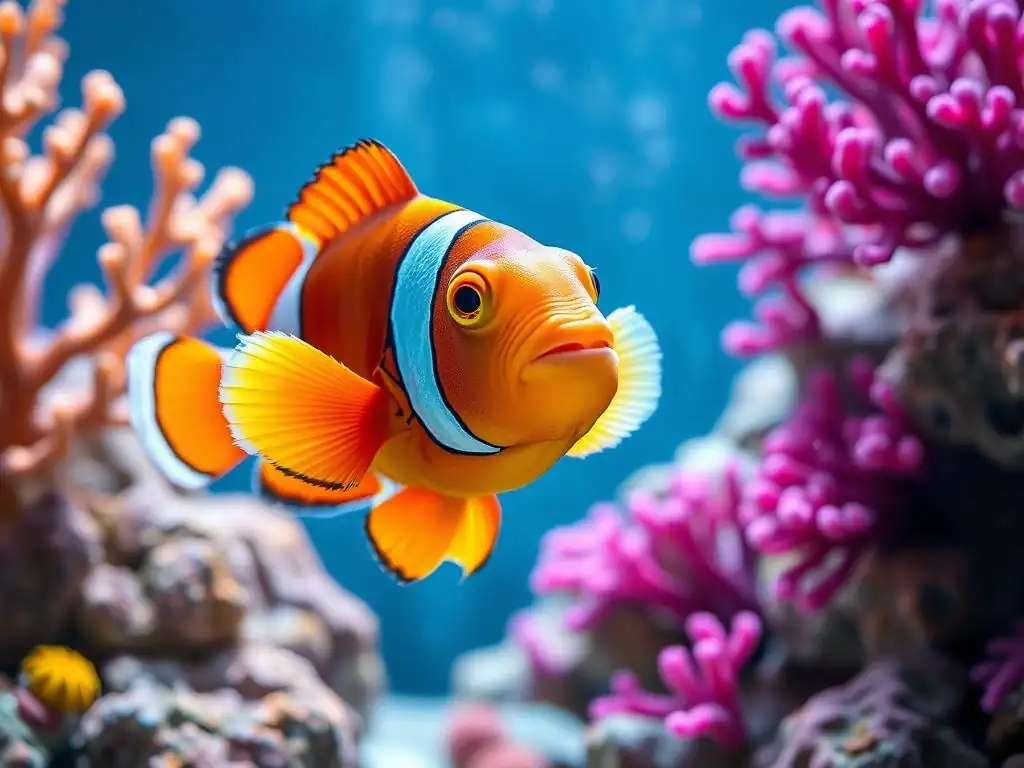
Choosing the Right Foods: Meeting the Nutritional Needs of Your Saltwater Fish
Providing a nutritionally complete and varied diet is paramount for the long-term health, vibrant coloration, and robust immune system of saltwater fish. Marine fish have diverse dietary needs; some are herbivores (e.g., Tangs, Rabbitfish), requiring a diet rich in marine algae and spirulina; others are carnivores (e.g., Lionfish, Groupers), needing meaty foods like enriched Mysis shrimp or silversides; and many are omnivores. Relying on a single type of food, even a high-quality one, can lead to nutritional deficiencies over time.
A responsible approach involves offering a rotation of high-quality flakes, pellets, frozen foods (e.g., brine shrimp, Mysis shrimp, various marine mixes), and occasional live foods. For herbivores, offering sheets of dried nori seaweed daily or several times a week is crucial to prevent common issues like Lateral Line Erosion, which can be exacerbated by dietary deficiencies. Ensuring that frozen foods are thawed and rinsed before feeding helps prevent nutrient pollution, making this careful selection a key responsible fishkeeping practice saltwater aquarium inhabitants truly benefit from.
Understanding Feeding Schedules: Preventing Overfeeding and Waste Buildup
Overfeeding is one of the most common and detrimental mistakes in saltwater aquariums. Uneaten food quickly decomposes, leading to spikes in ammonia, nitrite, and nitrate, which in turn fuel nuisance algae blooms and stress fish. Fish often exhibit begging behavior, but their metabolic needs are typically far lower than perceived. The general rule is to feed only what your fish can consume entirely within 1-2 minutes, with no food left to settle on the substrate.
Feeding frequency should be tailored to the species and tank maturity. Smaller, active fish with high metabolisms, like Chromis or Anthias, may benefit from 2-3 small feedings per day. Larger, less active fish might only need to be fed once daily or even every other day. For example, a small pinch of high-quality flake food for a community tank twice a day is often sufficient, supplemented with a frozen food offering a few times a week. This disciplined approach to feeding is a vital responsible fishkeeping practice saltwater aquarium health depends on.
Ethical Considerations of Culturing Live Food
While primary diets should consist of high-quality prepared and frozen foods, live foods such as brine shrimp, copepods, or rotifers can play a beneficial role, especially for finicky eaters, new arrivals, or breeding projects. They stimulate natural hunting instincts and, when properly gut-loaded with nutrient-rich supplements, can offer superior nutritional value compared to non-enriched options. However, the use of live food also brings ethical considerations.
Responsible aquarists ensure that any live food cultured or purchased is healthy and free of parasites or diseases that could be transferred to the main display tank. Furthermore, the ethical treatment of the live food organisms themselves should be considered; avoiding practices that cause undue suffering to feeder organisms aligns with the broader philosophy of responsible animal care. Finally, if culturing live food, proper hygiene and containment are essential to prevent accidental releases into local waterways, extending the scope of responsible fishkeeping practices saltwater aquarium enthusiasts consider.
Preventing and Treating Diseases: A Proactive Approach to Fish Health
Quarantine Procedures: Protecting Your Established Saltwater Aquarium
One of the most critical, yet often overlooked, responsible fishkeeping practices for saltwater aquariums is the implementation of a robust quarantine procedure. A quarantine tank (QT) is a separate, dedicated setup where all new fish, corals, and invertebrates are isolated for a period of 4-6 weeks before being introduced to the main display tank. This isolation period allows the aquarist to observe for signs of disease, parasites (such as marine Ich or velvet), and stress, and to administer prophylactic treatments if necessary.
The benefits of quarantine are substantial. Studies suggest that a significant percentage of wild-caught marine fish, potentially over 70%, may carry parasites or pathogens upon arrival. Introducing an infected specimen directly into an established tank can lead to a devastating disease outbreak that could wipe out an entire collection of expensive and beloved livestock, a scenario that can cost hundreds or even thousands of dollars to rectify. A proper quarantine protocol, including daily observation, controlled feeding, and targeted treatments, drastically reduces this risk, safeguarding the health and investment in your main display.
Identifying Common Saltwater Fish Diseases: Early Detection and Treatment
Early detection is paramount in effectively treating saltwater fish diseases. Responsible aquarists regularly observe their fish for any subtle changes in behavior, appetite, coloration, or physical appearance. Common saltwater diseases include marine Ich (Cryptocaryon irritans), characterized by small white spots resembling salt grains; marine velvet (Amyloodinium ocellatum), which appears as a fine, dusty film; Brooklynella, causing excessive slime coat and lethargy; and various bacterial infections leading to fin rot, cloudy eyes, or body lesions.
Prompt identification allows for more effective and less invasive treatment options, often preventing the disease from spreading rapidly throughout the tank. For example, treating marine Ich in a quarantine tank with copper or hyposalinity is far more manageable than attempting to treat an entire display tank, especially one with sensitive invertebrates. Delaying treatment can lead to rapid deterioration of fish health and increased mortality rates, underscoring that vigilant observation and swift action are key elements of responsible fishkeeping practices saltwater aquarium management.
Responsible Use of Medications: Avoiding Overuse and Antibiotic Resistance
When disease does occur, the responsible use of medications is crucial. This involves accurate diagnosis, adherence to precise dosages, and following the full duration of the treatment, even if symptoms disappear. Misuse of medications, particularly broad-spectrum antibiotics, can have detrimental effects. Overdosing can be toxic to the fish and beneficial bacteria, disrupting the nitrogen cycle, while underdosing can lead to the development of antibiotic-resistant strains of pathogens, making future treatments ineffective.
Responsible aquarists prioritize non-chemical treatments where possible, such as freshwater dips for external parasites like flukes, or adjusting water parameters to stress pathogens. If medication is necessary, it should ideally be administered in a dedicated hospital tank to avoid harming the beneficial bacteria in the main display or affecting sensitive invertebrates. Consulting with experienced aquarists or veterinarians specializing in aquatic health before administering potent medications is a vital part of responsible fishkeeping practices saltwater aquarium owners must learn to protect their aquatic charges and the broader hobby from the threat of resistant diseases.
The Environmental Impact of Saltwater Aquarium Keeping
Minimizing Your Carbon Footprint: Energy-Efficient Equipment and Practices
Saltwater aquariums, particularly larger and more complex reef systems, can be significant consumers of electricity, contributing to a household's carbon footprint. Heaters, pumps, lighting, and chillers all draw power continuously. A responsible aquarist actively seeks ways to minimize this energy consumption. Upgrading to energy-efficient equipment is a primary strategy; for instance, modern LED lighting fixtures can reduce energy consumption by 50-70% compared to traditional T5 fluorescent or metal halide lamps, while also offering superior control and longevity.
Similarly, DC-powered pumps are often more energy-efficient and offer greater control over flow rates than older AC pumps. Other practices include insulating the aquarium to reduce heat loss (and thus heater usage), maintaining a stable room temperature to minimize the need for heaters or chillers, and using timers to ensure lights are only on during necessary periods. For example, replacing a 400W metal halide light with a 150W LED equivalent can save approximately 250W per hour, translating to significant annual electricity savings and a tangible reduction in carbon emissions, embodying responsible fishkeeping practices saltwater aquarium enthusiasts can adopt.
Responsible Disposal of Aquarium Waste: Protecting Waterways and Ecosystems
The responsible disposal of aquarium waste is an often-overlooked aspect of environmental stewardship. Tank water, especially from saltwater systems, can contain elevated levels of nitrates, phosphates, various dissolved organic compounds, and potentially residual medications or cleaning agents. Disposing of this water directly into storm drains or natural waterways like rivers, lakes, or oceans can introduce pollutants that harm local ecosystems, contributing to nutrient loading and algal blooms.
Instead, used aquarium water should be disposed of down a household drain, where it will be processed by municipal wastewater treatment facilities before being discharged into the environment. Similarly, expired or unused medications should never be flushed down the toilet or poured into drains; they should be disposed of according to local hazardous waste guidelines or take-back programs. Filter media, such as activated carbon or sponges, should be bagged and placed in regular household trash. Adhering to these proper disposal methods is a crucial responsible fishkeeping practice saltwater aquarium owners must follow to protect local waterways and ecosystems.
Preventing the Introduction of Invasive Species: Avoiding Accidental Releases
One of the most severe environmental threats posed by irresponsible aquarium keeping is the accidental or intentional introduction of non-native, invasive species into local ecosystems. An organism that is harmless in a confined aquarium can become a destructive invasive species when released into a new environment, outcompeting native species for resources, disrupting food webs, introducing diseases, and altering habitats. While the well-known Atlantic Lionfish invasion is largely attributed to deliberate releases or ballast water, the principle applies to any aquarium organism.
The "Never Release" rule is an absolute imperative for every responsible aquarist. If an aquarist can no longer care for a fish, invertebrate, or plant, they must seek humane rehoming options through local fish clubs, reputable fish stores that offer surrender programs, or educational institutions. Releasing any aquarium organism into a natural body of water is not only illegal in many places but also an profoundly irresponsible act with potentially catastrophic ecological consequences. This strict adherence to preventing releases is a fundamental responsible fishkeeping practice saltwater aquarium enthusiasts must uphold.
Promoting Responsible Fishkeeping: Education and Advocacy
Experienced aquarists have a unique opportunity and responsibility to promote ethical and sustainable practices within the hobby. Sharing knowledge about proper setup, maintenance, water chemistry, species selection, and ethical sourcing can have a profound ripple effect, guiding new hobbyists away from common mistakes and towards responsible choices. This can be done through informal conversations, active participation in online forums and social media groups, or by joining and contributing to local aquarium clubs.
When one aquarist adopts responsible fishkeeping practices saltwater aquarium care, they become a positive example, influencing dozens of others. For instance, explaining the critical importance of quarantining new fish to a novice can prevent a disease outbreak that might otherwise lead them to abandon the hobby in frustration. By fostering a culture of informed and ethical decision-making, experienced hobbyists contribute directly to the overall health and reputation of the aquarium community.
Supporting Sustainable Aquarium Initiatives: Organizations and Conservation Efforts
Actively supporting organizations and initiatives dedicated to marine conservation and sustainable aquaculture is a direct way for aquarists to contribute to the broader health of our oceans. Groups like the Monterey Bay Aquarium Seafood Watch program provide valuable information on sustainable seafood choices, which can indirectly inform decisions about ornamental fish. Other organizations focus specifically on coral reef restoration, combating destructive fishing practices, or advancing captive breeding research.
Financial contributions, volunteering time, or simply raising awareness about the work of these organizations can have a significant impact. For example, research funded by such initiatives has led to breakthroughs in captive breeding previously difficult species, making them more accessible to hobbyists without impacting wild populations. Participating in or promoting these efforts reinforces the idea that responsible fishkeeping practices saltwater aquarium enthusiasts engage in are part of a larger global effort to protect marine biodiversity.
Participating in Citizen Science and Data Collection
Hobbyists, with their vast collective experience and numerous home aquariums, represent an untapped resource for scientific research. Participating in citizen science projects allows aquarists to contribute valuable data that can aid scientists in understanding marine life, disease patterns, and environmental changes. This might involve reporting observations on fish behavior, documenting disease outbreaks, or even collecting water quality data from their own tanks and submitting it to a centralized database.
Some projects invite hobbyists to observe and report on specific events like coral spawning in home aquariums, providing crucial insights into reproductive cycles that are difficult to study in the wild. Other initiatives might ask for data on growth rates, longevity of certain species, or the efficacy of various husbandry techniques. This active engagement elevates the hobby beyond mere entertainment, transforming it into a genuine form of active conservation and scientific contribution, embodying highly responsible fishkeeping practices saltwater aquarium enthusiasts can undertake.
Conclusion: Embracing a Culture of Responsibility in Saltwater Aquariums
The Future of Responsible Fishkeeping: Innovation and Collaboration
The future of saltwater aquarium keeping is intrinsically linked to a continuous embrace of innovation and collaboration. Technological advancements, such as highly efficient LED lighting, precise automated dosing systems, and sophisticated filtration methods, are making it easier than ever to maintain stable and healthy environments while minimizing environmental impact. These innovations empower aquarists to uphold higher standards of care and sustainability.
Crucially, the ongoing collaboration between hobbyists, the aquarium industry, scientific researchers, and conservation organizations is vital. This collective effort drives breakthroughs in sustainable sourcing, advances husbandry techniques, and strengthens advocacy for marine protection. By working together, the community can ensure the longevity and ethical standing of the hobby, solidifying responsible fishkeeping practices saltwater aquarium enthusiasts champion as the gold standard for years to come.
Continuing the Conversation: Resources for Further Learning and Engagement
Embracing responsible fishkeeping practices is not a destination but an ongoing journey of learning and adaptation. The marine aquarium hobby is dynamic, with new discoveries, techniques, and ethical considerations constantly emerging. Responsible aquarists are committed to continuous education, seeking out reliable resources, engaging with knowledgeable peers, and staying abreast of the latest advancements in husbandry and conservation.
By delving deeper into topics like advanced water chemistry, specific species requirements, and global conservation efforts, aquarists can enhance their skills and deepen their understanding. Joining local aquarium clubs, participating in online forums, and attending industry events provide invaluable opportunities for learning and networking. Ultimately, responsible fishkeeping practices saltwater aquarium owners adopt are not just about keeping marine life; they are about becoming stewards of the ocean, contributing to its beauty and health, one tank at a time.
Frequently Asked Questions
How can I ensure I'm following responsible fishkeeping practices in my saltwater aquarium?
Responsible fishkeeping begins with thorough research on the specific needs of your chosen species. It also involves maintaining stable water parameters and providing a suitable environment.
What are some common mistakes that new saltwater aquarium keepers make?
Overcrowding the tank is a frequent error, as is neglecting regular water changes. Failing to quarantine new fish can also introduce disease to an established aquarium.
How important is water chemistry in a saltwater aquarium, and what should I monitor?
Water chemistry is critical in a saltwater environment. You should regularly monitor salinity, pH, ammonia, nitrite, and nitrate levels to ensure a healthy ecosystem.
Where can I find reliable information about specific saltwater fish species and their care requirements?
Websites like AquariumMastery.com offer detailed species profiles and care guides. Reputable books and experienced aquarists are also valuable resources for learning about fish care.
How often should I perform maintenance tasks like water changes and filter cleaning in my saltwater aquarium?
Water change frequency depends on the tank size and bioload, but generally, 10-20% weekly water changes are recommended. Filter cleaning should be done as needed, avoiding over-cleaning that disrupts beneficial bacteria.
Final Reflection: Cultivating a Sustainable Aquatic Future
The journey through responsible fishkeeping, particularly within the complex realm of saltwater aquariums, reveals a profound truth: our actions ripple outwards, impacting delicate ecosystems far beyond the confines of our glass boxes. The choices we make regarding sourcing, maintenance, and even the very species we choose to keep directly influence the health of coral reefs and the sustainability of marine life. Ignoring this interconnectedness is no longer an option; it demands a conscious shift towards practices that prioritize conservation and ethical considerations.
This exploration has underscored the enduring influence of our hobby on the natural world. The responsibility we bear as aquarists extends far beyond the aesthetic appeal of our tanks; it's a commitment to safeguarding the biodiversity and resilience of our oceans. As Jacques Cousteau eloquently stated, The sea, once it casts its spell, holds one in its net of wonder forever.
This wonder should inspire us to become stewards of the marine environment, actively seeking knowledge and adopting practices that minimize our impact and contribute to its preservation.
Now, as you gaze upon your own saltwater aquarium, consider the legacy you wish to create. Let the vibrant colors and intricate life within serve as a constant reminder of the beauty and fragility of our oceans. Embrace the challenge of becoming a truly responsible fishkeeper, not just for the sake of your aquarium's inhabitants, but for the future of our planet's precious marine ecosystems. Your dedication to sustainable practices can inspire others and contribute to a world where the wonder of the ocean thrives for generations to come.
Transform Your Tank: Embrace Ethical Fishkeeping!
Thank you for diving into the world of responsible fishkeeping! We hope this article has illuminated new perspectives and empowered you to make more informed choices for your aquatic friends. Now, let's turn that knowledge into action and create a more sustainable and ethical hobby together.
Here's how you can start making a difference today:
- Commit to researching the specific needs of each fish before you bring them home. Understand their ideal tank size, diet, social needs, and water parameters.
- Share this article with fellow aquarium enthusiasts to spark conversations and promote responsible practices within the community.
- Consider supporting conservation efforts by donating to organizations dedicated to protecting aquatic habitats.
What's one small change you'll make in your fishkeeping routine this week to ensure a happier, healthier life for your aquatic companions?