
Fin Rot in Angelfish & Discus: Causes, Treatment, and Prevention

Welcome to Aquarium Mastery!
Ever wondered if those frayed fins on your Angelfish or Discus are more than just a cosmetic issue? Dive deep into our latest article, "Fin Rot in Angelfish & Discus: Causes, Treatment, and Prevention," and unlock the secrets to identifying, treating, and preventing this common aquarium ailment. Discover the hidden dangers in your freshwater tank and learn how to restore your finned friends to their full, vibrant health. Ready to become a true aquarium master? Let's get started!
- Angelfish & Discus Fin Rot: Comprehensive Guide to Causes, Treatment & Prevention
- Understanding Fin Rot in Angelfish and Discus
- Causes of Fin Rot in Angelfish and Discus Tanks
- Diagnosing Fin Rot in Angelfish and Discus
- Treating Fin Rot in Angelfish and Discus: A Step-by-Step Guide
- Preventing Fin Rot in Your Angelfish and Discus Aquarium
- Long-Term Care and Recovery After Fin Rot Treatment
- Advanced Fin Rot Cases: When to Seek Expert Help
-
Frequently Asked Questions
- How do I know if my Angelfish or Discus has fin rot?
- What are the most common causes of fin rot in Angelfish and Discus?
- What water parameters are crucial for preventing fin rot in Angelfish and Discus?
- What treatments are effective for fin rot in Angelfish and Discus?
- How can I prevent fin rot from recurring in my Angelfish and Discus aquarium?
- Final Reflection: The Resilience of Aquatic Life
- Heal Your Fish: Take Action for a Healthy Aquarium!
Angelfish & Discus Fin Rot: Comprehensive Guide to Causes, Treatment & Prevention
Understanding Fin Rot in Angelfish and Discus
What is Fin Rot and How Does it Affect Angelfish & Discus?
Fin rot is a common bacterial infection that affects the fins and tails of freshwater fish, including popular show species like angelfish and discus. It is primarily caused by opportunistic bacteria such as Aeromonas, Pseudomonas, and Flexibacter species, which are typically present in aquarium water but only become problematic when fish are stressed or water quality is compromised. This condition manifests as a progressive deterioration of fin tissue, starting from the edges and gradually eating away at the fins, sometimes even reaching the body of the fish if left untreated.
For angelfish and discus, which are prized for their elegant fins and vibrant colors, fin rot can be particularly devastating, not only impacting their aesthetic appeal but also their ability to swim and maintain balance. In severe cases of angelfish discus fin rot, the infection can spread to the body, leading to secondary infections, systemic illness, and ultimately, mortality. The delicate nature of their long, flowing fins makes them especially susceptible to damage and subsequent infection, making proactive prevention and swift treatment crucial for their well-being.
Identifying Early Signs of Fin Rot in Your Aquarium
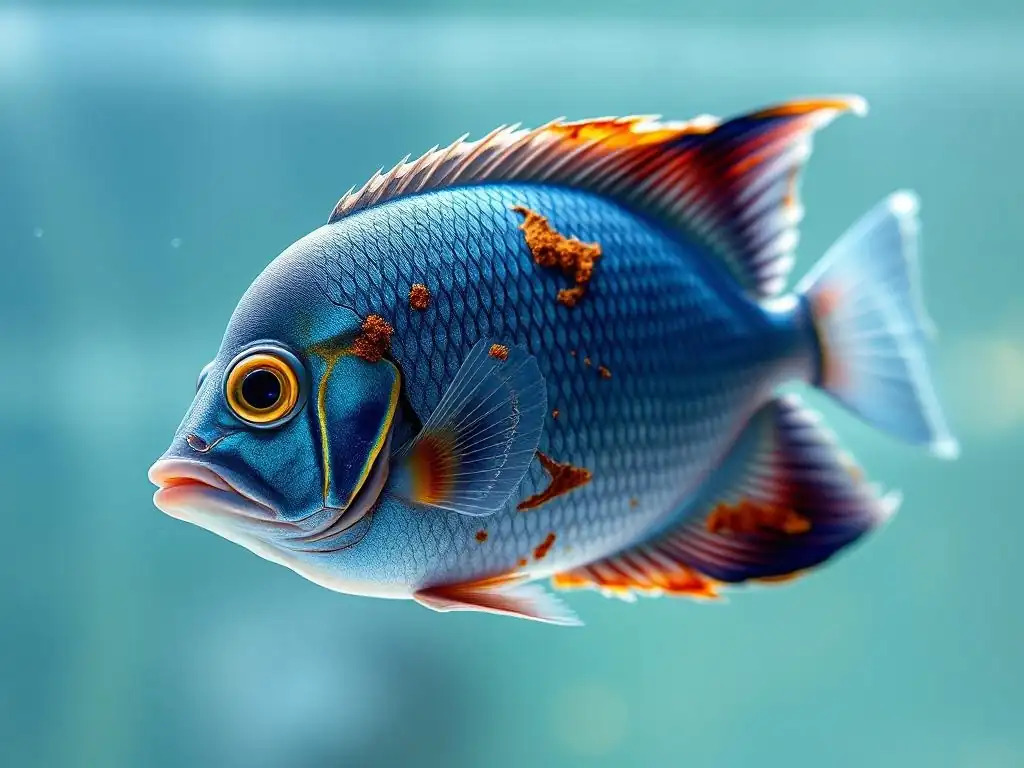
Early detection is paramount when dealing with fin rot in angelfish and discus, as prompt action can prevent severe damage and simplify treatment. Healthy angelfish and discus typically display clear, intact fins with smooth edges and consistent coloration. The first signs of fin rot often involve a milky white or opaque discoloration along the edges of the fins, which may appear ragged or frayed, similar to a torn piece of fabric. You might also observe reddish streaks near the base of the fins, indicating inflammation or blood vessel damage.
As the condition progresses, the fin tissue will visibly erode, shortening the fins and potentially exposing underlying fin rays. In some instances, the fins may develop a "cottony" appearance due to secondary fungal infections. Regularly observing your angelfish and discus, especially during feeding times, allows you to spot these subtle changes. Pay close attention to their behavior as well; affected fish might become lethargic, lose appetite, or isolate themselves, signaling that something is amiss and prompting a closer inspection for angelfish discus fin rot.
Causes of Fin Rot in Angelfish and Discus Tanks
Poor Water Quality as a Primary Cause of Fin Rot
Poor water quality is arguably the most significant contributing factor to angelfish discus fin rot. When water parameters deviate from optimal levels, it creates a stressful environment for fish, weakening their immune systems and making them highly susceptible to opportunistic bacterial infections. High levels of ammonia, nitrite, and nitrate, along with inconsistent pH or temperature fluctuations, are common culprits. These undesirable conditions not only directly irritate fish gills and skin but also foster the proliferation of harmful bacteria in the aquarium.
Maintaining pristine water conditions is fundamental for preventing fin rot in these sensitive species. Angelfish thrive in stable pH levels typically between 6.0 and 7.5, with discus preferring slightly more acidic water, often between 5.5 and 6.5. Both species require soft to moderately hard water and temperatures ranging from 78-84°F (25.5-29°C). Deviations from these ideal ranges, especially prolonged exposure to elevated nitrogenous waste, significantly compromise the fish's natural defenses, paving the way for the development of angelfish discus fin rot.
Ammonia and Nitrite Spikes: A Breeding Ground for Fin Rot
Ammonia (NH3) and nitrite (NO2-) are highly toxic compounds that accumulate in an aquarium from fish waste, uneaten food, and decaying plant matter. In a properly cycled tank, beneficial bacteria convert ammonia to nitrite, and then nitrite to less harmful nitrate (NO3-). However, if the nitrogen cycle is disrupted—due to overfeeding, overstocking, or insufficient filtration—ammonia and nitrite levels can spike rapidly. Even low concentrations of these toxins can cause severe stress to angelfish and discus, damaging their gill tissues and compromising their immune systems.
When fish are constantly exposed to elevated ammonia and nitrite, their ability to fight off pathogens is severely diminished, making them prime targets for bacterial infections like fin rot. For instance, ammonia levels as low as 0.25 ppm can begin to stress fish, while levels exceeding 0.5 ppm are often directly toxic. Nitrite, similarly, interferes with oxygen uptake in fish blood, leading to "brown blood disease" and further weakening the fish. These toxic conditions create an ideal environment for the opportunistic bacteria responsible for angelfish discus fin rot to flourish and infect vulnerable fish.
The Role of Nitrates in Angelfish and Discus Fin Health
While less acutely toxic than ammonia and nitrite, consistently high levels of nitrates (NO3-) also play a significant role in compromising the health of angelfish and discus, indirectly contributing to fin rot. Nitrates are the end product of the nitrogen cycle and accumulate over time if not removed through regular water changes. While fish can tolerate higher nitrate levels than ammonia or nitrite, prolonged exposure to concentrations above 20-40 ppm, particularly for discus, can lead to chronic stress, stunted growth, and a weakened immune response.
For angelfish and discus, maintaining nitrate levels below 20 ppm is generally recommended to ensure optimal health and resilience against diseases. When nitrate levels consistently exceed this threshold, it places a continuous subtle stress on the fish's system. This chronic stress diminishes their natural resistance to common bacterial infections, including those that cause fin rot. Therefore, even if ammonia and nitrite are at zero, neglecting regular water changes to control nitrate buildup can still leave your angelfish and discus vulnerable to developing angelfish discus fin rot.
Bacterial Infections: The Culprit Behind Fin Erosion
Fin rot is fundamentally a bacterial disease, often caused by opportunistic bacteria that are naturally present in most aquarium environments. These bacteria, such as Aeromonas hydrophila, Pseudomonas fluorescens, and Flexibacter columnaris (now Flavobacterium columnare), typically only cause disease when a fish's immune system is compromised or the water quality is poor. They attack the delicate fin tissue, causing it to break down and erode, leading to the characteristic frayed and ragged appearance of affected fins.
The progression of the infection involves the bacteria consuming the fin tissue, often starting from the edges and working inwards. In advanced cases, the infection can reach the fin rays, causing them to collapse, or even spread to the body of the fish, leading to systemic infections or secondary fungal growth. This direct bacterial assault on the fins is why specific antibacterial treatments are often necessary, alongside water quality improvements, to effectively combat angelfish discus fin rot and prevent further tissue destruction.
Common Bacteria Responsible for Fin Rot in Angelfish and Discus
Several types of bacteria are commonly implicated in cases of angelfish discus fin rot, with Aeromonas and Pseudomonas species being among the most frequent offenders. Aeromonas hydrophila, a gram-negative bacterium, is a ubiquitous aquatic bacterium often associated with various fish diseases, including hemorrhagic septicemia and fin rot, especially in stressed or immunocompromised fish. It thrives in environments with poor sanitation and can quickly colonize damaged fin tissue.
Another significant contributor is Pseudomonas fluorescens, which is also gram-negative and widespread in freshwater environments. This bacterium is known for its ability to cause external lesions, ulcers, and fin erosion in fish. While less common, Flavobacterium columnare, the causative agent of Columnaris disease (often mistaken for a fungus due to its cottony appearance), can also manifest as a severe form of fin rot, rapidly destroying fin tissue and potentially leading to high mortality rates if not treated aggressively. Understanding these bacterial culprits is key to selecting appropriate treatments for angelfish discus fin rot.
Stress Factors Contributing to Fin Rot in Angelfish & Discus
Stress is a major underlying factor that weakens the immune system of angelfish and discus, making them highly susceptible to fin rot. When fish are subjected to chronic stress, their bodies release cortisol, a hormone that suppresses immune function. This suppression leaves them vulnerable to opportunistic bacterial infections that would otherwise be harmless. Common stressors in an aquarium environment can include anything from improper water parameters and inadequate nutrition to aggression from tank mates and sudden environmental changes.
Effectively managing stress is as crucial as maintaining water quality for preventing angelfish discus fin rot. A truly stress-free environment promotes robust health, allowing fish to naturally ward off pathogens. This holistic approach involves not only keeping water parameters stable and pristine but also ensuring the fish have adequate space, appropriate tank mates, and a consistent, high-quality diet. Addressing and eliminating these stressors significantly boosts the fish's natural defenses, reducing the likelihood of fin rot outbreaks.
Overcrowding and Aggression
Overcrowding is a significant stressor for angelfish and discus, two species that require ample space to thrive. In an overcrowded tank, competition for resources like food, hiding spots, and territory increases dramatically, leading to heightened aggression and constant stress. Angelfish, especially, can be territorial, and if confined with too many individuals or inappropriate tank mates, they may nip at each other's fins, causing physical damage that then becomes an entry point for fin rot bacteria.
For discus, known for their shy and schooling nature, overcrowding can lead to social hierarchies where dominant fish bully weaker ones, preventing them from feeding adequately and causing chronic stress. A general guideline suggests at least 10 gallons of water per adult angelfish and 15-20 gallons per adult discus, with even more space for groups. Providing insufficient space not only increases aggression and fin nipping but also makes it difficult to maintain stable water parameters, further exacerbating the risk of angelfish discus fin rot due to the increased bioload.
Sudden Changes in Water Parameters
Sudden or drastic fluctuations in water parameters are highly detrimental to angelfish and discus, which are particularly sensitive to environmental stability. Rapid changes in temperature, pH, or hardness can induce osmotic shock, severely stressing the fish and compromising their immune systems. For instance, a sudden drop or rise in temperature by more than 2-3 degrees Fahrenheit within a short period can be enough to weaken a fish, making it vulnerable to opportunistic infections like fin rot.
Similarly, large, infrequent water changes that cause significant shifts in pH or hardness can be more stressful than beneficial. For angelfish, a stable pH between 6.0 and 7.5 is ideal, while discus prefer 5.5 to 6.5. Any rapid deviation from these ranges puts immense physiological strain on the fish. To prevent angelfish discus fin rot and other stress-related diseases, it is crucial to perform smaller, more frequent water changes (e.g., 20-30% weekly) using temperature-matched and dechlorinated water to maintain consistent and optimal conditions.
Diagnosing Fin Rot in Angelfish and Discus
Visual Inspection: Recognizing Fin Rot Symptoms
Diagnosing fin rot in angelfish and discus primarily relies on careful visual inspection of the fish's fins and overall demeanor. Healthy fins are typically transparent or colored according to the fish's natural pigmentation, with smooth, unbroken edges. When fin rot begins, the first noticeable signs often involve subtle changes in the fin margins. These might include a milky white or cloudy appearance along the edges, or a slight fraying that resembles small tears or splits.
As the disease progresses, the erosion becomes more pronounced, causing the fins to appear ragged, tattered, or even completely eaten away. The fin rays, which provide support, may become exposed and sometimes appear bloody or inflamed at the base. Affected fins might also develop a reddish discoloration due to irritation and inflammation, or a blackish outline as the tissue decays. Observing these distinct visual cues, combined with any changes in behavior such as lethargy or clamped fins, is crucial for early diagnosis of angelfish discus fin rot.
Fin Discoloration: A Key Indicator
Fin discoloration is one of the earliest and most telling signs of fin rot in angelfish and discus, providing a critical clue for timely intervention. Healthy fins are usually clear, vibrant, and match the fish's natural coloration, whether it's the transparent dorsal fin of a silver angelfish or the rich red of a discus's anal fin. When fin rot sets in, the affected areas often develop an opaque, milky white, or grayish appearance along the edges, contrasting sharply with the healthy tissue.
This discoloration is typically due to the proliferation of bacteria and the destruction of fin tissue. In some cases, particularly if the infection is severe or secondary infections occur, the fin edges might turn black or dark red. The blackening can indicate necrosis (tissue death) or a healing response where the fin is trying to regenerate. Observing these color changes, especially the cloudy white margins, is a primary indicator that your angelfish or discus may be suffering from fin rot and requires immediate attention.
Fin Erosion and Tissue Decay
Fin erosion and tissue decay represent the hallmark symptoms of progressing fin rot, indicating that the bacterial infection is actively breaking down the fin structure. Initially, this erosion might manifest as minor fraying or small tears along the fin edges, making them appear somewhat ragged. Unlike accidental tears, fin rot erosion is typically progressive and spreads across the fin surface.
As the condition worsens, the delicate fin membranes are visibly eaten away, leaving behind only the bony fin rays or completely disappearing sections of the fin. The edges may look tattered, resembling a melting or dissolving effect. In severe cases of angelfish discus fin rot, the erosion can extend deep into the fin, sometimes even reaching the base where the fin connects to the body. This advanced decay not only severely impairs the fish's ability to swim and balance but also opens the door for more serious systemic infections, highlighting the urgency of treatment once these symptoms are observed.
Ruling Out Other Diseases with Similar Symptoms
While fin rot has distinct symptoms, some other fish diseases can present with similar visual cues, making accurate diagnosis crucial. For instance, physical fin damage from aggression, sharp tank decorations, or netting can cause torn or frayed fins that might initially resemble fin rot. However, mechanical damage typically shows clean tears without the characteristic white, cloudy, or decaying edges associated with bacterial infection. Close observation for bacterial signs like discoloration or progressive tissue loss is key.
Another condition to consider is Columnaris disease, caused by Flavobacterium columnare. While it can cause severe fin erosion that looks like fin rot, Columnaris often presents with a more rapid progression and distinct "saddleback" lesions on the body, or cottony growths around the mouth and gills, in addition to fin decay. Nutritional deficiencies or chronic stress can also lead to poor fin health and susceptibility to damage, but these are underlying factors rather than direct causes of tissue erosion. Carefully assessing all symptoms and ruling out non-bacterial causes ensures the correct treatment for angelfish discus fin rot.
Treating Fin Rot in Angelfish and Discus: A Step-by-Step Guide
Immediate Actions: Isolating Affected Fish
Upon identifying signs of fin rot in your angelfish or discus, the immediate priority is to isolate the affected fish. This crucial first step serves multiple purposes: it prevents the potential spread of the bacterial infection to healthy tank mates, reduces stress on the infected fish by removing it from competitive or aggressive environments, and allows for more targeted and effective treatment in a dedicated hospital tank. A hospital tank should be a bare-bottom aquarium, typically 10-20 gallons, equipped with a heater to maintain stable temperatures and an air stone for oxygenation.
Before transferring the fish, ensure the hospital tank water is conditioned to match the main tank's parameters as closely as possible to minimize additional stress. This includes temperature, pH, and hardness. While angelfish discus fin rot is often opportunistic rather than highly contagious, isolating the fish allows for precise medication dosages without impacting the main tank's beneficial bacteria or exposing healthy fish to unnecessary chemicals. This dedicated environment also makes it easier to observe the fish's progress and adjust treatment as needed.
Water Changes and Improving Water Quality
Improving water quality is the cornerstone of effective fin rot treatment for angelfish and discus, as poor water conditions are often the primary underlying cause. Begin by performing a significant water change in both the main tank (if the fish were not immediately isolated) and the hospital tank. A 50% water change is often recommended to drastically reduce the concentration of ammonia, nitrite, and nitrates, which contribute to stress and bacterial proliferation. Always ensure the new water is dechlorinated and temperature-matched to prevent further stress.
Following the initial large water change, implement a regimen of frequent, smaller water changes—for example, 20-30% daily or every other day—in the hospital tank. This consistent removal of waste products will maintain pristine conditions, which is vital for the fish's recovery and immune system function. Simultaneously, rigorously test water parameters (ammonia, nitrite, nitrate, pH) daily to monitor improvements and ensure they remain at optimal levels. This commitment to water quality directly supports the fish's healing process and enhances the efficacy of any medication used for angelfish discus fin rot.
Performing Large Water Changes Safely
Performing large water changes safely is critical to avoid shocking angelfish and discus, especially when they are already weakened by fin rot. Begin by thoroughly cleaning your gravel vacuum and buckets to prevent introducing new pathogens. Use a reliable water conditioner to neutralize chlorine and chloramines in the tap water; a product that also detoxifies ammonia and nitrite can provide an added layer of safety.
When draining water, aim to remove up to 50% of the tank volume, but do so gradually to minimize stress on the fish. When refilling, ensure the new water is precisely temperature-matched to the tank water. A difference of even a few degrees can cause significant temperature shock, further compromising the fish's health.
Pour the new water slowly to avoid rapid shifts in pH or other parameters, or use a drip system for very sensitive fish like discus. This careful approach to water changes is essential for creating a healing environment for angelfish discus fin rot without causing further harm.
Monitoring Water Parameters Regularly
Regular and diligent monitoring of water parameters is non-negotiable when treating angelfish discus fin rot, as stable and pristine water quality is crucial for recovery. Use a reliable liquid test kit (not test strips, which can be less accurate) to check ammonia, nitrite, nitrate, and pH levels daily in the hospital tank, and at least weekly in the main tank. Ammonia and nitrite should consistently read 0 ppm. Nitrates should be kept below 20 ppm, ideally closer to 10 ppm for discus.
Maintaining consistent pH and temperature is also vital; for angelfish, aim for a stable pH between 6.0 and 7.5 and temperatures of 78-82°F (25.5-27.8°C), while discus prefer pH 5.5-6.5 and temperatures of 82-84°F (27.8-29°C). Any fluctuations outside these ranges or spikes in ammonia/nitrite indicate the need for immediate corrective water changes. Consistent monitoring allows you to react quickly to any deviations, providing the best possible environment for your fish to recover from angelfish discus fin rot.
Medication for Fin Rot: Antibiotics and Antifungals
While water quality improvements are fundamental, medication is often necessary for moderate to severe cases of angelfish discus fin rot, as the infection is primarily bacterial. Broad-spectrum antibacterial medications are typically the first line of defense. Common active ingredients include erythromycin, tetracycline, Furan-2 (nitrofurazone), and Maracyn (minocycline). It's crucial to select a medication specifically designed for aquarium use and to follow the manufacturer's instructions precisely regarding dosage and duration.
In some instances, fin rot can be accompanied by secondary fungal infections, which manifest as white, cottony growths on the affected fins. In such cases, an antifungal medication, such as those containing malachite green or phenoxyethanol, may be used in conjunction with or after the antibiotic treatment. However, avoid using multiple medications simultaneously unless specifically instructed by a veterinarian or product guide, as this can be stressful for the fish. Always remove activated carbon from the filter during medication to ensure the drug remains in the water, effectively treating the angelfish discus fin rot.
Choosing the Right Medication for Angelfish and Discus
Choosing the right medication for angelfish discus fin rot requires careful consideration, as these species can be sensitive to certain chemicals. Broad-spectrum antibacterial medications are generally recommended. Products containing nitrofurazone (like Furan-2) or erythromycin are often effective against the common gram-negative bacteria responsible for fin rot. Minocycline (found in Maracyn 2) is another popular choice, particularly for more stubborn infections.
Before administering any medication, research its specific effects on angelfish and discus, as some medications can be harsher on their delicate systems. Always read the product label thoroughly for contraindications or specific warnings. If you suspect a secondary fungal infection, look for medications that combine antibacterial and antifungal properties, or plan to treat sequentially. Consulting with an experienced aquarist or an aquatic veterinarian can provide valuable guidance in selecting the most appropriate and safest treatment for your specific case of angelfish discus fin rot.
Dosage and Administration Guidelines
Accurate dosage and administration are critical for the successful treatment of angelfish discus fin rot and to prevent harm to the fish. Always follow the medication manufacturer's instructions meticulously, as dosages vary significantly between products. Most medications are dosed based on the volume of water in the hospital tank, not the size of the fish. Use a precise measuring device, such as a syringe or measuring spoon, to ensure accuracy.
Before adding medication, it's essential to remove activated carbon or other chemical filtration media from the filter, as these will absorb the medication and render it ineffective. Perform partial water changes as recommended by the medication's instructions, often before redosing. The duration of treatment typically ranges from 5 to 10 days, even if symptoms improve earlier, to ensure all bacteria are eradicated and prevent recurrence. Observe the fish closely for any adverse reactions to the medication and discontinue use if signs of severe stress appear.
Natural Treatments for Mild Fin Rot Cases
For very mild cases of angelfish discus fin rot, particularly when caught early and water quality issues are promptly corrected, natural treatments can sometimes be effective and less stressful than pharmaceuticals. These methods primarily aim to boost the fish's natural immune response and create an environment less conducive to bacterial growth. However, it's crucial to understand that natural treatments are generally not sufficient for advanced or severe infections and should be used with caution and close monitoring.
The two most common natural approaches involve the use of aquarium salt and specific herbal remedies like Melafix. These options can reduce bacterial load and promote healing, but their efficacy largely depends on the severity of the infection and the underlying health of the fish. Always ensure excellent water quality is maintained alongside any natural treatment, as it is the most vital component for recovery from fin rot in angelfish and discus.
Aquarium Salt Treatment for Fin Rot
Aquarium salt (sodium chloride, non-iodized and without anti-caking agents) can be a beneficial natural treatment for mild cases of angelfish discus fin rot, as it acts as a general tonic, reduces osmotic stress, and can have mild antiseptic properties. For angelfish, a concentration of 1-2 tablespoons per 10 gallons of water is generally safe and effective. For discus, who are more sensitive to salt, a lower concentration of 1 teaspoon per 10 gallons is recommended, and careful monitoring is essential.
To administer, dissolve the salt completely in a small amount of tank water before slowly adding it to the hospital tank. Do not use table salt or Epsom salt. The salt helps to reduce the workload on the fish's kidneys by making it easier for them to regulate their internal fluids, thereby conserving energy for healing.
It also inhibits the growth of some external parasites and bacteria. Continue daily partial water changes to maintain water quality, replenishing only the amount of salt removed with the water change. Discontinue treatment once fins show signs of regrowth and the fish appears healthy.
Melafix Treatment - Cautions & Considerations
Melafix, an aquarium remedy derived from the oil of the Melaleuca tree (tea tree oil), is often touted for its natural antibacterial and antifungal properties and is sometimes used for mild cases of fin rot. It works by acting as a topical antiseptic, helping to heal damaged tissue and prevent secondary infections. For angelfish, it is generally considered safe and can promote fin regrowth. The typical dosage is 1 teaspoon per 10 gallons of water daily for 7 days, with a water change before each dose.
However, caution is advised when using Melafix with labyrinth fish like angelfish, as the oily film it creates on the water surface can potentially interfere with their ability to breathe air from the surface, which is crucial for their survival. Ensure strong surface agitation with an air stone or filter outflow to break up this film. For discus, Melafix is generally not recommended due to their extreme sensitivity to any water additives and the potential for respiratory distress. Always prioritize pristine water quality and consider more targeted antibiotic treatments for moderate to severe angelfish discus fin rot.
Preventing Fin Rot in Your Angelfish and Discus Aquarium
Maintaining Optimal Water Quality: The Key to Prevention
Maintaining consistently optimal water quality is the single most critical factor in preventing fin rot in angelfish and discus aquariums. Since poor water conditions are the primary stressor and precursor to bacterial infections, ensuring pristine parameters directly strengthens the fish's immune system and reduces the prevalence of opportunistic pathogens. This proactive approach eliminates the very environment where fin rot-causing bacteria thrive and where fish become vulnerable.
This involves more than just occasional water changes; it requires a diligent and consistent routine of testing, maintenance, and proper filtration. For angelfish and discus, zero ammonia and nitrite are non-negotiable, and nitrates should be kept below 20 ppm. Stable pH and temperature within their preferred ranges are also essential. By prioritizing water quality, aquarists create a robust and healthy environment that allows angelfish and discus to naturally resist angelfish discus fin rot and other common ailments.
Regular Water Testing and Maintenance
Regular water testing and maintenance form the backbone of fin rot prevention. Weekly testing of ammonia, nitrite, nitrate, and pH levels is essential to monitor the stability and health of your aquarium's ecosystem. Any detectable levels of ammonia or nitrite indicate a problem with the nitrogen cycle or overfeeding, requiring immediate corrective action. Nitrates, while less toxic, should be kept consistently low, ideally below 20 ppm for these sensitive species, to prevent chronic stress.
Alongside testing, consistent maintenance routines are paramount. This includes performing weekly or bi-weekly partial water changes (20-30%) to dilute accumulated nitrates and replenish essential minerals. Gravel vacuuming helps remove decaying organic matter, which contributes to ammonia production. Cleaning filter media regularly (rinsing in old tank water to preserve beneficial bacteria) ensures optimal mechanical and biological filtration. This proactive and consistent approach to water parameters is the most effective defense against angelfish discus fin rot.
Proper Filtration Systems
A proper filtration system is indispensable for maintaining the high water quality necessary to prevent angelfish discus fin rot. A robust filtration setup effectively removes physical debris, chemical pollutants, and crucially, provides a large surface area for beneficial bacteria to colonize and perform biological filtration. For angelfish and discus tanks, a combination of mechanical, biological, and chemical filtration is ideal.
Mechanical filtration, typically sponges or filter floss, removes particulate matter, preventing it from breaking down into ammonia. Biological filtration, provided by ceramic rings, bio-balls, or porous media, converts toxic ammonia and nitrite into less harmful nitrate. Chemical filtration, such as activated carbon, removes dissolved organic compounds and odors, keeping the water clear and pure (though it should be removed during medication). Canister filters or large hang-on-back filters with adequate media capacity are excellent choices for angelfish and discus tanks, ensuring efficient waste processing and stable water parameters crucial for disease prevention.
Ensuring a Stress-Free Environment for Angelfish and Discus
Beyond water quality, creating a stress-free environment is paramount for preventing angelfish discus fin rot. Stress severely compromises a fish's immune system, making it susceptible to opportunistic bacterial infections. Factors like inadequate space, aggressive tank mates, or a lack of hiding places can cause chronic stress, even in pristine water conditions. Addressing these environmental and social aspects of your aquarium setup is as important as chemical parameters.
For angelfish and discus, which are naturally somewhat shy and appreciate calm surroundings, minimizing stressors allows them to thrive and maintain robust health. This includes providing appropriate tank dimensions, carefully selecting compatible species, and offering ample visual breaks and retreats. A well-designed, peaceful habitat reinforces their natural defenses, significantly reducing the likelihood of stress-induced fin rot outbreaks.
Providing Adequate Space and Hiding Places
Providing adequate space and ample hiding places is crucial for minimizing stress and preventing fin rot in angelfish and discus. Overcrowding is a major stressor, leading to increased aggression, competition for resources, and poor water quality. For angelfish, a minimum of a 20-gallon tall tank is recommended for a pair, with larger tanks (e.g., 55 gallons or more) needed for groups. Discus require even more space, with 15-20 gallons per adult fish being a common guideline, ideally in a 75-gallon tank or larger for a group of 5-6 to allow for schooling behavior and reduce aggression.
Beyond sheer volume, the tank layout matters. Live plants (like Amazon Swords or Cryptocoryne), driftwood, or smooth rock formations create visual barriers and hiding spots. These retreats allow fish to escape aggressive tank mates, rest, and feel secure, significantly reducing chronic stress. A secure environment with sufficient personal space and safe havens directly contributes to a stronger immune system, making angelfish and discus less vulnerable to angelfish discus fin rot.
Choosing Compatible Tank Mates
Choosing compatible tank mates is a critical aspect of preventing fin rot, particularly for angelfish and discus, which can be sensitive to aggression and competition. Angelfish, while generally peaceful, can become territorial, especially during breeding. Housing them with fin-nippers like tiger barbs or certain tetras can lead to constant stress and physical fin damage, creating entry points for fin rot bacteria. Ideal tank mates for angelfish include larger, peaceful tetras (like Cardinal Tetras or Rummy-nose Tetras), Corydoras catfish, and peaceful dwarf cichlids.
Discus are even more sensitive and prefer a species-only tank or a very carefully selected community. Their shy nature makes them easily stressed by boisterous or fast-moving fish. Good tank mates for discus include small, peaceful schooling fish like Cardinal Tetras, Rummy-nose Tetras, and certain species of peaceful Corydoras catfish. Avoiding aggressive or overly active fish minimizes stress, fin nipping, and competition for food, thereby reducing the likelihood of angelfish discus fin rot outbreaks caused by compromised immune systems.
Quarantine New Fish Before Introducing Them to the Main Tank
Quarantining all new fish before introducing them to your main angelfish and discus aquarium is a non-negotiable preventative measure against fin rot and other diseases. New fish, even those appearing healthy, can carry dormant pathogens or be stressed from transport, making them susceptible to developing illnesses once in your tank. A dedicated quarantine tank, typically 10-20 gallons, allows you to observe new arrivals for signs of disease, treat them if necessary, and acclimate them to your water parameters without risking your established fish.
A standard quarantine period of 4-6 weeks is generally recommended. During this time, observe the new fish closely for any symptoms of illness, including fin rot, parasites, or behavioral changes. Perform regular water changes and maintain excellent water quality in the quarantine tank. If any signs of angelfish discus fin rot or other diseases appear, treat them in the quarantine tank, preventing the spread of pathogens to your main display tank, which could otherwise devastate your existing fish population.
Proper Nutrition for a Healthy Immune System
Proper nutrition is fundamental for building and maintaining a strong immune system in angelfish and discus, making them more resilient to diseases like fin rot. A diet that is varied and nutritionally complete provides all the essential vitamins, minerals, proteins, and fats necessary for robust health. Poor nutrition, conversely, can lead to deficiencies that weaken the fish's natural defenses, leaving them vulnerable to infections.
For both angelfish and discus, a high-quality diet should include a mix of premium flakes or pellets specifically formulated for cichlids, supplemented with frozen or live foods. This varied diet ensures they receive a broad spectrum of nutrients. A well-nourished fish is better equipped to fight off opportunistic bacteria and recover more quickly if fin rot does occur, highlighting the importance of diet in the overall prevention strategy for angelfish discus fin rot.
Feeding a Balanced Diet
Feeding a balanced diet is crucial for bolstering the immune system of angelfish and discus, thereby preventing fin rot. Their diet should be rich in high-quality protein, essential fatty acids (like Omega-3s), and vitamins, particularly Vitamin C, which is vital for immune function and wound healing. Premium flake or pellet foods specifically designed for cichlids or tropical fish should form the staple, as they are formulated to meet their specific nutritional needs.
Supplementing the staple diet with a variety of frozen and live foods provides additional nutrients and enrichment. Examples include bloodworms, brine shrimp, daphnia, Mysis shrimp, and high-quality beef heart mixes for discus. These varied options offer different protein sources, enhance coloration, and provide natural feeding behaviors. A consistent schedule of 2-3 small feedings per day, ensuring all food is consumed within a few minutes, helps prevent overfeeding and maintain water quality, further reducing the risk of angelfish discus fin rot.
Avoiding Overfeeding
Avoiding overfeeding is a simple yet critical practice for preventing fin rot and maintaining overall aquarium health. Overfeeding directly contributes to poor water quality, which is a primary cause of fin rot in angelfish and discus. Excess food that is not consumed quickly sinks to the bottom, decomposes, and releases ammonia and nitrites into the water. This rapid increase in nitrogenous waste stresses fish and creates an ideal breeding ground for the opportunistic bacteria responsible for fin rot.
Furthermore, overfeeding can lead to digestive issues and internal health problems in fish, further weakening their immune systems. A good rule of thumb is to feed only what your angelfish and discus can consume entirely within 2-3 minutes. If food remains after this time, reduce the portion size for the next feeding. Regularly siphoning uneaten food from the substrate also helps. By practicing responsible feeding habits, you significantly reduce the bioload on your filtration system and maintain the pristine water conditions necessary to prevent angelfish discus fin rot.
Long-Term Care and Recovery After Fin Rot Treatment
Monitoring Fin Regrowth
After successful treatment for angelfish discus fin rot, diligent monitoring of fin regrowth is essential to ensure complete recovery and prevent recurrence. Once the bacterial infection has been eradicated, the damaged fins will typically begin to regenerate. This process can take several weeks to a few months, depending on the extent of the damage and the fish's overall health and age. Younger fish and those with less severe damage usually regenerate fins more quickly.
During this period, observe the fins for signs of new tissue growth, which often appears as clear, translucent edges extending from the previously eroded areas. Ensure the new growth is smooth and free of any cloudiness, fraying, or discoloration that might indicate a lingering or recurring infection. Maintaining pristine water quality and a stress-free environment throughout this recovery phase is paramount, as these conditions directly support the healing process and ensure the new fin tissue develops robustly, preventing further instances of angelfish discus fin rot.
Preventing Recurrence of Fin Rot
Preventing the recurrence of fin rot in angelfish and discus requires a steadfast commitment to the foundational principles of excellent aquarium husbandry. Since fin rot is often triggered by compromised water quality or stress, the long-term strategy focuses on eliminating these predisposing factors. This means maintaining a rigorous schedule of water changes, ensuring all water parameters (ammonia, nitrite, nitrate, pH, temperature) remain consistently within optimal ranges for these sensitive species.
Beyond water chemistry, critically assess and address any environmental stressors that might have contributed to the initial outbreak. This includes ensuring the tank is not overcrowded, providing ample hiding places, and verifying that all tank mates are compatible and non-aggressive. A high-quality, varied diet will continue to support a strong immune system. Implementing a strict quarantine protocol for all new fish is also vital, as new introductions can bring in pathogens or introduce new stressors. By diligently adhering to these practices, you significantly reduce the chances of your angelfish or discus experiencing angelfish discus fin rot again.
The Importance of Consistent Aquarium Maintenance
Consistent aquarium maintenance is the bedrock of long-term health for angelfish and discus, serving as the most effective defense against fin rot recurrence. sporadic or infrequent maintenance allows waste products to accumulate, water parameters to fluctuate, and beneficial bacterial colonies to become unstable. This creates a cycle of chronic stress and vulnerability for fish, making them prone to opportunistic infections like fin rot.
A consistent routine includes weekly or bi-weekly partial water changes (e.g., 20-30%), regular gravel vacuuming to remove detritus, and appropriate cleaning of filter media (rinsing in old tank water). Daily checks for equipment functionality (heaters, filters, air pumps) and visual inspection of fish behavior and appearance are also crucial. This diligent, ongoing commitment to a stable, clean, and healthy environment prevents the conditions that lead to stress and bacterial proliferation, ensuring your angelfish and discus remain robust and free from angelfish discus fin rot.
Advanced Fin Rot Cases: When to Seek Expert Help
Recognizing Signs of Severe Infection
Recognizing the signs of severe fin rot infection is crucial for knowing when to escalate treatment and seek expert help. While mild cases might respond to water changes and basic medications, advanced fin rot presents with alarming symptoms indicating a deeper, more systemic problem. These include extensive fin erosion where most of the fin membrane is gone, potentially exposing fin rays that appear bloody or infected. The infection may also begin to spread from the fins to the body of the fish, manifesting as ulcers, open sores, or red patches on the scales.
Affected angelfish or discus in advanced stages often exhibit severe behavioral changes, such as extreme lethargy, complete loss of appetite, difficulty swimming or maintaining balance, and isolation from tank mates. Their colors might fade significantly, and they may show rapid gill movements indicating respiratory distress. If these severe signs of angelfish discus fin rot are present and do not respond to initial treatments within a few days, it's a clear indication that professional intervention is needed to save the fish's life.
Consulting with an Experienced Aquarist or Veterinarian
When faced with severe or persistent cases of angelfish discus fin rot that do not respond to standard treatments, consulting with an experienced aquarist or, ideally, an aquatic veterinarian is highly recommended. These professionals possess specialized knowledge that can be invaluable for accurate diagnosis and effective treatment. An aquatic veterinarian can perform diagnostic tests, such as fin clips or cultures, to identify the specific bacterial strain causing the infection, allowing for targeted antibiotic therapy.
They can also assess the fish's overall health, rule out underlying conditions, and provide guidance on appropriate medication dosages and administration, especially for prescription-strength antibiotics not available over-the-counter. While finding an aquatic veterinarian can be challenging, many general veterinarians may be able to offer basic advice or refer to specialists. Experienced local fish store owners or reputable online forums with seasoned aquarists can also offer practical advice and insights based on their extensive experience with angelfish discus fin rot and other common fish ailments.
Frequently Asked Questions
How do I know if my Angelfish or Discus has fin rot?
Fin rot is usually identified by ragged or frayed fins. You might also see discoloration at the edges of the fins, and in severe cases, the fins can shorten significantly.
What are the most common causes of fin rot in Angelfish and Discus?
The most common cause is poor water quality, leading to a build-up of bacteria. Stress and injury can also make fish more susceptible to fin rot.
What water parameters are crucial for preventing fin rot in Angelfish and Discus?
Maintaining optimal water parameters is key. Regularly test and maintain stable pH levels, appropriate for Angelfish and Discus, and ensure low levels of ammonia and nitrites.
What treatments are effective for fin rot in Angelfish and Discus?
Treatment typically involves improving water quality through frequent water changes. Antibacterial medications specifically designed for fish can also be used if the infection is severe.
How can I prevent fin rot from recurring in my Angelfish and Discus aquarium?
Prevention focuses on consistent aquarium maintenance. This includes regular water changes, proper filtration, and avoiding overcrowding to minimize stress and maintain a healthy environment.
Final Reflection: The Resilience of Aquatic Life
The preceding exploration of fin rot in angelfish and discus, while seemingly niche, underscores a broader truth: the delicate balance of ecosystems, even those contained within our aquariums, demands constant vigilance and informed action. Understanding the causes, treatments, and preventative measures for this common ailment is not just about saving individual fish; it's about fostering a deeper appreciation for the interconnectedness of life and our responsibility as stewards of these miniature aquatic worlds.
This journey into the intricacies of fin rot highlights how our understanding of animal health directly impacts our ability to provide compassionate care. The commitment to learning and applying best practices in aquarium management reflects a larger societal trend towards responsible pet ownership and a growing awareness of the ethical considerations involved in keeping animals. The greatness of a nation and its moral progress can be judged by the way its animals are treated.
- Mahatma Gandhi. This quote resonates deeply, reminding us that even the smallest acts of care contribute to a more compassionate world.
As you close this article, consider the lessons learned about observation, prevention, and proactive care. Let this knowledge empower you to not only protect your angelfish and discus from fin rot, but also to cultivate a more mindful and responsible approach to all aspects of your life. Embrace the role of a conscientious caretaker, and let your actions reflect a commitment to the well-being of all living creatures.
Heal Your Fish: Take Action for a Healthy Aquarium!
Thanks for diving into the world of fin rot! We hope this article has given you the knowledge to protect your angelfish and discus. Now, let's turn that knowledge into action to ensure a vibrant and thriving aquarium.
Here's what you can do right now:
- Immediately test your aquarium water parameters to identify and correct any imbalances contributing to fin rot. Don't delay, your fish's health depends on it!
- Share this article with fellow aquarium enthusiasts. Your knowledge can help prevent fin rot from spreading!
- Consider documenting your aquarium care journey – from water tests to treatment outcomes – to create a valuable resource for yourself and others.
What proactive step will you take today to ensure your aquarium remains a haven for your fish?