
Lighting Your Corydoras Aquarium: Balancing Plant Needs and Fish Comfort

Welcome to Aquarium Mastery!
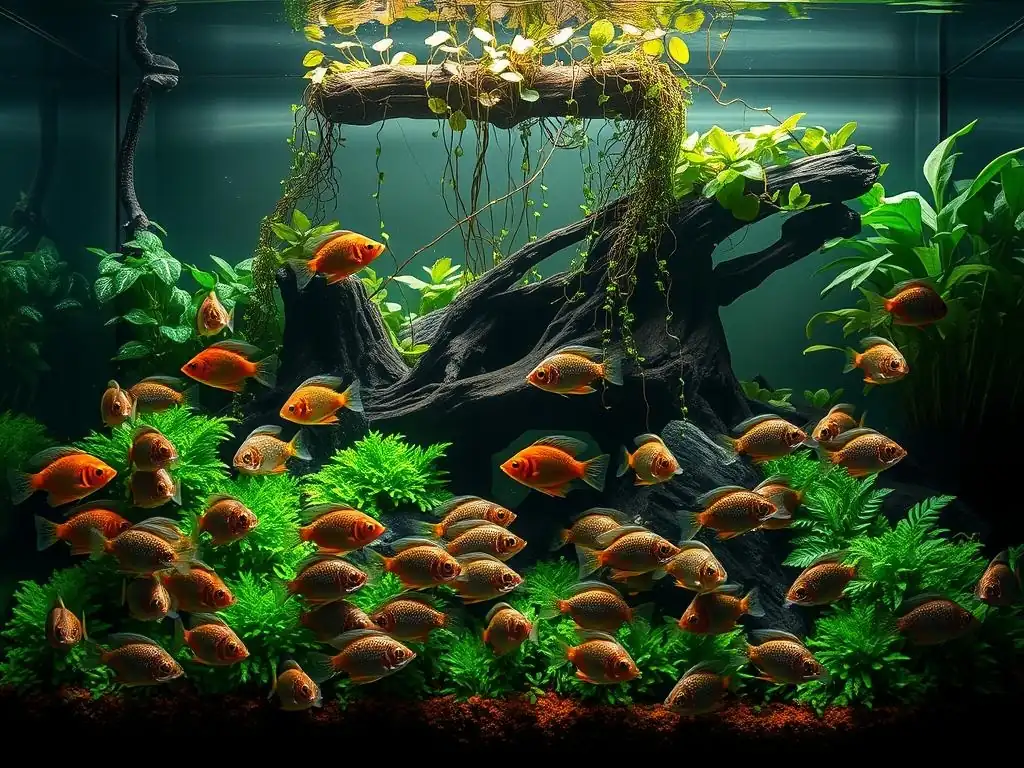
Ever wondered how to perfectly illuminate your Corydoras aquarium, striking that delicate balance between vibrant plant growth and your Corydoras' comfort? This article dives deep into the specifics of Corydoras tank lighting setup, unveiling the secrets to a thriving and visually stunning freshwater ecosystem. Get ready to explore the nuances of light spectrum, intensity, and duration, and discover how to create the ideal environment for your beloved Corydoras to flourish. Keep reading to unlock the secrets!
- Understanding Corydoras Lighting Preferences
- Choosing the Right Lighting for Your Corydoras Tank
- Lighting for Planted Corydoras Aquariums
- Setting Up Your Corydoras Tank Lighting
- Maintaining Optimal Lighting Conditions
- The Impact of Lighting on Corydoras Behavior and Breeding
- Troubleshooting Common Corydoras Lighting Issues
- Optimizing Your Corydoras Tank Lighting for a Thriving Ecosystem
-
Frequently Asked Questions
- What type of lighting is generally recommended for a Corydoras tank?
- How does lighting affect the behavior of Corydoras?
- Can I use any type of aquarium light for a Corydoras tank if I have live plants?
- What are some ways to create shaded areas in a Corydoras tank?
- How do I balance the lighting needs of my Corydoras with the needs of my live plants?
- Final Reflection: Illuminating Harmony
- Ignite Your Corydoras Tank: Start Thriving Today!
Understanding Corydoras Lighting Preferences
Why Proper Lighting Matters for Corydoras Health
Proper lighting is a critical, yet often underestimated, component of a healthy aquarium ecosystem, directly impacting the well-being of its inhabitants. For Corydoras, an appropriate Corydoras tank lighting setup is essential for maintaining their natural circadian rhythms, reducing stress, and supporting a robust immune system. Inadequate or excessive light can lead to chronic stress, which manifests as faded coloration, lethargy, and increased susceptibility to common fish ailments such as fin rot or ich, potentially shortening their lifespan.
Beyond direct physiological effects, lighting influences the overall environment. For instance, an overly bright tank can cause Corydoras to become excessively shy, retreating to hiding spots and impacting their natural foraging behavior. This not only diminishes their quality of life but can also lead to underfeeding if they are too stressed to venture out. Observations in home aquariums often show Corydoras exhibiting bolder, more active behaviors when their lighting conditions are optimized to mimic their preferred subdued environments.
Corydoras Natural Habitat and Light Levels
Corydoras catfish originate from a wide range of freshwater habitats across South America, including slow-moving rivers, streams, and floodplains. These environments are typically characterized by dense aquatic vegetation, abundant leaf litter, and overhanging banks or tree canopies. Such natural features create a dappled, often subdued light environment, where direct, intense sunlight is rare. The water itself can also be stained with tannins from decaying organic matter, further reducing light penetration and creating a naturally darker, more diffused illumination.
Mimicking these conditions is paramount for a successful Corydoras tank lighting setup. In their natural settings, the average light intensity at the substrate level where Corydoras forage is significantly lower than in open-water environments. This preference for dim lighting means that a highly intense light fixture designed for demanding planted tanks might be detrimental, as it deviates sharply from the light levels they are accustomed to in their native Amazonian or Orinoco basin homes.
How Corydoras Respond to Different Light Intensities
The behavioral responses of Corydoras to varying light intensities are clear indicators of their comfort levels. Under very bright or direct lighting, Corydoras often exhibit signs of stress, such as rapid, darting movements, frantic swimming, or constant hiding behind decorations or under plants. Their coloration may also appear faded or washed out as a defense mechanism, making them appear paler than their true vibrant hues. This stressed behavior interferes with their natural schooling tendencies and their crucial sifting of the substrate for food.
Conversely, when provided with appropriate, subdued lighting, Corydoras are typically much more active, displaying their natural behaviors of sifting through the substrate, exploring the tank, and schooling calmly. They maintain their rich, natural coloration and appear more robust. An ideal Corydoras tank lighting setup often aims for a Photosynthetically Active Radiation (PAR) value of approximately 15-30 at the substrate level, which is on the lower end of the spectrum for planted aquariums but perfectly suits these sensitive bottom-dwellers.
Choosing the Right Lighting for Your Corydoras Tank
Factors to Consider When Selecting Corydoras Tank Lighting
When selecting lighting for a Corydoras aquarium, several key factors must be carefully weighed to ensure both fish comfort and, if applicable, plant health. The tank's dimensions, particularly its depth, play a significant role, as deeper tanks require more powerful lights to achieve adequate penetration to the substrate. Your choice of aquatic plants, if any, will also dictate the required light intensity and spectrum; low-light plants are generally preferred for Corydoras tanks to avoid over-illumination.
Additionally, consider your budget and the desired aesthetic, as various fixtures offer different appearances and features. The primary objective, however, should always be the well-being of your Corydoras.
The color temperature, measured in Kelvin (K), is another important consideration. While plants benefit from a full spectrum, a range between 5000K and 7000K (neutral to cool white) is generally pleasing to the eye and effective for plant growth without being overly harsh for Corydoras. Furthermore, assess the light's power output, often measured in watts or PAR. For a typical 20-gallon long tank (approximately 12 inches deep), an LED fixture producing around 10-20 watts is usually sufficient for low-to-medium light plants and creates an ideal Corydoras tank lighting setup.
LED Lighting for Corydoras Aquariums: Pros and Cons
LED lighting has become the predominant choice for aquariums due to its numerous advantages. A significant benefit is their exceptional energy efficiency; many LED fixtures consume up to 70% less electricity than traditional fluorescent lights, leading to lower operating costs over time. LEDs also boast an impressive lifespan, often exceeding 50,000 hours, which translates to years of use without needing replacement bulbs. Furthermore, many modern LED lights offer customizable spectrums and dimming capabilities, allowing aquarists precise control over the light intensity and color, which is crucial for a tailored Corydoras tank lighting setup.
Despite their benefits, LED lights do have some drawbacks. The initial purchase cost of a high-quality LED fixture can be significantly higher than other lighting types. More importantly, many budget-friendly LEDs on the market can be excessively powerful, even at their lowest settings, making it challenging to provide the subdued lighting Corydoras prefer without dimming features. Without careful selection, an overly strong LED can easily lead to overlighting, stressing the fish and promoting aggressive algae growth. Therefore, choosing an LED with adjustable intensity is paramount.
Avoiding Overlighting: Minimizing Stress for Corydoras
Overlighting is one of the most common mistakes in Corydoras tank lighting setup, and it can have severe consequences for these sensitive bottom-dwellers. Constant exposure to intense light can lead to chronic stress, which weakens their immune systems and makes them highly susceptible to diseases like fungal infections, bacterial fin rot, or even ich. Stressed Corydoras may exhibit constant hiding, rapid gill movement, and a general lack of activity, all of which indicate an unhealthy environment.
To minimize stress, practical steps can be taken. Opt for lower wattage light fixtures or those with effective dimming capabilities. Incorporate floating plants such as Amazon Frogbit (Limnobium laevigatum) or Salvinia minima, which can cover 20-30% of the water surface, effectively diffusing light and creating shaded areas below. Strategically placed tall hardscape elements like driftwood or large rocks, and tall aquatic plants, can also cast beneficial shadows. Aiming for a PAR value of 20-30 at the substrate is generally ideal for a Corydoras-centric tank, providing enough light for low-light plants while ensuring fish comfort.
Lighting for Planted Corydoras Aquariums
Balancing Light for Corydoras and Aquatic Plants
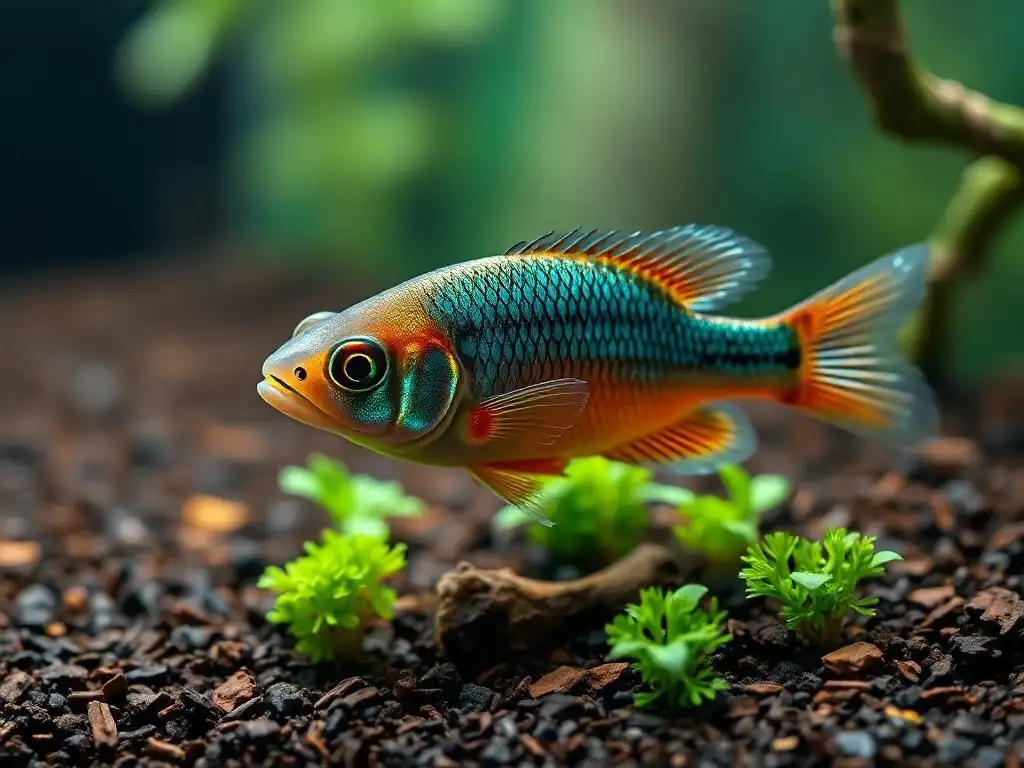
Creating a thriving planted Corydoras aquarium presents a unique challenge: plants require light for photosynthesis, while Corydoras prefer more subdued conditions. The key to success lies in finding a harmonious balance, often achieved by prioritizing the fish's comfort and selecting aquatic plants that thrive under lower light intensities. This approach ensures that the Corydoras tank lighting setup supports lush plant growth without overstressing the catfish.
Beyond intensity, light duration is also crucial. While the light intensity might be on the lower side, a consistent photoperiod of 8-10 hours per day is generally recommended for most aquatic plants and helps maintain the fish's natural circadian rhythms. Deviating significantly from this duration, such as running lights for 12 hours or more, even at lower intensities, can lead to problematic algae growth and further stress for the Corydoras, disrupting the delicate balance of the ecosystem.
Low-Light Plant Options for Corydoras Tanks
For a Corydoras tank lighting setup, low-light plant options are ideal as they flourish without requiring intense illumination, thus keeping the light levels comfortable for the fish. Excellent choices include various Anubias species, such as Anubias barteri nana or Anubias coffeefolia, which are incredibly hardy and can be attached to driftwood or rocks. Java Fern ( Microsorum pteropus) is another robust option, known for its ability to thrive in dim conditions and provide ample cover.
Other suitable low-light plants include Bucephalandra species, which are similar to Anubias in their care requirements and offer unique leaf textures. Various Cryptocoryne species, such as Cryptocoryne wendtii or Cryptocoryne parva, are also excellent, forming dense carpets or bushy clumps that provide hiding spots for Corydoras. These plants typically require a PAR range of 15-30 at the substrate, making them perfect companions for a peaceful Corydoras community.
Medium-Light Plant Choices Suitable for Corydoras
While low-light plants are often preferred, some medium-light plant species can also be successfully integrated into a Corydoras tank lighting setup, provided that careful consideration is given to light intensity and tank layout. Popular choices include the Amazon Sword ( Echinodorus amazonicus), which can grow quite large and provide significant shade, and Dwarf Sagittaria ( Sagittaria subulata), which forms a nice foreground carpet. Various Vallisneria species, such as Corkscrew Vallisneria ( Vallisneria spiralis), are excellent background plants that can reach the surface, creating natural light diffusion.
To integrate medium-light plants (which might require 30-50 PAR) without stressing Corydoras, strategic placement is key. Taller plants should be positioned at the back or sides of the aquarium, allowing them to create shaded areas at the substrate level where Corydoras spend most of their time. It's crucial to ensure that substantial portions of the substrate remain in lower light conditions, perhaps through the use of floating plants or carefully arranged hardscape, allowing the Corydoras ample space to forage and rest in comfort.
Fertilization and CO2 Considerations for Planted Corydoras Tanks
For planted Corydoras tanks primarily utilizing low-light plant species, a comprehensive fertilization regime is usually not complex. Liquid fertilizers, containing essential macro and micronutrients, applied once or twice a week (e.g., Seachem Flourish or API Leaf Zone) are typically sufficient to support healthy growth. Additionally, for root-feeding plants like Cryptocorynes and Amazon Swords, root tabs (e.g., Seachem Flourish Tabs or API Root Tabs) inserted into the substrate every few months provide a steady supply of nutrients directly to the roots.
Carbon dioxide (CO2) injection is generally unnecessary for low-light planted setups and can even be detrimental if not precisely managed, as fluctuating CO2 levels can stress fish. For tanks incorporating a few medium-light plants, a low-dose liquid carbon supplement (e.g., Seachem Excel) might be considered, but full CO2 injection systems are usually reserved for high-tech planted tanks that are not ideal for light-sensitive Corydoras. Always prioritize stable water parameters and fish comfort over aggressive plant growth in a Corydoras tank lighting setup.
Setting Up Your Corydoras Tank Lighting
Corydoras Tank Lighting Setup: A Step-by-Step Guide
Setting up your Corydoras tank lighting system requires a methodical approach to ensure optimal conditions for your fish and plants. Begin by assessing your tank's dimensions, especially its depth, and the specific light requirements of any aquatic plants you intend to keep. For a standard 20-gallon long tank, which is about 12 inches deep, an LED fixture with an output of 15-25 watts is often a good starting point for a balanced Corydoras tank lighting setup. Select a fixture that offers dimming capabilities or is known for its lower intensity to accommodate the Corydoras' preference for subdued light.
Once you have chosen your light, position it directly over the aquarium. If using a suspended fixture, adjust its height to achieve the desired light intensity at the substrate level; a PAR meter can provide precise readings, though visual observation is often sufficient for hobbyists. For hood-mounted fixtures, ensure they fit securely and cover the tank adequately. Some aquarists choose to add reflective material to the interior of the hood to maximize light efficiency, though for low-light Corydoras setups, this might not be necessary and could even contribute to over-lighting if not carefully managed.
Light Placement and Diffusion Techniques for Corydoras
Strategic light placement and diffusion are crucial for creating a comfortable environment in your Corydoras tank lighting setup. While placing the light centrally over the tank is common, consider angling it slightly or using multiple smaller lights to create varied light zones, allowing some areas to be brighter than others. Diffusion can be effectively achieved by incorporating floating plants, such as Red Root Floaters ( Phyllanthus fluitans) or Dwarf Water Lettuce ( Pistia stratiotes), which naturally scatter direct light and cast gentle shadows on the substrate. Covering approximately 20-30% of the surface area with floaters often provides adequate diffusion.
Beyond floating plants, strategically arranging hardscape elements like large pieces of driftwood or rocks can also cast significant shadows, creating natural refuges for your Corydoras. Similarly, placing taller aquatic plants at the back or sides of the tank can provide shaded areas below. These shaded zones are vital, as they allow Corydoras to retreat from direct light when they feel stressed or simply prefer a darker spot, mimicking the protection they seek in their natural, often densely vegetated habitats.
Using a Timer for Consistent Lighting Schedules
Consistency in lighting schedules is paramount for the health and well-being of both your Corydoras and any aquatic plants. Using a reliable digital timer to control your Corydoras tank lighting setup ensures a stable photoperiod, typically between 8 to 10 hours daily. Erratic or inconsistent lighting can disrupt the fish's natural circadian rhythms, leading to increased stress and potentially triggering unwanted algae blooms due to unstable conditions.
For example, a common and effective schedule might be turning the lights on at 9 AM and off at 7 PM, providing a consistent 10-hour photoperiod. While a sudden "on/off" transition can startle fish, some advanced LED fixtures offer ramp-up and ramp-down features that simulate natural sunrise and sunset effects, gently easing the fish into light and darkness. If your light doesn't have this feature, consider plugging it into a smart plug that allows for gradual dimming or simply ensuring the room isn't completely dark before the lights come on.
Maintaining Optimal Lighting Conditions
Monitoring Light Intensity and Spectrum
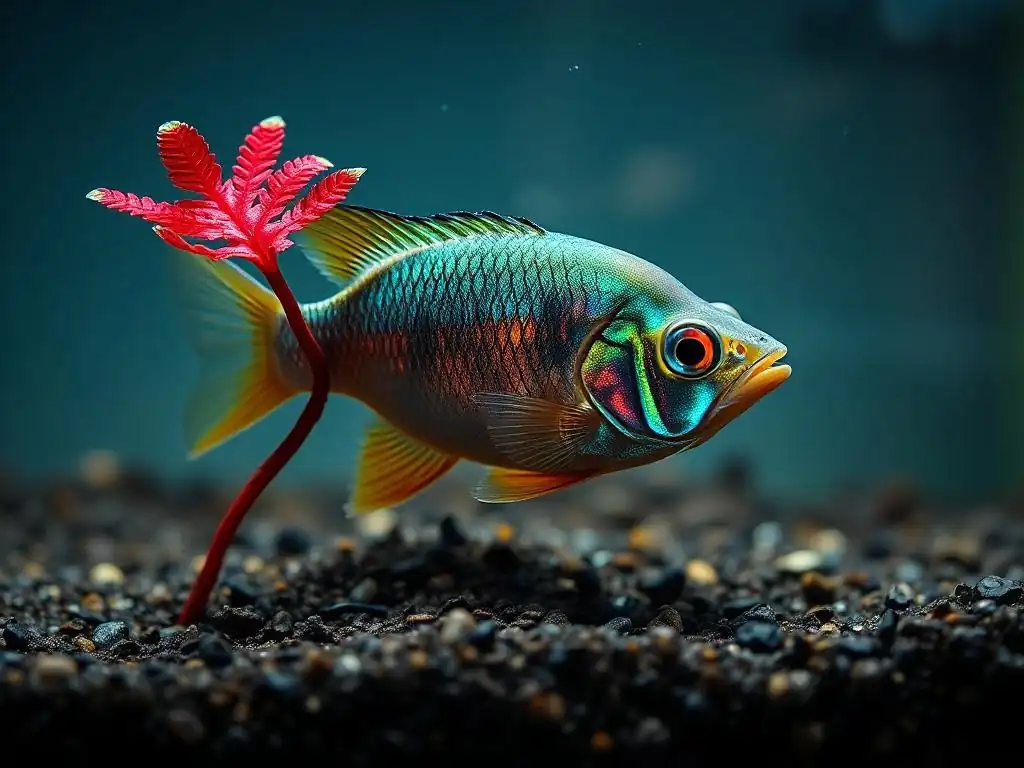
Maintaining optimal lighting conditions in your Corydoras tank requires ongoing observation and occasional adjustments. Regularly monitor your Corydoras' behavior: are they hiding excessively, appearing pale, or exhibiting signs of stress? Similarly, observe your aquatic plants for signs of struggling, such as stretching towards the light (etiolation) or, conversely, developing algae growth, which can indicate too much light. While a PAR meter offers precise measurements of light intensity, visual cues are often sufficient for hobbyists to gauge if the Corydoras tank lighting setup is appropriate.
Pay attention to the light's spectrum as well. Most full-spectrum LED lights are suitable, but ensure there's a balanced output of red and blue wavelengths, which are crucial for plant photosynthesis, without an excessive amount of green that can promote certain types of algae. A Kelvin rating between 5000K and 7000K generally provides a pleasant visual appearance while supporting healthy plant growth and ensuring the comfort of your Corydoras. If your plants are thriving but your fish seem stressed, consider dimming the red and blue channels if your fixture allows, or increasing the height of the fixture.
Adjusting Lighting Based on Plant and Corydoras Needs
The dynamic nature of an aquarium means that lighting conditions may need periodic adjustments. If your aquatic plants are showing signs of insufficient light, such as very slow growth or pale, stretched leaves, you can gradually increase the light duration by 30-60 minutes per week, or if your fixture is dimmable, slightly increase its intensity by 10-20%. Conversely, if your Corydoras appear stressed, constantly hide, or if you notice an increase in algae growth, these are strong indicators that the light is too intense or the photoperiod is too long.
In such cases, gradually decrease the light duration or dim the intensity. For instance, if you're running your lights for 10 hours and observing green spot algae on the glass along with shy Corydoras, try reducing the photoperiod to 8 hours for a week and observe the changes. Small, incremental adjustments are crucial to avoid shocking the ecosystem. Remember that a successful Corydoras tank lighting setup prioritizes the comfort of the fish while still providing adequate light for any plants.
Dealing with Algae Growth in Corydoras Tanks
Algae growth is a common issue in aquariums and often serves as a primary indicator of an imbalance in the Corydoras tank lighting setup, nutrient levels, or CO2 availability. Excessive light intensity or an overly long photoperiod (e.g., more than 10 hours) are frequent culprits, promoting rapid algae proliferation. Nutrient imbalances, such as high nitrates or phosphates, combined with light, also fuel algae blooms. For instance, a sudden surge in green hair algae often points to excess nutrients and too much light.
To address algae, tackle the root cause directly. Reduce your light duration (e.g., from 10 hours to 7-8 hours) and/or dim your lights if possible. Increase the frequency and volume of water changes (e.g., 50% weekly instead of 25%) to export excess nutrients. Ensure your aquatic plants are healthy and growing robustly, as they will outcompete algae for available nutrients. Manual removal of algae is also essential. Additionally, consider introducing algae-eating inhabitants like Otocinclus catfish or Nerite snails, ensuring they are compatible with your Corydoras and the tank's conditions.
The Impact of Lighting on Corydoras Behavior and Breeding
How Light Affects Corydoras Activity Levels
Lighting plays a significant role in dictating the activity levels and overall behavior of Corydoras catfish. As primarily diurnal fish, they are most active during daylight hours, though they can exhibit crepuscular tendencies, being particularly active during dawn and dusk. An appropriate Corydoras tank lighting setup encourages their natural foraging behaviors, where they actively sift through the substrate for food, and allows them to display their characteristic schooling movements.
Conversely, an overly bright tank can drastically alter their natural activity patterns. Under intense light, Corydoras may become predominantly nocturnal, only venturing out to feed under the cover of darkness, or they might remain constantly hidden during the day. In a well-lit, comfortable environment, you should observe your Corydoras confidently exploring all areas of the tank, engaging in their typical bottom-dwelling behaviors, and interacting with their schoolmates, which are all signs of a healthy and stress-free existence.
Lighting Strategies to Encourage Corydoras Breeding
While the primary triggers for Corydoras breeding are often related to water parameters and diet, lighting plays a subtle yet supportive role in encouraging spawning activity. A consistent photoperiod, typically 8-10 hours, signals stability and a predictable environment, which can contribute to a sense of security for the fish. Some experienced breeders suggest a slight reduction in light intensity or duration for a few days, followed by a return to the normal schedule, to mimic seasonal changes or rainy seasons that often precede spawning events in their natural habitats.
Furthermore, the physical environment created by the Corydoras tank lighting setup can indirectly encourage breeding. The presence of shaded areas and broad-leafed plants like Anubias or Cryptocoryne species provides ideal surfaces for Corydoras to deposit their adhesive eggs. For example, a healthy pair of Bronze Corydoras ( Corydoras aeneus) might lay between 100 to 200 eggs on the underside of a large Anubias leaf or directly on the tank glass, particularly when the lighting is soft and diffused, making them feel secure enough to spawn.
Recognizing signs of lighting-related stress in your Corydoras is crucial for their long-term health. Key indicators include constant hiding, even during feeding times, rapid gill movement despite excellent water parameters, faded or dull coloration, erratic and darting swimming patterns, and a general reluctance to feed. These behaviors are often direct consequences of an overly bright or inconsistent Corydoras tank lighting setup that makes them feel exposed and vulnerable.
If you observe these signs, it's important to first rule out other potential stressors, such as poor water quality or disease. Once those are checked, evaluate your lighting conditions. Try dimming the light intensity, shortening the photoperiod by 1-2 hours, or adding more floating plants to create immediate shaded areas. Often, a swift and appropriate adjustment to the lighting can result in noticeable positive behavioral changes in your Corydoras within a day or two, indicating they are becoming more comfortable in their environment.
Troubleshooting Common Corydoras Lighting Issues
Algae blooms are a frequent and often frustrating issue in aquariums, and they are very commonly linked to imbalances in the Corydoras tank lighting setup. Identifying the type of algae can help pinpoint the specific problem: green spot algae, for instance, often indicates excessively high light intensity or duration, while hair algae can signal an overabundance of nutrients coupled with too much light. Brown diatoms are common in newly set up tanks or can be caused by silicates in the water.
To effectively address algae, it's crucial to tackle the root cause. Begin by reducing your photoperiod (e.g., from 10 hours to 7-8 hours) and/or dimming your lights. Increase the frequency and volume of water changes (e.g., 50% weekly) to export excess nutrients. Ensure your aquatic plants are healthy and thriving, as they will naturally outcompete algae for resources. Manual removal of algae through scrubbing or siphoning during water changes is also essential for immediate control.
Dealing with Light Burn on Plants
Light burn on aquatic plants is a clear indication that your Corydoras tank lighting setup is too intense, especially for the plants closest to the light source. Symptoms typically include leaves turning yellow or translucent, developing crispy edges, or showing bleached spots. This issue is particularly common with powerful LED fixtures that are positioned too close to the water surface or run at maximum intensity.
To resolve light burn, several actions can be taken. The most direct solution is to raise the light fixture further above the water, which reduces the PAR intensity reaching the plants. If your light has dimming capabilities, gradually reduce its output. Introducing floating plants can also help diffuse the light, providing a natural filter. For example, if a high-output LED is positioned only 6 inches above the water, raising it to 10-12 inches can significantly reduce the PAR at the substrate and prevent further leaf damage.
Resolving Issues with Light Penetration and Distribution
Poor light penetration and uneven distribution can lead to a struggling planted tank, even if the overall light intensity seems adequate. If plants at the bottom or in the corners of your tank are stunted, leggy, or showing signs of nutrient deficiency while those directly under the light thrive, it suggests that light is not reaching all areas effectively. This is a common problem in deeper aquariums or with light fixtures that have a very narrow beam angle.
To improve light penetration and distribution in your Corydoras tank lighting setup, consider upgrading to a light fixture designed for deeper tanks or one with a wider light spread. Alternatively, adding a second, smaller light fixture to cover darker areas can help. For instance, in a 75-gallon tank (20 inches deep), a single 36-inch light might not be enough; adding a second light or upgrading to a more powerful, full-spectrum fixture designed for deeper tanks would be beneficial. Regularly cleaning the light fixture's lens also ensures maximum light transmission into the water.
Optimizing Your Corydoras Tank Lighting for a Thriving Ecosystem
Frequently Asked Questions
What type of lighting is generally recommended for a Corydoras tank?
Corydoras prefer dimmer lighting conditions. While you may need brighter lights for plants, prioritize using lights that can be adjusted for intensity or provide ample shaded areas.
How does lighting affect the behavior of Corydoras?
Excessively bright lighting can stress Corydoras, causing them to hide more often and become less active. Dimmer lighting encourages natural foraging behaviors and promotes a sense of security for these bottom-dwelling fish.
Can I use any type of aquarium light for a Corydoras tank if I have live plants?
While high-intensity lights can support plant growth, they might be too bright for Corydoras. Consider using LED lights with adjustable brightness or supplementing with floating plants to diffuse the light reaching the bottom of the tank.
What are some ways to create shaded areas in a Corydoras tank?
You can create shaded areas using decorations like driftwood and rocks, or by incorporating tall plants that block some of the light. Ensure the Corydoras still have access to open areas for foraging.
How do I balance the lighting needs of my Corydoras with the needs of my live plants?
The best approach is to choose low-light plants that thrive in dimmer conditions, or to use adjustable lighting that allows you to provide the intensity your plants need without stressing your Corydoras. Careful observation of both plant growth and fish behavior is crucial.
Final Reflection: Illuminating Harmony
The intricacies of Corydoras tank lighting setups extend far beyond mere aesthetics; they represent a delicate balance between fostering a thriving planted environment and ensuring the well-being of our beloved bottom-dwellers. Understanding these nuances is crucial, not just for aquascaping enthusiasts, but for anyone committed to responsible and ethical fishkeeping practices in the modern aquarium hobby.
This topic has profoundly influenced my own approach to aquarium keeping, highlighting the importance of thoughtful planning and continuous learning. The realization that even seemingly minor adjustments to lighting can significantly impact the health and behavior of Corydoras has deepened my respect for the interconnectedness of the aquarium ecosystem. The best aquarium is not just a display of beauty, but a testament to the keeper's understanding and respect for the life within.
This quote encapsulates the essence of responsible aquascaping, urging us to prioritize the needs of our aquatic companions above all else.
Now, I invite you to reflect on your own aquarium practices. Consider how you can further optimize your Corydoras tank lighting setup to create a truly harmonious environment. Embrace the challenge of balancing plant growth with fish comfort, and strive to cultivate an aquarium that not only captivates the eye but also nurtures the well-being of all its inhabitants. Let's illuminate a future where responsible aquascaping becomes the standard, ensuring a brighter and healthier world for our Corydoras and all aquatic life.
Ignite Your Corydoras Tank: Start Thriving Today!
Thank you for delving into the world of Corydoras lighting! We hope you've gained valuable insights into creating the perfect illuminated environment for your little bottom dwellers. Now it's time to put that knowledge into action and watch your aquarium flourish.
Here’s how you can get started right away:
- Audit Your Current Lighting: Assess your current setup immediately, noting the wattage, spectrum, and duration. This is the crucial first step!
- Explore adding floating plants like Amazon Frogbit to naturally diffuse light and create shaded havens for your Corydoras.
- Surprise a friend! Share this article with another aquarium enthusiast eager to optimize their Corydoras tank.
What unexpected plant did you discover thrives under your current lighting, enhancing both aesthetics and Corydoras comfort?