
The Importance of a Varied Diet for Vibrant Corydoras

Welcome to Aquarium Mastery!
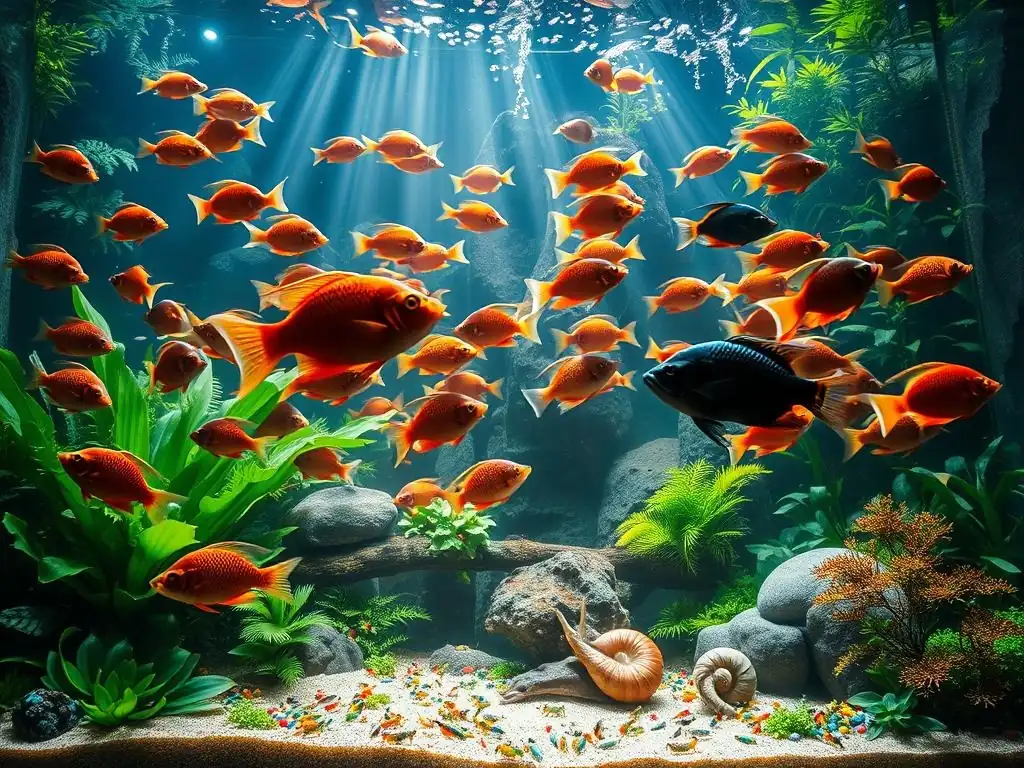
Ever wondered what the secret is to keeping your Corydoras thriving and displaying their most vibrant colors? The answer might surprise you! Dive into our article, "The Importance of a Varied Diet for Vibrant Corydoras," and discover how to unlock the full potential of these adorable bottom-dwellers. What are the specific dietary needs of your Corys, and how can you ensure they're getting everything they need? Let's explore the fascinating world of Corydoras fish diet variations together!
- Understanding Corydoras Nutritional Needs for Optimal Health
- Essential Components of a Balanced Corydoras Diet
- Creating a Feeding Schedule for Your Corydoras
- Preventing Nutritional Deficiencies in Corydoras
- Exploring Specific Food Options for Corydoras
- Maintaining Water Quality Through Proper Feeding
- Adapting Corydoras Diet to Different Life Stages
- Troubleshooting Common Corydoras Feeding Problems
- Conclusion: Ensuring a Healthy and Happy Life for Your Corydoras Through Diet
- Frequently Asked Questions
- Final Reflection: Cultivating Corydoras Vitality Through Diet
- Nourish Your Corydoras: Unlock Their Full Potential!
Understanding Corydoras Nutritional Needs for Optimal Health
The Role of Diet in Corydoras Well-being
A well-balanced diet is the cornerstone of health and longevity for Corydoras catfish, directly influencing their immune system, coloration, growth rate, and even their ability to reproduce successfully. These peaceful bottom-dwellers, native to South American rivers, are naturally opportunistic omnivores with a strong preference for protein-rich foods found in their substrate.
A diet lacking essential nutrients can lead to a host of problems, including stunted growth, faded colors, increased susceptibility to diseases like fin rot or bacterial infections, and a general lack of vitality. For instance, a Corydoras fed only a single type of flake food might appear to eat, but it will likely miss crucial amino acids and vitamins necessary for robust health.
Beyond mere survival, the right diet ensures that Corydoras exhibit their natural vibrant hues and active foraging behaviors. Their characteristic continuous sifting through the substrate for food particles is not just a habit; it's a vital part of their existence.
Providing a diverse array of foods that cater to their omnivorous nature, with a significant emphasis on protein, ensures they receive the complex nutritional profile required for strong bone development, healthy fin growth, and a resilient immune system. This proactive approach to feeding is far more effective than trying to correct nutritional deficiencies after they have manifested as health issues.
Why Corydoras Fish Diet Variations are Crucial
Providing Corydoras fish diet variations is not merely a recommendation; it is a critical strategy for preventing nutritional deficiencies and promoting overall vitality. Just as humans require a diverse intake of fruits, vegetables, and proteins, Corydoras thrive when offered a rotating menu of foods.
Relying on a single food source, even a high-quality one, inevitably leads to gaps in their nutritional intake over time, potentially causing long-term health issues that might not be immediately apparent. For example, a diet solely based on dry pellets, even if protein-rich, may lack the essential fatty acids or specific micronutrients found in live or frozen foods, which are vital for vibrant coloration and successful breeding.
The inclusion of Corydoras fish diet variations also stimulates their natural foraging instincts, keeping them engaged and active within the aquarium. In their natural habitat, Corydoras consume a wide array of small invertebrates, insect larvae, and some plant matter. Replicating this diversity in the home aquarium by offering different textures and nutrient profiles encourages natural behaviors and prevents boredom. A varied diet ensures they receive a full spectrum of vitamins, minerals, and trace elements, such as chitin from insect exoskeletons which aids digestion, and various carotenoids from natural sources that enhance their beautiful patterns and colors, making them more resilient to stress and disease.
Essential Components of a Balanced Corydoras Diet
Protein Sources for Corydoras: Fueling Growth and Activity
Protein is the most critical macronutrient for Corydoras, fueling their growth, repairing tissues, and supporting their high activity levels. Their natural diet primarily consists of small invertebrates, making protein-rich foods indispensable. High-quality sinking pellets formulated for bottom feeders should form the staple of their diet, typically containing 35-45% crude protein, often derived from fish meal, krill, or spirulina. However, relying solely on pellets, even premium ones, can lead to a monotonous diet and potential nutrient gaps.
To truly meet their protein needs and encourage optimal health, supplementing pellets with various live and frozen protein sources is essential. These additions not only provide superior nutritional profiles but also stimulate natural foraging behaviors. For instance, offering live blackworms or frozen bloodworms a few times a week can significantly boost their protein intake, providing essential amino acids crucial for muscle development and vibrant coloration. This strategic approach to protein provision ensures that Corydoras have the energy and building blocks necessary for robust growth and an active lifestyle.
Live Foods: A Natural Protein Boost for Corydoras
Live foods are highly beneficial for Corydoras, offering an unparalleled protein boost and stimulating their natural hunting instincts. Options like live blackworms, grindal worms, microworms, and newly hatched brine shrimp are packed with essential nutrients and are incredibly palatable to Corydoras. Blackworms, for example, are a favorite among aquarists for their high protein content and ability to trigger breeding behaviors in many Corydoras species. Feeding live foods encourages active foraging and helps maintain their natural vigor, promoting stronger immune systems and better overall physical condition.
While live foods offer superior nutrition, it's crucial to source them from reputable suppliers to minimize the risk of introducing parasites or diseases into the aquarium. Thorough rinsing before feeding is always recommended. The natural movement of live foods also provides mental stimulation for Corydoras, mimicking their wild environment where they actively search for prey. Including these in your Corydoras fish diet variations a few times a week can lead to noticeably healthier, more active, and more colorful fish, fulfilling their biological need for live prey.
Frozen Foods: Convenient and Nutritious Options
Frozen foods represent an excellent compromise between the nutritional benefits of live foods and the convenience of dry foods, offering a safe and highly nutritious option for Corydoras. Popular choices include frozen bloodworms, brine shrimp, daphnia, and mysis shrimp. These foods retain much of their nutritional value due to flash-freezing processes and eliminate the risk of introducing pathogens often associated with live feeds, provided they are stored and thawed correctly. Bloodworms, for instance, are particularly rich in protein and iron, making them an ideal treat to enhance the vitality and color of Corydoras.
When feeding frozen foods, it's important to thaw them in a small amount of tank water before introducing them to the aquarium. This prevents chilling the fish and ensures the food disperses properly. Offering a variety of frozen options as part of your Corydoras fish diet variations ensures a broad spectrum of nutrients. For example, while bloodworms are protein-rich, daphnia offer beneficial chitin for digestion and a different mineral profile. This diversity supports optimal health and contributes significantly to the overall well-being and vibrant appearance of your Corydoras.
High-Quality Sinking Pellets: A Staple Food for Corydoras
High-quality sinking pellets are an indispensable staple in any comprehensive Corydoras fish diet variations plan, providing a consistent and balanced nutritional foundation. Unlike flakes that often float, pellets designed for bottom feeders quickly sink to the substrate, ensuring that Corydoras, which primarily feed from the tank bottom, have direct access to their food. These pellets are typically formulated with a high protein content, often ranging from 35% to 45% or more, derived from sources like fish meal, spirulina, and various plant proteins, alongside essential vitamins and minerals.
Choosing a reputable brand that specializes in bottom-feeder nutrition is crucial. Look for pellets that maintain their integrity in water for a reasonable period, allowing Corydoras ample time to forage and consume them without quickly dissolving and fouling the water. While they form the backbone of the diet, it's important to remember that even the best pellets cannot replicate the full spectrum of nutrients and behavioral stimulation provided by a varied diet including live and frozen foods. Therefore, their role is foundational, complementing other food types to ensure complete nutrition.
Vegetable Matter: Maintaining Digestive Health in Corydoras
While Corydoras are primarily carnivorous, a small but significant portion of their diet should include vegetable matter. This component is crucial for maintaining optimal digestive health, providing essential fiber, and delivering specific vitamins and minerals that might be less abundant in purely protein-based foods. Just as a diverse diet is key for humans, Corydoras fish diet variations that include plant-based nutrition contribute to their overall well-being, preventing issues like constipation and promoting healthy gut flora.
Incorporating vegetable matter helps balance their diet, especially when they consume a lot of rich, protein-heavy foods. The fiber aids in the smooth passage of food through their digestive system and contributes to a more robust immune response. Without adequate plant material, Corydoras can sometimes experience digestive discomfort or nutrient imbalances. Therefore, alongside their protein sources, providing specific plant-based options is a vital step in ensuring a comprehensive and health-promoting diet for these active bottom-dwellers.
Algae Wafers: A Key Component for Plant-Based Nutrition
Algae wafers are an excellent and convenient way to introduce essential plant-based nutrition into the Corydoras fish diet variations. These wafers are specifically designed to sink quickly and are primarily composed of spirulina, kelp, and other plant materials, providing fiber, vitamins (such as Vitamin A and C), and minerals that are vital for digestive health and overall vitality. While many aquarists associate algae wafers solely with herbivorous fish, their inclusion in the Corydoras diet helps to balance the high protein intake from other foods, promoting healthy digestion.
When selecting algae wafers, opt for brands that list spirulina or other reputable plant sources as primary ingredients. Ensure they are dense enough to sink rapidly to the bottom where Corydoras feed and do not disintegrate too quickly, which can foul the water. Offering a small piece of an algae wafer a couple of times a week alongside their protein meals ensures that Corydoras receive a well-rounded diet, contributing to their vibrant colors and robust health by providing necessary roughage and plant-derived nutrients.
Blanched Vegetables: Offering Variety and Essential Nutrients
Blanched vegetables offer a natural and highly beneficial addition to the Corydoras fish diet variations, providing essential vitamins, minerals, and dietary fiber that are often less concentrated in commercial foods. Options such as zucchini, cucumber, and shelled peas are particularly well-received. Blanched zucchini, for instance, can be cut into small, sinking pieces and offers a good source of vitamins C and K, as well as potassium, all of which contribute to strong immune function and overall physiological balance. The process of blanching softens the vegetables, making them easier for Corydoras to consume and digest.
To prepare, simply drop small pieces of the chosen vegetable into boiling water for about 30 seconds to a minute, then immediately transfer them to an ice bath to stop the cooking process. This softens the outer layer while retaining most of the nutrients. Offering blanched vegetables once or twice a week provides a welcome change in texture and flavor, stimulating their interest and ensuring a broader intake of micronutrients. This natural approach to supplementation greatly enhances their well-being and contributes to their vibrant appearance.
Carbohydrates: Providing Energy for Active Corydoras
While protein is paramount for Corydoras, carbohydrates also play a supportive role in their diet, serving as a vital energy source for their active foraging and metabolic processes. Though not the primary component of their diet, carbohydrates found in high-quality sinking pellets and the small amounts present in some vegetable matter contribute to their overall energy reserves. These energy sources are crucial for sustaining their constant movement as they sift through the substrate and for supporting the energy demands of growth and reproduction.
Carbohydrates in Corydoras diets are typically derived from plant-based ingredients in formulated foods, such as various flours or starches. While they don't require large quantities, a moderate inclusion ensures they have readily available energy without relying solely on protein for fuel, which is less efficient. A well-rounded Corydoras fish diet variations plan implicitly includes sufficient carbohydrates through the use of quality sinking pellets and occasional blanched vegetables, ensuring these active fish have the sustained energy needed for a healthy and vibrant life.
Creating a Feeding Schedule for Your Corydoras
Determining Feeding Frequency and Portion Sizes
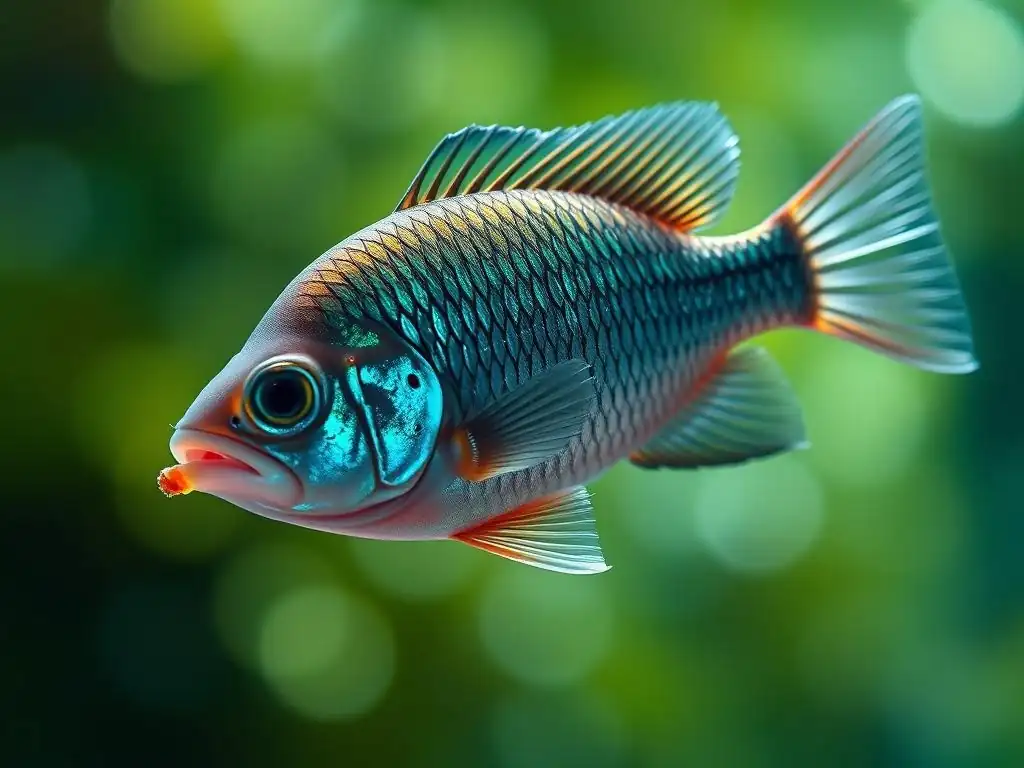
Establishing an appropriate feeding frequency and portion size is crucial for the health of your Corydoras and the overall water quality of your aquarium. Generally, Corydoras should be fed once or twice daily, offering small amounts of food that they can consume within 5 to 10 minutes. Overfeeding is a common mistake that can lead to significant problems, including poor water quality due to uneaten food decaying, and health issues for the fish, such as fatty liver disease or swim bladder problems. It's always better to underfeed slightly than to overfeed.
When determining portion sizes, consider the number of Corydoras in your tank and their size. For a small group of 5-6 adult Corydoras, a pinch of high-quality sinking pellets, or a small cube of frozen food (thawed), might suffice for one feeding. Observe their behavior; if food remains on the substrate after 10 minutes, you are likely feeding too much. Adjusting the quantity until all food is consumed efficiently ensures they receive adequate nutrition without compromising the tank environment, reflecting a mindful approach to Corydoras fish diet variations.
Best Practices for Feeding Corydoras in a Community Tank
Feeding Corydoras in a community tank requires strategic planning to ensure these bottom-dwellers receive adequate nutrition without being outcompeted by more aggressive or faster-feeding tank mates. A common best practice is to feed sinking foods specifically designed for bottom feeders, such as pellets, wafers, or frozen foods, which quickly reach the substrate where Corydoras forage. This prevents mid-water or surface feeders from consuming all the food before it reaches the Corydoras. Distributing the food across several spots on the tank bottom can also help, reducing competition among the Corydoras themselves and allowing all individuals access.
Another effective strategy, especially in tanks with very active surface feeders, is to feed Corydoras after the main tank lights have been turned off for the night. Many Corydoras species are crepuscular, meaning they are most active during twilight hours, and feeding them in the dark allows them to forage without the pressure of other fish. This method ensures that the Corydoras fish diet variations you provide are actually consumed by the target species. Always observe your fish during feeding to confirm that your Corydoras are indeed getting enough to eat and are not showing signs of malnourishment.
Preventing Nutritional Deficiencies in Corydoras
Recognizing Signs of Malnutrition in Corydoras
Recognizing the early signs of malnutrition in Corydoras is critical for prompt intervention and preventing long-term health issues. One of the most common indicators is faded coloration; vibrant patterns may become dull or disappear entirely, signifying a lack of essential vitamins and minerals, particularly carotenoids. Another clear sign is stunted growth, where individuals remain significantly smaller than their tank mates of the same age, indicating insufficient protein or overall caloric intake. Emaciation, characterized by a sunken belly or a noticeably thin body profile, especially behind the pectoral fins, points to severe underfeeding or chronic nutrient deficiency.
Beyond physical appearance, behavioral changes can also signal malnutrition. Lethargy, reduced activity levels, or a lack of interest in food when offered are red flags. Malnourished Corydoras may also exhibit weakened immune systems, making them more susceptible to common aquarium diseases like fin rot, fungal infections, or bacterial infections, even in otherwise stable water parameters. Regular observation of your Corydoras' appearance and behavior, coupled with a commitment to providing Corydoras fish diet variations, is key to catching and addressing dietary issues before they become severe.
Supplementing Your Corydoras Diet with Vitamins
Even with a varied feeding regimen, occasionally supplementing your Corydoras' diet with vitamins can provide an extra layer of nutritional insurance, particularly during stressful periods or for fish recovering from illness. Liquid vitamin supplements specifically formulated for aquarium fish can be added directly to the tank water or, more effectively, soaked into their food before feeding. Soaking a small amount of sinking pellets or frozen food in a few drops of a vitamin supplement for 10-15 minutes ensures that the vitamins are directly ingested, maximizing their bioavailability.
This supplementary approach is especially beneficial for wild-caught Corydoras, which may arrive with pre-existing nutritional deficiencies, or for breeding pairs, as vitamins like Vitamin E are crucial for reproductive success. While not a substitute for a diverse and balanced Corydoras fish diet variations plan, strategic vitamin supplementation can boost their immune system, enhance their natural coloration, and promote overall vitality. Always follow the manufacturer's instructions for dosage to avoid over-supplementation, which can also be detrimental.
Exploring Specific Food Options for Corydoras
The Benefits of Blackworms for Corydoras
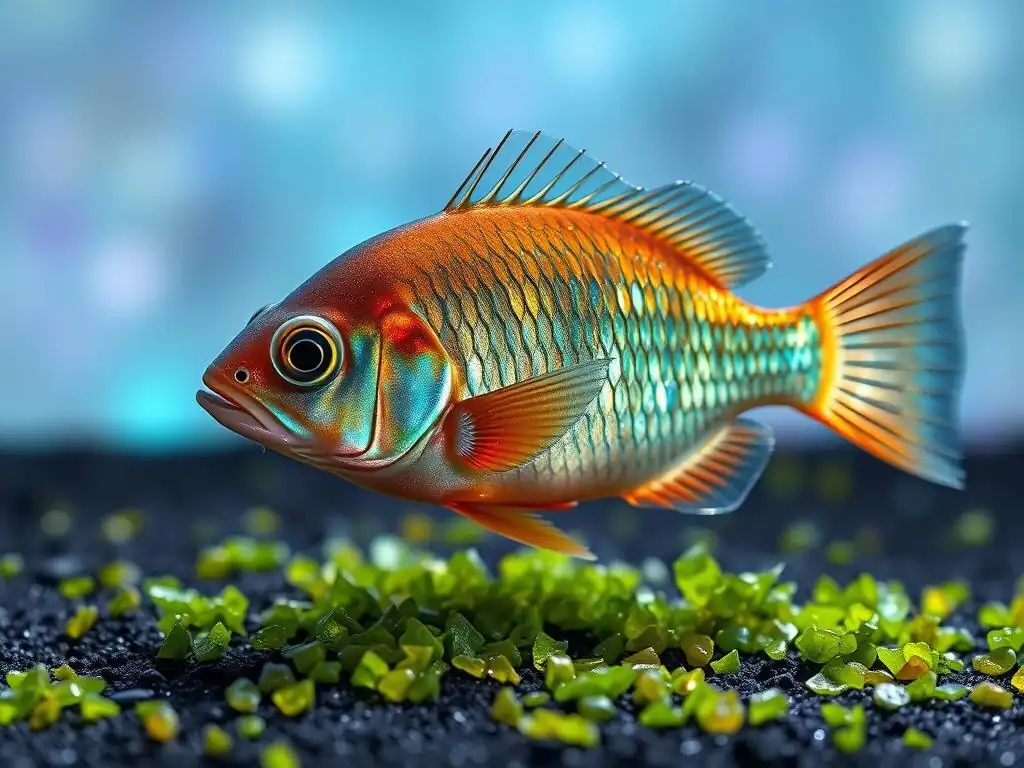
Blackworms (Lumbriculus variegatus) are a highly prized and exceptionally beneficial live food for Corydoras, widely recognized for their high protein content and palatability. These slender, reddish-brown worms are eagerly consumed by most Corydoras species, providing a significant boost of essential amino acids and fatty acids crucial for growth, vibrant coloration, and reproductive readiness. Many aquarists report that feeding blackworms regularly can stimulate spawning behavior in previously reluctant breeding pairs, likely due to the rich nutritional profile mimicking a natural abundance of food.
Beyond their nutritional value, blackworms also provide valuable enrichment by encouraging natural foraging behaviors. As they burrow into the substrate, Corydoras will actively sift through the gravel or sand to find them, mimicking their natural feeding habits in the wild. When incorporating blackworms into your Corydoras fish diet variations, it's important to source them from a reputable supplier to ensure they are clean and disease-free. A thorough rinse before feeding is always recommended to remove any impurities. Their high protein content makes them an excellent supplementary food, offered a few times a week.
Daphnia and Bloodworms: Treats for Corydoras
Daphnia and bloodworms, both commonly available in frozen form, serve as excellent supplemental treats within a Corydoras fish diet variations plan, each offering distinct nutritional benefits. Daphnia, small crustaceans, are not only a good source of protein but also act as a natural laxative due to their chitinous exoskeletons, which can aid digestion and prevent constipation, especially in Corydoras fed a rich, protein-heavy diet. They also provide valuable trace minerals and carotenoids, contributing to overall health and color.
Bloodworms, the larvae of midge flies, are perhaps one of the most popular frozen foods due to their high protein and iron content, making them particularly effective for enhancing the color and vitality of Corydoras. While highly nutritious, they should be offered as a treat rather than a staple due to their richness and potential to contribute to water quality issues if overfed. Both daphnia and bloodworms provide variety in texture and nutrient profile, stimulating the Corydoras' appetite and ensuring a broader intake of essential elements, making them valuable components of a diverse feeding regimen.
Maintaining Water Quality Through Proper Feeding
Reducing Waste and Preventing Algae Blooms
Proper feeding practices are intrinsically linked to maintaining pristine water quality in an aquarium, directly impacting the health of Corydoras and preventing common issues like excessive waste and algae blooms. Overfeeding is one of the primary culprits behind deteriorating water parameters. When too much food is introduced, uneaten portions settle on the substrate, decompose, and release ammonia, nitrites, and nitrates. This decomposition process not only directly pollutes the water but also provides a rich nutrient source for undesirable algae, leading to unsightly blooms that can quickly overrun the tank.
By adhering to the principle of "feed what they can eat in 5-10 minutes," aquarists can significantly reduce the amount of organic waste in the tank. This minimizes the burden on the biological filter, helps maintain stable pH levels, and keeps ammonia and nitrite levels at zero, which are critical for the sensitive Corydoras. Careful portion control and offering Corydoras fish diet variations that are fully consumed ensures that nutrients are utilized by the fish rather than becoming pollutants, thus promoting a cleaner, healthier environment and reducing the need for frequent, drastic water changes.
The Impact of Overfeeding on Corydoras Health and Tank Environment
Overfeeding has profound negative impacts on both Corydoras health and the overall tank environment, far outweighing any perceived benefits. For Corydoras, chronic overfeeding can lead to severe internal health issues such as fatty liver disease, where excess fat accumulates in their organs, impairing function and potentially leading to premature death. It can also cause digestive problems, swim bladder issues, and a weakened immune system, making them more susceptible to various diseases. Their active foraging can turn into sluggishness as their digestive systems become overwhelmed.
From an environmental perspective, overfeeding rapidly degrades water quality. Uneaten food decomposes, leading to spikes in ammonia and nitrite, which are highly toxic to fish. Even if the biological filter can process these into nitrates, consistently high nitrate levels necessitate more frequent and larger water changes, increasing maintenance burden. Furthermore, the excess nutrients fuel aggressive algae growth, cloudiness, and can foster harmful bacterial blooms. Therefore, precise and responsible feeding, emphasizing Corydoras fish diet variations without excess, is paramount for the long-term well-being of the fish and the stability of the aquatic ecosystem.
Adapting Corydoras Diet to Different Life Stages
Feeding Fry (Baby Corydoras)
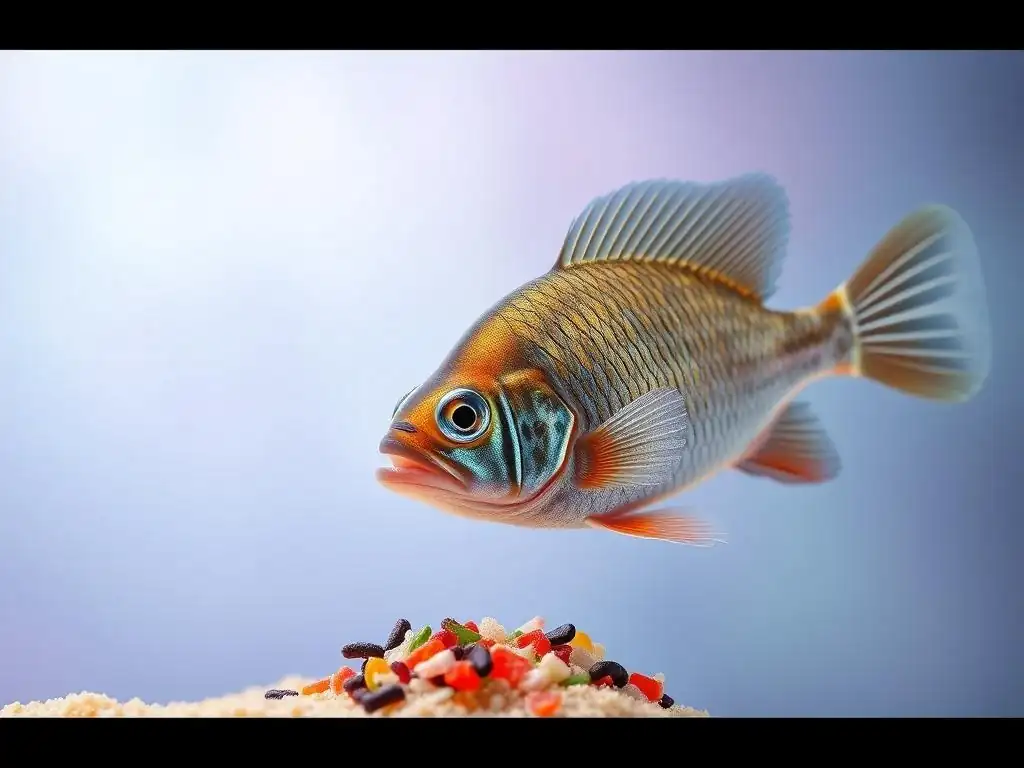
Feeding Corydoras fry, or "wrigglers" as they are affectionately known, requires a specialized approach due to their minuscule size and rapid growth rate. Newly hatched fry have very small mouths and require microscopic food sources. For the first few days post-hatch, infusoria, which are naturally occurring microscopic organisms, are an ideal first food.
As they grow slightly, typically after 3-5 days, they can transition to microworms, vinegar eels, or finely crushed high-quality flake or sinking pellet food. Newly hatched brine shrimp are also an excellent protein-rich option once the fry are large enough to consume them, usually around 5-7 days old.
The key to successfully raising Corydoras fry is frequent, small feedings. They have high metabolic rates and need constant access to food to support their rapid development. Feeding them 3-5 times a day, or even more for very young fry, is often necessary. Ensure that the food sinks to the bottom where they forage and that any uneaten food is promptly removed to maintain pristine water quality, which is paramount for their delicate systems. Gradually, as they grow, their Corydoras fish diet variations can expand to include larger crushed foods and eventually the same varied diet as adults.
Dietary Considerations for Adult Corydoras
Adult Corydoras benefit immensely from a consistent and diverse feeding regimen that maintains their health, vibrancy, and encourages natural behaviors. While the foundational principles of protein-rich, sinking foods remain, the dietary considerations for adults focus on sustaining their condition and supporting potential breeding activities. A core diet of high-quality sinking pellets or wafers, offered daily, should be complemented by regular additions of live or frozen foods such as bloodworms, brine shrimp, daphnia, and blackworms several times a week. This blend ensures they receive a full spectrum of amino acids, essential fatty acids, and trace elements.
Incorporating blanched vegetables like zucchini or shelled peas once or twice a week also contributes to their digestive health and provides additional vitamins, adding valuable Corydoras fish diet variations. For breeding adults, increasing the frequency of protein-rich live or frozen foods can help condition them for spawning. The overall goal is to prevent nutritional monotony and ensure that every meal contributes to their robust health, active foraging, and vibrant coloration, leading to a longer, healthier life in the aquarium.
Troubleshooting Common Corydoras Feeding Problems
Addressing Finicky Eaters
Occasionally, Corydoras may exhibit finicky eating habits, refusing certain foods or appearing reluctant to feed. This can be a sign of stress, illness, or simply a preference for certain food types. When addressing finicky eaters, the first step is to rule out underlying health issues or poor water quality, as these can significantly impact appetite. Once health and water parameters are confirmed to be stable, focus on varying the Corydoras fish diet variations. If they consistently refuse a new food, try offering it again a day or two later, or mix it with a food they readily accept.
Introducing new foods slowly and in small quantities can also help. Some Corydoras might be shy or intimidated by faster-feeding tank mates; in such cases, feeding after lights out can be effective, allowing them to forage undisturbed. If a Corydoras is refusing all foods, a short period of fasting (one day) can sometimes stimulate their appetite, followed by offering a highly palatable live food like blackworms or microworms. Patience and consistent experimentation with different food types, textures, and feeding times are key to encouraging finicky eaters to accept a broader diet.
Dealing with Competition from Other Tank Mates
Competition for food is a common challenge in community aquariums, especially for bottom-dwelling Corydoras who can be easily outcompeted by faster, more aggressive mid-water or surface feeders. To ensure your Corydoras receive adequate nutrition, strategic feeding is essential. Always use sinking foods like pellets, wafers, or thawed frozen foods that quickly reach the substrate. Distributing the food widely across the tank bottom can help, allowing more timid Corydoras to access food away from dominant tank mates.
A highly effective method is to feed the main tank inhabitants first with their preferred floating or mid-water foods, then immediately follow up with sinking foods specifically for the Corydoras. This distracts the faster eaters, giving the Corydoras a window of opportunity to feed. Alternatively, feeding after the main lights have been turned off for the evening can be beneficial, as many Corydoras are more active in low light and other fish are less so. Consistent observation during feeding times will help you fine-tune your approach, ensuring that your Corydoras fish diet variations are fully utilized by the target fish.
Conclusion: Ensuring a Healthy and Happy Life for Your Corydoras Through Diet
Frequently Asked Questions
What are the main types of food that Corydoras fish should eat?
Corydoras thrive on a varied diet, including sinking pellets or wafers, live or frozen foods such as bloodworms and brine shrimp, and even blanched vegetables. This ensures they receive all the necessary nutrients for optimal health.
Why is a varied diet so important for Corydoras health and coloration?
A monotonous diet can lead to nutritional deficiencies which impact their immune system and overall well-being. A varied diet provides a broader spectrum of vitamins and minerals, enhancing their natural vibrant colors and promoting healthy growth.
Can I feed my Corydoras fish only flake food?
While Corydoras may occasionally eat flake food that sinks to the bottom, it should not be their primary food source. Flake food often lacks the essential nutrients and density required for their specific dietary needs. Supplemental sinking foods are essential.
How often should I feed my Corydoras fish?
Feed your Corydoras once or twice a day, providing only the amount they can consume within a few minutes. Overfeeding can lead to water quality issues and obesity. A good rule is to observe their feeding behavior to adjust accordingly.
What are some signs that my Corydoras are not getting a proper diet?
Signs of a poor diet can include lethargy, faded coloration, stunted growth, and increased susceptibility to diseases. Regularly observing your Corydoras and adjusting their diet based on these observations is crucial for their health.
Final Reflection: Cultivating Corydoras Vitality Through Diet
The insights shared throughout this article highlight the crucial role of dietary diversity in maintaining the health and vibrancy of Corydoras fish. It's clear that simply providing a single type of food, even if it's marketed as "complete," falls short of meeting their complex nutritional needs, leading to potential health issues and diminished well-being. Understanding and implementing a varied feeding regimen is not just a suggestion, but a fundamental aspect of responsible Corydoras care, ensuring these delightful bottom-dwellers thrive in our aquariums.
The impact of a well-rounded Corydoras fish diet variations extends beyond mere survival; it directly influences their coloration, activity levels, and overall resilience. Witnessing the vibrant energy and shimmering scales of a Corydoras thriving on a diverse diet is a testament to the power of proper nutrition. As the saying goes, Let food be thy medicine and medicine be thy food,
and this holds true even for our aquatic companions. By embracing the principles of dietary variation, we not only enhance their lives but also deepen our connection with these fascinating creatures.
Now, consider the lessons learned about Corydoras fish diet variations and how they resonate with broader principles of well-being. Just as a varied diet nourishes Corydoras, a diverse approach to life enriches our own experiences. Let us strive to provide not only the best possible care for our aquatic friends but also to cultivate a similar richness and balance in our own lives, embracing the variety that makes life truly vibrant.
Nourish Your Corydoras: Unlock Their Full Potential!
Thanks for diving into the dietary needs of your Corydoras! We hope you’ve gained a clearer understanding of how to keep these delightful bottom-dwellers thriving. Now, let's put that knowledge into action and witness the difference a tailored diet can make.
- Implement a diverse feeding schedule: Introduce at least three different food types into your Corydoras' weekly diet to ensure they receive a broad spectrum of nutrients.
- Share your Corydoras feeding tips with fellow enthusiasts. Join our Aquarium Mastery community forum and let's exchange insights!
- Try making your own DIY Corydoras treat! Experiment with vegetable purees and small amounts of protein and share your recipe in the comments below.
What innovative feeding strategy will you try first to enhance the well-being of your Corydoras?