
Common Swordtail Diseases: Prevention & Treatment Strategies

Welcome to Aquarium Mastery, your ultimate resource for creating thriving aquatic ecosystems!
Are your Swordtails looking a little under the weather? Dive in to our comprehensive guide on Swordtail disease prevention and treatment, and learn how to keep these vibrant fish healthy and happy. Discover effective strategies to combat common ailments and ensure a long and flourishing life for your finned friends. Let's unlock the secrets to a thriving Swordtail aquarium together!
- Understanding Swordtail Health: An Introduction
-
Common Swordtail Diseases and Their Symptoms
- Ich (White Spot Disease) in Swordtails: Identification and Early Signs
- Fin Rot in Swordtails: Causes and Visual Indicators
- Columnaris (Cotton Mouth Disease) Affecting Swordtails: Symptoms and Progression
- Dropsy in Swordtails: Recognizing the Swollen Appearance
- Parasitic Infections in Swordtails: Identifying External Parasites
- Swordtail Disease Prevention: Proactive Strategies
-
Swordtail Disease Treatment: Effective Strategies
- Treating Ich (White Spot Disease) in Swordtails
- Raising Water Temperature: An Alternative Ich Treatment Method
- Treating Fin Rot in Swordtails
- Addressing Underlying Causes of Fin Rot in Swordtail Tanks
- Treating Columnaris (Cotton Mouth Disease) in Swordtails
- Isolating Infected Swordtails to Prevent Spread
- Treating Dropsy in Swordtails
- Epsom Salt Baths for Dropsy Relief in Swordtails
- Treating Parasitic Infections in Swordtails
- Identifying and Eliminating Parasites from the Tank
- Long-Term Swordtail Health: Post-Treatment Care
- Advanced Swordtail Care: Boosting Immunity and Disease Resistance
- Conclusion: Ensuring a Healthy and Vibrant Swordtail Aquarium
-
Frequently Asked Questions
- What are some common diseases that affect Swordtails?
- How can I prevent diseases in my Swordtail aquarium?
- What are the early signs of disease in Swordtails that I should watch for?
- What is the best treatment for Ich (white spot disease) in Swordtails?
- How important is quarantine for new Swordtails to prevent disease outbreaks?
- Final Reflection: A Future of Healthy Swordtails
- Ignite Your Aquarium: Master the Art of Swordtail Care!
Understanding Swordtail Health: An Introduction
The Importance of Proactive Swordtail Disease Management
Proactive management of swordtail health is paramount for any aquarist aiming for a thriving aquarium. These vibrant livebearers, while generally hardy, are susceptible to a range of common freshwater fish diseases if their environmental needs are not met. Neglecting early signs or proper husbandry can quickly lead to widespread illness, causing significant stress to the fish, potential fatalities, and considerable effort in "swordtail disease treatment." A preventive approach not only saves time and resources but also ensures the long-term well-being and vibrant display of your swordtail population.
Implementing robust "swordtail disease prevention" strategies significantly reduces the pathogen load in the tank and strengthens the fish's natural immunity. For instance, maintaining stable water parameters and providing a nutritious diet can cut down disease incidence by over 70% compared to tanks with inconsistent care. This proactive stance means fewer emergencies, less reliance on harsh medications, and a more enjoyable experience for the aquarist, allowing them to focus on the beauty and breeding behaviors of these fascinating fish.
Recognizing Signs of Illness in Your Swordtails
Early recognition of illness is a critical component of effective "swordtail disease prevention treatment." Healthy swordtails are typically active, display vibrant coloration, have clear eyes, and exhibit a strong appetite. Any deviation from these normal behaviors or appearances should immediately raise a red flag and prompt closer observation. Early detection allows for prompt intervention, which can be the difference between a swift recovery and a devastating loss.
Common indicators of distress or disease include lethargy, loss of appetite (anorexia), clamped fins held close to the body, rapid or labored breathing, unusual swimming patterns like darting or flashing against tank decor, and faded coloration. Physical signs might include visible spots, lesions, frayed fins, bloating, or unusual growths. For example, a swordtail repeatedly rubbing itself against gravel or plants might be indicating an external parasite, while a fish with a distended abdomen and scales protruding like a pinecone is likely suffering from dropsy.
Common Swordtail Diseases and Their Symptoms
Ich (White Spot Disease) in Swordtails: Identification and Early Signs
Ichthyophthirius multifiliis, commonly known as Ich or White Spot Disease, is one of the most prevalent and recognizable parasitic infections in freshwater aquariums, frequently affecting swordtails. This ectoparasite manifests as small, white, salt-like spots, typically 0.5 to 1 mm in diameter, scattered across the fish's body, fins, and gills. These spots are actually cysts encasing the mature parasite, which burrows into the fish's skin for nourishment.
Early signs of Ich in swordtails often precede the visible white spots. Infected fish may become lethargic, lose their appetite, and exhibit behavioral changes such as "flashing" – rubbing their bodies against tank decorations or substrate in an attempt to dislodge the irritating parasites. Their fins might appear clamped, and in severe gill infestations, they may gasp at the surface due to respiratory distress, as the parasites compromise gill function.
Fin Rot in Swordtails: Causes and Visual Indicators
Fin rot is a common bacterial infection that can rapidly deteriorate the fins of swordtails, often stemming from poor water quality, overcrowding, or pre-existing injuries. The causative bacteria, often Aeromonas, Pseudomonas, or Flexibacter species, typically attack fish already weakened by environmental stressors. It's crucial to understand that while bacterial, fin rot is almost always a secondary infection, meaning an underlying issue has compromised the fish's immune system.
Visually, fin rot progresses from a slight fraying or milky discoloration at the edges of the fins to severe disintegration, leaving fins ragged, shredded, or even completely eroded down to the base. The affected edges may appear opaque white, red, or black due to tissue necrosis and inflammation. In advanced cases, the infection can spread to the body, causing ulcers and potentially leading to systemic infection and death if not addressed with appropriate "swordtail disease treatment."
Columnaris (Cotton Mouth Disease) Affecting Swordtails: Symptoms and Progression
Columnaris, caused by the bacterium Flavobacterium columnare, is a highly contagious and aggressive disease often mistaken for a fungal infection due to its characteristic cotton-like appearance. While it's frequently referred to as "Cotton Mouth Disease" because of the white, fuzzy lesions that commonly appear around the mouth, it can affect any part of the fish's body, including fins, gills, and skin, leading to rapid tissue decay.
Symptoms in swordtails include a greyish-white film or tufts that resemble cotton or saddle-like lesions on the back, particularly near the dorsal fin. Fins may appear frayed and necrotic, similar to fin rot, but the progression is often much faster. Gills can become infected, leading to rapid breathing, gill erosion, and eventually suffocation. Untreated, Columnaris can lead to death within 24-72 hours, making immediate "swordtail disease treatment" critical.
Dropsy in Swordtails: Recognizing the Swollen Appearance
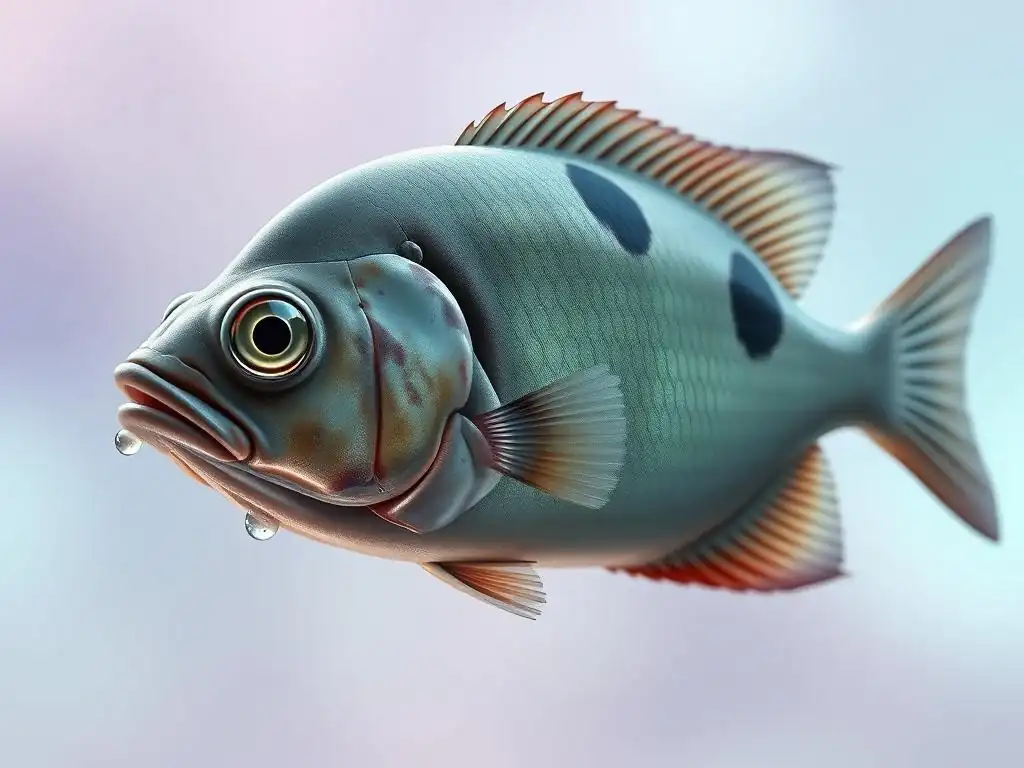
Dropsy is not a disease itself but rather a symptom of an underlying internal issue, typically kidney failure or severe internal bacterial infection, which leads to fluid accumulation within the fish's body cavity. This fluid buildup causes the fish to swell, giving it a distinctive and often fatal appearance. It is a sign of advanced internal distress and often indicates that the fish's organ systems are failing.
The most striking visual indicator of dropsy in swordtails is the severe bloating of the body, accompanied by the protrusion of scales, making the fish resemble a pinecone. Other symptoms may include lethargy, loss of appetite, pale gills, sunken eyes, and difficulty swimming due to the swelling. While an external symptom, the root cause is internal, making "swordtail disease treatment" for dropsy particularly challenging and often with a poor prognosis.
Parasitic Infections in Swordtails: Identifying External Parasites
Swordtails can be susceptible to various external parasitic infections beyond Ich, including flukes (trematodes), anchor worms (Lernaea), and fish lice (Argulus). These parasites attach to the fish's skin, fins, or gills, feeding on blood or tissue and causing irritation, stress, and secondary bacterial or fungal infections. Identifying the specific parasite is crucial for effective "swordtail disease treatment."
Symptoms of external parasitic infections in swordtails vary but commonly include increased flashing or scratching against tank objects, visible parasites on the body (e.g., small worms or disc-shaped lice), rapid gill movements, dull coloration, and general lethargy. Fish may also exhibit frayed fins, open sores, or red inflamed areas where parasites have attached. For example, anchor worms appear as small, thread-like worms protruding from the fish's body, while fish lice are flat, oval, and visible to the naked eye.
Swordtail Disease Prevention: Proactive Strategies
Maintaining Optimal Water Quality for Swordtail Health
Maintaining pristine water quality is the single most critical factor in "swordtail disease prevention." Poor water conditions are the leading cause of stress and disease in aquarium fish, weakening their immune systems and making them susceptible to pathogens that are otherwise harmless. Consistent monitoring and proactive measures ensure a stable and healthy environment.
Ideal water parameters for swordtails include a pH range of 7.0 to 8.0, ammonia and nitrite levels at 0 parts per million (ppm), and nitrate levels consistently below 20 ppm, ideally closer to 10 ppm. Water temperature should be maintained between 72-82°F (22-28°C), with minimal fluctuations. Regular testing with a reliable liquid test kit is essential to track these parameters and identify any deviations before they become problematic.
Regular Water Changes: A Key to Swordtail Disease Prevention
Regular partial water changes are fundamental to maintaining optimal water quality and are a cornerstone of "swordtail disease prevention." Over time, organic waste from fish excretions, uneaten food, and decaying plant matter accumulates, leading to a build-up of nitrates and other dissolved solids. While nitrates are less toxic than ammonia or nitrite, high levels can still stress fish and suppress their immune response.
A typical recommendation for swordtail tanks is to perform a 25-30% water change weekly. For heavily stocked tanks or those with larger bioloads, more frequent or larger water changes (e.g., 50% bi-weekly) might be necessary. This process dilutes harmful pollutants, replenishes essential minerals, and removes excess organic matter that could otherwise fuel bacterial or parasitic outbreaks. Always ensure the new water is dechlorinated and temperature-matched to avoid shocking the fish.
The Importance of Proper Filtration for Swordtail Tanks
Proper filtration is indispensable for a healthy swordtail aquarium, providing mechanical, biological, and often chemical filtration that works synergistically to maintain water quality. Mechanical filtration removes particulate matter like uneaten food and debris, preventing their decomposition and subsequent ammonia release. Biological filtration, powered by beneficial bacteria, is arguably the most crucial, converting toxic ammonia into nitrite and then into less harmful nitrate.
Chemical filtration, often achieved with activated carbon, removes dissolved organic compounds, odors, and discolorations, further enhancing water clarity and purity. A well-sized filter for your tank volume and bioload, with regular maintenance (e.g., rinsing filter media in old tank water), ensures efficient waste processing. This constant removal of toxins significantly reduces stress on swordtails, making them far more resilient to potential diseases and a vital part of "swordtail disease prevention."
Monitoring Water Parameters: pH, Ammonia, Nitrite, and Nitrate Levels for Swordtails
Consistent monitoring of key water parameters—pH, ammonia, nitrite, and nitrate—is non-negotiable for effective "swordtail disease prevention treatment." These parameters directly impact the health and stress levels of your swordtails. Ammonia and nitrite are highly toxic, even in small concentrations, leading to gill damage and organ failure. Nitrates, while less acutely toxic, can suppress immunity and cause chronic stress if allowed to accumulate above 20 ppm.
For swordtails, maintaining a stable pH between 7.0 and 8.0 is ideal, as they prefer slightly alkaline to neutral water. Ammonia and nitrite levels should always read zero. Regular testing, ideally weekly, allows you to identify any fluctuations or spikes immediately. If ammonia or nitrite is detected, immediate action (e.g., large water change, reduced feeding, checking filtration) is required to prevent severe health consequences, highlighting the importance of vigilance in "swordtail disease prevention."
Providing a Balanced Diet for Healthy Swordtails
A balanced and varied diet is fundamental to boosting the immune system of swordtails, making them more resistant to diseases. Just like humans, a well-nourished fish is better equipped to fight off pathogens and recover from stress. Over-reliance on a single type of food, particularly low-quality flakes, can lead to nutritional deficiencies that compromise overall health and vitality.
Swordtails are omnivores, requiring a mix of plant-based and protein-rich foods. Their diet should include high-quality flakes or pellets specifically formulated for livebearers, supplemented with a variety of other foods. This nutritional diversity is a core element of "swordtail disease prevention," as it ensures they receive all necessary vitamins, minerals, and macronutrients.
Nutritional Needs of Swordtails: Avoiding Deficiencies
Swordtails thrive on a diet that caters to their omnivorous nature, meaning they need both animal and plant matter. A high-quality flake food should form the staple of their diet, providing essential proteins, fats, and carbohydrates. However, relying solely on flakes can lead to deficiencies over time. Protein content should typically be around 35-45% for optimal growth and health.
To avoid deficiencies, supplement their diet with vegetable matter, such as blanched zucchini, spirulina flakes, or specialized veggie pellets. Occasional offerings of protein-rich foods like brine shrimp (live or frozen), bloodworms, or daphnia provide crucial amino acids and fats. Ensuring this varied intake helps maintain strong immune systems, directly contributing to "swordtail disease prevention" by making them more resilient to common ailments.
The Role of Live Foods in Swordtail Health
Live foods, when sourced responsibly, can play a beneficial role in the diet of swordtails, mimicking their natural feeding behaviors and providing highly bioavailable nutrients. Foods like live brine shrimp, daphnia, and microworms offer excellent protein and stimulate their hunting instincts, which can reduce stress and improve overall vigor. The movement of live foods often encourages finicky eaters to feed, ensuring they receive necessary sustenance.
However, caution must be exercised when introducing live foods, as they can inadvertently introduce parasites or bacteria into the aquarium, potentially undermining your "swordtail disease prevention" efforts. Sourcing from reputable breeders or culturing your own live foods can mitigate this risk. Use live foods as a supplement rather than a primary food source, offering them perhaps 2-3 times a week, to provide a nutrient boost without risking water quality or disease introduction.
Quarantine New Swordtails: Preventing Disease Introduction
Quarantining new swordtails before introducing them to your main display tank is perhaps the single most effective "swordtail disease prevention" strategy. Even seemingly healthy fish can carry dormant pathogens or external parasites that may not show symptoms until stressed by a new environment. Introducing an infected fish can devastate an entire established community, leading to widespread disease and the need for extensive "swordtail disease treatment."
A quarantine tank should be a separate, fully cycled aquarium, ideally 5-10 gallons, with its own heater and filter. New fish should be kept in this tank for a minimum of 2-4 weeks. During this period, observe them closely for any signs of illness, such as white spots, clamped fins, lethargy, or unusual growths. Perform regular small water changes and feed a high-quality diet. If any disease manifests, it can be treated in isolation, preventing its spread to your established fish population.
Avoiding Overcrowding: Reducing Stress and Disease Risk in Swordtail Tanks
Overcrowding is a significant stressor for swordtails and a major contributor to disease outbreaks, directly undermining "swordtail disease prevention." When a tank is overstocked, the bioload (amount of waste produced) quickly overwhelms the filtration system, leading to a rapid deterioration of water quality. High levels of ammonia, nitrite, and nitrate result, which constantly stress the fish and suppress their immune systems.
Beyond water quality issues, overcrowding leads to increased aggression, competition for food and space, and reduced oxygen levels, all of which contribute to chronic stress. Stressed fish are far more susceptible to common diseases like Ich, fin rot, and Columnaris. A general guideline is to allow at least 1-2 gallons of water per inch of adult swordtail, though more space is always better. Providing adequate space reduces stress, promotes natural behaviors, and significantly enhances the effectiveness of your "swordtail disease prevention" efforts.
Swordtail Disease Treatment: Effective Strategies
Treating Ich (White Spot Disease) in Swordtails
When Ich is identified in swordtails, prompt "swordtail disease treatment" is essential due to the parasite's rapid life cycle. Several effective medications are available over-the-counter, commonly containing ingredients such as malachite green, formalin, or copper sulfate. Malachite green is often combined with formalin for a synergistic effect, targeting different life stages of the Ich parasite. Copper-based treatments are also highly effective but must be used with caution as copper can be toxic to invertebrates and some sensitive fish species.
Before administering any medication, it is crucial to remove activated carbon from the filter, as it will absorb the active ingredients, rendering the treatment ineffective. Always follow the manufacturer's dosage instructions precisely, as under-dosing may not eradicate the parasite, while over-dosing can harm or kill your fish. A typical treatment course may last 3-7 days, with daily dosing and partial water changes between doses, ensuring the medication concentration remains stable and effective.
Raising Water Temperature: An Alternative Ich Treatment Method
Raising the water temperature is a widely used and effective alternative or complementary "swordtail disease treatment" for Ich, particularly beneficial for those preferring a less chemical approach or needing to treat fish sensitive to medication. The Ich parasite's life cycle is temperature-dependent; increasing the temperature accelerates its development from the embedded trophont stage within the fish's skin to the free-swimming theront stage, which is vulnerable to treatment.
Gradually increase the tank temperature by 1-2°F (0.5-1°C) per hour, aiming for a range of 82-86°F (28-30°C). Maintain this elevated temperature for at least 10-14 days to ensure all life stages of the parasite are eliminated. During this period, it is vital to increase aeration significantly, as warmer water holds less dissolved oxygen, which can stress the fish. While effective, this method alone may not be sufficient for severe infestations and can be combined with salt treatment or medications for enhanced efficacy.
Treating Fin Rot in Swordtails
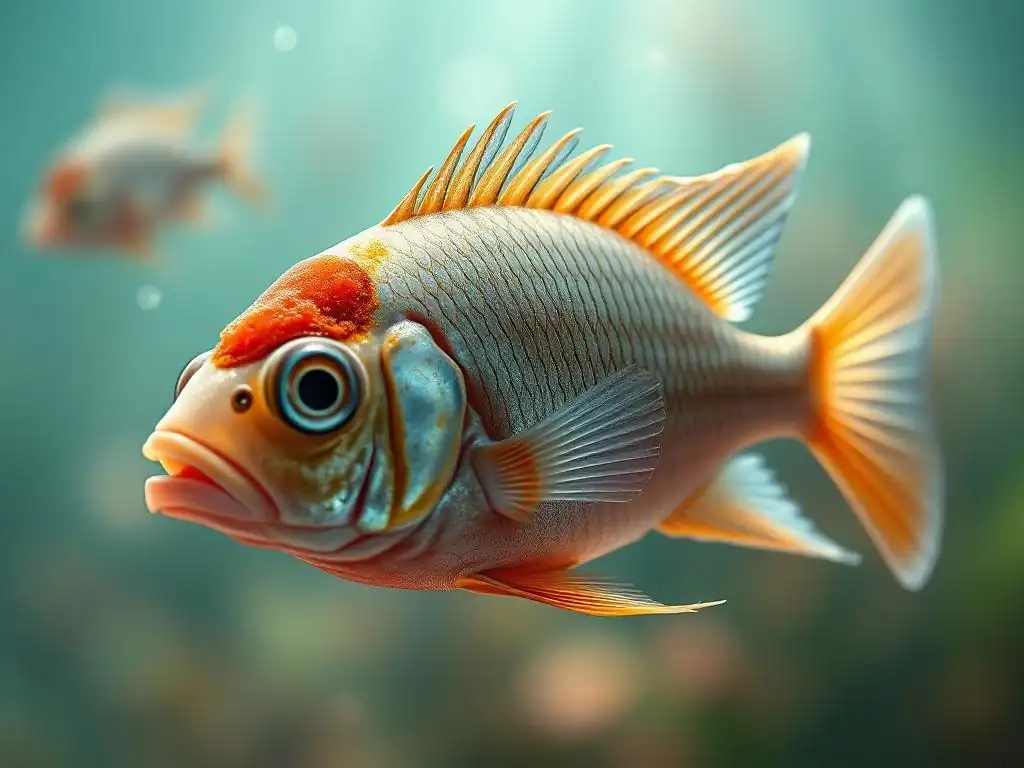
"Swordtail disease treatment" for fin rot primarily involves addressing the underlying cause (e.g., poor water quality, stress) and administering appropriate antibiotics to combat the bacterial infection. Broad-spectrum antibiotics like Furan-2 (nitrofurazone), Maracyn (erythromycin), or KanaPlex (kanamycin) are commonly used and can be highly effective. These medications work by inhibiting bacterial growth, allowing the fish's immune system to recover and repair damaged tissue.
When using antibiotics, it is crucial to follow the dosage instructions precisely and complete the full course of treatment, even if symptoms improve, to prevent a relapse and the development of antibiotic-resistant strains. Remove activated carbon from the filter during treatment, as it will absorb the medication. In cases where the fin rot is severe and has progressed to the body, a more intensive treatment, potentially in a hospital tank, may be necessary to isolate the affected fish and provide targeted care.
Addressing Underlying Causes of Fin Rot in Swordtail Tanks
Treating fin rot successfully in swordtails goes beyond just administering antibiotics; it critically involves identifying and rectifying the underlying environmental stressors that predisposed the fish to the infection. Without addressing these root causes, the fin rot is highly likely to recur, even after successful medication. The primary culprits are almost always poor water quality, overcrowding, or high stress levels.
Immediately after noticing fin rot, perform a significant water change (e.g., 50%) and thoroughly gravel vacuum the substrate to remove accumulated organic waste. Test water parameters rigorously to ensure ammonia and nitrite are zero and nitrates are below 20 ppm. Assess your tank's stocking density and filtration capacity; if overcrowded, consider rehoming some fish or upgrading your filter. Addressing these fundamental issues is paramount for long-term "swordtail disease prevention treatment" and ensuring the complete recovery of your fish.
Treating Columnaris (Cotton Mouth Disease) in Swordtails
Columnaris is a highly aggressive and fast-acting bacterial infection, making immediate and decisive "swordtail disease treatment" essential. Effective medications typically include strong broad-spectrum antibiotics such as KanaPlex (kanamycin), Furan-2 (nitrofurazone), or a combination of both. These medications are effective against Gram-negative bacteria, which Flavobacterium columnare is. Some aquarists also report success with treatments containing oxytetracycline or sulfathiazole.
Due to the rapid progression of Columnaris, beginning treatment at the earliest sign of symptoms is critical for survival. Always follow the specific dosage and treatment duration recommended by the medication manufacturer. As with other treatments, remove activated carbon from the filter during medication to ensure the active ingredients remain in the water. For severe outbreaks, a combination of medications might be necessary, and treating the entire tank is often recommended due to the contagious nature of the disease.
Isolating Infected Swordtails to Prevent Spread
When Columnaris is diagnosed in swordtails, isolating the infected fish into a separate hospital tank is a crucial step in "swordtail disease treatment" to prevent the rapid spread of this highly contagious bacterium to healthy tank mates. A hospital tank allows for targeted treatment with higher medication concentrations if needed, without exposing the entire community to potentially harsh chemicals, and makes observation and individual care much easier.
The hospital tank should be fully cycled, heated, and filtered, mimicking the main tank's conditions as closely as possible to minimize additional stress. While the infected fish are being treated in isolation, it's also advisable to perform a large water change and thorough cleaning of the main display tank to reduce the bacterial load. This dual approach of treating the sick fish and sanitizing the primary environment significantly improves the chances of recovery for the infected swordtails and protects the rest of your community.
Treating Dropsy in Swordtails
"Swordtail disease treatment" for dropsy is notoriously challenging because it is a symptom of severe internal organ failure, often due to bacterial infection, poor water quality, or chronic stress, rather than a primary disease itself. Success hinges on identifying and treating the underlying cause, which is often difficult to pinpoint. If the dropsy is caused by a bacterial infection, broad-spectrum antibiotics like KanaPlex or Furan-2 administered via a hospital tank are often the first line of defense.
Alongside medication, rigorous attention to water quality is paramount. Perform large, immediate water changes (50% or more) and ensure all parameters (ammonia, nitrite, nitrate) are optimal. Providing a high-quality, easily digestible diet can also support the fish's recovery. Unfortunately, by the time scales begin to protrude (the "pinecone" effect), the internal damage is often extensive, and the prognosis for dropsy is generally poor, making "swordtail disease prevention" through excellent husbandry even more critical.
Epsom Salt Baths for Dropsy Relief in Swordtails
While not a cure for the underlying cause of dropsy, Epsom salt (magnesium sulfate, not table salt) baths can provide symptomatic relief by helping to draw out excess fluid from the fish's body, reducing the severe bloating and "pinecone" appearance. This can alleviate pressure on internal organs and make the fish more comfortable, potentially buying time for the primary "swordtail disease treatment" to take effect.
For a short-term bath, a common concentration is 1 teaspoon of Epsom salt per gallon of water in a separate container for 15-30 minutes, observing the fish closely. For treatment in a hospital tank, a lower concentration of 1-3 teaspoons per 5 gallons can be used for a longer duration, typically for several days. Ensure the Epsom salt is pure magnesium sulfate without added scents or chemicals. Remember, Epsom salt is supportive care; it must be combined with efforts to diagnose and treat the root cause for any chance of recovery.
Treating Parasitic Infections in Swordtails
Effective "swordtail disease treatment" for parasitic infections requires accurate identification of the specific parasite, as different anti-parasitic medications target different types of organisms. For common external flukes (Gyrodactylus, Dactylogyrus), medications containing praziquantel (e.g., PraziPro) are highly effective. For anchor worms (Lernaea) and fish lice (Argulus), which are crustaceans, treatments like Dimilin (diflubenzuron) or potassium permanganate may be used. Some general anti-parasitic medications containing metronidazole or malachite green can also be effective against a range of protozoan parasites.
Always confirm the parasite before treatment to ensure the correct medication is chosen, as using the wrong one can be ineffective and potentially stress the fish unnecessarily. Follow the manufacturer's instructions meticulously regarding dosage, duration, and water change protocols. As with other treatments, remove activated carbon from the filter during the medication period to ensure full efficacy.
Identifying and Eliminating Parasites from the Tank
Successfully eliminating parasites from a swordtail tank involves not only treating the infected fish but also addressing the parasite's life cycle within the aquarium environment. Many external parasites have free-swimming stages that can re-infect fish after initial treatment if the water is not also treated. For example, Ich, flukes, and fish lice all have stages that exist independently in the water or on the substrate.
After treating the fish with the appropriate anti-parasitic medication, it's crucial to perform thorough gravel vacuuming and large water changes to remove any remaining parasite eggs or free-swimming stages. For certain parasites like anchor worms, manual removal with tweezers (if the fish is large enough and calm) followed by an antiseptic application to the wound can be helpful. For persistent or widespread infestations, it may be necessary to treat the entire tank to break the parasite's life cycle and ensure comprehensive "swordtail disease prevention treatment."
Long-Term Swordtail Health: Post-Treatment Care
Monitoring Swordtails After Treatment: Watch for Relapses
After successfully completing a "swordtail disease treatment" regimen, vigilant monitoring of your swordtails is crucial for several weeks to ensure there are no relapses. Some diseases, particularly parasitic ones like Ich, can have dormant stages or resilient eggs that may hatch after the treatment period, leading to a re-emergence of symptoms. Observe your fish daily for any return of lethargy, clamped fins, spots, or changes in behavior.
Continue to maintain optimal water quality and reduce stress factors during this recovery period. A relapse often indicates that the initial treatment was not fully effective, the underlying cause was not completely addressed, or new pathogens were introduced. Early detection of a relapse allows for prompt re-treatment, often with a slightly different approach or a longer duration, preventing the condition from becoming severe again.
Maintaining a Healthy Aquarium Environment to Prevent Re-Infection
The cornerstone of long-term "swordtail disease prevention" is the consistent maintenance of a healthy and stable aquarium environment. Once a disease has been treated, the focus must shift to preventing re-infection by eliminating the conditions that allowed the disease to take hold initially. This means establishing a robust routine of husbandry practices that support the swordtails' immune systems and minimize pathogen presence.
Key practices include regular partial water changes, thorough gravel vacuuming, and proper filter maintenance. Ensure the tank is not overcrowded and that a balanced, high-quality diet is consistently provided. Avoiding sudden temperature swings, maintaining stable pH, and keeping ammonia and nitrite at zero are non-negotiable. A clean, stable, and stress-free environment is the best defense against disease recurrence and ensures the continued health of your swordtail population.
Continued Water Quality Monitoring and Maintenance
Even after successful "swordtail disease treatment," continued rigorous water quality monitoring and maintenance are absolutely vital. The water parameters are the most direct indicator of your aquarium's health and the primary determinant of your swordtails' well-being. Fluctuations or declines in water quality are immediate stressors that can weaken fish and leave them vulnerable to secondary infections or the return of previously treated ailments.
Establish a consistent schedule for testing pH, ammonia, nitrite, and nitrate levels, ideally weekly. Documenting these readings can help identify trends or potential issues before they become critical. Continue with regular partial water changes (e.g., 25-30% weekly) and ensure your filtration system is functioning optimally, cleaning or replacing media as needed. This unwavering commitment to water quality is the most powerful tool in sustained "swordtail disease prevention" and ensures a thriving, disease-free environment.
Advanced Swordtail Care: Boosting Immunity and Disease Resistance
Using Aquarium Salt Strategically for Swordtail Health
Aquarium salt (sodium chloride, non-iodized) can be a valuable tool in advanced "swordtail disease prevention treatment," especially for livebearers like swordtails, which originate from environments with some mineral content. Used strategically, it can reduce stress, aid in osmoregulation (the process by which fish balance internal water and salt levels), and provide mild antiseptic properties. For instance, a low concentration of 1 teaspoon per 5-10 gallons can help reduce nitrite toxicity during cycling or when fish are stressed, and it can also aid in slime coat production, offering a protective barrier against pathogens.
For treating specific conditions like mild Ich or external bacterial infections, a slightly higher concentration might be used in a hospital tank, but always with caution and precise dosing. It is important to note that aquarium salt does not evaporate and will accumulate if not removed via water changes. While beneficial, it's not a substitute for proper husbandry and should be used judiciously, as some aquarium plants and catfish species are sensitive to salt.
Incorporating Beneficial Bacteria for a Balanced Ecosystem
A balanced and robust ecosystem, rich in beneficial bacteria, is a cornerstone of long-term "swordtail disease prevention" and overall tank health. These nitrifying bacteria (primarily Nitrosomonas and Nitrobacter species) are essential for the nitrogen cycle, converting highly toxic ammonia from fish waste and uneaten food into less harmful nitrate. A strong colony of these bacteria ensures stable water parameters and prevents the accumulation of toxins that stress fish and suppress their immune systems.
While a healthy filter and substrate naturally cultivate these bacteria, commercial beneficial bacteria supplements can be used to jumpstart new tanks, re-establish colonies after medication or power outages, or boost existing populations. Maintaining a consistent temperature and avoiding harsh chemical treatments (like certain medications or excessive cleaning) that can kill beneficial bacteria are crucial. A thriving bacterial colony provides a stable foundation for the entire aquarium, directly reducing the likelihood of "swordtail disease treatment" being necessary.
Supplementing Diet with Vitamins
Supplementing the diet of swordtails with vitamins can significantly boost their immunity and overall disease resistance, moving beyond basic "swordtail disease prevention" to proactive health enhancement. While high-quality fish foods contain essential vitamins, these can degrade over time, especially after the food package is opened. Stress, illness, or breeding can also increase a fish's need for specific nutrients.
Vitamin supplements, often available as liquid drops that can be soaked into flakes or pellets, or added directly to the water, can provide critical nutrients like Vitamin C (ascorbic acid) and Vitamin E. Vitamin C is known to enhance immune function and aid in tissue repair, while Vitamin E acts as an antioxidant. Regular supplementation, perhaps 2-3 times a week, can strengthen a swordtail's natural defenses, making them more resilient to pathogens and better able to recover from environmental stressors, reducing the frequency and severity of needing "swordtail disease treatment."
Conclusion: Ensuring a Healthy and Vibrant Swordtail Aquarium
Key Takeaways for Swordtail Disease Prevention and Treatment.
Ensuring a healthy and vibrant swordtail aquarium hinges on a comprehensive approach that prioritizes "swordtail disease prevention" above all else. The most critical takeaway is that consistent, high-quality husbandry—including meticulous water quality management, appropriate tank size to avoid overcrowding, and a balanced, varied diet—is your primary defense against illness. These proactive measures significantly reduce stress on your swordtails, bolstering their natural immune systems and minimizing their susceptibility to common pathogens.
Should disease strike, early detection is paramount. Vigilant daily observation for subtle changes in behavior or appearance allows for prompt and effective "swordtail disease treatment." Successful intervention often involves isolating affected fish, carefully selecting and administering the correct medication, and crucially, identifying and rectifying the underlying environmental issues that contributed to the illness. By combining diligent prevention with swift, informed treatment, aquarists can enjoy the beauty and vitality of a thriving swordtail community for years to come.
Frequently Asked Questions
What are some common diseases that affect Swordtails?
Swordtails are susceptible to diseases like Ich (white spot disease), fin rot, and fungal infections. These are often caused by poor water quality or stress.
How can I prevent diseases in my Swordtail aquarium?
Prevention is key! Maintain pristine water quality through regular water changes, ensure proper filtration, and avoid overcrowding your tank.
What are the early signs of disease in Swordtails that I should watch for?
Look for changes in behavior, such as lethargy, loss of appetite, or erratic swimming. Also, check for physical signs like white spots, clamped fins, or cloudy eyes.
What is the best treatment for Ich (white spot disease) in Swordtails?
Ich is often treated with aquarium salt and increased water temperature. Certain medications specifically designed for Ich are also available at aquarium stores.
How important is quarantine for new Swordtails to prevent disease outbreaks?
Quarantining new fish is crucial. A separate quarantine tank allows you to observe them for signs of disease and prevent the introduction of pathogens into your main aquarium.
Final Reflection: A Future of Healthy Swordtails
The insights shared throughout this article, focusing on swordtail disease prevention and treatment, are more critical now than ever. As the popularity of these vibrant fish continues to grow, so too does the responsibility of aquarists to ensure their well-being. Understanding and implementing effective preventative measures and treatment strategies is not just about maintaining a beautiful aquarium; it's about upholding ethical standards in fishkeeping and contributing to the overall health of the aquatic ecosystem.
This journey into the world of swordtail diseases has highlighted the delicate balance within our aquariums and the profound impact our actions have on these creatures. My hope is that this article has empowered you to become a more informed and proactive fishkeeper, fostering a deeper appreciation for the complexities of aquatic life. The best way to treat disease is to prevent it in the first place.
This simple truth underscores the importance of diligent observation, proper tank maintenance, and responsible sourcing of our aquatic companions.
Now, I invite you to reflect on your own practices. Are you providing the optimal environment for your swordtails to thrive? Are you vigilant in observing their behavior and identifying potential health issues early on? Let the knowledge gained here inspire you to refine your approach, to prioritize prevention, and to become a champion for the health and well-being of your swordtails. By doing so, you contribute to a future where these magnificent fish can flourish, bringing joy and beauty to our lives for generations to come.
Ignite Your Aquarium: Master the Art of Swordtail Care!
Thank you for diving deep into the world of Swordtail health! We hope you've gained valuable insights into recognizing and preventing common diseases in these vibrant fish. Now, let's put that knowledge into action!
- Implement a proactive quarantine strategy for all new Swordtails, ensuring a disease-free introduction to your community tank.
- Share this article with fellow aquarium enthusiasts – spread the knowledge and help create healthier aquatic communities!
- Explore the fascinating world of natural Swordtail remedies – research effective herbal treatments to keep your fish thriving.
What surprising insight from this article will you incorporate into your aquarium routine today?