
Kubotai Rasbora (Microdevario kubotai): The Neon Green Marvel for Your Tank

Welcome to Aquarium Mastery!
Intrigued by the dazzling shimmer of neon green in the freshwater world? Dive in! This Kubotai Rasbora care guide unlocks the secrets to keeping these tiny marvels thriving in your aquarium. Discover everything you need to know, from ideal tank conditions to compatible tank mates, and prepare to be captivated by their vibrant energy. Ready to unlock the secrets to happy, healthy Kubotai Rasboras? Let's get started!
- Introduction to the Kubotai Rasbora: A Stunning Nano Fish for Freshwater Aquariums
- Kubotai Rasbora Care Guide: Essential Tips for a Thriving School
- Understanding Kubotai Rasbora Behavior and Social Needs
- Breeding Kubotai Rasboras: A Detailed Guide to Successful Spawning
- Maintaining a Healthy and Vibrant Kubotai Rasbora Aquarium
- Troubleshooting Common Kubotai Rasbora Issues
- Breeding Kubotai Rasboras: A Detailed Guide to Successful Spawning
- Maintaining a Healthy and Vibrant Kubotai Rasbora Aquarium
- Troubleshooting Common Kubotai Rasbora Issues
- Where to Buy Kubotai Rasboras: Selecting Healthy Specimens
- Conclusion: Enjoying the Beauty of Kubotai Rasboras in Your Aquarium
- Frequently Asked Questions
- Final Reflection: Embracing the Miniature Wonders
- Ignite Your Aquarium: Embrace the Kubotai Glow!
Introduction to the Kubotai Rasbora: A Stunning Nano Fish for Freshwater Aquariums
Discovering the Microdevario kubotai: Origins and Natural Habitat
The Kubotai Rasbora, scientifically known as Microdevario kubotai, is a captivating freshwater fish renowned for its striking neon green to yellowish-green coloration. This tiny cyprinid, first described in 1999, quickly gained popularity among aquarists for its vibrant appearance and peaceful demeanor. Its discovery in the clear, slow-moving streams of Thailand and Myanmar marked it as a valuable addition to the nano aquarium hobby, offering a splash of intense color in smaller setups.
In their natural habitat, Kubotai Rasboras typically inhabit shallow, pristine waters with dense aquatic vegetation and soft, sandy or muddy substrates. These environments are often characterized by stable water parameters, including a slightly acidic to neutral pH ranging from 6.0 to 7.0 and soft water with a general hardness (GH) usually below 10 dGH. The presence of leaf litter and submerged roots provides ample hiding spots and foraging grounds, mimicking the conditions that contribute to their vibrant health and active schooling behavior in the wild.
Why Choose Kubotai Rasboras? Unique Charm and Aquarium Benefits
Choosing Kubotai Rasboras for your aquarium offers a myriad of benefits, primarily their unparalleled aesthetic appeal. Their iridescent, almost glowing neon green hue is truly unique in the freshwater hobby, making them stand out even in a densely planted tank. When kept in a proper school, their synchronized movements create a dynamic and visually stunning display, transforming a simple aquarium into a living piece of art. This vibrant coloration is often most pronounced when they are comfortable and healthy, making proper Kubotai Rasbora care a rewarding endeavor.
Beyond their beauty, Microdevario kubotai are excellent candidates for nano and community aquariums due to their remarkably peaceful temperament and small size, typically reaching only about 0.8 to 1 inch (2 to 2.5 cm) in length. They have a minimal bioload, meaning they produce very little waste, which helps maintain stable water quality, a crucial aspect of the Kubotai Rasbora care guide. Their non-aggressive nature allows them to coexist harmoniously with other small, peaceful fish and invertebrates, contributing to a diverse and tranquil aquatic environment without the risk of aggression or fin-nipping.
Kubotai Rasbora Care Guide: Essential Tips for a Thriving School
Ideal Tank Setup for Kubotai Rasboras: Creating a Natural Environment
Establishing an ideal tank setup is paramount for the health and vibrancy of your Kubotai Rasboras, aiming to replicate their natural, densely vegetated stream habitats. A well-designed environment not only reduces stress but also encourages their natural schooling behaviors and enhances their brilliant coloration. This involves careful consideration of tank size, substrate, decor, and essential water parameters, all contributing to a comprehensive Kubotai Rasbora care guide.
A stable and mature aquarium is crucial before introducing Microdevario kubotai. Ensure your tank has completed its nitrogen cycle, converting harmful ammonia and nitrite into less toxic nitrates. A robust filtration system, appropriate heating, and regular monitoring of water parameters will create a consistent and safe home for these sensitive nano fish, directly impacting the success of your Kubotai Rasbora care efforts.
Tank Size Recommendations for Microdevario kubotai
Despite their diminutive size, Kubotai Rasboras are active schooling fish that require adequate swimming space to thrive. For a small school of 6-8 individuals, a minimum tank size of 5 gallons (approximately 19 liters) is often recommended. However, a 10-gallon (around 38 liters) aquarium is significantly more stable and provides ample room for a larger school of 10-15 fish, which is ideal for observing their natural behaviors and reducing potential stress.
Larger tanks are always preferable as they offer greater water volume, which helps dilute waste products and maintain more stable water parameters. For instance, in a 10-gallon tank, a school of a dozen Kubotai Rasboras can thrive with consistent water changes and proper filtration. Providing more space allows them to exhibit their schooling behavior more prominently and reduces territorial disputes, even among such peaceful species, making the Kubotai Rasbora care much easier.
Substrate and Decor: Replicating Their Native Habitat
When selecting substrate for your Kubotai Rasbora tank, a dark, fine-grained material like sand or small gravel is highly recommended. A dark substrate not only mimics their natural riverbeds but also helps to bring out their brilliant neon green coloration, as the fish feel more secure against a darker background. Avoid coarse or sharp substrates that could injure their delicate fins.
Decorating the tank with plenty of driftwood, smooth rocks, and dense live plants is essential for replicating their native habitat and providing crucial hiding spots. Fine-leaved plants such as Java Moss ( Taxiphyllum barbieri), Hornwort ( Ceratophyllum demersum), and various stem plants like Rotala or Ludwigia are excellent choices. Floating plants, like Dwarf Water Lettuce ( Pistia stratiotes) or Red Root Floaters ( Phyllanthus fluitans), can also be beneficial, diffusing light and creating a sense of security for these shy fish.
Water Parameters: Maintaining Optimal Conditions for Kubotai Rasboras
Maintaining precise and stable water parameters is a cornerstone of successful Kubotai Rasbora care. They thrive in soft, slightly acidic to neutral water, mirroring the conditions of their natural streams. The ideal temperature range for Microdevario kubotai is between 72-78°F (22-26°C), ensuring their metabolism and immune system function optimally.
Regarding chemical parameters, aim for a pH level between 6.0 and 7.0. While they can tolerate a slightly wider range, consistency is key. General Hardness (GH) should be kept relatively low, ideally between 5-12 dGH (89-214 ppm), and Carbonate Hardness (KH) between 3-8 dKH (53-143 ppm). Regular testing with a reliable aquarium test kit is crucial to monitor ammonia, nitrite, and nitrate levels, ensuring they remain at 0 ppm, 0 ppm, and below 20 ppm respectively, which is vital for comprehensive Kubotai Rasbora care.
Kubotai Rasbora Diet and Feeding: Ensuring Proper Nutrition
Providing a varied and high-quality diet is fundamental to the health, coloration, and longevity of your Kubotai Rasboras. In their natural environment, these omnivorous fish primarily feed on small invertebrates, insect larvae, and micro-organisms. Replicating this diverse diet in the aquarium is key to their vitality and vibrant neon green hues.
A balanced feeding regimen not only supports their immune system but also prevents nutritional deficiencies that could lead to faded colors or disease. Overfeeding should be strictly avoided, as it can quickly lead to poor water quality and health issues. Instead, focus on small, frequent meals throughout the day.
What Do Kubotai Rasboras Eat? A Balanced Diet for Vibrant Colors
Kubotai Rasboras thrive on a diet rich in small, protein-packed foods. High-quality micro pellets or crushed flakes specifically designed for nano fish should form the staple of their diet. Ensure the food particles are small enough for their tiny mouths. Brands like Hikari Micro Pellets or New Life Spectrum Thera-A Small Fish Formula are often well-received.
Supplementing their dry food with frozen and live options is crucial for their overall health and to enhance their vibrant colors. Excellent choices include newly hatched brine shrimp, daphnia, micro-worms, and grindal worms. For example, feeding a small portion of frozen daphnia once or twice a week can significantly improve their digestive health and provide essential nutrients. Providing this varied diet is a vital part of Kubotai Rasbora care.
Feeding Frequency and Portion Control for Microdevario kubotai
Given their small size and active metabolism, Kubotai Rasboras benefit from being fed small amounts multiple times a day rather than one large meal. Feeding them 2-3 times daily, in portions they can consume entirely within 2-3 minutes, is ideal. This approach prevents food from accumulating on the substrate, which can quickly degrade water quality.
It is important to observe your fish during feeding to ensure all individuals are getting enough to eat, especially in a community tank where faster eaters might dominate. Overfeeding is a common mistake in aquarium care and can lead to elevated nitrate levels, algae blooms, and digestive issues for the fish. A good rule of thumb for Kubotai Rasbora care is to feed just enough so that no food remains after a few minutes, preventing waste and promoting a healthy environment.
Kubotai Rasbora Tank Mates: Choosing Compatible Companions
Selecting appropriate tank mates is a critical aspect of ensuring a peaceful and thriving environment for your Kubotai Rasboras. Due to their small size and extremely peaceful nature, they can easily become stressed or preyed upon by larger or more aggressive species. The goal is to choose companions that share similar water parameter requirements and temperament, avoiding any potential competition for food or space.
A well-chosen community of fish will enhance the overall harmony and visual appeal of your aquarium, allowing your Microdevario kubotai to display their natural behaviors without fear. Consideration for their shy nature means avoiding overly boisterous or fast-moving fish that might intimidate them.
Best Tank Mates for Kubotai Rasboras: Peaceful and Small Species
The ideal tank mates for Kubotai Rasboras are other peaceful, small-sized fish that do not exhibit aggressive or territorial tendencies. Excellent choices include other nano rasboras such as Chili Rasboras ( Boraras brigittae) or Ember Tetras ( Hyphessobrycon amandae). Celestial Pearl Danios ( Danio margaritatus) are another popular and compatible option, sharing similar size and care requirements.
Bottom-dwelling species that won't compete for the same swimming space are also suitable. Pygmy Corydoras ( Corydoras pygmaeus) or Salt and Pepper Corydoras ( Corydoras habrosus) are perfect examples, as they are peaceful and enjoy scavenging for leftover food without bothering the rasboras. Peaceful invertebrates like Amano Shrimp ( Caridina multidentata) or Nerite Snails ( Neritina natalensis) can also be excellent additions, contributing to tank cleanliness without posing any threat to the Kubotai Rasboras.
Fish to Avoid: Incompatible Tank Mates for Microdevario kubotai
To ensure the safety and well-being of your Kubotai Rasboras, it is crucial to avoid any fish species that are large, aggressive, or known fin-nippers. Larger Cichlids, such as African Cichlids or even some Dwarf Cichlids, are generally too aggressive and territorial. Similarly, larger Barbs (e.g., Tiger Barbs) are known for their fin-nipping tendencies and fast movements, which can stress or injure Microdevario kubotai.
Betta fish ( Betta splendens) can be unpredictable; while some individual bettas might tolerate small tank mates, many will view tiny rasboras as food or competitors, leading to stress or predation. Other species to avoid include larger Gouramis, most types of Goldfish, and any fish that grows significantly larger than 2-3 inches, as they could potentially prey on the small rasboras. Prioritizing compatibility is a key part of proper Kubotai Rasbora care.
Schooling Behavior of Kubotai Rasboras: Importance of a Group
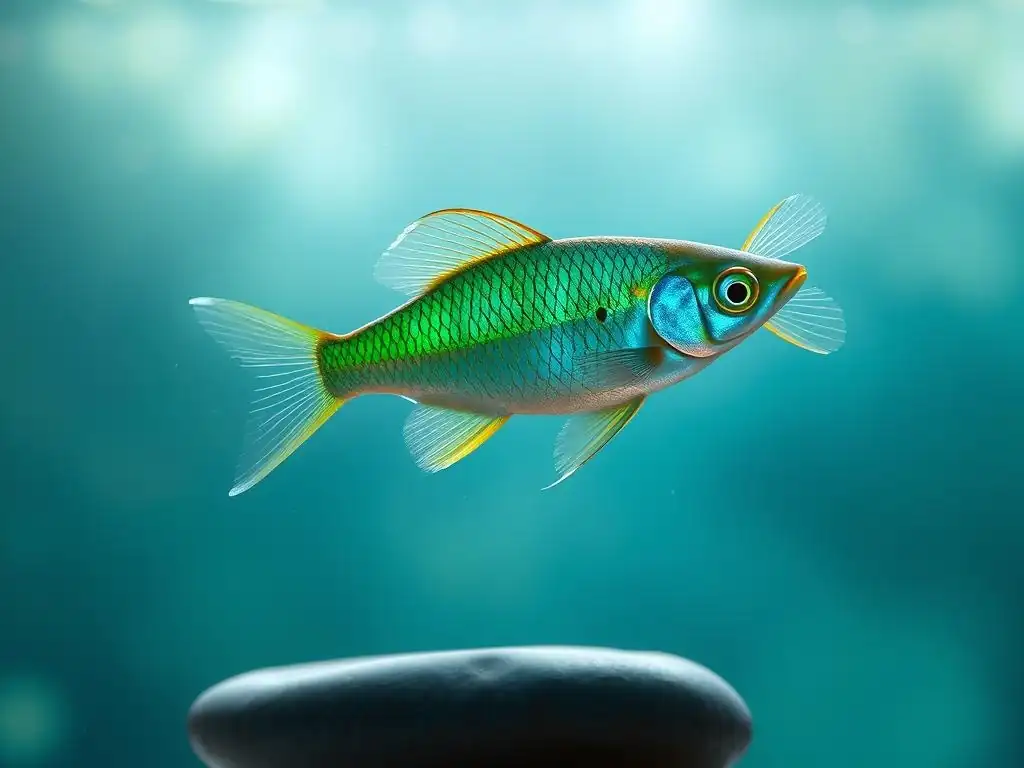
Kubotai Rasboras are quintessential schooling fish, and their well-being is intrinsically linked to being kept in a sufficiently large group. In their natural habitat, schooling provides safety from predators and enhances their foraging efficiency. In the aquarium, this instinct remains strong; a school of at least 6-8 individuals, and ideally 10 or more, is essential for them to feel secure and exhibit their natural behaviors.
When kept in insufficient numbers, Microdevario kubotai can become shy, stressed, and withdrawn, often hiding and displaying faded coloration. Conversely, a large, thriving school will be more active, confident, and their neon green colors will be significantly more vibrant. You'll observe them swimming together in mesmerizing patterns, exploring the tank confidently, and interacting with each other, showcasing the true beauty of their species.
Recognizing Signs of a Healthy and Happy Microdevario kubotai
A healthy and happy Kubotai Rasbora is a vibrant and active addition to any aquarium, and recognizing these signs is fundamental to good Kubotai Rasbora care. Their most prominent indicator of well-being is their intense, consistent neon green to yellowish-green coloration. Faded colors often signal stress, poor water quality, or illness. Healthy individuals will also exhibit clear eyes, intact fins without any fraying or clamping, and a robust body shape without any visible emaciation or bloating.
Behaviorally, a thriving school of Microdevario kubotai will be active, constantly swimming and foraging, especially when food is offered. They will display natural schooling patterns, moving cohesively as a group, rather than scattering or hiding excessively. A good appetite and prompt response to feeding cues are also strong indicators of their health. Any deviation from these behaviors, such as lethargy, erratic swimming, or refusal to eat, should prompt immediate investigation into water parameters or potential disease.
Common Kubotai Rasbora Diseases and Prevention
While generally hardy, Kubotai Rasboras, like all aquarium fish, are susceptible to common freshwater diseases if their environment is not maintained properly. Stress, poor water quality, fluctuating temperatures, and an inadequate diet are primary contributors to weakened immune systems, making them vulnerable. Prevention is always the best approach in Kubotai Rasbora care.
Understanding the common ailments and implementing proactive measures can significantly reduce the risk of disease outbreaks in your Kubotai Rasbora tank. Regular observation of your fish for any changes in appearance or behavior is crucial for early detection and intervention, which can often make the difference between successful treatment and loss.
Identifying and Treating Fish Diseases in Kubotai Rasboras
Common diseases that can affect Kubotai Rasboras include Ich (Ichthyophthirius multifiliis), also known as white spot disease, characterized by small, white spots resembling salt grains on the body and fins. Fin Rot, caused by bacterial infections, manifests as frayed or disintegrating fins. Velvet disease ( Oodinium species) appears as a dusty, yellowish or brownish coating on the fish's skin.
If a disease is suspected, it is often best to quarantine affected fish in a separate hospital tank to prevent spread and administer appropriate medication. For Ich, a common treatment involves gradually raising the tank temperature (if compatible with other tank inhabitants) and using an Ich-specific medication. Fin Rot typically responds to broad-spectrum antibiotics. Always follow medication instructions carefully and ensure proper aeration in the treatment tank.
Preventing Illness Through Proper Aquarium Maintenance
The most effective strategy for preventing illness in Kubotai Rasboras is rigorous and consistent aquarium maintenance. This begins with maintaining stable and optimal water parameters, as outlined in the Kubotai Rasbora care guide, including temperature, pH, and hardness. Regular partial water changes (e.g., 20-30% weekly) are essential to dilute nitrates and replenish vital minerals, preventing the buildup of toxins.
Avoiding overfeeding and overstocking is also critical, as these practices contribute to poor water quality and increased stress. Providing a varied and nutritious diet boosts their immune system, making them more resilient to pathogens. Quarantining new fish for at least 2-4 weeks before introducing them to the main tank is a highly recommended preventative measure to avoid introducing diseases from external sources.
Breeding Kubotai Rasboras: A Detailed Guide to Successful Spawning
Setting Up a Breeding Tank for Microdevario kubotai
Breeding Kubotai Rasboras can be a rewarding experience for dedicated aquarists, though it requires specific conditions. A separate breeding tank is essential to protect the eggs and fry from being eaten by the adults or other tank inhabitants. A small tank, approximately 2-5 gallons (7.5-19 liters), is sufficient for a breeding pair or a small group.
The breeding tank should ideally have a bare bottom or a thin layer of marbles to allow eggs to fall out of reach of the parents. Alternatively, a spawning mop or a dense clump of fine-leaved plants like Java Moss ( Taxiphyllum barbieri) can provide a substrate for egg deposition. The water in the breeding tank should be soft (GH 3-6 dGH) and slightly acidic (pH 6.0-6.5), with a temperature slightly warmer than the main tank, around 75-79°F (24-26°C). A gentle sponge filter is recommended for filtration and aeration, preventing strong currents that could harm eggs or fry.
Spawning Conditions and Egg Care for Kubotai Rasboras
To encourage spawning, condition your Kubotai Rasboras with a high-quality diet of live or frozen foods, such as newly hatched brine shrimp or daphnia, for one to two weeks prior to moving them to the breeding tank. Select a healthy, well-conditioned pair or a group of two males and one female. Spawning typically occurs in the early morning, with the female scattering small, clear, adhesive eggs among the plants or spawning mop.
Once spawning is observed, or if eggs are visible, the adult fish should be immediately removed from the breeding tank. Kubotai Rasboras are egg-eaters and will consume their own progeny if given the opportunity. The eggs are quite small and transparent, making them difficult to spot initially. Dim lighting can help prevent fungus growth on the eggs, and some aquarists add a few drops of methylene blue to the water as an anti-fungal measure.
Raising Kubotai Rasbora Fry: From Hatching to Juvenile
Kubotai Rasbora eggs typically hatch within 2-3 days, depending on the water temperature. The newly hatched fry are extremely tiny and will resemble slivers of glass, often remaining motionless for the first day or two as they absorb their yolk sacs. During this critical period, they do not require feeding.
Once they become free-swimming, usually within 2-4 days post-hatch, the fry require infusoria or other microscopic foods as their initial diet. Liquid fry food or green water (algae-rich water) can also be used. After about a week, they will be large enough to consume newly hatched brine shrimp or microworms. As they grow, gradually introduce finely crushed flakes or micro pellets. Frequent, small water changes (e.g., 10% daily) using aged or dechlorinated water are essential in the fry tank to maintain pristine water quality, as the fry are highly sensitive to pollutants.
Maintaining a Healthy and Vibrant Kubotai Rasbora Aquarium
Regular Water Changes: Maintaining Water Quality for Microdevario kubotai
Regular partial water changes are the single most important aspect of long-term Kubotai Rasbora care and maintaining a healthy aquarium. These small fish are sensitive to accumulating nitrates and dissolved organic compounds, which can quickly degrade water quality and lead to stress or disease. A consistent schedule of water changes prevents this buildup and replenishes essential minerals.
For a well-established Kubotai Rasbora tank, a weekly water change of 20-30% of the tank volume is generally recommended. Always use a reliable water conditioner to neutralize chlorine and chloramines in tap water before adding it to the tank. Ensure the new water is roughly the same temperature as the tank water to prevent temperature shock, which can be detrimental to these delicate fish.
Filtration and Aeration: Essential Components for a Thriving Tank
Effective filtration is crucial for removing physical debris, harmful ammonia, and nitrite from the Kubotai Rasbora aquarium. Given their small size and preference for gentle currents, a sponge filter or a small hang-on-back (HOB) filter with adjustable flow is ideal. Sponge filters provide excellent biological filtration and are safe for fry, making them a popular choice for nano tanks.
Aeration, provided by surface agitation from the filter output or an air stone, ensures adequate oxygen exchange in the water. While live plants contribute oxygen during the day, continuous aeration is vital, especially during the night when plants consume oxygen. Proper filtration and aeration are non-negotiable elements in any comprehensive Kubotai Rasbora care guide, contributing directly to the fish's respiratory health and overall well-being.
Planted Aquariums and Kubotai Rasboras: A Symbiotic Relationship
A heavily planted aquarium offers numerous benefits for Kubotai Rasboras, creating a symbiotic relationship that enhances both the fish's health and the tank's ecosystem. Live plants provide essential hiding spots and visual breaks, which reduce stress for these shy fish and encourage them to display their natural behaviors and vibrant colors more readily. The dense foliage mimics their natural habitat, making them feel secure.
Beyond aesthetics and shelter, aquatic plants play a vital role in water quality management. They absorb nitrates, phosphates, and other waste products produced by the fish, effectively acting as natural filters and helping to maintain stable water parameters. This biological filtration reduces the frequency or volume of water changes needed and contributes to a healthier, more stable environment for your Microdevario kubotai. Plants like Java Moss, Anubias, and various stem plants are excellent choices that thrive in similar conditions to the rasboras.
Troubleshooting Common Kubotai Rasbora Issues
Addressing Loss of Color and Lethargy in Microdevario kubotai
One of the most common signs of distress in Kubotai Rasboras is a noticeable loss of their brilliant neon green coloration, often accompanied by lethargy or increased hiding. This usually indicates stress, poor water quality, or the onset of illness. The first step in troubleshooting should always be to test your water parameters immediately, checking for elevated ammonia, nitrite, or nitrate levels, or significant fluctuations in pH or temperature.
If water parameters are off, perform a partial water change and address the underlying cause (e.g., overfeeding, insufficient filtration). If parameters are stable, consider other stressors such as an inadequate school size (too few fish), aggressive tank mates, or insufficient hiding spots. Improving their diet with high-quality live or frozen foods can also boost their vitality. If no environmental cause is found, observe closely for physical signs of disease, such as spots, clamped fins, or unusual growths.
Dealing with Aggression or Bullying Within the School
While Kubotai Rasboras are known for their peaceful nature, occasional chasing or minor squabbles can occur within a school, particularly if the group size is too small. True aggression or bullying is rare but can manifest if fish are overly stressed or competing for limited resources. If you observe consistent chasing or a single fish being harassed, it's a sign that something in their environment needs adjustment.
The most common solution for perceived aggression is to increase the school size. When kept in a larger group (e.g., 10-15 individuals), the fish feel more secure, and any minor chasing is usually dispersed among the group rather than focused on one individual. Ensure the tank provides ample swimming space and plenty of visual breaks with dense planting and decor, allowing harassed fish to retreat and break line of sight. Overcrowding can also lead to stress, so ensure your tank size is appropriate for the number of fish.
Preventing Algae Blooms in a Kubotai Rasbora Tank
Algae blooms, characterized by excessive green or brown growth on tank surfaces, plants, or decor, are a common issue that can detract from the beauty of a Kubotai Rasbora tank and indicate an imbalance in the ecosystem. The primary causes are usually excess light, excess nutrients (from overfeeding or insufficient water changes), or a combination of both. Addressing these root causes is key to prevention.
To prevent algae, limit your aquarium's light duration to 8-10 hours per day. Avoid direct sunlight hitting the tank. Ensure you are not overfeeding your Kubotai Rasboras, as uneaten food breaks down into nutrients that fuel algae growth. Regular water changes (as per the Kubotai Rasbora care guide) are crucial for removing excess nitrates and phosphates. Introducing algae-eating invertebrates like Nerite Snails or Amano Shrimp can also help control minor algae issues, provided they are compatible with your fish.
Breeding Kubotai Rasboras: A Detailed Guide to Successful Spawning
Setting Up a Breeding Tank for Microdevario kubotai
Breeding Kubotai Rasboras, while not overly difficult, requires a dedicated setup to ensure the survival of eggs and fry. A small, separate breeding tank, typically 2 to 5 gallons (7.5 to 19 liters), is ideal for this purpose. The tank should be kept bare-bottomed or feature a thin layer of marbles, a spawning mop, or a dense bed of fine-leaved plants like Java Moss ( Taxiphyllum barbieri). These elements provide a safe place for the adhesive eggs to be laid and fall, protecting them from parental predation.
The water parameters in the breeding tank are crucial: aim for soft water (around 3-6 dGH) and slightly acidic conditions (pH 6.0-6.5). The temperature should be slightly elevated, ideally between 75-79°F (24-26°C), to encourage spawning. A gentle air-driven sponge filter is highly recommended for filtration, as it provides adequate biological filtration without creating strong currents that could harm the delicate eggs or newly hatched fry.
Spawning Conditions and Egg Care for Kubotai Rasboras
To induce spawning in Microdevario kubotai, condition your chosen breeding pair or group (typically 2 males to 1 female) with a rich diet of live and frozen foods, such as newly hatched brine shrimp, daphnia, and micro-worms, for approximately one to two weeks. This high-protein diet stimulates egg development and overall vigor. Spawning usually occurs in the early morning, with the fish scattering their small, clear, adhesive eggs among the provided spawning medium.
Once eggs are observed, it is imperative to remove the adult fish promptly. Kubotai Rasboras are not parental and will consume their own eggs if left in the breeding tank. The eggs are quite tiny and can be difficult to spot, often appearing as translucent specks. Maintaining dim lighting in the breeding tank can help prevent fungal growth on the eggs, and some aquarists opt to add a very small amount of methylene blue to the water as a prophylactic measure against fungus, ensuring a higher hatch rate.
Raising Kubotai Rasbora Fry: From Hatching to Juvenile
Kubotai Rasbora eggs typically hatch within 2-3 days at optimal temperatures, revealing incredibly tiny, almost invisible fry. For the first 1-2 days post-hatch, the fry will remain motionless, absorbing their yolk sacs, and do not require feeding. Once they become free-swimming, usually by day 3 or 4, their dietary needs become critical.
The initial food source for Kubotai Rasbora fry must be microscopic. Infusoria, green water (water rich in unicellular algae), or commercially available liquid fry foods are excellent choices. After approximately one week, as they grow slightly, they can transition to newly hatched brine shrimp or micro-worms. As the fry continue to grow, gradually introduce finely crushed high-quality flakes or micro pellets. Frequent, small water changes (e.g., 10% daily or every other day) using aged or dechlorinated water are crucial in the fry tank to maintain pristine water quality, as they are highly sensitive to pollutants.
Maintaining a Healthy and Vibrant Kubotai Rasbora Aquarium
Regular Water Changes: Maintaining Water Quality for Microdevario kubotai
Regular partial water changes are the cornerstone of successful Kubotai Rasbora care and maintaining a healthy, vibrant aquarium ecosystem. These small fish are sensitive to the accumulation of nitrates, phosphates, and dissolved organic compounds, which are byproducts of fish waste and uneaten food. Consistent water changes dilute these toxins and replenish essential minerals in the water, crucial for the fish's physiological functions.
For a tank housing Microdevario kubotai, a weekly water change of 20-30% of the total tank volume is highly recommended. Always ensure that the new water is dechlorinated using a reputable water conditioner and that its temperature closely matches that of the aquarium water to prevent temperature shock. Performing water changes diligently helps maintain stable water parameters, reduces stress on the fish, and minimizes the risk of disease outbreaks.
Filtration and Aeration: Essential Components for a Thriving Tank
Effective filtration is paramount for removing physical debris, harmful ammonia, and nitrite from the Kubotai Rasbora aquarium, contributing significantly to their overall health. Given their small size and preference for gentle water flow, a sponge filter is often the ideal choice. Sponge filters provide excellent biological filtration, housing beneficial bacteria that convert toxic compounds, and are perfectly safe for delicate fish and fry, preventing them from being sucked into an intake.
In addition to filtration, adequate aeration is vital to ensure a sufficient supply of dissolved oxygen in the water. Surface agitation, created by the filter's outflow or an air stone, facilitates the exchange of gases between the water and the air. While live plants contribute oxygen during daylight hours, consistent aeration ensures stable oxygen levels, particularly at night when plants respire and consume oxygen. Both proper filtration and aeration are non-negotiable elements in providing optimal Kubotai Rasbora care.
Planted Aquariums and Kubotai Rasboras: A Symbiotic Relationship
A heavily planted aquarium offers a multitude of benefits for Kubotai Rasboras, fostering a symbiotic relationship that enhances both the fish's well-being and the overall tank environment. Live plants provide essential cover and numerous hiding spots, which are crucial for these shy fish. Feeling secure amidst dense foliage encourages them to display their natural behaviors, including their schooling patterns, and intensifies their vibrant neon green coloration.
Beyond providing shelter, aquatic plants play a significant role in maintaining superior water quality. They actively absorb nitrates, phosphates, and other waste products produced by the fish and from decaying organic matter, effectively acting as natural biofilters. This natural nutrient uptake helps to stabilize water parameters, reduce the frequency or volume of necessary water changes, and inhibit unsightly algae growth. Plants like Java Moss, Anubias, Cryptocorynes, and various stem plants thrive in conditions suitable for Kubotai Rasboras and greatly enhance the aesthetic appeal of the aquarium.
Troubleshooting Common Kubotai Rasbora Issues
Addressing Loss of Color and Lethargy in Microdevario kubotai
A noticeable fading of the Kubotai Rasbora's brilliant neon green coloration, often coupled with lethargy or increased hiding, is a clear indicator of stress or underlying health issues. When these symptoms appear, the immediate priority is to assess the aquarium environment. Begin by performing comprehensive water tests to check for elevated levels of ammonia, nitrite, or nitrate, or any significant fluctuations in pH or temperature. These parameters must be within the optimal ranges outlined in the Kubotai Rasbora care guide.
If water parameters are found to be problematic, execute a partial water change (e.g., 25-30%) and identify the cause of the imbalance, such as overfeeding or inadequate filtration. If water quality is stable, consider other stressors: is the school size too small (below 6-8 individuals)? Are there aggressive tank mates? Is there insufficient cover or hiding spots? Improving their diet with more live or frozen foods can also boost their vitality. If environmental factors are ruled out, observe for any physical signs of disease, such as spots, growths, or clamped fins, which would necessitate further investigation and potential treatment.
Dealing with Aggression or Bullying Within the School
While Kubotai Rasboras are renowned for their peaceful temperament, occasional minor chasing or perceived bullying can sometimes occur within a school, particularly if the group size is insufficient. True aggression is exceptionally rare for this species, but signs of stress or harassment, such as a single fish being constantly pursued or appearing withdrawn, warrant attention. This behavior often stems from a feeling of insecurity or competition within a too-small group.
The most effective solution for addressing this behavior is to increase the school size. When kept in a larger group of 10-15 individuals, the fish feel more secure, and any minor social interactions or chasing are usually dispersed among the group, reducing concentrated stress on any single fish. Additionally, ensure the tank provides ample swimming space and plenty of visual breaks, such as dense plant groupings or driftwood, allowing any targeted fish to retreat and break line of sight, which significantly reduces stress and promotes harmonious Kubotai Rasbora care.
Preventing Algae Blooms in a Kubotai Rasbora Tank
Algae blooms, manifesting as unsightly green or brown growths on tank surfaces, plants, and decor, are a common issue that can detract from the beauty of a Kubotai Rasbora aquarium and signal an imbalance in the ecosystem. These blooms are typically fueled by an excess of light, an abundance of nutrients (often from overfeeding or insufficient water changes), or a combination of both factors. Addressing these root causes is paramount for effective prevention and maintaining optimal Kubotai Rasbora care.
To prevent algae, meticulously manage your aquarium's lighting schedule, limiting it to 8-10 hours per day. Avoid exposing the tank to direct sunlight, which can rapidly accelerate algae growth. Crucially, ensure you are not overfeeding your Kubotai Rasboras; uneaten food decomposes, releasing nitrates and phosphates that serve as prime nutrients for algae. Consistent partial water changes, as recommended in this Kubotai Rasbora care guide, are vital for removing excess nutrients. Introducing compatible algae-eating invertebrates, such as Nerite Snails or Amano Shrimp, can also provide a biological control measure for minor algae issues.
Where to Buy Kubotai Rasboras: Selecting Healthy Specimens
Identifying Signs of a Healthy Kubotai Rasbora Before Purchase
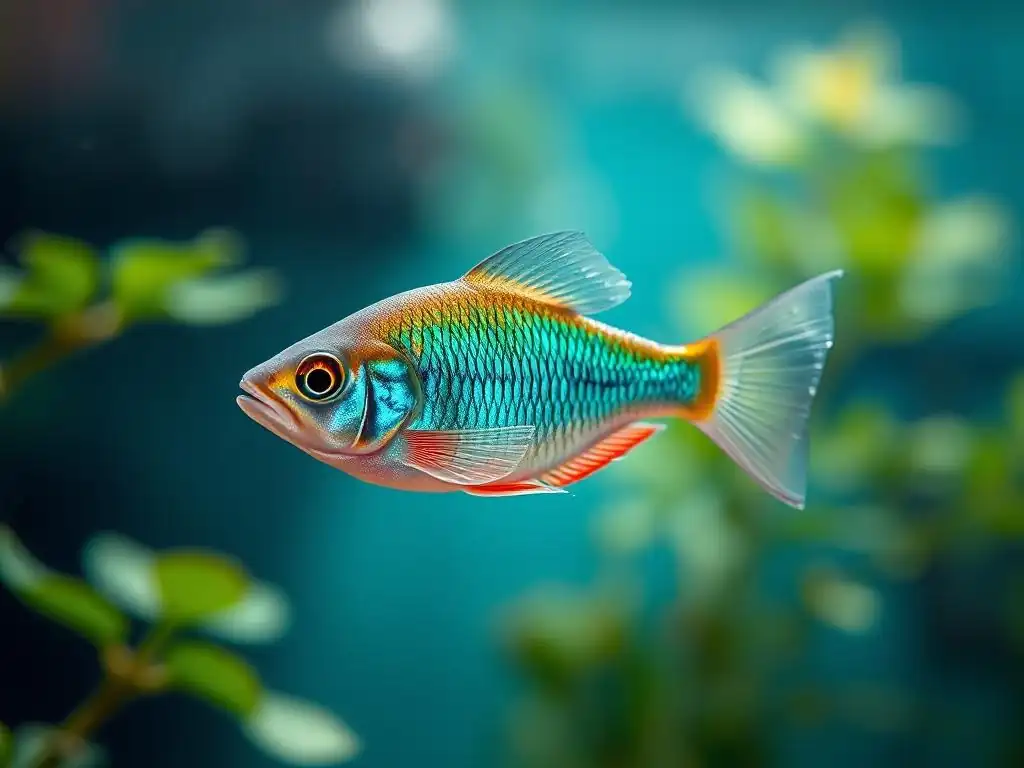
When purchasing Kubotai Rasboras, careful observation is key to ensuring you bring home healthy specimens that will thrive in your aquarium. Look for fish that exhibit vibrant, consistent neon green to yellowish-green coloration. Faded or dull colors can indicate stress or illness. Healthy Kubotai Rasboras should be active and alert, swimming confidently in their school, rather than hiding or appearing lethargic.
Visually inspect each fish for clear eyes, intact fins (no rips, tears, or clamping), and a full, rounded body without any signs of emaciation or bloating. Avoid fish with any visible spots (like Ich), fungal growths, or open sores. It is also advisable to observe the entire tank from which the fish are being sold; if other fish in the tank show signs of disease or distress, it's best to avoid purchasing from that tank altogether, as diseases can spread rapidly.
Reputable Sources for Buying Microdevario kubotai
To ensure you acquire healthy Microdevario kubotai, selecting a reputable source is crucial. Local fish stores with a strong reputation, clean tanks, and knowledgeable staff are often excellent places to start. A good store will be able to provide information on the fish's origin, typical care requirements, and feeding habits. They should also have a clear quarantine policy for new arrivals, minimizing the risk of introducing diseases.
Online vendors specializing in aquatic livestock can also be a reliable option, particularly for rare or specific species like Kubotai Rasboras. When choosing an online source, look for companies with extensive positive reviews, clear shipping policies, and a live arrival guarantee. Reputable online suppliers often have more diverse stock and can provide fish that have been properly quarantined and conditioned before shipment, ensuring a healthier start for your new Kubotai Rasbora school.
Conclusion: Enjoying the Beauty of Kubotai Rasboras in Your Aquarium
Frequently Asked Questions
What are the ideal water parameters for Kubotai Rasboras?
Kubotai Rasboras thrive in slightly acidic water with a pH between 6.0 and 7.0. The ideal temperature range is 72-78°F (22-26°C). Maintaining stable water parameters is crucial for their health.
What should I feed my Kubotai Rasboras?
These fish are small and have correspondingly small mouths. Offer them high-quality flake food crushed into smaller pieces, as well as live or frozen foods like daphnia, brine shrimp, and micro worms.
How many Kubotai Rasboras should I keep together?
Kubotai Rasboras are schooling fish and feel most secure in groups. A minimum of 6 individuals is recommended, but a larger group of 8-12 is even better. This helps reduce stress and encourages natural behaviors.
What tank size is appropriate for Kubotai Rasboras?
A 10-gallon tank is generally considered the minimum for a small group of Kubotai Rasboras. However, a larger tank, like a 20-gallon long, provides more space and allows for a more natural environment, especially if you plan to keep other tank mates.
What are some good tank mates for Kubotai Rasboras?
Choose peaceful and similarly sized fish. Good options include small tetras, pygmy corydoras, and cherry shrimp. Avoid larger, aggressive fish that could intimidate or prey on the rasboras.
Final Reflection: Embracing the Miniature Wonders
The journey into understanding the Kubotai Rasbora, as we've explored in this guide, highlights the profound beauty and responsibility inherent in aquarium keeping. The current surge in popularity of nano aquariums underscores a growing desire to connect with nature on a smaller, more manageable scale, making the Kubotai Rasbora a particularly appealing choice for both novice and experienced aquarists seeking a vibrant splash of life.
The captivating neon green of the Kubotai Rasbora isn't just aesthetically pleasing; it's a reminder of the delicate ecosystems we strive to recreate and maintain within our glass boxes. My own experience observing these tiny fish has instilled a deeper appreciation for the intricate balance required for their well-being. In the end, we will conserve only what we love; we will love only what we understand; and we will understand only what we are taught.
- Baba Dioum. This quote resonates deeply, emphasizing the importance of responsible research and informed care when bringing any living creature into our homes.
Now, armed with this knowledge, I invite you to reflect on your own role in the aquarium hobby. Consider the impact of your choices, not just on the individual fish, but on the broader ecosystem from which they originate. Let the Kubotai Rasbora, with its dazzling color and diminutive size, inspire you to cultivate a deeper understanding and a more sustainable approach to aquarium keeping, ensuring a thriving and vibrant future for these miniature marvels.
Ignite Your Aquarium: Embrace the Kubotai Glow!
Thank you for diving into the captivating world of Kubotai Rasboras! We hope you've discovered the unique charm and vibrant beauty these little gems can bring to your aquarium. Now, let's turn that newfound knowledge into action!
Here are a few ways you can further explore the world of Kubotai Rasboras:
- Plan Your Kubotai Paradise: Start designing the perfect environment for these dazzling fish. Consider plants, tank mates, and water parameters that will help them thrive and showcase their neon green brilliance.
- Share the Spark:Introduce a fellow hobbyist to the magic of Kubotai Rasboras! Spread the word about these captivating fish and inspire others to explore their unique beauty.
- Observe & Adapt: Spend extra time observing your tank. Can you spot any unique Kubotai behaviors? Share what you learn and help grow our collective understanding of these incredible fish!
Ready to create a breathtaking Kubotai display in your own aquarium?