
Guppy Fry First Foods: Nourishing Your Newborns for Rapid Growth

Welcome to Aquarium Mastery!
Ever wondered what secrets lie in feeding your tiny guppy fry for optimal growth? Ensuring your newborns get the right start is crucial. Dive into our guide on Guppy Fry First Foods and unlock the knowledge you need to raise healthy, vibrant guppies. What will your first feeding choice be? Let's find out!
- Understanding the Nutritional Needs of Guppy Fry
-
Top Guppy Fry First Food Options: A Detailed Guide
- Infusoria: Culturing and Feeding Guppy Fry with Microorganisms
- Liquid Fry Food: A Convenient Option for Tiny Guppy Fry
- Powdered Fry Food: Selecting the Right Formula for Guppy Growth
- Baby Brine Shrimp (BBS): Hatching and Feeding Live Food to Guppy Fry
- Microworms: Culturing and Feeding this Nutritious Live Food
- Vinegar Eels: An Alternative Live Food for Guppy Fry
- Crumbled Flake Food: Preparing Adult Food for Guppy Fry
- Egg Yolk: A Homemade Option (Use with Caution)
- Preparing and Feeding Guppy Fry First Foods
- Maintaining Water Quality During Fry Development
- Monitoring Guppy Fry Growth and Health
- Advanced Guppy Fry Feeding Techniques
- Conclusion: Ensuring the Best Start for Your Guppy Fry
-
Frequently Asked Questions
- What is the best first food for guppy fry to encourage rapid growth?
- How often should I feed guppy fry their first food?
- Can I use commercial fry food as a first food for guppies?
- Besides baby brine shrimp and commercial food, what other options exist for guppy fry first food?
- Why is choosing the right first food so crucial for guppy fry survival and development?
- Final Reflection: Nurturing New Beginnings
- Nurture Tiny Lives: Unlock the Secrets to Thriving Guppy Fry!
Understanding the Nutritional Needs of Guppy Fry
Why First Foods are Crucial for Guppy Fry Survival
Guppy fry, upon birth, are incredibly tiny, often measuring only 4-7 millimeters in length. Their rapid metabolism and undeveloped digestive systems demand a constant supply of highly nutritious, easily digestible food immediately after their yolk sac is absorbed, which typically occurs within 24 to 48 hours.
Providing the correct guppy fry first food during this critical period is paramount, as starvation can lead to high mortality rates, often exceeding 50% in the first few days if an adequate food source is not available. Without proper nourishment, fry may become stunted, weak, and highly susceptible to disease, severely impacting their long-term survival and growth potential.
The initial days of a guppy fry's life are characterized by exponential growth. Their tiny mouths can only consume microscopic particles, making the selection of appropriate guppy fry first food essential. This early and consistent feeding promotes robust development of their organs, skeletal structure, and immune system, laying the groundwork for healthy adulthood. For instance, a well-fed guppy fry can double its size within the first week, a stark contrast to underfed fry that may show minimal growth or even perish. Therefore, understanding and implementing a precise feeding strategy from day one is the cornerstone of successful guppy breeding.
Key Nutrients for Optimal Guppy Fry Growth and Development
For optimal growth and development, guppy fry require a diet rich in specific macronutrients and micronutrients. Protein is arguably the most critical component, ideally making up 40-50% of their initial guppy fry diet. This high protein content supports the rapid cell division and tissue formation necessary for their accelerated growth rate. Sources like fish meal, spirulina, and various live foods are excellent for providing this essential protein. Without sufficient protein, fry may exhibit stunted growth, skeletal deformities, or a lack of vitality.
Beyond protein, healthy fats (lipids) provide concentrated energy and aid in the absorption of fat-soluble vitamins, typically making up 8-15% of their diet. Omega-3 and Omega-6 fatty acids are particularly important for brain and nervous system development. Vitamins (like A, C, D, E, and B-complex) and minerals (such as calcium, phosphorus, and iron) are vital micronutrients that support metabolic processes, bone formation, and immune function. A balanced guppy fry first food will incorporate these elements to ensure comprehensive nutritional support, fostering not just survival but vigorous, healthy growth.
Top Guppy Fry First Food Options: A Detailed Guide
Infusoria: Culturing and Feeding Guppy Fry with Microorganisms
Infusoria are microscopic organisms, primarily protozoa, that serve as an excellent guppy fry first food for the initial few days, especially for the smallest fry. Their size, typically ranging from 5 to 500 micrometers, makes them perfectly consumable by newly hatched guppies whose mouths are too small for larger foods. They provide a vital source of initial protein and other nutrients. Many breeders report significantly higher survival rates in the first 24-72 hours when infusoria are consistently provided.
Culturing infusoria is relatively simple and can be done at home. A common method involves adding a few dried banana peels, a piece of lettuce, or a handful of dried hay to a jar of dechlorinated aquarium water and allowing it to sit for several days in a warm, well-lit area. The decaying organic matter encourages the growth of beneficial bacteria, which in turn feed the infusoria.
Once the water appears cloudy, indicating a bloom of microorganisms, small amounts can be siphoned off and added to the fry tank multiple times a day. This self-sustaining source of newborn guppy food ensures a continuous supply without constant purchasing.
Liquid Fry Food: A Convenient Option for Tiny Guppy Fry
Liquid fry foods are commercially prepared products specifically designed as a guppy fry first food for the earliest stages of development. These foods consist of finely suspended particles, often a blend of high-protein ingredients like spirulina, fish meal, and egg derivatives, that remain dispersed in the water column for an extended period. This allows the tiny fry more opportunities to encounter and consume the food, which is crucial given their limited mobility immediately after birth. They are particularly convenient for hobbyists who prefer a ready-to-use option over culturing live foods.
While liquid fry foods offer convenience, it's important to use them judiciously to avoid fouling the water. Overfeeding can quickly lead to an ammonia spike, which is highly detrimental to delicate guppy fry. Manufacturers often recommend adding just a few drops at a time, several times a day. For instance, a common guideline is to feed 2-3 drops per 5 gallons of water, 3-4 times daily. It's advisable to observe the fry's consumption and adjust the quantity accordingly, ensuring that all first food for guppy fry is consumed within a few minutes to maintain pristine water quality.
Powdered Fry Food: Selecting the Right Formula for Guppy Growth
Powdered fry foods represent another excellent commercial option for guppy fry first food, bridging the gap between liquid foods and larger, crumbled flakes. These foods are essentially high-quality, protein-rich flakes or pellets that have been ground into an extremely fine powder, making them suitable for the small mouths of growing guppy fry.
When selecting a powdered fry food, look for formulations with a high protein content, ideally above 45%, and a balanced profile of vitamins and minerals to support rapid growth and development. Brands often specify particle sizes, with some being as fine as 50-150 micrometers, perfect for fry a few days old.
The advantage of powdered guppy fry food is its ease of storage and precise dosing. It can be sprinkled directly onto the water surface, or for better dispersion, mixed with a small amount of tank water before being slowly introduced. This method helps prevent the powder from clumping and sinking too quickly, ensuring it remains suspended for the fry to feed on.
As the guppy fry grow, typically within the first week or two, they can transition to slightly coarser powdered foods, gradually preparing them for larger adult foods. Always ensure the powder disperses well and doesn't cloud the water excessively, indicating proper dosage.
Baby Brine Shrimp (BBS): Hatching and Feeding Live Food to Guppy Fry
Baby brine shrimp (Artemia nauplii) are widely regarded as one of the best guppy fry first food options due to their exceptional nutritional value and irresistible live movement. They are packed with protein (approximately 55-60% dry weight), essential fatty acids, and amino acids, providing a complete and highly digestible meal for rapidly growing fry. Their size, typically around 400-500 micrometers upon hatching, is perfect for guppy fry that are a few days old and can actively hunt. The jerky swimming motion of BBS stimulates the fry's feeding instincts, encouraging vigorous consumption.
Hatching baby brine shrimp at home is a straightforward process requiring a simple setup: a plastic bottle, an air pump, aquarium salt, and brine shrimp eggs. A typical hatching solution involves 1-2 tablespoons of brine shrimp eggs per liter of saltwater (2 tablespoons of salt per liter of dechlorinated water). Under optimal conditions (temperature around 28°C / 82°F and constant aeration), nauplii will hatch within 24-36 hours.
Once hatched, they are separated from the eggshells (which are indigestible) and rinsed before being fed to the fry. Feeding freshly hatched BBS 2-3 times a day significantly boosts growth rates, with many breeders observing a noticeable increase in fry size within just a few days compared to fry fed only dry foods.
Microworms: Culturing and Feeding this Nutritious Live Food
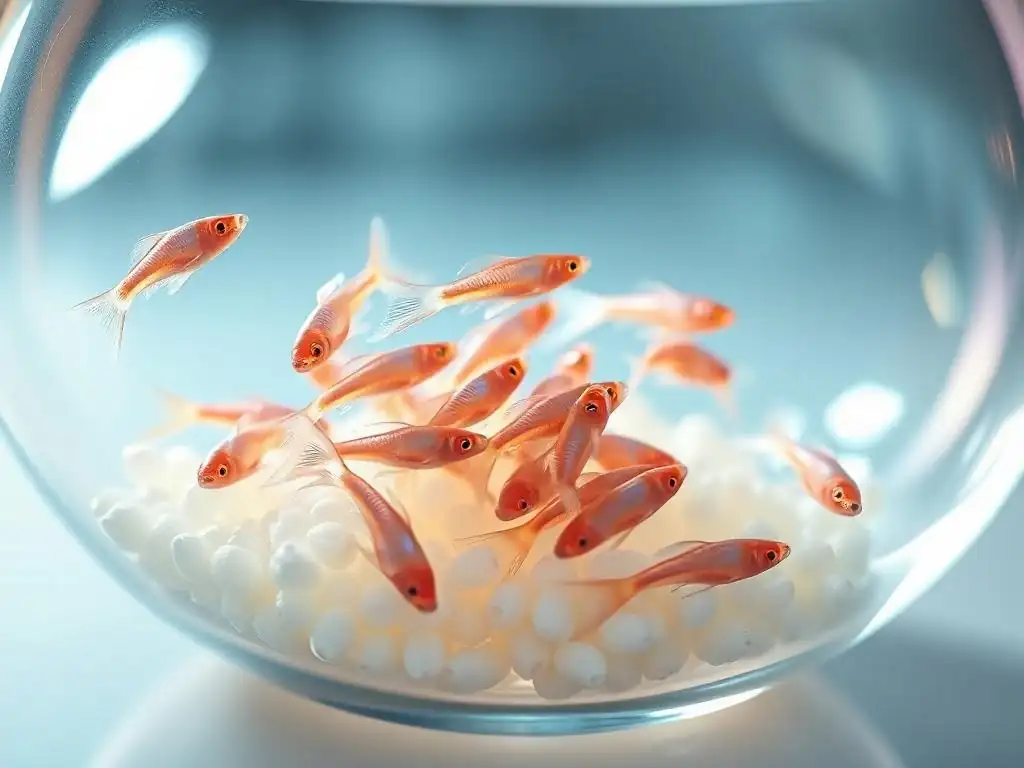
Microworms (Panagrellus redivivus) are small, non-parasitic nematodes that serve as an excellent guppy fry first food for fry that are a few days old. These tiny worms, typically ranging from 50 to 2000 micrometers in length but consumed by fry at their smaller stages, are rich in protein (around 40%) and fats, making them a highly nutritious and easily digestible live food.
Their wriggling motion stimulates the fry's predatory instincts, similar to baby brine shrimp, encouraging active feeding. Unlike brine shrimp, microworms are freshwater organisms and will survive in the aquarium water for several hours, giving the fry ample time to consume them.
Culturing microworms is incredibly simple and cost-effective. A typical culture medium consists of oatmeal mixed with water to a thick paste consistency, placed in a shallow container. A starter culture of microworms is then introduced. Within 3-7 days, the worms will begin to crawl up the sides of the container, where they can be easily collected with a finger or a small brush and swished into the fry tank. This continuous culture provides a steady supply of guppy fry food without the need for daily hatching, making it a convenient live food option for many aquarists.
Vinegar Eels: An Alternative Live Food for Guppy Fry
Vinegar eels (Turbatrix aceti) are another type of nematode, even smaller and thinner than microworms, making them an ideal guppy fry first food for the tiniest of newborns, often even before they can consume microworms or freshly hatched brine shrimp. They are typically 20 to 1000 micrometers long, but their slender bodies make them highly palatable for the smallest fry. What sets vinegar eels apart is their ability to live indefinitely in acidic water conditions, and for several days in neutral aquarium water without dying, providing a continuous food source in the tank until consumed.
Culturing vinegar eels is simple and requires only apple cider vinegar (unpasteurized, with the "mother"), dechlorinated water, and a starter culture. A common ratio is 50% apple cider vinegar to 50% dechlorinated water, with a small piece of apple added as a food source for the bacteria that the eels feed on. The culture is kept in a loosely covered jar at room temperature.
To harvest, the culture is poured through a coffee filter or cotton ball, allowing the eels to pass through while retaining the apple bits. Then, the eels are rinsed and added to the fry tank. Their long survival in the tank makes them a very forgiving first food for guppy fry, reducing the urgency of frequent feeding.
Crumbled Flake Food: Preparing Adult Food for Guppy Fry
While not typically the very first food for guppy fry immediately after birth, finely crumbled adult flake food can become a viable option as the fry grow, usually starting from day 3-7. It serves as a convenient and readily available food source, especially for hobbyists who may not have access to live cultures or specialized fry foods. The key is to ensure the flakes are ground into an extremely fine powder that the tiny mouths of the guppy fry can manage. High-quality adult flakes, rich in protein and spirulina, are recommended for this purpose.
To prepare, take a small pinch of high-quality fish flake food and crush it between your fingers until it resembles a fine powder. Alternatively, use a mortar and pestle or a small coffee grinder dedicated to fish food for a more consistent, finer grind. This powdered guppy fry food can then be sprinkled sparingly onto the water surface.
It's crucial to feed very small amounts frequently to avoid overfeeding and water pollution, as powdered flakes can quickly dissolve and foul the water if left uneaten. As fry mature, the flake particles can be progressively larger, easing their transition to a standard adult diet.
Egg Yolk: A Homemade Option (Use with Caution)
Hard-boiled egg yolk is a traditional homemade guppy fry first food that can provide a highly nutritious, protein-rich option in a pinch. It is incredibly rich in protein (approximately 16%), fats, and vitamins, making it a potent energy source for rapidly growing fry. When properly prepared, the particles can be made extremely fine, suitable for even the smallest mouths. However, due to its high fat content and solubility, egg yolk can rapidly foul aquarium water if not used with extreme caution and in very small quantities.
To prepare, hard boil an egg, then take a tiny portion (e.g., the size of a pinhead) of the yolk. Mash it in a small amount of tank water until it forms a milky suspension. Only a single drop of this suspension should be added to the fry tank at a time.
The goal is for the fry to consume all the guppy fry food within a few minutes. Any uneaten yolk will quickly decompose, leading to dangerous ammonia spikes. Therefore, while it is a viable emergency food, it is generally recommended to use commercial fry foods or live cultures for consistent, long-term feeding to maintain optimal water quality.
Preparing and Feeding Guppy Fry First Foods
How to Prepare Liquid and Powdered Fry Foods
Preparing liquid fry foods is generally straightforward, as they come pre-mixed and ready to use. The primary preparation involves simply shaking the bottle well to ensure the particles are evenly suspended. When feeding, it's crucial to dispense the food slowly and in very small amounts using the dropper provided or by gently squeezing the bottle. For instance, for a 5-gallon fry tank, start with 1-2 drops. Observe how quickly the guppy fry first food disperses and is consumed. If the water clouds significantly or food remains after 5-10 minutes, you are likely overfeeding.
For powdered fry foods, a common preparation method involves taking a tiny pinch of the powder and gently sprinkling it directly onto the water surface of the fry tank. For better dispersion and to prevent clumping, some aquarists prefer to mix a very small amount (e.g., a quarter teaspoon) of the powder with a few milliliters of tank water in a separate small container.
This creates a slurry that can then be slowly introduced into the tank using a pipette or syringe. This method ensures the guppy fry food spreads more evenly throughout the water column, making it accessible to more fry without excessive waste.
Hatching Baby Brine Shrimp for Guppy Fry
Hatching baby brine shrimp (BBS) is a process that typically takes 24-36 hours, making it essential to start a culture a day before your guppy fry are expected. A simple setup involves a clear plastic bottle (like a 2-liter soda bottle) inverted, with the cap end cut off to form a conical shape. Fill the bottle with dechlorinated water and add non-iodized aquarium salt at a ratio of approximately 2 tablespoons per liter (or 1.020-1.025 specific gravity). Then, add 1-2 tablespoons of brine shrimp eggs.
A critical component is vigorous aeration; use an air pump with an air stone placed at the bottom of the bottle to keep the eggs constantly suspended. Maintain the water temperature between 25-29°C (77-84°F) for optimal hatching rates. After 24-36 hours, turn off the air pump and allow the water to settle for 5-10 minutes.
The unhatched cysts will float to the top, and the hatched nauplii (BBS) will gather at the bottom, attracted by light. Siphon the orange nauplii from the bottom into a fine-mesh brine shrimp net, rinse them thoroughly with fresh water to remove any salt, and then feed them as a highly nutritious guppy fry first food.
Culturing Microworms and Vinegar Eels
Culturing microworms is an easy and continuous process. Start with a shallow, airtight container (like a deli cup) and prepare a medium by mixing plain rolled oats (not instant) with water until it forms a thick, paste-like consistency, similar to oatmeal. Spread a thin layer (about 1-2 cm) of this mixture on the bottom of the container. Introduce a small starter culture of microworms onto the oatmeal. Punch a few small air holes in the lid, or leave it slightly ajar, to allow for gas exchange while preventing the medium from drying out too quickly.
Within 3-7 days, depending on temperature (optimal 20-25°C / 68-77°F), you will see worms crawling up the sides of the container. To harvest, simply use a clean finger, a small brush, or a plastic scraper to collect the worms from the sides and then rinse them into your fry tank. This method ensures a constant supply of guppy fry food. For vinegar eels, use a clear jar filled with a 50/50 mixture of unpasteurized apple cider vinegar (with the "mother") and dechlorinated water.
Add a small piece of apple (e.g., a slice or a few chunks) to the jar as a food source for the bacteria the eels consume. Introduce a starter culture. Cover the jar loosely. Eels will gather at the top, attracted to oxygen.
To harvest, use a pipette or turkey baster to skim them off the surface, or pour the culture through a coffee filter placed over a cup of fresh water. The eels will swim through the filter into the fresh water, leaving the vinegar behind. Rinse and feed as an excellent first food for guppy fry.
Proper Feeding Techniques for Guppy Fry
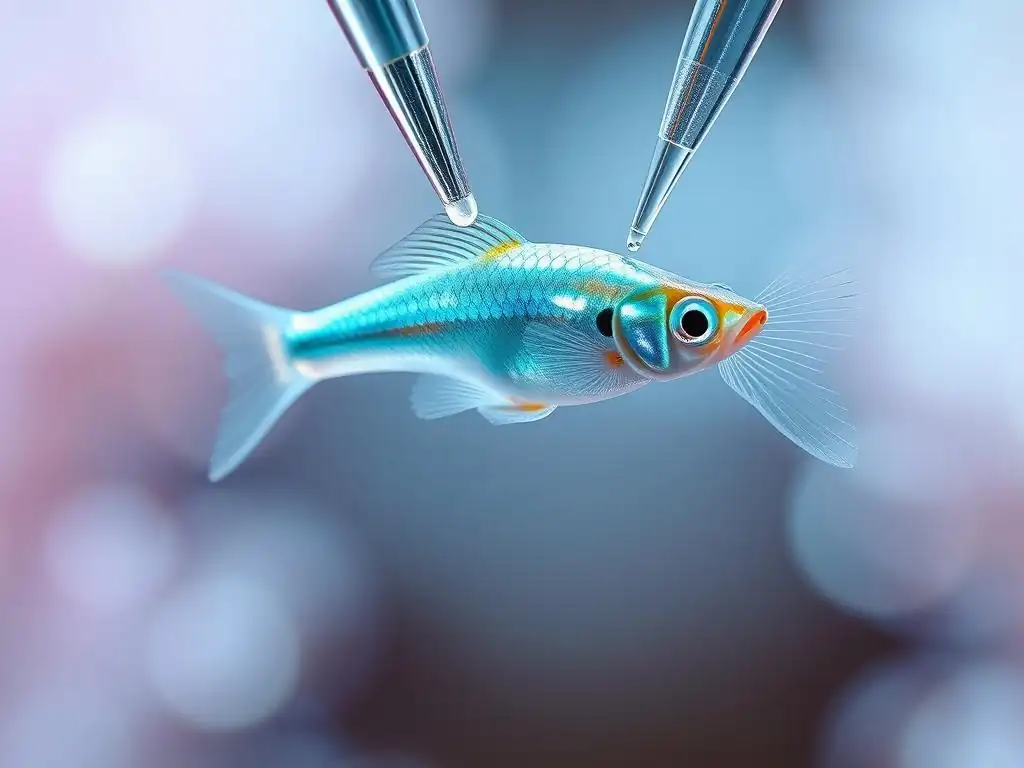
Proper feeding techniques are crucial for maximizing the effectiveness of any guppy fry first food while minimizing water quality issues. The primary rule is to feed very small amounts multiple times a day, rather than large amounts infrequently. Guppy fry have tiny stomachs and high metabolisms, meaning they need a continuous supply of nutrients. When feeding dry foods like powdered fry food or crumbled flakes, sprinkle a minimal amount onto the water surface. Observe the fry's immediate reaction; they should actively swim towards and consume the food. If visible food remains after 5-10 minutes, you have fed too much.
For live foods such as baby brine shrimp, microworms, or vinegar eels, the process is similar. Add a small amount, ensuring the fry are actively consuming them. Live foods have the advantage of remaining viable in the water for longer, giving the fry more time to feed.
However, even with live foods, overfeeding can lead to rapid decomposition if the quantity is excessive, potentially fouling the water. Aim for 4-6 small feedings throughout the day, ensuring each meal is fully consumed within a short period. This frequent, small-portioned approach to guppy fry food optimizes growth and maintains a healthy environment.
Feeding Schedule: How Often to Feed Guppy Fry
A consistent and frequent feeding schedule is vital for the rapid growth and survival of guppy fry. Due to their high metabolism and constant need for energy, guppy fry should be fed much more often than adult guppies. The recommended feeding frequency for guppy fry first food is typically 4 to 6 times a day, spread out evenly throughout the daylight hours. For example, feeding every 2-3 hours from early morning to late evening ensures a continuous supply of nutrients. Some dedicated breeders even opt for 8-10 feedings a day for maximum growth, especially during the first two weeks.
Each feeding should consist of a very small amount of food that can be consumed entirely within 5-10 minutes. This frequent, small-portion approach prevents uneaten food from decaying and polluting the water, which is a common cause of fry mortality.
For instance, if using powdered guppy fry food, a tiny pinch for each feeding is often sufficient for a small group of fry. As the fry grow, their stomachs will expand slightly, and they might be able to handle slightly larger portions, but the principle of frequent, small feedings remains critical for their development until they are ready to transition to larger foods.
Maintaining Water Quality During Fry Development
The Importance of Water Changes for Guppy Fry
Maintaining pristine water quality is arguably as crucial as providing the right guppy fry first food for the successful rearing of guppy fry. Fry are extremely sensitive to ammonia, nitrite, and nitrate fluctuations, and their delicate systems can quickly succumb to poor water conditions. Due to the frequent and often rich feedings required for rapid growth, waste production is high, making daily or every-other-day water changes imperative. Small, frequent water changes are far more beneficial than large, infrequent ones, as they minimize stress on the fry and prevent drastic shifts in water parameters.
For a typical 5-10 gallon fry tank, a daily 10-20% water change is often recommended. This consistent removal of waste products helps keep ammonia and nitrite levels at zero and nitrates at minimal levels, ideally below 10 ppm. Always use dechlorinated water that is temperature-matched to the tank water to prevent thermal shock. Gently siphon water from the bottom of the tank to remove settled detritus and uneaten guppy fry food. This diligent approach to water changes creates a stable and healthy environment, significantly increasing the survival rate of your guppy fry.
Filtration Considerations for Guppy Fry Tanks
When setting up a guppy fry tank, careful consideration of filtration is essential to maintain water quality without harming the delicate fry. Standard power filters or hang-on-back (HOB) filters with strong intakes can easily suck in tiny guppy fry, leading to injury or death. Therefore, these types of filters are generally unsuitable for fry tanks. The best filtration option for a guppy fry setup is typically a sponge filter.
Sponge filters provide excellent biological filtration, housing beneficial bacteria that break down harmful ammonia and nitrites, while also offering gentle mechanical filtration. Their porous surface provides a large area for bacterial colonization, and the gentle bubbling action from the air pump creates minimal current, preventing fry from being pulled in or stressed.
For a 5-10 gallon fry tank, a small to medium-sized air-driven sponge filter is usually sufficient. Ensure the air flow is adjusted to produce a gentle stream of bubbles, providing adequate oxygenation and circulation without creating strong currents that might exhaust the fry or scatter their guppy fry first food.
Avoiding Overfeeding to Prevent Water Quality Issues
Overfeeding is one of the most common and detrimental mistakes made when raising guppy fry, directly leading to severe water quality issues that can quickly wipe out an entire batch. While it might seem intuitive to feed more to promote growth, excess guppy fry first food that goes uneaten rapidly decomposes, releasing ammonia and nitrites into the water. Guppy fry are highly susceptible to these toxic compounds, even at low concentrations, which can cause gill damage, stress, disease, and ultimately death.
To avoid overfeeding, adhere strictly to the principle of "little and often." Each feeding should be a tiny amount that the fry can consume entirely within 5-10 minutes. It's better to underfeed slightly than to overfeed significantly. After each feeding, visually inspect the tank for any lingering food particles.
If you see uneaten food, reduce the amount at the next feeding. Additionally, regularly siphoning the tank bottom to remove any settled debris or uneaten guppy fry food between water changes can further mitigate the risk of water quality degradation. This disciplined approach is paramount for the health and survival of your guppy fry.
Monitoring Guppy Fry Growth and Health
Signs of Healthy Guppy Fry Development
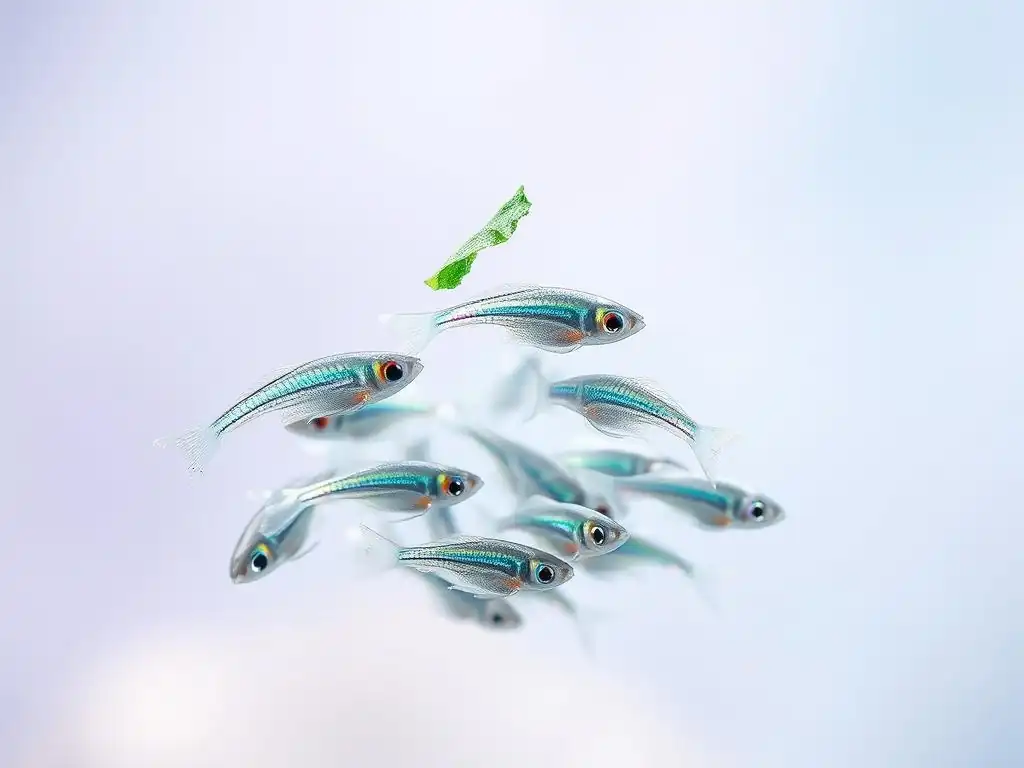
Monitoring your guppy fry is essential to ensure they are thriving on their guppy fry first food and growing properly. Healthy guppy fry exhibit several key indicators of well-being. Firstly, they should be active and curious, constantly swimming around the tank, exploring, and actively searching for food. Lethargy or resting at the bottom for extended periods can be a sign of distress or illness. Secondly, their bellies should appear rounded, especially after a meal, indicating that they are consuming sufficient food. A sunken belly is a clear sign of undernourishment.
Thirdly, observe their growth rate. Healthy guppy fry, when fed appropriately with nutritious guppy fry food, will show noticeable growth daily, increasing in size and developing their adult coloration and finnage relatively quickly. For example, within the first two weeks, healthy fry can easily double their initial size. Finally, look for clear eyes, intact fins, and no visible signs of disease such as white spots (ich), clamped fins, or unusual growths. A strong, consistent swimming pattern and a vibrant appearance are strong indicators that your guppy fry are developing optimally.
Troubleshooting Common Problems with Guppy Fry Feeding
Despite best efforts, challenges can arise when feeding guppy fry. One common problem is fry not eating their guppy fry first food. This can be due to the food particles being too large, the food not being enticing (e.g., non-moving dry food for very young fry), or poor water quality stressing the fry. If fry are not eating, first check water parameters (ammonia, nitrite, nitrate) and perform a small water change if needed. Then, try offering a different, smaller food option, such as infusoria or freshly hatched baby brine shrimp, which are highly stimulating.
Another issue is stunted growth, where fry remain small despite consistent feeding. This often points to insufficient nutrition (e.g., low-protein guppy fry food), chronic poor water quality, or genetic factors. Review your feeding regimen to ensure high-quality, protein-rich foods are being provided. Increase feeding frequency and ensure daily small water changes. If these steps don't improve growth, consider if the tank is overcrowded, which can also inhibit development. Addressing these issues promptly is key to successful guppy fry rearing.
When to Transition Guppy Fry to Adult Food
The transition of guppy fry from their specialized guppy fry first food to adult flake or pellet food is a gradual process that typically begins when the fry are around 3-4 weeks old, sometimes earlier depending on their growth rate. At this stage, their mouths will have grown sufficiently large to handle finely crushed adult flakes. The key is to introduce the new food slowly while continuing to offer their familiar fry foods.
Start by mixing a small amount of finely crushed adult flake food with their regular powdered fry food or baby brine shrimp. Over the course of 1-2 weeks, gradually increase the proportion of the adult flake food while decreasing the amount of fry-specific food.
By 6-8 weeks of age, most guppy fry should be able to comfortably consume standard adult flake food, though many breeders continue to provide a varied diet including live or frozen foods for optimal health and coloration. Observe their feeding behavior closely during this transition to ensure they are readily accepting the larger guppy fry food particles.
Advanced Guppy Fry Feeding Techniques
Enrichment of Baby Brine Shrimp for Enhanced Nutrition
While baby brine shrimp (BBS) are already an excellent guppy fry first food, their nutritional profile can be significantly enhanced through a process called "gut-loading" or enrichment. Newly hatched BBS are rich in protein but can be deficient in certain essential fatty acids, particularly DHA and EPA, which are crucial for fish development and coloration. By feeding the BBS a nutrient-rich diet for a few hours before feeding them to the guppy fry, you effectively transfer these beneficial nutrients up the food chain.
Common enrichment diets for BBS include liquid spirulina cultures, specialized commercial enrichment formulas (often containing high levels of Omega-3 fatty acids), or even a small amount of high-quality powdered fish food. After hatching, allow the BBS to swim in a separate container with the enrichment medium for 6-12 hours. During this period, the BBS will consume the nutrient-rich food, becoming a more complete and potent guppy fry food. This advanced technique can lead to faster growth rates, improved coloration, and stronger immune systems in your guppy fry, giving them a superior start in life.
Creating a DIY Fry Food Blend for Optimal Growth
For aquarists seeking to provide the most comprehensive nutrition for their guppy fry, creating a custom DIY guppy fry food blend can be an advanced and highly effective technique. This allows for precise control over nutrient ratios and the inclusion of a wide array of beneficial ingredients that might not be found in single commercial products. A well-formulated DIY blend can offer a superior balance of protein, fats, vitamins, and minerals tailored specifically for the rapid growth phase of guppy fry.
A common DIY blend might include a base of high-quality spirulina powder (for protein and color enhancement), finely ground fish flakes or pellets (for general nutrition), a small amount of freeze-dried krill or bloodworms (for added protein and fats), and a multivitamin supplement specifically for fish. All ingredients should be ground into an extremely fine powder using a mortar and pestle or a dedicated coffee grinder.
This powdered guppy fry food can then be mixed and stored in an airtight container in the refrigerator or freezer to maintain freshness. When feeding, mix a small amount with tank water to create a slurry for optimal dispersion, ensuring your fry receive a diverse and nutrient-dense diet.
Conclusion: Ensuring the Best Start for Your Guppy Fry
Nourishing guppy fry from their earliest moments is a critical endeavor that directly impacts their survival, growth, and overall health. Providing the right guppy fry first food immediately after birth, such as infusoria, liquid fry food, or finely powdered options, addresses their microscopic feeding needs and rapid metabolism. As they grow, transitioning to more substantial live foods like baby brine shrimp or microworms offers superior protein and essential nutrients, driving vigorous development.
Beyond the choice of food, meticulous attention to feeding frequency—small amounts multiple times a day—and stringent water quality management through frequent water changes and appropriate filtration are equally vital. Avoiding overfeeding is paramount to prevent toxic water conditions. By understanding the specific nutritional requirements of guppy fry, implementing a varied feeding strategy, and maintaining an immaculate environment, aquarists can significantly increase the success rate of raising these prolific livebearers, ensuring they mature into vibrant, healthy adult guppies.
Frequently Asked Questions
What is the best first food for guppy fry to encourage rapid growth?
The best first food for guppy fry is often live baby brine shrimp. They are small, nutritious, and stimulate the fry's hunting instincts, leading to better growth rates.
How often should I feed guppy fry their first food?
You should feed guppy fry small amounts of food multiple times a day, ideally 3-5 times. This ensures they have constant access to nutrition for optimal growth.
Can I use commercial fry food as a first food for guppies?
Yes, you can use commercial fry food, but ensure it's finely crushed and appropriately sized for newborn guppies. High-quality commercial foods are a good alternative to live food.
Besides baby brine shrimp and commercial food, what other options exist for guppy fry first food?
Other options include microworms, infusoria, and finely crushed flake food. Ensure these alternative foods are small enough for the fry to consume and offer sufficient nutrition.
Why is choosing the right first food so crucial for guppy fry survival and development?
Choosing the right first food is crucial because it provides the necessary nutrients for early growth and development. Inadequate nutrition can lead to stunted growth, weak immune systems, and higher mortality rates in guppy fry.
Final Reflection: Nurturing New Beginnings
The journey of raising guppy fry, as we've explored, hinges significantly on providing the optimal first foods to fuel their rapid growth and vibrant health. This isn't just about fishkeeping; it's a microcosm of the nurturing care required for any new life to flourish, a principle that resonates far beyond the confines of our aquariums and into the broader world of fostering potential.
This seemingly small act of choosing the right food for tiny fish underscores the profound impact of early nourishment on development. It reminds us that even the smallest contributions, the most seemingly insignificant choices, can have a monumental impact on the trajectory of life. As the saying goes, Give me a child until he is seven and I will show you the man.
While this quote speaks to human development, the principle of early influence holds true across species, highlighting the critical role we play in shaping the future through careful and conscious nurturing.
Now, consider the lessons learned about guppy fry and their first foods. What small acts of nourishment, both literal and figurative, can you provide to the "fry" in your own life – be they children, students, or even your own aspirations? Take a moment to reflect on the power you hold to cultivate growth and potential, and commit to nurturing those new beginnings with the same dedication and care you would give to a tank full of guppy fry.
Nurture Tiny Lives: Unlock the Secrets to Thriving Guppy Fry!
Thank you for diving into the world of guppy fry nutrition! We hope you've gained valuable insights into providing the best start for your miniature fish. Now, it's time to put that knowledge into action and watch your guppies flourish.
Here are some next steps to ensure your guppy fry thrive:
- Prioritize their diet: Begin immediately with a protein-rich diet of baby brine shrimp or microworms for optimal growth. This is the most crucial step!
- Explore less common foods: Research and try offering finely crushed high-quality flake food alternating with a spirulina powder to diversify their diet.
- Share your success: Post photos and videos of your growing guppy fry on social media using #AquariumMasteryFry and tag us! Let's celebrate the joys of guppy keeping together.
What innovative feeding techniques have you used to boost your guppy fry's growth, and what results did you see?