
My Pleco Isn't Eating Algae! Aquarium Mastery's Troubleshooting Guide

Welcome to Aquarium Mastery!
Ever wondered why your Pleco, the supposed algae-eating champion, is ignoring that green fuzz in your freshwater aquarium? Don't worry, you're not alone! Dive into our comprehensive guide to understanding and solving Pleco algae eating problems, and unlock the secrets to a thriving, algae-free tank. Get ready to discover the real reasons behind your Pleco's picky palate and learn how to get them back on the algae-fighting track!
- Pleco Not Eating Algae? A Comprehensive Guide
- Understanding Pleco Algae Consumption
- Diagnosing Feeding Issues: A Step-by-Step Approach
- Solutions for Plecos Refusing Algae
- Preventing Feeding Problems
- Advanced Pleco Care
- When to Seek Professional Help
- Frequently Asked Questions
- Final Reflection: The Unseen Ecosystem
- Unlock a Thriving Tank: Take Action Now!
Pleco Not Eating Algae? A Comprehensive Guide
Understanding Pleco Algae Consumption
Reasons Why Your Pleco Might Not Be Eating Algae
One of the most common reasons a pleco might not be eating algae is simply overfeeding with other food sources. If a pleco is consistently offered a rich diet of sinking pellets, blanched vegetables, or even protein-based foods, its natural inclination to graze on algae diminishes significantly. This often leads to Pleco algae eating problems where the fish prioritizes the more readily available and often more palatable prepared foods over the sometimes tougher or less appealing natural algae in the tank. Stress, insufficient algae types, or underlying illness can also contribute to this lack of interest.
Furthermore, dietary preferences in plecos can change with age or even be species-specific. Young plecos, particularly species like the Bristlenose (Ancistrus spp. ), are often voracious algae eaters, essential for their growth and development. However, as some species, such as the Common Pleco (Hypostomus plecostomus), mature and grow larger, their diet shifts to become more omnivorous, incorporating more protein and less reliance on algae. Stress caused by poor water quality, overcrowding, or aggressive tank mates can also severely reduce a pleco's appetite, including its desire to consume algae.
Algae Consumption Variations Among Pleco Species
It's a common misconception that all plecos are equally efficient algae eaters; in reality, there's significant variation among species. Common Plecos (Hypostomus plecostomus), for instance, are widely recognized for their algae-eating capabilities, especially when they are young and small. However, as they mature, often reaching lengths of 12-18 inches, their dietary needs broaden, and they become less efficient at controlling algae in a typical home aquarium, preferring supplemental foods.
In contrast, Bristlenose Plecos (Ancistrus spp.) are typically excellent algae consumers throughout their lifespan, making them a popular choice for smaller tanks (20 gallons and up) due to their modest adult size of 4-6 inches. Species like the Zebra Pleco (Hypancistrus zebra) or Rubber Lip Pleco (Chaetostoma spp.)
exhibit distinct dietary preferences; Zebra Plecos are primarily carnivorous and require a protein-rich diet, showing clear Pleco algae eating problems if algae is their sole food source. Rubber Lip Plecos are specialized biofilm grazers, preferring soft algae and diatoms, and may ignore tougher green spot algae. Understanding these species-specific needs is crucial for proper care.
Ensuring a Balanced Diet for Your Pleco
Algae, while a natural food source, should be considered just one component of a pleco's overall diet, rather than its sole sustenance, especially for larger or specialized species. A well-rounded diet is vital to prevent nutritional deficiencies that can lead to Pleco algae eating problems and poor health. Relying solely on natural algae in the tank is rarely sufficient for long-term health, as its availability and nutritional content can fluctuate significantly.
A balanced diet for most algae-eating plecos should include high-quality sinking pellets or wafers, preferably those with a high spirulina or vegetable content. Supplementation with blanched fresh vegetables like zucchini, cucumber, or peas is also highly beneficial, providing essential vitamins and fiber. For omnivorous or carnivorous pleco species, occasional protein sources such as bloodworms, brine shrimp, or high-protein sinking pellets are necessary. For example, a Bristlenose Pleco's diet might ideally consist of 60-70% plant matter and 30-40% protein/supplemental foods, ensuring all nutritional requirements are met.
Diagnosing Feeding Issues: A Step-by-Step Approach
Assessing Pleco Health, Behavior, and Physical Condition
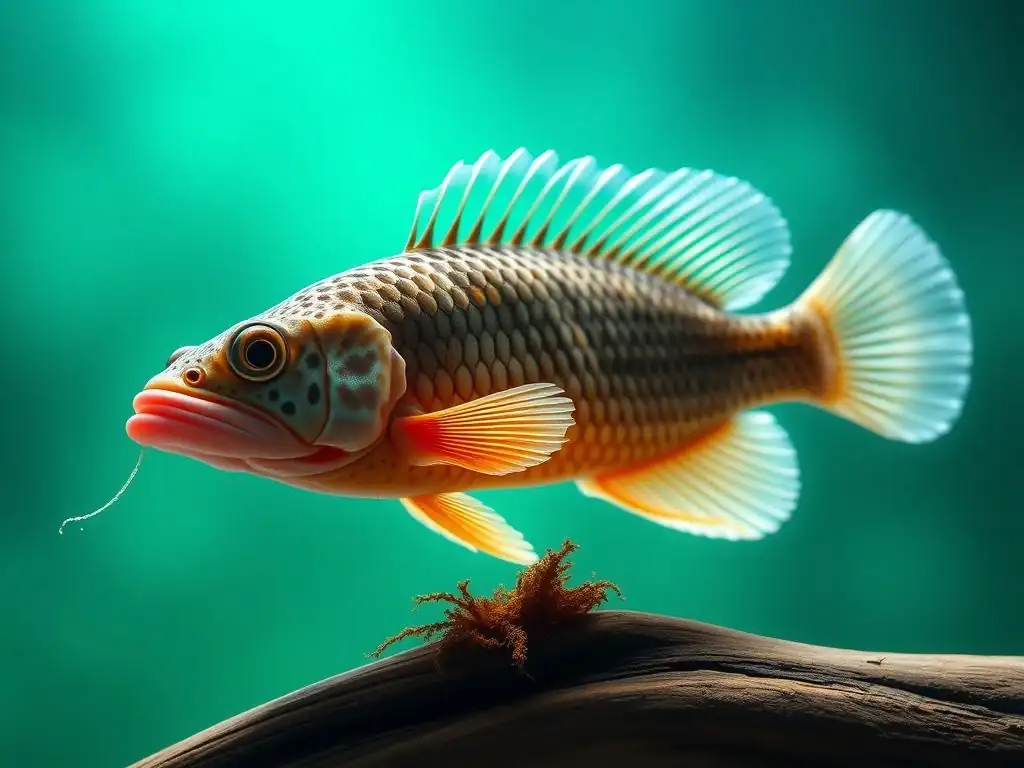
The first step in diagnosing why your pleco isn't eating algae is a thorough assessment of its general health and behavior. A healthy pleco should exhibit clear, bright eyes, intact fins without fraying or nips, and vibrant coloration appropriate to its species. Observe its activity levels: a healthy pleco is typically active, whether grazing on surfaces, exploring decor, or resting in a preferred hiding spot, and should not appear lethargic or listless. During feeding times, even if it's not eating algae, it should show interest in other foods offered.
Pay close attention to the pleco's physical condition. A healthy pleco should have a rounded, full belly. A sunken or pinched belly is a strong indicator of malnourishment, often directly linked to Pleco algae eating problems or insufficient overall food intake. Also, observe its breathing rate; rapid or labored breathing can signal stress or illness. Any signs of clamped fins, visible lesions, white spots (Ich), or fuzzy growths (fungus) warrant immediate investigation, as illness is a primary cause for appetite loss.
Evaluating Algae Type and Availability in the Aquarium
Not all types of algae are equally palatable or accessible to plecos, which can be a key factor in Pleco algae eating problems. Tougher varieties like green spot algae (GSA), which forms hard, flat green dots on surfaces, are often ignored by plecos because they are difficult to rasp. In contrast, softer green algae, diatoms (brown algae), and the thin, fuzzy green algae are generally preferred due to their texture and ease of consumption. If your tank is dominated by unpalatable algae types, your pleco may simply choose not to eat it.
Beyond type, the sheer quantity of algae available is critical. A single large pleco, such as a Common Pleco exceeding 10 inches, can consume an immense amount of algae. For instance, such a pleco might require the algae production from a tank well over 100 gallons to be adequately nourished by natural growth alone. Smaller species like a 4-inch Bristlenose Pleco can manage in a 20-gallon tank, but even then, if algae is scarce due to efficient cleaning or low light, the pleco will naturally not eat it, indicating a need for supplementary feeding.
Analyzing Water Parameters and Their Influence on Algae Growth
Poor water quality is a significant stressor for plecos and can directly lead to a decreased appetite and Pleco algae eating problems. It is imperative to regularly test your aquarium water using reliable test kits.
Ideal parameters for most plecos include a stable pH between 6.5 and 7.5 (though some species prefer slightly more acidic or alkaline conditions), zero parts per million (ppm) for ammonia, zero ppm for nitrite, and nitrate levels consistently below 20 ppm. Elevated levels of ammonia, nitrite, or even high nitrates will cause stress, suppress the immune system, and inevitably diminish a pleco's desire to eat.
Furthermore, water parameters directly influence the type and amount of algae that grows in your aquarium. While very low levels of nitrates and phosphates are beneficial for fish health, they can inadvertently limit the growth of desirable algae. Conversely, excessively high nutrient levels can trigger blooms of nuisance algae, such as hair algae or blue-green algae (cyanobacteria), which are often unpalatable to plecos and can even be toxic. Achieving a balanced nutrient level is key to fostering healthy algae growth that your pleco will actually consume, while also maintaining optimal water conditions for your fish.
Identifying Competition for Algae Resources
Even if there is ample algae and your pleco is healthy, competition from other tank inhabitants can be a hidden cause of Pleco algae eating problems. Many common aquarium snails, such as Nerite snails or Mystery snails, are highly efficient algae grazers and can quickly consume available algae before your pleco gets a chance. Other algae-eating fish, including Otocinclus catfish, Siamese Algae Eaters, or even some types of freshwater shrimp, can also outcompete a pleco, particularly if the tank is heavily stocked or the pleco is shy.
Observing feeding dynamics within your aquarium is crucial. If you frequently notice snails or other grazers actively consuming algae on surfaces where your pleco typically feeds, it's a strong indication that competition is occurring. Consider the total bio-load of your tank and the specific dietary needs of all your inhabitants. In tanks with multiple algae eaters, ensuring enough surface area for grazing and providing supplemental foods for all species can mitigate competition and ensure your pleco receives adequate nutrition.
Solutions for Plecos Refusing Algae
Optimizing Water Quality for Algae Growth and Pleco Well-being
Maintaining Stable pH Levels
Maintaining stable pH levels is paramount for the health and appetite of your pleco. Fluctuations in pH, even minor ones exceeding 0.2 pH units within a 24-hour period, can cause significant stress to plecos, leading to a suppressed appetite and a reluctance to eat algae or any other food. Most common pleco species thrive in a pH range of 6.5 to 7.5, but it's essential to research the specific needs of your pleco variety. Consistent monitoring with a reliable pH test kit is crucial to detect and address any instability.
Regular, consistent partial water changes are the most effective method for stabilizing pH levels. Performing weekly water changes of 20-25% helps to remove accumulated organic acids and replenish the water's buffering capacity, preventing drastic pH swings. Using a water conditioner that neutralizes chlorine and chloramines and detoxifies heavy metals is also vital. Avoid using chemical pH adjusters unless absolutely necessary, as they can cause rapid and potentially dangerous pH shifts if not managed precisely, further stressing your fish.
Controlling Ammonia, Nitrite, and Nitrate Concentrations
Controlling nitrogenous waste products—ammonia, nitrite, and nitrate—is fundamental to preventing Pleco algae eating problems stemming from poor water quality. Ammonia and nitrite are extremely toxic to fish, even at very low concentrations (e.g., 0.25 ppm ammonia can cause significant stress). These compounds damage gills and internal organs, leading to lethargy and a complete loss of appetite. Nitrates, while less acutely toxic, should still be kept below 20 ppm for optimal pleco health, as chronic exposure to high levels can weaken their immune system and reduce their vigor.
To manage these parameters effectively, a robust filtration system (including mechanical, biological, and chemical filtration) is essential. Biological filtration, provided by beneficial bacteria in the filter media and substrate, converts ammonia to nitrite and then to nitrate. Consistent weekly water changes, typically 25-30% for a moderately stocked tank, are crucial for diluting nitrates. Avoiding overfeeding and ensuring the tank is not overstocked will also significantly reduce the production of these harmful compounds, promoting a healthier environment where your pleco is more likely to thrive and eat.
Promoting Algae Growth in the Aquarium
Adjusting Light Spectrum and Duration
If your pleco isn't eating algae because there simply isn't enough of it, promoting healthy algae growth can be a solution. Algae, like plants, require light for photosynthesis. Increasing the duration of your aquarium lights to 10-12 hours per day can significantly encourage algae development. However, be cautious, as excessive light can also lead to an explosion of nuisance algae types, such as hair algae or green water, which may not be palatable to your pleco.
The light spectrum also plays a role. Lights with a color temperature in the range of 6500K to 8000K, which mimic natural daylight and are rich in red and blue wavelengths, are particularly effective at promoting desirable green algae growth on tank surfaces. Consider positioning your tank where it receives some indirect, natural sunlight for a few hours daily, as this can also stimulate algae production. Rotating decor pieces or rocks periodically to expose different surfaces to light can also help cultivate new algae patches for your pleco to graze on.
Utilizing Liquid Carbon and Fertilizers Judiciously
While primarily used for planted aquariums, liquid carbon supplements and fertilizers can indirectly influence algae growth, which in turn affects Pleco algae eating problems. Liquid carbon products, such as Seachem Flourish Excel, are often used to provide a bio-available carbon source for plants.
In some cases, judicious use can subtly encourage certain types of desirable algae or contribute to an overall healthier planted environment that indirectly benefits plecos by providing more surfaces for biofilm and micro-algae. However, it's crucial to note that high doses of liquid carbon can sometimes inhibit algae growth or even harm sensitive fish if not used correctly.
Aquarium fertilizers, which supply essential macro and micronutrients (like nitrates, phosphates, potassium, iron, etc. ), are designed to promote vigorous plant growth. Healthy plant growth can compete with algae for nutrients, potentially reducing nuisance algae, but a balanced approach is key. If nutrient levels are too low, desirable algae might struggle to grow. Conversely, an overabundance of nutrients can lead to uncontrolled blooms of undesirable algae. Therefore, use these products in moderation and always monitor their effects on both your plants and algae levels, ensuring a balanced ecosystem that benefits your pleco.
Supplementing with Alternative Food Sources
Offering Algae Wafers and Sinking Pellets
When a pleco isn't eating natural algae, supplementing its diet with high-quality, commercially prepared foods is essential to ensure it receives adequate nutrition. Algae wafers, especially those rich in spirulina, are specifically formulated for bottom-dwelling herbivorous fish and are an excellent alternative. Sinking pellets, designed for omnivorous bottom feeders, can also provide a balanced diet. It's crucial to offer these foods after the main tank lights have been turned off, as most plecos are nocturnal and prefer to feed in the dark, reducing competition from other daytime active fish.
Varying the brand and type of wafers or pellets you offer can help ensure a complete nutritional profile, as different formulations may contain varying vitamins, minerals, and plant matter. For example, a 4-inch Bristlenose Pleco might consume 1-2 algae wafers per night, depending on its size and activity level. Look for products with high vegetable content and minimal fillers. Consistent supplementation directly addresses Pleco algae eating problems by providing a guaranteed and easily accessible food source, preventing malnourishment.
Introducing Fresh Vegetables: Zucchini, Cucumber, and Squash
Fresh vegetables are an invaluable dietary supplement for most pleco species and can be particularly effective in addressing Pleco algae eating problems. Blanched vegetables like zucchini, cucumber, and squash are highly palatable and provide essential roughage and nutrients that may be lacking in a solely algae-based diet. Blanching, which involves briefly boiling or steaming the vegetables until they are slightly softened but not mushy, makes them easier for plecos to rasp and digest.
To offer vegetables, simply slice a small portion (e.g., a 1-inch thick disc) and secure it to the bottom of the tank using a veggie clip or a clean fork to prevent it from floating. Introduce these fresh foods every 2-3 days. It is critically important to remove any uneaten vegetable matter after 24 hours to prevent it from decaying and fouling the aquarium water, which could lead to further health issues. This natural and nutritious feeding method not only supplements their diet but also encourages natural grazing behaviors.
Addressing Potential Health Problems
Recognizing Signs of Illness or Parasites
A pleco's refusal to eat, including its typical algae diet, is often one of the first and most critical indicators of an underlying health problem. It's crucial to be able to recognize the signs of illness or parasites promptly. Beyond appetite loss, common symptoms include lethargy, where the fish becomes unusually inactive or hides excessively; clamped fins, where the fins are held close to the body; rapid or labored breathing; and visible physical changes like white spots (Ich), fuzzy white or grey growths (fungus), red streaks (bacterial infection), or a bloated appearance.
Additionally, pay attention to changes in waste. Stringy, white, or clear feces can indicate internal parasites or bacterial infections. A healthy pleco should have strong, consistent coloration; any significant fading or unusual darkening can be a sign of distress. If your pleco is showing multiple of these symptoms, or if its condition rapidly deteriorates, it's vital to take immediate action, as these are not typical Pleco algae eating problems but rather symptoms of a more serious, potentially life-threatening condition.
Treating Common Pleco Ailments: Ich, Fin Rot, and Parasites
Once an illness is identified, prompt and appropriate treatment is essential. For Ich (white spot disease), a common parasitic infection, gradually raising the tank temperature to 82-86°F (28-30°C) over 24-48 hours, combined with the addition of aquarium salt (1 tablespoon per 5 gallons) or a commercial Ich medication (e.g., containing malachite green or formalin), is often effective. Ensure increased aeration, as higher temperatures reduce dissolved oxygen.
Fin rot, typically a bacterial infection, is often caused by poor water quality. Treatment involves rigorous water changes to maintain pristine conditions and the use of broad-spectrum antibiotics, such as erythromycin or furan-2. Internal parasites, often indicated by emaciation despite eating or stringy white feces, may require medications containing praziquantel or metronidazole, often mixed with food. Always follow medication instructions precisely and consider treating in a separate hospital tank to avoid medicating the main display tank and its beneficial bacteria.
Preventing Feeding Problems
Maintaining a Stable and Balanced Aquarium Ecosystem
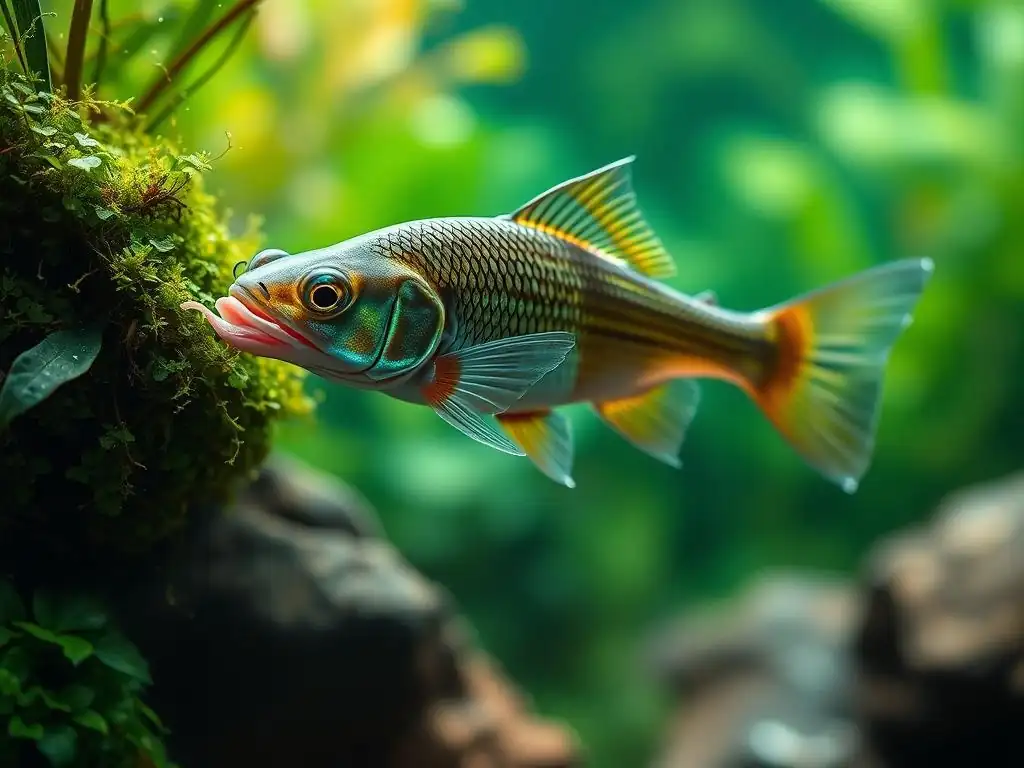
Prevention is always better than cure, especially when it comes to Pleco algae eating problems. Maintaining a stable and balanced aquarium ecosystem is the cornerstone of preventing most health and feeding issues. This includes performing regular maintenance tasks such as weekly partial water changes (typically 25-30% for a well-stocked tank), consistent gravel vacuuming to remove detritus, and routine cleaning of filter media without sterilizing beneficial bacterial colonies. A stable environment minimizes stress on your pleco, encouraging consistent feeding and natural behavior.
Overcrowding is a common mistake that quickly destabilizes an aquarium. It leads to rapid deterioration of water quality and increased stress among fish, directly contributing to Pleco algae eating problems. Ensure your tank is appropriately sized for the adult size of your pleco species; for instance, a Common Pleco, which can reach over 18 inches, requires a minimum of 75-100 gallons, while a Bristlenose can thrive in 20 gallons or more. Proper stocking levels and consistent maintenance create a thriving habitat.
Regularly Monitoring Algae Levels and Pleco Behavior
Proactive monitoring of both the algae levels in your tank and your pleco's behavior can prevent Pleco algae eating problems before they become severe. Make it a daily habit to observe your pleco: Is it active? Is its belly appearing full and rounded? Are there visible rasp marks on the tank glass or decor, indicating recent grazing? If you notice a significant reduction in natural algae growth and your pleco appears leaner or less active, it's a clear signal that supplementary feeding is needed.
Keeping a simple log of your pleco's feeding habits, along with your regular water parameter test results, can be incredibly beneficial. This record allows you to identify trends over time, such as seasonal changes in algae growth or subtle shifts in your pleco's appetite. Early detection of any deviations from normal behavior or condition allows for timely intervention, such as increasing supplemental feeding or addressing water quality, preventing minor dietary concerns from escalating into serious health issues.
Implementing Preventative Measures: Quarantine and Proper Tank Maintenance
Implementing preventative measures from the outset is crucial for long-term pleco health and preventing feeding issues. Always quarantine all new fish, including plecos, in a separate, dedicated quarantine tank for a period of 2-4 weeks before introducing them to your main aquarium. This isolation period allows you to observe them for signs of disease or parasites and treat them without risking the health of your established fish, which could otherwise introduce pathogens that stress your pleco and lead to Pleco algae eating problems.
Proper tank setup is equally vital. Ensure your aquarium includes appropriate substrate (smooth gravel or sand to protect sensitive barbels), ample hiding spots (caves, PVC pipes, or ceramic decor are excellent), and plenty of driftwood. Driftwood is particularly important for many pleco species as it provides essential dietary fiber and encourages the growth of biofilm for grazing. Selecting suitable, peaceful tank mates that won't compete excessively for food or territory also contributes significantly to a stress-free environment where your pleco can thrive.
Advanced Pleco Care
Understanding the social needs of plecos is a critical aspect of advanced care and directly impacts their well-being and feeding habits. While many pleco species are often sold as "algae eaters" for community tanks, most are solitary and can become territorial, especially as they mature. Housing multiple plecos, particularly males of the same species (e.g., multiple Bristlenose males), in an insufficiently sized tank can lead to significant stress, aggression, and competition for prime hiding spots and food resources, which can manifest as Pleco algae eating problems.
When selecting tank mates, choose peaceful community fish that occupy different levels of the water column and do not compete directly for bottom space or food. Avoid overly aggressive or fin-nipping species that might harass your pleco. Ideal tank mates include peaceful tetras, rasboras, or larger, calm gouramis, provided they are not small enough to be viewed as prey by a large pleco. Researching the specific social requirements of your pleco species is paramount to ensure a harmonious and stress-free environment.
Creating a Suitable Habitat: Tank Size, Decorations, and Flow
Creating a suitable habitat tailored to your pleco's specific needs is fundamental for advanced care and preventing Pleco algae eating problems. Tank size is paramount: a Common Pleco, for instance, can easily exceed 18 inches in length and requires a tank of at least 75-100 gallons to thrive, not just survive. Bristlenose plecos typically reach 4-6 inches and are more suitable for tanks 20 gallons and up. Inadequate space contributes significantly to stress, stunted growth, and behavioral issues, including poor appetite.
Beyond size, the physical environment must be enriched. Provide an abundance of hiding spots such as caves (ceramic, PVC pipes), rock formations, and dense planting. Driftwood is particularly crucial for many pleco species, as they rasp on it not only for biofilm but also for essential dietary fiber, which aids digestion. Many plecos originate from fast-flowing rivers, so incorporating moderate to strong water flow using powerheads or well-placed filter outlets can mimic their natural habitat and promote activity and appetite.
Species-Specific Care: Bristlenose, Common, Rubber Lip, and Zebra Plecos
Advanced pleco care necessitates a deep understanding of species-specific requirements, as a "pleco" is not a monolithic category. Bristlenose Plecos (Ancistrus spp.) are excellent algae eaters and require a diet primarily rich in plant matter, supplemented with high-quality algae wafers and blanched vegetables. They also greatly benefit from the presence of driftwood for roughage. In contrast, Common Plecos (Hypostomus plecostomus), while good algae eaters when young, grow very large (12-18+ inches) and become more omnivorous, demanding a varied diet including sinking pellets and occasional protein, making them less suitable for smaller home aquariums.
Rubber Lip Plecos (Chaetostoma spp.) are specialized biofilm grazers that thrive in well-oxygenated tanks with strong water flow, mimicking their natural fast-moving river habitats. Their diet should focus on biofilm, soft algae, and supplemental sinking foods designed for grazers. Zebra Plecos (Hypancistrus zebra) are a prime example of a pleco that is not a significant algae eater; they are primarily carnivorous/omnivorous and require a protein-rich diet of high-quality sinking pellets, bloodworms, and brine shrimp. Understanding these distinct dietary and environmental needs is crucial to preventing Pleco algae eating problems that arise from generic care.
When to Seek Professional Help
Identifying Severe Symptoms Requiring Veterinary Attention
While many Pleco algae eating problems can be resolved through environmental adjustments and dietary changes, there are instances when a pleco's condition warrants professional veterinary attention. Severe symptoms that go beyond simple appetite loss include persistent refusal to eat any food for several days, significant bloating accompanied by pineconing scales (indicating dropsy), severe loss of scales, open sores or lesions that don't heal, or rapid, unexplained changes in color.
Other critical signs demanding professional intervention include erratic swimming patterns (e.g., swimming upside down, spiraling), labored or extremely rapid breathing that persists despite optimal water parameters, or any condition that rapidly deteriorates despite your best efforts at standard aquarium care and treatment. These are not typical Pleco algae eating problems but rather indicators of a critical health decline that often require specialized diagnostic tools and treatments beyond the scope of home aquarists.
Finding Experienced Aquarists or Aquatic Veterinarians
When facing severe symptoms or persistent Pleco algae eating problems that you cannot resolve, seeking professional help is the next logical step. Begin by consulting with knowledgeable staff at reputable local fish stores who often have extensive experience with pleco care and common ailments. Online aquarium forums and communities can also be a valuable resource, connecting you with experienced hobbyists who can offer insights and troubleshooting tips based on their own real-world experiences.
For definitive diagnoses, complex disease treatments, or surgical interventions, an aquatic veterinarian is the ideal professional. While not as common as traditional pet vets, their specialized expertise in fish physiology and pathology can be invaluable. You can often find aquatic veterinarians through university veterinary programs, large public aquariums, or by searching for "exotic animal veterinarians" in your area, as many will also treat fish. Always describe your pleco's symptoms, tank parameters, and any treatments attempted in detail to aid in accurate diagnosis.
Frequently Asked Questions
Why is my Pleco not eating algae?
Your Pleco may not be eating algae because it's already being fed too much supplemental food, or the tank may not have enough algae growth. Overfeeding can make them picky eaters.
What are some common reasons for insufficient algae growth in my aquarium?
Insufficient algae growth can be due to excessive lighting control, such as short light cycles, or the use of algae-reducing chemicals. Also, a tank that's too new may not have established algae yet.
How can I encourage algae growth in my aquarium for my Pleco?
You can encourage algae growth by increasing the light exposure time and reducing the frequency of water changes. Avoid using algae-killing products in your tank.
What else can I feed my Pleco if it's not eating algae?
If your Pleco isn't eating algae, you can supplement its diet with algae wafers, blanched vegetables like zucchini and spinach, or even small amounts of protein-based foods.
Is it normal for a Pleco's algae-eating habits to change over time?
Yes, it's normal. As Plecos mature, they may become less reliant on algae and more interested in other food sources, especially if they are getting enough food from other sources.
Final Reflection: The Unseen Ecosystem
The journey of understanding a pleco's algae-eating habits is more than just aquarium maintenance; it's a microcosm of the delicate balance within any ecosystem. Just as a pleco's refusal to graze signals an imbalance in its tank, our own disregard for environmental harmony can lead to unforeseen consequences. We must remember that even the smallest creatures play a vital role in the larger picture.
This exploration into pleco behavior has underscored the importance of observation and adaptation. It reminds us that assumptions can be misleading, and true understanding requires a willingness to learn and adjust our approach. The only true wisdom is in knowing you know nothing.
- Socrates. This quote resonates deeply, highlighting the continuous learning process inherent in responsible aquarium keeping and, indeed, in life itself.
Now, consider the lessons learned from this guide. How can you apply the principles of observation, adaptation, and ecosystem awareness to your own life? Whether it's nurturing a thriving aquarium or fostering a healthier planet, remember that your actions, however small, can contribute to a more balanced and sustainable future. Let's all strive to be mindful stewards, both within our glass boxes and beyond.
Unlock a Thriving Tank: Take Action Now!
Thanks for diving into the world of pleco care with Aquarium Mastery! We hope this guide has shed light on why your algae eater might be turning up its nose at its namesake food. Now, it's time to put that knowledge into practice and create the perfect environment for your pleco to thrive.
Here are a few things you can do right now:
- Re-evaluate your pleco's diet based on our insights. Don't just assume algae wafers are enough!
- Explore your local fish store or online retailers for alternative food options like zucchini slices or specialized pleco food pellets, and document your pleco's preferences over the next two weeks.
- Share this article with other aquarium enthusiasts facing similar challenges! Help them discover the secrets to a happy, algae-eating pleco.
What specific dietary change will you implement first to encourage your pleco to start munching on algae and prepared foods? Let us know in the comments!