
Bloat in Plecos & Catfish: Identifying Causes and Effective Cures

Welcome to Aquarium Mastery!
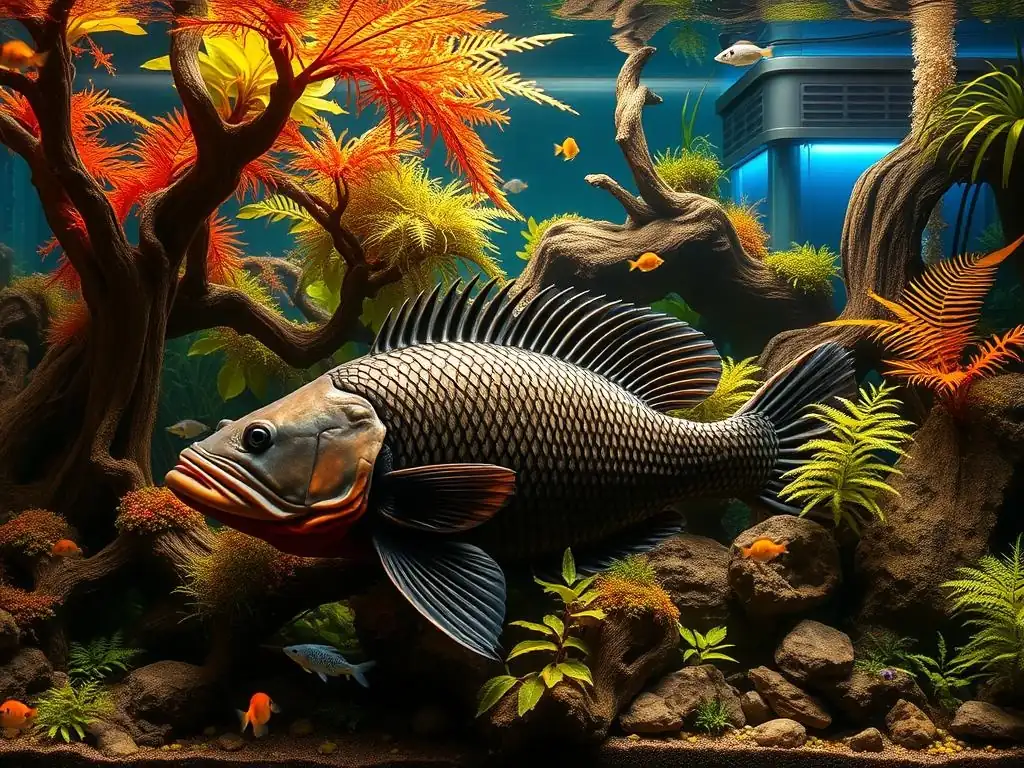
Ever wondered why your Pleco looks a little... puffy? Diving deep into the fascinating world of freshwater aquariums, we tackle a critical issue affecting these algae-eating favorites: Pleco bloat causes treatment. Uncover the hidden dangers, learn how to identify the early warning signs, and discover proven strategies to keep your Pleco thriving. Ready to unlock the secrets to a healthy and happy aquarium? Let's get started!
- Understanding Bloat in Plecos and Catfish: An Overview
- Identifying the Root Causes of Bloat in Plecos and Catfish
- Effective Treatments and Cures for Bloat in Plecos and Catfish
- Preventing Bloat in Your Plecos and Catfish: Long-Term Strategies
- Bloat in Specific Types of Plecos and Catfish: Considerations
- Advanced Bloat Treatment: When to Seek Expert Help
- Conclusion: Maintaining a Healthy Environment for Your Plecos and Catfish
- Frequently Asked Questions
- Final Reflection: Understanding and Preventing Pleco Bloat
- Unlock Your Pleco's Inner Zen: Take Action Now!
Understanding Bloat in Plecos and Catfish: An Overview
What is Bloat in Plecos and Catfish? Recognizing the Symptoms
Bloat in plecos and catfish refers to a condition where the fish's abdomen becomes noticeably distended due to an accumulation of fluid, gas, or undigested matter within its body cavity. It is not a disease in itself but rather a severe symptom indicating an underlying health issue, often related to digestive distress, internal infection, or organ failure. Recognizing the signs early is crucial for effective Pleco bloat causes treatment.
Key symptoms to watch for include a visibly swollen belly, which may appear on one or both sides, often making the fish look "puffed up." Affected fish typically exhibit a loss of appetite, becoming lethargic and less active than usual. They may struggle with buoyancy, either floating unnaturally or, more commonly for bottom-dwellers, having difficulty staying down. Other signs can include clamped fins, labored breathing, pale gills, and in some cases, stringy, white, or abnormal feces.
Why is Bloat a Serious Threat to Your Bottom Dwellers?
Bloat poses a significant threat to plecos and catfish due to their specialized anatomy and natural behaviors as bottom-dwelling fish. The distension of their abdomen can exert immense pressure on internal organs, including the swim bladder, kidneys, and liver, leading to organ dysfunction or even failure. This internal pressure can severely impair their ability to swim and maintain balance, making it difficult for them to access food or even rest comfortably on the substrate.
The condition can progress rapidly, often turning critical within 24 to 48 hours once severe symptoms manifest. For example, a healthy-looking fish might show mild lethargy one evening and be severely bloated and struggling the next morning. Anecdotal reports from experienced aquarists suggest that without prompt and accurate intervention, the mortality rate for fish suffering from severe bloat can be as high as 80-90%, underscoring the urgency of understanding Pleco bloat causes treatment options.
Identifying the Root Causes of Bloat in Plecos and Catfish
Dietary Causes of Pleco and Catfish Bloat
Overfeeding and Bloat: The Quantity Problem
Overfeeding is one of the most common culprits behind bloat in plecos and catfish. When fish consume more food than their digestive system can process efficiently, the excess food can sit in the gut, fermenting and producing gas. This fermentation leads to abdominal distension and discomfort. Additionally, consistently large meals can overwhelm the digestive enzymes, leading to chronic digestive strain.
A frequent mistake is providing too many sinking pellets or wafers, assuming bottom dwellers need constant access to food. For instance, a single adult Bristlenose Pleco in a well-established tank with some natural algae growth might only need a half of a spirulina wafer every other day, rather than a full wafer daily. Overfeeding not only causes bloat but also contributes to poor water quality, exacerbating the problem.
Inappropriate Foods: What Not to Feed Your Pleco or Catfish
Feeding a diet that does not align with the specific nutritional needs of your pleco or catfish species can severely disrupt their digestive system and lead to bloat. Many popular pleco species, such as Common Plecos and Bristlenose Plecos, are primarily herbivorous or omnivorous with a strong preference for plant matter and algae. Providing them with high-protein foods like bloodworms, beef heart, or pellets designed for carnivorous fish too frequently can cause digestive distress.
These high-protein, low-fiber foods are difficult for herbivorous fish to process and can lead to internal blockages and fermentation. For example, regularly feeding a Common Pleco large quantities of meaty foods, instead of a diet rich in blanched vegetables and spirulina, will almost certainly lead to digestive issues and bloat. It is essential to research the specific dietary requirements of your fish to ensure their long-term health.
The Role of Fiber in Preventing Bloat
Fiber plays a critical role in maintaining a healthy digestive system for many pleco and catfish species. It aids in gut motility, helping to move food through the digestive tract and preventing constipation or blockages. A diet lacking sufficient fiber can lead to food stagnation, allowing harmful bacteria to proliferate and fermentation to occur, resulting in gas buildup and bloat.
Incorporating fiber-rich foods is a key preventive measure in Pleco bloat causes treatment. Excellent sources of fiber for these fish include blanched zucchini, cucumber, shelled peas, and specialized spirulina wafers or pellets with high vegetable content. Nutritional studies on herbivorous fish often recommend a dietary fiber content in the range of 5-10% to support optimal gut function and prevent common digestive ailments.
Water Quality Issues and Their Link to Bloat
Ammonia and Nitrite Poisoning: Indirectly Causing Bloat
Poor water quality is a significant stressor for all aquarium fish, and it indirectly contributes to bloat by weakening the fish's immune system and compromising its overall health. Elevated levels of ammonia (above 0 ppm) and nitrite (above 0 ppm) are highly toxic. These compounds cause gill damage, impair oxygen absorption, and lead to systemic stress, making fish more susceptible to internal bacterial infections that can manifest as bloat.
While ammonia and nitrite poisoning do not directly cause abdominal swelling, chronic exposure to even low levels, such as consistent ammonia readings of 0.25 ppm, can severely compromise a fish's physiological functions over several weeks. This weakened state often leads to secondary infections within the digestive tract or other organs, resulting in fluid accumulation and the bloated appearance. Regular water testing and maintenance are crucial to prevent such stressors.
Poor Water Circulation and Oxygen Depletion
Adequate water circulation and sufficient dissolved oxygen levels are vital for a healthy aquarium environment and fish well-being. Low oxygen levels (below 5-6 mg/L for most tropical fish) can lead to respiratory distress and metabolic impairment in fish, putting significant strain on their systems. This stress can weaken the immune response, making fish more vulnerable to bacterial infections that can cause bloat.
Stagnant areas within the aquarium, often due to inadequate filtration or lack of proper water flow, can also lead to the buildup of organic waste. These conditions can foster the growth of harmful anaerobic bacteria, both in the water and potentially within the fish's gut, contributing to digestive issues and bloat. Ensuring a filter turnover rate of at least 4-6 times the tank volume per hour is generally recommended to maintain good circulation and oxygenation.
Bacterial Infections and Bloat in Catfish and Plecos
Identifying Bacterial Bloat: Specific Symptoms
Bacterial infections are a common and serious cause of bloat in plecos and catfish. Pathogenic bacteria, such as Aeromonas and Pseudomonas species, can infect the internal organs, leading to inflammation, fluid accumulation, and severe abdominal swelling. Unlike dietary bloat, bacterial bloat often presents with additional systemic symptoms that indicate a more widespread infection.
These symptoms include generalized swelling of the body, not just the abdomen, and in severe cases, "pineconing" where the scales protrude from the body due to fluid buildup underneath. Other signs may include red streaks on the body or fins, lethargy, loss of balance, and sometimes white, stringy feces. An internal bacterial infection can lead to septicemia, causing widespread inflammation and significant fluid retention, which manifests as severe and often rapidly progressing bloat.
The Role of Gut Flora in Bloat Prevention
A healthy and balanced population of beneficial bacteria within a fish's gut (gut flora) is essential for efficient digestion, nutrient absorption, and a robust immune system. These beneficial microbes help break down food, synthesize certain vitamins, and compete with harmful pathogens. Disruptions to this delicate balance, caused by factors such as stress, poor diet, or the use of certain medications, can allow pathogenic bacteria to proliferate.
When the gut flora is compromised, the fish becomes more susceptible to bacterial infections that can directly lead to bloat. Incorporating probiotics into fish food or using specialized aquarium products designed to support beneficial gut bacteria can help maintain a healthy microbiome. Research indicates that a diverse and robust gut microbiota significantly enhances a fish's resistance to pathogens and improves its overall digestive health, making it a key aspect of Pleco bloat causes treatment prevention.
Common Parasites Causing Bloat in Plecos
Internal parasites can be a insidious cause of bloat in plecos and catfish, often going undetected until symptoms become severe. Common culprits include flagellates like Hexamita (often associated with "Hole-in-the-Head" disease in cichlids, but also causing intestinal issues and bloat in other fish), and various types of intestinal worms such as Capillaria (roundworms) or tapeworms. These parasites irritate the gut lining, cause inflammation, and impair the fish's ability to absorb nutrients.
This chronic irritation and malabsorption lead to a range of issues, including malnourishment, secondary bacterial infections, and significant fluid accumulation within the abdominal cavity, manifesting as bloat. Hexamita, in particular, is well-known for infecting the intestines of various fish species, leading to severe digestive distress, emaciation despite eating, and a bloated appearance.
Diagnosing Parasitic Bloat
Diagnosing parasitic bloat can be challenging as its symptoms often overlap with those of bacterial or dietary bloat. However, certain signs might point towards a parasitic cause: persistent bloat despite improvements in diet and water quality, unexplained weight loss even if the fish is eating, very stringy or clear feces, and general lethargy. Definitive diagnosis often requires microscopic examination of fresh fecal samples or, in unfortunate cases, a post-mortem examination (necropsy) of the gut contents to identify parasite eggs, larvae, or adult worms.
An aquatic veterinarian might recommend a fecal float test, which can identify parasite eggs in approximately 70-80% of cases for common intestinal worms. Without such diagnostic tools, treatment for parasitic bloat often involves a process of elimination, trying different medications based on the most likely culprits. This highlights the complexity of Pleco bloat causes treatment when parasites are involved.
Effective Treatments and Cures for Bloat in Plecos and Catfish
Immediate Actions: What to Do When You Suspect Bloat
Quarantine and Observation
Upon suspecting bloat in a pleco or catfish, the immediate priority is to isolate the affected fish. Transferring it to a dedicated hospital or quarantine tank (a 10-20 gallon tank is often sufficient for a single pleco) serves several critical purposes. It prevents the potential spread of contagious diseases to other tank inhabitants, reduces stress on the sick fish by separating it from tank mates, and allows for precise medication dosages and focused observation of its condition.
In the quarantine tank, closely monitor the fish's symptoms, noting any changes in the severity of the bloat, its appetite, activity levels, and the appearance of its feces. Daily observation is key to assessing the effectiveness of any treatment and making necessary adjustments. Maintain stable water parameters in the quarantine tank, matching those of the main tank as closely as possible to minimize additional stress.
Water Changes and Improved Aeration
Before initiating any specific treatments, performing a significant water change in the quarantine tank is a crucial first step. A 50% or even 75% water change can drastically reduce the concentration of potential toxins, such as nitrates or unseen pollutants, and immediately improve the water quality surrounding the stressed fish. This fresh, clean water helps to alleviate environmental stress and supports the fish's immune system.
Simultaneously, ensure robust aeration in the quarantine tank using an air stone or a well-functioning sponge filter. Increased dissolved oxygen levels (above 7-8 mg/L) are vital for a sick fish, as they aid in metabolic processes, reduce respiratory distress, and help the fish cope with the physiological demands of its illness. Optimal oxygenation is a fundamental component of effective Pleco bloat causes treatment.
Dietary Adjustments for Treating Bloat
Fasting and Gradual Reintroduction of Food
For bloat suspected to be caused by dietary issues or overfeeding, the first and most critical intervention is to fast the affected fish. Withhold all food for 2-3 days to allow its digestive system to rest, clear any blockages, and process accumulated gas. This period of fasting can significantly reduce internal pressure and give the gut a chance to recover.
After the fasting period, reintroduce food very gradually and in extremely small quantities. Begin with easily digestible, high-fiber options. For instance, offer a tiny piece of blanched zucchini or a small portion of a high-quality spirulina wafer. Observe how the fish responds before offering another small meal, typically after 24 hours. This slow reintroduction helps prevent a relapse and allows the digestive system to adapt.
High-Fiber Diet Options for Bloat Recovery
To aid in recovery from bloat and prevent its recurrence, transitioning the fish to a diet rich in fiber is essential. Fiber helps promote healthy gut motility, preventing constipation and ensuring food moves efficiently through the digestive tract. Excellent high-fiber options include blanched peas (shelled), blanched zucchini, cucumber slices, and specialized spirulina flakes or wafers that are high in vegetable content.
For a recovering Bristlenose Pleco, offering a small, blanched slice of zucchini (e.g., a 1-inch thin slice) every other day can be highly beneficial. Ensure that any vegetables offered are organic and thoroughly washed to avoid introducing pesticides. These fibrous foods act as a natural laxative, helping to clear the digestive system and support the re-establishment of a healthy gut environment, which is a core aspect of Pleco bloat causes treatment.
Medication Options for Bacterial Bloat
Antibiotics for Catfish and Pleco Bloat: Specific Recommendations
If symptoms such as pineconing, red streaks, or severe lethargy suggest a bacterial infection as the cause of bloat, administering antibiotics may be necessary. Broad-spectrum antibiotics are often the first choice due to the difficulty in precisely diagnosing the specific bacterial strain without laboratory tests. Common and effective antibiotics include Metronidazole (often used for internal flagellates and anaerobic bacteria), Kanamycin, or Erythromycin.
Metronidazole can be administered either as a bath treatment (e.g., 500mg per 10 gallons of water daily for 3-5 days with daily water changes) or, more effectively, via medicated food. Kanamycin is another potent option, typically administered as a bath at a dosage of 1 scoop per 20 gallons every 24-48 hours for 3-5 days. Always consult product instructions for precise dosages and durations.
Using Medications Safely and Effectively
When using medications for Pleco bloat causes treatment, safety and precision are paramount. Always follow the manufacturer's dosage instructions meticulously, as overdosing can be fatal to the fish. It is crucial to treat fish in a hospital or quarantine tank rather than the main display tank. Many medications, especially antibiotics, can harm the beneficial nitrifying bacteria in your main filter, leading to a dangerous ammonia spike.
During treatment, monitor water parameters closely and perform daily partial water changes (e.g., 25-30%) to remove medication residue and waste products. Ensure that the full course of treatment is completed, even if the fish appears to recover, to prevent a relapse and to minimize the development of antibiotic resistance in bacterial strains. Discontinue carbon filtration during treatment, as it will remove the medication from the water.
Treating Parasitic Bloat in Plecos and Catfish
Anti-Parasitic Medications: Specific Recommendations
If internal parasites are suspected as the cause of bloat, specific anti-parasitic medications are required. For flagellates like Hexamita, Metronidazole is the primary treatment, commonly administered at 250mg per 10 gallons of water daily for 3-5 days, often with good results. This medication can be absorbed through the gills or ingested via medicated food.
For intestinal worms such as Capillaria or tapeworms, medications containing Fenbendazole or Praziquantel are typically effective. Praziquantel can be used as a bath treatment (e.g., 2.5 mg/L for 24 hours) or, ideally, incorporated into medicated food for direct ingestion by the parasite. Always ensure the medication is suitable for the specific fish species and follow dosage guidelines carefully.
Monitoring Progress and Adjusting Treatment
Throughout the treatment of parasitic bloat, close monitoring of the fish's progress is essential. Observe for signs of improvement, such as a reduction in abdominal swelling, increased activity, return of appetite, and normal-looking feces. If no significant improvement is observed after 3-5 days of consistent treatment, it may indicate an incorrect diagnosis, a resistant parasite strain, or a different underlying cause of the bloat.
In such cases, it is advisable to re-evaluate the symptoms, consider a different anti-parasitic medication, or seek professional advice from an aquatic veterinarian. Maintaining pristine water quality throughout the treatment period is crucial, as it supports the fish's immune system and overall recovery. A clean environment helps the fish to better withstand the stress of illness and medication.
Preventing Bloat in Your Plecos and Catfish: Long-Term Strategies
Maintaining Optimal Water Quality for Bloat Prevention
Regular Water Testing and Changes
Consistent and optimal water quality is the cornerstone of preventing bloat and nearly all other fish diseases. Regular water testing is paramount: test for ammonia, nitrite, nitrate, pH, and temperature weekly to identify any deviations from ideal parameters. Ammonia and nitrite should always be at 0 ppm, and nitrates ideally below 20 ppm for most freshwater fish.
Performing regular partial water changes, typically 25-30% weekly, is crucial. This dilutes accumulated nitrates and other pollutants, replenishes essential minerals, and maintains a stable aquatic environment. For instance, a 20-gallon tank with a single Bristlenose Pleco and a few other small fish could produce enough waste to elevate nitrates significantly within a week if not for consistent water changes. Consistent water quality reduces stress, which is vital for preventing Pleco bloat causes treatment scenarios.
Effective Filtration Systems
An effective filtration system is indispensable for maintaining excellent water quality and preventing bloat. Ensure your aquarium has adequate mechanical, chemical, and biological filtration for its size and bioload. Mechanical filtration removes particulate waste, chemical filtration removes dissolved pollutants, and biological filtration converts toxic ammonia and nitrite into less harmful nitrate.
Selecting a filter rated for a tank size 1.5 to 2 times your actual aquarium volume can provide superior water clarity and robust biological processing capacity. For example, using a filter rated for 40-60 gallons on a 30-gallon tank. Regularly clean mechanical filter media (e.g., sponges, filter floss) to prevent the buildup of detritus, but avoid over-cleaning biological media to preserve beneficial bacteria.
Proper Feeding Practices to Avoid Bloat
Balanced Diet and Portion Control
To prevent bloat, it is crucial to provide a balanced diet tailored to the specific needs of your pleco or catfish species and to practice strict portion control. Research the natural diet of your fish; most plecos are primarily herbivorous or omnivorous with a strong emphasis on plant matter. Avoid feeding high-protein foods excessively.
Instead of one large meal, feed smaller amounts multiple times a day. Only offer what your fish can consume within 5-10 minutes to prevent uneaten food from decaying and fouling the water. For instance, a typical adult Bristlenose Pleco may only require one specialized spirulina wafer every 2-3 days, supplemented by natural algae growth in the tank and blanched vegetables. This careful approach to feeding is central to preventing Pleco bloat causes treatment needs.
Supplementing with Fiber-Rich Foods
Regularly supplementing your plecos' and catfish's diet with fiber-rich foods is a highly effective long-term strategy to prevent bloat. Fiber promotes healthy digestion and gut motility, preventing constipation and the accumulation of undigested food that can lead to gas and swelling.
Excellent fiber sources include blanched vegetables such as zucchini, cucumber, or shelled peas. These can be offered a few times a week. Always ensure that any vegetables are organic and thoroughly washed to remove any pesticide residues that could harm your fish. Providing these natural, high-fiber options mimics their natural diet and supports a robust digestive system.
Quarantine New Fish to Prevent Disease Introduction
Implementing a strict quarantine protocol for all new fish before introducing them to your main display tank is a non-negotiable preventive measure against bloat and many other diseases. A separate quarantine tank (even a small 10-gallon setup with a heater and sponge filter) allows you to observe new fish for signs of illness, including bloat, for at least 2-4 weeks.
This isolation period enables you to treat any potential diseases without exposing your established fish to pathogens. A typical quarantine period of 30 days is widely recommended by experienced aquarists to observe for latent diseases that might not be immediately apparent. This practice significantly reduces the risk of introducing parasites or bacterial infections that could trigger bloat in your existing fish.
Regular Observation and Early Intervention
Regular, attentive observation of your fish is one of the most powerful tools in preventing severe cases of bloat. Spend time daily watching your plecos and catfish for any subtle changes in their behavior, appetite, swimming patterns, or physical appearance. Early detection of symptoms like slight lethargy, reduced interest in food, or a minor swelling can allow for prompt intervention.
Catching bloat in its initial stages drastically increases the chances of successful Pleco bloat causes treatment. Maintain a log of feeding schedules, water parameters, and any observed behavioral changes to help identify patterns or potential triggers for illness. Early intervention, such as a temporary fast or a targeted water change, can often resolve minor issues before they escalate into life-threatening conditions.
Bloat in Specific Types of Plecos and Catfish: Considerations
Bloat in Common Plecos
Common Plecos ( Hypostomus plecostomus) are robust fish that can grow very large, often exceeding 18-24 inches in length. Despite their hardiness, they are highly susceptible to bloat, frequently due to being kept in tanks that are too small for their adult size, leading to chronic stress and poor water quality.
Their diet, while primarily herbivorous, is often misunderstood; overfeeding high-protein foods designed for other fish is a common cause of bloat in these large algae eaters. Their significant waste production also necessitates very consistent and large water changes to prevent the accumulation of nitrates and other pollutants that can trigger bloat.
Bloat in Bristlenose Plecos
Bristlenose Plecos ( Ancistrus spp.) are popular smaller plecos known for their unique "bristles." They are predominantly algae eaters and vegetarians, making their digestive systems particularly sensitive to inappropriate diets. Bloat in Bristlenoses is frequently linked to insufficient plant matter or an excess of protein in their diet, often from overfeeding with sinking pellets or flakes not specifically formulated for herbivores. They are also quite sensitive to high nitrate levels, which, while not a direct cause, can contribute to overall stress and compromise their immune system, making them more vulnerable to bloat-inducing infections.
Bloat in Corydoras Catfish
Corydoras catfish are small, peaceful, schooling bottom dwellers, and bloat in these fish can be particularly alarming due to their compact size. Common causes include improper diet (too much protein, not enough varied or appropriate sinking foods), poor water quality, or internal parasites. Their delicate barbels are crucial for foraging, and if damaged by sharp substrate or poor water conditions, it can lead to stress and secondary infections that manifest as bloat. Due to their small size, bloat can appear very pronounced, and rapid intervention with appropriate Pleco bloat causes treatment is critical for their survival.
Bloat in Otocinclus Catfish
Otocinclus catfish are tiny, delicate, and highly sensitive algae eaters. They thrive in mature, well-planted aquariums with stable water parameters. Bloat in Otos is often a dire sign of severe stress, consistently poor water quality, or internal bacterial infections. Their wild-caught origins often mean they arrive stressed and susceptible, and acclimation difficulties can exacerbate their vulnerability. They require a constant supply of natural algae and biofilm; insufficient natural food sources can lead to digestive issues and bloat, as their specialized digestive systems depend on continuous grazing.
Advanced Bloat Treatment: When to Seek Expert Help
Recognizing the Limits of Home Treatment
While many cases of bloat can be resolved with prompt home treatment focusing on diet and water quality, it's crucial to recognize when professional intervention is necessary. If your fish's symptoms worsen despite your best efforts (e.g., increased swelling, severe lethargy, development of pineconing or open sores), or if new, alarming symptoms appear, it indicates that home remedies may not be sufficient.
When you have exhausted common over-the-counter medications and are still unsure of the exact cause, or if the fish is rapidly deteriorating, it's time to consider expert help. Home treatments typically have a higher success rate if initiated within the first 24-48 hours of symptom onset; beyond that, the prognosis diminishes significantly.
Finding a Qualified Aquatic Veterinarian
For complex or persistent cases of bloat, consulting a qualified aquatic veterinarian is the best course of action. These specialized vets can perform advanced diagnostics, such as microscopic examination of skin or gill scrapes, fecal samples, or even necropsies, to accurately determine the underlying cause of bloat. This precise diagnosis is vital for targeted and effective Pleco bloat causes treatment.
You can search for aquatic veterinarians in your area through online directories provided by organizations like the American Association of Fish Veterinarians (AAFV). While a consultation might involve a fee, often ranging from $100-$200, the specific insights and access to stronger, more targeted medications they can provide can be invaluable and potentially save a cherished fish.
Conclusion: Maintaining a Healthy Environment for Your Plecos and Catfish
Bloat in plecos and catfish is a serious and often life-threatening condition that underscores the importance of diligent aquarium husbandry. While it can be caused by various factors, including improper diet, poor water quality, and internal infections or parasites, the good news is that many cases are preventable with consistent care. Understanding the Pleco bloat causes treatment options is vital for any dedicated aquarist.
By providing a balanced, fiber-rich diet tailored to your specific fish species, maintaining pristine water quality through regular testing and water changes, and ensuring robust filtration, you create an environment where your bottom dwellers can thrive. Regular observation allows for early intervention, which is often the key to successful recovery. With knowledge and proactive care, you can significantly reduce the risk of bloat, ensuring your plecos and catfish lead healthy, vibrant lives in your aquarium.
Frequently Asked Questions
What are the most common causes of bloat in Plecos?
Bloat in Plecos is often triggered by poor diet, specifically a lack of fiber and an overabundance of protein. Other contributing factors include bacterial infections and parasitic infestations.
How can I identify if my Pleco is suffering from bloat?
Key signs of bloat in Plecos include a noticeably swollen abdomen, difficulty swimming or maintaining balance, and a decreased appetite. You might also observe lethargy and changes in coloration.
What is the best way to treat bloat in a Pleco?
Treatment strategies involve improving water quality through frequent water changes, providing a fiber-rich diet (e.g., blanched vegetables), and potentially using medication (after proper diagnosis).
Can bloat in Plecos be prevented?
Absolutely! Prevention focuses on maintaining a clean and well-filtered aquarium, feeding a balanced diet with plenty of fiber, and quarantining new fish to prevent disease introduction.
How does water quality impact the likelihood of Pleco bloat?
Poor water quality, characterized by high levels of ammonia and nitrites, stresses Plecos and weakens their immune systems, making them more susceptible to bacterial infections, a major cause of bloat.
Final Reflection: Understanding and Preventing Pleco Bloat
The information presented throughout this article underscores the critical importance of proactive care in maintaining the health of our aquatic companions. Recognizing the multifaceted nature of Pleco bloat, from dietary imbalances to environmental stressors, is paramount in preventing this potentially fatal condition. Ignoring the subtle signs can quickly lead to irreversible damage, highlighting the need for diligent observation and informed decision-making in aquarium management.
This exploration into Pleco bloat causes and treatment has not only provided practical solutions but also deepened our understanding of the delicate ecosystems we create within our aquariums. The responsibility we bear as aquarists extends beyond mere feeding and cleaning; it demands a commitment to understanding the specific needs of each species under our care. The greatness of a nation and its moral progress can be judged by the way its animals are treated.
- Mahatma Gandhi. This quote, though not directly about fish, resonates deeply with the ethical considerations involved in keeping any living creature, reminding us that their well-being is a reflection of our own compassion and knowledge.
Now, armed with a greater understanding of Pleco bloat and its prevention, I encourage you to reflect on your own aquarium practices. Are you providing a balanced diet? Are you maintaining optimal water parameters? Are you observing your Plecos closely for any signs of distress? Take the knowledge gained here and apply it to your own aquarium, fostering a healthier and more vibrant environment for your Plecos and all your aquatic inhabitants. Your dedication to their well-being will be rewarded with their health, beauty, and the joy of observing a thriving underwater world.
Unlock Your Pleco's Inner Zen: Take Action Now!
Thank you for diving deep into the world of pleco and catfish bloat with us! We hope you've gained valuable insights into identifying and addressing this common issue. Now, it's time to put that knowledge into action and ensure the health and happiness of your aquatic companions.
Here's how you can make a real difference:
- Immediately assess your pleco/catfish's diet and adjust it to a higher fiber content. This is the most crucial step in preventing and treating bloat.
- Explore creating a DIY veggie clip using common household items to provide fresh, healthy options for your pleco.
- Share this article with fellow aquarium enthusiasts to spread awareness and help other keepers combat bloat in their beloved bottom-dwellers.
What's one small change you can make today to improve your pleco's diet and prevent bloat from happening again?