
Corydoras at Play: Observing Their Endearing Antics

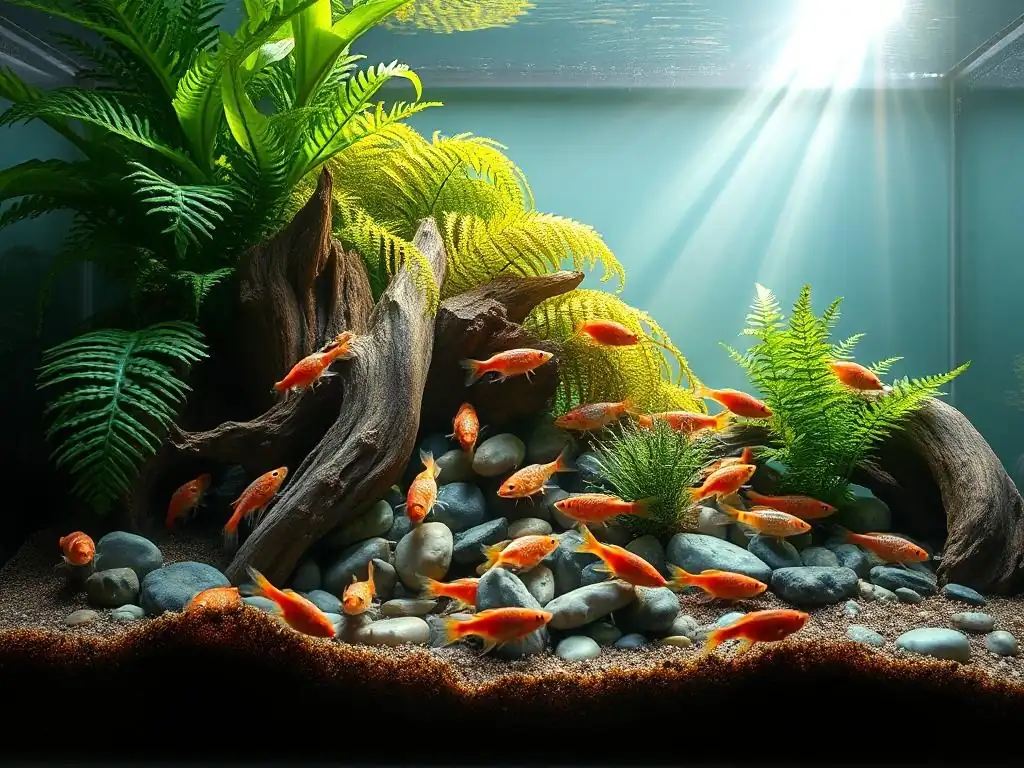
Welcome to Aquarium Mastery!
Ever wondered what your Corydoras are really up to in your aquarium? Dive in with us as we explore fascinating Corydoras tank behavior tips and unlock the secrets to their endearing antics. Get ready to understand your Corydoras like never before – and maybe even learn a thing or two about creating the perfect environment for these charming bottom-dwellers!
- Understanding Corydoras Behavior in the Aquarium
- Common Corydoras Antics and What They Mean
- Factors Influencing Corydoras Tank Behavior
- Promoting Positive Corydoras Tank Behavior
- Advanced Corydoras Behavior Observation
-
Frequently Asked Questions
- What are some common playful behaviors exhibited by Corydoras in a tank?
- How important is tank size when considering Corydoras tank behavior?
- What role does tank decor play in influencing Corydoras behavior?
- How does water quality affect Corydoras tank behavior?
- Are there specific tank mates that might encourage or discourage Corydoras' playful behavior?
- Final Reflection: The Joyful Dance of Corydoras
- Dive Deeper into the Cory Cat World!
Understanding Corydoras Behavior in the Aquarium
Decoding Corydoras Tank Behavior: An Introduction
Corydoras catfish are among the most beloved inhabitants of freshwater aquariums, cherished for their peaceful demeanor and captivating antics. Understanding their natural behaviors is paramount for any aquarist aiming to provide a thriving environment. These small, armored catfish exhibit a range of activities that, when observed closely, offer clear insights into their health and contentment within the tank.
Paying attention to specific Corydoras tank behavior tips allows aquarists to proactively address potential issues, from water quality concerns to dietary deficiencies. A well-maintained tank will showcase Corydoras engaging in their characteristic bottom-dwelling exploration, social interactions, and occasional bursts of energy, all indicative of a healthy and stress-free life.
Corydoras are inherently social creatures, thriving in the company of their own kind. While often referred to as schooling fish, their grouping behavior is more accurately described as shoaling, meaning they gather loosely for security and comfort rather than moving in synchronized formations. For optimal well-being, it is highly recommended to keep Corydoras in groups of at least six individuals, though a larger group of 8-10 or more will truly bring out their natural social dynamics and reduce individual stress levels.
In a healthy shoal, Corydoras will actively explore the substrate together, displaying a sense of security that solitary or small groups often lack. Studies suggest that larger groups lead to more confident and outgoing Corydoras tank behavior, as the collective provides a sense of protection from perceived threats. Observing them interacting, resting together, and foraging as a cohesive unit is a clear sign of a well-adjusted and happy group.
Common Corydoras Antics and What They Mean
Corydoras Darting and Zooming: Excitement or Stress?
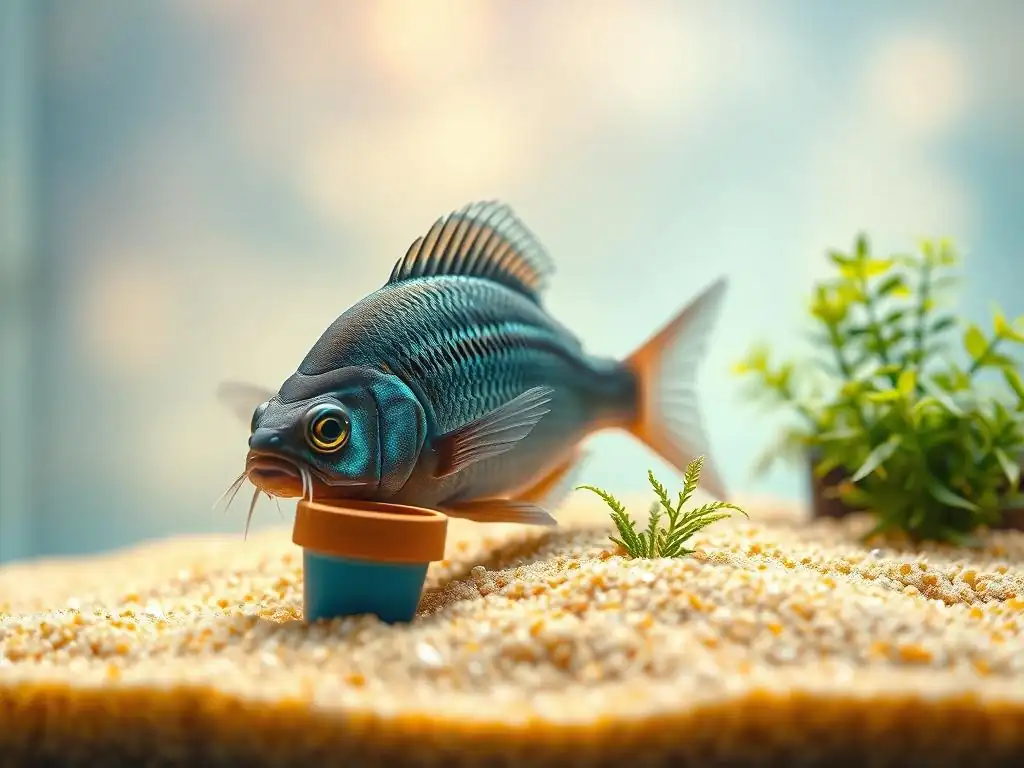
One of the most distinctive Corydoras tank behavior patterns is their sudden, rapid darting to the surface for a quick gulp of air before diving back down. This is known as "surface breathing" or "cory zoomies," a natural adaptation where they supplement their gill respiration with intestinal breathing. Occasional darting is perfectly normal, especially after lights are turned on or during feeding times, indicating active and healthy fish.
However, if this darting becomes constant, frantic, or is accompanied by gasping at the surface, it often signals a problem with water quality, specifically low oxygen levels or high concentrations of ammonia, nitrite, or nitrate. For instance, even ammonia levels as low as 0.25 ppm can trigger this stress response. In such cases, immediate water testing and a partial water change are crucial to prevent further distress to your Corydoras.
Corydoras Barbels: Exploring the Substrate for Food
Corydoras possess highly sensitive barbels, or whiskers, around their mouths, which they use to sift through the substrate in search of food. These delicate organs are essential for their foraging behavior and are a primary indicator of their health and the suitability of their environment. Healthy barbels are long, intact, and constantly in motion as the fish explores.
Damage to the barbels, appearing as erosion or shortening, is a common issue often caused by abrasive substrates like coarse gravel or poor water quality leading to bacterial infections. A proper substrate, such as fine sand (particle size less than 2mm), is vital to protect these sensory organs. Observing your Corydoras actively sifting through the sand with their barbels is a positive Corydoras tank behavior sign, confirming they are comfortable and able to feed naturally.
Corydoras "Winking": A Sign of Health?
Aquarists sometimes observe their Corydoras appearing to "wink," where one eye rapidly closes and opens. This behavior is generally a natural reflex. It often occurs when the fish is attempting to clear debris from its eye or gill area, or simply adjusting to changes in light or water movement. Typically, this is a brief and harmless action.
However, if "winking" is persistent, accompanied by the fish rubbing against tank decorations, or if there are visible signs of cloudiness, swelling, or redness around the eye, it could indicate an irritation, parasitic infection, or bacterial issue. Monitoring such prolonged behavior, alongside other Corydoras tank behavior tips like changes in appetite or activity, is important for early detection of potential health problems.
Corydoras Resting: Normal Behavior or Cause for Concern?
Corydoras do rest, and it is a normal part of their daily cycle. They may be observed perching motionless on broad plant leaves, driftwood, or even directly on the substrate for extended periods. This resting behavior is particularly common during daylight hours, as many Corydoras species are more active during dawn, dusk, or even at night.
Distinguishing normal resting from lethargy due to illness is crucial. A healthy, resting Corydoras will typically become active quickly if food is introduced or if disturbed gently. Conversely, a fish that is constantly listless, hiding excessively, refusing food, exhibiting clamped fins, or breathing rapidly even when at rest, is likely stressed or ill. Observing these nuances in Corydoras tank behavior can guide your care.
Factors Influencing Corydoras Tank Behavior
Water Quality and Its Impact on Corydoras Activity
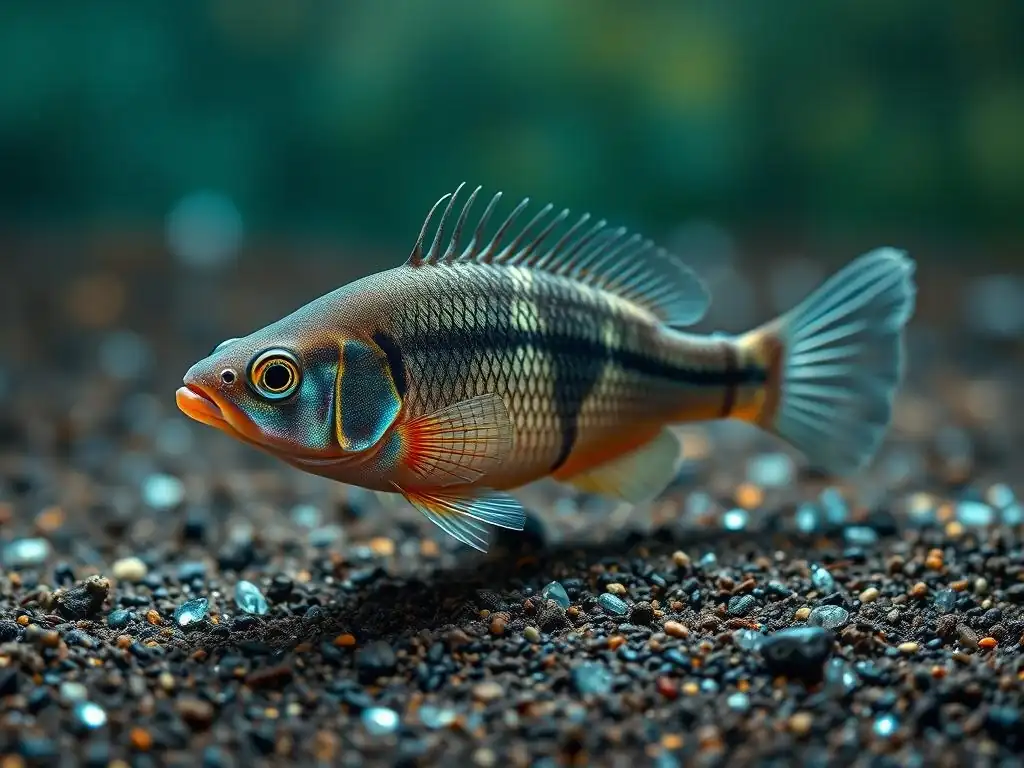
Pristine water quality is arguably the most critical factor influencing Corydoras tank behavior and overall health. High levels of ammonia (even trace amounts like 0.25 ppm), nitrite (any detectable level), or elevated nitrates (above 20 ppm for sensitive species, or 40 ppm for hardier ones) will quickly lead to stress and illness. Symptoms include lethargy, gasping at the surface, clamped fins, and loss of appetite.
Ideal water parameters for most common Corydoras species include a pH range of 6.0-7.5, a temperature between 72-78°F (22-26°C), and soft to moderately hard water (GH 2-15 dGH). Regular weekly water changes of 20-30% are essential to maintain these conditions and ensure your Corydoras remain active, vibrant, and exhibit their full range of natural behaviors.
Tank Size and Corydoras Wellbeing
While small in stature, Corydoras require adequate space due to their social nature and active bottom-dwelling habits. A minimum 20-gallon long aquarium is recommended for a group of 6-8 common Corydoras species, such as Peppered, Bronze, or Panda Corydoras. A 10-gallon tank, even for a small group, is generally considered too restrictive and can lead to stress and inhibited natural behaviors.
Larger tanks, typically 30 gallons and above, offer significantly more benefits. They provide greater water stability, more complex foraging areas, and ample room for the shoal to spread out and interact naturally. Crowding in smaller tanks can lead to increased stress, competition for resources, and a reluctance to display typical Corydoras tank behavior like schooling and active foraging.
The Influence of Tank Mates on Corydoras Behavior
Corydoras are peaceful community fish and thrive best with equally docile tank mates. Aggressive or overly boisterous species, such as certain Barbs, larger Cichlids, or fin-nipping fish, can intimidate Corydoras, stress them, or outcompete them for food, leading to shy or withdrawn Corydoras tank behavior. Ideal companions include small schooling tetras (e.g., Neon Tetras, Cardinal Tetras), Rasboras, peaceful Danios, and Otocinclus catfish.
It is also beneficial to select tank mates that occupy different water columns. For example, mid-water schooling fish complement bottom-dwelling Corydoras perfectly, preventing direct competition for space and resources. Observing how your Corydoras interact with other species provides valuable Corydoras tank behavior tips regarding overall tank harmony and compatibility.
Substrate Selection and Corydoras Natural Activities
The type of substrate used in an aquarium housing Corydoras is critically important for their health and natural activities. Their delicate barbels are designed for sifting through soft substrates. Coarse gravel, sharp rocks, or abrasive materials can easily damage these barbels, leading to infections, difficulty in feeding, and chronic stress.
Fine sand, such as pool filter sand or specialized aquarium sand, is the optimal choice. It allows Corydoras to engage in their natural sifting and digging behaviors without risk of injury. A proper substrate encourages active foraging, which is a significant and healthy component of Corydoras tank behavior, ensuring they can efficiently locate sinking food particles and explore their environment comfortably.
Promoting Positive Corydoras Tank Behavior
Creating an Enriching Environment for Corydoras
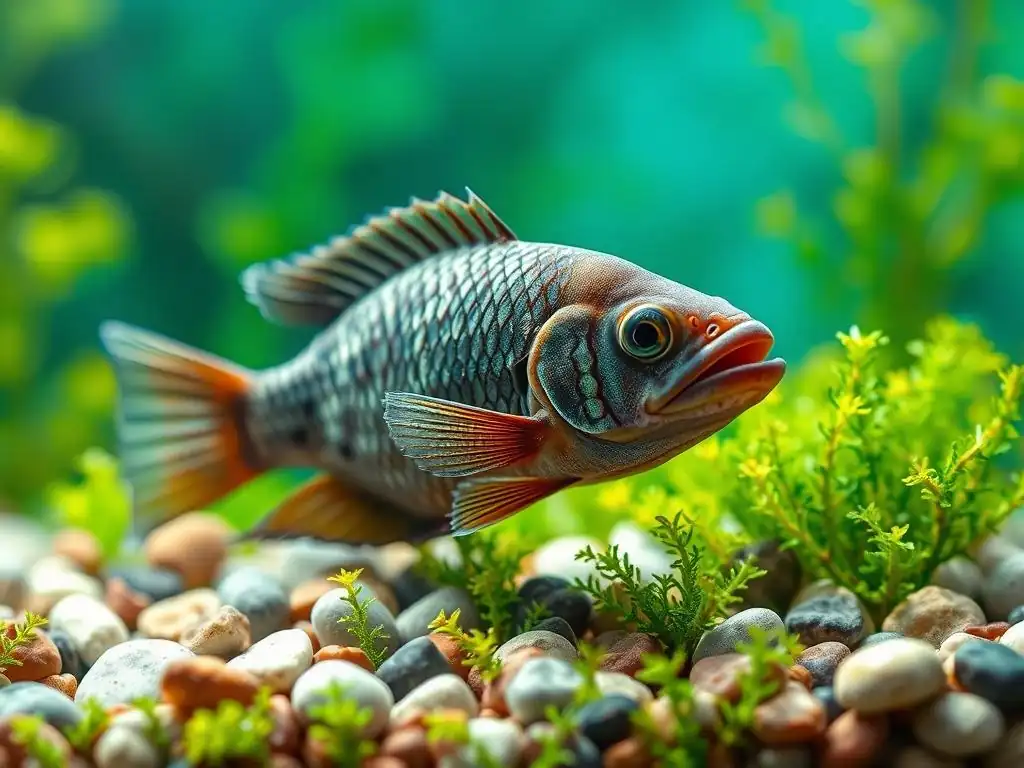
An enriching environment significantly contributes to positive Corydoras tank behavior. Incorporate elements like smooth driftwood, rounded rocks, and live plants. Live plants such as Java Fern, Anubias, Cryptocoryne, and broad-leafed swords provide ample hiding spots, shaded areas, and natural foraging grounds. These elements mimic their natural habitat, offering security and opportunities for exploration.
Providing a varied landscape encourages curiosity and reduces stress. Consider creating areas with denser planting for hiding and open sandy areas for sifting. Floating plants can also help diffuse overhead light, which Corydoras often appreciate, leading to more confident and active displays of their endearing Corydoras tank behavior.
Optimal Corydoras Feeding Strategies
Optimal feeding is crucial for maintaining active and healthy Corydoras tank behavior. As bottom-dwelling omnivores and scavengers, they primarily consume food that sinks to the substrate. High-quality sinking pellets, wafers, and occasional treats of frozen foods like bloodworms, brine shrimp, or daphnia should form the bulk of their diet. Avoid relying solely on leftover flakes, as these often don't reach the bottom in sufficient quantities.
Feed small amounts once or twice daily, ensuring that all fish, especially the Corydoras, receive adequate nutrition without overfeeding the tank. Observe their enthusiastic foraging and sifting as a clear sign of proper feeding and a healthy appetite. Consistent, targeted feeding prevents malnutrition and promotes their characteristic active search for food.
Maintaining Water Quality for Happy Corydoras
Consistent water quality maintenance is fundamental for promoting vibrant and active Corydoras tank behavior. Regular weekly water changes, typically 20-30% of the tank volume, using dechlorinated water, are essential for removing accumulated nitrates and replenishing vital minerals. Employ a reliable liquid test kit to routinely monitor ammonia, nitrite, and nitrate levels to catch any issues early.
Ensure your aquarium has adequate filtration that provides gentle water movement without creating strong currents that can stress these small fish. A well-maintained biological filter and consistent adherence to a water change schedule are paramount Corydoras tank behavior tips for preventing stress-related issues and fostering a thriving aquatic environment.
Advanced Corydoras Behavior Observation
Breeding Behavior in Corydoras: A Closer Look
Observing breeding behavior in Corydoras is a rewarding experience and a strong indicator of a comfortable, well-maintained environment. The most characteristic breeding display is the "T-position" or "T-dance," where the male positions himself perpendicular to the female's head. The female then takes the male's milt into her mouth (or gills, according to different theories) to fertilize the eggs she will soon release. Eggs are typically laid on broad plant leaves, tank glass, or decor.
Successful spawning is often triggered by specific environmental cues, such as a slight drop in water temperature (simulating rainfall), increased feeding with high-protein foods, and pristine water quality. Witnessing this complex and coordinated Corydoras tank behavior signifies that your fish are not only surviving but truly thriving in your care.
Recognizing Signs of Illness Through Corydoras Behavior
Any significant deviation from normal Corydoras tank behavior can be an early warning sign of illness or stress. Aquarists should be vigilant for behaviors such as prolonged lethargy, excessive hiding, labored or rapid breathing, clamped fins, a sudden loss of appetite, changes in coloration (e.g., dullness, white patches), frayed fins, or erratic, uncoordinated swimming patterns.
Specific examples include constant darting to the surface when water quality is otherwise good, which might indicate a gill parasite, or a complete lack of foraging activity, suggesting either severe illness or irreparable barbel damage. Early recognition of these behavioral changes, applying established Corydoras tank behavior tips for health, is critical for prompt diagnosis and effective treatment, significantly improving the chances of recovery.
Corydoras Tank Behavior Tips: A Summary for Aquarium Keepers
Understanding and interpreting Corydoras tank behavior is a cornerstone of successful fishkeeping. Observing active foraging, cohesive schooling, occasional bursts of "zoomies," and periods of peaceful resting are all positive indicators of healthy, content fish. These behaviors signify that their environmental needs are being met and they feel secure within their habitat.
To ensure your Corydoras exhibit their best natural behaviors, prioritize pristine water quality through regular maintenance, provide an appropriate soft substrate, house them in adequate group sizes, and select peaceful tank mates. These fundamental Corydoras tank behavior tips will enable you to cultivate a thriving aquarium where these endearing bottom dwellers can flourish and entertain for years to come.
Frequently Asked Questions
What are some common playful behaviors exhibited by Corydoras in a tank?
Corydoras often engage in social interaction, such as schooling closely and chasing each other. They may also exhibit "zoomies," rapidly swimming around the tank for no apparent reason.
How important is tank size when considering Corydoras tank behavior?
Tank size significantly impacts their behavior. A larger tank allows for more natural schooling and reduces stress. Overcrowding can lead to aggression and suppressed playful behaviors.
What role does tank decor play in influencing Corydoras behavior?
Tank decor provides hiding places and exploration opportunities. Corydoras enjoy sifting through sand or gravel, so appropriate substrate is crucial. Live plants can also encourage natural behaviors.
How does water quality affect Corydoras tank behavior?
Poor water quality can severely impact their behavior. High levels of ammonia or nitrites can cause stress and illness. Regular water changes and proper filtration are essential for healthy, playful Corydoras.
Are there specific tank mates that might encourage or discourage Corydoras' playful behavior?
Peaceful tank mates are crucial to encourage natural behavior. Aggressive or fin-nipping fish can stress Corydoras and suppress their playful antics. Choose companions with similar temperaments and environmental needs.
Final Reflection: The Joyful Dance of Corydoras
The observations detailed throughout this article, highlighting the playful and engaging behavior of Corydoras, are not merely anecdotal; they underscore the vital importance of understanding and catering to the social and environmental needs of these fascinating fish. In a world increasingly focused on efficient aquarium keeping, it's crucial to remember that a thriving Corydoras tank is one that prioritizes enrichment and encourages natural behaviors.
The captivating antics of Corydoras have profoundly influenced my own approach to aquascaping and fishkeeping, reminding me that observing and responding to the unique needs of each species is paramount to creating a truly harmonious ecosystem. It's a lesson that extends beyond the glass walls of an aquarium, teaching us the value of empathy and understanding in all aspects of life. In the end, we will conserve only what we love; we will love only what we understand; and we will understand only what we are taught.
- Baba Dioum. This quote perfectly encapsulates the responsibility we have to learn about and appreciate the creatures we share our world with, both in and out of our tanks.
Now, consider the lessons learned from observing these endearing Corydoras. How can you apply these principles of enrichment and attentive observation to your own aquarium, or even to other areas of your life? Let the joyful dance of the Corydoras inspire you to create environments that foster well-being, encourage natural expression, and celebrate the unique beauty of every living creature. Embrace the opportunity to learn, adapt, and cultivate a deeper connection with the world around you, one playful Corydoras at a time.
Dive Deeper into the Cory Cat World!
Thanks for exploring the charming world of Corydoras with us! We hope you've gained a newfound appreciation for these delightful bottom-dwellers and their playful personalities. Ready to take your Corydoras enthusiasm to the next level?
Here are a few ways to connect further:
- Commit to a Cory: If you don't already have them, seriously consider adding a group of Corydoras to your aquarium. Observe their unique behaviors firsthand and provide them with a thriving environment.
- Share Your Cory Stories: Upload a photo or video of your Corydoras' antics on social media using #AquariumMasteryCorys and tag us! Let's celebrate these adorable fish together.
- Explore Rare Varieties: Delve into the fascinating world of less common Corydoras species like the Corydoras sterbai or the Corydoras adolfoi. Research their unique needs and consider adding a unique touch to your aquarium.
What's the funniest or most endearing thing your Corydoras has ever done? Share your story in the comments below!