
Comparing Shell Dweller Species: Multies vs. Occies vs. Brevis – Which is for You?

Welcome to Aquarium Mastery!
Intrigued by the fascinating world of shell dwellers? You've come to the right place! Ever wondered about the nuances of shell dweller tank compatibility? This article dives deep into the world of Multies, Occies, and Brevis, comparing their unique needs and temperaments to help you choose the perfect shell-dwelling inhabitants for your aquarium. Get ready to unlock the secrets to a thriving and harmonious shell dweller community!
- Understanding Shell Dweller Tank Compatibility for a Thriving Aquarium
- Neolamprologus multifasciatus (Multies): The Colony Builders
- Neolamprologus ocellatus (Occies): The Bold and Territorial
- Lamprologus brevis (Brevis): The Pair-Bonding Specialists
- Shell Dweller Tank Compatibility: A Side-by-Side Comparison
- Choosing the Right Shell Dweller: Factors to Consider
- Setting Up a Shell Dweller Tank for Optimal Compatibility
- Advanced Shell Dweller Keeping: Beyond the Basics
- Conclusion: Mastering Shell Dweller Tank Compatibility
-
Frequently Asked Questions
- What are the key differences between Neolamprologus multifasciatus (Multies), Neolamprologus ocellatus (Occies), and Neolamprologus brevis in terms of shell dweller tank compatibility?
- Can I house Multies, Occies, and Brevis together in a single shell dweller tank?
- What tank size is ideal for a shell dweller tank focusing on shell dweller tank compatibility?
- How does water chemistry impact shell dweller tank compatibility and the health of these species?
- What are the most common issues affecting shell dweller tank compatibility, and how can I prevent them?
- Final Reflection: The Miniature World of Shell Dwellers
- Dive Deeper: Choose Your Shell Dweller Adventure!
Understanding Shell Dweller Tank Compatibility for a Thriving Aquarium
Introduction to Shell Dwellers: A Beginner's Guide to These Fascinating Cichlids
Shell dwellers are a captivating group of cichlids native to the rocky, shell-strewn shores of Lake Tanganyika in East Africa. These diminutive fish, typically ranging from 1.5 to 2.5 inches (approximately 3.8 to 6.3 cm) in length, derive their common name from their unique habit of utilizing empty snail shells for shelter, breeding, and territory. Their small size and intriguing behaviors, such as elaborate digging, shell-burying, and intricate social structures, make them a popular choice for aquarists seeking a distinct freshwater aquarium experience.
Unlike many larger, more aggressive cichlids, shell dwellers offer a unique opportunity to observe complex social dynamics in a relatively compact space. Their reliance on shells dictates much of their behavior, from territorial disputes over prime real estate to the protective instincts displayed during breeding. Understanding their specific needs, particularly concerning shell dweller tank compatibility, is crucial for creating a thriving environment where these fascinating cichlids can exhibit their full range of natural behaviors.
Why Choose Shell Dwellers for Your Tanganyikan Tank?
Choosing shell dwellers for your Tanganyikan cichlid setup offers numerous advantages, making them an excellent option for both novice and experienced aquarists. Their relatively small footprint means they can be housed in smaller aquariums compared to many other cichlid species, often thriving in tanks as compact as 5 to 20 gallons (approximately 19 to 75 liters), depending on the species and desired population size. This accessibility makes them ideal for enthusiasts with limited space but a desire for a specialized biotope.
Beyond their size, shell dwellers provide an unparalleled opportunity to witness complex social interactions and breeding behaviors up close. Species like Neolamprologus multifasciatus form bustling colonies, while Lamprologus brevis exhibit strong pair bonds, and Neolamprologus ocellatus display bold territoriality. Each species presents a unique set of challenges and rewards, but all share the charm of their shell-centric lives. Their hardiness and relatively straightforward care requirements, once their specific shell dweller tank compatibility needs are met, contribute to their appeal as a rewarding and engaging aquarium inhabitant.
Neolamprologus multifasciatus (Multies): The Colony Builders
Multies Care Guide: Tank Size, Water Parameters, and Diet
Neolamprologus multifasciatus, commonly known as Multies, are perhaps the most popular and widely available shell dweller species, celebrated for their prolific breeding and captivating colony-forming behavior. For a thriving Multies colony, a minimum tank size of 20 gallons (approximately 75 liters) with a long footprint is highly recommended, such as a 30-inch (76 cm) long tank, to provide ample linear space for territory establishment among a group of 15-20 individuals. While a 10-gallon (38-liter) tank can house a small starter group, it will quickly become overcrowded as the colony expands.
Maintaining stable Lake Tanganyika water parameters is crucial for Multies' health. They thrive in temperatures between 77-80°F (25-27°C), a pH range of 8.0-9.0, and a general hardness (dGH) of 10-20. A fine sand substrate, at least 2-3 inches (5-7.5 cm) deep, is essential to allow them to engage in their natural digging and shell-burying behaviors.
In terms of diet, Multies are omnivorous. A high-quality cichlid flake food or micro pellet should form the staple, supplemented with frozen foods like brine shrimp, daphnia, or cyclops a few times a week. Feeding small amounts multiple times a day is beneficial to their digestive system and encourages natural foraging.
Breeding Multies: Creating a Self-Sustaining Colony in Your Aquarium
Breeding Neolamprologus multifasciatus is remarkably straightforward and one of their most appealing characteristics, often leading to a self-sustaining, multi-generational colony within the aquarium. Females will lay between 10 to 30 eggs inside a chosen shell, which the male then fertilizes. The eggs typically hatch within 3-5 days, and the fry become free-swimming within 7-10 days, remaining within the safety of the shell or surrounding sand. Providing an abundance of empty snail shells – ideally 2-3 shells per fish – is key to successful breeding and colony development, as it offers ample choices for nesting and refuge.
Once established, a Multies colony will exhibit fascinating social dynamics, with older fry often assisting in the protection of younger siblings and the overall territory. This cooperative breeding strategy contributes to their high survival rate in a well-maintained aquarium. To further encourage breeding and fry survival, ensure excellent water quality through regular water changes and offer a varied, nutritious diet. Within 6 to 8 months, a healthy colony can expand significantly, with successive generations coexisting peacefully, showcasing the ideal shell dweller tank compatibility within their own species.
Multies Tank Mates: Compatible Fish for a Peaceful Community
When considering shell dweller tank compatibility for Neolamprologus multifasciatus, it's important to select tank mates that occupy different levels of the water column and do not compete for the same shell territory. Multies are relatively peaceful for cichlids, but they will vigorously defend their shell territory against any perceived threat, especially other bottom-dwelling fish. The best tank mates are often other peaceful Tanganyikan cichlids that prefer the open water or rocky areas above the substrate.
Suitable companions include small Julidochromis species like Julidochromis transcriptus or Julidochromis regani, which prefer rocky crevices and rarely venture into the sandbed. Open-water swimming species such as Cyprichromis leptosoma or Paracyprichromis nigripinnis are also excellent choices, as they typically stay in the upper half of the tank, minimizing direct interaction and potential conflict with the Multies. Avoid housing Multies with other shell dwellers, very large cichlids, or aggressive bottom-dwelling species that could stress or injure them. A 30-gallon (113-liter) or larger tank is generally required for a successful community setup that maintains optimal shell dweller tank compatibility.
Neolamprologus ocellatus (Occies): The Bold and Territorial
Occies Care Guide: Understanding Their Specific Needs
Neolamprologus ocellatus, commonly known as Occies, are renowned for their bold personality and striking territorial displays. These shell dwellers are slightly larger than Multies, with males reaching up to 2 inches (5 cm) and females about 1.5 inches (3.8 cm).
For a single pair, a minimum tank size of 5 gallons (approximately 19 liters) is sufficient, but a 10-gallon (38-liter) tank provides a more stable environment and better allows for the establishment of distinct territories, particularly if housing a trio (one male and two females). Like other Tanganyikan cichlids, Occies require stable water parameters: temperatures between 77-80°F (25-27°C), a pH range of 8.0-9.0, and a general hardness (dGH) of 10-20.
Occies are expert excavators, often digging extensively and burying their chosen shells, sometimes completely out of sight. Therefore, a fine sand substrate, at least 3 inches (7.5 cm) deep, is crucial to accommodate their natural digging behaviors and allow them to secure their preferred shell. Diet-wise, Occies have a more carnivorous tendency. While they will accept high-quality cichlid pellets and flakes, their diet should be regularly supplemented with frozen foods such as bloodworms, mysis shrimp, and brine shrimp to ensure optimal health and coloration. Feeding small, frequent meals is ideal.
Occies Breeding: Maximizing Success with These Shell Dwellers
Breeding Neolamprologus ocellatus can be a rewarding experience, as they exhibit strong parental care and fascinating breeding behaviors. Occies are typically pair spawners, though a male may sometimes breed with multiple females in a larger setup. The female will lay 10-25 eggs inside a chosen shell, which the male then fertilizes. The eggs typically hatch within 3-5 days, and the fry become free-swimming in about 7-10 days. Both parents actively guard the shell and the emerging fry, fiercely defending their territory against any perceived threats.
To maximize breeding success, provide multiple shells (e.g., escargot or turbo snail shells with openings appropriate for their size) within their territory, even if they only choose one for spawning. A smooth, fine sand substrate is important for their digging activities, which are integral to their breeding process. Maintaining pristine water quality and a consistent diet rich in protein will further encourage spawning. Once the fry are free-swimming, they will remain close to the parents and the shell for several weeks, benefiting from their protection, demonstrating a strong example of parental shell dweller tank compatibility and care.
Occies Tank Mates: Minimizing Aggression in a Shell Dweller Setup
Given their bold and highly territorial nature, selecting appropriate tank mates for Neolamprologus ocellatus requires careful consideration to ensure successful shell dweller tank compatibility. Occies are known to be quite aggressive towards conspecifics and other bottom-dwelling fish that might compete for shell territory. For this reason, a species-only tank is often the most successful approach for Occies, allowing them to establish and defend their territories without undue stress.
If a community tank is desired, it must be sufficiently large – typically 20 gallons (75 liters) or more – to provide ample space for distinct territories. Compatible tank mates should primarily be small, fast-swimming, open-water species that do not inhabit the bottom of the tank.
Examples include Cyprichromis species (e.g., Cyprichromis microlepidotus or Cyprichromis leptosoma), which spend their time in the upper water column, well above the Occies' territory. Avoid other shell dwellers, slow-moving fish, or any fish that might venture too close to their meticulously guarded shells, as this will inevitably lead to aggression and stress for all inhabitants.
Lamprologus brevis (Brevis): The Pair-Bonding Specialists
Brevis Care Guide: Maintaining a Healthy Environment
Lamprologus brevis, commonly known as Brevis, are distinguished among shell dwellers by their strong, monogamous pair bonds and relatively peaceful demeanor. These charming cichlids typically reach an adult size of about 1.75 inches (4.5 cm). For a single pair, a minimum tank size of 5 gallons (approximately 19 liters) is adequate, though a 10-gallon (38-liter) tank is ideal for greater water stability and to allow the pair to establish a comfortable territory. Like their shell-dwelling cousins, Brevis require specific Lake Tanganyika water parameters: temperatures between 77-80°F (25-27°C), a pH range of 8.0-9.0, and a general hardness (dGH) of 10-20.
Unlike Multies and Occies, Brevis do not engage in extensive digging or shell-burying. They often share a single shell for both shelter and breeding, making them less reliant on a deep sand bed, though a fine sand substrate is still preferred for their natural foraging behavior. Their diet is omnivorous, consisting of high-quality fine-grade cichlid flakes and pellets, supplemented with small frozen foods like daphnia, cyclops, and brine shrimp. Feeding small, frequent meals helps maintain their health and activity levels.
Brevis Breeding: Understanding Their Unique Pairing Behavior
Breeding Lamprologus brevis is a fascinating process, primarily due to their unique pair-bonding behavior. Unlike the colonial Multies or the more independent Occies, Brevis form strong, monogamous pairs that will often share a single shell for spawning and raising their young. The female typically lays 5-15 eggs inside the chosen shell, which the male then fertilizes. The eggs hatch within 3-5 days, and the fry become free-swimming after about 7-10 days. Both parents exhibit dedicated parental care, diligently guarding the shell and the emerging fry.
To encourage breeding, provide several empty snail shells (e.g., escargot or small turbo snail shells) of varying sizes, allowing the pair to select their preferred dwelling. While they often choose a single shell to inhabit together, having options can reduce potential stress. Maintaining pristine water quality and a consistent, nutritious diet are also crucial factors for successful spawning. The sight of both parents tending to their small brood from within or around their shared shell is a testament to their strong shell dweller tank compatibility within their pair bond.
Brevis Tank Mates: Selecting Suitable Companions for a Pair of Brevis
Lamprologus brevis are generally considered the most peaceful of the commonly kept shell dwellers, making them a good candidate for community tanks, provided the tank is adequately sized and tank mates are chosen carefully to ensure optimal shell dweller tank compatibility. Their relatively low aggression means they are less likely to harass other fish, especially those that do not compete directly for their shell territory.
Suitable tank mates for Brevis include other small, peaceful Tanganyikan cichlids that prefer different ecological niches within the aquarium. Small Julidochromis species, such as Julidochromis transcriptus or Julidochromis ornatus, can be good companions as they tend to inhabit rocky areas. Other excellent choices are open-water swimmers like Cyprichromis leptosoma or Paracyprichromis nigripinnis, which utilize the upper water column and rarely venture into the bottom substrate.
Avoid overly aggressive or much larger fish that could intimidate or harm the more docile Brevis. A tank of at least 15-20 gallons (57-75 liters) is recommended for a community setup with Brevis to ensure sufficient space for all inhabitants and maintain harmonious shell dweller tank compatibility.
Shell Dweller Tank Compatibility: A Side-by-Side Comparison
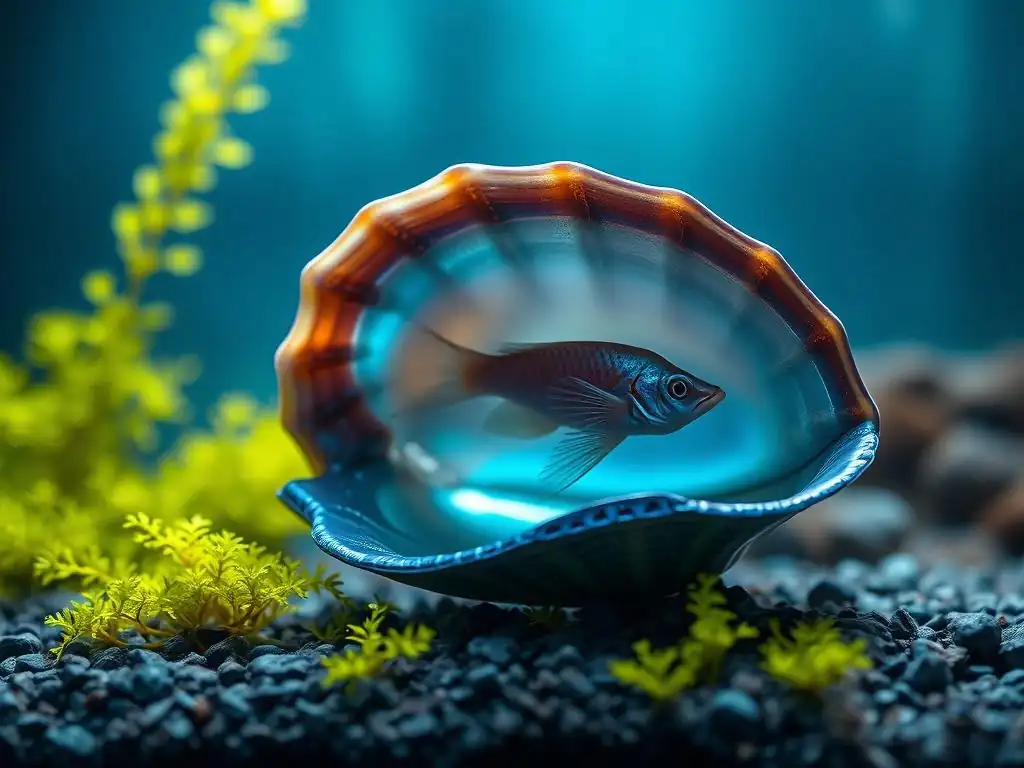
Size and Tank Requirements: Multies, Occies, and Brevis Compared
Understanding the subtle differences in size and tank requirements is fundamental to achieving optimal shell dweller tank compatibility and ensuring the well-being of your chosen species. While all three are small cichlids, their social structures dictate their spatial needs.
- Multies (Neolamprologus multifasciatus):
- Size: Males up to 1.5 inches (3.8 cm), females slightly smaller.
- Tank Requirements: Minimum 20-gallon long (approx. 75 liters) for a thriving colony of 15-20 individuals. The long footprint (e.g., 30 inches / 76 cm) is more important than height, providing ample linear space for territories.
- Social Structure: Colonial.
- Occies (Neolamprologus ocellatus):
- Size: Males up to 2 inches (5 cm), females up to 1.5 inches (3.8 cm).
- Tank Requirements: Minimum 5-gallon (approx. 19 liters) for a single pair. A 10-gallon (approx. 38 liters) tank is ideal for a pair or trio, offering more room for territory establishment and reducing aggression.
- Social Structure: Pair or trio.
- Brevis (Lamprologus brevis):
- Size: Males up to 1.75 inches (4.5 cm), females slightly smaller.
- Tank Requirements: Minimum 5-gallon (approx. 19 liters) for a single pair. A 10-gallon (approx. 38 liters) tank is ideal for a pair, providing enhanced stability.
- Social Structure: Monogamous pair.
Choosing the right tank size based on these species-specific needs is the first step in ensuring long-term shell dweller tank compatibility and preventing stress or aggression due to overcrowding.
The temperament and social behavior of shell dwellers are defining characteristics that profoundly impact shell dweller tank compatibility within a multi-species setup. Each species offers a distinct dynamic, catering to different aquarist preferences.
- Multies (Neolamprologus multifasciatus):
- Temperament: Relatively peaceful within their own species, especially when ample shells are provided. They are active and engaging, constantly digging and rearranging their shell territories.
- Social Behavior: Strong colony builders. Multiple generations coexist, with older fry often assisting in the defense of the colony. This creates a bustling, dynamic display.
- Ideal For: Aquarists who want to observe complex social hierarchies and prolific breeding in a self-sustaining miniature ecosystem.
- Occies (Neolamprologus ocellatus):
- Temperament: Bold, assertive, and highly territorial. They will fiercely defend their chosen shell and surrounding area against any intruders, including conspecifics.
- Social Behavior: Typically kept as a pair or trio. Interactions are focused on defending their immediate territory. Aggression can be a significant factor if space or shells are insufficient.
- Ideal For: Aquarists who appreciate individual personality and assertive behavior, and are prepared to manage potential aggression, often in a species-only tank.
- Brevis (Lamprologus brevis):
- Temperament: Generally peaceful and less aggressive than Occies. They are more reserved and focused on their pair bond.
- Social Behavior: Form strong, monogamous pair bonds, often sharing a single shell. They are less prone to extensive digging or territorial disputes with non-shell-dwelling species.
- Ideal For: Aquarists seeking a calmer, pair-focused interaction, and those considering a mixed Tanganyikan community tank with appropriate, non-competitive tank mates.
Understanding these behavioral nuances is critical for successful shell dweller tank compatibility, allowing you to select a species that aligns with your desired aquarium dynamics and your ability to manage their specific needs.
Water Chemistry and Substrate Preferences: Ensuring Optimal Conditions
While their social behaviors vary, the core environmental requirements for Multies, Occies, and Brevis are remarkably similar, reflecting their shared origin in Lake Tanganyika. Adhering to these parameters is vital for their long-term health and successful shell dweller tank compatibility.
- Water Chemistry (Common to all three species):
- Temperature: Stable between 77-80°F (25-27°C).
- pH: High and alkaline, ideally ranging from 8.0 to 9.0.
- Hardness: Very hard water, with a general hardness (dGH) of 10-20 and a carbonate hardness (kH) of 10-18. Maintaining high kH is crucial for buffering the pH and preventing dangerous fluctuations.
- Nitrates: Keep nitrate levels as low as possible, ideally below 20 ppm, through regular water changes.
- Importance: Consistency is key. Sudden shifts in pH or temperature can cause significant stress.
- Substrate Preferences:
- Multies: Require a fine sand substrate, at least 2-3 inches (5-7.5 cm) deep. They are prolific diggers and will actively bury and rearrange shells.
- Occies: Also necessitate a fine sand substrate, preferably 3 inches (7.5 cm) or deeper, to accommodate their extensive digging and shell-burying activities. Their robust digging is a hallmark behavior.
- Brevis: While they appreciate a fine sand substrate for foraging, they are less inclined to dig or bury shells compared to Multies and Occies. They often share a single shell, and their interaction with the substrate is less intense.
- Shell Provision:
- Multies: Abundant shells are crucial, ideally 2-3 empty snail shells (e.g., escargot, turbo snail shells) per fish, to support their colonial structure and provide individual territories.
- Occies: Several shells should be provided per fish, allowing them to choose and secure their preferred dwelling. The shell opening should be appropriately sized for the fish.
- Brevis: Provide several shells, but they will often choose and share just one primary shell for their pair bond.
Ensuring these precise water parameters and providing the correct substrate and shell types are non-negotiable foundations for achieving optimal shell dweller tank compatibility and fostering a healthy, thriving environment.
Choosing the Right Shell Dweller: Factors to Consider
Your Aquarium Size and Layout: Matching Shell Dwellers to Your Space
The dimensions and setup of your aquarium are paramount when deciding which shell dweller species is right for you, as they directly impact shell dweller tank compatibility. Matching the fish's spatial needs to your tank prevents overcrowding, reduces stress, and allows for natural behaviors.
- Small Aquariums (5-10 gallons / 19-38 liters):
- Best Fit: A single pair of Neolamprologus ocellatus or Lamprologus brevis can thrive in a 5-gallon tank. For a slightly more stable environment and better display, a 10-gallon tank is often preferred for these species.
- Layout: Focus on a deep sand bed and strategically placed shells. Minimal additional decor to maximize swimming space.
- Medium Aquariums (15-20 gallons / 57-75 liters long):
- Best Fit: A flourishing colony of Neolamprologus multifasciatus is perfectly suited for a 20-gallon long tank, which offers the necessary linear space for their expanding territories.
- Layout: Abundant shells scattered across a deep sand bed. You could also potentially house multiple pairs of Lamprologus brevis with adequate shell separation in a 20-gallon long.
- Larger Aquariums (30+ gallons / 113+ liters):
- Best Fit: These tanks allow for more complex community setups. You could house a large colony of Multies, or combine a pair of Brevis with other peaceful Tanganyikan species that occupy different water columns, such as Cyprichromis species.
- Layout: Diverse layout with shell areas, open sand stretches, and potentially some rockwork at the back to create vertical interest without encroaching on shell territories.
- Consideration: Even in larger tanks, careful planning is needed to maintain shell dweller tank compatibility if mixing species, particularly avoiding other bottom-dwelling cichlids that would compete for shells.
Experience Level: Selecting a Species Suitable for Your Skill
Your level of experience in aquarium keeping, particularly with cichlids, should influence your choice of shell dweller. While all shell dwellers are generally hardy once established, some species are more forgiving than others, impacting the ease of achieving successful shell dweller tank compatibility.
- Beginner Aquarists:
- Recommended Species: Neolamprologus multifasciatus (Multies) are highly recommended. They are robust, prolific breeders, and their colonial nature makes them relatively forgiving of minor fluctuations once established. Their rapid breeding provides a tangible sense of success for newcomers.
- Also Suitable: Lamprologus brevis are also a good choice for beginners due to their more peaceful nature and strong pair bonds, which simplify their social dynamics.
- Intermediate Aquarists:
- Recommended Species: Neolamprologus ocellatus (Occies) are better suited for aquarists with some experience in cichlid keeping. Their bold territoriality and potential for aggression require more careful observation and management of tank dynamics and tank mate selection.
- Considerations: Understanding cichlid behavior and being prepared to intervene (e.g., rearrange decor, add more shells, or even remove an overly aggressive individual) is beneficial for successful Occie shell dweller tank compatibility.
- Advanced Aquarists:
- Opportunities: Experienced aquarists might explore less common shell dweller species or undertake more complex community setups, carefully combining multiple Tanganyikan species while maintaining precise water parameters and managing intricate social interactions. This often involves a deep understanding of species-specific behaviors and meticulous tank design.
Choosing a species appropriate for your skill level ensures a more enjoyable and successful journey into the world of shell dwellers, fostering healthy fish and positive shell dweller tank compatibility outcomes.
Desired Tank Dynamics: Colony, Pair, or Community?
The social structure you envision for your aquarium is a critical factor in selecting the ideal shell dweller species, as it directly impacts shell dweller tank compatibility and the overall vibrancy of your setup. Each species offers a unique behavioral display.
- Colony Dynamics:
- Best Fit: If you are fascinated by multi-generational social structures and bustling activity, Neolamprologus multifasciatus is the undisputed choice. Their constant digging, spawning, and interaction within a large group create a miniature, self-sustaining ecosystem that is incredibly engaging to observe.
- Observation: You'll witness older fry protecting younger ones, complex territorial disputes over prime shells, and continuous expansion of the colony.
- Pair Dynamics:
- Best Fit: For those who prefer to observe the intricate interactions of a bonded pair, Lamprologus brevis is an excellent option. Their monogamous relationship and shared shell create a focused display of parental care and cooperation. Neolamprologus ocellatus also offer pair dynamics, though with a more assertive and territorial flair.
- Observation: You'll see the pair working together to defend their spawning shell, tending to their fry, and engaging in subtle communication.
- Community Dynamics:
- Best Fit: If you aim for a mixed Tanganyikan community tank, Lamprologus brevis is generally the most adaptable shell dweller due to their peaceful nature. Neolamprologus multifasciatus can also work in larger communities with appropriate, non-bottom-dwelling tank mates. Neolamprologus ocellatus are the least suitable for general community tanks due to their high territoriality.
- Observation: A well-planned community allows you to observe a variety of Tanganyikan behaviors, with shell dwellers occupying the bottom niche while other species swim in the mid- or upper-water column.
- Key for Compatibility: Regardless of the desired dynamics, ensuring proper shell dweller tank compatibility with other species involves careful research into their natural behaviors and spatial needs to prevent conflict.
Setting Up a Shell Dweller Tank for Optimal Compatibility
Selecting the Right Substrate and Shells
The foundation of any successful shell dweller aquarium lies in providing the correct substrate and an ample supply of appropriate shells. These elements are not merely decorative; they are fundamental to the fish's natural behaviors, well-being, and ultimately, shell dweller tank compatibility.
- Substrate:
- Type: A fine-grained sand is essential. Options include pool filter sand, play sand (rinsed thoroughly), or specialized African cichlid sands (e.g., CaribSea African Cichlid Mix, Tropic Eden Grand Bahama). Avoid coarse gravel, as it can injure their delicate mouths and gills when digging, and does not allow for proper shell-burying.
- Depth: For species like Neolamprologus multifasciatus and Neolamprologus ocellatus, a sand bed of at least 2 to 3 inches (5-7.5 cm) deep is crucial. This depth allows them to engage in their natural digging, tunneling, and shell-burying behaviors, which are vital for establishing territories and feeling secure.
- Function: The sand serves as their canvas for engineering their homes and territories, directly influencing their stress levels and social interactions.
- Shells:
- Type: Empty snail shells are the primary habitat for shell dwellers. Common choices include escargot shells, turbo snail shells, or various marine shells with appropriate openings. Ensure shells are thoroughly cleaned and free of any organic matter or chemicals.
- Quantity:
- For Neolamprologus multifasciatus (Multies): Provide an abundance, ideally 2-3 shells per fish, even if the tank seems sparsely populated initially. This ensures every individual has choices and reduces competition, fostering better colony shell dweller tank compatibility.
- For Neolamprologus ocellatus (Occies) and Lamprologus brevis (Brevis): Offer several shells per fish, even though they might only utilize one or two. This allows them to choose their preferred dwelling and provides alternatives if a shell becomes unsuitable.
- Placement: Shells can be scattered randomly or grouped to encourage colony formation. For species like Occies, arranging shells to create natural barriers can help define territories and minimize direct confrontation.
Proper selection and arrangement of substrate and shells are the bedrock for a thriving shell dweller environment, promoting natural behaviors and ensuring long-term shell dweller tank compatibility.
Maintaining Water Quality for Shell Dweller Health
Consistent and pristine water quality is paramount for the health and longevity of shell dwellers, directly impacting their ability to thrive and exhibit positive shell dweller tank compatibility. These cichlids are sensitive to fluctuating parameters and accumulated waste products.
- Filtration:
- Type: Employ robust biological filtration. Sponge filters are excellent for smaller shell dweller tanks due to their gentle flow and large surface area for beneficial bacteria. Hang-on-back (HOB) filters with good biological media or canister filters are suitable for larger setups.
- Flow: Ensure adequate water movement without creating strong currents that might stress the fish.
- Water Parameters:
- Monitoring: Regularly test pH, kH, gH, ammonia, nitrite, and nitrate levels. Aim for a stable pH of 8.0-9.0, kH of 10-18, and gH of 10-20. Ammonia and nitrite should always be zero. Nitrates should be kept below 20 ppm.
- Temperature: Maintain a stable temperature between 77-80°F (25-27°C) using a reliable heater.
- Water Changes:
- Frequency: Perform regular partial water changes, typically 20-30% weekly. This removes accumulated nitrates and replenishes essential minerals, crucial for maintaining the hard, alkaline conditions they require.
- Procedure: Always use a dechlorinator or water conditioner. Match the temperature of the new water to the tank water to prevent thermal shock. Gently siphon water from the substrate to remove detritus without disturbing shell structures excessively.
- Heater and Thermometer:
- Reliability: Invest in a high-quality, reliable heater to maintain stable temperatures.
- Accuracy: Use an accurate thermometer to monitor the tank temperature constantly.
Diligent attention to these water quality aspects is non-negotiable for the well-being of your shell dwellers, directly contributing to their overall health and successful shell dweller tank compatibility within their environment.
Avoiding Common Mistakes in Shell Dweller Aquariums
Successfully keeping shell dwellers and ensuring optimal shell dweller tank compatibility often boils down to avoiding several common pitfalls that can lead to stress, disease, or aggression. Being aware of these mistakes can save significant time and frustration.
- Insufficient Shells: A prevalent error is not providing enough shells, particularly for colony-forming species like Neolamprologus multifasciatus. An inadequate supply leads to intense competition, stress, and aggression, undermining the natural social dynamics. Always provide more shells than fish, ideally 2-3 per individual for Multies, and several per fish for Occies and Brevis.
- Coarse Substrate: Using gravel or large pebbles instead of fine sand is a critical mistake. Shell dwellers rely on fine sand for digging, burying shells, and sifting for food. Coarse substrates can damage their mouths and gills, prevent natural behaviors, and lead to chronic stress. A sand bed of at least 2-3 inches (5-7.5 cm) deep is essential.
- Incompatible Tank Mates: Introducing fish that compete for bottom territory or are overly aggressive is a common reason for failed shell dweller tank compatibility. Other bottom-dwelling cichlids, especially those from Lake Malawi or other aggressive species, will inevitably cause conflict. Stick to peaceful, open-water Tanganyikan species that occupy different niches.
- Overstocking: While shell dwellers are small, overstocking, especially with territorial species like Neolamprologus ocellatus, leads to heightened aggression and poor water quality. Adhere to recommended tank sizes for the chosen species and population. For example, a 5-gallon tank is for a pair of Occies, not a group of 10.
- Unstable Water Parameters: Fluctuating pH, temperature, or high levels of ammonia, nitrite, or nitrate are detrimental. Shell dwellers require stable, hard, and alkaline water. Neglecting regular water changes or failing to monitor water chemistry can lead to compromised immune systems and disease outbreaks.
- Lack of Hiding Spots (Beyond Shells): While shells are primary, providing some additional decor like small rock piles or PVC pipes can offer extra refuge and break line-of-sight, which can be particularly beneficial in larger tanks or with more territorial species to diffuse aggression and enhance shell dweller tank compatibility.
By consciously avoiding these common errors, aquarists can significantly improve the chances of establishing a healthy, peaceful, and thriving shell dweller aquarium.
Advanced Shell Dweller Keeping: Beyond the Basics
Breeding Techniques for Enhanced Success
For aquarists looking to delve deeper into shell dweller keeping, advanced breeding techniques can significantly enhance success rates and contribute to healthier, more robust populations. Beyond simply providing the right environment, targeted strategies can optimize spawning and fry rearing.
- Selective Breeding: Once a colony is established, particularly with prolific breeders like Neolamprologus multifasciatus, aquarists can practice selective breeding. This involves observing and identifying fish with desirable traits (e.g., vibrant coloration, robust size, specific finnage) and allowing them to breed, while potentially removing less desirable individuals. This helps maintain the quality and health of the lineage over time.
- Optimized Fry Rearing: While shell dwellers exhibit parental care, separating fry into a dedicated grow-out tank can significantly increase their survival rate and growth. A 5-10 gallon (19-38 liter) tank with a sponge filter and some shells for security is ideal.
- Diet: Fry require specialized, small foods. Newly hatched baby brine shrimp are an excellent first food, providing vital protein and encouraging rapid growth. As they grow, they can transition to finely crushed flake food or micro pellets. Feeding small amounts multiple times a day (e.g., 3-5 times) is crucial for their development.
- Water Changes: Maintain pristine water quality in the fry tank with small, frequent water changes (e.g., 10-15% every other day) to prevent nitrate buildup.
- Breeding Triggers: For certain species, a slight increase in water temperature (e.g., to 80-82°F / 27-28°C) or a larger-than-usual water change with slightly cooler water can sometimes act as a breeding trigger, mimicking natural seasonal changes in Lake Tanganyika. This can be particularly useful for encouraging reluctant pairs to spawn.
Implementing these advanced techniques not only leads to more successful breeding outcomes but also deepens an aquarist's understanding of shell dweller tank compatibility and life cycles.
Dealing with Aggression and Territory Disputes
Even in well-planned shell dweller aquariums, aggression and territory disputes can arise, particularly with species like Neolamprologus ocellatus or in overcrowded Neolamprologus multifasciatus colonies. Effectively managing these conflicts is crucial for maintaining shell dweller tank compatibility and overall fish health.
- Increase Hiding Spots and Shells: The most immediate solution is to add more shells and visual barriers (e.g., small rock piles, driftwood) to break line-of-sight. This provides more options for subordinate fish to escape aggression and creates new territories, diffusing disputes. For Multies, ensure there are always more shells than fish.
- Rearrange Decor: Periodically rearranging the tank's layout can reset established territories, forcing fish to re-evaluate their boundaries. This can temporarily reduce aggression, as dominant fish spend time re-establishing their claims.
- Increase Tank Size: If aggression persists despite other measures, the tank may simply be too small for the number or type of fish. Upgrading to a larger tank provides more overall space for territories and reduces direct confrontations. A move from a 10-gallon to a 20-gallon long can significantly improve shell dweller tank compatibility for a growing Multies colony.
- Remove Overly Aggressive Individuals: In rare cases, a single fish (often a male) may become excessively aggressive, constantly harassing others. If all other measures fail, removing this individual may be necessary to restore peace and prevent injury or stress to other tank inhabitants.
- Dither Fish (Carefully Chosen): For highly territorial species like Occies, introducing a small group of fast-swimming, peaceful, open-water dither fish (e.g., Cyprichromis species) can sometimes help. Their presence in the upper water column can make the shell dwellers feel more secure, reducing their need to aggressively defend their territory from perceived threats. This strategy requires careful monitoring to ensure the dither fish are not stressed.
Proactive management and swift intervention are key to resolving aggression and maintaining a harmonious environment, preserving the delicate balance of shell dweller tank compatibility.
Diagnosing and Treating Common Shell Dweller Diseases
While shell dwellers are generally robust, they are susceptible to common freshwater fish diseases, particularly if water quality is poor or stress levels are high. Early diagnosis and prompt treatment are vital for their recovery and maintaining overall shell dweller tank compatibility.
- Ich (White Spot Disease - Ichthyophthirius multifiliis):
- Symptoms: Small white spots resembling grains of salt on the body and fins, rapid breathing, flashing (rubbing against decor), clamped fins, lethargy.
- Treatment: Gradually increase water temperature to 82-84°F (28-29°C) (ensure aeration), perform a 50% water change, and treat with an anti-Ich medication containing malachite green or formalin. Remove carbon from the filter during treatment.
- Bloat (Malawi Bloat):
- Symptoms: Swollen abdomen, loss of appetite, white stringy feces, lethargy, labored breathing. This is often linked to diet (too much protein/fat) or poor water quality.
- Treatment: Isolate the affected fish. Treat with an antibiotic like Metronidazole (found in medications like Seachem Metronidazole or API General Cure). Improve diet and water quality immediately.
- Bacterial Infections (e.g., Fin Rot, Columnaris):
- Symptoms: Frayed or ragged fins, body lesions, white patches, slimy coating, rapid gill movement.
- Treatment: Perform a large water change (50%). Treat with broad-spectrum antibacterial medication (e.g., containing Furan-2 or Erythromycin). Ensure optimal water quality and reduce stress.
- Prevention is Key:
- Quarantine: Always quarantine new fish for at least 2-4 weeks before introducing them to your main shell dweller tank. This prevents the introduction of diseases.
- Stable Water Quality: Maintain consistent water parameters and perform regular water changes. This is the single most important factor in preventing disease.
- Nutritious Diet: Feed a varied, high-quality diet appropriate for their species to boost their immune system.
- Stress Reduction: Minimize stress by providing adequate space, sufficient shells, and compatible tank mates.
Vigilant observation and proactive measures are essential for protecting your shell dwellers from illness, ensuring their continued health and the stability of your shell dweller tank compatibility.
Conclusion: Mastering Shell Dweller Tank Compatibility
Creating a Balanced and Beautiful Shell Dweller Aquarium
Mastering shell dweller tank compatibility is the cornerstone of creating a balanced and aesthetically pleasing aquarium that truly showcases the unique charm of these fascinating Lake Tanganyika cichlids. It transcends merely placing fish in water; it involves a deep understanding of their species-specific needs, social behaviors, and environmental preferences. Whether you opt for the bustling, multi-generational colony of Neolamprologus multifasciatus, the bold and territorial pair dynamics of Neolamprologus ocellatus, or the peaceful, pair-bonding nature of Lamprologus brevis, each choice presents a rewarding journey into the intricate world of cichlid keeping.
Success hinges on meticulous attention to detail: providing the correct tank size and layout, ensuring a deep bed of fine sand, and supplying an abundance of appropriately sized shells. Maintaining pristine and stable Lake Tanganyika water parameters—high pH, high hardness, and consistent temperature—is non-negotiable for their long-term health.
Furthermore, selecting tank mates that do not compete for their vital shell territory, such as open-water swimming Cyprichromis species, is crucial for harmonious shell dweller tank compatibility in a community setting. By embracing these principles, aquarists can cultivate a vibrant, engaging biotope that not only thrives but also offers endless opportunities for observation and enjoyment.
Frequently Asked Questions
What are the key differences between Neolamprologus multifasciatus (Multies), Neolamprologus ocellatus (Occies), and Neolamprologus brevis in terms of shell dweller tank compatibility?
The primary differences lie in their aggression levels and tank size requirements. Multies are less aggressive and can thrive in smaller colonies. Occies and Brevis can be more territorial, particularly towards their own species, requiring more space.
Can I house Multies, Occies, and Brevis together in a single shell dweller tank?
Generally, it's not recommended to house all three species together. The potential for aggression and hybridization is significant, especially with Occies and Brevis. Choose one species for a more stable environment.
What tank size is ideal for a shell dweller tank focusing on shell dweller tank compatibility?
A 10-gallon tank can work for a small colony of Multies, but larger tanks (20 gallons or more) are better for Occies and Brevis due to their increased territoriality. Always consider the number of shells provided and the overall aquascape.
How does water chemistry impact shell dweller tank compatibility and the health of these species?
Stable water parameters are crucial. Shell dwellers require hard, alkaline water (high pH). Inconsistent water chemistry can stress the fish, leading to increased aggression and disease susceptibility, negatively affecting compatibility.
What are the most common issues affecting shell dweller tank compatibility, and how can I prevent them?
Common issues include overcrowding, lack of shells, and unstable water parameters. Prevent them by providing ample shells, maintaining pristine water quality through regular water changes, and selecting compatible tank mates (if any).
Final Reflection: The Miniature World of Shell Dwellers
The exploration of Neolamprologus multifasciatus, Neolamprologus ocellatus, and Lamprologus brevis has revealed the fascinating intricacies of shell dweller behavior and the delicate balance required for successful shell dweller tank compatibility. Understanding these nuances is more crucial than ever, as the popularity of these miniature cichlids continues to grow, demanding responsible and informed aquascaping practices.
This journey into the lives of these tiny titans highlights the profound impact even the smallest creatures can have on our understanding of ecosystems, both natural and artificial. Witnessing their intricate social structures and territorial displays underscores the importance of careful planning and observation in the aquarium hobby. The best aquarium is not just a collection of fish, but a miniature ecosystem where each creature plays a vital role.
This quote reminds us that responsible aquarists are not merely collectors, but stewards of a complex and interconnected world.
Now, as you consider adding these captivating shell dwellers to your own aquarium, take a moment to reflect on the lessons learned. Consider not only the compatibility of species, but also the individual needs and personalities of these remarkable fish. Let your choices be guided by a desire to create a thriving and harmonious environment, where these miniature wonders can flourish and inspire awe for years to come.
Dive Deeper: Choose Your Shell Dweller Adventure!
Thank you for exploring the captivating world of shell dwellers with us! We hope this comparison of Multies, Occies, and Brevis has illuminated the path to finding the perfect cichlid for your aquarium. Now, let's take that newfound knowledge and put it into action!
Here are a few ways you can continue your shell dweller journey:
- Start planning your own shell dweller paradise! Research tank setup, compatible tankmates, and create a budget for your new aquatic friends.
- Share this article with other aquarium enthusiasts to spread the shell dweller love and help them choose the right species for their tank.
- Visit your Local Fish Store (LFS) – not to buy, but to observe! Seeing these species in person can cement your decision and help you learn from the store's setup.
Ready to take the plunge and create your own shell dweller colony? What's one thing holding you back from starting today, and how can you overcome it?